
乡村旅游

Search documents
三峡库区产业兴活力足
Jing Ji Ri Bao· 2025-11-26 22:39
Core Insights - The implementation of the "Three Gorges Follow-up Work Plan" has significantly improved the ecological environment of the Three Gorges Reservoir area, leading to new industrial developments and increased local incomes [1][7] Infrastructure Development - The completion of the Three Gorges Reservoir's 175-meter water storage target by 2025 is expected to enhance the ecological environment, with local initiatives transforming seasonal fluctuation areas into stable artificial lakes [2] - Key infrastructure projects have been implemented, including the construction of industrial roads, irrigation networks, and transportation hubs, with a total investment of 259 million yuan [5] Agricultural and Industrial Growth - The development of specialty agricultural brands such as citrus, tea, and crisp plums has been supported, resulting in significant sales figures, such as over 100 million yuan in sales for crisp plums in Wushan County [1][4] - The citrus industry in Badong County is projected to yield an annual output of 10,000 tons, benefiting nearly 3,000 local residents [6] Economic Impact - The GDP, fixed asset investment, and per capita disposable income in the reservoir area have seen annual growth rates of 11.1%, 9.1%, and 9.4% respectively since the implementation of the follow-up work plan [7] - The per capita disposable income for rural migrants in the Three Gorges area is expected to reach 22,000 yuan in 2024, a 4.19-fold increase since 2010 [6] Ecological Improvements - The ecological quality of the reservoir area has improved, with water quality at key monitoring points stabilizing at Class II standards and over 90% of important tributaries achieving Class III or above [7][8] - The area has seen an increase of 2,880 square kilometers in forest land, contributing to the restoration of the ecosystem [7]
一方水土一方策:高质量发展的“地方答卷”
Xin Hua She· 2025-11-26 12:38
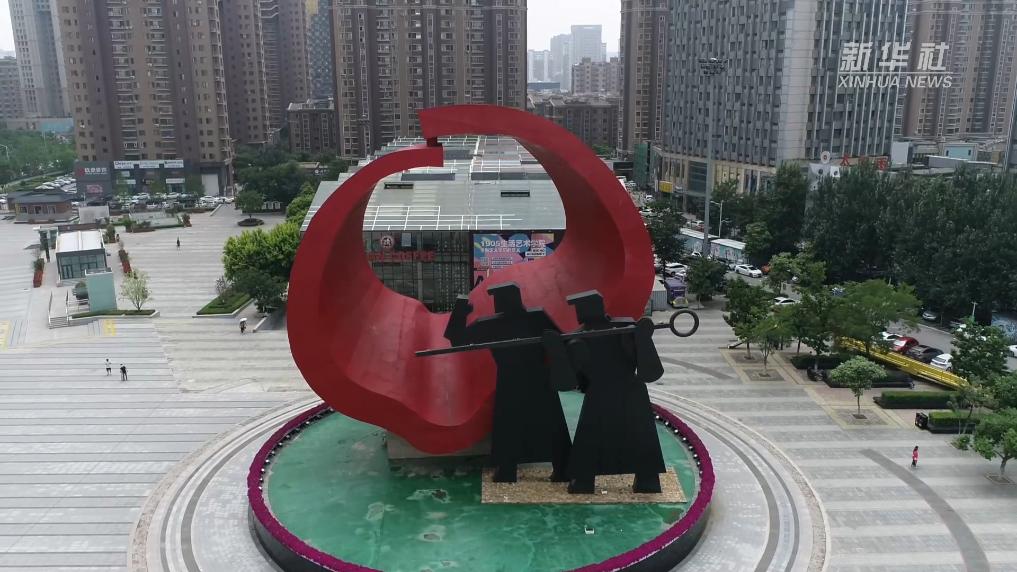
Group 1 - High-quality development is not a one-size-fits-all narrative but is rooted in local practices and future-oriented exploration across various regions in China [1] - Shenyang's 1905 Cultural Creative Park represents a transformation from industrial heritage to a modern cultural hub, showcasing the city's cultural confidence and innovative spirit [2] - The city of Zibo in Shandong is strategically positioning itself in the hydrogen energy sector, leveraging its strong industrial base and abundant hydrogen resources to capture future market opportunities [4][6] Group 2 - Zibo's hydrogen industry is being developed along the entire value chain, including hydrogen production, storage, transportation, and application, indicating a comprehensive approach to industry growth [8] - In Shaanxi's Qianyang, apple cultivation has been optimized through scientific management, achieving significant production and economic benefits for local farmers [9] - The rural tourism sector in Qujing, Yunnan, is rapidly developing, with various initiatives enhancing the attractiveness of local villages and creating new economic opportunities [11] Group 3 - In Fujian's Jianyang, the "Science and Technology Special Commissioner" program has significantly contributed to the successful harvest of the "Hong Meiren" citrus variety, promoting local agricultural development [13]

地名“活”起来 乡村“火”起来
Guang Xi Ri Bao· 2025-11-26 04:11
Core Insights - The article emphasizes the importance of place names in preserving cultural heritage and enhancing local governance, particularly in rural areas of Guangxi, China [1][3][7] Group 1: Cultural Significance of Place Names - Place names serve as cultural symbols that carry collective memories and emotions of local communities, reflecting their historical and cultural identity [1][2] - The "Famous Village Action" initiative aims to deepen the cultural construction of place names, with over 12,000 new village names and 5,000 name signs established this year [1][3] Group 2: Historical Context and Community Involvement - Local officials are actively engaging with residents to gather historical naming materials, ensuring that new names reflect both historical significance and community sentiment [2][3] - The integration of historical context into naming practices helps to preserve local culture and fosters a sense of belonging among residents [2][3] Group 3: Modernization and Technological Integration - The introduction of smart signage in tourist areas enhances navigation and promotes local history, demonstrating the integration of technology in place naming [4][5] - The establishment of a county-level place name information management platform facilitates data sharing among various departments, improving service efficiency [5] Group 4: Economic Impact and Tourism Development - The revitalization of historical sites and the promotion of local culture through place names have led to significant increases in tourism, with some villages reporting visitor numbers up by over 174% [7][8] - The "Jasmine Culture" initiative in Hengzhou has successfully integrated place names with brand promotion, contributing to a 60% market share in the jasmine flower industry [8] Group 5: Governance and Community Empowerment - The governance model in Guangxi emphasizes community participation in naming processes, fostering a sense of ownership and cultural pride among residents [5][6] - The initiative has transformed place naming into a cultural practice that strengthens community ties and enhances local governance effectiveness [5][6][8]
壮大集体经济有高招
Xin Hua Ri Bao· 2025-11-25 23:51
Core Viewpoint - The article highlights the efforts of Xinzhuang Town in Suqian City to enhance village-level collective economy through the promotion of three spirits and the empowerment of party building, leading to a new path of strong villages and prosperous residents. Group 1: Resource Activation - The establishment of a land share cooperative in Xinzhuang Community and Shijiquan Village has consolidated individual farmland into a "10,000-acre rice base," resulting in a stable increase in collective income exceeding 2 million yuan [1]. Group 2: Industry Integration - The integration of agriculture and tourism in Zhenyou Community and Shanhuyuan Community has created a cluster of business types, with over 2 million visitors received this year, significantly boosting tourism revenue and establishing agri-tourism as a new growth engine for the collective economy [1]. Group 3: Development Challenges - The town party committee has implemented a "one village, one policy" support mechanism, utilizing 3,000 square meters of factory resources to aid community development, resulting in the cultivation of four strong village companies and the creation of over 300 local jobs, with an expected collective operating income of over 18 million yuan by 2025 [1].
新疆乌鲁木齐:冰雪游带火乡村游
Zhong Guo Xin Wen Wang· 2025-11-25 14:09
Core Insights - The ski resort in Urumqi County has become a significant driver for local economic development, transforming "cold resources" into a "hot economy" for rural revitalization [2] Group 1: Economic Impact - The ski resort is located near Pingxi Liang Village, where local residents have developed small industries leveraging the resort's advantageous geographical position [2] - The village has opened 60 homestays, attracting approximately 400,000 visitors annually [2]
新华视点丨一方水土一方策:高质量发展的“地方答卷”
Xin Hua Wang· 2025-11-25 06:44
Group 1 - High-quality development is not a one-size-fits-all narrative but is rooted in local practices and future-oriented exploration across various regions in China [1] - Different regions are leveraging their unique resources for transformation, such as the cultural revival in Shenyang and the hydrogen energy initiatives in Shandong [1] Group 2 - The 1905 Cultural Creative Park in Shenyang represents a transformation from industrial heritage to a hub for cultural innovation, showcasing the city's cultural confidence and modern cultural construction [2] - Shandong Zibo is strategically positioning itself in the hydrogen energy sector, utilizing its strong industrial base and abundant hydrogen resources to build a comprehensive hydrogen industry chain [4][9] - Zibo produces approximately 483,000 tons of industrial by-product hydrogen annually, providing a stable hydrogen source for large-scale applications [6] Group 3 - In Shaanxi Qianyang, the apple industry is thriving, with an annual production of 30 million high-quality apple seedlings and a total industry output value exceeding 2.7 billion yuan, benefiting around 12,000 local farmers [11] - Qianyang's apple cultivation practices have achieved efficiency in resource use, including reduced water, fertilizer, land, and labor, while maintaining high yield and quality [12] Group 4 - In Yunnan Qujing, rural tourism is rapidly developing, with various leisure facilities enhancing the local economy and attracting visitors [14][16] - The integration of local natural advantages in Qujing is creating more opportunities for tourism, including weekend and half-day trips [16] Group 5 - In Fujian Jianyang, the "Red Beauty" citrus variety is experiencing a successful harvest, supported by the efforts of technology specialists, which is also encouraging local farmers to engage in diverse fruit cultivation [18][20]
乡村游购空间大
Jing Ji Ri Bao· 2025-11-25 00:02
Core Insights - The integration of rural tourism and shopping is enhancing the multi-dimensional value of rural areas and injecting strong momentum into rural revitalization [1] - The development of rural tourism and shopping has shown a positive trend in both quantity and quality, with 240 key leisure agricultural counties and 2,195 beautiful leisure villages established nationwide [1] - Challenges such as a disconnect between supply quality and consumer demand, lack of distinctive features, and digital service lag are hindering the growth of rural tourism and shopping [1] Group 1: Current Development - The rural tourism and shopping integration is providing a new consumer experience for urban and rural residents [1] - Various regions are exploring integrated development models, such as in Ningxia, where a multi-faceted development model combining agriculture, leisure, and cultural experiences has been established [1] - The shift from "selling products" to "selling experiences" is reshaping the rural economic ecosystem and becoming a consumption engine for rural revitalization [1] Group 2: Challenges and Recommendations - There is a serious issue of homogenization in rural tourism projects, with many areas blindly copying popular templates, leading to a "thousand villages looking the same" phenomenon [1] - Future development should focus on quality improvement rather than just scale expansion to address the challenges of "high traffic but low retention" and "high popularity but low warmth" [1] - Strengthening top-level design and resource integration is essential, with policy support needed to avoid blind imitation and promote unique regional characteristics [2] Group 3: Strategic Initiatives - Companies should collaborate with relevant platforms to create exclusive IPs and utilize big data for precise consumer engagement, enhancing the visibility and influence of rural tourism and shopping [2] - Developing a "one-stop" smart shopping ecosystem and integrating features like a rural shopping map app can streamline services for consumers [2] - Initiatives like issuing rural tourism consumption vouchers and establishing a "rural shopping season" can stimulate consumer interest and demand [2]
深耕本土资源 激活乡村活力 姚桥镇农文旅融合书写振兴答卷
Zhen Jiang Ri Bao· 2025-11-24 23:25
Group 1 - The core idea of the news is the development of agricultural and cultural tourism in Yaoqiao Town, focusing on the integration of traditional farming practices with modern tourism initiatives [1][2][4] - The "Huangnitang Shared Vegetable Garden" project aims to engage urban families in farming activities through a land-sharing model, with an app expected to launch in January 2026 [1] - The establishment of a comprehensive service system by Fucao Agricultural Development Co., which includes planting, management, drying, processing, storage, and sales, is set to enhance the local agricultural value chain [2] Group 2 - The renovation of the old Shiqiao Middle School into a leisure and entertainment complex called "Shiguangli·Baiyushi Hall" showcases local intangible cultural heritage, specifically the production of the traditional snack "Baiyu Bing" [3] - The live streaming initiative from Ruli Village promotes local tourism by highlighting cultural sites and engaging audiences with the village's history and traditions [4] - Ruli Village plans to create an interactive educational tourism route that combines cultural heritage with modern learning experiences, focusing on family values and traditional Chinese culture [4]
【商洛】推进乡村振兴观察
Shan Xi Ri Bao· 2025-11-24 22:58
Group 1: Economic Development and Income Growth - The per capita net income of Taiziping Village increased from over 7,000 yuan to 13,000 yuan in five years, with collective economic accumulation exceeding 1.3 million yuan [1] - The village transformed over 200 houses into a homestay cluster and developed multiple one-day tour routes, leading to stable income for villagers through agritourism [1] - The local cold-water fish farming industry produced over 300 tons of high-quality fish annually, contributing to collective economic growth and job creation [1][3] Group 2: Industry Strengthening and Agricultural Innovation - The establishment of an automated mushroom greenhouse significantly improved the yield and quality of mushrooms, with the brand value of "Zhashui Mushrooms" surpassing 5 billion yuan [2] - The region has developed a complete mushroom industry chain, transitioning from traditional farming to deep processing products [2][3] Group 3: Ecological and Tourism Development - The construction of "Qinling Mountain Water Villages" has been pivotal in promoting tourism, with villages like Zhujiawan winning the title of "World's Best Tourism Village" [5] - The city has built 901 eco-friendly villages and invested over 4.22 billion yuan in rural road construction, enhancing connectivity between scenic spots and villages [5][6] Group 4: Governance and Community Engagement - The introduction of "cloud-based" party service centers in 128 villages has improved grassroots governance, addressing community issues effectively [6] - The "Moral Bank" system in Tan'an County has fostered community engagement and improved village aesthetics, with a high conflict resolution rate of 99.3% [7]
美丽乡村“一张蓝图绘到底”——来自重庆市的调查
Jing Ji Ri Bao· 2025-11-24 05:28
我国乡村地域辽阔、禀赋各异,面对千差万别的乡村实际,因地制宜编制乡村规划,对于优化乡村空 间、激活产业动能、推进乡村全面振兴意义重大。近年来,重庆市积极探索村庄规划分类治理改革, 从"村村编规划"的粗放模式,到"精准分类"的精细治理,为破解乡村规划建设管理难题进行了有益尝 试。 党的二十届四中全会提出,加快农业农村现代化,扎实推进乡村全面振兴。乡村振兴,规划先行。建设 宜居宜业和美乡村,建什么、怎么建,离不开村庄规划的指引。一个能用、管用、好用的村庄规划,对 优化乡村生产生活生态空间、促进城乡融合发展、推进乡村全面振兴具有重要意义。 2024年以来,重庆市积极探索村庄规划分类治理改革,打破原有"村村编规划"的粗放模式,紧扣实用 化、特色化、协同化、共享化四个方向,迭代优化村庄规划编管体系,有效破解了乡村规划建设管理中 的难题,村庄规划对乡村建设的统筹引领和支撑保障作用显著增强,巴渝和美乡村建设不断取得新进 展。 重庆推进村庄规划分类治理改革有哪些创新做法?给乡村面貌带来了什么新变化? 分类施策求实效 晨光洒落,重庆白象山上云消雾散,层峦叠翠。山腰处的巴南区惠民街道胜天村里,农家小院错落有 致,乡村公路蜿蜒纵横 ...