
养老服务

Search documents
明山区托举“夕阳红” 让“养老”变“享老”
Xin Lang Cai Jing· 2026-01-14 23:50
Group 1 - The core viewpoint of the articles emphasizes the development of a comprehensive and high-quality elderly care service system in the Ming Mountain District of Benxi City, focusing on addressing the urgent needs of the elderly population [1][2] - The district integrates resources to create a supportive network for elderly care, particularly targeting issues faced by the elderly, especially those living alone or of advanced age [1] - Various community initiatives, such as the "community restaurant + business kitchen + fast food outlet" model, are implemented to provide meal delivery and other essential services to the elderly [1] Group 2 - The district actively promotes cultural and recreational activities for the elderly, offering diverse courses and events to meet their growing spiritual and cultural needs [2] - Community organizations have established programs like "Happy Knocking Day" and "15-minute elderly service circle" to enhance support for elderly individuals, including creating dynamic records for seniors over 70 [2] - The involvement of grassroots party organizations and volunteers plays a crucial role in providing regular visits, holiday greetings, and assistance to the elderly, with services reaching over a thousand individuals [2]
把一个养老驿站做到“高度认可”
Xin Lang Cai Jing· 2026-01-14 22:45
Group 1 - The newly opened Tongyun Street Elderly Service Center has quickly attracted many elderly visitors, filling a gap in regional elderly care services and bringing significant changes to the lives of local seniors [1] - The center features a community restaurant that offers small portion meals with visible nutritional information, and prices are affordable, with discounts for seniors [2] - The center has 82 elderly care beds, with over 20 residents already, indicating strong community support for professional and inclusive elderly care services [3] Group 2 - Tongyun Street, established in 2018, has a population of 67,000, with over 8,800 seniors aged 60 and above, and prior to the center's opening, there were limited elderly care facilities in the area [4] - The center aims to provide professional and inclusive elderly care services, addressing the needs of the aging population and supporting family caregivers [3][4] - The initiative aligns with national policies aimed at improving public welfare and addressing urgent social issues [4]
五级养老机构
Xin Lang Cai Jing· 2026-01-14 22:45
转自:辽宁日报 大连市持续推动养老服务事业高质量发展。目前,全市养老床位3.8万张,养老机构394家,获评等级的 共164家,其中省五级机构9家,各类居家社区养老服务设施1753个,基本构建起了居家社区机构相协 调、医养康养相结合的养老服务体系。 本报记者 智曼卿 (来源:辽宁日报) 近日,睿康之家(大连)颐养有限公司(睿康之家颐养院)、大连庄河市颐养服务中心、大连康养集团 养老服务有限公司(葵英养护院)获评辽宁省2025年度五级养老机构。至此,大连市的五级养老机构数 量达到9家。 养老机构等级评定分为五个等级,级数越高,表示养老机构在环境、设施设备、运营管理、服务方面的 综合能力越强。对于长者及家属选择养老机构具有参考意义。 此前,大连市椒金山养老服务中心、大连市沙河口区南沙老年之家、大连市甘井子区辛寨子社区养老服 务中心、大连德泰养老服务有限公司、大连瓦房店兴华园老年福利服务中心、大连市西岗区耆享园养老 中心6家养老机构先后获评辽宁省五级养老机构。 ...
西藏累计为190余万老年人提供养老服务
Ren Min Ri Bao· 2026-01-14 21:52
西藏因地制宜建立完善基本养老服务清单。全区投入563万元建成老年助餐点183个,设置餐位数7979 个;投入1226万元实施3505户特殊困难老年人家庭适老化改造;投入1144万元开展经济困难失能老年人 等群体集中照护服务;落实养老服务国家和地方标准,为43家养老机构颁授星级牌匾。 (文章来源:人民日报) 本报拉萨1月14日电记者从西藏自治区人民政府新闻办了解到:截至2025年,西藏共建成特困人员集中 供养服务中心80家,县级特困供养机构实现全覆盖,集中供养5825名老年人。设置养老床位1.2万余 张,其中护理型床位占比达55%。建设老年人日间照料中心65家,农村幸福院195家,累计为190余万老 年人提供各类养老服务。 ...
青海全力构建高原特色养老服务新格局
Xin Lang Cai Jing· 2026-01-14 19:41
Core Viewpoint - Qinghai Province has made significant progress in establishing a new elderly care service system that integrates home, community, and institutional care, enhancing the sense of gain, happiness, and security for the elderly population during the "14th Five-Year Plan" period [1][2] Group 1: Policy Framework - Over 30 policy measures related to elderly care service guarantees, industry promotion, and institutional regulation have been formulated and revised, creating a robust policy system based on normative documents from the provincial government [1] - The policy framework supports a model of "government-led, social participation, and family responsibility" in elderly care [1] Group 2: Community and Institutional Care - Breakthroughs in community elderly care include the establishment of 61 street-level comprehensive elderly service centers, the renovation of 476 rural mutual happiness homes, and the creation of 755 "happiness canteens" to address meal assistance challenges [1] - Institutional elderly care has been expanded and improved with an investment of 1.27 billion yuan to upgrade 754 elderly care facilities, the establishment of 12 county-level public elderly care institutions, and 13 county-level elderly activity centers, resulting in a total of 12,000 beds, with 60.85% being nursing beds [1] Group 3: Financial Support and Insurance - A total of 83,300 elderly individuals have been included in urban and rural subsistence allowances, and 13,100 elderly individuals have been included in special care support, significantly enhancing care capabilities for those in need [1] - The government has allocated 56.63 million yuan in central and provincial financial support for the purchase of elderly care services, benefiting 120,000 individuals through government-purchased home services [2] Group 4: Home Care Improvements - 4,534 family elderly care beds have been established, and 11,000 households have undergone age-friendly renovations, with a 100% monthly visit rate for elderly individuals facing special difficulties [2] - The high-age subsidy policy has been continuously improved, providing annual subsidies to over 380,000 elderly individuals aged 70 and above, making it one of the provinces with the widest coverage and highest beneficiary ratio for high-age subsidies in the country [2] Group 5: Talent Development - Continuous strengthening of talent support includes at least one annual training session for nursing home directors and nursing skills, with over 6,000 nursing staff trained, achieving a 100% training rate for nursing home directors and pre-job fire safety training for nursing staff [2]
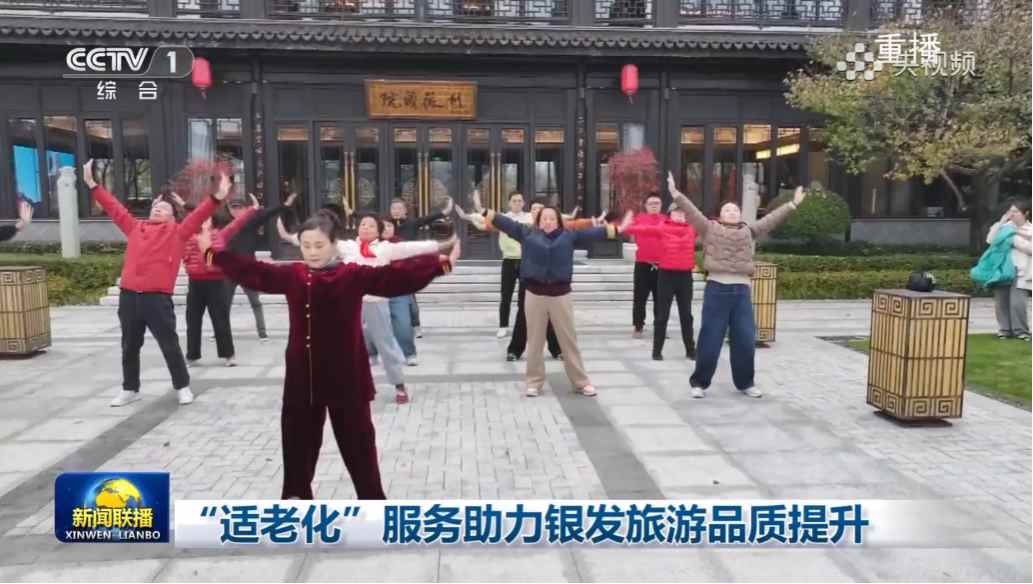
登陆央视《新闻联播》:助力“适老化“服务,平安打造旅居养老新样本
智通财经网· 2026-01-14 13:25
央视《新闻联播》报道平安管家黄山旅居基地画面 央视《新闻联播》报道平安管家黄山旅居基地画面 智通财经APP获悉,国家"十五五"规划提出,积极应对人口老龄化,健全养老事业和产业协同发展政策机制。近日,央视《新闻联播》在关注我国"适 老化"服务助力银发旅游品质提升的报道中,将镜头对准了平安好医生(01833)位于安徽黄山的养老旅居基地。作为适老化旅游旅居产品的创新样本, 该基地凭借专业的健康管理配套与精细化的适老服务,成为银发经济浪潮下养老旅居的行业标杆。 央视聚焦:银发旅游品质升级 旅居养老成新宠 随着我国人口老龄化进程加速,老年群体的消费需求正从单一的基本养老向高品质的享老转变。据央视报道,老年人已成为旅游市场的重要群体,各 平台也推出一系列适合老年游客的慢旅行、康养游、候鸟列车等多样化的旅游产品,助力老年游客轻松出游。 在央视《新闻联播》的镜头中,平安管家黄山旅居基地展示了这样一幅图景:徽派建筑的静谧环境中,老年人不仅能享受休闲度假的乐趣,更能获得 专业的健康保障。镜头之外,折射出平安好医生对银发族需求的深刻洞察:针对很多老年人向往远方,却因担心身体状况而不敢出行的顾虑,创新性 地将专业养老服务搬进风景区。 ...

日照路加颐养院开业,打造医养旅居一体化养老新标杆
Qi Lu Wan Bao· 2026-01-14 13:00
随着我国老龄化进程加速,高品质养老服务成为社会刚需。近日,位于岚山区碑廓镇王家庄东山村的日 照路加颐养院正式开业,这所集养老、旅居、康复、医疗及健康管理于一体的一站式综合服务机构,以 专业配置与温暖服务,为长者们打造了一处安全舒适、有尊严的晚年家园,为区域养老事业发展注入新 活力。 据了解,日照路加颐养院的建设始于2018年,总占地面积达24亩,总建筑面积约8000平方米。院内布局 合理,设施完善,建有一栋综合主体楼和二层公寓楼。主体楼内设置近200张床位,涵盖单人间、双人 间及三人间等多种房型,所有房间均配备独立卫生间与适老化设施,充分考虑长者生活便利性;二层公 寓楼则专注于提供高端养老及旅居体验,满足不同长者的多元需求。目前,已有40余位长者率先入住, 开启舒心养老生活。 服务品质是养老机构的核心竞争力。日照路加颐养院秉持"用心照护,温暖陪伴"的理念,组建了一支专 业的管理与服务团队,所有护理人员均经过系统培训并持证上岗。针对自理、半失能、失能失智等不同 身体状况的长者,机构量身定制个性化照护方案,提供日常起居照料、健康管理等全方位服务。 为丰富长者精神生活,缓解孤独感,颐养院积极落实"身、心、灵"全人照 ...
2025年云南特色产业技能培训逾31万人次 就业率超85%
Zhong Guo Xin Wen Wang· 2026-01-14 12:16
Group 1 - The core viewpoint of the article highlights that Yunnan Province plans to implement specialized skills training for over 312,300 individuals by 2025, focusing on six key industries, with an expected employment rate exceeding 85% post-training [1][2] - In the past year, Yunnan's human resources departments have added 511,000 urban jobs, maintaining overall employment stability, and have released 3.987 billion yuan in unemployment insurance benefits to support key groups such as college graduates and migrant workers [1] - The province has established labor-intensive industrial parks in seven major counties to activate idle resources and has recognized 2,448 employment assistance workshops [1] Group 2 - The meeting emphasized the need for human resources departments to focus on stabilizing employment, enhancing skills, optimizing protections, and activating workforce potential to ensure a strong start for the 14th Five-Year Plan [2] - Specific actions include implementing measures to stabilize jobs, expand capacity, and improve quality, alongside large-scale vocational skills training and professional technical talent projects [2] - The meeting also stressed the importance of providing employment services for migrant workers and organizing special activities such as the "Spring Breeze Action" and "Employment Assistance Season" to address wage arrears and ensure safety production responsibilities are upheld [2]
集中整治非法集资、“坑老”低价游等乱象
Xin Lang Cai Jing· 2026-01-14 11:25
Core Viewpoint - The Ministry of Civil Affairs and seven other departments have introduced measures to cultivate the elderly care service industry and promote the silver economy, aiming to enhance the vitality of various elderly care service providers and better meet the diverse needs of the elderly population [2] Group 1: Brand Development - The measures emphasize strengthening brand development for elderly care services, encouraging the establishment of distinctive brand signage and enhancing brand recognition [3] - Local civil affairs departments are encouraged to standardize the names and signage of various elderly care service providers to improve brand identification [3] - Support for trademark registration and protection for well-known elderly care brands is also highlighted [3] Group 2: Market Supply and Demand - The measures propose optimizing the supply of elderly care services and age-friendly products, promoting community-based service integration through chain operations [4] - Encouragement for the development of specialized medical accompaniment services and mobile bathing services for the elderly is included [4] - The initiative also promotes the development of age-appropriate clothing and home modifications to create suitable living environments for the elderly [4] Group 3: Supply and Demand Platforms - The establishment of local platforms for elderly care services is encouraged to enhance resource utilization and service integration [5] - Support for exhibitions and trade fairs focused on the silver economy is included to facilitate connections between manufacturers, service providers, and consumers [5] - E-commerce platforms are encouraged to create dedicated sections for elderly products to enhance online and offline shopping experiences [5] Group 4: Technological Empowerment - The measures advocate for technological advancements in elderly care, including the use of big data, AI, and smart home technologies [7] - Support for the development of care robots and other innovative technologies to meet the daily needs of the elderly is emphasized [7] - Collaboration between elderly care institutions and technology developers is encouraged to enhance user experience and facilitate the adoption of new technologies [7] Group 5: Development Environment Optimization - The measures call for a fair competitive environment in the elderly care sector, including the reform of institutional classifications and support policies [8] - Establishment of standards and certification systems for elderly products and services is proposed to guide consumer choices [8] - Protection of elderly rights through education and regulation against fraudulent practices is also highlighted [8] Group 6: Support for Operating Entities - The measures aim to reduce administrative burdens on elderly care institutions and ensure fair pricing practices [9] - Public awareness campaigns to promote positive narratives about elderly care services are encouraged [9] Group 7: Resource Support - Local civil affairs departments are tasked with providing information on elderly demographics and service facilities to support the industry [10] - Streamlining the licensing process for elderly care providers and ensuring land availability for service facilities are also part of the measures [10] - Policies to support the stable operation of elderly care institutions, including financial assistance and regulatory measures, are proposed [10]
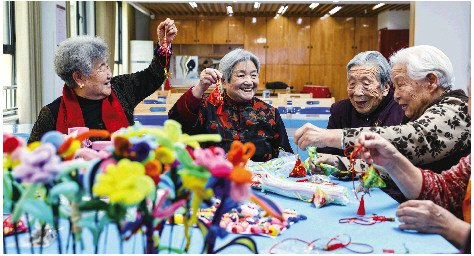
广西向中度以上失能老年人发放养老服务消费补贴 每人每月最高800元
Zhong Guo Xin Wen Wang· 2026-01-14 11:13
该项养老服务消费补贴对象为中度及以上失能的居住地为广西的60周岁及以上老年人,且购买居家、社 区、机构服务的服务地址在广西境内。补贴项目主要包括助餐、助浴、助洁、助行、助急、助医服务, 以及康复护理、日间托养等服务,机构养老长期服务(入住机构时间在30天以上)和短期服务(即"喘息服 务",入住机构时间在30天以内)等。 广西壮族自治区民政厅14日介绍,广西通过中央和自治区财政资金,对符合条件的失能老年人发放养老 服务消费补贴。该补贴以电子消费券形式向中度以上失能老年人发放,电子消费券可以对补贴项目范围 内的个人自付养老服务消费金额予以抵扣,抵扣额度暂定为每人每月最高800元。 据悉,上述补贴项目实施周期为12个自然月,即从2026年1月至12月。 (责任编辑:张紫祎) 具体而言,电子消费券可以对补贴项目范围内的个人自付的养老服务消费金额予以抵扣,抵扣额度暂定 为每人每月最高800元。在每月最高抵扣额度范围内,机构养老长期服务、短期服务、日间托养抵扣比 例暂定为养老服务消费金额的40%,居家上门服务抵扣比例暂定为养老服务消费金额的50%。老年人能 力评估券抵扣额度为每人最高100元。 ...