乡村旅游

Search documents
超越“网红”:中山崖口村的农文旅融合“新算法”
Nan Fang Nong Cun Bao· 2025-11-06 06:04
Core Viewpoint - The article discusses the successful transformation of Yunkou Village in Zhongshan City, Guangdong Province, into a thriving rural tourism destination through a unique integration of agriculture, culture, and tourism, referred to as the "Yunkou Algorithm" [7][8]. Group 1: Visitor Statistics and Growth - Yunkou Village attracts 10,000 to 20,000 visitors daily, with a total of 5.84 million visitors in 2024, and an expected increase to over 6 million this year [4][5]. - The opening of the Shen-Zhong Channel in 2024 has significantly boosted visitor numbers from cities like Hong Kong and Shenzhen [3][4]. Group 2: Development Strategy - The village's development strategy includes a focus on agricultural sustainability, utilizing a crop rotation model that maximizes ecological benefits and aesthetic appeal [18][20]. - The initial wave of popularity was driven by the "Yunkou Claypot Rice," which became a viral sensation in 2017, leading to a systematic layout of the tourism industry [14][15]. Group 3: Targeting Young Consumers - Yunkou Village has successfully tapped into the younger demographic through initiatives like the Dongdi Market, which offers low-cost entrepreneurial opportunities and has become a popular destination [29][30]. - The market features over 90 stalls, with a significant portion operated by local residents, enhancing community engagement [30][31]. Group 4: Infrastructure and Amenities - The village has developed over 30 cafes, 13 inns, and 18 food stalls, creating a "food economy belt" that spans over 6 kilometers [42][43]. - High-end accommodations, such as the "Wild Courtyard" inn, have been established to cater to visitors seeking relaxation and unique experiences [36][41]. Group 5: Entrepreneurial Opportunities - The village promotes a culture of entrepreneurship, with over 170 young people returning to start their own businesses, ranging from cafes to specialty product sales [50][51]. - The local government supports this entrepreneurial spirit by providing resources and infrastructure, ensuring that the benefits of tourism flow back to the community [62][63]. Group 6: Brand Development and Innovation - Yunkou Village has enhanced its agricultural products' branding, notably increasing the price of its selenium-rich rice from 2.5 yuan to 20 yuan per pound, with an annual production of 3.2 million pounds [81][82]. - The introduction of a self-branded coffee line aims to ensure quality and stability in the local coffee market, further diversifying the village's agricultural offerings [84][85]. Group 7: Future Plans - Future initiatives include improving transportation infrastructure, revitalizing old industrial areas, and developing high-end tourism projects to enhance the village's appeal [87][89].


四中全会精神在基层丨建起棒球场,组团种花卉——浙江嘉兴村庄走出抱团发展共富路
Xin Hua She· 2025-11-05 12:42
Core Insights - The article highlights the successful development model of collective prosperity in rural areas of Zhejiang, particularly through the establishment of a baseball field and flower cultivation initiatives [1][3]. Group 1: Baseball Development in Xujiadai Village - Xujiadai Village transformed from a pig-farming community with environmental issues to a thriving area by leveraging local interest in baseball, leading to the construction of the first international standard youth baseball field in Zhejiang in 2018 [3][4]. - The village has hosted over 50 domestic and international events, attracting 550,000 visitors in 2024, and has developed related tourism projects such as homestays and dining [3][4]. - The collective economic income of Xujiadai Village surpassed 10 million yuan in 2024, with per capita income reaching 56,000 yuan, creating 295 jobs in the agricultural and cultural tourism sectors [4][5]. Group 2: Flower Cultivation in Taoyuan Village - Taoyuan Village, through the introduction of the gardening brand "Tasha's Garden," has seen its collective economic income exceed 10.25 million yuan, with per capita net income reaching 54,671 yuan [5][8]. - The village has created 164 jobs directly through Tasha's Garden, with additional employment opportunities in surrounding areas, totaling 268 jobs in the region [5][8]. - The "Big Taoyuan" model promotes collaborative development among multiple villages, enhancing agricultural productivity and market reach through diversified planting and unified sales strategies [8]. Group 3: Broader Implications for Rural Development - The article emphasizes the importance of fostering rural industries and improving mechanisms that connect farmers to markets, as outlined in the recent national economic development plans [8]. - The integration of urban public services into rural areas is a key focus for future development, aiming to improve living conditions and expand employment opportunities [8].

揭西:农文旅融合奏响“百千万工程”新乐章
Nan Fang Nong Cun Bao· 2025-11-05 06:32
Core Viewpoint - The article discusses the integration of agriculture, culture, and tourism in Ping Shang Town, revealing how the "Hundred Thousand Project" is driving rural revitalization and economic development through unique agricultural products and tourism initiatives [8][10][70]. Agricultural Development - Ping Shang Town has focused on enhancing agricultural quality, transforming local specialties into recognized brands, such as the "Yidianhong" sweet potato, which has been included in the 2024 national list of special agricultural products [25][26]. - The town has cultivated over 1,200 acres of "Yidianhong" sweet potatoes, achieving an average yield of 2,000 pounds per acre through innovative farming practices [22][29]. - A comprehensive strategy has been implemented to promote agricultural development, including the establishment of nine "vegetable basket" bases in the Guangdong-Hong Kong-Macao Greater Bay Area [29][41]. Tourism Development - The town leverages its natural beauty, particularly the annual blooming of plum blossoms, to attract tourists and enhance local tourism [46][48]. - Efforts are being made to integrate tourism with local industries, creating a unique rural tourism experience that boosts the local economy [55][70]. - Significant investments are planned for tourism infrastructure, including a 124 million yuan agricultural ecological tourism project and improvements to existing facilities to address visitor needs [63][65]. Future Outlook - The local government aims to establish a modern industrial system by focusing on industrial, agricultural, and tourism sectors, thereby promoting higher levels of rural revitalization [70][72]. - The ongoing initiatives are expected to transform the rural landscape into a thriving, ecologically sustainable, and culturally rich environment, making the vision of rural revitalization a tangible reality [72].
浙江岱山农文旅融合促进乡村振兴
Zhong Guo Jing Ji Wang· 2025-11-05 05:53
Core Insights - The "Island Village Gallery" roadshow competition in Zhoushan, Zhejiang Province successfully concluded, with three projects, including "Longtou Salt Selection" and "Daidong Common Prosperity," winning gold awards [1] - The development of the "Agricultural Rhythm" initiative in Gaoting Town is focused on land consolidation and modernization of agricultural practices, achieving a total of 1,246 acres of land transfer from March to July, with 806 acres managed by the county's agricultural development group [1] Group 1 - The integration of 1,246 acres of land into a modern agricultural economic belt in Gaoting Town has been completed, promoting both large-scale operations and increased income for local farmers [1] - The "Luhuan Qingsha" rural complex in Daidong Town is set to open in 2024 and has become a popular tourist destination, attracting over 50,000 visitors and generating more than 1.5 million yuan in revenue [2] - The establishment of a "Agricultural Enterprises + Village Collective + Farmers" benefit-sharing mechanism is being implemented to encourage villagers to invest in local development [2] Group 2 - The "Agricultural Rhythm" development axis spans approximately 17 kilometers, covering three towns and eleven villages, focusing on industrial revitalization, landscape enhancement, and high-standard farmland efficiency [3] - The introduction of rural managers has positively impacted village development, with a goal to attract more talented teams to Zhoushan through initiatives like the roadshow competition [3]
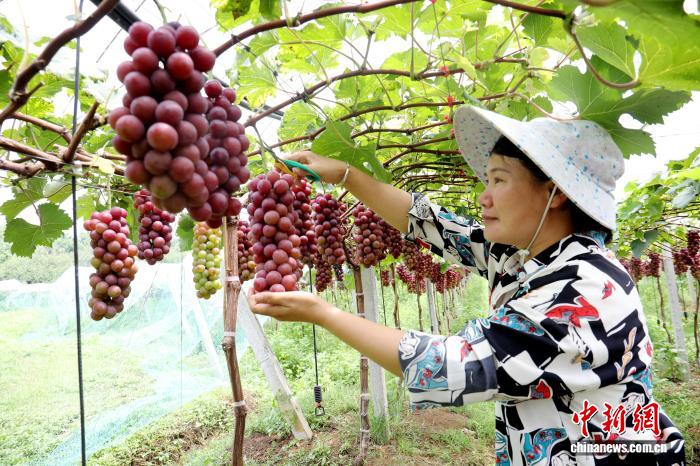
广西贺州:葡萄酒叩开大湾区市场 农民增收有 “甜” 方
Zhong Guo Xin Wen Wang· 2025-11-04 07:13
Core Viewpoint - The grape wine industry in Guangxi Hezhou is opening up new markets in the Greater Bay Area, leading to increased income for local farmers through innovative agricultural practices and industry integration [1][2]. Group 1: Industry Development - The grape planting area in Pinggui District has reached 1,700 acres, with over 10 varieties including wine grapes and summer black grapes [2]. - The local grape wine production model combines "Party branch + cooperative + farmers," resulting in an annual output of approximately 200 tons and a value of around 1.6 million yuan [2]. - The district is focusing on creating a comprehensive rural tourism experience that includes grape picking, unique homestays, and educational programs, enhancing the value chain of the grape wine industry [4]. Group 2: Economic Impact - The introduction of high-quality grape varieties and advanced winemaking equipment has significantly improved production quality, with a single wine vat selling for 9,000 yuan, equivalent to the price of over one acre of fresh grapes [1][2]. - The local economy is benefiting from the integration of agriculture and tourism, with over 30 households participating in grape cultivation, thus increasing their income [2][4]. - Farmers are encouraged to share in the value-added benefits of the grape wine industry through land transfer, employment opportunities, and profit-sharing models [4].
晋城古村“新生”记
Zheng Quan Shi Bao Wang· 2025-11-04 05:26
Core Insights - The article highlights the revitalization of tourism in the villages of Shangzhuang and Zhongzhuang in Yangcheng County, Jin City, through the connection of water systems and coordinated development efforts [4][5][7]. Group 1: Tourism Development - The villages previously faced limitations in tourism development due to lack of coordination and environmental issues, which affected the overall competitiveness of regional tourism [3][4]. - The connection of water systems has allowed for complementary development, with Shangzhuang focusing on educational tourism and Zhongzhuang developing unique homestays, avoiding redundant construction [5][6]. Group 2: Cultural Heritage and E-commerce - In Baofu Village, the rich cultural heritage is being leveraged for tourism, with initiatives to utilize old courtyards for generating income during off-peak seasons [8]. - The village has established an e-commerce live streaming industry park, transforming idle courtyards into live streaming venues, which has attracted local and external businesses [9][10]. Group 3: Community Engagement and Future Prospects - The community is increasingly engaged in tourism and cultural activities, with villagers showing interest in opportunities created by local tourism development [10]. - The article suggests that these changes are just the beginning, with expectations for more vibrant stories and developments in the future [10].
阳江阳春创新文旅体验 田间音乐会带火乡村旅游
Nan Fang Ri Bao Wang Luo Ban· 2025-11-03 08:21
Core Insights - The event in Yangjiang's Malan Village combines music and agriculture, attracting numerous visitors and promoting cultural tourism [1][2] - The festival features various activities, including a singing competition and local culinary experiences, enhancing visitor engagement [1][2] Group 1: Event Overview - The Malan Rice Field Music Festival and Agricultural Cultural Tourism Integration Carnival commenced on October 31 and lasts for three days [1] - The event includes performances by 36 contestants in the "Moyang Good Voice" competition, creating a vibrant atmosphere [1] - The festival showcases a blend of local folk songs, modern music, and intangible cultural heritage performances [1] Group 2: Visitor Experience - Visitors can engage in hands-on activities such as rice harvesting and tasting local delicacies, providing an educational experience for children [1][2] - The culinary section features renowned chefs collaborating with local students to create dishes using regional ingredients, highlighting the "one town, one product" concept [2] - A creative market displays various local products, demonstrating the achievements of the "Hundred Million Thousand Project" [2] Group 3: Development Strategy - The local government aims to transform Malan Village from an "agricultural village" to a "cultural tourism stronghold" through spatial optimization and industry innovation [2] - The strategy involves a collaborative model of government guidance, market operation, and community participation to foster unique cultural tourism brands [2] - The focus is on developing immersive experience projects to promote the deep integration of agriculture, culture, and tourism [2]
今年前9个月,东西部协作助农帮销超980亿元
Nan Fang Nong Cun Bao· 2025-11-03 07:05
Core Insights - The collaboration between eastern and western regions in China has facilitated the sale of agricultural products exceeding 98 billion yuan in the first nine months of this year [7][8] - A series of activities aimed at promoting consumption, employment, and the integration of agriculture, culture, and tourism were held in Hangzhou, Zhejiang Province [2][3] - The initiative has successfully connected agricultural production and sales entities, vocational schools, and labor brands, enhancing employment opportunities for rural labor [4][5][12] Group 1 - The eastern and western collaboration has led to the procurement and sales of agricultural products from impoverished areas amounting to 98.78 billion yuan, creating jobs for 847,000 rural workers [8] - A total of 17 unique rural tourism routes have generated online sales of 160 million yuan [8][9] - Guangdong has purchased and assisted in selling agricultural and handicraft products from Guangxi worth 2.3177 million yuan, fostering 49 specialty product categories [14][15] Group 2 - The "4+" model initiated between Guangdong and Guizhou has facilitated the transfer of over 400,000 rural workers, with 58,000 people employed [19][20] - From 2021 to 2025, Guangdong aims to assist in selling 95.09 billion yuan worth of Guizhou's agricultural products [21] - Recent activities have resulted in agreements between 152 companies from Guangdong and Guizhou, achieving a sales connection amounting to 1.501 billion yuan [24]
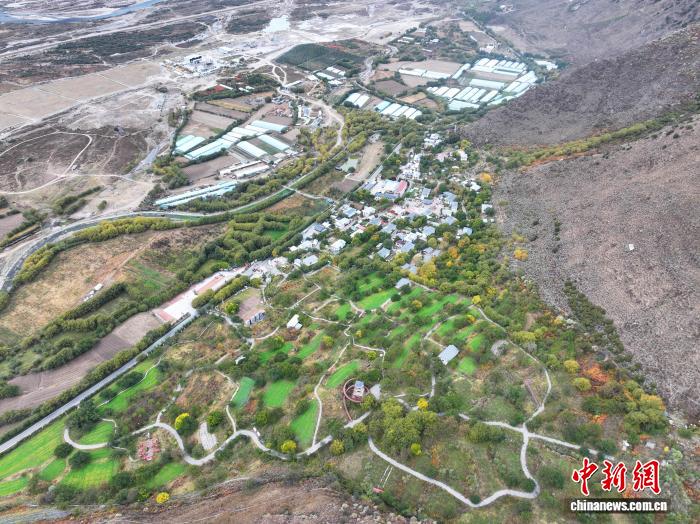
西藏:民族团结之花绽放在雪域桃乡 嘎拉村以“旅游+”绘就乡村振兴新图景
Zhong Guo Xin Wen Wang· 2025-11-02 03:29
Core Insights - Gala Village in Nyingchi, Tibet, has transformed its ecological beauty into economic value through a development model led by party branches and local farmers, achieving a total rural economic income of 14.02 million yuan in 2024, with a per capita disposable income of 41,200 yuan [1][4]. Economic Development - The village has a total of 33 households and 149 residents, with 590.9 acres of arable land and 10,169 acres of pasture [4]. - The income from the Peach Blossom Source has increased from 50,000 yuan in 2013 to over 3.7 million yuan in 2024, marking a 74-fold growth over 11 years, with a single-day ticket revenue peak of 200,000 yuan [5]. Infrastructure and Investment - Since the 10th Party Congress of the Tibet Autonomous Region, over 30 million yuan has been invested in projects such as the restoration of wild peach trees, upgrades to the Peach Blossom Source scenic area, and the construction of the "Unity Ode" research and study center [4]. Community and Cultural Integration - The village has developed a "Tourism +" model, integrating tourism with local agriculture and livestock, creating a supportive industry cluster that includes a transportation team, a fruit-picking garden, and a visitor reception center [5]. - A profit-sharing mechanism involving land transfer, labor employment, and collective dividends has been established, allowing villagers to share in the development benefits [5].
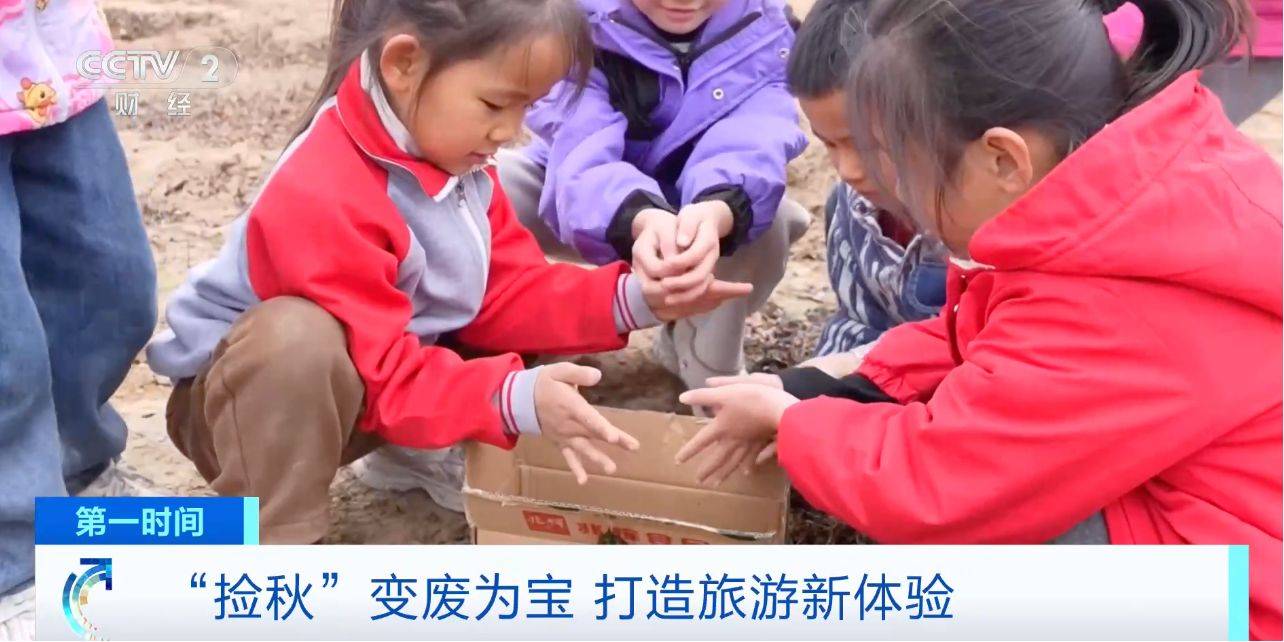
“捡秋”热度延伸!“田间宝藏”变自制美味,河北打造旅游新体验→
Sou Hu Cai Jing· 2025-11-01 10:10
Core Insights - The article discusses how local areas in Hebei province are transforming agricultural resources into unique tourism products to meet the diverse "autumn harvest" needs of tourists [1][3]. Group 1: Tourism Development - In Baoding, Hebei, various "hands-on harvest" activities and tourism projects have been launched, allowing consumers to experience the charm of farming while expanding the sales channels for local agricultural products [1][3]. - In Anguo City, farmers opened their fields to tourists, turning overlooked small yam into a sought-after "treasure," enhancing the visitor experience of "autumn harvest" [3]. Group 2: Economic Impact - The "autumn harvest" activities have created a "from field to table" experience chain, with tourists making DIY blueberry yam, contributing to local income, with farmers earning approximately 50,000 yuan during the harvest season [3]. - A farm in Tang County, Baoding, has seen significant participation from families, with about 20,000 jin (10,000 kg) of sweet potatoes sold since mid-October [9].