
体育培训

Search documents
体育外卖”亟待从“快餐”变成“营养餐
Xin Hua Ri Bao· 2025-10-13 06:22
Core Insights - The rise of "sports takeaway" services reflects a growing demand for personalized and convenient fitness solutions, particularly among families with children preparing for physical exams and seeking healthier lifestyles [1][3][4] Group 1: Market Trends - The "sports takeaway" market in Nanjing has seen a significant increase, with July orders doubling compared to the previous year, and average class prices ranging from 150 to 300 yuan [2][3] - The popularity of group classes, particularly "three-person group lessons," has surged, accounting for over 50% of the offerings [2] - A notable trend is the customization of training programs, with many parents seeking tailored sessions for their children in various sports, including football and basketball [4][5] Group 2: Consumer Motivations - Parents are increasingly motivated by the need for their children to improve physical fitness and prepare for exams, with 65% of summer orders focused on middle school exam preparation [4] - The convenience of at-home training, combined with the flexibility of scheduling, appeals to busy families who find traditional sports training facilities less accommodating [2][3] Group 3: Industry Challenges - The "sports takeaway" industry faces challenges such as a lack of standardization, regulatory difficulties, and varying service quality, which can lead to safety concerns for participants [6][7] - There is a significant gap in the qualification verification of trainers, with many lacking necessary certifications, raising concerns about the potential for injury [6][7] Group 4: Future Development - The industry is exploring collaborative governance involving government, platforms, and users to promote standardized practices and improve service quality [7] - Initiatives like community sports stations are being tested to enhance accessibility and create a supportive environment for physical activity [7]
美国 IPO 市场本周动态:多领域企业密集上市,SPAC与微型股成亮点
Sou Hu Cai Jing· 2025-10-11 10:08
Group 1: IPO Market Activity - The US IPO market showed high activity this week with 6 companies going public through traditional IPOs and 2 SPACs listing, alongside 13 companies filing for initial public offerings [1][8] - Alliance Laundry Holdings (ALH) raised $826 million with a market cap of $4.5 billion, pricing at the upper limit of its range, and saw a 14% increase in stock price [1][4] - Phoenix Education Partners (PXED) raised $136 million with a market cap of $1.3 billion, pricing at the midpoint of its range, and experienced a 13% stock price increase [1][4] Group 2: SPAC Listings - Two SPACs completed their listings this week: GigCapital8 raised $220 million and Lake Superior Acquisition raised $100 million, focusing on energy, social media, and consumer goods [3][4] - The SPAC market remains active, with several new SPACs filing for IPOs, including Xsolla SPAC 1 and Alussa Energy Acquisition II, both aiming to raise $250 million [5][7] Group 3: Company Performance - One and One Green Tech (YDDL) raised $10 million with a market cap of $27 million, and its stock surged by 31% [2][4] - Turn Therapeutics (TTRX) went public through direct listing but saw a 26% decline in stock price, opening at $10 [3][4] - Leifras (LFS) raised $5 million with a market cap of $10.5 million, but its stock fell by 5% [2][4] Group 4: Upcoming IPOs and Regulatory Changes - 13 companies have filed for IPOs, including BillionToOne and Evommune, each planning to raise $100 million [4][5] - The SEC issued new guidelines allowing companies to announce their pricing range during the IPO process, which may encourage more companies to proceed with listings amid macroeconomic uncertainties [9]

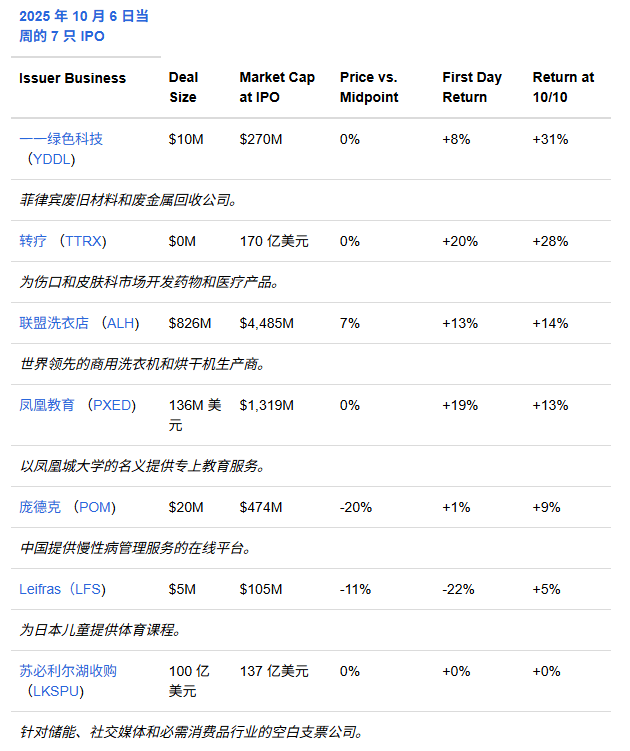
2025北京体彩网球公益青少年训练营圆满落幕
Bei Jing Shang Bao· 2025-10-11 07:34
北京商报讯(记者 和岳)2025北京体彩公益网球青少年训练营于10月4—6日在国家网球中心圆满举行。本次活动吸 引了百余名青少年免费参与,体验了为期三天的高质量网球培训。 本次活动由北京中国网球公开赛体育推广有限公司与北京体育彩票管理中心联合主办,依托"体彩公益助力青少年成 长"理念。未来,北京体彩将继续携手中网团队,通过完善场地设施、优化培训体系、丰富赛事活动等多元方式,拓 展青少年网球公益培训的深度与广度,让更多孩子在运动中健康成长,为建设体育强国持续注入"体彩力量"。 北京体彩中心代表表示,本次活动是响应国家体育总局"633"青训工作计划的重要举措。随着中国网球选手在国际赛 场上屡创佳绩,国内青少年网球热情持续高涨,体彩公益金正为夯实网球人才基础、推动体教融合提供有力支持。 ...
曲棍球之城云浮:小球飞出“大金山”|粤动21城
2 1 Shi Ji Jing Ji Bao Dao· 2025-10-10 07:03
Core Insights - The article emphasizes the role of sports events as a powerful engine for urban development, particularly in Guangdong province, with a focus on the upcoming 15th National Games and the Special Olympics [1][2]. Group 1: Development of Hockey in Yunfu - Yunfu is positioning itself as a "Hockey City" by leveraging the hosting of the 15th National Games to promote the sport and enhance its urban profile [2][4]. - The city has seen significant growth in hockey participation, with registered players increasing from 50 to 2,316, representing over 60% of the province's hockey athletes [4][5]. - A comprehensive youth training system has been established, with multiple levels of training from elementary to high school, contributing to the development of local talent [5][6]. Group 2: Economic Impact and Sports Integration - The integration of sports with tourism and commerce is evident, as Yunfu aims to create a model that combines events with local attractions to boost economic activity [9][10]. - The city plans to host regular provincial events and develop related industries, creating a sports-centric economic ecosystem [6][9]. - The upcoming events are expected to enhance Yunfu's commercial landscape, with initiatives to attract tourists and promote local culture through sports [9][10]. Group 3: Community Engagement and Participation - There is a growing enthusiasm for sports among the local population, with over 1 million residents participating in regular physical activities, accounting for 41.7% of the total population [8]. - The city has mobilized over 3,000 volunteers to promote sports, particularly hockey, fostering a community spirit around the upcoming National Games [8][9]. - Various community sports events are being organized to engage different demographics, further embedding sports into the local culture [8][9].
研判2025!中国少儿游泳培训行业发展历程、市场政策、产业链、市场规模、竞争格局及发展趋势分析:市场格局高度分散[图]
Chan Ye Xin Xi Wang· 2025-10-10 01:40
Overview - The demand for children's swimming training is increasing due to rising family income levels and changing consumption concepts, with parents willing to invest more in sports education [1][5] - Swimming is favored by parents as it not only promotes physical fitness but also cultivates survival skills, leading to a seasonal surge in demand, particularly during hot summer months [1][5] - The market size for children's swimming training in China is projected to reach 8.04 billion yuan in 2024, representing a year-on-year growth of 13.79% and accounting for 59.0% of the overall swimming training market [1][6] Development History - The children's swimming training sector began to emerge in the 1980s and 1990s alongside the promotion of national fitness initiatives, initially characterized by small-scale participation [2] - Recent government policies have increasingly supported the development of youth sports education, including swimming, which has led to the proliferation of professional chain training institutions [2][3] - The industry is evolving towards diversification, specialization, and the integration of technology, such as smart teaching devices and online course platforms [2] Market Policies - The Chinese government has issued several policies to enhance the development of the education and training sector, including stricter requirements for safety facilities and coach qualifications in swimming training [3] Industry Chain - The upstream of the children's swimming training industry includes facility construction, equipment manufacturing, and coach training, while the downstream consists of students and their parents [4] Current Development - The increasing focus on children's comprehensive quality education has led to a growing willingness among parents to invest in swimming training, further fueled by seasonal demand spikes [5] - The number of children participating in swimming training is expected to reach 11.68 million in 2024, with a year-on-year growth of 10.82%, indicating a broad growth potential for the industry [5][6] Competitive Landscape - The children's swimming training market in China is highly fragmented, with numerous local participants, although leading institutions are gradually increasing their market share due to compliance policies [7] - Key players in the industry include companies like Aolvis, Kuqiu Children's Swimming Club, and Blue Flag Enterprises, among others [7][8] Future Trends - Future children's swimming training courses are expected to focus more on diversification and personalization, introducing advanced classes and integrating survival skills and competitive training [9][10] - The application of technology, such as AI stroke analysis systems and VR drowning simulation training, is anticipated to enhance skill acquisition and safety in swimming training [9][10]

体育外卖,这盘“新菜”怎么吃?
Xin Lang Cai Jing· 2025-10-02 03:26
Core Insights - The rise of "sports delivery" services is transforming the sports consumption market by offering flexible, customized training options that address traditional training pain points [2][3] - The potential market for youth sports training is significant, with a population of 130 million and a potential market size of approximately 235 billion yuan [3] - The growth of "sports delivery" services is evident, with reports indicating that orders for such services doubled in Nanjing during the summer [3] Industry Challenges - The lack of standardized services and regulatory oversight poses significant challenges for the emerging "sports delivery" industry, leading to trust issues among consumers [4][5] - Quality of service varies widely, with some trainers lacking proper qualifications, which raises concerns about safety and professionalism [5][6] - The regulatory framework is currently inadequate, as existing regulations primarily focus on traditional venues rather than on-site services [6][7] Recommendations for Development - Establishing clear entry and regulatory standards is crucial for the sustainable development of "sports delivery" services [7] - Platforms should take on greater responsibility for ensuring the safety and quality of services, including thorough vetting of trainers and maintaining service records [7] - Industry self-regulation is essential, with suggestions for creating service charters and rating systems to enhance accountability [7] - Introducing commercial insurance mechanisms could help mitigate risks associated with on-site sports services [7]
米银俊:全运全城共精彩|十五运365天365人
2 1 Shi Ji Jing Ji Bao Dao· 2025-09-29 23:28
Core Insights - The 15th National Games and the 12th National Paralympic Games will be held in the Guangdong-Hong Kong-Macao Greater Bay Area, presenting a significant opportunity for urban development and sports industry growth [2][3] Group 1: Urban Development - The National Games serve as a catalyst for urban development, driving modernization of infrastructure such as transportation, venues, and environment [2] - Hosting the National Games enhances Guangzhou's image as an open, vibrant, and efficient international metropolis, increasing its attractiveness and reputation [2][3] Group 2: Sports Industry Growth - The National Games act as an incubator for the sports industry, generating demand across various sectors including event operations, smart technology applications, sports media, and merchandise development [2][3] - High-level events are expected to ignite public enthusiasm for viewing sports and promote new trends in health consumption, expanding markets for sports training, fitness, and rehabilitation [2][3] Group 3: Strategic Recommendations - Guangzhou should adopt a core philosophy of "using events to promote the city, stimulate industry, and benefit the public," focusing on enhancing both hard and soft connectivity within the Greater Bay Area [3] - The city should leverage the event to build a sports-centric urban cluster, enhancing collaboration among Guangzhou, Shenzhen, Hong Kong, and Macau, while also promoting regional cooperation with surrounding cities [3]
走红的“体育外卖”何以长红
Jing Ji Ri Bao· 2025-09-25 22:15
Core Insights - The rise of "sports delivery" services is transforming the sports education market by providing tailored training sessions at home for children, particularly targeting youth and adolescents [1][2] - This service addresses the needs of busy parents who struggle to transport their children to traditional training facilities, offering convenience and flexibility [1] - However, the rapid growth of this sector raises concerns regarding the qualifications of coaches, safety of training environments, and the lack of standardized service protocols [1][2] Industry Overview - "Sports delivery" services are gaining popularity due to their ability to offer personalized training that aligns with children's interests and weaknesses, which is particularly beneficial for students facing pressure from physical education exams [1] - The convenience of home-based training allows parents to manage their time more effectively while ensuring their children receive quality physical education [1] Challenges and Risks - The industry faces significant challenges, including varying qualifications among coaches, the prevalence of unlicensed part-time instructors, and the use of non-professional training spaces that may pose safety risks [1][2] - There is a lack of regulatory oversight, which can lead to disputes and difficulties for parents seeking to protect their rights [1][2] - The absence of a standardized service framework and insurance mechanisms further complicates the situation, potentially harming consumer trust and industry reputation [1][2] Recommendations for Improvement - To ensure the sustainable growth of "sports delivery," the industry must implement strict entry standards for service providers, including thorough verification of coach qualifications and the establishment of insurance systems [2] - Regulatory bodies should clarify responsibilities and incorporate these services into a joint oversight framework, requiring institutions to register coach qualifications and disclose safety standards [2] - Parents are advised to choose providers with established offices and verified credentials, avoiding temptations of low-cost packages that may compromise quality [2]
消失的跆拳道培训
36氪· 2025-09-25 00:00
Core Viewpoint - The taekwondo industry in China is undergoing a transformative "coexistence competition" phase, facing challenges in survival and transformation due to changing consumer demands and market dynamics [4][38]. Historical Context - Taekwondo's rise in China was facilitated by its systematic training and competition structure, as well as its cultural appeal, making it suitable for global dissemination [7]. - The sport gained significant popularity after being included as a demonstration event in the 1988 Seoul Olympics and later as an official event in the 2000 Sydney Olympics, where Chinese athlete Chen Zhong won a gold medal [8][9]. - The period from 2000 to 2016 marked a "golden era" for taekwondo in China, with consistent Olympic success boosting public interest [12]. Current Challenges - The decline in public interest is attributed to the Chinese taekwondo team's failure to secure gold medals in recent Olympics, alongside the rise of competing combat sports like sanda and boxing [18]. - Educational reforms have shifted student focus away from extracurricular sports, leading to a decrease in taekwondo participation among school-aged children [19][20]. - The classification of taekwondo as a "new emerging sport" in the 2022 curriculum standards reflects its diminishing status in public perception [20][22]. Market Dynamics - Data indicates a demographic shift in taekwondo participants, with the proportion of young children increasing to nearly 70% due to academic pressures on older students [23]. - The closure of numerous taekwondo institutions, particularly in regions like Henan, highlights the industry's struggles with operational sustainability [24][23]. Future Directions - The industry is urged to pivot from rapid expansion to a focus on value creation and quality service, emphasizing cash flow management and tailored educational offerings [29][30]. - Successful taekwondo institutions are adopting a comprehensive educational service model, integrating academic support and community engagement to enhance member loyalty [34][36]. - The need for a shift from merely selling courses to fostering holistic development in students is emphasized, aligning with modern parental expectations for comprehensive growth [47]. Conclusion - The future of taekwondo and the broader sports training industry hinges on the ability to adapt to evolving consumer needs, emphasizing quality over quantity and educational value over mere participation [46][47].
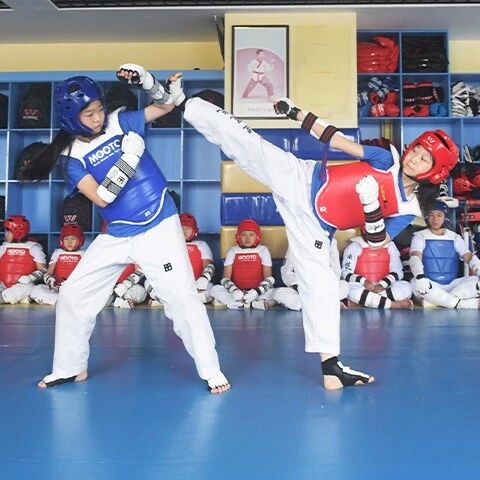
消失的跆拳道培训
Hu Xiu· 2025-09-23 13:06
本文来自微信公众号:体育产业生态圈 (ID:ECO-SPORTS),作者:殷陈萱,头图来自:AI生成 千禧年代的中式梦核里,总有开在街头巷尾的跆拳道馆。 曾几何时,在中国二、三线城市的一个十字路口,就能看到好几家跆拳道培训机构。而如今,它们中的 一些早已关门谢客,另一些玻璃窗户上也贴上了"散打""拳击"的招生广告,只有少数,还在坚守着纯粹 意义上的跆拳道教学。 不同于课外兴趣班选择集中于舞蹈和跆拳道的时代,如今,摆在家长们眼前的是五花八门的体育项目。 在社会集体追忆"经济上行期"时,跆拳道这项曾经风靡一时的体育培训"顶流",也面临着生存与转型的 重塑。 怎么活下去?是跆拳道馆直面的问题,也是其他体育培训行业必将面对的问题。 一、跆拳道的"经济上行期" 回看来时路,跆拳道在中国大众市场的兴起,既得益于项目本身,也赶上了天时、地利与人和。 起源于朝鲜半岛的跆拳道,不仅在训练上有着系统的段位、级位体系,也有着成熟的竞赛规则和礼仪文 化,特别适合全球化传播。 1988年汉城奥运会上,跆拳道作为表演项目首登世界舞台。同样是在这一时期,借着中韩建交的东风, 跆拳道在国内开启了系统化的推广。 1995年,中国跆拳道协会正式 ...