
体育传媒

Search documents
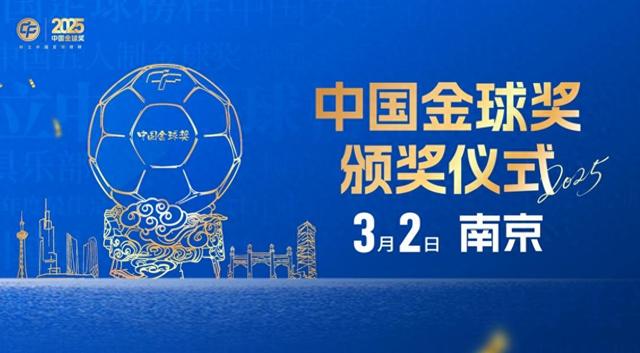
2025中国金球奖颁奖礼落户南京
Xin Lang Cai Jing· 2026-02-03 11:32
Group 1 - The 9th China Golden Ball Award ceremony will be held on March 2 in Nanjing, featuring various honors including the China Golden Ball Award [1][3] - The selection for the 2025 China Golden Ball Award includes representatives from the top three clubs in the last season's Chinese Super League: Jiang Guangtai from Shanghai Port, Wu Xi from Shanghai Shenhua, and Wei Shihao from Chengdu Rongcheng [3] - Nanjing has been recognized as a key city for football development in China, integrating football enthusiasm into daily life, and will host both the China Super Cup and the Golden Ball Award ceremony [3][4] Group 2 - The China Golden Ball Award aims to set examples in Chinese football and is the only annual evaluation that comprehensively considers performances across all football events in China [4] - The award ceremony has previously taken place in major cities such as Guangzhou, Beijing, Shanghai, and Hangzhou, and will feature over a hundred representatives from domestic and international sports media as judges for the 2025 awards [4]

迪士尼26财年一季度营收同增5%,净利下滑6%,娱乐与体育板块拖累盈利|财报见闻
Hua Er Jie Jian Wen· 2026-02-02 15:12
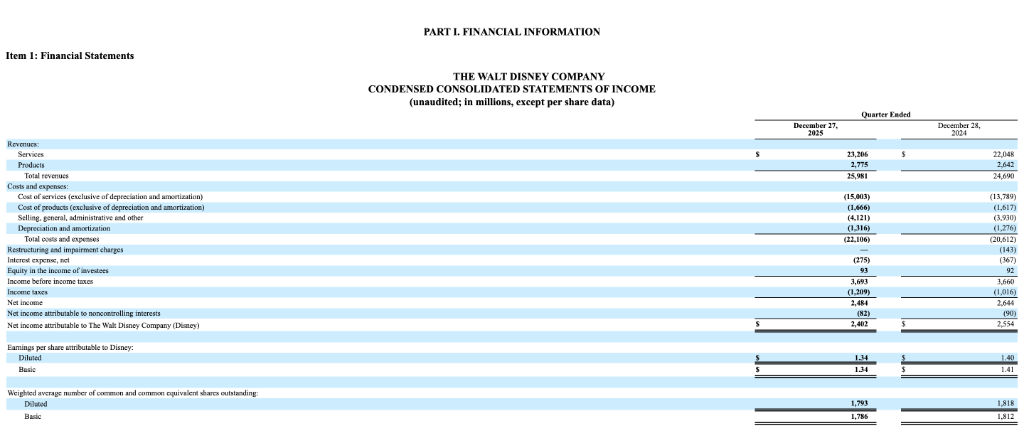
Core Viewpoint - Disney reported a 5% year-over-year revenue growth for Q1 FY2026, reaching $25.98 billion, but net income decreased by 6% to $2.40 billion, primarily due to rising entertainment content costs, increased sports rights fees, and one-time tax adjustments [1][2]. Revenue and Profit Analysis - The "Experience" segment, which includes theme parks, resorts, and cruise lines, remains the core profit engine, with revenue increasing by 6% to $10.01 billion and operating profit also rising by 6% to $3.31 billion, accounting for over 70% of the company's overall segment operating profit [3][7]. - The "Entertainment" segment saw a significant operating profit decline of 35% to $1.10 billion, while the "Sports" segment's operating profit decreased by 23% to $191 million, negatively impacting overall profitability [3][6]. Cost and Expense Overview - Content production and costs increased by 15% to $6.31 billion, driven by costs related to theatrical releases and streaming content [5]. - Selling, general, and administrative expenses rose by 14% to $2.63 billion, primarily due to increased marketing expenditures for theatrical and streaming businesses [5]. Cash Flow and Capital Expenditure - Operating cash flow dropped significantly to $735 million from $3.21 billion year-over-year, attributed to concentrated tax payments and increased content spending [9]. - Capital expenditures for the quarter were $3.01 billion, up from $2.47 billion the previous year, with expectations for FY2026 capital expenditures to rise to approximately $9 billion [9]. Shareholder Returns and Debt Management - The company repurchased 18.46 million shares for a total of $2.03 billion and announced a dividend of $0.75 per share, up from $0.50 the previous fiscal year, with total declared dividends for the quarter amounting to approximately $2.65 billion [10]. - Total debt at the end of the period was $46.64 billion, with $10.82 billion classified as current liabilities, indicating a notable increase [10]. Strategic Transactions and Integrations - The Fubo transaction, completed on October 29, 2025, contributed approximately $300 million in revenue but also resulted in a $307 million non-cash tax expense, significantly impacting earnings per share [11]. - ESPN's recent asset transaction with the NFL is expected to alter its equity structure and strengthen the company's position in sports content distribution [11].

告别烧钱扩张?迪士尼(DIS.US)“提质增效”战略迎来关键检验
Zhi Tong Cai Jing· 2025-11-13 07:51
Core Viewpoint - Disney is set to report its Q4 FY2025 earnings on November 13, with a focus on CEO Bob Iger's restructuring plan aimed at sustainable profit growth through cost-cutting, price increases, and streaming transformation [1] Group 1: Financial Performance Expectations - Analysts expect Disney's Q4 total revenue to reach $22.83 billion, up from $22.57 billion year-over-year, while adjusted EPS is projected at $1.07, down from $1.14 [1] - By segment, entertainment revenue is anticipated to decline from $10.83 billion to $10.49 billion, parks and experiences revenue is expected to grow to $8.8 billion from $8.24 billion, and sports revenue is forecasted to increase to $3.98 billion from $3.91 billion [1] Group 2: Business Segment Insights - The parks and experiences segment remains Disney's strongest profit driver, with stable visitor numbers despite competition from Universal Studios [2] - The cruise business continues to be a growth driver, although the launch of the "Disney Adventure" cruise ship has been delayed to March 2026, which may impact short-term profits but not long-term growth [2] - The direct-to-consumer segment, including Disney+ and Hulu, is expected to achieve operational profitability for the second consecutive quarter, reflecting a strategic shift from subscriber growth to profit margin expansion [2] Group 3: Streaming and Sports Strategy - Disney+ and Hulu are undergoing a price increase effective October 21, marking the fourth consecutive year of price hikes, with a goal of achieving over $1.3 billion in streaming operational profit by the end of the fiscal year [2] - Morgan Stanley projects that streaming operational profit could rise to approximately $2.8 billion by FY2026, driven by increased average revenue per user (ARPU) and efficiencies from the integration of Hulu and Disney+ [2] - The launch of ESPN Unlimited, a new streaming app, is expected to attract around 3 million users by FY2026, generating approximately $500 million in additional annual revenue [3] Group 4: Traditional Television Network Concerns - The performance of Disney's traditional television networks remains a concern, as competitors like Warner Bros. Discovery have reported declines in advertising revenue due to viewers shifting from traditional TV to streaming [4] Group 5: Leadership Transition - Investors are closely watching for updates on the CEO succession plan, with an announcement expected in early next year [5]
“我把自己的创业故事,做成了一款游戏”
3 6 Ke· 2025-10-14 03:00
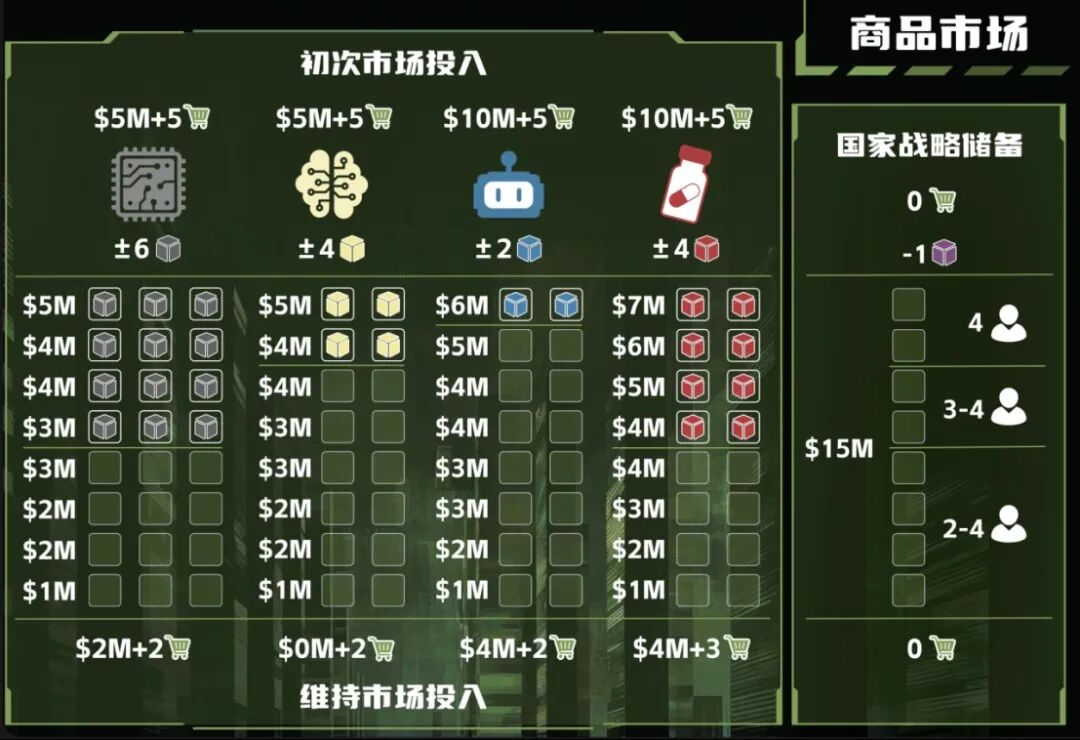
Core Insights - The article discusses the concept of "sandbox simulation," originally a military term, which has been adapted for strategic decision-making in business contexts, particularly in investment and entrepreneurship [1] - The author highlights the importance of using simulation games to understand and navigate the complexities of venture capital and startup environments [2][3] Group 1: Sandbox Simulation in Business - "Sandbox simulation" is a strategic tool that allows companies to model potential outcomes and make informed decisions based on various scenarios [1] - Shell Oil successfully used sandbox simulation to predict the 1973 oil crisis, allowing for strategic adjustments that minimized potential losses [1] - The article suggests that companies like Disney could benefit from adopting similar strategic planning approaches to avoid competitive disadvantages [1] Group 2: Entrepreneurial Experiences and Game Development - A reader was inspired to create a board game that simulates the entrepreneurial financing process based on their experiences in the semiconductor industry [3][4] - The game aims to encapsulate the challenges and decision-making processes faced by entrepreneurs, reflecting the realities of startup life [10][19] - The author emphasizes the shared experiences among entrepreneurs, suggesting that many face similar challenges and decision-making dilemmas [10] Group 3: Challenges in the Startup Environment - The article describes the intense pressure and chaotic environment typical in Chinese venture capital, where startups often face overwhelming demands and tight deadlines [7][8] - The narrative illustrates the emotional toll on employees due to the high-stress culture of startups, particularly during critical project phases [8] - The shift from a research-focused environment to a more militaristic, results-driven culture is noted as startups mature and seek funding [9] Group 4: Game Mechanics and Design - The board game incorporates various mechanics to simulate real-world challenges, such as trade wars and market fluctuations, using dice rolls to introduce randomness [10][11] - Different industries are represented in the game, each with unique sales and production mechanisms, reflecting the complexities of the real market [12][13] - The game also includes a risk investment mechanism, where players must meet specific milestones to secure funding, mirroring the pressures of real-life fundraising [17][19]

米银俊:全运全城共精彩|十五运365天365人
2 1 Shi Ji Jing Ji Bao Dao· 2025-09-29 23:28
Core Insights - The 15th National Games and the 12th National Paralympic Games will be held in the Guangdong-Hong Kong-Macao Greater Bay Area, presenting a significant opportunity for urban development and sports industry growth [2][3] Group 1: Urban Development - The National Games serve as a catalyst for urban development, driving modernization of infrastructure such as transportation, venues, and environment [2] - Hosting the National Games enhances Guangzhou's image as an open, vibrant, and efficient international metropolis, increasing its attractiveness and reputation [2][3] Group 2: Sports Industry Growth - The National Games act as an incubator for the sports industry, generating demand across various sectors including event operations, smart technology applications, sports media, and merchandise development [2][3] - High-level events are expected to ignite public enthusiasm for viewing sports and promote new trends in health consumption, expanding markets for sports training, fitness, and rehabilitation [2][3] Group 3: Strategic Recommendations - Guangzhou should adopt a core philosophy of "using events to promote the city, stimulate industry, and benefit the public," focusing on enhancing both hard and soft connectivity within the Greater Bay Area [3] - The city should leverage the event to build a sports-centric urban cluster, enhancing collaboration among Guangzhou, Shenzhen, Hong Kong, and Macau, while also promoting regional cooperation with surrounding cities [3]
产业与市场丨政策发力 激活万亿级体育消费市场潜力
Sou Hu Cai Jing· 2025-09-22 07:55
Core Viewpoint - The Chinese government aims to significantly boost the sports industry, targeting a total scale exceeding 7 trillion yuan by 2030, through various initiatives to enhance sports consumption and develop a modern sports industry system [1][5][8]. Group 1: Policy Initiatives - The State Council issued an opinion to release sports consumption potential and promote high-quality development in the sports industry [4][5]. - The Ministry of Commerce and nine other departments released measures to expand service consumption, emphasizing sports consumption as a key area [4][5]. - The policies encourage the introduction of high-quality foreign sports events and support local sports events to create well-known brands in sports competitions [5][7]. Group 2: Economic Impact - In 2023, the national sports industry added value reached 1,491.5 billion yuan, accounting for 1.15% of GDP, with an annual growth rate of 11.6% from 2021 to 2023 [5][6]. - The "Su Super" event in Jiangsu province generated 37.96 billion yuan in consumption across tourism, dining, accommodation, and transportation during its first six rounds in 2025 [5][6]. Group 3: Market Potential and Challenges - There is a significant gap between China's sports consumption levels and those of developed countries, indicating untapped market potential [6]. - The supply side faces challenges with a lack of high-quality, branded sports events and products, while the demand side shows a need for improved consumer awareness and habits, especially in lower-tier cities [6][8]. Group 4: Future Outlook - The sports consumption market is expected to grow significantly, driven by policy support and the integration of sports with tourism, culture, and technology [8][11]. - The long industrial chain of sports consumption, which includes manufacturing, venue operations, event organization, and sports tourism, is poised to create a multiplier effect on related industries [8][11].

“请你流汗”成为体育消费新风尚
Zheng Quan Ri Bao· 2025-09-21 15:28
Core Insights - The 2025 Shenzhen Street Football Super League has commenced, featuring 48 teams and nearly 1,500 players, promoting a vibrant atmosphere for community engagement in sports [1] - The trend of "please sweat" is emerging as a new consumption phenomenon, indicating significant potential in sports consumption, which is expected to drive economic growth and integrate with various industries [1] Sports Event Highlights - Multiple regions are experiencing a surge in sports events, with notable matches attracting large audiences, such as the performance match in Shenzhen and record attendance in Jiangxi [2] - The "Sichuan Super League" and "Jiangxi Super League" are also witnessing high engagement, with record-breaking attendance and goal counts [2] Infrastructure Development - Shenzhen is advancing its sports infrastructure, aiming to create a "10-minute sports circle" with over 46,000 sports venues by the end of 2024, enhancing community access to sports [3] - The Changsha Olympic Sports Center project is under rapid construction, expected to be the largest sports venue in Hunan upon completion in 2028 [3] Industry Opportunities - The Chinese government is actively supporting the sports industry, aiming for a market size exceeding 7 trillion yuan by 2030, fostering the growth of influential sports enterprises and events [4] - A-share listed companies are strategically positioning themselves to capitalize on the sports industry's growth through event operations and media engagement [4] Media and Brand Engagement - Companies like Lisheng Yundong are expanding their media partnerships to enhance event visibility and brand exposure through various social media platforms [5] - Guangzhou Lingnan Group is launching a "3+1" tourism matrix around sports events, offering numerous travel packages to cater to diverse consumer needs [5] Strategic Recommendations - Companies are advised to focus on product innovation, industry integration, and brand building to leverage the growth opportunities in the sports sector [6]