旅游业

Search documents
化假日流量为持久增量
Xin Lang Cai Jing· 2026-02-26 21:46
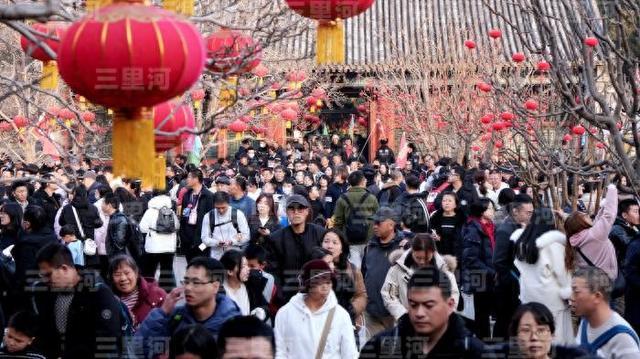
王 鹏作(新华社发) 近日,文化和旅游部公布2026年春节假期文化和旅游市场情况。春节假日9天,全国国内出游5.96亿人次, 较2025年春节假日8天增加0.95亿人次;国内出游总花费8034.83亿元,较2025年春节假日8天增加1264.81亿 元,假日游客人数和花费均创历史新高。这份亮眼的成绩单,勾勒出文旅市场下一步的着力方向。相关部门 应持续优化消费环境,完善交通、住宿等基础设施配套,并针对入境游进一步优化签证通关、支付服务等便 利化措施;文旅企业需深耕"文化+",将非遗、民俗与传统节日深度融合,打造更多沉浸式、高品质的体验 项目。各地要立足资源禀赋,推动冰雪、避寒、乡村等特色旅游差异化发展,将假日流量转化为高质量发展 的持久增量,让文旅市场的热力持续升腾。(时 锋) ...


与旅行社发生纠纷后 游客收到骚扰短信
Xin Lang Cai Jing· 2026-02-26 19:41
Group 1 - The core issue revolves around a couple's dissatisfaction with a travel agency due to unexpected changes in their travel itinerary, which included multiple shopping stops despite being promised a "pure play" tour with no shopping [2][3] - The couple paid 10,800 yuan for a trip that typically costs between 3,000 to 4,000 yuan, indicating a significant price increase close to the holiday season [2] - The travel agency refunded 310 yuan for certain items and provided an additional 1,200 yuan as a "consolation fee" after negotiations [3] Group 2 - Following the trip, the couple experienced a surge in harassment messages, including appointment notifications from a gynecological clinic, raising concerns about personal information leakage [3][6] - Legal experts assert that the travel agency's alteration of the agreed itinerary constitutes a breach of contract, giving the couple the right to seek compensation or partial refunds [6] - The lawyer highlighted that excessive harassment messages may violate public security laws, and victims can report such incidents to authorities and telecom operators [5][6]
广西“最失落”城市:曾比南宁、柳州还富裕,现如今却在四线挣扎?
Sou Hu Cai Jing· 2026-02-26 18:15
Economic Overview - Guangxi is located in South China and is bordered by several provinces and Vietnam, characterized by a subtropical monsoon climate that supports lush vegetation [1] - The region is classified as an autonomous region rather than a province, with Nanning as its capital [3] - Among its 14 prefecture-level cities, Nanning and Liuzhou are the most notable economically, while Guilin and Beihai are well-known for tourism [5] Historical Context of Wuzhou - Wuzhou was historically significant, once contributing over 60% of Guangxi's economic income during its peak, making it a major commercial hub [11] - The city was a prominent trading port in the Pearl River Delta, especially during the Ming and Qing dynasties, and was second only to Guangzhou in foreign trade during the Republic of China era [11] Recent Economic Developments - Wuzhou has been recovering from a period of stagnation and is now focusing on industrial development and quality improvement, with a GDP of 1490.97 billion yuan in 2023, projected to grow to 1634.06 billion yuan in 2024, reflecting a 7.2% increase [13] - The city is actively connecting with surrounding developed areas and enhancing its local industries, such as the production of Liubao tea, to extend its industrial chain [13] Tourism and Cultural Heritage - Wuzhou is home to historical sites and traditional architecture, including the "Eight Scenic Spots of Wuzhou" and a significant number of traditional arcade buildings, making it a potential tourist destination [14] - The city features the Longmu Temple scenic area, known for its 22 ancient arcade streets and 560 arcade buildings, highlighting its cultural significance [14] Future Prospects - Wuzhou is positioned to leverage its historical advantages and improve its business environment, attracting more enterprises and enhancing infrastructure for better living conditions [14] - With a strategic focus on its unique strengths and a commitment to steady progress, Wuzhou aims to reclaim its status as a prosperous city in Guangxi [14]

海南封关后首个春节:“二三线”大热,进出岛交通不畅
Di Yi Cai Jing· 2026-02-26 14:09
Core Insights - Hainan experienced an unprecedented surge in tourist traffic during the first Spring Festival after the Free Trade Port's operational closure, showcasing the region's development vitality and posing challenges for transportation and public services [1][6] Group 1: Tourist Influx and Economic Impact - Hainan received 12.32 million visitors during the 9-day holiday, with total tourist spending reaching 18.37 billion yuan, marking increases of 28.9% and 30.7% respectively compared to the previous year [1] - The province's comprehensive transportation system recorded a total passenger flow of 5.47 million during the Spring Festival, reflecting a year-on-year growth of 10.93% [1] - The influx of foreign tourists was notable, with 143,000 foreign visitors entering Hainan under visa-free policies, a 62.2% increase, primarily from countries like Russia, Malaysia, and South Korea [3] Group 2: Regional Tourism Trends - Non-traditional tourist areas like Danzhou and Wanning saw significant visitor increases, with Danzhou receiving 1.62 million tourists, a 28% rise, and Wanning's accommodation occupancy rate reaching 87.94% [4][6] - Activities such as carnivals and concerts in Danzhou attracted 437,900 visitors, generating 1.17 billion yuan in tourism revenue [4] - The average hotel booking rates in Haikou and Sanya exceeded national averages, indicating a strong demand for high-quality accommodations [3] Group 3: Transportation Challenges - The surge in traffic has put pressure on Hainan's transportation infrastructure, with the Hainan Ring High-Speed Railway operating 569.5 pairs of trains and transporting 1.62 million passengers, a 15.6% increase from 2025 [7] - The difficulty in securing tickets for ferries and flights has been a persistent issue, with many flights sold out and ferry tickets being scarce, particularly during peak travel times [8][9] - The ferry service across the Qiongzhou Strait saw a record daily vehicle transport volume of 32,000 units, with significant increases in passenger and vehicle transport compared to previous years [9][10] Group 4: Recommendations for Improvement - Experts suggest enhancing strategic coordination between the Guangdong-Hong Kong-Macao Greater Bay Area and Hainan Free Trade Port, improving management of cross-sea transport, and breaking down administrative barriers to streamline transportation [11]

多地公布春节入境游成绩单,山西大同增速高达735%
Di Yi Cai Jing· 2026-02-26 12:37
Core Insights - The Spring Festival has become a globally shared cultural event, with inbound tourist numbers to China doubling year-on-year and foreign tourist flight bookings increasing by over 400% compared to the previous year [1][2] Group 1: Inbound Tourism Growth - Inbound tourism has seen a significant increase due to the implementation of visa-free policies, improved consumer environment, and high cost-performance ratio compared to foreign markets [2] - During the Spring Festival holiday, China attracted tourists from over 160 countries and regions, covering more than 300 cities, with an average daily growth of 28.5% compared to last year [1][2] - Flight bookings for inbound tourism during the Spring Festival increased nearly tenfold, with data showing a 20% year-on-year growth in domestic flight bookings by foreign passport holders [3] Group 2: Regional Highlights - Shanxi's Dalian reported a staggering 735% growth in inbound tourism, ranking first in the nation, while Hohhot saw a 1.8 times increase in flight bookings [4] - Beijing received 142,000 inbound tourists during the Spring Festival, with spending reaching 1.48 billion yuan, both figures showing over 40% growth [3][4] - Guangdong province welcomed 6.54 million inbound tourists, a 34.8% increase, with foreign tourist numbers rising by 42.2% [3][4] Group 3: Economic Impact - The inbound tourism market is expected to significantly boost consumption, with the average spending per inbound tourist projected to exceed that of 2025 [2] - Hainan's duty-free shopping during the Spring Festival reached 2.72 billion yuan, a 30.8% increase from the previous year, indicating a dual growth in both duty-free shopping and inbound tourism [5] Group 4: Challenges and Recommendations - Despite the growth, there is a disparity between the increase in inbound tourists and the growth in international tourism revenue, indicating a need for improved convenience in communication, accommodation, and payment processes [6] - The tourism industry should enhance product offerings to focus on experiential value, as both inbound tourists and domestic travelers share similar preferences [6] - There is a significant talent gap in foreign language guides, which needs to be addressed to support the growing inbound tourism market [6]
60亿词翻译+5万岗位:技术向下如何支撑体验向上?
新浪财经· 2026-02-26 10:00
Core Viewpoint - The inbound tourism market in China is expected to see significant recovery by 2025, driven by the expansion of visa-free policies and the restoration of international flights, although structural supply-side shortcomings have been exposed [2] Group 1: Supply-Side Challenges and Responses - The reliance of domestic hotels, scenic spots, and travel agencies on the domestic market has led to systemic deficiencies in multilingual services, foreign currency settlement, and foreign ticketing [2] - Companies are attempting to address these shortcomings through various strategies, including payment system upgrades, increased overseas marketing, and investments in digital infrastructure [2] - Ctrip has localized travel products in 16 languages for 8,000 merchants and installed smart ticketing terminals supporting 16 languages at 241 scenic spots, indicating a focus on enhancing the inbound tourism supply chain [2][7] Group 2: Technological Innovations - Ctrip's self-developed AI translation model "Smart Translation Future" is expected to produce 6 billion words of translation annually, covering 25 languages and tailored to specific tourism scenarios [4] - The deployment of smart ticketing terminals at 241 scenic spots allows foreign tourists to purchase tickets independently, reducing communication costs [7] - Ctrip's platform now offers 63,000 ticket types for foreign tourists, covering 95% of ticket categories for major domestic attractions, facilitating a seamless booking process [7] Group 3: Market Growth and Employment Impact - In the first three quarters of 2025, Ctrip's inbound hotel orders increased by over 100%, and the "First Go China" flight initiative attracted 54,000 new customers [7] - The shift from group tours to customized and private tours has led to a 20% growth in private tour business and an 80% increase in per capita spending [11] - The transformation has created over 50,000 new jobs, with a significant portion in travel agency operations and tour guide positions in lower-tier cities [11][13] Group 4: Financial Insights and Business Model - Ctrip's investment of over 1 billion RMB in inbound tourism has resulted in the reception of 20 million inbound tourists and the acquisition of international orders for 70,000 merchants [16] - The company's core OTA business generated approximately 1.1 trillion RMB in transaction volume, with a net income of 62.4 billion RMB, reflecting a low profit margin compared to international peers [16][17] - The high fixed costs associated with multilingual customer service and operational complexities contribute to the lower profit margins, contrasting with the asset-light models of competitors [17] Group 5: Industry Transformation and Future Outlook - The shift from being a channel provider to a service provider is essential for the transformation of China's tourism service industry, emphasizing service standards and cultural adaptability [19] - The recovery of inbound tourism is evident, with a 52.1% increase in visa-free foreign visitors and a 97.5% rise in tax refund sales from January to August 2025 [19] - The combination of policy incentives and market capability building is crucial for the long-term development of inbound tourism in China [19]


60亿词翻译+5万岗位:技术向下如何支撑体验向上?
Xin Lang Cai Jing· 2026-02-26 09:52
Core Viewpoint - The inbound tourism market in China is expected to see significant recovery by 2025, driven by the expansion of visa-free policies and the restoration of international flight routes, although structural supply-side shortcomings have been exposed [1][15]. Group 1: Supply-Side Digital Transformation - Multiple companies are addressing the supply-side shortcomings in the inbound tourism market through various strategies, including payment system upgrades and enhanced overseas marketing [1][15]. - Ctrip has focused on supply-side digital infrastructure, localizing travel products in 16 languages for 8,000 merchants and deploying smart ticketing terminals in 241 scenic spots [1][15]. - Ctrip's AI translation engine, "Smart Translation Future," is expected to produce 6 billion words of translation annually, covering 25 languages and addressing long-standing language barriers in the tourism sector [2][16]. Group 2: Employment Generation - Ctrip's transformation of group tours into smaller, customized travel experiences has led to the creation of over 50,000 new jobs, with private tour business growing by over 20% in 2025 [7][21]. - The shift towards personalized travel experiences has resulted in an 80% increase in per capita spending, driven by both recovering international tourists and domestic travelers seeking unique experiences [7][21]. - The distribution of new jobs is changing, with over half of the new positions located in lower-tier cities, indicating a shift of resources towards regional service providers [9][23]. Group 3: Role Transition from Channel Providers to Service Providers - Ctrip has invested over 1 billion RMB in inbound tourism, facilitating the reception of 20 million inbound tourists and helping 70,000 merchants receive international orders [11][25]. - The company's financial data reveals a lower profit margin compared to international peers, attributed to high fixed costs associated with multilingual customer service and operational complexities [11][25]. - The transition from a channel-dependent model to a service-oriented approach is essential for the tourism industry, emphasizing the need for reliable service standards and cultural adaptability [14][28].
马尔代夫1月美元收入同比增长约30%
Shang Wu Bu Wang Zhan· 2026-02-26 09:08
Core Insights - The Maldives' tax revenue reached $180.4 million in January 2026, marking a 30% year-over-year increase, driven primarily by tourism service tax, exit tax, and income tax [1] Revenue Breakdown - The tourism goods and services tax generated $79 million, making it the largest contributor to tax revenue [1] - Income tax contributed $37 million, ranking second in revenue sources [1] - Land acquisition and usage conversion fees accounted for $17 million [1] - Green tax revenue reached $14 million, with the highest growth rate, doubling compared to January 2025 [1] - Airport development fees generated $12 million [1] - Exit tax revenue was $11 million [1]
漓江徒步“解锁”山水旅游新形式
Xin Hua She· 2026-02-26 06:46
Core Insights - The article highlights the growing trend of hiking along the Li River in Guilin, China, particularly during the Spring Festival, as a new way for tourists to experience the scenic beauty of the region [1][2]. Group 1: Hiking Trend - More people are choosing to hike the Li River, with routes from ancient towns to scenic spots, allowing tourists to experience the beauty of the landscape while walking [2]. - The hiking trend reflects a shift among young travelers towards valuing the journey over the destination, with keywords like "hiking for the New Year" and "light outdoor experiences" gaining popularity [2][3]. - The development of transportation networks and public services has facilitated this shift, making hiking a more accessible and enjoyable activity for the general public [2]. Group 2: Infrastructure and Recommendations - Experts suggest improving infrastructure along hiking routes, including maintenance of paths, and adding facilities like toilets and supply stations to enhance the hiking experience [2]. - The management committee for the Guilin Li River Scenic Area has conducted multiple route assessments and plans to enhance hiking paths to connect various towns and villages along the river [2]. - The goal is to create a cohesive scenic experience that promotes local tourism and cultural branding, encouraging more participation in the development of a world-class tourist destination [2].

8000多亿春节旅游账单,藏着团圆新解法
Xin Lang Cai Jing· 2026-02-26 04:14
Core Insights - The article highlights a shift in family reunion dynamics during the Chinese New Year, with younger generations bringing their parents to urban areas for celebrations, reflecting a new consumer trend in China [1][3]. Group 1: Travel and Tourism Trends - During the Spring Festival holiday, a record 596 million domestic trips were made, with total spending reaching 803.48 billion yuan, marking a significant increase from the previous year [3]. - There is a notable rise in "reverse reunions," where older travelers (60 years and above) flying to major cities increased by over 10% compared to last year, indicating a change in intergenerational relationships [3][4]. - Long-distance travel preferences have surged, with a 70% increase in travelers choosing destinations over 300 kilometers away, and hotel bookings in certain rural areas seeing over 400% growth [4]. Group 2: International Tourism and Cultural Exchange - China's visa-free policy expansion to Canada and the UK has led to a 400% increase in flight bookings from foreign tourists during the Spring Festival, showcasing the growing appeal of Chinese cultural experiences [5][6]. - The unique cultural aspects of the Chinese New Year, such as traditional festivals and local crafts, have become significant attractions for international visitors [6]. Group 3: Technology Integration in Tourism - The integration of technology, such as AI-driven experiences and interactive tourism, has enhanced the travel experience during the Spring Festival, with AI-related bookings increasing by over 800% compared to pre-holiday levels [7][8]. - The use of technology is seen as a way to modernize traditional celebrations, making them more accessible and engaging for younger audiences [8]. Group 4: Economic Implications - The strong performance of the tourism sector during the Spring Festival serves as an important indicator of domestic demand and consumer resilience in China [9][10]. - The overall spending during the holiday reflects a collective aspiration for a better quality of life among the 1.4 billion population, contributing to economic growth [11][12].