旅游度假

Search documents
中国绿发旗下“华美胜地”打造世界一流旅游度假目的地
Di Yi Cai Jing· 2025-12-11 07:43
Core Insights - The "Huamei Shengdi" brand under China Green Development has been recognized as a benchmark case in the cultural tourism sector by the State-owned Assets Supervision and Administration Commission of the State Council [1][2] Group 1: Brand Development - "Huamei Shengdi" aims to create a world-class tourism resort brand, integrating traditional Chinese culture into the cultural tourism industry, and providing high-quality vacation experiences [1] - The brand has established itself in key locations such as Qiandao Lake, Wen'an, Changbai Mountain, and Jiuzhai Valley [1] Group 2: Management and Operations - The brand has developed a standardized management system covering the entire cultural tourism business chain, including 18 institutional processes and 2 SOP manuals, with 925 service standards and 119 standard forms implemented across its resorts [2] - The introduction of an AI smart guide system through the "Huamei Shengdi Digital Platform" aims to enhance operational efficiency and visitor experience [2] Group 3: Financial Performance and Recognition - The brand has demonstrated significant growth, with an average annual revenue increase of approximately 50% from 2021 to 2024, and an expected visitor reception of 1.8259 million in 2024 [2] - "Huamei Shengdi" has received multiple accolades, including national and provincial resort titles, and has successfully hosted international events such as the Hangzhou Asian Games and the World Robot Contest [2]
专访复星旅文CEO鲍将军: Club Med 十年内扩展到100家,加速盘活存量资产
Bei Jing Shang Bao· 2025-12-08 10:31
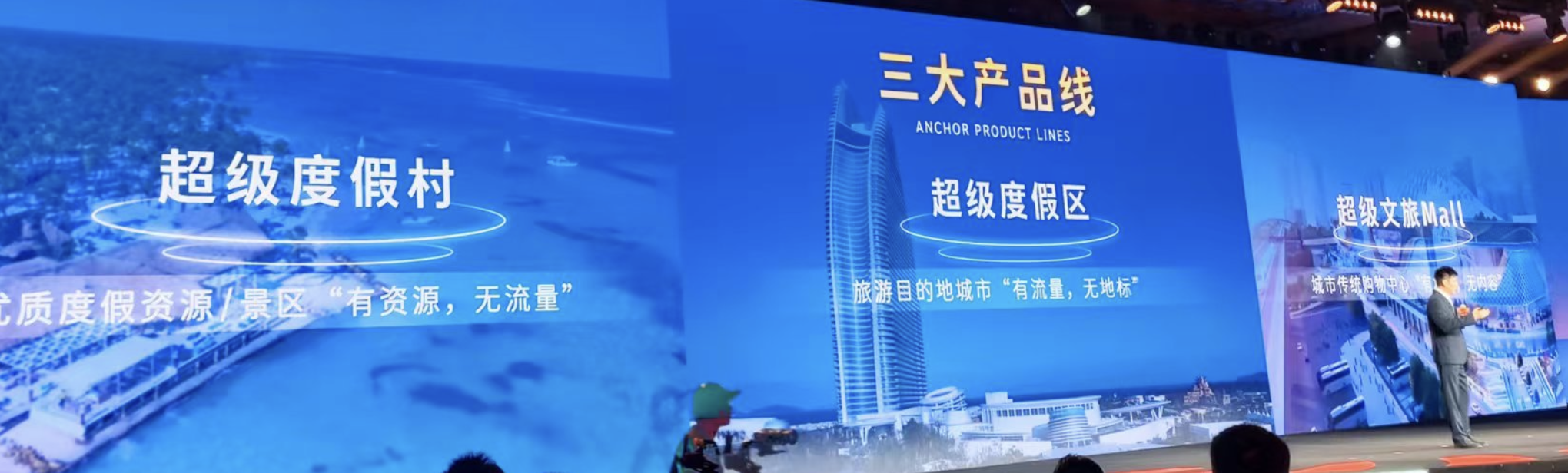
Core Viewpoint - Fosun Tourism Group is focusing on a light asset strategy post-privatization, aiming to expand its Club Med brand and develop new product lines, including super cultural tourism malls, by 2035 [2][4]. Group 1: Club Med Expansion - By 2035, Fosun plans to operate 100 Club Med Mediterranean resorts, 20 Club Med Joyview resorts, and 5 super cultural tourism malls globally [2][3]. - Club Med Mediterranean resorts account for nearly 90% of Fosun's revenue, with reported operating revenue of 10.23 billion yuan, of which 9.25 billion yuan comes from Club Med [2][4]. Group 2: Super Cultural Tourism Malls - The first super cultural tourism mall is set to open in Chongqing in 2026, covering nearly 500,000 square meters and featuring immersive theme districts and indoor theme parks [3]. - The strategy for super cultural tourism malls focuses on revitalizing existing assets in prime locations, indicating a shift towards commercial tourism transformation [3][4]. Group 3: Asset Optimization and Capital Structure - Fosun is accelerating its light asset strategy, planning to divest heavy asset projects like those in Lijiang and Taicang by 2026 [6]. - The independent listing of Atlantis in Sanya through a REITs model is underway, which is expected to improve cash flow and reduce overall debt [6][8]. Group 4: AI Integration in Operations - Fosun is leveraging AI technology to enhance customer experience and operational efficiency, providing personalized services based on visitor data [7][8]. - The AI systems are designed to automate quality control and operational processes, allowing staff to focus on customer engagement [7][8]. Group 5: Focus on Inbound Tourism - Inbound tourism is identified as a key growth area, with Club Med Lijiang receiving 20% of its visitors from international tourists and Atlantis seeing a 140% increase in international visitors year-on-year [10][11]. - The company aims to address challenges faced by international tourists, such as booking difficulties and the need for personalized services, to enhance their experience [10][11].
展望2026|专访复星旅文CEO鲍将军: Club Med 十年内扩展到100家,加速盘活存量资产
Sou Hu Cai Jing· 2025-12-07 08:46
Core Insights - Fosun Tourism Group has unveiled its new strategy for 2026, emphasizing a continued shift towards a light-asset model following its privatization, with plans for global expansion and asset optimization [1][7] Group 1: Strategic Goals - By 2035, the company aims to operate 100 Club Med resorts globally, 20 Joyview resorts, and 5 super cultural tourism malls, targeting different segments of the vacation market [3][4] - The Club Med brand accounts for nearly 90% of Fosun Tourism's revenue, with a reported operating revenue of 102.3 billion yuan in the first half of 2025, of which 92.5 billion yuan came from Club Med [3][4] Group 2: Asset Management - The company plans to divest from heavy asset projects such as Lijiang and Taicang, with the latter already selling 250 properties this year, and aims to complete these divestitures by 2026 [8] - The independent listing of Atlantis in Sanya through a REITs model is underway, which is expected to improve cash flow and reduce overall debt for the company [7][8] Group 3: New Product Lines - The super cultural tourism mall project is set to open in Chongqing in 2026, covering nearly 500,000 square meters and featuring immersive theme districts and indoor amusement parks [4][5] - The company is focusing on revitalizing existing commercial assets in China, leveraging their prime locations for cultural tourism transformation [4][5] Group 4: AI Integration - Fosun Tourism is adopting AI technology to enhance customer experience, providing personalized services based on visitor profiles and improving operational efficiency through automated feedback systems [10][11] - The integration of AI aims to standardize non-standardized tourism products, allowing staff to focus on building connections with guests [10][11] Group 5: Focus on Inbound Tourism - The company is prioritizing the inbound tourism market, with Club Med Lijiang receiving 20% of its visitors from international tourists and Atlantis seeing a 140% year-on-year increase in international visitors [12] - To attract international guests, the company is addressing challenges such as booking difficulties and service customization to enhance the overall visitor experience [12][13]

不只是“热经济”,更是“双向奔赴”!冰雪假期正当时
Xin Hua Wang· 2025-12-07 07:52
12月以来,新疆乌鲁木齐市、阿勒泰地区及吉林省相继按下雪假启动键。激发消费潜力、促进区域发展,雪假的经济溢出效应已经显现。 12月3日,在长春市天定山滑雪场,学生们跟随教练学习滑雪。新华社记者 张楠 摄 去哪儿旅行数据显示,12月3日至7日,吉林省内景区门票预订总量,同比上涨13%。 综合新华社记者报道 新华社音视频部制作 【纠错】 【责任编辑:赵文涵】 12月1日,学生在阿勒泰将军山国际滑雪度假区练习单板滑雪。新华社记者 阿曼 摄 雪假是错峰出游的好时机,吉林、新疆游客外出旅行的热情高涨。数据显示,11月29日至12月7日,从乌鲁木齐和阿勒泰出发的机票预订量均 增长40%以上。三亚、广州等南方城市成为吉林、新疆游客"避寒游"的热门选择,与奔赴冰雪而来的南方游客形成双向消费流动。 编导:龙泠宇 ...

轻资产模式,复星旅文抢滩海南入境游
2 1 Shi Ji Jing Ji Bao Dao· 2025-12-02 04:22
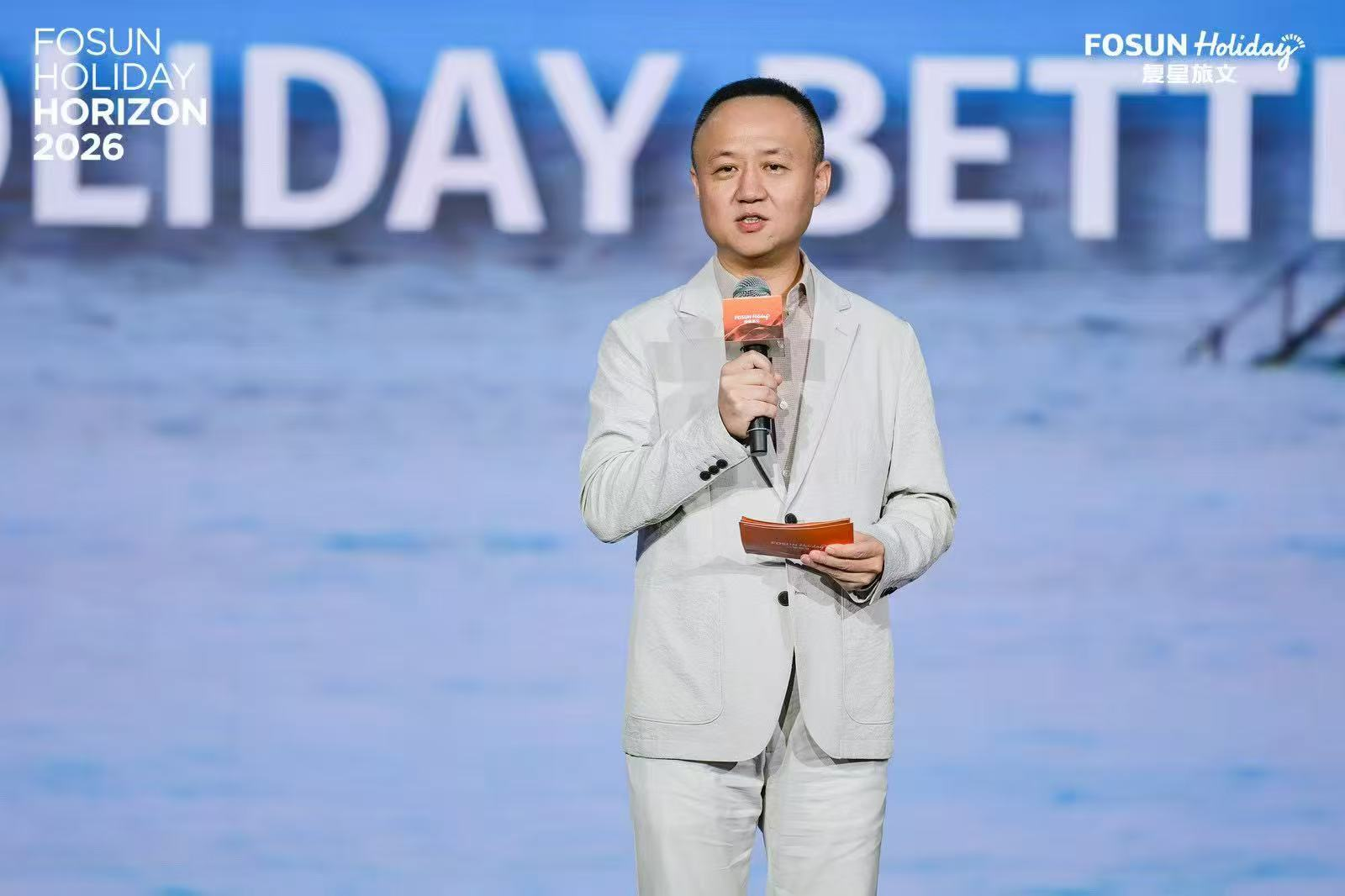
21世纪经济报道记者 唐唯珂 报道 海南入境游,是复星旅文轻资产模式转型的重要机遇。 "海南的入境游不是简单复苏,而是进入了'爆发增长期'。我们丽江项目国际游客占比达20%,亚特兰蒂 斯国际游客量同比涨了140%,这就是市场给我们的信号。"在三亚亚特兰蒂斯"复星旅文2026产品观"大 会上,复星旅文首席执行官鲍将军向包括21世纪经济报道在内的记者表示。 (原标题:轻资产模式,复星旅文抢滩海南入境游) "(公司)私有化后轻松不少。"鲍将军也表示,"退市以后给我们带来了一个更好的环境,特别是在整 个战略调整上面,在整个的公司的战略架构上,包括未来多元化护城河的环境。"此外,他透露,复星 旅文私有化后现金流非常好,债务结构会调得更合理,关于三亚亚特兰蒂斯的REIT(Real Estate Investment Trust,不动产投资信托基金)上市计划还在推进。 "三亚亚特兰蒂斯如果上市成功,我们会有非常大的现金流,负债率也会下降,现在还是进行得非常顺 利的"。此外他表示,目前的房产可售物业会在2026年完全出清。鲍将军进一步指出,"我们原来上市的 时候是地产,现在肯定剥离掉。" "做海南入境游,不能再走'重资产拿地 ...
复星旅文轻资产模式入轨
Bei Jing Shang Bao· 2025-11-30 15:43
Core Viewpoint - Fosun Tourism Group is accelerating its transition to a light asset model following its privatization, with significant improvements in cash flow and debt structure, and plans to clear heavy asset projects by 2026 [1][5]. Group 1: Product Lines - The company launched three core product lines targeting different segments of the vacation market, including Club Med Joyview and Club Med Urban Oasis, aimed at addressing issues of short visitor stays and single attraction offerings [3]. - The Super Resort area leverages operational experience from projects like Atlantis Sanya and Taicang Alps International Resort to create multi-faceted vacation destinations in key tourist cities [3]. - The newly introduced Super Cultural Tourism Mall (HiSphere) focuses on urban commercial space renewal, integrating cultural experiences and entertainment elements, with the first project confirmed in Chongqing, expected to open in the second half of 2026 [4]. Group 2: Transition to Light Asset Model - Following privatization, the company is expediting its shift to a light asset model, optimizing its debt structure and selling off heavy asset properties, with a target to clear these by 2026 [5]. - The company has already sold 250 properties in Taicang and is working on revitalizing assets in Lijiang through brand partnerships and management output [5]. - The light asset model aims to reduce financial pressure while enhancing brand value through standardized operations and local cultural integration, allowing for horizontal and vertical growth [5][6]. Group 3: Strategic Partnerships and Projects - Fosun Tourism has signed 18 key projects across major urban clusters, including Guangzhou, Chongqing, and Hangzhou, in collaboration with various research institutions and well-known brands [4]. - The focus on strategic partnerships is intended to leverage existing brand resources and external collaborations to empower the company in its new development phase [6].

共同富裕彰显“中国之治”优势——广东实施“百千万工程”破解区域协调的发展难题纪实(下)
Xin Hua Wang· 2025-11-30 11:00
区域协调发展是中国式现代化的内在要求。"十五五"规划建议对促进区域协调发展作出重要部署。 区域协调发展也是世界性、历史性难题。受访专家学者认为,广东"百千万工程"这一写在岭南大地的新实践,以地方的鲜活案例彰显了我国的制 度优势。 "以人民为中心",解答难题的"开锁之匙" 事实证明,只有坚持以人民为中心的崇高追求,并拥有政治魄力和战略定力,才有可能解决协调发展难题。广东践行"千万工程"理念,实施"百千 万工程"3年来,通过政府有形之手来弥补市场缺陷,推动区域协调发展取得初步成效。 在记者的调研中,有的专家和干部一开始对于"百千万工程"也是心存疑虑的:明明把钱投到珠三角效率更高、产出更大,可能增长也更快,干嘛 要放到粤东西北去?放着快钱容易钱不挣,非干苦活找苦吃? 基层的变化提供了答案。汕尾市副市长周小壮介绍,随着环境的提升,最近3年每年到汕尾过夜旅游的人数从七八百万增长到2000多万,不仅珠三 角,来自港澳甚至国外的游客也越来越多。 在汕头采访时,一名汕尾企业家告诉记者,以前有些汕尾人在外工作时,只说"我是潮汕的"而不说我是汕尾的,更别提带朋友回老家了。而现在 到了周末,好多人呼朋唤友、成群结伴回家乡。 一名在 ...
徐晓亮:聚力共赢,以“度假革命”开创体验经济新未来
Yang Guang Wang· 2025-11-29 10:02
Core Insights - The article discusses the strategic launch of three core product lines by Fosun Tourism Group, focusing on the shift from traditional tourism to experiential vacationing, emphasizing the importance of emotional engagement in the tourism industry [1][4][14] Group 1: Product Lines and Strategic Focus - Fosun Tourism Group introduced three main product lines: Super Resorts, Super Vacation Zones, and Super Cultural Tourism Malls, marking a significant strategic initiative in the tourism sector [1][13] - The company aims to enhance the vacation experience by focusing on content-driven offerings that resonate emotionally with consumers, distinguishing between tourism and vacationing [1][4] Group 2: Market Trends and Consumer Behavior - There is a growing distinction between tourism, which is characterized by external exploration, and vacationing, which emphasizes internal experiences and emotional connections [4][5] - The shift in consumer behavior post-pandemic highlights a desire for quality time with family and a balanced lifestyle, leading to a preference for immersive vacation experiences over traditional sightseeing [4][5] Group 3: Business Model Differentiation - The article outlines the differences between business hotels and vacation hotels, with the latter focusing on creating memorable experiences and emotional connections rather than just providing accommodation [6][9] - Vacation hotels generate revenue through a combination of room rates and experiential offerings, allowing them to exceed traditional revenue limits associated with business hotels [9][10] Group 4: Competitive Landscape - The competition between scenic areas and vacation zones is discussed, with scenic areas relying on unique natural or cultural resources, while vacation zones focus on creating immersive experiences that encourage repeat visits [10][11] - The article emphasizes that vacation zones aim to foster deep emotional connections with visitors, contrasting with the transient nature of scenic tourism [11] Group 5: Urban Development and Cultural Integration - The concept of Cultural Tourism Malls is introduced, which serve as experiential destinations rather than mere shopping centers, enhancing urban cultural experiences [12] - Fosun Tourism Group's strategy includes expanding its product lines across key urban areas in China, reflecting a commitment to high-quality development in the cultural tourism sector [13][14]
200亿复星旅文 一举拿下14个度假地标
2 1 Shi Ji Jing Ji Bao Dao· 2025-11-29 00:25
Core Insights - Fosun Tourism Group has announced the development of 14 new projects, setting a record for contract signings, with locations in cities such as Guangzhou, Chongqing, and Hangzhou [1][8] - The company reported a revenue of 9.53 billion yuan and a net profit of 460 million yuan for the first half of the year, marking a historical high [1][20] - The CEO indicated that the company aims to return to the capital market in the future but is currently focused on expanding its scale and density [2][3] Business Strategy - Following privatization, the management team has re-evaluated the business strategy, deciding to exit marginal businesses and concentrate on the vacation sector [4] - The company has identified three core vacation product lines: Super Resorts, Super Vacation Zones, and Super Cultural Tourism Malls [5] - The Super Resorts aim to transform traditional scenic spots into comprehensive vacation destinations, while Super Vacation Zones will integrate various entertainment forms in tourist cities [5][6] Financial Performance - The company is projected to generate around 20 billion yuan in revenue for the entire year [2] - Atlantis in Sanya is reported to generate over 1.5 billion yuan annually, making it the highest-grossing single hotel in China [7] - The tourism operation revenue reached 10.2 billion yuan, contributing nearly all of the company's income, while property sales are decreasing [18] New Business Initiatives - The company is launching two new business lines: Mediterranean Neighbor and Mediterranean Daydream, focusing on urban micro-vacations and enhancing existing commercial properties [12][14] - The Mediterranean Neighbor targets hotel supply around 4A/5A scenic areas, with plans to open two new resorts in Xi'an and Hangzhou by next year [13] - The Mediterranean Daydream project in Chongqing will combine cultural tourism and shopping, with a total area of 500,000 square meters [14] Operational Changes - The company is transitioning to a light-asset model, reducing self-owned resorts and properties while increasing the proportion of leased and managed resorts [16][17] - The average daily room rate has risen to 2,021 yuan, reflecting improved operational efficiency [17] - The company has completed an 800 million euro syndicated loan to optimize its debt structure [19] Future Outlook - The company plans to open 100 Club Med resorts by 2035, with a focus on maintaining a balance between natural and cultural elements [11] - The CEO expressed confidence in the company's operational capabilities, aiming to enhance profitability as the light-asset strategy is implemented [20][21] - There are no immediate plans to introduce strategic investors for core assets like Atlantis and Club Med, as current returns are deemed satisfactory [23]
18项合作集中签约,复星旅文CEO详解私有化后新战略
Di Yi Cai Jing· 2025-11-28 10:35
Group 1 - The core focus of the company's future vacation projects will be on three main product lines: super resorts, super vacation zones, and super cultural tourism malls [2][4] - The company aims to expand its super resort projects globally, leveraging its 75 years of experience in the leisure vacation sector, with a target of reaching 100 resorts by 2035 [2] - The super vacation zones will be developed in key domestic tourist cities, featuring comprehensive theme resort complexes that include dining, entertainment, and performances, with a notable example being the "super Mediterranean" project in Sanya [4] Group 2 - The company is adopting a light asset operation model, with many of the signed projects involving the transformation and management of existing projects, including five super resorts, eight super vacation zones, and one super cultural tourism mall [4] - The first super cultural tourism mall is expected to open in the second half of 2026 in Chongqing, aiming to revamp traditional shopping centers into cultural and entertainment hubs [4] - The company has applied for a separate listing of its Sanya Atlantis project as a REIT on the Shanghai Stock Exchange, which is seen as an effective tool to promote light asset operations while retaining management rights [5]