
有机农业

Search documents
第三届世界有机示范区大会大同开幕 全球专家共议有机农业助推县域发展
Zhong Guo Xin Wen Wang· 2025-08-26 22:05
Group 1 - The third World Organic Demonstration Zone Conference and the 12th Datong Chehe Organic Agriculture Forum were held in Shanxi Province, focusing on the theme of "Organic Agriculture Promoting High-Quality Development of County Economy" [1][2] - The conference emphasized the role of organic agriculture in addressing environmental issues such as climate change and soil degradation, advocating for eco-friendly technologies to achieve ecological restoration and stable production [1] - The chairman of the International Organic Agriculture Asian Alliance highlighted the importance of organic agriculture as a bridge connecting different regions, local governments, enterprises, and traditional agricultural wisdom with innovative ideas [1] Group 2 - Since 2013, Lingqiu County has positioned organic agriculture as a strategic pivot for industrial transformation and rural development, using the Chehe community as a pilot to explore a new path for "special" agricultural development in northern Shanxi [2] - The Datong Chehe Organic Agriculture Forum, established in 2014, has become an international exchange platform for promoting innovative development, with participants discussing various aspects such as scientific research, industry practices, policies, and market trends [2] - Datong aims to deepen international cooperation and continuously advance the development of organic agriculture [2]
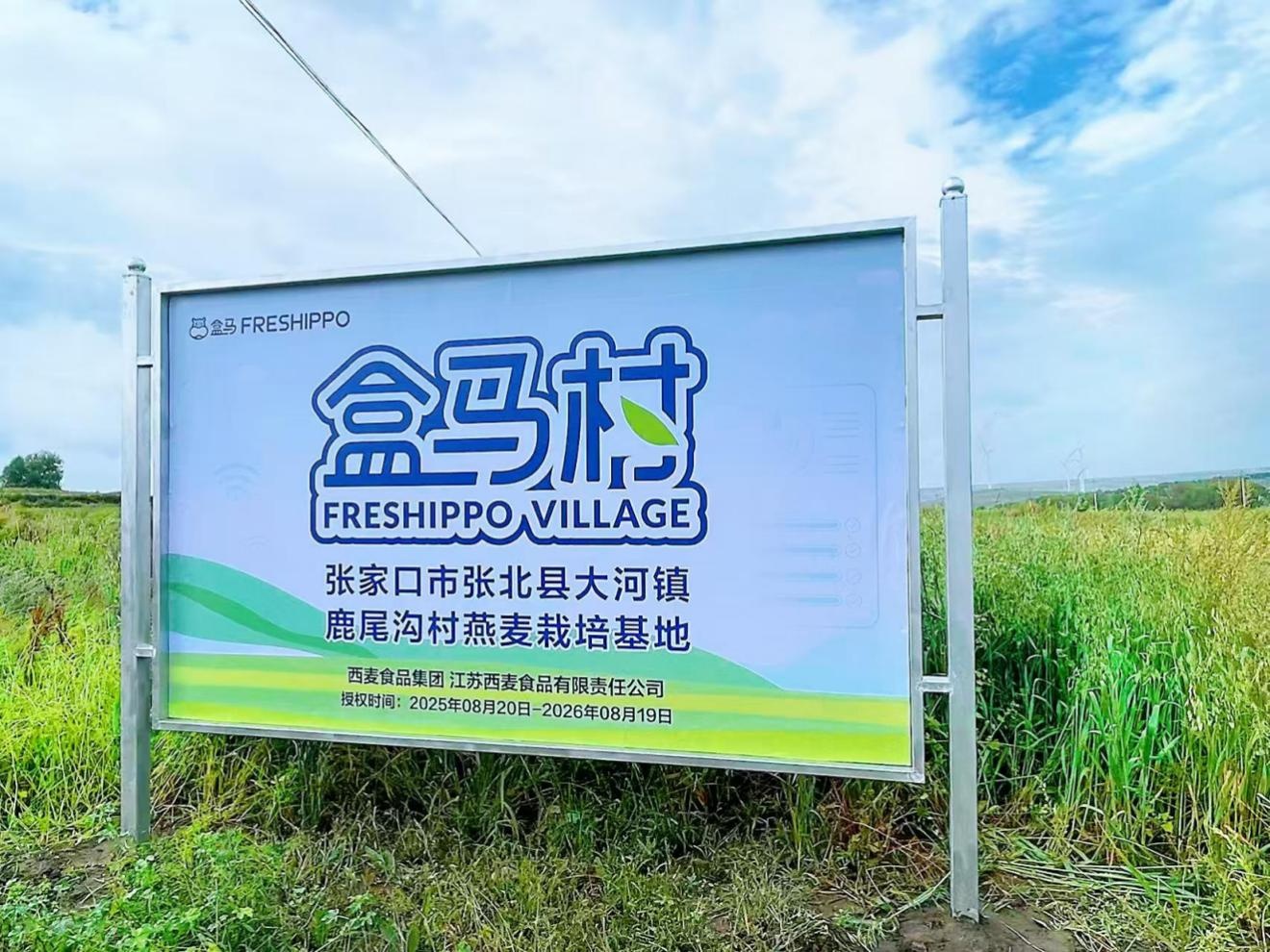
有机燕麦“盒马村”落户张北 阿里巴巴助力张北打造可持续发展样板县域
Yang Guang Wang· 2025-08-25 10:27
Core Insights - Alibaba collaborates with Zhangbei County government to establish an organic oat "Hema Village," with products like organic oat flakes and oat milk set to launch in October 2023 [1][3] - The initiative aims to leverage digital technology and platform ecosystems to promote sustainable development through organic agriculture in Zhangbei [1][3] Group 1: Agricultural Development - Zhangbei County, a key support area for Alibaba, has seen the establishment of its second "Hema Village" following the success of the "Bashang Organic Vegetable Hema Village" [3] - The region's unique cool climate, with an average altitude of 1400-1600 meters, provides natural advantages for organic agriculture, particularly for crops like broccoli [3][4] - Zhangbei accounts for 20% of the national oat planting area, with 100,000 acres certified for organic products [3] Group 2: Economic Impact - The two "Hema Villages" are expected to increase the income of over 500 local farmers [3] - The organic vegetable base currently supplies 7,000 to 10,000 portions of organic vegetables daily to Hema, with a projected annual output of 5,000 tons [4] - Alibaba's initiatives in Zhangbei aim to enhance the efficiency of organic farming through technological support and resource recycling [4] Group 3: Sustainable Practices - Alibaba has established a data center in Zhangbei since 2017, utilizing the region's low temperatures and abundant wind and solar resources for green energy [4] - The collaboration extends the green development model from the digital economy to agriculture, transforming Zhangbei's "cool advantage" into sustainable development momentum [4]


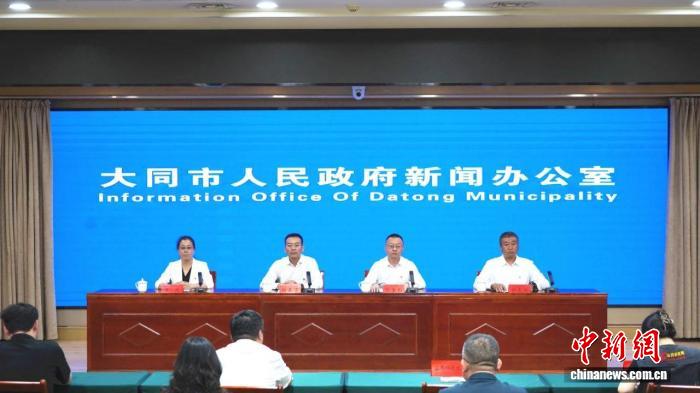
31国代表将齐聚山西灵丘共商有机农业可持续发展
Zhong Guo Xin Wen Wang· 2025-08-19 18:33
Core Points - The third World Organic Demonstration Zone Conference and the 12th Datong Chehe Organic Agriculture Forum will be held from August 25 to 29 in Lingqiu County, Shanxi, with participation from 80 foreign guests from 31 countries and 70 domestic organic agriculture experts [1][3] - The forum aims to discuss sustainable agricultural development models and enhance international cooperation in the agricultural sector, providing a platform for global organic agriculture exchange [3] Group 1 - Lingqiu County has been exploring organic agriculture since 2013, creating a "three-in-one" ecological poverty alleviation model that has improved the local environment and increased farmers' income [3] - The Chehe community has adopted a model of "land equity, unified management, and profit sharing," fostering multiple organic product brands and becoming a national example of organic agriculture promoting rural revitalization [3] - Compared to previous forums, this year's event emphasizes practical outputs and aims to provide replicable "Chinese solutions" for global agricultural sustainable development [3] Group 2 - Lingqiu County has established stable partnerships with various international organizations, universities, and enterprises, becoming an important exchange window in the field of organic agriculture [3][4] - The International Federation of Organic Agriculture Movements has recognized the Chehe model as a valuable experience for global rural sustainable development [3]
【汉中】特色产业绘就县域经济新画卷
Shan Xi Ri Bao· 2025-08-12 22:55
Group 1: Industrial Development in Hanzhong - Hanzhong is rapidly developing county-level industrial parks, with all 10 county industrial concentration zones upgraded to provincial-level parks this year [1] - The county's GDP grew by 7% in the first half of the year, accounting for 77.4% of the city's total GDP [1] Group 2: Organic Agriculture in Yang County - Yang County has developed a large-scale organic industry, with 3,800 acres of certified organic pear orchards and 6,050 acres of organic rice and rapeseed, generating over 60 million yuan annually [3] - The county's organic industry has an annual output value of 5.5 billion yuan, with 115 certified organic products [4] Group 3: Electronic Industry in Mian County - Mian County has launched a new electronic component production line, marking a significant step in the electronic industry [5] - Hanzhong Dacheng Electronics Technology Co., Ltd. has 12 automated production lines and reported a total output value exceeding 70 million yuan in the first half of the year [6][7] Group 4: Traditional Chinese Medicine in Lueyang County - Lueyang County has a rich variety of medicinal plants, with over 700,000 acres dedicated to traditional Chinese medicine [9] - The county has established 20 standardized and specialized medicinal herb demonstration bases, with an annual output of 26,800 tons of various medicinal herbs, generating an output value of 3.9 billion yuan [10]
黄土地上续写传奇(铭记历史 缅怀先烈)
Ren Min Ri Bao· 2025-08-07 22:40
Core Viewpoint - The articles highlight the historical significance of the Anti-Japanese War in Shanxi, emphasizing the transformation of red resources into cultural tourism and economic development opportunities for local communities [1][2][3]. Group 1: Historical Significance - The region of Shanxi is noted for its revolutionary history, particularly during the Anti-Japanese War, where the Eighth Route Army achieved significant victories such as the Battle of Pingxingguan [1]. - The local population played a crucial role in supporting the army, contributing to the success of military operations [2][3]. Group 2: Economic Development through Red Tourism - Baiyatai Village has transformed its historical sites into a red tourism destination, attracting over 6,000 visitors in 2024 through educational programs and themed attractions [3][4]. - The local government and community members have successfully developed various businesses, including restaurants and homestays, contributing to the village's economic growth [4][5]. Group 3: Agricultural and Industrial Advancements - In Xing County, the introduction of the "Cai Jia Ya" train has improved transportation, facilitating the development of red tourism and agricultural projects, leading to an increase in average annual income from over 4,000 yuan to more than 12,000 yuan in ten years [7]. - The region is focusing on organic agriculture and technological advancements, with over 30 certified organic farming entities and a total of 30,000 acres of certified organic land [9]. Group 4: Future Prospects and Innovations - The establishment of a large data park in Lingqiu County aims to attract over 20 companies, enhancing the local economy through the integration of new energy and computing power industries [13]. - The local aluminum industry is advancing towards a target of a million-ton, 100 billion yuan industrial cluster, showcasing the potential for resource optimization and industrial growth [12].
崇明获“国际湿地城市”认证 “世界级生态岛”成色越来越足 正加快推动生态优势向发展优势转化
Jie Fang Ri Bao· 2025-07-25 01:35
Core Viewpoint - The successful certification of Chongming District as an "International Wetland City" highlights its ecological achievements and potential for sustainable development, transforming ecological advantages into economic and social benefits [1][4]. Group 1: Wetland Resources and Protection - Chongming District boasts rich and diverse wetland resources, with a total wetland area of approximately 278,000 hectares and a wetland rate of 68.8% [2]. - The protected wetland area in Chongming is 168,800 hectares, resulting in a wetland protection rate of 60.73% [3]. - Significant ecological restoration efforts have been made since 2013 to control invasive species and enhance bird habitats, leading to an increase in migratory bird populations, with over one million waterbirds visiting annually [3]. Group 2: Economic and Social Benefits - The certification as an International Wetland City presents an opportunity to convert ecological benefits into economic and social gains [4]. - Chongming is developing wetland ecological tourism and agricultural initiatives, attracting over 5.89 million visitors to its A-level scenic spots in 2024 [6]. - The district is promoting a regional public brand for its agricultural products, focusing on green and organic farming, and exploring wetland carbon trading as a means to realize ecological value [6]. Group 3: Future Development and Sustainability - Chongming aims to establish a carbon trading system for wetland ecosystems, which includes monitoring and evaluating carbon sequestration [6]. - The district plans to support industrial development through a green low-carbon transition, ensuring that its ecological foundation underpins future growth [6].

“从细节着手建设美丽乡村”(党旗在基层一线高高飘扬)
Ren Min Ri Bao· 2025-07-17 22:02
Core Viewpoint - The article highlights the transformation of Xingguang Village in Ningxia, led by Li Wei, who returned to his hometown to promote rural tourism and improve living conditions, resulting in increased local income and community engagement [2][3][5]. Group 1: Background and Initiatives - Li Wei, the village party secretary, returned to Xingguang Village in 2016 after studying and working in urban areas, motivated by the declining population and deteriorating living conditions [2]. - Upon his return, he initiated environmental improvements and promoted rural tourism, addressing the high vacancy rate of rural homes, which was nearly 60% at the time [2]. - By the end of 2018, Li Wei invested in local infrastructure, including cultural squares and green spaces, significantly enhancing the village's appeal [2]. Group 2: Economic Development and Community Engagement - Under Li Wei's leadership, the village established various cooperatives, including green planting and circular breeding, to revitalize idle rural assets and improve agricultural quality [3]. - The new model of "Party branch + cooperative + enterprise + farmer" has encouraged villagers to participate actively in local economic activities, transforming them into "homestay partners" [3]. - The village has successfully attracted over 80,000 visitors, generating more than 2.7 million yuan in income for local residents and creating job opportunities for over 200 farmers [3]. Group 3: Future Vision - Li Wei envisions further development of Xingguang Village as a tourist destination, aiming to preserve the rural charm while attracting more visitors [5]. - Plans are underway to construct a modern retirement community for the elderly, which will not only benefit local seniors but also attract urban residents seeking a rural retirement lifestyle [5].
“植”此青绿 绿动未来
Ren Min Wang· 2025-07-01 07:15
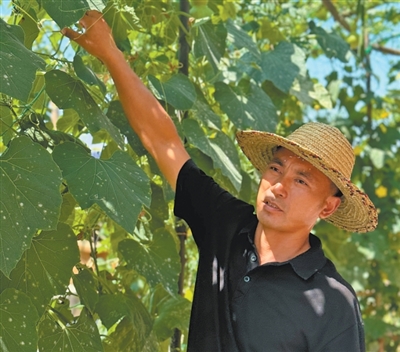
Core Viewpoint - The development of biomass power generation in Pingguan County, Shanxi Province, is closely linked to the local ecological restoration efforts, particularly through the utilization of the local plant, Caragana, which has become a key renewable energy resource [1][2]. Group 1: Biomass Power Generation - The Caragana plant, known for its high calorific value, is being used as a renewable biomass energy source in Pingguan County, with the local company Jin Dian Chemical Co., Ltd. launching a biomass cogeneration project in 2022 [2]. - The project utilizes Caragana branches and agricultural waste, which are processed and burned in boilers to generate electricity, providing heating for 1.52 million square meters in the county [2]. - Since 2021, Pingguan County has completed afforestation of 251,700 acres and restored 145,000 acres of degraded forest, achieving over 60% greening rate along the Yellow River [1][2]. Group 2: Green Development Strategy - Pingguan County is implementing a "three greens" development strategy focusing on green organic agriculture, green energy, and green tourism, aiming for a comprehensive high-quality development path [3]. - The county is promoting diverse energy sources, including wind, solar, water, and biomass, to establish a clean energy base, with several new energy projects already in place [3]. - The integration of agriculture, culture, and tourism is being emphasized, with the development of the Yellow River National Cultural Park and various eco-agricultural tourism projects [3][4].
“中国西充——全域有机示范区”入选全球有机农业十大典型案例
Zhong Guo Xin Wen Wang· 2025-06-26 16:30
Core Viewpoint - The "China Xichong - All-Region Organic Demonstration Zone" has been recognized as one of the top ten global organic agriculture cases, showcasing its innovative approach to organic farming and ecological preservation [1][2]. Group 1: Recognition and Achievements - Xichong is the only Chinese case selected among the top ten global organic agriculture examples, alongside notable cases from Denmark and Italy [1]. - The region has received the "Best Support Award" from the International Federation of Organic Agriculture Movements (IFOAM) Asia and has been included in the IFOAM's "Asian Organic Agriculture Innovation Cases" [2]. Group 2: Development Strategy - Xichong has developed 280,000 acres of organic bases, with 170,000 acres certified and 110 varieties achieving organic certification [2]. - The region has cultivated 120 organic agriculture enterprises and established 85 organic trademarks, marking a significant transition from a "zero starting point" to a "leader" in organic agriculture [2]. Group 3: Future Plans - Xichong aims to advance its organic agriculture sector through three strategic focuses: establishing "Xichong Standards" via technological innovation, creating an "Xichong Platform" for open sharing, and contributing "Xichong Solutions" through integrated concepts [3].
江西南昌以认证认可检验检测助力产业高质量发展
Zhong Guo Chan Ye Jing Ji Xin Xi Wang· 2025-06-23 08:35
Group 1 - Nanchang City is focusing on "industrial integration, service innovation, and ecological optimization" to support high-quality industrial development through certification and inspection services [1] - The establishment of a "one-stop" service station for wire and cable infrastructure has significantly reduced operational costs for companies, allowing them to focus on product development and market expansion [2][3] - Nanchang has 349 provincial-level testing institutions, covering over 20 sectors, with an annual output value exceeding 3.5 billion (35亿元), accounting for 53% of Jiangxi Province's inspection and testing industry total [3] Group 2 - Nanchang City has issued over 130 organic certification certificates, supporting the organic industry as a key driver for rural income growth, with annual output value of organic rice and tea reaching 180 million (1.8亿元) [4] - The city is enhancing the quality management systems for small and micro enterprises, conducting 18 diagnostic training sessions to improve management levels [4] - Nanchang is optimizing the inspection and testing institution's licensing mechanism, with 210 review groups dispatched in 2024, resulting in 730 qualification changes and new testing qualifications in advanced fields [5]