
冰雪旅游

Search documents
“冰雪嘉年华”如何点燃乡村冬日经济?
Zhong Guo Xin Wen Wang· 2026-01-03 01:51
Core Insights - The event marks the opening of the 12th National Public Ice and Snow Season in Wenzhou, Zhejiang, promoting a blend of sports, tourism, and culture [1][4] Group 1: Event Overview - The event features a variety of ice and snow activities, including snow hockey and curling, aimed at engaging participants of all ages [2][3] - The opening ceremony included a performance by martial arts champion Mao Yaqi, who was appointed as the sports tourism ambassador for the region [2] Group 2: Economic Impact - The event is expected to significantly boost local tourism, with projections of over 50,000 visitors and an annual revenue exceeding 10 million yuan for the ski resort [5] - The integration of ice and snow activities with local agriculture and cultural products is enhancing market opportunities for local farmers and artisans [5][6] Group 3: Industry Trends - The Chinese ice and snow industry has seen substantial growth, with its total scale increasing from 270 billion yuan in 2015 to nearly 1 trillion yuan by 2024, and is expected to surpass 1 trillion yuan by 2025 [6] - The successful implementation of the "sports + cultural tourism" model in Wenzhou serves as a case study for sustainable development in the ice and snow economy [6]
元旦假期市民乐享冰雪盛宴
Xin Lang Cai Jing· 2026-01-03 01:44
Core Viewpoint - The Bendao Mountain Ski Resort has become a popular destination during the New Year holiday, attracting a large number of visitors and promoting winter sports as a means of enhancing community engagement and fitness [2][4]. Group 1: Visitor Experience - The ski resort transformed into a vibrant hub, with long queues at the gondola and a bustling atmosphere filled with both beginners and experienced skiers [2][4]. - Families enjoyed various activities in the snow play area, including snow bicycles, tanks, and banana boats, creating memorable moments for parents and children [4]. Group 2: Facilities and Services - Bendao Mountain Ski Resort is recognized as a high-quality ice and snow venue in the city center, offering comprehensive facilities and attentive services to enhance visitor convenience [4]. - The resort caters to a wide demographic, from children to seniors, promoting the joy of sports and contributing to the trend of national fitness [4].


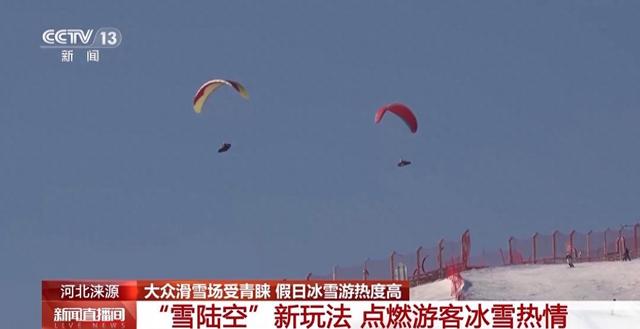
“雪陆空”全新玩法来袭 假日冰雪游热度高
Xin Lang Cai Jing· 2026-01-03 01:43
Core Viewpoint - The popularity of ice and snow tourism continues to rise during the New Year holiday, with urban ski resorts becoming a favored choice for citizens and short-distance travelers [1] Group 1: Tourism Trends - The Qiaoyuan Qishan Ski Resort in Hebei is particularly welcoming to beginner skiers, attracting families and student groups [1] - The "snow, land, and air" activities are gaining traction among young people, offering thrilling experiences and scenic views from powered paragliding and paragliding [3] Group 2: Visitor Statistics - The peak visitor flow reached 2,000 people on weekends, with New Year’s Day visitor numbers doubling year-on-year to nearly 4,000 [5] Group 3: Economic Impact - The integration of cultural, tourism, and sports sectors is driving sustainable growth in the ice and snow economy [6] - The town of Laiyuan is experiencing a resurgence due to ice and snow tourism, with attractions like the beautiful White Stone Mountain and the majestic Great Wall enhancing the appeal [8]
冬日里,浙江热“雪”沸腾
Xin Hua Wang· 2026-01-03 01:43
Core Insights - The winter tourism season in Zhejiang has gained significant popularity, with various ski resorts and attractions offering early bird tickets and increasing snow-making activities, leading to a surge in inquiries [1] - Zhejiang, previously considered unsuitable for winter sports, has successfully developed its ice and snow tourism market, ranking sixth nationally with 1.29 million visitors during the 2024-2025 winter season, the highest among southern provinces [1] Group 1: Market Growth and Trends - The indoor ski resort in Shaoxing, Qidi Qiaobo Ice and Snow World, has seen a 50% increase in revenue since the Beijing Winter Olympics, indicating a growing interest in skiing among locals [2] - The opening of "Sunlight Snow Valley" in Lin'an attracted over 5,000 visitors on its first day, showcasing the increasing popularity of snow-related activities among tourists [3] - The ice and snow tourism market in Zhejiang is characterized by a large participation base and strong consumer spending power, making it an attractive sector for investment [3] Group 2: Infrastructure Development - Various ski resorts in Zhejiang are enhancing their facilities, such as the Anji Yunshang Grassland Ski Resort, which has created a 300,000 square meter snow area, and the Daming Mountain Ski Resort, which has welcomed around 20,000 visitors since its opening [4][5] - The province has established 26 operational ice and snow venues, including 18 ski resorts, positioning itself as a leader in southern China for ice and snow activities [5] Group 3: Policy Support and Economic Integration - The Zhejiang government has included ice and snow tourism in its consumption promotion plans, encouraging the development of local ice and snow destinations and the "ice and snow +" economy [3] - The integration of ice and snow activities with other local attractions, such as hot springs and rural dining experiences, is becoming a trend, enhancing the overall appeal of winter tourism [6][7] - The province is launching various winter tourism initiatives, including a winter cultural tourism consumption season with an expected issuance of over 46 million yuan in consumption vouchers [7]
清风为伴产业兴丨推动冷资源持续转化为热经济
Zhong Yang Ji Wei Guo Jia Jian Wei Wang Zhan· 2026-01-03 01:37
Group 1 - The core idea of the news is the ongoing supervision and improvement of the tourism industry in Mohe City, Heilongjiang Province, focusing on enhancing the visitor experience and addressing issues in the ice and snow tourism sector [1][2][3] - Mohe City is leveraging its unique geographical and climatic advantages to develop the ice and snow cultural tourism industry, aiming to transform its cold resources into economic benefits [1] - The local disciplinary inspection and supervision commission has integrated tourism market rectification into its key supervision tasks, actively collecting feedback from the public to address tourism-related issues [1][2] Group 2 - A joint supervision team has been established, consisting of members from various departments, to conduct regular inspections and address any identified issues in real-time [2] - The commission has identified and rectified 27 issues in the tourism market since 2025, demonstrating a commitment to maintaining a safe and orderly tourism environment [2] - Continuous efforts will be made to innovate supervision methods and enhance effectiveness, ensuring a disciplined approach to eliminate corruption and improve the tourism development environment [3]
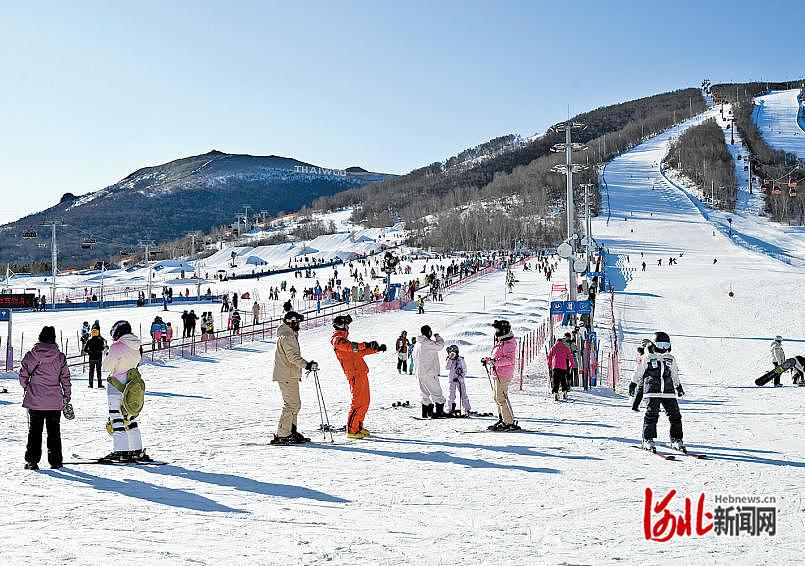
河北崇礼:一张滑雪票 串起吃住玩
Xin Lang Cai Jing· 2026-01-02 23:43
Core Viewpoint - The article highlights the growing popularity of winter sports, particularly skiing, in Chongli, which is becoming a favored destination for tourists from Beijing and Tianjin during the winter season [3][4]. Group 1: Tourism and Visitor Trends - During the New Year holiday, Taowu Town is expected to receive over 30,000 visitors daily, with over 70% of them coming from the Beijing-Tianjin area [4]. - The increase in visitors is attributed to the transformation of winter sports from niche activities to mainstream participation, with ski tickets linking various services such as dining, transportation, and accommodation [3]. Group 2: Experience and Activities - Taowu Town offers a variety of ski packages and activities, enhancing the "ski+" experience and encouraging repeat visits rather than one-time participation [3]. - The town features vibrant outdoor activities, including DJ performances, tree flower games, snow forest hiking, and fun ice competitions, aimed at providing a comprehensive winter experience for tourists [4].
一张滑雪票 串起吃住玩
Xin Lang Cai Jing· 2026-01-02 22:40
Core Viewpoint - The article highlights the growing popularity of winter sports, particularly skiing, in Chongli, which is becoming a favored destination for tourists from Beijing and Tianjin, especially during the New Year holiday season [3][4]. Group 1: Tourism and Visitor Experience - On January 1, the lowest temperature in Chongli reached minus 20 degrees Celsius, yet this did not deter visitors from enjoying skiing [3]. - The Taowu Town is expected to receive over 30,000 visitors daily during the New Year holiday, with over 70% of them coming from Beijing and Tianjin [4]. - The introduction of various ski packages has transformed the skiing experience from a one-time event to a repeat consumption model, enhancing the overall visitor experience [3]. Group 2: Activities and Amenities - The article describes a vibrant atmosphere at Taowu Town, with colorful ski outfits and various entertainment options such as outdoor DJ performances and fun competitions on ice [4]. - Visitors are enjoying a combination of sports, tourism, and leisure activities, including hot springs, shopping, and dining, creating a comprehensive lifestyle experience [4]. - The local management emphasizes warm hospitality and engaging activities to attract and retain visitors, promoting a "Ski+" lifestyle [4].
冰雪盛事搅热七台河之冬
Xin Lang Cai Jing· 2026-01-02 22:39
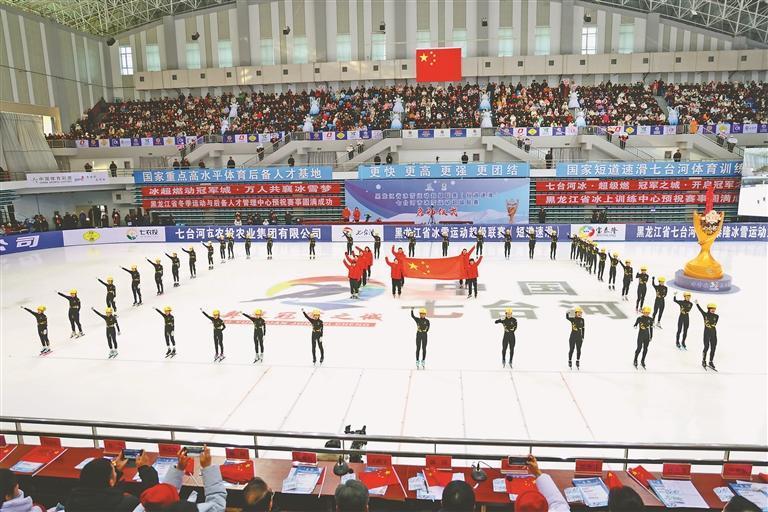
(来源:黑龙江日报) 转自:黑龙江日报 冰雪+赛事 凸显城市特色 这个冬天,七台河举办了首届冰雪运动超级联赛。"冰超"联赛开幕当天,6位世界冠军参加火炬传递,尽显冠 军之城底气。主火炬在七台河体育中心主场馆点燃,开幕式结束后,现场观众还观看了精彩激烈的黑龙江省 大滑梯远景。李福摄 七台河"冰超"联赛开幕式。 张求是摄 130 the life 2号 the first E TENER lynni HARR RE READ FE 1 I 日刊文 FFF 【 】 】 】 】 Trainl ARTS FREE FILLER i H 45 5 ED t 10 2 APA TTE n be 12 / 12 / 2 ling the S 18 1 6 1 1999 897 1 3 pers 245 x 上合的 115 the state of the □马丽丽 2025年12月21日,七台河市冰雪运动超级联赛开幕;12月28日,七台河市第八届"冠军传奇·冰雪嘉年华"华丽 登场。接踵而来的赛事、活动,让七台河这座安静的小城人气升腾、百业勃发。用对用好冰雪资源,成了这 座城市辞别旧岁、开启新年的最佳方式。 冰雪运动超级联赛( ...
深挖冰雪资源 催热冬日经济
Xin Lang Cai Jing· 2026-01-02 22:39
Core Perspective - The article highlights the transformation of Heilongjiang's winter resources into a vibrant cultural and tourism industry through the integration of art, creativity, ecology, and digital technology, termed "Ice and Snow+" [1] Group 1: Ice and Snow Cultural Innovations - The "Taoxue Penguin" event in Harbin has become a significant winter tourism icon, achieving over 30 billion online exposures since its inception in 2017, with this year's event featuring 50 penguins participating in parades across various locations [2] - The 38th Sun Island International Snow Sculpture Art Expo features a 23.8-meter tall snow sculpture named "Mr. Snowman," showcasing the collaboration between craftsmanship and natural resources [2][3] - The Ice and Snow World, themed "Ice and Snow Fairy Tale World," spans 1.2 million square meters and utilizes over 400,000 cubic meters of ice and snow, marking the largest scale in its history [3] Group 2: Ecological Integration in Tourism - Daqing, known as the "City of a Hundred Lakes," is leveraging its ecological resources to enhance winter tourism, with attractions like the Lin Dian Crane Lake Wetland Hot Spring Scenic Area offering unique experiences combining hot springs and ice landscapes [4] - The Duerbote Mongolian Autonomous County promotes sustainable fishing practices and winter fishing activities, turning traditional practices into attractive tourism projects [4] - The Zhalong Ecological Tourism Area in Qiqihar features unique experiences with wild cranes and winter-themed attractions, enhancing the cultural and natural appeal of the region [5] Group 3: Technological Empowerment in Tourism - Local tech companies in Heilongjiang are creating digital resources to preserve winter landscapes, enabling year-round access to ice and snow experiences through VR and AR technologies [6] - Harbin Aiwei Technology has developed a five-year digital resource library, allowing for immersive experiences that replicate winter scenes even in summer [6][7] - Daqing Siter Media Technology is enhancing the interactivity of ice and snow cultural resources through digital multimedia technologies, creating engaging visitor experiences in exhibition spaces [7] Group 4: Economic Impact and Growth - The winter tourism industry in Heilongjiang has seen significant growth, with 135 million domestic and international visitors in the 2024-2025 winter season, representing an 18.5% increase year-on-year, and total spending reaching 211.72 billion yuan, up 30.7% [7] - The "Ice and Snow+" initiative is evolving beyond mere business combinations, becoming a core driver for upgrading and revaluing the cultural tourism industry in Heilongjiang [7]
与“哈尔滨”相关的搜索热度同比暴涨5倍以上
Xin Lang Cai Jing· 2026-01-02 16:24
Group 1 - The core viewpoint of the article highlights the increasing popularity of ice and snow tourism during the New Year holiday, with significant growth in ticket bookings and travel searches [1] - In Heilongjiang, ticket bookings for the China Snow Town scenic area and the Harbin Yabuli Ski Resort increased by 2.7 times and 2 times, respectively [1] - The search interest related to "Harbin" surged over 5 times year-on-year, indicating a strong demand for travel to the region [1] Group 2 - Overall search interest for train and flight tickets during the New Year period increased by more than 3 times compared to the previous year [1]