
滑雪票

Search documents
预计超7000万元!快来领惠民补贴,可用于滑雪、观影、观演、观展
Bei Jing Ri Bao Ke Hu Duan· 2026-02-10 03:43
Core Viewpoint - The 2026 Beijing Spring Festival Cultural Consumption Promotion Activity aims to enhance cultural consumption and create a festive atmosphere for residents and visitors during the Spring Festival [3] Group 1: Expansion of Benefits - The scope of the cultural consumption promotion has significantly expanded, integrating four major sectors: film, performance, exhibition, and skiing, transitioning from a single focus on film to a multi-experience model [2] - The initiative includes a collaboration with the Municipal Social Work Department to distribute 10,000 no-threshold movie discount coupons worth 30 yuan each to new employment groups in Beijing [2] Group 2: Government and Market Collaboration - The activity follows the principle of "government guidance, market leadership, and social participation," aiming to stimulate consumption potential and promote the deep integration of culture, commerce, tourism, sports, and exhibitions [2] - A total of 16.95 million yuan will be invested by the municipal government, leveraging over 55 million yuan from platforms and related enterprises, with total subsidies expected to exceed 70 million yuan [2] Group 3: Specific Activities and Discounts - From February 15 to March 3, consumers can enjoy discounts on movie tickets at 332 cinemas, with early bird discounts of 30 yuan and 15 yuan, along with cross-scenario consumption benefits [4] - From February 10 to March 3, discounts on traditional performances will be available, with a tiered discount system offering up to 160 yuan off for purchases over 400 yuan [5] - The Beijing International Art Biennale will offer various discount coupons from February 10 to February 28, allowing art enthusiasts to experience top-tier art at reduced prices [7] - Skiing activities will provide discounts from February 15 to February 23 at 16 ski resorts, with subsidies ranging from 15 yuan to 150 yuan based on purchase amounts [9]


补贴超7000万元!北京新春文化惠民活动全面升级
Bei Jing Ri Bao Ke Hu Duan· 2026-02-09 22:39
Core Viewpoint - The "2026 Beijing New Spring Cultural Consumption Promotion Activity" aims to enhance cultural experiences and stimulate consumer spending through various subsidies and activities, with a total budget exceeding 70 million yuan [1]. Group 1: Cultural Activities - The event integrates four major cultural sectors: film, performance, exhibition, and skiing, expanding the subsidy range to include traditional operas, musicals, dance dramas, children's plays, and art exhibitions [1]. - A total of 1 million 30 yuan no-threshold movie discount coupons will be issued to new employment groups in Beijing, promoting wider access to cultural benefits [1]. Group 2: Film Promotions - From February 15 to March 3, consumers can enjoy various discounts on movie tickets through platforms like Maoyan and Taopiaopiao, including a 30 yuan discount for early screenings and a 15 yuan discount for regular tickets [2]. - The cultural consumption promotion action will invest 12 million yuan in subsidies for film-related activities, with limited daily offers available on a first-come, first-served basis [2]. Group 3: Performance Promotions - From February 10 to March 3, discounts on tickets for traditional performances will be available, with a tiered discount system offering up to 160 yuan off based on purchase amounts [3]. - An additional 500,000 yuan in exclusive coupons will be distributed for tourism and festival events, enhancing the overall experience for attendees [3]. Group 4: Exhibition Promotions - From February 10 to February 28, discounts will be offered for the China Beijing International Art Biennale, with various coupon packages available for art enthusiasts [4]. - The promotion will also include "Art Temple Fair" activities during the Spring Festival, creating a culturally rich consumer environment [4]. Group 5: Skiing Promotions - From February 15 to February 23, 16 ski resorts will participate in the promotion, offering discounts based on ticket purchase amounts, with additional benefits from the platform [5]. - The cultural consumption promotion action will allocate 3.2 million yuan for skiing-related subsidies, with limited daily offers available [5]. Group 6: Overall Integration - The initiative aims to create a new ecosystem for cultural consumption during the Spring Festival, integrating culture, tourism, sports, and exhibitions to enhance the overall experience [6].

预计超7000万元惠民补贴!可用于滑雪、观影、观演、观展
Bei Jing Shang Bao· 2026-02-09 09:00
Core Viewpoint - The 2026 Beijing Spring Festival Cultural Consumption Promotion Activity aims to enhance cultural consumption and create a festive atmosphere, providing tangible cultural benefits to residents and visitors during the Spring Festival [3]. Group 1: Expansion of Benefits - The scope of the cultural consumption promotion has significantly expanded, integrating four major sectors: film, performance, exhibition, and skiing, transitioning from a single focus on film to a multi-experience model [2]. - The initiative includes a collaboration with the Municipal Social Work Department to distribute 10,000 no-threshold movie discount coupons worth 30 yuan each to new employment groups in Beijing [2]. Group 2: Government and Market Collaboration - The promotion adheres to the principle of "government guidance, market leadership, and social participation," aiming to stimulate market vitality and promote the integration of culture, commerce, tourism, sports, and exhibitions [2]. - The financial model combines government subsidies, platform resources, and corporate discounts, with a total expected subsidy exceeding 70 million yuan, including 16.95 million yuan from the municipal government and over 55 million yuan from platforms and enterprises [2]. Group 3: Specific Activities and Discounts - The movie promotion runs from February 15 to March 3, offering discounts such as 30 yuan off early screenings and 15 yuan off regular tickets, along with cross-scenario consumption benefits [4][21]. - The performance promotion from February 10 to March 3 provides tiered discounts for various traditional performances, with additional exclusive coupons for travel and festival events [21]. - The exhibition promotion from February 10 to February 28 offers multiple discount packages for the Beijing International Art Biennale, enhancing access to high-quality art experiences [22]. - The skiing promotion from February 15 to February 23 includes discounts at 16 ski resorts, providing a dual discount structure through platform and corporate contributions [24].

大湾区“1小时冰雪经济圈”成形
2 1 Shi Ji Jing Ji Bao Dao· 2026-02-08 01:09
Core Viewpoint - The ice and snow economy in China is experiencing significant growth, with Guangdong province emerging as a key player in this sector, particularly during the upcoming Spring Festival, as indoor snow venues become popular destinations for local residents and tourists [3][6][10]. Group 1: Market Growth and Economic Impact - The national ice and snow industry is projected to exceed 1 trillion yuan by 2025 and reach 1.5 trillion yuan by 2030, with Guangdong benefiting from over 30 ice and snow venues and nearly 23,000 manufacturing enterprises [3][10]. - From 2016 to 2024, China's ice and snow industry scale is expected to grow from 364.7 billion yuan to 980 billion yuan, with an average annual growth rate of 21.09% [5][10]. - The participation in ice and snow sports and related consumption is anticipated to exceed 187.5 billion yuan during the 2024-2025 season, representing a growth of over 25% compared to the previous season [5]. Group 2: Consumer Behavior and Preferences - The "tropical snow country" concept in Guangdong is attracting a large customer base, with the province being the third-largest source of ice and snow tourists in China [6][7]. - Indoor snow venues are transforming skiing from a specialized sport into a popular lifestyle activity, appealing to families and young people seeking new experiences [8]. - The customer demographic at venues like Guangzhou's Hot Snow Miracle shows a balanced mix of local and external visitors, including tourists from Hong Kong, Macau, and Southeast Asia [7]. Group 3: Infrastructure and Venue Development - Guangdong has established over 30 ice and snow venues, with significant visitor numbers, making it a leading region for ice and snow tourism in China [6][10]. - The world's largest indoor ski resort, Qianhai Huafa Ice and Snow World, has seen over 1.3 million visitors within four months of operation [7]. - New outdoor snow venues are also being developed, such as the first large-scale outdoor real snow venue in Foshan, which is set to enhance the region's ice and snow offerings [12]. Group 4: Industry Supply Chain and Manufacturing - Guangdong is home to approximately 23,000 ice and snow equipment manufacturers, accounting for over 25% of the national total, indicating a robust supply chain for the ice and snow industry [10][11]. - The production of ice and snow equipment has seen a significant increase in domestic orders, with annual growth rates of 30-40% since the 2022 Beijing Winter Olympics [11]. - Companies are expanding their operations and enhancing production efficiency through technological upgrades, which is crucial for meeting the rising demand in the ice and snow market [11]. Group 5: Challenges and Future Directions - Despite the growth, the ice and snow industry faces challenges such as high operational costs, a lack of skilled professionals, and a tendency towards homogeneity in offerings [12][13]. - Experts suggest that companies should focus on cost control, talent development, and diversifying their offerings to include regional cultural elements and "ice and snow+" business models to ensure sustainable growth [13].
大湾区“1小时冰雪经济圈”成形
21世纪经济报道· 2026-02-08 00:56
Core Viewpoint - The article highlights the rapid growth of the ice and snow economy in China, particularly in Guangdong, where indoor snow venues are becoming popular during the Spring Festival, indicating a shift in consumer preferences towards winter sports and experiences [1][6]. Industry Growth - The national ice and snow industry is projected to exceed 1 trillion yuan by 2025 and reach 1.5 trillion yuan by 2030, with Guangdong playing a significant role in this growth [1][6]. - From 2016 to 2024, the scale of China's ice and snow industry increased from 364.7 billion yuan to 980 billion yuan, with an average annual growth rate of 21.09% [6]. Consumer Engagement - The 2024-2025 ice and snow season is expected to see consumer spending exceed 187.5 billion yuan, representing a growth of over 25% compared to the previous season [6]. - Guangdong is the third-largest source of ice and snow tourists in China, with major cities like Guangzhou and Shenzhen ranking among the top ten tourist source cities [6][7]. Venue Development - Guangdong has established over 30 ice and snow venues, with the largest indoor ski resort, Qianhai Huafa Ice and Snow World, attracting over 1.3 million visitors within four months of its opening [7][12]. - The "Tropical Snow Country" concept is being realized through these venues, which provide accessible skiing experiences for local residents and tourists from nearby regions [7][8]. Economic Impact - The ice and snow industry in Guangdong is interconnected with various sectors, including manufacturing, retail, and dining, creating a comprehensive service chain from ticket sales to equipment rentals [12][17]. - Guangdong is home to approximately 23,000 companies involved in ice and snow equipment manufacturing, accounting for over 25% of the national total [12][13]. Future Trends - The article suggests that the future of the ice and snow industry lies in diversifying revenue streams through "ice and snow+" business models, high-end customized services, and event-driven economies [17][18]. - There is a growing emphasis on integrating local cultural elements into ice and snow projects to enhance uniqueness and attract more consumers [18].

【宝鸡】多维施策 绘就冬日消费新图景
Shan Xi Ri Bao· 2026-01-06 23:06
Core Viewpoint - The "2025 Le Gou Baoji Winter Promotion" event aims to stimulate consumer spending in Baoji through various promotional activities and collaborations among local businesses and government departments [1][2]. Group 1: Event Overview - The event was launched on December 23, 2025, and will run until February 2026, featuring over 1,000 participating businesses across various sectors [1]. - Key promotional activities include the distribution of electronic coupons and the "ticket root economy" initiative, designed to enhance consumer engagement and market vitality [1][2]. Group 2: Consumer Engagement Strategies - The "ticket root +" consumption matrix allows consumers to exchange tickets from various attractions for discounts at local businesses, promoting a multi-faceted consumption experience [2][3]. - The event includes a winter car exhibition featuring over 20 car brands and more than 100 models, providing a platform for consumers to explore and purchase vehicles [3]. Group 3: Night Economy and Local Culture - Baoji's night economy is being enhanced through diverse offerings in the Xifu Old Street, attracting over 30,000 visitors daily during holidays [4]. - The city is focusing on improving the consumer environment by implementing smart shopping solutions and enhancing public services to create a more enjoyable shopping experience [4].
一张滑雪票 串起吃住玩
Xin Lang Cai Jing· 2026-01-02 22:40
Core Viewpoint - The article highlights the growing popularity of winter sports, particularly skiing, in Chongli, which is becoming a favored destination for tourists from Beijing and Tianjin, especially during the New Year holiday season [3][4]. Group 1: Tourism and Visitor Experience - On January 1, the lowest temperature in Chongli reached minus 20 degrees Celsius, yet this did not deter visitors from enjoying skiing [3]. - The Taowu Town is expected to receive over 30,000 visitors daily during the New Year holiday, with over 70% of them coming from Beijing and Tianjin [4]. - The introduction of various ski packages has transformed the skiing experience from a one-time event to a repeat consumption model, enhancing the overall visitor experience [3]. Group 2: Activities and Amenities - The article describes a vibrant atmosphere at Taowu Town, with colorful ski outfits and various entertainment options such as outdoor DJ performances and fun competitions on ice [4]. - Visitors are enjoying a combination of sports, tourism, and leisure activities, including hot springs, shopping, and dining, creating a comprehensive lifestyle experience [4]. - The local management emphasizes warm hospitality and engaging activities to attract and retain visitors, promoting a "Ski+" lifestyle [4].
9天超长“雪假”!新疆阿勒泰多项优惠助力学生畅玩冰雪
Sou Hu Cai Jing· 2025-11-30 14:59
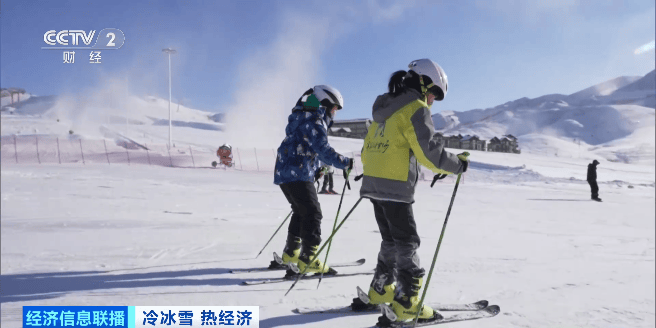
Group 1 - The first "snow holiday" for middle and primary school students in Xinjiang's Urumqi and Altay will take place from December 1 to 5, allowing for a total of 9 days off when combined with the surrounding weekends [1] - A large number of students have already begun to enjoy the snow holiday by visiting various ski resorts in the Altay region [1][3] - Ski resorts are offering targeted discounts during the snow holiday, including free ski passes for students with identification, as well as discounts on equipment rentals, dining, winter camps, and snow-related activities [5] Group 2 - Ski resorts have conducted comprehensive inspections of ski trails and equipment, and have established safety protocols in preparation for the influx of visitors [7] - Local cultural and tourism departments are collaborating with ski resorts, hotels, and cultural venues to provide comprehensive discounts in skiing, accommodation, education, and transportation [9] - The demand for ice and snow experiences from students is expected to attract parents, stimulating the local weekend tourism market and increasing awareness of Altay's ice and snow resources and related services [11]
为什么滑雪的人很多 雪场还不赚钱?
Xin Jing Bao· 2025-11-19 23:59
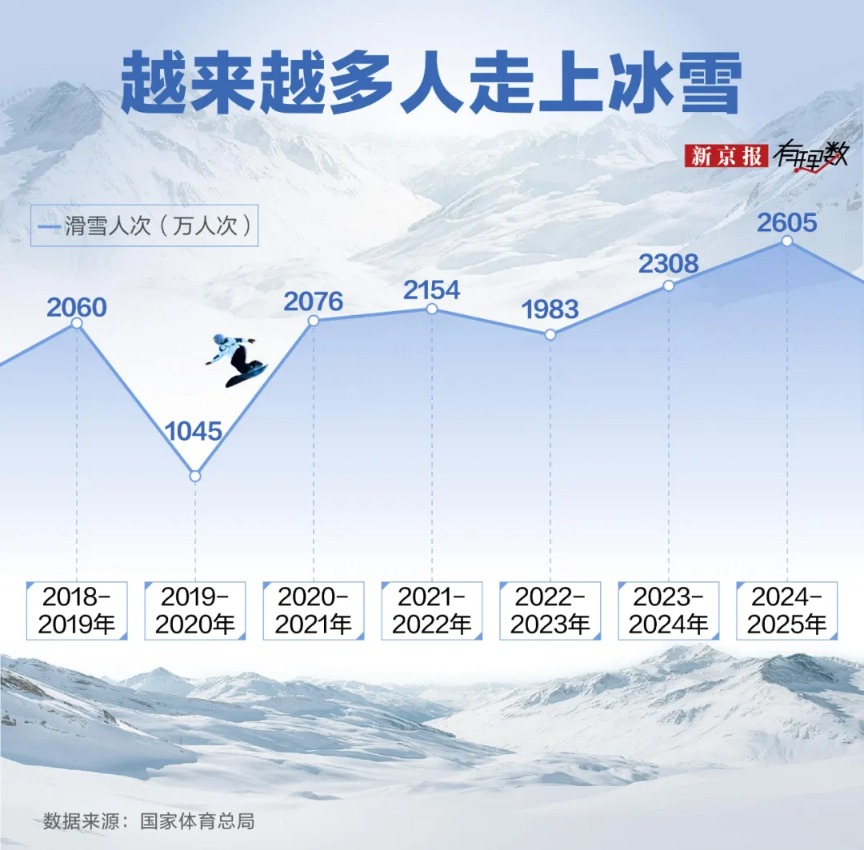
Core Insights - The skiing market in China is experiencing a surge in popularity, with the number of ski visits expected to reach a record high of 26.05 million in the 2024-2025 season, driven by the enthusiasm generated post the Beijing Winter Olympics [2][6] - Despite the growth in skier numbers, the majority are casual tourists or beginners, leading to a low penetration rate of only 0.85% in China compared to over 10% in countries like the US and Japan [6][8] - The skiing industry in China is currently characterized by a price war among ski resorts, with ticket prices dropping significantly, making skiing appear affordable for many [10][13] Market Dynamics - The number of ski resorts in China has increased from 524 in 2018 to 914 in 2024, with an annual compound growth rate of 9.8%, intensifying competition in the market [21][23] - Many ski resorts are struggling to maintain profitability due to high operational costs, which can exceed 100 million yuan annually, and a short operational season of 3 to 5 months [21][23] - The current market is divided between high-end and budget ski resorts, with many resorts failing to find a clear positioning, leading to operational challenges [8][21] Consumer Behavior - A significant portion of new skiers start with low-cost options, with nearly one-third spending less than 1,000 yuan annually on skiing, primarily judging the sport's affordability based on ticket prices [13][15] - Hidden costs associated with skiing, such as equipment, clothing, transportation, and lessons, often lead to a much higher total expenditure, with many enthusiasts spending over 10,000 yuan annually [15][17] - The trend of "cheap skiing" is prevalent, but many consumers overlook the cumulative costs that can make skiing an expensive hobby [15][19] Industry Challenges - The rapid expansion of ski resorts has led to concerns about quality and sustainability, with many resorts facing the risk of closure or underutilization due to poor planning and excessive competition [23] - The industry is currently experiencing a "low price, low quality" cycle, where resorts attract customers with low prices but struggle to provide adequate services, leading to dissatisfaction among skiers [23][24] - The long-term success of the skiing market in China hinges on transforming casual visitors into dedicated enthusiasts, fostering a culture of sustained participation in the sport [24]
冬季旅游避坑指南:消费前如何提前识别风险与投诉渠道
Xin Lang Cai Jing· 2025-11-06 03:25
Core Viewpoint - The article emphasizes the importance of consumer awareness and effective complaint channels during the winter season, which sees a rise in seasonal consumption activities such as ice and snow tourism, hot spring vacations, and holiday shopping [1][8]. Group 1: Identifying Risks Before Consumption - Consumers are encouraged to research merchants' reputations and service quality before making payments or placing orders to avoid potential pitfalls [1]. - Key methods for risk identification include checking online reviews on platforms like Meituan, Dazhong Dianping, and Ctrip, focusing on negative feedback to gauge service reliability [6]. - Consumers should also investigate whether a business has a history of complaints, particularly in areas like bundled sales or refund delays, to assess service reliability [6]. - Awareness of common dispute types in specific industries during peak seasons can help consumers verify details more effectively [6]. Group 2: Complaint Channels - Official administrative complaint channels include the national 12315 platform, which handles various consumer rights issues, and the 12345 government service hotline for local grievances [3]. - Industry self-regulatory organizations, such as the China Travel Service Association, can provide effective resolution in specific sectors [3]. - Third-party online complaint platforms like Black Cat Complaints offer quick and user-friendly options for consumers seeking to resolve issues with businesses [3][7]. Group 3: Features of Black Cat Complaints - Black Cat Complaints supports multiple submission methods, including website, app, and mini-program, enhancing user convenience [4]. - The platform has a robust enterprise response mechanism, featuring modules like "Enterprise Reply Ranking" to encourage businesses to address consumer issues proactively [5]. - Users can track the status of their complaints in real-time, with clear categorization and matching to the appropriate customer service representatives [7]. Group 4: Choosing the Right Complaint Channel by Industry - Different industries require tailored complaint approaches; for example, tourism and hotel issues are best addressed through Black Cat Complaints or the 12301 tourism hotline [8]. - Telecommunications and network package complaints can be directed to the Ministry of Industry and Information Technology's complaint platform in addition to 12315 [8]. - Financial and insurance disputes should be prioritized through the 12378 hotline of the China Banking and Insurance Regulatory Commission [8]. Group 5: Conclusion - The article concludes that rational consumption and effective use of complaint tools are essential for enjoying the winter season while minimizing disputes [8][9].