Smartphones

Search documents
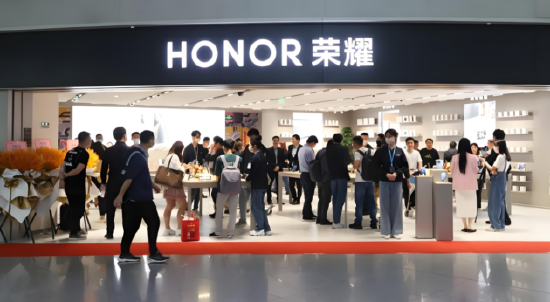
辱骂网友?荣耀高管多次发声惹争议,网友喊话CEO李健“管一管”
Xin Lang Ke Ji· 2025-10-07 07:03
Core Viewpoint - The article discusses the controversies surrounding Luo Wei, the Chief Imaging Engineer at Honor, particularly his recent public outburst against netizens criticizing the photo quality of the Honor Magic8 Pro, which may impact the company's goal of returning to the top three in the Chinese smartphone market by the end of the year [2][3][12]. Group 1: Controversy and Public Reaction - Luo Wei has faced backlash for his inappropriate comments towards netizens who criticized the night photos taken by the Honor Magic8 Pro, leading to calls for intervention from Honor's CEO, Li Jian [3][5]. - In a response to the criticism, Luo Wei suggested that the negative comments were due to "water army" attacks, implying that the criticism was not genuine [7][8]. Group 2: Company Goals and Market Position - Honor is currently aiming to regain its position among the top three smartphone brands in China by the end of this year, following a significant drop in sales and market ranking [12][13]. - The company has implemented various strategies, including the "Eagle Plan" for internal restructuring and the "Global Million Eagle Plan" to recruit talent, in an effort to improve its market performance [13]. Group 3: Product Launch and Expectations - The upcoming launch of the Honor Magic8 series is critical for the company's recovery, with features such as a 200-megapixel telephoto lens and advanced software-hardware integration being highlighted [9][12]. - The recent controversies surrounding Luo Wei and the performance of the Magic8 Pro may negatively affect the product's market reception and the company's overall sales strategy [9][12].

【环球财经】小米15T系列登陆巴西 以旗舰战略巩固高端市场地位
Xin Hua Cai Jing· 2025-10-06 01:10
Core Insights - The article discusses how Chinese brand Xiaomi is accelerating its localization efforts in Brazil's smartphone market to increase its share in the high-end segment, particularly with the launch of the Xiaomi 15T series [2][16]. Group 1: Product Launch and Strategy - Xiaomi has launched the Xiaomi 15T series, which includes the Xiaomi 15T and Xiaomi 15T Pro, aiming to solidify its brand image in the high-end market through a "flagship positioning" strategy [2][7]. - The company emphasizes the introduction of "global top-tier smartphone technology" to Brazil, focusing on high-end products to enhance consumer experience [2][11]. Group 2: Technological Differentiation - Xiaomi aims to differentiate itself through advanced technology, such as a camera system developed in collaboration with Leica, which enhances image quality and video capabilities [7][11]. - The Xiaomi 15T Pro features a 5x telephoto lens with up to 20x zoom and advanced low-light performance, while both models include a 32MP front camera and support for various video recording features [7][11]. Group 3: Market Position and Growth - Xiaomi has become the fastest-growing brand in the segment priced above 3,000 Brazilian Reais (approximately 4,000 RMB) according to a major retailer [11][16]. - Although the high-end smartphone market is smaller than entry-level and mid-range segments, it is experiencing steady growth, with increasing consumer awareness and purchasing power [11][16]. Group 4: User-Centric Design - The company highlights that Chinese brands excel not only in hardware specifications but also in user-centric design that enhances daily life convenience [11][14]. - Features like real-time subtitle generation during conversations exemplify how Xiaomi's technology integrates seamlessly into users' lives, making it more practical and user-friendly [14][16].

X @The Economist
The Economist· 2025-10-04 10:00
Industry Trend - Cars are increasingly designed to be smartphones on wheels [1] - The automotive industry should consider manufacturing cars like smartphones [1]
Samsung and Coinbase Unlock Crypto Trading for 75M Galaxy Users – Global Rollout Next?
Yahoo Finance· 2025-10-03 17:57
Core Insights - Samsung has partnered with Coinbase to provide over 75 million Galaxy smartphone users in the U.S. with streamlined access to cryptocurrency, with plans for a global rollout in the coming months [1][4] - The collaboration offers exclusive benefits such as a free three-month subscription to Coinbase One, which includes zero trading fees on select assets, enhanced staking rewards, priority support, and account protection [2] - Users will receive a $25 credit after their first trade on Coinbase, enhancing the incentive for new users to engage with the platform [2] Company Developments - The partnership builds on previous integrations, including the July collaboration that allowed U.S. users to purchase crypto via Samsung Pay, now enabling Galaxy users to consolidate digital essentials like IDs, payment cards, keys, and crypto in the Samsung Wallet [3][4] - Samsung aims to position the Wallet app as an all-in-one tool for everyday use, enhancing user convenience [4][5] Market Positioning - Coinbase is expanding its services amid increasing competition in both traditional finance and the crypto sector, having entered the S&P 500 this year with a market capitalization of $83 billion [6] - The company has diversified its offerings beyond trading, including the acquisition of crypto derivatives platform Deribit for $2.9 billion, indicating a strategic focus on dominating the derivatives market [6] - Coinbase is active in custody, payments, asset management, and derivatives, serving as custodian for eight of the eleven U.S. spot Bitcoin ETFs, positioning itself to leverage the growing institutional adoption of Bitcoin [7]

Jefferies' Edison Lee: Expectations for Apple Intelligence to start an upgrade cycle are too high
Youtube· 2025-10-03 15:50
Core Viewpoint - Jeffre has downgraded Apple to "sell" from "hold," citing that current expectations for a super upgrade cycle are too high [1] Company Insights - The smartphone industry, including Apple and Android competitors, is facing a significant structural slowdown due to a lack of innovative features that current phones cannot perform [2] - Incremental improvements are noted, with excitement around Apple's upcoming foldable phone, although it is not a brand new form factor [3] - The expected volume for the foldable phone is projected to be around 3 million units, while iPhone sales could potentially be three times that due to a loyal customer base, but this may not significantly impact overall sales [4] - The lack of innovative features is seen as a primary reason consumers may not feel the need to upgrade their phones [5] Pricing Strategy - The iPhone 17 cycle has performed better than expected, primarily due to attractive pricing strategies, including no price increase for Pro and Pro Max models and effective price cuts for base models [7][8] - In China, the base model is sold at a lower price to qualify for government subsidies, which has driven more interest in the product [8] Market Sentiment - There is considerable enthusiasm regarding the upcoming foldable iPhone, with some investors believing that a replacement cycle is returning, despite structural headwinds [10] - The foldable phone is expected to be priced at $2,000, which may limit its mass market appeal [11]

黄金周看点 | 热门机型“一机难求” 实探“机圈三巨头”沪上门店
Xin Hua Cai Jing· 2025-10-02 13:39
Group 1 - The core viewpoint of the article highlights the intense competition in the high-end smartphone market during the National Day holiday, driven by the launch of new flagship models from major brands like Huawei, Apple, and Xiaomi [1][2][4] - The demand for high-end smartphones is evident as many stores report a lack of stock for newly released models, indicating a strong consumer interest despite the challenges in purchasing [2][3][6] - Sales data supports the trend of increasing demand, with Xiaomi's 17 series surpassing 1 million units sold faster than previous models, and Apple's iPhone 17 series setting sales records on platforms like JD.com [4][6] Group 2 - The high-end smartphone market is experiencing a trend towards higher average selling prices, with projections indicating an increase from $370 in 2025 to $412 by 2029 [6] - Different strategies are being employed by major brands: Huawei focuses on business and durability with its Mate series, while Apple has made its base model more appealing by incorporating features typically found in higher-end models [6][7] - The competition is not just about product features but also about building brand loyalty and community among users, with each brand cultivating its own dedicated customer base [11]
跃升全球创新榜首,广东从单打冠军到团体金牌的“三级跳”
2 1 Shi Ji Jing Ji Bao Dao· 2025-09-30 14:08
Core Insights - Guangdong has formed 9 trillion-level industrial clusters and 8 advanced manufacturing clusters recognized at the national level, showcasing significant industrial transformation [1] - The core industry scale of artificial intelligence in Guangdong exceeded 200 billion yuan, with industrial robots, service robots, and smartphones leading national production [1] - Guangdong's regional innovation capability has ranked first in the country for 9 consecutive years, with the "Shenzhen-Hong Kong-Guangzhou" innovation cluster topping the global innovation rankings for the first time [1] Industrial Ecosystem - The industrial clusters in Guangdong are not homogeneous but are strategically positioned based on resource endowments, with Guangzhou focusing on original innovation, Shenzhen on advanced fields, Dongguan on large-scale manufacturing, and Shaoguan on providing foundational infrastructure [2] - Guangzhou's economy has surpassed 3 trillion yuan, with 6 advanced manufacturing clusters and 7 service industry clusters, and over 4 million market entities [2] - Guangdong is promoting industrial park construction through 50 billion yuan in special funds and land indicators, facilitating the entry of over 11,000 enterprises [2] Collaborative Innovation - The competition in modern industrial systems is fundamentally about ecosystem competition, with regional collaboration evolving from geographical proximity to functional complementarity [3] - Leading enterprises in Guangdong are redefining industrial leadership by breaking brand barriers and establishing unified access standards, fostering an ecosystem of collaborative innovation [3][4] - The shift in value logic emphasizes empowering specialized "small giant" enterprises through standard-setting and technology diffusion rather than monopolizing the value chain [3] Technological Advancements - The current phase of industrial upgrading in Guangdong is characterized by the transition of artificial intelligence from "analytical intelligence" to "action intelligence," with significant breakthroughs in robotics and smart technologies [5] - Companies like Non-Xi Robotics and Leju Intelligent are demonstrating the potential of "robotics+" in various non-traditional fields, indicating a surge in cross-industry application scenarios [5]
Omdia:2025年LTPO将超越LTPS成为柔性智能手机AMOLED的主导技术
Zhi Tong Cai Jing· 2025-09-30 01:23
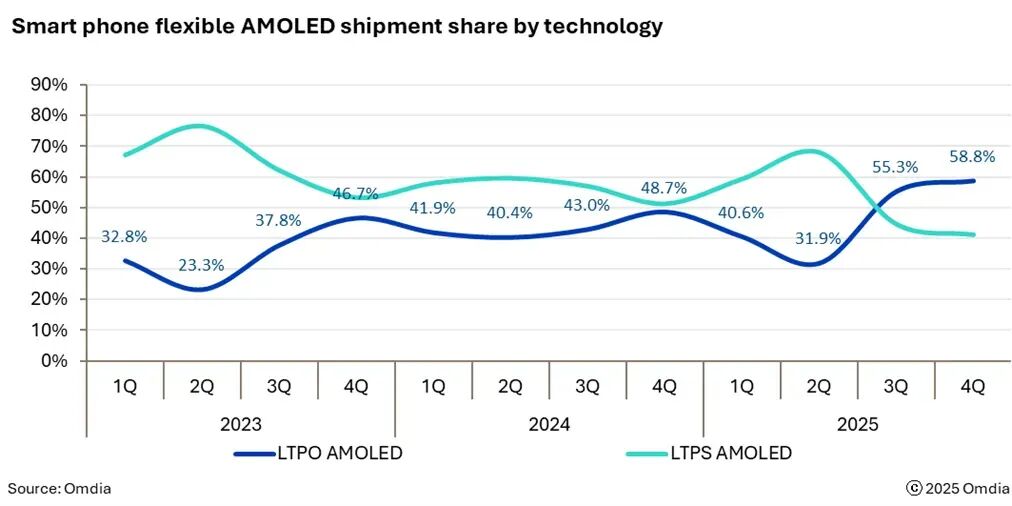
Core Insights - The shipment of low-temperature polycrystalline oxide (LTPO) flexible active matrix organic light-emitting diode (AMOLED) displays is expected to surpass that of low-temperature polysilicon (LTPS) flexible AMOLED displays in the second half of 2025 [1][4] Group 1: Market Trends - The transition to LTPO coincides with the consolidation of flexible AMOLED as the mainstream technology in the smartphone display market, with AMOLED displays projected to account for 51% of total smartphone display shipments in 2024, surpassing TFT LCD for the first time [4] - The demand for low power consumption in high-end devices is driving the shift from LTPS to LTPO within the flexible AMOLED segment [4] Group 2: Company Impact - Apple's product strategy is a major driver of this market transition, with the company set to release five new AMOLED iPhone models in 2025, including the iPhone 16E and the new iPhone 17 series, leading to a significant increase in LTPO demand [4][5] - The gradual phasing out of LTPS LCD-based iPhone SE models will sharply reduce Apple's demand for TFT LCD panels, further increasing the overall demand for AMOLED [4] Group 3: Competitive Landscape - Chinese smartphone manufacturers are expanding the application of LTPO flexible AMOLED from flagship models to high-end product lines, further broadening this trend [5] - Major AMOLED panel manufacturers such as Samsung Display, BOE, and Tianma are expected to benefit from the surge in demand driven by this market shift [5] - The acceleration of Android brands adopting LTPO AMOLED technology to remain competitive is noted, alongside Chinese panel manufacturers actively promoting LTPO to capture market share [5]
华为“一家独大”?Mate80独占可变光圈,其它国产旗舰没得跟了
Xin Lang Cai Jing· 2025-09-29 16:27
Core Viewpoint - Huawei's Mate80 is positioned as a leading flagship smartphone, suggesting a significant competitive advantage over other domestic brands in the market [1][2] Group 1 - The Mate80 model is highlighted for its unique features, particularly its variable aperture technology, which sets it apart from competitors [1] - The article suggests that Huawei has established a dominant position in the smartphone market, making it difficult for other domestic brands to compete effectively [2]
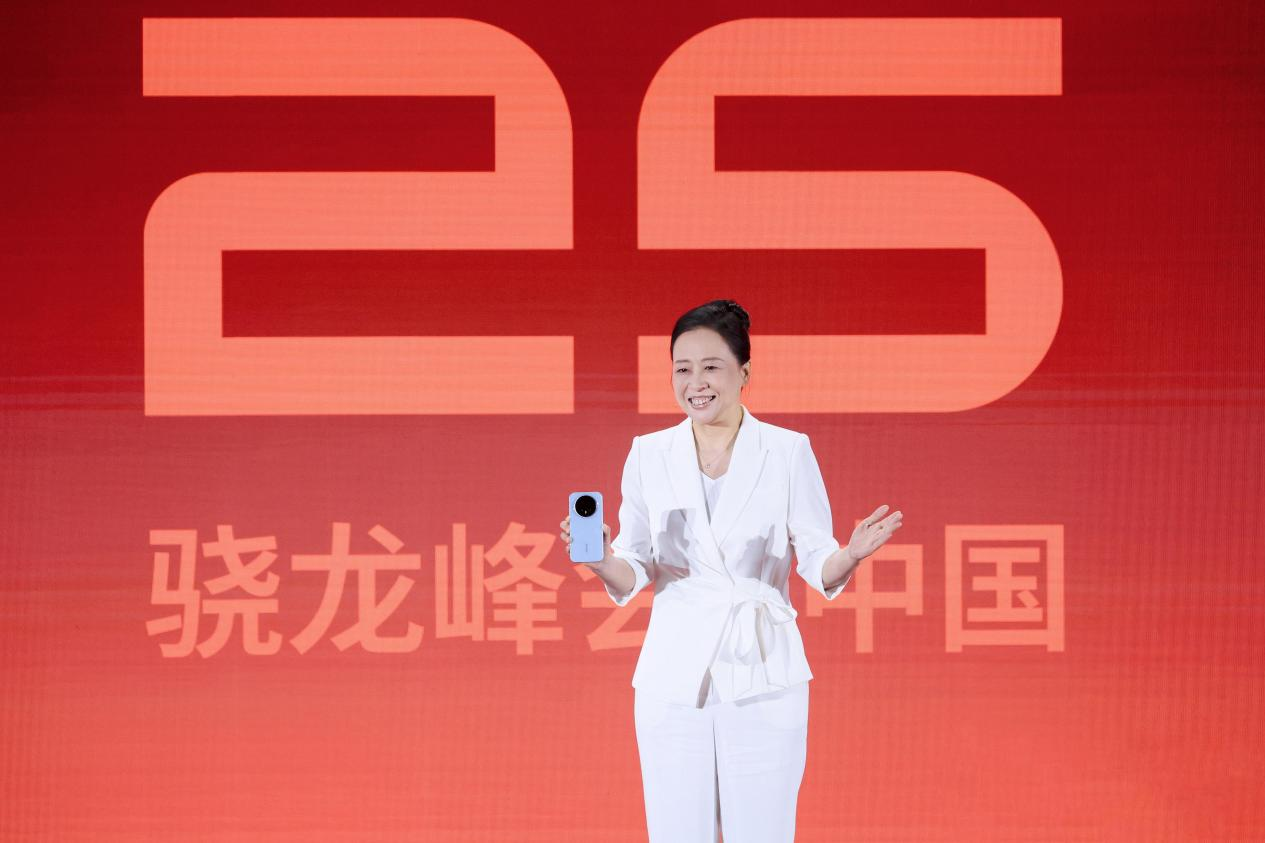
荣耀与高通共研技术底座,为AI终端树立全球新范式
Yang Guang Wang· 2025-09-29 09:15
Core Insights - The smartphone industry is facing a peak in incremental growth and limited technological breakthroughs, with AI emerging as a core variable for industry transformation [1] - Honor and Qualcomm announced a deepened collaboration to usher in a "dual-engine era of smartphone intelligence and performance" at the 2025 Qualcomm Snapdragon Summit [1][3] - The upcoming Honor Magic8 series and Honor MagicPad3 Pro will be the first to feature the fifth-generation Snapdragon 8 flagship processor, achieving breakthroughs in AI self-evolution technology and performance architecture [1] AI-Driven Evolution - The smartphone industry has experienced two major leaps: the popularization of touch screens and mobile internet, followed by the innovations in 5G and imaging technology. The industry is now entering a third leap driven by AI [4] - Honor and Qualcomm's approach focuses on local AI computation to address issues related to data transmission, energy consumption, and privacy risks associated with cloud-based AI models [4] - The collaboration has led to the development of efficient local AI model solutions, with the Honor Magic8 series utilizing low-bit quantization technology, resulting in a 30% reduction in model storage space, a 15% increase in inference speed, and a 20% decrease in inference power consumption [4][5] Technological Innovations - The introduction of a new generation of vector retrieval technology allows for efficient indexing of text, images, and videos, achieving similarity matching performance improvements of up to 400% [5] - Honor has launched an AI color extraction feature that allows users to search for target images and extract key colors using simple voice commands, marking a shift from AI as a tool to an active executor [5][6] - The collaboration is seen as a significant step for Chinese AI terminal models on the global stage, showcasing a "Chinese solution" in the field of edge intelligence [5][6] Self-Evolving AI Concept - Honor's CEO introduced the concept of "self-evolving AI native smartphones," indicating a shift in AI technology towards models that can autonomously learn and optimize over time [7] - Unlike traditional AI models that require manual retraining, self-evolving AI can adjust its code and parameters during actual use, enabling "lifelong learning" [8] - This concept is implemented in the Honor Magic8 series through adaptive hardware, a self-learning operating system, and interconnected ecosystems [8] Global Competition and Market Position - The AI terminal market is not just a technological revolution but also a global industrial competition, with major players like Apple, Samsung, and Google integrating AI into their ecosystems [11] - Honor's collaboration with Qualcomm is viewed as a crucial step for Chinese companies in the global AI landscape, emphasizing the importance of core technology and innovation ecosystems [11][12] - The Honor Magic8 series aims to support over 200 vertical scenarios and 3,000 general scenarios, positioning smartphones as gateways to personal intelligent agents [11][12] Future Outlook - Establishing ecological barriers in AI terminals will be key for companies to dominate the next decade of technological advancements [12] - As smartphones evolve into personal intelligent agents, the industry is moving closer to achieving general artificial intelligence [12]