
航空航天与国防

Search documents
巴航工业储备订单创新高,全球第三大商用飞机制造商做对了什么?
Sou Hu Cai Jing· 2025-09-29 13:08
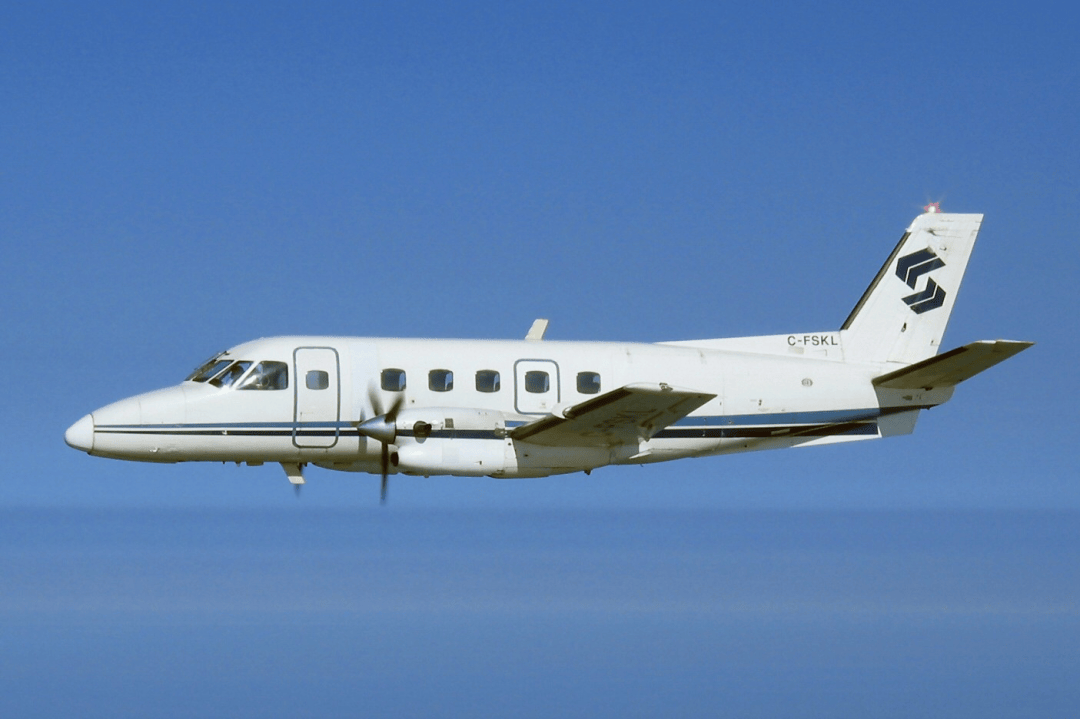
Group 1 - Embraer delivered 61 aircraft in Q2 2025, a 30% increase year-over-year and a doubling compared to Q1 2025 [1] - The order backlog for commercial aviation reached $13.1 billion, reflecting a 31% quarter-over-quarter increase and a 16% year-over-year increase [1] - Embraer has maintained its market advantage in the commercial aviation sector through strategic decisions and product positioning [1][2] Group 2 - Bombardier has exited the commercial aircraft manufacturing sector due to a series of missteps with the C Series, while Airbus has not significantly improved its competitive position against Embraer [2] - As of March 2025, Airbus A220 series production totaled 401 units, significantly lower than Embraer's E-JET and E2 series, which totaled 1,710 units [2] - Embraer's approach has been more stable and focused on precise product positioning compared to Bombardier's aggressive but ultimately flawed strategy [2] Group 3 - The evolution of regional jets has seen significant advancements, including the transition from piston engines to turboprop and then to turbofan engines, as well as improvements in fuselage design and jet engine configurations [3] - Embraer's initial aircraft, the EMB-110, was a non-pressurized twin-engine propeller plane, while the EMB-120 introduced a pressurized cabin and larger capacity [7][8] - The ERJ series, launched in 1989, was the first regional jet designed specifically for regional airlines, achieving significant market success with 1,240 units produced by 2020 [10] Group 4 - The E-JET series, introduced in 2004, was designed to enhance passenger experience and reduce noise, with a focus on comfort and operational efficiency [12][14] - The E2 series, launched in 2018, expanded the seating capacity and aimed to compete directly with traditional mainline aircraft manufacturers like Boeing and Airbus [16][17] - Embraer's long-term strategy has been characterized by cautious planning and a focus on domestic needs, allowing for sustainable growth and market resilience [17]


公司问答丨航材股份:公司钛合金铸件和高温合金母合金等产品在CJ1000A发动机上均有应用
Ge Long Hui A P P· 2025-09-28 07:55
Core Viewpoint - The company confirmed its involvement in the CJ1000A project, providing titanium alloy castings and high-temperature alloy master alloys for the engine [1] Group 1 - The company has applied its products, including titanium alloy castings and high-temperature alloy master alloys, in the CJ1000A engine [1] - The company is currently working according to the planned schedule for the CJ1000A model [1]

特朗普或考虑对乌提供远程武器 苹果据悉开发类ChatGPT应用|环球市场
Sou Hu Cai Jing· 2025-09-27 02:18
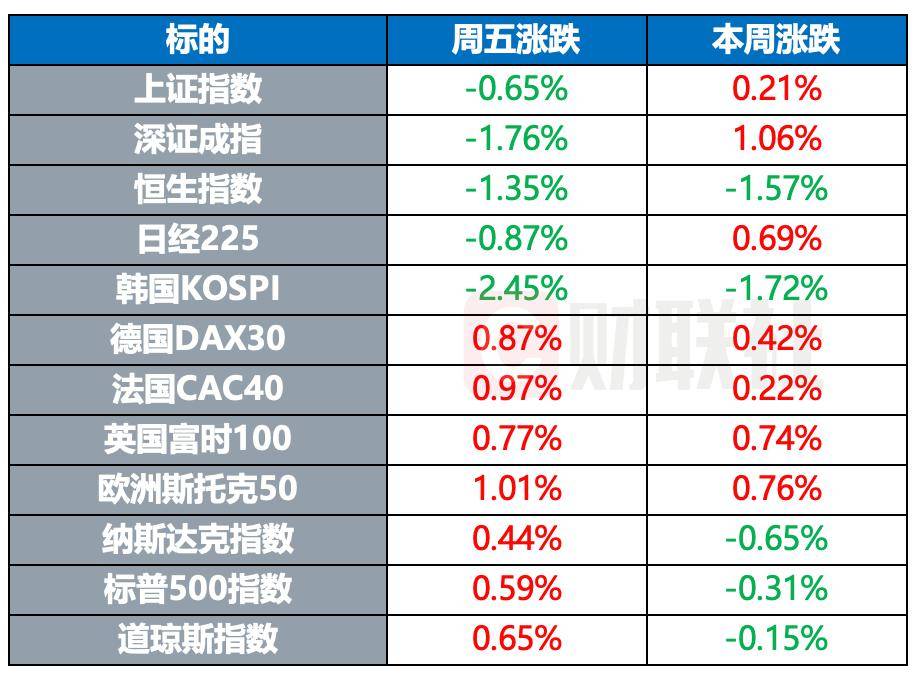
Market Performance - Major global indices showed mixed performance on Friday, with US stock indices collectively rising, ending a three-day decline, but still recording weekly losses [1] - The Nasdaq and S&P 500 indices fell by 0.65% and 0.31% respectively this week, marking their first weekly decline in four weeks [1] Commodity Market - WTI crude oil futures rose by 1.14%, closing at $65.72 per barrel, with a weekly increase of 5.3% [3] - Brent crude oil futures increased by 1.02%, closing at $70.13 per barrel, with a weekly rise of 5.2% [3] - COMEX gold futures rose by 0.5%, closing at $3789.8 per ounce, with a weekly increase of 1.89% [4] - COMEX silver futures surged by 2.77%, closing at $46.365 per ounce, with a weekly rise of 6.92% [4] Economic Insights - Citi Research warned that US tariffs are increasingly impacting consumption and import demand, predicting a slowdown in these areas [12] - The report noted that the monthly tariff revenue reached $30 billion in August, the highest level in decades [12]

洛克希德·马丁公司获美海军近110亿美元直升机合同
Yang Shi Xin Wen· 2025-09-27 00:16
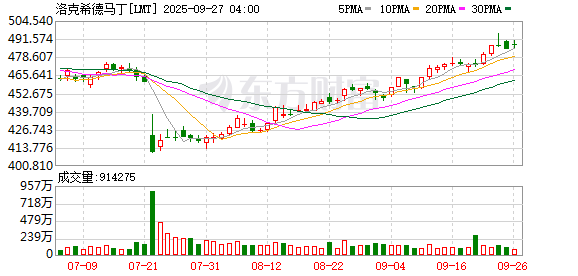
Core Points - Lockheed Martin's subsidiary Sikorsky has secured a contract worth nearly $11 billion from the U.S. Navy to build 99 CH-53K "King Stallion" heavy-lift helicopters, marking the largest order for this model to date [2] - The delivery of these helicopters is scheduled between 2029 and 2034 [2] - Sikorsky, based in Stratford, Connecticut, is renowned for developing both military and civilian helicopters, with notable models including the "Black Hawk," "Sea Hawk," and "King Stallion" [2]

美股异动 | 签下土航史上最大宽体机订单+获FAA更多安全检查权限 波音(BA.US)一度涨近5%
智通财经网· 2025-09-26 15:16
Core Viewpoint - Boeing's stock price has increased significantly, driven by new aircraft orders and expanded safety inspection authority from the FAA [1] Group 1: Stock Performance - Boeing's stock price rose nearly 5% at one point and is currently up over 3.8%, trading at $221.55 [1] Group 2: New Orders - Turkish Airlines has placed an order for up to 75 Boeing 787 Dreamliners, marking the largest wide-body aircraft order in the airline's history [1] - The order includes 35 units of the 787-9 model, 15 units of the larger 787-10 model, and an option for 25 additional Dreamliners [1] - Deliveries are scheduled to take place between 2029 and 2034 [1] Group 3: Regulatory Developments - Boeing will receive additional safety inspection authority from the Federal Aviation Administration (FAA) starting September 29 [1]

签下土航史上最大宽体机订单+获FAA更多安全检查权限 波音(BA.US)一度涨近5%
Zhi Tong Cai Jing· 2025-09-26 15:16
Core Viewpoint - Boeing's stock price increased significantly, driven by new aircraft orders from Turkish Airlines and Norwegian Air Shuttle, along with enhanced safety inspection permissions from the FAA [1] Group 1: Orders and Deliveries - Turkish Airlines has placed an order for up to 75 Boeing 787 Dreamliners, marking the largest wide-body aircraft order in the airline's history [1] - The order includes 35 units of the 787-9 model, 15 units of the larger 787-10 model, and an option for 25 additional Dreamliners [1] - The planned delivery timeframe for these aircraft is set between 2029 and 2034 [1] Group 2: Stock Performance - Boeing's stock price rose nearly 5% at one point, and as of the report, it was up over 3.8%, trading at $221.55 [1] Group 3: Regulatory Developments - Boeing will gain additional safety inspection authority from the FAA starting September 29 [1]
龙虎榜丨成飞集成涨停,深股通净买入1.48亿元
Ge Long Hui A P P· 2025-09-26 09:03
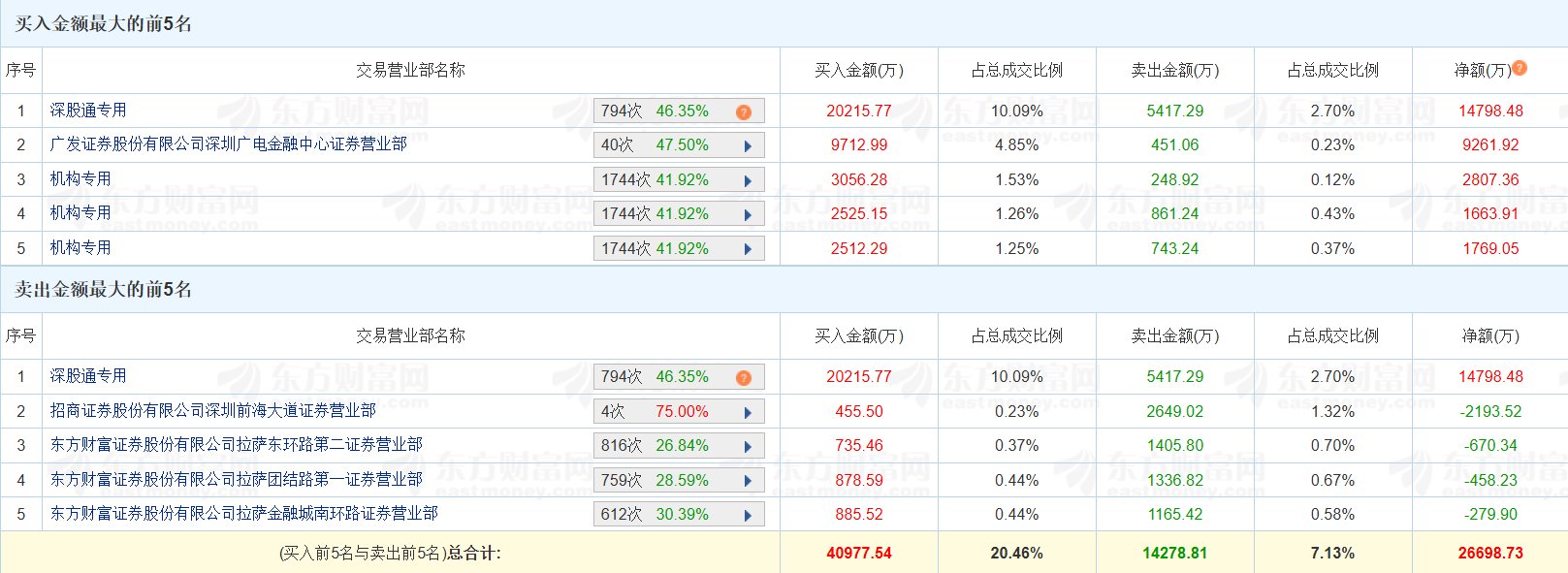
Group 1 - The stock of Chengfei Integration (002190.SZ) reached the daily limit, with a turnover rate of 13.34% and a transaction volume of 2.003 billion yuan [1] - The net buying from the Shenzhen Stock Connect amounted to 148 million yuan, with total purchases of 202 million yuan and sales of 54.17 million yuan [1] - Institutional investors bought a total of 80.94 million yuan and sold 18.53 million yuan, resulting in a net purchase of 62.40 million yuan [1] Group 2 - The top five buying entities included the Shenzhen Stock Connect, which accounted for 10.09% of the total transaction volume with a purchase amount of 202.16 million yuan [2] - The second largest buyer was GF Securities, with a purchase amount of 97.13 million yuan, representing 4.85% of the total transaction volume [2] - The total buying amount from the top five buying entities reached 409.78 million yuan, constituting 20.46% of the total transaction volume [2]

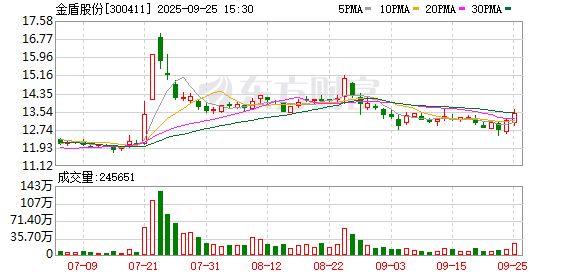
金盾股份:已设立全资子公司推动多场景“涵道推进器”项目产品的研发和后续产业化工作
Mei Ri Jing Ji Xin Wen· 2025-09-25 14:07
Core Viewpoint - The company is advancing its research and development in the low-altitude drone sector, specifically focusing on the "ducted fan" project in collaboration with Tsinghua University, and is moving towards industrial production [2] Group 1 - The company has established a wholly-owned subsidiary, Zhejiang Hanying Intelligent Propulsion Technology Co., Ltd., to promote the research and development of the "ducted fan" project [2] - The company is working on multiple scenarios for the "ducted fan" project products, indicating a diversified application approach [2] - Further updates on the project's progress will be provided through company announcements [2]

美股盘前要点 | 传英特尔接洽苹果寻求投资,黄仁勋卖股套现超4020万美元
Ge Long Hui· 2025-09-25 12:45
Group 1: Market Overview - US stock index futures are all down, with Nasdaq futures down 0.61%, S&P 500 futures down 0.43%, and Dow futures down 0.11% [1] - Major European indices are collectively down, with Germany's DAX down 1.16%, UK's FTSE 100 down 0.51%, and France's CAC and Euro Stoxx 50 down 0.85% [1] Group 2: Economic Indicators - Initial jobless claims in the US for the week ending September 20 are at 218,000, the lowest since the week of July 19, with expectations at 235,000 and a previous value revised from 231,000 to 232,000 [1] Group 3: Corporate Developments - Bank of America states that the S&P 500 index valuation is "overvalued," suggesting it may be a "new normal" rather than a bubble [1] - Intel is reportedly in talks with Apple for investment and plans to raise prices for its "Raptor Lake" processors by over 10% in Q4 [1] - Oracle is launching an $18 billion bond issuance, with reported subscription demand reaching nearly $88 billion [1] - NVIDIA CEO Jensen Huang sold 225,000 shares worth over $40.2 million through multiple transactions [1] - iQIYI plans to launch China's first AI theater, with the first batch of AI narrative films set to debut in Q1 next year [2] - Qualcomm has launched the new flagship smartphone chip Snapdragon 8 Elite Gen5 along with two PC products [3] - Baidu's subsidiary, Luobo Kuaipao, has received Dubai's first autonomous driving test license and is authorized to provide Robotaxi trial services on open roads [3] - JD.com plans to continue investing in artificial intelligence over the next three years, aiming to drive a trillion-dollar AI ecosystem [3] - Starbucks expects restructuring costs to reach $1 billion, with approximately 900 job cuts [3] - IBM and HSBC have collaborated to launch the world's first quantum-enabled algorithmic trading system [3] - UBS Chairman Colm Kelleher supports CEO Sergio Ermotti as his successor [3] - XPeng Motors plans to mass-produce and deliver the world's first "car + airplane" combination flying car next year [3] Group 4: Automotive Industry Insights - EU new car registrations increased by 5.3% year-on-year in August, while Tesla's registrations fell by nearly 37% [1]
美股盘前丨股指期货齐跌 锂业美洲公司涨超20%
Xin Lang Cai Jing· 2025-09-25 12:37
Company News - Intel shares rose by 2% in pre-market trading following reports that the company is seeking investment from Apple [1] - Lithium Americas saw its stock increase by over 20% in pre-market trading, building on a nearly 96% rise the previous day, as reports indicate that the U.S. government is looking to acquire up to 10% of the company [1]
