
农产品贸易

Search documents
英媒:中国进口商锁定巴西进口大豆,美出口商或错失数十亿美元
Sou Hu Cai Jing· 2025-08-22 10:10
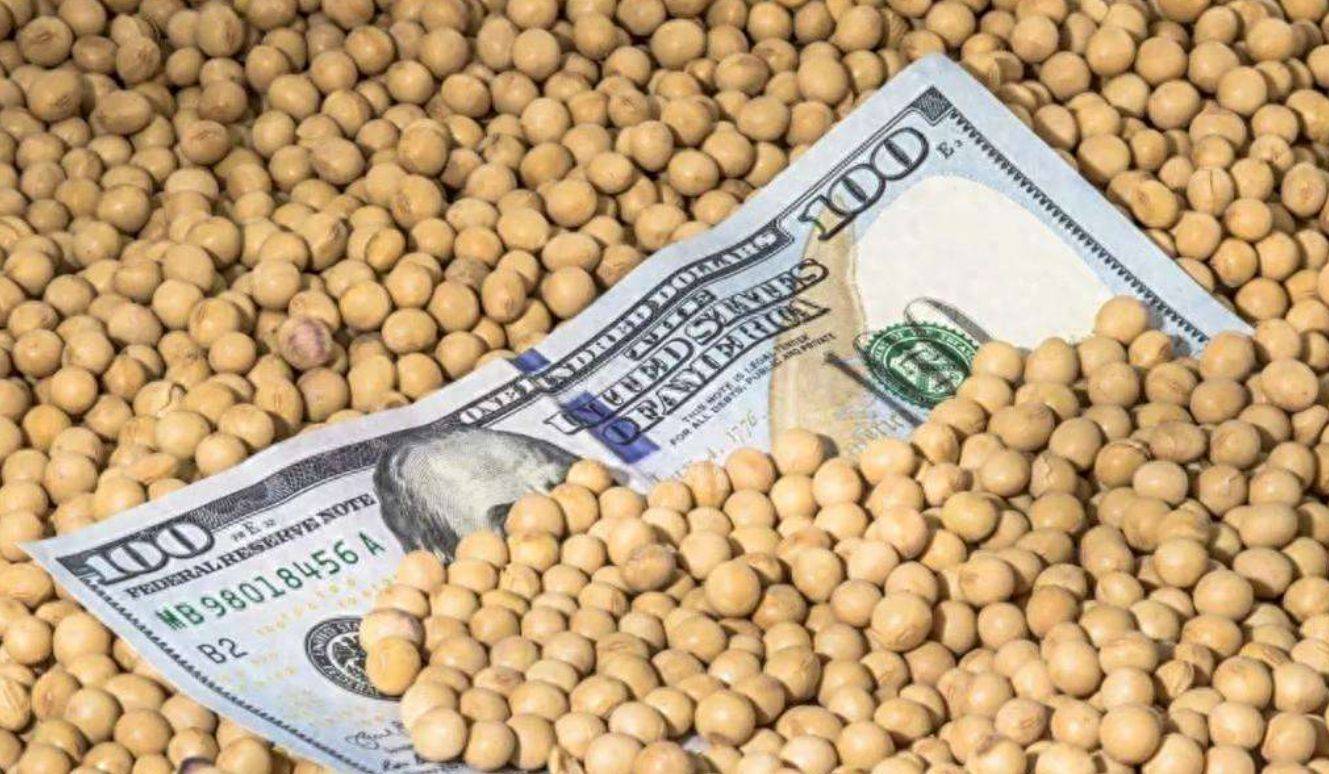
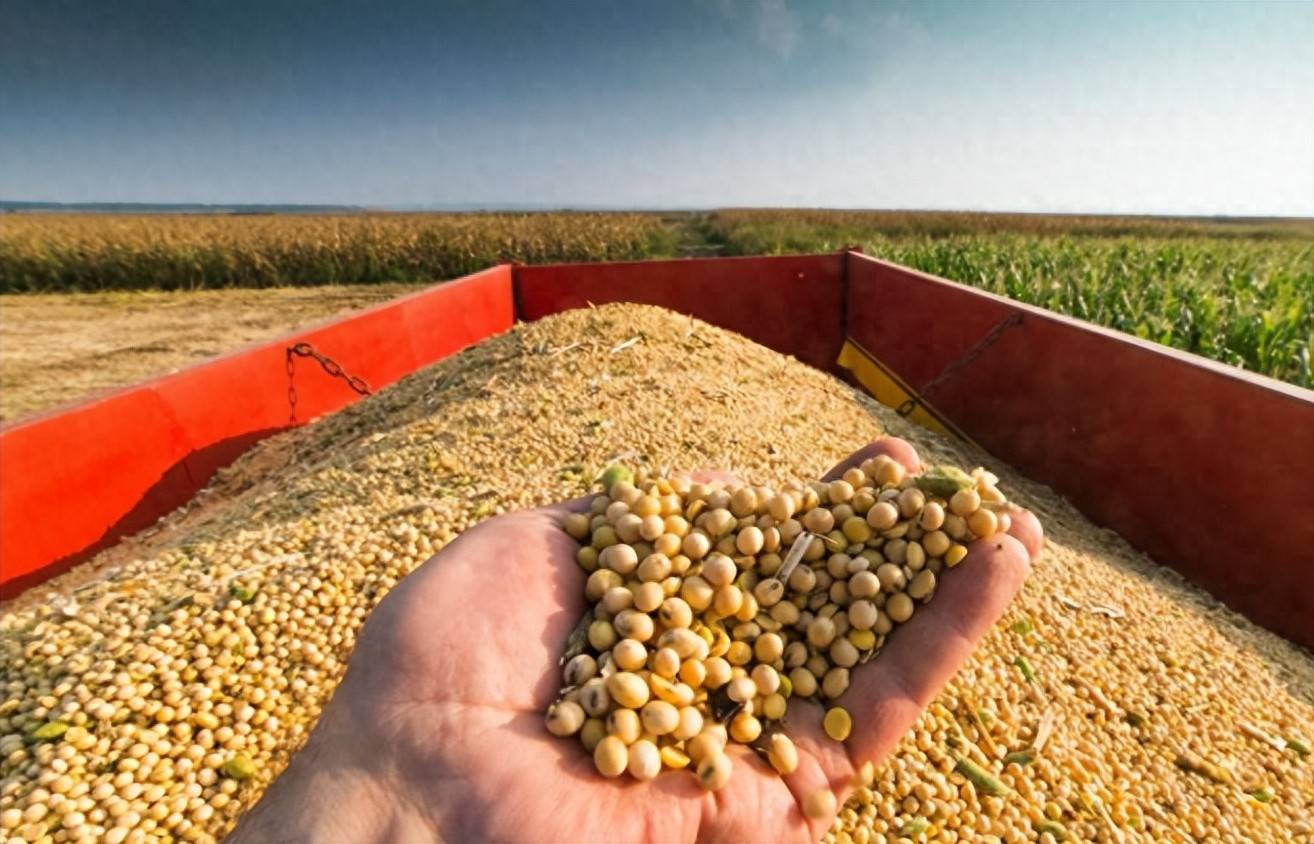
当前正值大豆出口旺季,美国总统特朗普着急的不行,他在社交媒体上卖力推销美国大豆,强调美国农民的高效生产和机械化优势,特别呼吁中国增加四倍 的大豆采购量,还表示这样就能缩小中美贸易逆差。言下之意就是,如果中国按照美国的意思来,那么美国就可以在关税问题上放中国一马。 都说顾客是上帝,在资本主义市场,这更应该是不变的真理,但是美国却没有拿出该有的态度对待中国。过去中国每年从美国进口大量大豆,为美国豆农创 造可观收入,但美国非但不珍惜这个重要客户,反而把大豆作为贸易战筹码。 中方一声令下,2200万吨订单清零?特朗普后悔想谈,恐怕已经晚了! 据环球网援引路透社消息,近期巴西农业部门披露的政府采购数据显示,中国大豆进口商已将9月和10月的大豆订单转向巴西,其中9月订单量达到800万 吨,10月虽缩减到400万吨,但依然保持可观规模。 业内分析认为,只要中巴两国保持当前稳定的政治经贸关系,双方在大豆贸易领域的合作规模和深度将持续扩大。要知道,2024年中方从美国进口了2200万 吨大豆,按照这个趋势,中方从美方的进口大豆怕是会逐渐清零。 作为全球大豆消费大国,中国年消耗量占全球总量的32%,相当于每三吨大豆就有一吨被中国 ...

中国加拿大油菜籽贸易生变 澳大利亚成功“接班”
Jin Tou Wang· 2025-08-22 07:15
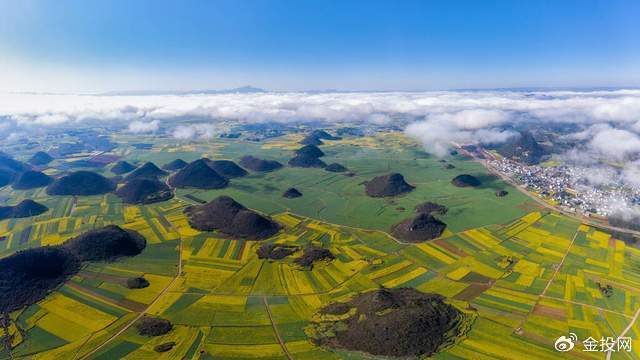
政策转往往会催生出新格局,在加拿大政府宣布对中国电动汽车加征100%关税的那一刻起,加拿大作 为中国主要油菜籽供应国的地位就已经面临威胁。 中国海关数据显示,7月份中国从加拿大进口的油菜籽同比下降55%,至17.3万吨,为2023年7月以来的 最低水平。这些进口货物的价值也同比暴跌49%,至1.0206亿美元。 事情的起因是加拿大单方面的贸易保护主义行为。在中国需求暴跌之前,加拿大宣布自2024年10月1日 起对中国电动车、钢铝产品加征高额关税。而为了回应加拿大的这一"行为",中方于今年3月份决定对 加拿大农产品征收高额关税,其中包括对油菜籽征收100%的关税。 加拿大曾是中国最大的油菜籽进口来源国。 官方数据显示,2023年和2024年,加拿大供应了中国全部 的油菜籽进口。但现在,中国已经开始探索其他选择。 一直以来,澳大利亚都不是中国主要的油菜籽出口国,主要是因为其产品未能满足中国的进口标准。官 方数据显示,中国上一次大规模采购澳大利亚油菜籽是在2021年1月,当时进口了9.31万吨油菜籽,价 值4165万美元。 相比之下,欧洲才是澳大利亚油菜籽的最大市场。在过去12个月里,欧洲市场占澳大利亚出口的 63 ...
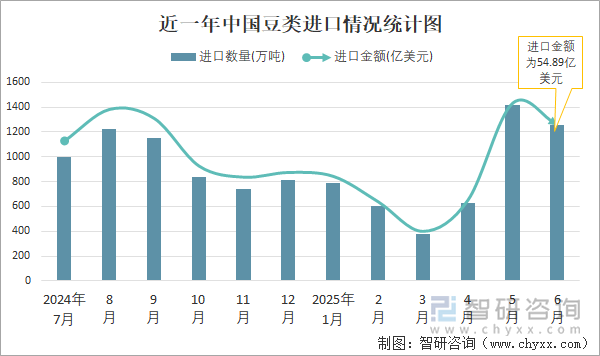
2025年6月中国豆类进口数量和进口金额分别为1253万吨和54.89亿美元
Chan Ye Xin Xi Wang· 2025-08-22 03:19
Group 1 - The core viewpoint indicates that China's soybean imports reached 12.53 million tons in June 2025, representing a year-on-year increase of 10.8% [1] - The import value for the same period was $5.489 billion, which reflects a year-on-year decrease of 0.7% [1] - The data is sourced from Chinese customs and organized by Zhiyan Consulting [3]
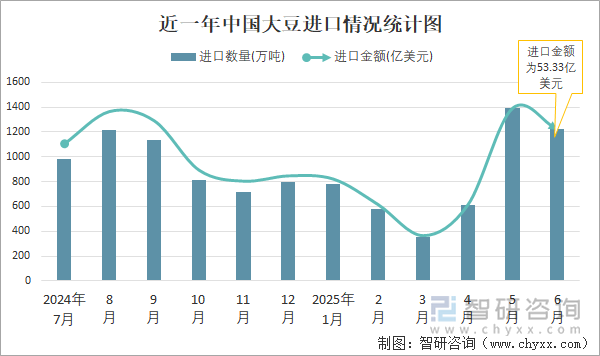
2025年6月中国大豆进口数量和进口金额分别为1226万吨和53.33亿美元
Chan Ye Xin Xi Wang· 2025-08-22 03:13
知前沿,问智研。智研咨询是中国一流产业咨询机构,十数年持续深耕产业研究领域,提供深度产业研 究报告、商业计划书、可行性研究报告及定制服务等一站式产业咨询服务。专业的角度、品质化的服 务、敏锐的市场洞察力,专注于提供完善的产业解决方案,为您的投资决策赋能。 数据来源:中国海关,智研咨询整理 相关报告:智研咨询发布的《2025-2031年中国大豆行业市场发展调研及未来前景规划报告》 根据中国海关数据显示:2025年6月中国大豆进口数量为1226万吨,同比增长10.4%,进口金额为53.33 亿美元,同比下降1.4%。 ...
中蒙农产品快速通关“绿色通道”累计出口果蔬突破80万吨
Zhong Guo Xin Wen Wang· 2025-08-21 19:37
Core Viewpoint - The establishment of the "green channel" for agricultural products between China and Mongolia has significantly improved the efficiency of cross-border trade, leading to increased exports and enhanced customer satisfaction [1] Group 1: Trade Efficiency - Since the launch of the "green channel" in 2018, over 800,000 tons of fruits and vegetables have been exported, with a total value of 1.602 billion RMB [1] - The expedited customs process allows goods to reach Ulaanbaatar from Chinese ports in as little as one day, greatly improving the freshness of the products [1] Group 2: Product Variety and Market Impact - The range of exported fruits and vegetables has expanded to include cucumbers, broccoli, lettuce, pears, and oil peaches, contributing to a stable supply for Mongolian consumers [1] - The "green channel" not only opens international markets for Chinese agricultural products but also serves as a vital link for the livelihoods of the Mongolian population [1]

中国加拿大油菜籽贸易生变,澳大利亚成功“接班”
Sou Hu Cai Jing· 2025-08-21 13:24
中国海关数据显示,7月份中国从加拿大进口的油菜籽同比下降55%,至17.3万吨,为2023年7月以来的 最低水平。这些进口货物的价值也同比暴跌49%,至1.0206亿美元。 事情的起因是加拿大单方面的贸易保护主义行为。在中国需求暴跌之前,加拿大宣布自2024年10月1日 起对中国电动车、钢铝产品加征高额关税。而为了回应加拿大的这一"行为",中方于今年3月份决定对 加拿大农产品征收高额关税,其中包括对油菜籽征收100%的关税。 加拿大曾是中国最大的油菜籽进口来源国。 官方数据显示,2023年和2024年,加拿大供应了中国全部 的油菜籽进口。但现在,中国已经开始探索其他选择。 上个月中澳油菜籽贸易的官方数据尚未公布,但澳大利亚粮食行业的消息人士表示,中国已经开始采 购。一位业内人士表示:"中国正在从澳大利亚试购约5万吨油菜籽,作为试运。" 来源:金投网 政策转往往会催生出新格局,在加拿大政府宣布对中国电动汽车加征100%关税的那一刻起,加拿大作 为中国主要油菜籽供应国的地位就已经面临威胁。 一直以来,澳大利亚都不是中国主要的油菜籽出口国,主要是因为其产品未能满足中国的进口标准。官 方数据显示,中国上一次大规模采购 ...
中方下定决心,2200万吨订单将清零,美国认清现实,中国无可替代
Sou Hu Cai Jing· 2025-08-21 10:52
Core Viewpoint - China's decision to secure significant soybean orders from South America signals a shift in global agricultural trade dynamics, potentially leading to a substantial reduction in U.S. soybean exports and highlighting China's irreplaceable role in the market [1][3][21]. Group 1: Market Dynamics - Chinese importers have locked in 800,000 tons of South American soybeans for September and 400,000 tons for October, representing half of China's expected demand for these months [1]. - The U.S. soybean market has been severely impacted by tariffs imposed during the Trump administration, leading to a price disparity where U.S. soybeans reached $1,026 per ton compared to $580 for Brazilian soybeans, prompting a shift in Chinese purchasing behavior [3][5]. - The strategic restructuring of supply chains has led to a departure from the traditional seasonal reliance on U.S. soybeans, with Chinese importers now securing South American supplies three months in advance [5][19]. Group 2: U.S. Agricultural Crisis - The U.S. soybean industry is facing a systemic crisis, with 7% of China's annual import volume at risk of spoilage due to excess supply and lack of demand [6][10]. - U.S. soybean exports are projected to drop to their lowest level in nearly 20 years by July 2025, with only 3 million tons sold, marking an 88% year-on-year decline [8][10]. - The loss of the Chinese market has left U.S. farmers in a precarious position, as other markets cannot compensate for the demand previously met by China [10][12]. Group 3: Competitive Landscape - Brazil is expected to produce 169.5 million tons of soybeans by 2025, with 74.6% of exports directed to China, solidifying its position as the primary supplier [13][15]. - The cost and time advantages of shipping Brazilian soybeans to China have increased, with transportation costs being 12% lower and transit times reduced by 12 days compared to U.S. soybeans [15]. - China's investment of $12 billion in logistics infrastructure in Brazil enhances the efficiency of soybean imports, further entrenching Brazil's competitive edge [15][19]. Group 4: Future Implications - The ongoing trade dynamics indicate a potential permanent shift in soybean supply chains, with China and Brazil negotiating mutual recognition of agricultural environmental certifications, which could further disadvantage U.S. soybeans [12][19]. - China's dual strategy of increasing domestic production while securing stable imports from South America is expected to fortify its supply chain resilience, diminishing U.S. leverage in future negotiations [19][21]. - The current situation serves as a cautionary tale about the consequences of using political measures to influence market dynamics, emphasizing the importance of adaptability in global agricultural trade [21].
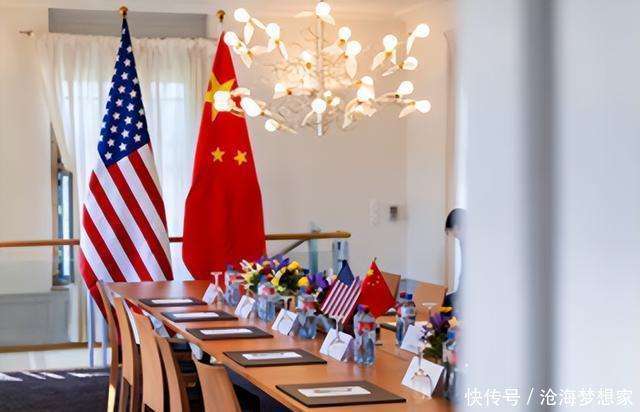
同样是买俄油,中印遭遇天差地别,万斯的话让印度心里咯噔了
Sou Hu Cai Jing· 2025-08-21 09:11
Group 1 - The recent tensions between the US and India over Russian oil procurement have led to the US imposing a 25% additional tariff on India, contrasting with its approach towards China, which has not faced similar tariffs despite higher oil purchases [1] - The US and China have agreed to pause tariffs for three months, indicating a temporary easing in trade tensions and a complex relationship that requires careful handling, especially regarding China's unique position in the US economic system [3][5] - US officials, including Vice President Vance and Treasury Secretary Bessent, emphasize the need for a nuanced approach to China, recognizing its significant economic and military capabilities, which differ from the US's approach to Russia [3][5] Group 2 - Recent trade talks between the US and China have shown a structured approach, with different meetings focusing on various topics, reflecting the urgency of trade issues [5] - China's shift in import strategy, particularly its reliance on Brazil for soybean imports, poses challenges for the US to regain market share, even with potential agreements [6] - The US strategy towards China appears to be one of cautious engagement, contrasting with its more aggressive stance towards India, indicating a recognition of the complexities in US-China relations [8]
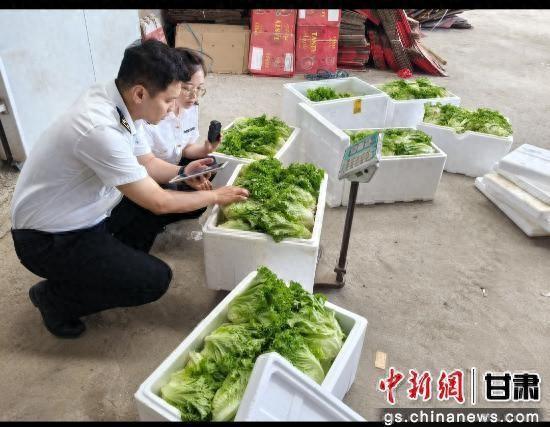
兰州海关助力甘肃高原夏菜“鲜”行海外
Zhong Guo Xin Wen Wang· 2025-08-21 06:35
Core Viewpoint - The export of fresh vegetables from Gansu, particularly from Tianshui, has seen significant growth due to favorable geographic conditions and supportive government policies, leading to increased demand in international markets [1][3][4]. Group 1: Company Performance - Tianshui Junze International Trade Co., Ltd. reported a more than 9-fold increase in export value in the first seven months of the year, with a single month in July seeing over a 5-fold increase [3]. - The company is exporting over 70 tons of fresh vegetables to Vietnam, benefiting from a "green channel" established by customs to ensure zero delays for fresh produce [3]. Group 2: Industry Growth - Gansu Province exported fresh and refrigerated vegetables worth 130 million yuan from January to July, marking a year-on-year increase of 33.3%, with July alone seeing a 72.3% increase compared to the previous year [4]. - Tianshui's fresh and refrigerated vegetable exports experienced explosive growth, with a year-on-year increase of over 33 times in the first seven months, accounting for more than 30% of the province's total export value [4]. Group 3: Government Support - The Lanzhou Customs has implemented measures to enhance regulatory efficiency and service levels, including a "5+2" appointment inspection model that allows for rapid customs clearance of perishable goods [3][4]. - The customs authority is committed to facilitating the export of Gansu's agricultural products, aiming to help more "Gansu flavor" food products reach international markets steadily and sustainably [4].
外媒传“中国重启进口澳油菜籽”,加拿大慌了
Huan Qiu Shi Bao· 2025-08-20 07:04
加拿大《环球邮报》近日报道称,长期以来加油菜籽一直在中国进口中占据主导地位,如今却面临巨大 不确定性。澳大利亚油菜籽进入中国市场,或将从加拿大手中夺走大量市场份额。加油菜籽行业担心, 这是澳加大对华出口的开始,这将危害加方在中国市场的主导地位。如果失去这一市场地位,部分责任 将归咎于渥太华。去年,加拿大政府宣布对从中国进口的电动汽车加征100%的关税,引发中方不满。 本报记者 倪 浩 本报驻澳大利亚特约记者 达 乔 据路透社援引两名来自新加坡的贸易商的消息报道,中国公司已预订约5万吨澳大利亚新季油菜籽,这 是2020年以来中国首次从澳进口油菜籽。当年,出于防止病虫害的检疫要求,中国停止从澳进口油菜 籽,而前不久,中国宣布对加拿大油菜籽采取反倾销措施。虽然"中国重新开始订购澳油菜籽"尚未得到 中方确认,但有关消息引发加澳两国关注。 上述两名贸易商透露,此次中国公司购买的这批澳大利亚油菜籽将于11月至12月进行装运,包括运费在 内,每吨价格低于600美元,双方目前正在就更多交易进行谈判。"从在中国压榨油菜籽的利润来看,这 个价格非常划算。"其中一名贸易商告诉路透社,这批被运往中国的澳油菜籽是几个月后即将收获的新 ...