
科技创新

Search documents
科创板深化改革配套业务规则落地
Jin Rong Shi Bao· 2025-08-08 08:00
Core Viewpoint - The establishment of the Sci-Tech Innovation Growth Layer is a key component in building a multi-tiered capital market to support technological innovation, focusing on high-quality, unprofitable tech companies while balancing development and safety [1][2][3] Group 1: Regulatory Framework - The Shanghai Stock Exchange (SSE) released the "Self-Regulatory Guidelines for Sci-Tech Innovation Board Listed Companies No. 5 - Sci-Tech Innovation Growth Layer" along with several related business guidelines [1][2] - The introduction of the pre-review mechanism and the professional institutional investor system aims to optimize resource allocation efficiency and enhance risk control [1][2][9] Group 2: Market Impact - The reforms are expected to address the challenges faced by tech companies in the listing process, enhancing the Sci-Tech Innovation Board's inclusivity and adaptability [2][3] - The establishment of the Sci-Tech Innovation Growth Layer is anticipated to support early-stage innovative companies, providing them with financing channels and enhancing China's competitive advantage in global industrial development [3] Group 3: Entry and Exit Criteria - A total of 32 existing unprofitable companies will enter the Sci-Tech Innovation Growth Layer, with no additional listing thresholds for unprofitable companies [4] - The exit criteria for existing companies remain unchanged, while new unprofitable companies will have stricter exit conditions [4] Group 4: Information Disclosure and Investor Management - The guidelines emphasize risk-oriented information disclosure, requiring companies to disclose risks related to unprofitability and technology development [5] - There are no new trading thresholds for individual investors, maintaining the existing requirement of "500,000 yuan in assets + 2 years of experience" [5][6] Group 5: Pre-Review Mechanism - The pre-review mechanism allows tech companies to have their IPO application documents reviewed before formal submission, aiming to protect sensitive business information [7][8] - The pre-review process will not be publicly disclosed until the formal IPO application is accepted, ensuring market oversight [8] Group 6: Professional Institutional Investor System - The introduction of the professional institutional investor system aims to enhance the identification of high-quality tech companies, with specific criteria for eligible investors [9][10] - This system is viewed as a significant step towards improving the efficiency of capital market resource allocation [9][10]
汇丰:对A股持积极观点 看好高质量成长风格板块
Bei Ke Cai Jing· 2025-08-06 13:41
Group 1 - HSBC's investment market outlook indicates that policy support and structural highlights will inject positive expectations into the A-share market [1] - The Central Political Bureau meeting emphasized the implementation of existing policies, ensuring efficiency and accuracy, while retaining future policy flexibility [1] - The focus of monetary policy will be on enhancing policy transmission, reducing overall financing costs, and promoting the use of structural monetary policy tools [1] Group 2 - HSBC maintains a positive view on A-shares, particularly favoring high-quality growth sectors [2] - The consensus forecast from Wind indicates that the profit growth rates for AI infrastructure, AI drivers, and AI applications are expected to significantly increase by 2025 [2] - The acceleration of capital expenditure by major Chinese tech companies and telecom service providers is noted, with expectations for cloud business revenue to grow as AI integration deepens [2]
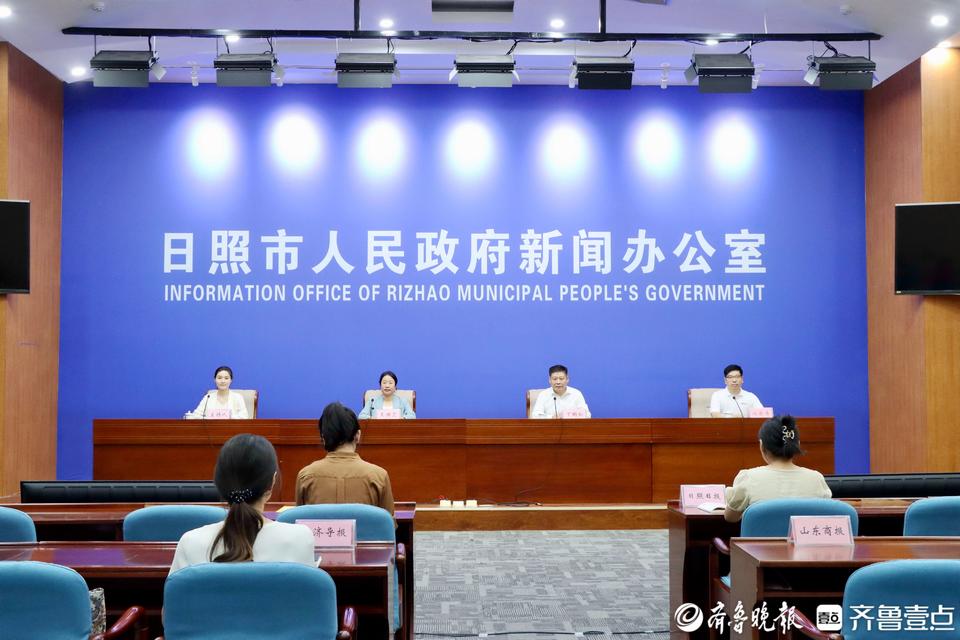
日照“科创组合拳”来了!六大行动推动新质生产力发展
Qi Lu Wan Bao Wang· 2025-08-06 09:18
齐鲁晚报.齐鲁壹点邹慧 7月16日,日照市人民政府办公室印发《关于强化科技创新推动新质生产力发展的行动计划》(以下简称《行动计划》)。8月6日,日照市 政府政策例行吹风会(第8场),对《行动计划》进行了解读。 《行动计划》主要内容包括三部分:第一部分是总体目标。提出到2027年,逐步形成具有日照特色的"5+3+2+X"产业创新体系的总体目 标,从创新主体、创新平台、创新人才、创新成果四个方面分别提出具体建设指标。第二部分聚焦产业发展方向和关键技术,逐一明确 重点领域开展技术攻关,为产业发展提供科技创新支撑。第三部分围绕创新空间"强基"、创新主体"孵育"、创新技术"聚力"、创新平 台"支撑"、创新人才"引育"、科技金融"赋能"等六个方面开展专项行动,推进实施14项具体措施,明确各部门单位职责分工,保障《行 动计划》落地落实。 《行动计划》聚力实施六大专项行动,力争通过三年努力,在创新主体培育方面,新培育国家高新技术企业、省级以上专精特新企业400 家以上,科技型、创新型中小企业达到2000家以上。在创新活力激发方面,推动规模以上工业企业中有研发活动的企业占比提高3个百分 点以上。在创新平台建设方面,构筑"定位清 ...

《南沙方案》白皮书首次发布 2025年第一阶段任务目标基本完成
Zheng Quan Shi Bao Wang· 2025-08-05 06:02
Group 1 - The "White Paper" outlines the achievements and strategies of Nansha's development over the past three years, focusing on the implementation of the "Nansha Plan" and its five major tasks [1] - Nansha has established itself as a hub for technological innovation, with 19 joint technology projects initiated and the Hong Kong University of Science and Technology (Guangzhou) accelerating its development in the region [1][2] - The region has become a leader in various industries, including a breakthrough in the shipbuilding and marine engineering sector with an output value exceeding 30 billion yuan [2] Group 2 - Nansha has created a vibrant entrepreneurial ecosystem, with 15 youth innovation bases established, incubating 2,336 projects, and generating an annual output value of 3 billion yuan [2] - The Nansha Port has become the largest and most comprehensive hub in South China, with a projected container throughput of 20.49 million TEUs in 2024, ranking among the top globally [2] - Financial market connectivity has been enhanced through the establishment of the Guangzhou Futures Exchange, with a cumulative transaction volume of approximately 25 trillion yuan [2][3] Group 3 - The strategic emerging industries in Nansha now account for 37.8% of GDP, with R&D intensity rising to 5.48%, and the number of high-tech enterprises growing at an annual rate of 21.5% [3] - The region aims to leverage opportunities for comprehensive cooperation with Hong Kong and Macau, focusing on enhancing Nansha's development capabilities towards the 2035 goals [3]
投教精品 | 一图读懂科创成长层
申万宏源证券上海北京西路营业部· 2025-08-05 01:59
Core Viewpoint - The article discusses the newly released "Guidelines for Self-Regulatory Supervision of Listed Companies on the Science and Technology Innovation Board - Growth Layer" by the Shanghai Stock Exchange, which aims to support technology companies that are in the growth phase and have not yet achieved profitability [3]. Summary by Sections Definition of Growth Layer Companies - The Growth Layer is designed to support technology companies that have significant technological breakthroughs, broad commercial prospects, and substantial ongoing R&D investments, but are still in the pre-profit stage at the time of listing [5]. Eligibility for Growth Layer Companies - The Growth Layer applies to both existing listed companies that have not yet achieved profitability (referred to as "existing companies") and newly registered companies that are also unprofitable at the time of listing (referred to as "incremental companies"). Existing companies will be included in the Growth Layer from the date of the guideline's release, while incremental companies will be included from the date of their listing [6]. Conditions for Removal from the Growth Layer - The conditions for removal from the Growth Layer are defined as follows: 1. If a company has positive net profits for the last two years and a cumulative net profit of no less than 50 million yuan. 2. If a company has positive net profit for the last year and an operating income of no less than 100 million yuan. - For existing companies, the removal condition remains that they must achieve profitability for the first time after listing [8]. Investor Awareness of Removal - Investors can be informed about a company's removal from the Growth Layer through the annual report, where the company will disclose the conditions met for removal. The Shanghai Stock Exchange will also promptly announce the removal [9]. Special Marking for Growth Layer Stocks - To adequately reveal risks, stocks or depositary receipts from the Growth Layer will have a special marking ("U") added to their names. Companies that fail to disclose annual reports or receive negative audit opinions will not have their tier adjusted [10]. Trading Considerations for Investors - Investors participating in trading of newly registered Growth Layer stocks must sign a special risk disclosure document. However, existing stocks or depositary receipts are not subject to this requirement [12]. Information Disclosure Requirements - Companies in the Growth Layer are subject to stricter information disclosure requirements, particularly regarding the reasons for not being profitable and the impact on the company. The lead underwriters are responsible for ongoing supervision and must provide conclusive opinions on the risks disclosed [15][16].

《南沙方案》白皮书首次发布,从“新”看见南沙这三年
2 1 Shi Ji Jing Ji Bao Dao· 2025-08-04 14:13
Core Viewpoint - The "White Paper" outlines the achievements and strategies of Nansha in enhancing cooperation between Guangdong, Hong Kong, and Macau, aiming to establish Nansha as a significant strategic platform for global engagement and regional integration [1][3]. Summary by Sections Overview of the White Paper - The White Paper consists of a main text and four attachments, summarizing the experiences and results of Nansha's development over the past three years [3]. Strategic Positioning - Nansha is positioned as a strategic platform that leverages its geographical advantages and integrates with the Greater Bay Area's economic development [2][3]. Cooperation with Hong Kong and Macau - Nansha serves as a "super connector" for Hong Kong and a "precise connector" for Macau, focusing on infrastructure connectivity and collaborative innovation in key sectors [4][5]. Implementation Mechanisms - A unified decision-making and operational framework has been established, involving a leadership group and a dedicated office to ensure effective coordination among provincial, municipal, and district levels [6][7][9]. Achievements in Development - Significant milestones have been reached, including the establishment of a technology innovation base, with 19 joint projects initiated and major platforms constructed [12][13]. - The creation of youth entrepreneurship platforms has led to the incubation of 2,336 projects, generating an annual output value of 3 billion yuan [13]. International Engagement - Nansha has developed a comprehensive service base for outbound investments, assisting over 600 companies with policy consultations and facilitating numerous investment projects [14]. - The Nansha Port has become a major logistics hub, with a projected container throughput of 20.49 million TEUs in 2024, enhancing its international shipping capabilities [14]. Social and Educational Integration - Policies have been implemented to support Hong Kong and Macau residents, including exemptions from certain insurance fees and the establishment of a comprehensive education system [15]. Urban Development and Quality of Life - The urban planning for Nansha has been approved, focusing on high-quality development and improved urban infrastructure, with significant investments in transportation and public services [16]. Future Goals - The next phase aims to further enhance Nansha's role in the Greater Bay Area and strengthen its international cooperation, with a focus on innovation and comprehensive service capabilities [20].
长三角科创协同迈入法治化阶段:首部立法“决定”重点明确
Di Yi Cai Jing· 2025-08-02 03:28
Core Viewpoint - The newly passed "Decision on Promoting Collaborative Development of Technological Innovation in the Yangtze River Delta" marks a significant step towards legalizing collaborative technological innovation in the region, aiming to address bottlenecks and enhance the area's innovation capabilities [1][2]. Group 1: Legislative Framework - The "Decision" will be implemented starting September 1, 2023, and is the first collaborative legislative effort in the Yangtze River Delta focused on technological innovation [1]. - It consists of 19 articles that outline clear regulations for co-cultivating strategic technological forces, building innovation platforms, conducting joint research on fundamental and core technologies, sharing technological achievements and resources, and fostering enterprise innovation [1][3]. Group 2: Collaborative Mechanisms - The "Decision" emphasizes the role of Shanghai as a leading international technology innovation center while leveraging the innovative strengths of Jiangsu, Zhejiang, and Anhui provinces [2]. - It proposes principles such as strategic collaboration, shared achievements, and open cooperation to enhance regional innovation capabilities [2]. Group 3: Infrastructure and Talent Development - The establishment of a national laboratory system and collaborative support mechanisms is aimed at enhancing the innovation and transformation capabilities of national research institutions and high-level research universities [3]. - The "Decision" also focuses on attracting top talent and fostering a global perspective in talent development, including the establishment of a shared talent evaluation and qualification recognition system across the region [6][7]. Group 4: Financial and Service Support - The "Decision" outlines the need for a comprehensive financial service system to support technological innovation, including the development of a technology innovation voucher system and enhancing financial support for innovation [8]. - It aims to create a sustainable financial ecosystem that encourages investment in hard technology and supports the entire lifecycle of technology enterprises [8].
三省一市人大常委会同步出台一份决定 科创协同发展迈入法治化新阶段 加快打造长三角创新策源地
Jie Fang Ri Bao· 2025-08-02 02:11
Core Viewpoint - The Shanghai Municipal People's Congress has passed a decision to promote collaborative technological innovation in the Yangtze River Delta, marking a new phase of legal governance in regional innovation development, effective from September 1, 2025 [1] Group 1: Collaborative Legislative Framework - The decision represents the first collaborative legislative effort in the Yangtze River Delta aimed at addressing legal issues related to technological innovation [1] - The legislative process involved synchronized review and voting by the three provinces and one city, enhancing regional cooperation [1] Group 2: Major Technological Innovation Platforms - The decision outlines a path for building major technological innovation platforms, emphasizing collaboration between Shanghai and the neighboring provinces of Jiangsu, Zhejiang, and Anhui [2] - It aims to establish a cluster of major scientific infrastructure and support the construction of national technology innovation centers [2] - Shanghai will enhance its role as a central platform for national laboratories and expand the innovation cooperation network across the Yangtze River Delta [2] Group 3: Joint Research Fund - A joint fund for basic research will be established to support cross-regional and interdisciplinary collaborative research with clear industrial objectives [3] - The decision promotes the optimization of technology transfer mechanisms and encourages the formation of innovative industrial clusters [3] - It includes provisions for risk compensation mechanisms to improve technology transfer efficiency [3] Group 4: Talent Development and Cooperation - The decision emphasizes the importance of talent as a primary resource for technological innovation, advocating for a global perspective in talent development [4] - It proposes coordinated efforts to enhance talent support policies and facilitate the flow of scientific and technological talent across the region [5] - The establishment of mutual recognition mechanisms for talent evaluation standards and qualifications is also highlighted [5] Group 5: Innovation Service and Financial Support - The decision calls for strengthening the innovation ecosystem by enhancing government service construction and developing a comprehensive technology service system [6] - It promotes the universal exchange of technology innovation vouchers and the mutual recognition of service institutions [6] - Financial support for innovation will be strengthened, with a focus on creating a sustainable technology finance service system [6]
萤石网络: 募集资金管理制度(2025年8月)
Zheng Quan Zhi Xing· 2025-08-01 16:23
General Principles - The purpose of the fundraising management system is to standardize the use and management of funds raised by the company, improve the efficiency of fund usage, and protect the legitimate rights and interests of investors [2][3] - The term "raised funds" refers to funds raised through the issuance of stocks or other equity-like securities for specific purposes, excluding funds raised for equity incentive plans [2] Fund Storage - The company must store raised funds in a special account approved by the board of directors, and separate accounts should be established for multiple rounds of financing [3][4] - A tripartite supervision agreement must be signed with the sponsor or independent financial advisor and the commercial bank within one month of the funds being received [4][5] Fund Usage - Funds must be used according to the purposes listed in the prospectus or other public offering documents [6] - If a project is delayed beyond the original timeline, the company must seek board approval and disclose the reasons for the delay [7][8] - The company should primarily use raised funds for its main business and technology innovation, avoiding financial investments or providing funds to related parties [8][9] Management of Idle Funds - Temporarily idle funds can be managed through cash management products, which must be safe and liquid, with a maximum term of twelve months [9][10] - Any temporary use of idle funds for working capital must be approved by the board and disclosed [10][11] Use of Over-raised Funds - The company should develop a plan for the use of over-raised funds, which must be approved by the board and disclosed to shareholders [12][13] - Over-raised funds should be invested in ongoing or new projects related to the main business [12] Changes in Fund Usage - Any changes in the use of raised funds must be approved by the board and disclosed, especially if it involves canceling or terminating original projects [19][20] - The company must ensure that any new projects funded by raised funds enhance its competitiveness and innovation capabilities [20][21] Reporting and Supervision - The company must accurately disclose the actual use of raised funds and conduct semi-annual reviews of the progress of funded projects [23][24] - Annual reports must include conclusions from the sponsor or independent financial advisor regarding the management of raised funds [25]

促进金融资源持续向“新”集聚
Zheng Quan Ri Bao· 2025-08-01 16:12
Core Insights - The financing scale of technology innovation enterprises in China is continuously rising, with significant funding events exceeding 100 million yuan frequently occurring in cutting-edge fields like artificial intelligence and robotics [1] - Since 2025, over 123 financing events in the embodied intelligence sector have occurred, involving a total funding scale exceeding 17.3 billion yuan, surpassing the total number and amount of financing events from the previous year and setting a record for the past decade [1] Group 1 - The current "technology investment and financing boom" reflects three positive signals: broader coverage across various stages of enterprise development, higher integration of industry and finance, and stronger inclusivity due to regulatory reforms [1] - The need for a better market environment and proactive enterprise actions to transform the financing boom into sustainable development momentum is emphasized [1] Group 2 - Recommendations for leading enterprises include establishing a dynamic linkage mechanism between R&D investment and financing scale to create a virtuous cycle of technological breakthroughs, valuation enhancement, and financing expansion [2] - The importance of building an efficient governance system to ensure funds are utilized effectively and to avoid blind expansion and inefficient investments is highlighted [2] - Emphasis on accelerating the commercialization of technological achievements and leveraging the role of leading enterprises to form high-quality industrial clusters is noted [2]