数字能源

Search documents
新股消息 | 科大智能递表港交所 2024年工商业储能系统出货量位居中国前三
智通财经网· 2026-01-19 23:32
Company Overview - Keda Intelligent Technology Co., Ltd. is a leading Chinese technology enterprise driven by digital energy and intelligent robotics, focusing on the integration of AI technology to promote the digital and intelligent upgrade of China's energy system [4] - The company has deployed its products and solutions in the power grid across 31 provincial administrative regions in China, being one of the earliest entrants in the distribution automation field [4] - Keda Intelligent ranks second in the market for integrated circuit breakers, fifth for ring main units, first for feeder terminal units (FTU), and third for distribution terminal units (DTU) based on projected revenue for 2024 [4] Product and Market Position - In 2024, Keda Intelligent's commercial and industrial energy storage system shipment volume is expected to rank among the top ten in China, and within high-energy-consuming sectors, it is projected to be in the top three [5] - The company has developed grid-friendly energy storage systems and AI-integrated power trading and smart microgrid management systems for high-energy users in industries such as steel, non-ferrous metals, and petroleum [5] - Keda Intelligent is recognized as one of the few industrial robot manufacturers with advanced technology and large-scale, multi-scenario implementation capabilities [5] Financial Performance - Keda Intelligent reported revenues of approximately RMB 3.025 billion for 2023, RMB 2.687 billion for 2024, RMB 1.882 billion for the nine months ending September 30, 2024, and RMB 1.904 billion for the nine months ending September 30, 2025 [8][10] - The company experienced a loss of approximately RMB 1.71 billion in 2024, with profits of RMB 615.68 million and RMB 223.87 million for the nine months ending September 30, 2024, and 2025, respectively [9] Industry Overview - The global digital energy market is projected to grow from RMB 733.2 billion in 2020 to RMB 993.5 billion in 2024, with a compound annual growth rate (CAGR) of 7.9% [11] - The Chinese digital energy industry is expected to expand from RMB 292.6 billion in 2020 to RMB 408.7 billion in 2024, with a CAGR of 8.7% [14] - The industrial robotics market in China is anticipated to grow from RMB 45 billion in 2020 to RMB 84 billion in 2024, with a CAGR of 16.9% [17]


新股消息 | 科大智能(300222.SZ)递表港交所 2024年工商业储能系统出货量位居中国前三
智通财经网· 2026-01-19 23:29
Company Overview - Keda Intelligent Technology Co., Ltd. is a leading Chinese technology enterprise driven by digital energy and intelligent robotics, focusing on the integration of AI technology to promote the digital and intelligent upgrade of China's energy system [4] - The company is one of the earliest entrants in the distribution automation field in China, with its products deployed in power grids across 31 provincial-level administrative regions [4] - Keda Intelligent ranks second in the market for integrated circuit breakers, fifth for ring main units, first for feeder terminal units (FTU), and third for distribution terminal units (DTU) based on projected revenue for 2024 [4] Product and Market Position - In 2024, Keda Intelligent's commercial and industrial energy storage system shipment volume is expected to rank among the top ten in China, and within high-energy-consuming sectors, it is projected to be in the top three [5] - The company has developed grid-friendly energy storage systems and AI-integrated power trading and smart microgrid management systems for high-energy users in industries such as steel, non-ferrous metals, and petroleum [5] - Keda Intelligent is also a leading manufacturer of industrial robots, with cumulative revenue from industrial robotic arms ranking first in China from 2020 to 2024 [5] Financial Performance - Keda Intelligent reported revenues of approximately RMB 3.025 billion for 2023, projected to decrease to RMB 2.687 billion in 2024, with further estimates of RMB 1.882 billion and RMB 1.904 billion for the nine months ending September 30 in 2024 and 2025, respectively [8] - The company experienced a loss of approximately RMB 171 million in 2023, with a projected profit of RMB 61.57 million in 2024 and further profits of RMB 22.39 million and RMB 73.48 million for the nine months ending September 30 in 2024 and 2025, respectively [8] Industry Overview - The global digital energy market is expected to grow from RMB 733.2 billion in 2020 to RMB 993.5 billion in 2024, with a compound annual growth rate (CAGR) of 7.9% [10] - The Chinese digital energy industry is projected to expand from RMB 292.6 billion in 2020 to RMB 408.7 billion in 2024, with a CAGR of 8.7% [13] - The industrial robotics market in China is anticipated to grow from RMB 45 billion in 2020 to RMB 84 billion in 2024, with a CAGR of 16.9% [16]
新股消息 | 科大智能(300222.SZ)递表港交所
智通财经网· 2026-01-19 22:36
智通财经APP获悉,据港交所1月19日披露,科大智能科技股份有限公司(简称:科大智能(300222.SZ))向港交所主板 递交上市申请书,华泰国际、国元国际为联席保荐人。招股书显示,根据弗若斯特沙利文的资料,科大智能是一家 由数字能源与智能机器人双轮驱动的中 国龙头科技企业。公司致力于在新型电力系统下融合人工智能("AI")技术, 推动中国能源系统的 数字化、智能化升级,加速工业制造领域的智能化转型,并在能源及工业领域树立智 能微电 网的行业标杆。 CSG SMART SCIENCE & TECHNOLOGY CO., LTD. 科大智能科技股份有限公司 (於中華人民共和國註冊成立的股份有限公司) 【繼臺】 [編纂] 聯席保薦人 [編纂]的[編纂]數目 「編纂]股H股(視乎[編纂]行使與否而定) .. [編纂]數目 [編纂]股H股(可予[編纂]) : 「編纂」數目 「編纂]股H股(可予[編纂]及視乎[編纂] : 行使與否而定) 每股H股[編纂]港元(須於[編纂]時以港 |編纂] : 元繳足,另加1%經紀佣金、0.0027% 證監會交易徵費、0.00015%會財局交 易徵費及0.00565%聯交所交易費,多 繳 ...
长三角议事厅·周报|沪苏杭“人工智能+”从竞速走向协同
Xin Lang Cai Jing· 2026-01-19 10:21
Core Insights - The integration of "Artificial Intelligence+" is becoming a new competitive advantage for cities in China, particularly in the Yangtze River Delta region, with Suzhou, Shanghai, and Hangzhou each playing distinct roles in the AI industry chain [1][2][3] Group 1: City Roles in AI Development - Shanghai serves as the upstream "source" of the AI industry, with 394 AI enterprises and an industry scale of 435.49 billion yuan by the end of 2025, supported by a strong R&D investment of approximately 4.35% [2] - Suzhou acts as the "largest workshop" for AI applications, with an expected industrial output value of 4.89 trillion yuan in 2025, leveraging its dense manufacturing environment and nearly 2,500 AI-related enterprises [2] - Hangzhou functions as the "product accelerator," rapidly transforming cutting-edge technologies into marketable products, with the number of high-tech enterprises increasing from 2,844 in 2017 to 16,000 by 2024 [3] Group 2: Challenges and Bottlenecks - Shanghai faces challenges in converting strong research capabilities into market-ready products, requiring better collaboration between research institutions and enterprises [4] - Suzhou needs to evolve from strong applications to robust platform capabilities, focusing on creating reusable industrial data systems and AI models [5] - Hangzhou's limitation lies in its reliance on external support for hard technology supply chains, necessitating improvements in precision manufacturing and key component production [5] Group 3: Collaborative Framework for AI Advancement - The transition from a "division of labor" to a "collaborative network" is essential, with Shanghai needing to enhance its product transformation capabilities, Suzhou to build platform strengths, and Hangzhou to strengthen its hard technology support [6] - Effective collaboration requires institutional design to facilitate shared resources, including computational power, data flow, and talent development across cities [7][8][9]
南网数字:接受华金证券研究所调研
Mei Ri Jing Ji Xin Wen· 2026-01-13 09:37
Group 1 - The core viewpoint of the article highlights the ongoing challenges faced by the solar industry, particularly regarding the rising costs of raw materials such as silver, which complicates decision-making for companies [1] - Nanguang Digital announced that it received a research inquiry from Huajin Securities Research Institute, indicating active engagement with investors and transparency in operations [1] - The article mentions that some solar companies are rushing to export products before the April 1 deadline, reflecting a competitive urgency in the market [1]
顶尖技术齐聚2026武汉数字能源展会开启新型电力时代
Sou Hu Cai Jing· 2026-01-13 09:22
Core Viewpoint - The 2026 Wuhan International Digital Energy Exhibition will showcase cutting-edge technologies and solutions in the digital energy sector, focusing on the theme of "Digital Energy Industry and New Power and Energy Storage Technologies" [1][11] Industry Development Necessity - The global energy structure is undergoing a rapid transformation, with traditional energy models facing unprecedented challenges. The swift development of renewable energy has created a pressing demand for digital and intelligent solutions [3] - Digital energy technologies are reconstructing the entire chain of energy production, transmission, and consumption through big data, artificial intelligence, and blockchain, providing crucial support for achieving carbon neutrality goals [3] Key Technology Directions - The exhibition will focus on four core areas, covering the entire industry chain from basic components to end applications [4] Digital Energy Technology - The exhibition will highlight "Digital Energy Technology," showcasing the integration of energy big data, cloud computing, artificial intelligence, and blockchain. Innovations such as AI-driven scheduling systems and blockchain for distributed energy trading will be featured [5] New Power Systems - Breakthroughs in technologies like Flexible AC Transmission Systems (FACTS) and High Voltage Direct Current (HVDC) are advancing the efficiency and flexibility of power grids. The exhibition will display smart meters, microgrid control systems, and automated grid dispatch systems [6] Energy Storage Technology - Energy storage technology will play a crucial role in the exhibition, featuring various technologies such as lithium-ion batteries, flow batteries, and compressed air storage. Discussions will also cover the commercialization of hydrogen energy and fuel cells [7] Industry Trends - The exhibition emphasizes not only the technologies themselves but also the collaborative innovation across the industry chain. The application of digital twin technology will extend energy systems from physical entities to virtual models [8] - The event will host multiple forums with experts discussing topics like digital energy standards, energy storage safety technologies, and new power market mechanisms, fostering interaction between policy and technology [8] Significance of the Exhibition - The Wuhan International Digital Energy Exhibition serves as a bridge between traditional energy and emerging technologies, promoting industry standardization and stimulating innovative thinking. It offers exhibitors a chance to expand markets and establish brands while providing attendees with insights into industry dynamics and collaboration opportunities [9]
科大智能数字能源产业基地项目,落户合肥高新区
Xin Lang Cai Jing· 2026-01-12 12:29
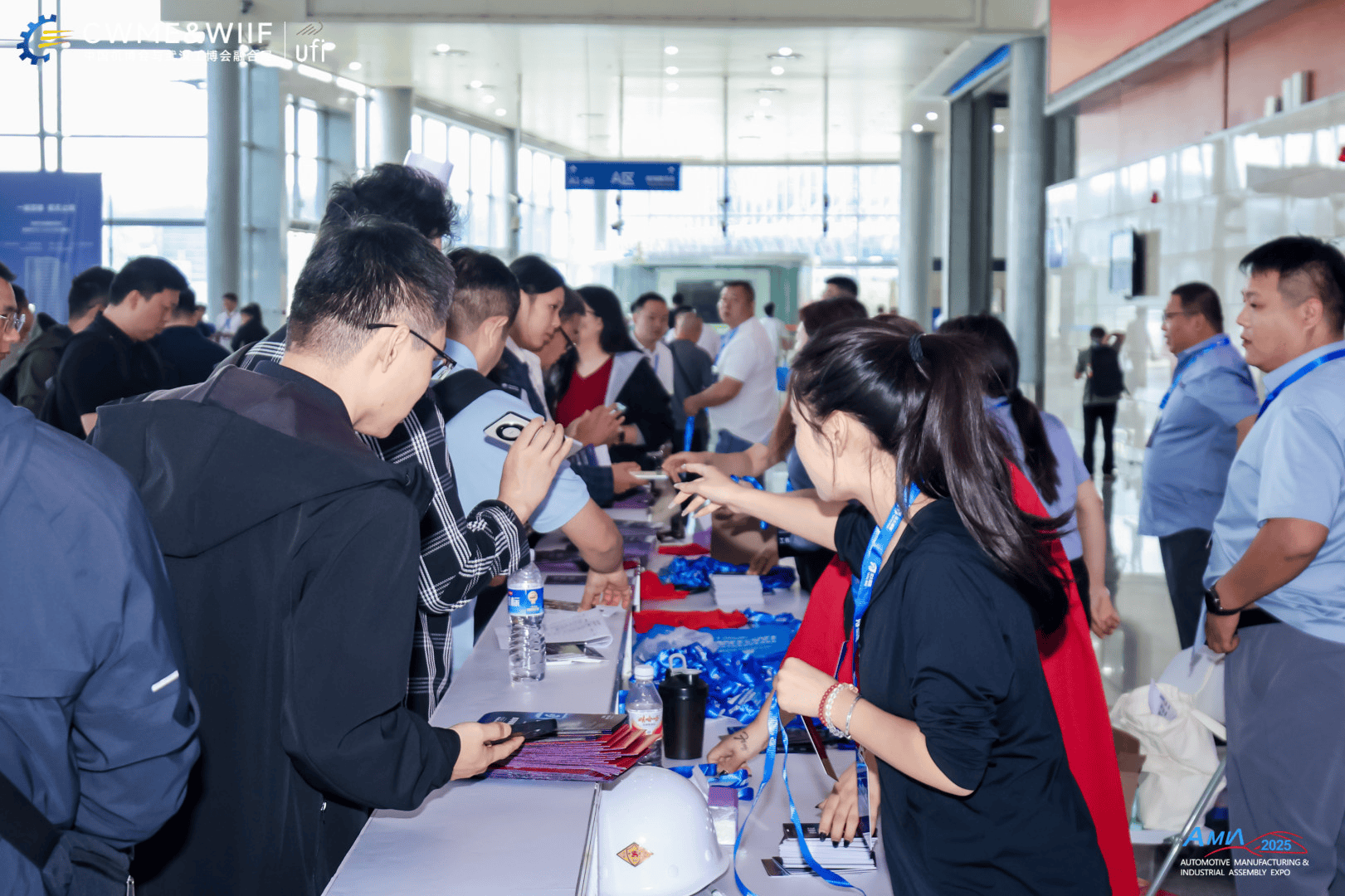
Group 1 - The project of Keda Intelligent Technology Co., Ltd. has established a digital energy industrial base in Hefei High-tech Zone with a total investment of 1.5 billion yuan, covering an area of approximately 100 acres and planning to build 8 buildings with a total construction area of about 100,000 square meters [1][5][7] - The project aligns with the "dual carbon" strategy and the policy direction for high-quality development of the distribution network, which will enhance Keda Intelligent's core competitiveness and contribute to the creation of a digital energy industry cluster in Hefei High-tech Zone [2][7][9] - Keda Intelligent, a national high-tech enterprise listed on the Shenzhen Growth Enterprise Market since 2011, focuses on the dual development of "digital energy" and "digital industry," with core products including distribution automation, energy storage systems, and industrial robots [2][7] Group 2 - The new base will effectively break through the existing production capacity limitations of Keda Intelligent and seize significant development opportunities in the new power system and digital industry sectors [2][7] - Hefei High-tech Zone, as a national carbon peak pilot park, has established a green economic ecosystem centered on photovoltaic new energy, gathering leading enterprises in the industry and forming a positive industrial pattern of "chain leader leading, collaborative progress" [5][9] - Keda Intelligent's new base will deeply integrate into the regional industrial chain ecosystem, leveraging over 20 years of technology accumulation in the power industry and nearly 700 patents, along with stable partnerships with core clients like State Grid and Southern Grid [5][9]
南网数字:时空智能数字孪生平台建设项目将通过运营服务等方式实现收入
2 1 Shi Ji Jing Ji Bao Dao· 2026-01-06 10:38
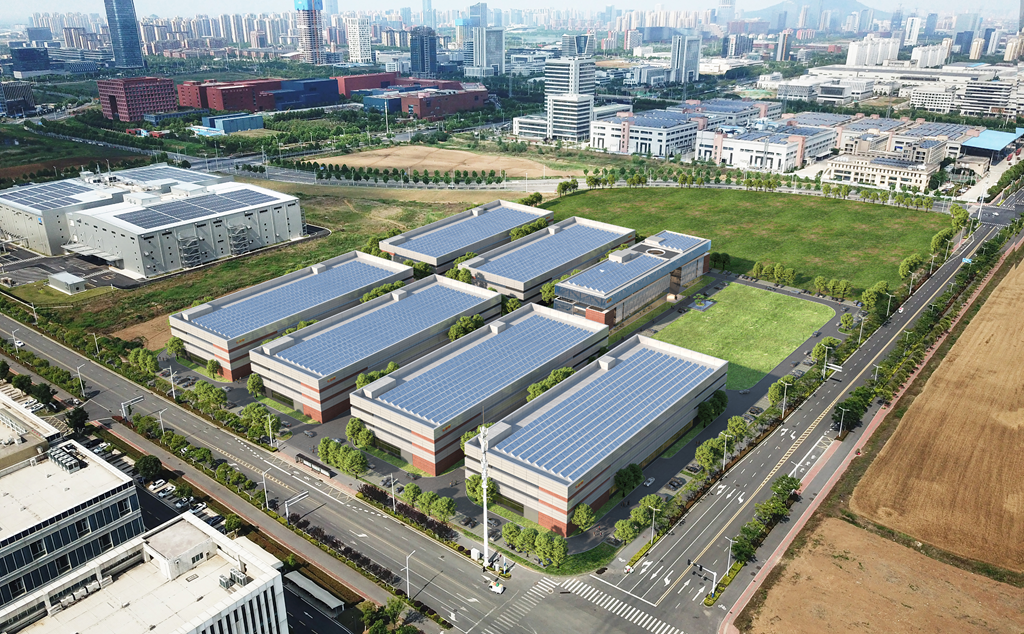
Core Viewpoint - The company is investing approximately 339.55 million yuan in the construction of a digital twin platform for the energy and power industry, focusing on providing comprehensive digital simulation support [1] Investment Details - The total investment for the digital twin platform project is 33,954.93 million yuan [1] - The project aims to build a main platform for digital power grid twins and enhance foundational computing capabilities [1] Project Objectives - The platform will support production operation, measurement management, and other systems within the energy and power sector [1] - Revenue generation will be achieved through platform operation services and customized application development, rather than relying on one-time sales [1]
巷纳万象 古今韵味“最杭州”
Xin Hua Wang· 2026-01-04 02:15
Core Viewpoint - The article discusses the urban renewal and cultural revitalization efforts in Hangzhou's historical districts, focusing on the integration of traditional culture with modern urban life, enhancing both the aesthetic and functional aspects of the neighborhoods [1][2][6]. Group 1: Urban Renewal Projects - The urban renewal project in the historical district of Hangzhou aims to enhance the overall protection and utilization of cultural heritage, with over 100 historical streets undergoing transformation [1]. - The renovation of the 23rd Lane, covering an area of 460,000 square meters, has a total investment of 184 million yuan, with the project set to start in May 2024 [2]. - Specific improvements include the renovation of 117,800 square meters of facades and 128,700 square meters of roofs, addressing issues like leaks and structural safety [3]. Group 2: Cultural Integration - The project emphasizes the importance of cultural heritage, with efforts to document and revive local history through collaboration with cultural experts and institutions [3][4]. - New cultural elements, such as the recreation of historical signage and the integration of local poetry into public spaces, are being introduced to enhance the cultural ambiance [5]. - The initiative aims to create a unique identity for each street, reflecting its historical significance and cultural stories [3]. Group 3: Economic Development - The revitalization efforts are also focused on boosting local commerce, with the introduction of diverse business models and the enhancement of existing commercial spaces [6][7]. - The Dajing Lane has seen a significant increase in property usage rates from 60% to 95%, generating annual revenues exceeding 50 million yuan, with 40% of this from cultural activities [7]. - The integration of traditional and modern business practices aims to create a vibrant economic ecosystem that attracts both residents and tourists [6][8]. Group 4: Community Engagement - The urban renewal strategy includes community involvement through the establishment of neighborhood councils to address local needs and enhance social cohesion [8]. - Initiatives to balance the interests of residents, businesses, and tourists are being implemented to ensure sustainable development [8]. - The overall visitor growth in the area has averaged 13.3% annually, indicating the success of these community-driven efforts [8]. Group 5: Future Prospects - The ongoing projects in the Qiantang Smart City aim to create a new industrial ecosystem, with a focus on digital energy and sustainable development [10][11]. - The expected growth in the digital energy, digital fashion, and smart IoT industries is projected to reach 300 billion yuan by 2030, showcasing the long-term vision for urban and industrial development [10][11].
华为破局智算时代:构筑RAS理念数据中心新基座
Xin Lang Cai Jing· 2025-12-26 12:26
Core Insights - The article emphasizes the importance of computing power as a core productivity driver in the era of General Artificial Intelligence (AGI), highlighting the exponential growth of AI models and the need for advanced data center solutions to meet new demands [1][13]. Industry Challenges - The rise of intelligent computing presents four major challenges for data centers: 1. Increased safety requirements due to high-density deployments, where a 10MW intelligent computing center's computing power equals over 100 traditional data centers, necessitating rapid fault response times [2][14]. 2. Accelerated IT evolution leading to compatibility issues, with server and cabinet power increasing from 8kW-10kW to over 600kW, risking obsolescence of traditional infrastructure [2][15]. 3. Resource constraints, with the International Energy Agency predicting global data center electricity consumption to reach 1 trillion kWh by 2030, exacerbating supply-demand conflicts for energy, land, and water [2][15]. 4. The need for rapid deployment, with a shift from traditional 18-24 month construction cycles to a demand for 6-12 month timelines in a competitive AI landscape [2][14]. RAS Framework - Huawei Digital Energy proposes a "Standardized + Modular Distributed Architecture" to address industry pain points, focusing on energy efficiency and establishing a comprehensive security system throughout the lifecycle and across all scenarios [3][15]. - The RAS (Reliability, Agility, Sustainability) framework guides the development of intelligent computing centers, emphasizing reliability through a systematic security approach that includes product-level reliability control and AI-driven fault monitoring [3][15]. Agile and Sustainable Solutions - The company implements a "Four Transformations" strategy to enhance construction efficiency, enabling parallel construction and flexible deployment through modular designs and prefabricated production [4][16]. - Sustainability is prioritized through high-efficiency UPS systems, AI-driven energy optimization, and the promotion of green energy strategies, achieving a PUE as low as 1.12 in operational data centers [4][16]. Full-Stack Capability - Huawei's competitive edge lies in its full-stack technology capabilities, integrating hardware, cloud services, and consulting to ensure deep adaptation and efficient implementation of solutions [5][17]. - The company has established a unique model of "Source Collaboration + Cloud Verification," ensuring that infrastructure solutions align perfectly with computing needs from the planning stage [5][17]. Practical Applications - Huawei's solutions have been successfully applied across various sectors, including government, finance, and education, demonstrating significant efficiency improvements and energy savings in both new builds and upgrades [7][19]. - Notable projects include the Johor Intelligent Computing Center in Malaysia, which reduced delivery time by 50%, and the China Mobile Hohhot Data Center, achieving a PUE of 1.15 [7][20]. Future Innovations - Looking ahead, Huawei will continue to focus on core technology research and development, particularly in power electronics and cooling technologies, to innovate next-generation supply and cooling architectures [9][21]. - The company aims to build a comprehensive service system to support clients throughout the project lifecycle, enhancing collaboration with global partners to drive technological innovation and standardization [9][21].