
线下零售

Search documents
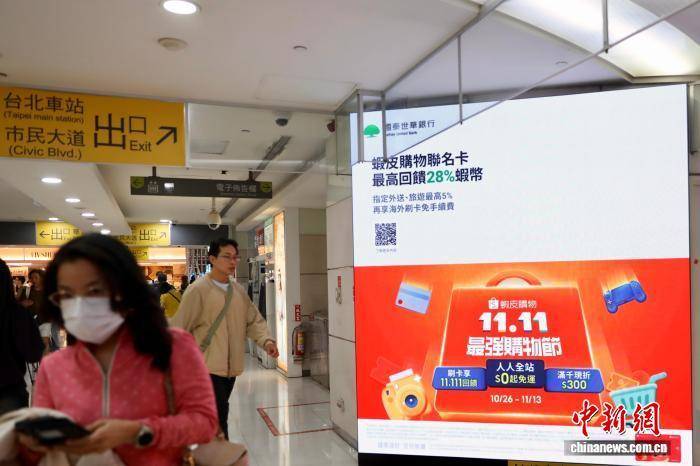
直播热、线下忙 “双十一”带动台湾购物热潮
Sou Hu Cai Jing· 2025-11-11 16:30
Group 1 - The "Double Eleven" shopping festival, originating from mainland China, has become a significant consumption event for Taiwanese consumers, reflecting the integration of cross-strait consumer culture [3][5] - Major e-commerce platforms in Taiwan, such as Shopee and PChome, reported impressive sales figures during the event, with Shopee achieving 34 times the usual order volume within eight hours and momo shopping site seeing an 11-fold increase in orders within the first hour [3][5] - Physical retail stores in Taiwan also participated actively, with many offering discounts, such as a clothing store providing an 11% discount across the board, and Xiaomi promoting its products with limited-time offers [3][5] Group 2 - Xiaomi's products in Taiwan are marketed with a focus on high cost-performance and smart ecosystem advantages, appealing to the younger consumer demographic [5] - Some Taiwanese consumers are also shopping through mainland Chinese e-commerce platforms, which are offering cross-border shipping subsidies, highlighting the appeal of high-quality and affordable mainland products [5]


商贸零售行业11月投资策略暨三季报总结:三季度行业仍处低位复苏,个股分化趋势依旧突出
Guoxin Securities· 2025-11-11 08:49
Investment Rating - The report maintains an "Outperform" rating for the retail sector [3][58]. Core Insights - The retail industry is experiencing a low-level recovery with significant differentiation among individual stocks. The overall growth rate for the industry has shown a slight decline in the third quarter, with retail sales in the first nine months of 2025 reaching 365,877 billion yuan, a year-on-year increase of 4.5% [1][13]. - The beauty and personal care sector is facing pressure on profitability due to changes in e-commerce platform rules and a lack of innovative products. The gold and jewelry sector is performing well, driven by stable sales of fixed-price products. The cross-border e-commerce sector is showing positive growth, while offline retail continues to face challenges [2][34][42]. Summary by Sections Overall Industry Performance - The retail sector's growth has been relatively stable, with a year-on-year increase of 4.5% in retail sales for the first nine months of 2025. The growth rate has declined in the second half of the year due to a decrease in consumer purchasing power and the tapering of stimulus policies [1][13]. Beauty and Personal Care - The beauty sector's sales reached 328.82 billion yuan in the first three quarters of 2025, growing by 3.9% year-on-year. However, profitability has been under pressure due to weak product launches and changes in promotional strategies [22][28]. Gold and Jewelry - The gold and jewelry sector saw a significant year-on-year growth of 11.5% in retail sales, totaling 276.81 billion yuan in the first three quarters of 2025. The sector benefits from a low base from the previous year and rising gold prices, although profitability has faced challenges [34][41]. Cross-Border E-commerce - Cross-border e-commerce has shown a stable growth trajectory, with a total import and export value of approximately 2.06 trillion yuan in the first three quarters of 2025, reflecting a year-on-year increase of 6.4%. The sector's revenue grew by 15.15% in Q3 2025, driven by strong operational resilience among leading companies [42][48]. Offline Retail - The offline retail sector remains under pressure, with a year-on-year increase of only 3.5% in retail sales for the first three quarters of 2025. The overall revenue for the offline retail sector declined by 15.9% in Q3 2025, indicating ongoing challenges in the market [50][54].




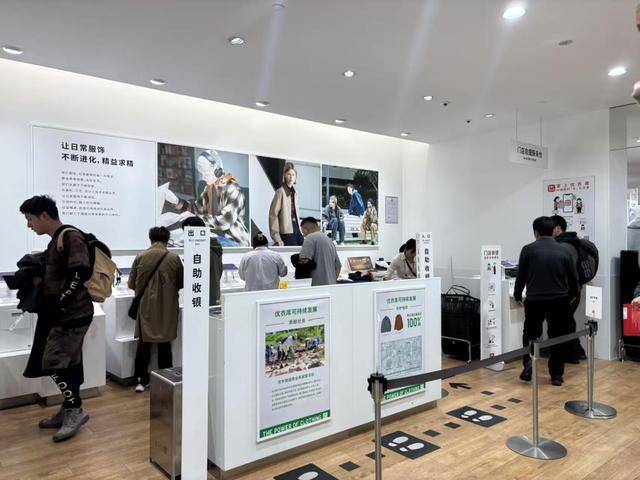
昆明线下商场“双十一”提前开战 部分门店销量增长超20%
Sou Hu Cai Jing· 2025-10-23 13:55
Core Insights - The 2025 "Double Eleven" shopping festival has begun early, with both offline stores and online platforms launching promotional activities, resulting in a sales increase of over 20% for some brands compared to regular days [1][7][17] Group 1: Online Platforms - Major e-commerce platforms like JD and Taobao have extended the promotional period to a record 37 days, from October 9 to November 14, 2025 [3] - The platforms have simplified discount rules, moving away from complex promotions to more straightforward discounts, with JD offering items at as low as 10% of their original price and Taobao implementing direct discounts without the need for minimum purchases [3][17] - This shift in strategy not only benefits consumers but also streamlines operations for merchants, creating a win-win situation [3] Group 2: Offline Stores - Offline shopping centers in Kunming are experiencing a vibrant shopping atmosphere, with promotional slogans prominently displayed and increased foot traffic, even on weekdays [5][11] - The cold weather has driven demand for winter products, with sales of winter footwear and clothing seeing significant increases, with some stores reporting over 20% growth in sales [7][9][11] - Consumers are drawn to the experiential aspect of shopping in physical stores, where they can try products and receive immediate service, which enhances their shopping experience [16][17] Group 3: Consumer Behavior - There is a noticeable shift in consumer preference towards offline shopping due to the immediate availability of products and the ability to receive personalized service, such as skincare advice [16][17] - The demand for skincare products, particularly moisturizing items, has surged during this promotional period, reflecting a change in consumer focus from color cosmetics to skincare as winter approaches [12][14] - Overall, the offline market in Kunming is entering a small peak, with expectations of increased foot traffic and sales as the "Double Eleven" date approaches [17]
批发和零售贸易行业周报:黄金历史性大涨,或加速行业定价变革-20251019
SINOLINK SECURITIES· 2025-10-19 11:18
Investment Rating - The report maintains a positive outlook on the cyclical recovery of the restaurant industry, suggesting a "Buy" rating due to expected growth exceeding the market average by over 15% in the next 3-6 months [31]. Core Insights - The restaurant industry is currently experiencing a cyclical recovery phase, driven by macroeconomic improvements and supportive consumer policies, with structural growth opportunities emerging [2]. - Key segments such as casual dining, freshly made beverages, and chain brands are performing exceptionally well [2]. - The recovery is attributed to supply-side adjustments, with inefficient capacities being phased out and leading brands enhancing operational efficiency [2]. - The report highlights the potential of AI in retail, particularly with Alibaba's advancements in AI infrastructure [2]. Industry Data Tracking - The overall GMV for Tmall and JD.com saw a year-on-year decline of 15.39% in the first week of August [4]. - The top five categories in terms of growth during the same period were home improvement, home appliances, consumer electronics, automotive, and maternal and infant products [4]. - Cross-border e-commerce exports reached approximately 1.63 trillion yuan in the first three quarters, marking a 6.6% increase [3][15]. Market Review - From October 13 to October 17, major indices such as the Shanghai Composite Index and the Shenzhen Component Index experienced declines of 1.47% and 4.99%, respectively [22]. - The retail sector showed a slight decline of 0.45%, ranking third among nine major consumption sectors [22]. - Notable stock performances included Guoguang Chain and Hebai Group, which saw significant gains, while companies like Xinghui Co. and Zhejiang Dongri faced declines [22][26]. Investment Recommendations - In the gold and jewelry sector, companies like Laopu Gold are expected to continue high growth due to strong same-store sales and expansion potential [6]. - The report suggests focusing on leading brands with strong pricing power and overseas capacity, particularly in the context of cross-border e-commerce [28]. - For online retail, Tencent is highlighted for its potential improvements through AI integration and a robust WeChat ecosystem, which is expected to enhance sales conversion [28].



我国人口达到14亿,为何生意还是越来越难做?有4个原因要知晓
Sou Hu Cai Jing· 2025-10-14 15:37
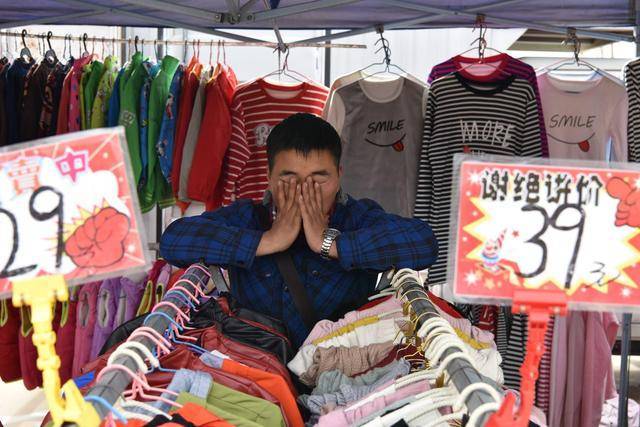
Core Insights - The current business environment for small and medium-sized enterprises (SMEs) is challenging, with complaints from business owners about increasing difficulties in operations [1] - The first quarter of 2025 saw a mere 2.3% year-on-year growth in the national catering industry, marking the lowest growth rate in five years [1] - Offline retail traffic has decreased by approximately 21% compared to the same period in 2019, indicating a significant decline in consumer engagement [1] Group 1: Economic Factors - There is a noticeable slowdown in the growth of residents' income, with the actual growth of per capita disposable income at 3.2% in the first quarter of 2025, significantly lower than the GDP growth of 5.3% during the same period [4] - Increased living costs, including housing loans, education, and medical expenses, have forced many families to cut back on non-essential spending, leading to a contraction in consumer demand [4] Group 2: Demographic Changes - China is experiencing an aging population, with over 300 million individuals aged 60 and above by the end of 2024. While some elderly individuals have savings, their consumption needs are limited [6] - The declining number of young consumers, coupled with their generally lower income levels, further constrains overall consumption capacity [6] Group 3: Market Competition - Traditional brick-and-mortar stores are facing significant competition from e-commerce platforms, which offer lower prices and convenient delivery options, making it difficult for physical stores to compete [8] - Rising costs related to rent, labor, and supply chains hinder physical stores from lowering prices to attract customers [8] Group 4: Consumer Behavior - Post-pandemic consumer behavior has shifted towards more cautious spending, with individuals now prioritizing savings over impulsive purchases, leading to a noticeable decline in market demand [10] - SMEs are advised to adapt by understanding consumer needs, engaging in differentiated competition with e-commerce, and leveraging online platforms to enhance their market presence [10]
所有服务,都值得用新技术重新做一遍
Sou Hu Cai Jing· 2025-10-13 15:20
Core Insights - The article emphasizes the necessity for companies to undergo digital transformation in response to evolving consumer demands and technological advancements, particularly in AI and data utilization [2][6][8] - It highlights China Mobile's launch of the "Mobile Love Purchase" smart life mall as a strategic move to enhance user engagement and redefine business-user relationships through innovative technology [11][12][23] Group 1: Digital Transformation and Market Trends - The competition landscape is shifting from traditional metrics like supply chain efficiency to digital capabilities, with data becoming a core asset [6][8] - IDC predicts global digital transformation spending will approach $4 trillion by 2027, indicating a significant market trend towards digital investments [7] - Traditional business models are facing challenges, with stagnant revenue growth in sectors like telecommunications and rising customer acquisition costs in e-commerce [8][9] Group 2: "Mobile Love Purchase" Business Model - The "Mobile Love Purchase" mall utilizes an "AI Bean" system to foster long-term emotional connections with users, moving beyond traditional loyalty programs [13][15] - The "Lingxi Intelligent Body" enhances user experience by providing personalized, seamless service across the shopping journey, addressing pain points of traditional service models [16][18] - The integration of "AI Beans" and "Lingxi" creates a B2B2C ecosystem, allowing for cross-industry collaboration and resource sharing, enhancing value for both B2B partners and C-end users [20][22][23] Group 3: Strategic Implications for Companies - Companies are encouraged to view digital transformation as essential for survival rather than an optional strategy, with immediate action required to adapt to changing market dynamics [8][27] - The case of "Mobile Love Purchase" serves as a model for other enterprises, illustrating the importance of aligning user needs with technological capabilities to drive growth [26][28]


社会服务行业2025年四季度策略报告:出海和线下零售有望超预期,底部反转可期-20251013
ZHESHANG SECURITIES· 2025-10-13 09:35
Group 1: Local Life and E-commerce - The competition in local life services is expected to continue in Q4 2025, with major platforms like Meituan, JD, and Alibaba intensifying their investments in delivery services and instant retail [2][3] - In Q2 2025, Meituan, JD, and Alibaba reported significant losses in local life services, but these losses are anticipated to peak in Q3 due to increased summer demand and promotional activities [2][3] - The e-commerce sector is experiencing reduced competitive pressure, with online retail sales reaching 1.02 trillion yuan in August 2025, reflecting a year-on-year growth of 7.1% [4] Group 2: Tourism and Hospitality - The tourism sector is witnessing a recovery, with a 7% year-on-year increase in cross-regional travel during the National Day holiday, indicating a shift in traveler preferences towards experiential travel [7][8] - Online Travel Agencies (OTAs) are benefiting from the overall growth in tourism, with major players maintaining stable performance despite increased competition from new entrants [7] - The hotel industry is expected to reach a bottoming out phase, with leading companies like Jinjiang and Huazhu showing resilience and potential for profit recovery in Q4 2025 [10][11] Group 3: Retail and Consumer Goods - The offline retail sector is undergoing significant transformations, with supermarkets like Yonghui Supermarket expected to complete major store renovations, leading to improved profitability [9] - The retail landscape is shifting towards quality retail, with community stores like convenience stores maintaining high growth rates, while traditional department stores face slower growth [9] - The mother and baby retail sector is benefiting from supportive government policies and adjustments in store formats, leading to a notable recovery in same-store sales [14] Group 4: Cross-border E-commerce - Cross-border e-commerce is experiencing profit differentiation due to external factors like tariffs, with platform-based companies showing stable performance while product-based companies seek innovative advantages [12][13] - The sales peak for cross-border e-commerce is anticipated in the second half of 2025, driven by promotional events like Amazon's Prime Day, which saw a 30.3% increase in online spending [12][13] Group 5: Recommendations - Key investment targets include Yonghui Supermarket, Alibaba, Meituan, and various hotel chains such as Jinjiang and Huazhu, reflecting a diversified approach across sectors [5]
商贸零售行业周报:国庆假期消费稳步恢复,关注年轻时尚黄金优质品牌-20251012
KAIYUAN SECURITIES· 2025-10-12 12:45
Investment Rating - The industry investment rating is "Positive" (maintained) [1] Core Viewpoints - The consumption during the National Day holiday showed steady recovery, with significant increases in travel and retail sales, indicating a positive trend for the retail sector [23][25] - The report emphasizes the importance of emotional consumption themes and highlights high-quality companies in high-growth sectors, particularly in gold jewelry, offline retail, cosmetics, and medical aesthetics [6][33] Summary by Sections Retail Market Review - The retail industry index closed at 2288.03 points, with a weekly increase of 0.28%, underperforming the Shanghai Composite Index which rose by 1.80% [5][12] - The professional chain sector saw the largest increase this week, while the watch and jewelry sector led the year-to-date performance with an increase of 28.18% [14][17] Retail Insights - During the National Day holiday, domestic travel reached 888 million trips, with total spending of 809 billion yuan, marking an increase of 1.23 billion trips and 108.19 billion yuan compared to the previous year [23][24] - Key retail and catering enterprises reported a 2.7% year-on-year increase in sales during the holiday, with daily sales in related industries growing by 4.5% [23][25] Investment Recommendations - Focus on high-quality gold jewelry brands with differentiated product offerings, recommending companies like Laopuhuang and Chaohongji [6][33] - Emphasize offline retail companies that adapt to trends, recommending Yonghui Supermarket and Aiyingshi [6][33] - Highlight domestic cosmetics brands with strong differentiation, recommending brands like Maogeping and Porcelain [6][34] - Suggest medical aesthetics companies with differentiated product lines, recommending Aimeike and Kedi-B [6][34] Company Performance Highlights - Laopuhuang reported a revenue of 12.354 billion yuan in H1 2025, a year-on-year increase of 250.9%, with a net profit of 2.268 billion yuan, up 285.8% [38][39] - Chaohongji achieved a revenue of 4.102 billion yuan in H1 2025, reflecting a 19.5% increase, with a net profit of 331 million yuan, up 44.3% [35] - Maogeping's revenue reached 1.769 billion yuan in H1 2025, a 30.8% increase, with a net profit of 186 million yuan, up 5.2% [35]



25Q3业绩前瞻:关注底部基本面变化,线下和出海重点推荐
ZHESHANG SECURITIES· 2025-10-09 09:01
Investment Rating - The industry investment rating is "Positive" (maintained) [4] Core Insights - The report emphasizes the importance of changes in the bottom-line fundamentals, with a focus on offline retail and overseas expansion as key investment opportunities [1] - The travel sector is experiencing a recovery, with significant growth in domestic travel preferences shifting from "going to see" to "going to experience" [2] - The online travel agency (OTA) sector is benefiting from overall market growth, maintaining a stable competitive landscape despite new entrants [2] - The offline retail sector is undergoing transformation, with supermarkets expected to see profit improvements due to supply chain changes and store renovations [4][6] - The hotel industry is anticipated to reach a bottom cycle, with leading companies expected to improve operational efficiency and profitability [7] - Cross-border e-commerce is facing profit differentiation due to external factors, but platform-based companies are expected to perform steadily [8][9] - The mother and baby retail sector is benefiting from policy support and store adjustments, leading to a recovery in same-store sales [10][11] Summary by Sections Travel and Tourism - National holiday travel data met expectations, with a year-on-year increase of 7% in cross-regional travel [2] - Scenic spots saw a surge in visitors, with notable increases in tourist numbers during the holiday period [3] Offline Retail - Supermarkets are undergoing renovations, which are expected to enhance customer attraction and profitability [4] - The competitive landscape in offline retail is improving, with a shift towards quality retail [4][6] Hotel and Restaurant - The hotel sector is projected to see a recovery in RevPAR as supply stabilizes and operational efficiencies improve [7] - The restaurant sector is under pressure, but specific segments like wedding banquets are expected to perform better [7] E-commerce - Cross-border e-commerce is experiencing increased competition, but platform-based companies are expected to maintain stable performance [8][9] - The overall e-commerce sector is seeing a reduction in competitive pressure, with a focus on optimizing user experience and enhancing sales through instant retail [15][16] Mother and Baby Retail - The sector is benefiting from supportive policies and adjustments in store formats, leading to improved sales performance [10][11]
开源证券:9月关注情绪消费四条投资主线
Sou Hu Cai Jing· 2025-09-16 01:17
Group 1 - The core viewpoint emphasizes the importance of focusing on high-quality companies in the "emotional consumption" theme amid a consumer recovery backdrop [1] - The report highlights four main investment themes: gold and jewelry, offline retail, cosmetics, and medical aesthetics [1] Group 2 - For gold and jewelry, companies with differentiated product offerings and deep consumer insights are recommended [1] - In offline retail, attention is drawn to enterprises that adapt to trends and actively explore transformations, such as supermarkets, department stores, and chain businesses [1] - The cosmetics sector should focus on high-quality domestic beauty brands that excel in high-growth niche markets and continuously enhance their capabilities [1] - In the medical aesthetics field, companies with differentiated product pipelines are highlighted as potential investment opportunities [1]