石油开采
Search documents
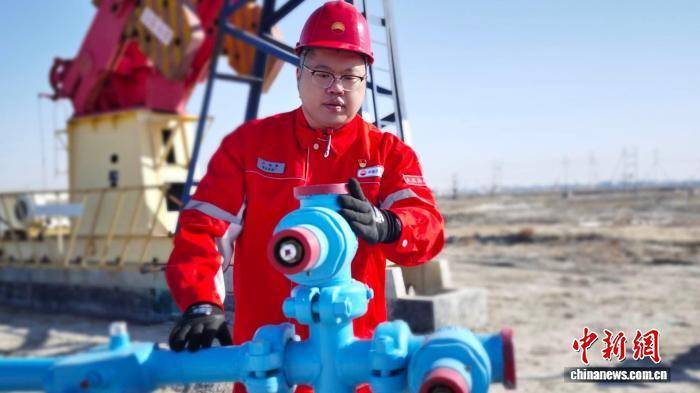
首个国家级陆相页岩油示范区累产逾500万吨
Zhong Guo Hua Gong Bao· 2025-10-17 03:43
Core Insights - China's first national-level continental shale oil demonstration zone, the Xinjiang Jimusaer shale oil project, has achieved a cumulative production of over 5 million tons, laying a solid foundation for the successful completion of the demonstration zone construction goals for this year [1] Production and Technology Development - The shale oil reservoir in Jimusaer is buried over 3,800 meters deep, with a permeability only one ten-thousandth of that of conventional oil reservoirs, making extraction extremely challenging [1] - The demonstration zone has established over 40 industry standards and a comprehensive technical system for continental shale oil, innovating a sweet spot evaluation system centered on "movable oil" [1] - Key technologies such as "golden target identification" and "wide-area support fracturing" have been developed, increasing the single well's total life cycle output from 25,000 tons to 35,000 tons [1] Efficiency Improvements - The efficient production model of "drilling-fracturing-oil extraction" has been summarized, leading to enhanced drilling and fracturing efficiency [1] - In 2023, the Jimusaer shale oil demonstration zone has accelerated capacity construction, completing 48 wells, with the "golden target" drilling success rate increasing from 44% to 89% [1] - The average completion cycle has been shortened to 31.7 days, a 5% year-on-year reduction [1] - As of now, the demonstration zone has produced 1.35 million tons of shale oil this year, achieving 79% of the annual production target [1]
9月PPI同比降幅继续收窄
Zhong Guo Hua Gong Bao· 2025-10-17 03:37
Group 1 - In September, China's Producer Price Index (PPI) remained flat month-on-month and decreased by 2.3% year-on-year, with the decline narrowing by 0.6 percentage points compared to the previous month [1] - The PPI's month-on-month performance showed two main characteristics: first, improvements in supply and demand structures led to price stabilization in certain industries, notably a 3.8% increase in coal processing prices and a 2.5% increase in coal mining and washing prices, both rising for two consecutive months [1] - Second, domestic oil-related industry prices fell due to external factors, with a 2.7% decrease in oil extraction prices, a 1.5% decrease in refined petroleum product manufacturing prices, a 0.6% decrease in organic chemical raw material manufacturing prices, and a 0.2% decrease in chemical fiber manufacturing prices [1] Group 2 - Year-on-year, the effects of macroeconomic policies have become evident, with some industry prices showing positive changes, particularly in coal processing, coal mining and washing, photovoltaic equipment and components manufacturing, and battery manufacturing, where price declines narrowed by 8.3, 3, 2.4, and 0.5 percentage points respectively [2] - The upgrading of industrial structures and the release of consumer potential have contributed to price increases in related industries, such as a 1.2% rise in electronic specialty materials manufacturing prices [2]
核心CPI创近19个月以来新高,9月价格领域释放多重积极信号
Hua Xia Shi Bao· 2025-10-17 02:14
Core Insights - The overall consumption market in China remained stable in September, with the Consumer Price Index (CPI) showing a slight increase of 0.1% month-on-month and a year-on-year decrease of 0.3% [2][5] - The core CPI, excluding food and energy, rose by 1.0% year-on-year, marking the fifth consecutive month of growth and reaching the highest level in nearly 19 months [5][6] - The Producer Price Index (PPI) remained flat month-on-month for two consecutive months, with a year-on-year decline of 2.3%, but the rate of decline narrowed by 0.6 percentage points compared to the previous month [2][6] CPI Analysis - The CPI's month-on-month increase of 0.1% in September ended the previous month's stagnation, driven by a 0.7% rise in food prices, which contributed approximately 0.13 percentage points to the CPI increase [4][5] - Seasonal price increases were observed in fresh vegetables, eggs, fresh fruits, lamb, and beef, with price increases ranging from 0.9% to 6.1% [4] - Conversely, pork and aquatic product prices decreased by 0.7% and 1.8%, respectively, due to sufficient market supply [4] PPI Analysis - The PPI's year-on-year decline of 2.3% reflects a clearer upward trend, with various industries experiencing price increases or reduced declines, contributing to the PPI's stability [6][7] - Key industries such as coal processing, coal mining, and black metal smelting saw price increases of 3.8%, 2.5%, and 0.2%, respectively, for two consecutive months [6] - Input factors, particularly the decline in international oil prices, exerted downward pressure on domestic oil-related industries, but the overall impact on the PPI was limited [7] Future Outlook - Predictions indicate that the decline in pork prices will continue to weigh on the CPI in October, but increased travel during the National Day holiday is expected to boost service prices [3] - The annual CPI is projected to stabilize around 0%, while the PPI is anticipated to fluctuate at low levels, with a potential for positive growth by 2026 [3]
金融期货早评-20251017
Nan Hua Qi Huo· 2025-10-17 01:58
Report Industry Investment Ratings No relevant content provided. Core Views Financial Futures - The domestic economy is in the process of repair, with potential for incremental policies to promote price stability. The recent intensification of Sino-US trade friction is likely a game between the two sides, and short - term expectations for trade talks should not be too high [1]. - The RMB exchange rate is expected to remain stable, with the TACO trade having short - term stability but long - term concerns [1]. - The stock index is expected to experience wide - range fluctuations, with the short - term trend difficult to capture. It is advisable to try cross - variety arbitrage in index futures. The relative advantage of large - cap indexes may continue [2]. - Treasury bonds are expected to maintain a volatile trend, with limited upward and downward space. It is recommended to hold long positions in small amounts and wait for price drops to build positions [3]. - The shipping index (European line) futures are likely to continue to fluctuate, with a strategy of waiting and short - term operations. There are still low - buying opportunities for the 12 - contract [6]. Commodities Non - ferrous Metals - Gold and silver prices are rising strongly, with medium - to - long - term bullish trends but increased short - term volatility. It is advisable to wait and see or conduct short - term operations [9][10]. - The copper price is suppressed by demand but may rebound due to increased expectations of interest rate cuts. A "sell put + buy futures" combination strategy can be tried [11]. - Aluminum is expected to be volatile and bullish, alumina to be weak, and cast aluminum alloy to be volatile and bullish [12]. - Zinc is expected to be in a state of uncertainty, mainly in a volatile state [13]. - Nickel and stainless steel have a weakening downward drive, with short - term volatility. Nickel ore quotas in 2026 are expected to decline, and stainless steel exports have positive factors [15]. - Tin is still bullish in the long - term, with a stable mid - to - short - term wave - like upward trend. High - selling and low - buying strategies can be adopted [16]. - Carbonate lithium has strong demand, and the inventory of warehouse receipts is decreasing. It is expected to form a phased support for futures prices [17]. - Industrial silicon and polysilicon have weak fundamentals. Industrial silicon prices may rise slightly in the future, while polysilicon is affected by news disturbances [18][19]. - Lead is expected to maintain a volatile trend with limited upside [20]. Black Metals - For steel products such as rebar and hot - rolled coils, the market sentiment has slightly improved, but the downward trend may not be over. The rebound power of the futures market is limited [22]. - Iron ore has been under pressure recently, affected by the decline in market risk appetite and the rise in coking coal prices. Short - term short positions can consider taking profits at the right time [23]. - Coking coal and coke are in a state of upward rebound but face negative feedback risks. Unilateral trading should adopt a volatile strategy [24]. - Silicon iron and silicon manganese are affected by coking coal. They are in a state of high supply and weak demand, and are expected to oscillate at the bottom [25]. Energy and Chemicals - Crude oil prices are falling due to increased避险 sentiment. The market is affected by the game between macro - sentiment and supply - demand, and is likely to continue to adjust in the short term [27]. - PTA - PX prices follow the cost side. The supply of PX is expected to remain high in the fourth quarter, and PTA is in a state of relative surplus. It is advisable to wait and see on the unilateral side and try to expand the processing margin [29][31]. - MEG - bottle chips are mainly affected by macro - impacts. The long - term inventory build - up expectation makes it difficult to change its short - position status. It is advisable to wait and see on the unilateral side and consider selling put options [33]. - Methanol is affected by macro - trading. After the holiday, it is still in a weak state, and it is advisable to buy a small amount of bottom positions at low prices [34]. - PP is facing a situation of strong supply and weak demand, following the decline of the cost side. It is recommended to wait and see on the unilateral side [36]. - PE is in a weak pattern, with supply increasing and demand growing slowly. It is advisable to wait and see on the unilateral side [39]. - Pure benzene and styrene are in a phase of post - decline consolidation. Pure benzene has a difficult - to - rise and easy - to - fall situation, and styrene supply is tightening. Unilateral trading should wait and see [41]. - Fuel oil is recommended to focus on shorting the cracking spread, considering the supply and demand situation [42]. - Low - sulfur fuel oil has a weak rebound, with limited upward drive [42]. - Asphalt has no super - expected performance in the peak season. Short - term external disturbances are increasing, and it is advisable to wait and see [43]. - Rubber and 20 - day rubber have differentiated trends. In the short term, they are under pressure from supply and inventory. It is advisable to wait and see on the unilateral side [44][45]. - Glass, soda ash, and caustic soda have upstream inventory build - up. Soda ash has long - term supply pressure, glass has high inventory and weak demand, and caustic soda has uncertain short - term trends and long - term production pressure [46][47][48]. Agricultural Products - For live pigs, with high supply, it is advisable to short at high prices. Short - term attention should be paid to the game between farmers' sentiment and prices, and long - term attention to capacity - reduction policies [50]. - In the oilseed market, the domestic market is weakening, and the external market is in a narrow - range bottom oscillation. It is necessary to pay attention to Sino - US negotiations and supply - demand changes [51]. - For edible oils, palm oil may have limited downside, and it is advisable to buy on dips after a pullback. Soybean oil has high inventory pressure, and rapeseed oil's inventory may slowly decline [53]. - For soybeans, the 11 - contract should adjust short - positions according to spot sales, and new low - cost inventory can consider hedging in the 01 - contract [53]. - Corn and starch are in a weak state, with the corn starch market oscillating [53]. - Cotton has new cotton picking over half - way. The market is affected by the US government shutdown and consumption concerns [54]. Summaries by Relevant Catalogs Financial Futures Macro - Market information includes Sino - US trade talks, US bank credit issues, Fed interest - rate cut disagreements, and the US government shutdown [1]. - The core logic is that the domestic economy needs to focus on consumer demand, with potential for incremental policies. Sino - US trade friction is a new market focus, and the short - term outlook for trade talks is uncertain [1]. RMB Exchange Rate - The previous trading day saw a slight decline in the on - shore RMB against the US dollar. The main influencing factors are Sino - US trade talks and US government policies [1]. - The core logic is that the impact of this trade friction on the exchange rate is limited, and the RMB is expected to remain stable [1]. Stock Index - The previous trading day saw mixed performance of the stock index, with large - cap indexes rising and small - cap indexes falling. Trading volume decreased, indicating strong wait - and - see sentiment [2]. - The core view is that short - term trends are difficult to capture, and cross - variety arbitrage in index futures can be tried. The relative advantage of large - cap indexes may continue [2]. Treasury Bonds - The previous trading day saw a volatile bond market, with some varieties rising and some falling. Trading volume decreased significantly [3]. - The core view is that the bond market lacks momentum, with limited upward and downward space. It is advisable to hold long positions in small amounts and wait for price drops to build positions [3]. Shipping Index (European Line) - The previous trading day saw the shipping index futures price first decline and then oscillate at a low level [4]. - The core view is that the futures price is likely to continue to fluctuate, with a strategy of waiting and short - term operations. There are still low - buying opportunities for the 12 - contract [6]. Commodities Non - ferrous Metals Gold & Silver - The previous trading day saw a strong rise in precious metals prices, with a decline in the US dollar index, US Treasury yields, and other related assets. This reflects increased financial market risks in the US [7]. - The core view is that gold and silver prices are expected to be bullish in the medium - to - long - term but volatile in the short - term. It is advisable to wait and see or conduct short - term operations [9]. Copper - The previous trading day saw mixed performance of copper prices in different markets. The supply side has some maintenance situations, and the demand side suppresses price increases [10][11]. - The core view is that the expectation of interest rate cuts may drive copper prices to rebound. It is advisable to try a "sell put + buy futures" combination strategy [11]. Aluminum Industry Chain - The previous trading day saw different trends in aluminum, alumina, and cast aluminum alloy prices. The macro - environment is favorable for aluminum prices, while alumina is in a state of oversupply [11][12]. - The core view is that aluminum is expected to be volatile and bullish, alumina to be weak, and cast aluminum alloy to be volatile and bullish [12]. Zinc - The previous trading day saw zinc prices oscillating in a narrow range. The supply side is relatively stable domestically and has some production cuts overseas. Low inventory provides support [12][13]. - The core view is that the direction of zinc prices is unclear, and it is mainly in a volatile state [13]. Nickel and Stainless Steel - The previous trading day saw a slight rise in nickel and stainless - steel prices. The macro - environment has expectations of interest rate cuts and some easing of Sino - US tariffs. The supply and demand of nickel ore and stainless steel have different trends [14][15]. - The core view is that the downward drive of nickel and stainless steel is weakening, with short - term volatility. It is necessary to pay attention to Sino - US tariffs and interest rate cut expectations [15]. Tin - The previous trading day saw tin prices opening low and then rising. The fundamentals remain unchanged, and it is still bullish [16]. - The core view is that it is advisable to hold long positions for those already in the market and continue to observe for those not yet in [16]. Carbonate Lithium - The previous trading day saw an increase in carbonate lithium futures prices. The market demand is strong, and the inventory of warehouse receipts is decreasing [16]. - The core view is that it is expected to form a phased support for futures prices [17]. Industrial Silicon and Polysilicon - The previous trading day saw different trends in industrial silicon and polysilicon futures prices. The supply and demand of the industrial silicon industry chain are general, and the polysilicon market is affected by news [17][18]. - The core view is that industrial silicon prices may rise slightly in the future, while polysilicon is affected by news disturbances [18][19]. Lead - The previous trading day saw lead prices oscillating in a narrow range. The supply side is affected by silver prices and raw - material restrictions, and the demand side has some export potential. Inventory may increase in the short term [19][20]. - The core view is that the upside of lead prices is limited [20]. Black Metals Rebar and Hot - Rolled Coils - The previous trading day saw a rebound in rebar with reduced positions, and hot - rolled coils performed weaker. The inventory of five major steel products decreased, but the de - stocking speed is slower than in previous years [22]. - The core view is that the market sentiment has slightly improved, but the downward trend may not be over. The rebound power of the futures market is limited [22]. Iron Ore - The previous trading day saw a continuous decline in iron ore prices. The increase in coking coal prices has squeezed iron ore prices, and the inventory has increased [23]. - The core view is that iron ore is under short - term pressure, and it is advisable to take profits on short positions at the right time [23]. Coking Coal and Coke - The previous trading day saw coking coal and coke prices oscillating strongly. The coking coal market is facing a situation of tight supply and potential negative feedback risks [23][24]. - The core view is that the rebound height and sustainability of coking coal and coke prices depend on the supply - demand balance of downstream steel products. It is advisable to adopt a volatile strategy on the unilateral side [24]. Silicon Iron and Silicon Manganese - The previous trading day saw an increase in ferroalloy prices affected by coking coal. The industry is facing a contradiction between high supply and weak demand [25]. - The core view is that there is no obvious upward drive in the short term, and it is expected to oscillate at the bottom [25]. Energy and Chemicals Crude Oil - The previous trading day saw a decline in crude oil prices. The market is affected by the game between macro - sentiment and supply - demand, with increased避险 sentiment [27]. - The core view is that the market is likely to continue to adjust in the short term, and the downward risk is the focus [27]. PTA - PX - The supply of PX is expected to increase in October, with a tight - balance or slight inventory - build - up situation. PTA supply has some changes, and demand is seasonally strong but not as good as in previous years [29][30]. - The core view is that PTA - PX prices follow the cost side. It is advisable to wait and see on the unilateral side and try to expand the processing margin [31]. MEG - Bottle Chips - The inventory of MEG in East China ports has increased. The supply side has changes in various devices, and demand is in a state of seasonal improvement but not strong [31][32]. - The core view is that it is mainly affected by macro - impacts. The long - term inventory build - up expectation makes it difficult to change its short - position status. It is advisable to wait and see on the unilateral side and consider selling put options [33]. Methanol - The previous trading day saw methanol prices at a certain level. The inventory of methanol ports has increased after the holiday, and it is affected by Iranian shipments and Sino - US trade [33]. - The core view is that after the holiday, it is still in a weak state, and it is advisable to buy a small amount of bottom positions at low prices [34]. PP - The previous trading day saw a slight increase in PP prices. The supply side is expected to increase due to improved profits, while the demand side is "off - peak" [35][36]. - The core view is that PP is facing a situation of strong supply and weak demand, following the decline of the cost side. It is recommended to wait and see on the unilateral side [36]. PE - The previous trading day saw a slight increase in PE prices. The supply side is expected to increase due to device restarts and potential imports, while the demand side is slow to recover [38][39]. - The core view is that PE is in a weak pattern, with supply increasing and demand growing slowly. It is advisable to wait and see on the unilateral side [39]. Pure Benzene and Styrene - The previous trading day saw an increase in pure benzene and styrene prices. The supply of pure benzene is expected to be high in the fourth quarter, and styrene supply is tightening [40][41]. - The core view is that they are in a phase of post - decline consolidation. It is advisable to wait and see on the unilateral side [41]. Fuel Oil - The previous trading day saw fuel oil prices at a certain level. The supply of fuel oil is tightening, and the demand is in a state of change. Inventory in some areas has decreased [42]. - The core view is that it is recommended to focus on shorting the cracking spread [42]. Low - Sulfur Fuel Oil - The previous trading day saw low - sulfur fuel oil prices at a certain level. The supply is expected to decrease, and the demand is weak. Inventory in some areas has decreased [42]. - The core view is that it has a weak rebound, with limited upward drive [42]. Asphalt - The previous trading day saw asphalt prices at a certain level. The supply of asphalt is relatively stable, and the demand is affected by the holiday and weather. Inventory has changed in structure [43]. - The core view is that the peak season has no super - expected performance. Short - term external disturbances are increasing, and it is advisable to wait and see [43]. Rubber and 20 - Day Rubber - The previous trading day saw a differentiation in rubber prices, with 20 - day rubber rebounding. The macro - environment and supply - demand have certain pressures, but the price of 20 - day rubber delivery products is firm [43]. - The core view is that in the short term, there is pressure from supply and inventory. It is advisable to wait and see on the unilateral side [44][45]. Glass, Soda Ash, and Caustic Soda - Soda ash inventory has increased, with long - term supply pressure. Glass inventory is high, and demand is weak. Caustic soda has uncertain short - term trends and long - term production pressure [46][47][48]. - The core view is that soda ash is affected by supply pressure, glass is restricted by inventory and demand, and caustic soda needs to wait for the market to bottom out [46][47][48]. Agricultural Products
“十四五”以来黑龙江工业技改投资年均增速24%
Zhong Guo Xin Wen Wang· 2025-10-16 18:05
Core Insights - Heilongjiang Province has made significant progress in implementing the "14th Five-Year Plan," focusing on technological upgrades and large-scale equipment renewal in enterprises [1] - Industrial technological transformation investment has an annual growth rate of 24%, consistently higher than the national average, with the proportion of industrial investment rising from 10.9% in October 2020 to 20.3% in 2024 [1] - The province has accelerated its green transformation, establishing a total of 357 national and provincial-level green factories [1] Industrial Developments - Heilongjiang has created three national pilot cities for the digital transformation of small and medium-sized enterprises, with 430 digital workshops and smart factories established [1] - Daqing Oilfield continues to maintain stable production, with shale oil annual output expected to exceed 1 million tons [1] - The province leads the nation in the scale of multiple products from corn bio-fermentation, enhancing the reputation and influence of brands such as "Heilong Black Soil Premium" and "Jiu Zhen" [1]
我国北方资源枯竭报告:哪个省是最惨的?
虎嗅APP· 2025-10-16 13:23
Core Viewpoint - The article discusses the plight of resource-depleted cities in Northern China, particularly focusing on 21 cities in North China and Northwest China, highlighting their struggles and survival strategies in the face of resource exhaustion [4][5]. Group 1: Coal Cities - Among the 21 cities, 16 are coal-depleted, with coal being the predominant resource, while 3 are depleting non-ferrous metals and 2 are oil-depleted [6][7]. - The coal resources in North and Northwest China are significantly more abundant than in Northeast China, which only accounts for less than 2% of the national coal resources [9][10]. - The six coal-producing regions north of the Kunlun-Qinling-Dabie Mountain line produce nearly half of the world's raw coal and contain over 90% of China's coal reserves [12][14]. - The cities of Shizuishan and Wuhai, known as the "twin coal cities," have been heavily impacted by mining activities, leading to severe ecological degradation [20][21]. - Shizuishan has a strong chemical industry base, producing 85% of the world's cyanamide, and is also a notable agricultural area [21]. - Wuhai, on the other hand, is focusing on coal chemical production and aims to become the global leader in BDO production, with potential to generate over 100 billion in coal chemical output [22][25]. Group 2: Shanxi Province - Shanxi Province is heavily reliant on coal, producing nearly one-seventh of the world's coal with significant economic implications [28]. - The province experienced a GDP growth of 28% in 2021 due to soaring coal prices, but faced a decline of 2.14% in 2024 as coal prices fell [30]. - The over-reliance on coal has led to environmental issues and a lack of diversification in the economy, making it difficult for the province to transition away from coal dependency [31][34]. Group 3: Oil Cities - The article contrasts the fortunes of coal cities with oil cities, highlighting the different trajectories of Puyang and Yumen, both of which are experiencing oil depletion [35][40]. - Puyang has adapted by processing imported oil and developing a petrochemical industry, maintaining its economic viability despite declining local oil production [41]. - In stark contrast, Yumen has faced severe decline, with its once-thriving oil industry collapsing and the city now largely abandoned, serving as a cautionary tale for resource-dependent cities [42][47]. Group 4: Overall Trends - The resource-depleted cities in Northern China exhibit a stark divide, with some cities managing to adapt and thrive while others face dire consequences [50]. - The future of these cities hinges on their ability to either deepen their reliance on resource extraction or pivot towards new economic models [51].
港股16日跌0.09% 收报25888.51点
Xin Hua Wang· 2025-10-16 09:30
中资金融股方面,中国银行涨1.18%,收报4.3港元;建设银行涨1.74%,收报7.62港元;工商银行 涨2.08%,收报5.88港元;中国平安涨1.37%,收报55.5港元;中国人寿涨4.82%,收报24.36港元。 石油石化股方面,中国石油化工股份涨0.74%,收报4.09港元;中国石油股份涨2.48%,收报7.43港 元;中国海洋石油涨0.85%,收报18.96港元。 【纠错】 【责任编辑:王雪】 蓝筹股方面,腾讯控股跌1.12%,收报620港元;香港交易所跌0.79%,收报424.4港元;中国移动涨 0.94%,收报85.7港元;汇丰控股跌0.58%,收报102.9港元。 香港本地股方面,长实集团跌0.59%,收报37.06港元;新鸿基地产跌1.78%,收报93.55港元;恒基 地产跌0.37%,收报27.2港元。 新华社香港10月16日电 香港恒生指数16日跌22.09点,跌幅0.09%,收报25888.51点。全日主板成交 2754.31亿港元。 国企指数涨8.55点,收报9259.46点,涨幅0.09%。恒生科技指数跌71.71点,收报6003.56点,跌幅 1.18%。 ...
9月份核心CPI同比涨幅重回1%
Jin Rong Shi Bao· 2025-10-16 02:16
Group 1: Consumer Price Index (CPI) Insights - In September, the national consumer price index (CPI) showed a year-on-year decline of 0.3%, with a month-on-month increase of 0.1% [1][2] - The core CPI, excluding food and energy, rose to 1.0%, marking the first increase in nearly 19 months, driven by improvements in related industry prices [1][3] - Major food prices experienced seasonal increases, particularly in eggs and fresh fruits, while service prices declined due to the end of summer and the timing of the Mid-Autumn Festival [2][3] Group 2: Producer Price Index (PPI) Insights - The PPI decreased by 2.3% year-on-year in September, with the decline narrowing by 0.6 percentage points compared to the previous month, slightly better than market expectations [4][5] - The industrial producer purchase prices also saw a year-on-year decline of 3.1%, with a narrowing drop of 0.9 percentage points from the previous month [4][5] - Factors contributing to the stabilization of PPI include improvements in supply-demand structure and the impact of macroeconomic policies, leading to price increases in certain industries [6][7] Group 3: Market Dynamics and Future Outlook - The "anti-involution" trend is seen as a factor supporting price improvements in related industries, with measures introduced to maintain fair market competition [7] - Despite the positive signs in PPI, there are concerns regarding insufficient domestic investment and consumer demand, which continue to exert pressure on prices in export-oriented sectors [7][8] - The necessity to boost consumer confidence and expand domestic demand remains urgent, highlighting the ongoing challenges in the economic landscape [8]
9月CPI同比降0.3%,API美国原油库存明显回升
Dong Zheng Qi Huo· 2025-10-16 01:20
1. Report Industry Investment Ratings No relevant content provided. 2. Core Views of the Report - The domestic inflation shows a divergent trend, with CPI falling and PPI rising, indicating a marginal improvement in the domestic price situation. However, the credit demand of the private sector remains weak, and attention should be paid to the possible slowdown of deposit transfer [1][16]. - The labor market in the United States is weakening due to government job cuts during the shutdown, leading to a downward trend in the US dollar index [2][21]. - The trade situation is generally neutral to positive for the bond market. Long positions can be held, but chasing long positions requires caution as the factors driving the bond market to strengthen significantly have not yet emerged [3][30]. - The NOPA September soybean crushing report is better than expected, and the cost of imported soybeans in China has changed little [4]. - The nickel ore price is strong, and there are disturbances in supply. The API US crude oil inventory has increased significantly, and the oil price is weak [5]. 3. Summary by Directory 3.1 Financial News and Reviews 3.1.1 Macro Strategy (Gold) - The Fed's Beige Book shows that labor demand has generally weakened, and overall economic activity has changed little. The US government continues to be shut down, which supports the gold price. However, after the silver squeeze ends, precious metals may face a downward risk [12][13]. - Investment advice: Short - term gold price fluctuations are expected to increase, and it is not recommended to chase long positions [13]. 3.1.2 Macro Strategy (Stock Index Futures) - In September, M1 increased by 7.2% year - on - year, M2 increased by 8.4% year - on - year, and the social financing scale stock increased by 8.7% year - on - year. The CPI decreased by 0.3% year - on - year, and the PPI decreased by 2.3% year - on - year [14][16]. - Investment advice: It is recommended to allocate various stock indices evenly [18]. 3.1.3 Macro Strategy (Foreign Exchange Futures - US Dollar Index) - Trump has authorized the CIA to conduct operations in Venezuela. The Fed's Beige Book shows that economic activity has changed little, and employment has remained stable. The Trump administration may cut more than 10,000 federal government jobs, leading to a weakening of the US dollar index [19][20][21]. - Investment advice: The US dollar index will weaken in the short term [22]. 3.1.4 Macro Strategy (US Stock Index Futures) - The Fed's Beige Book shows that US economic activity has changed little, and tariffs have pushed up prices. The selection of the Fed chairman is in a critical stage, and Fed official Milan expects two more interest rate cuts this year [23][24][25]. - Investment advice: The threat of tariffs has not been completely eliminated. In the short term, pay attention to the negotiation progress and look for opportunities to enter the market at low prices [27]. 3.1.5 Macro Strategy (Treasury Bond Futures) - The September financial data is basically in line with expectations. The central bank conducted a net injection of 435 billion yuan through reverse repurchase operations. The trade situation is generally neutral to positive for the bond market, and long positions can be held, but chasing long positions requires caution [28][30]. - Investment advice: Long positions can continue to be held, and chasing long positions requires caution. After the new regulations on fund fees are implemented, there will be opportunities to lay out long positions at low prices [30]. 3.2 Commodity News and Reviews 3.2.1 Black Metal (Coking Coal/Coke) - The port coke spot market is oscillating. After the holiday, the coking coal futures price has rebounded, but the spot price is weak. The supply in the production area is gradually recovering, and the customs clearance at the Mongolian border port has returned to normal [31][32]. - Investment advice: In the short term, the fundamentals of coking coal are weak, and attention should be paid to subsequent demand [33]. 3.2.2 Agricultural Products (Soybean Meal) - The NOPA September soybean crushing report is better than expected, and the cost of imported soybeans in China has changed little [34]. - Investment advice: The prices of domestic and foreign futures will temporarily remain oscillating. Continue to pay attention to Sino - US relations and the weather in the Brazilian production area [35]. 3.2.3 Agricultural Products (Soybean Oil/Rapeseed Oil/Palm Oil) - From October 1 - 15, the export volume of Malaysian palm oil increased by 16.17% month - on - month. The oil market continued to oscillate yesterday [36]. - Investment advice: In the future, there is still no obvious driving force for the oil market. At the current price, consider laying out long positions at low prices [37]. 3.2.4 Agricultural Products (Sugar) - Due to continuous rainfall, the opening time of the first sugar factory in Yunnan is slightly delayed. The impact of floods in the main sugar - producing states in India needs to be evaluated, and institutions are cautious about the output. The cumulative sugarcane yield in central and southern Brazil from April to September decreased by 6.5% year - on - year [38][40][41]. - Investment advice: Affected by the weak external market, the Zhengzhou sugar futures price is hovering around 5400 yuan. Considering the reduction of import pressure in the fourth quarter and the possible increase in production costs in the new season, the downside space of Zhengzhou sugar is limited, and it is not recommended to chase short positions [42]. 3.2.5 Black Metal (Rebar/Hot - Rolled Coil) - Hebei Province may not reduce or reduce the proportion of crude steel production for leading steel enterprises. The average working hours and start - up rate of construction machinery in September decreased year - on - year. From October 1 - 12, the retail and wholesale volume of passenger cars showed different trends [43][44][46]. - Investment advice: In the short term, treat the steel price with a weak - oscillation mindset, go short lightly on rebounds, or wait for the steel price to fall [47]. 3.2.6 Agricultural Products (Corn Starch) - The start - up rate of corn starch enterprises has increased significantly, and the inventory has accumulated slightly [48]. - Investment advice: Continue to look at narrowing the spot corn - starch price difference in the long - term. If the deterioration of the actual fundamentals is slow, the futures corn - starch price difference of the 11 - contract may still have room for upward repair [48]. 3.2.7 Agricultural Products (Red Dates) - The price of red dates in the Guangzhou Ruyifang market is temporarily stable. The red dates in the Xinjiang production area are in the drying period and have not been harvested. The spot prices in the north - south distribution areas are stable, and downstream customers purchase as needed [49][50]. - Investment advice: At present, the purchase price in the production area is not representative, and it is recommended to wait and see. Pay attention to the price game and purchase progress in the production area [50]. 3.2.8 Agricultural Products (Corn) - The domestic corn price is running weakly and steadily. The 11 - contract of corn futures has rebounded to be basically at par with the FOB price at the northern port. The spot selling pressure will continue to be released, and the futures price is expected to be stronger than the spot price [51]. - Investment advice: Hold the previous short positions and wait and see, but closely monitor market sentiment. It is not recommended to enter long positions for a rebound too early [52]. 3.2.9 Black Metal (Steam Coal) - The international steam coal price is firm on October 15. After the National Day holiday, the coal price in coastal areas has risen significantly. With the approaching cold wave in the north, the coal price is expected to remain strong before mid - November [53]. - Investment advice: With the approaching cold wave in the north, the coal price is expected to remain strong before mid - November [53]. 3.2.10 Black Metal (Iron Ore) - A Ukrainian mining group has restarted two new mines. The finished steel price has been falling due to inventory accumulation, and the black metal market is weak. However, the raw material prices remain relatively strong in the short term as steel mills have not reduced production. It is expected that iron production may be reduced in November [54]. - Investment advice: It is expected that iron production will remain at 2.4 million tons in October and may be reduced in November. The raw material market is weak, and when the downward trend will start needs further observation [55]. 3.2.11 Non - ferrous Metals (Lead) - On October 14, the LME 0 - 3 lead was at a discount of $44.48 per ton. The Shanghai lead price oscillated upward yesterday, mainly driven by the rebound of the external market. The LME inventory increased, and the domestic social inventory decreased. The Shanghai lead price may oscillate upward in the short term [56]. - Investment advice: For unilateral trading, take profit on previous long positions in a timely manner. For arbitrage, pay attention to positive spreads for the month - spread and short - term internal - external reverse spreads [56]. 3.2.12 Non - ferrous Metals (Zinc) - On October 14, the LME 0 - 3 zinc was at a premium of $87.22 per ton. The industrial metal market was weak yesterday, and the zinc price declined. The LME inventory decreased, and the domestic export window closed. The zinc price is expected to oscillate widely, and attention can be paid to medium - term positive spreads and internal - external positive spreads [57][58]. - Investment advice: For unilateral trading, it is recommended to wait and see. For arbitrage, pay attention to medium - term positive spreads and maintain a positive - spread mindset for internal - external trading, and take profit on positive - spread positions in batches at low prices [58]. 3.2.13 Non - ferrous Metals (Polysilicon) - The spot price of polysilicon from first - tier manufacturers remains at 55 yuan/kg, and that from second - and third - tier manufacturers is 52 - 53 yuan/kg. The production of polysilicon in October is expected to increase. The demand for battery cells still has support in October. The component price may rise, but the terminal demand may decline [60][61]. - Investment advice: The progress of platform companies is slower than expected, but it may be too early to say they have failed. It is expected that the spot price will not fall in October. Consider going long lightly on the PS2512 contract when it is at a discount to the spot. Pay attention to the reverse - spread opportunity between PS2511 and PS2512 at around - 2000 yuan/ton [62][63]. 3.2.14 Non - ferrous Metals (Industrial Silicon) - The price of silicon coal in some areas has decreased. The start - up rate of industrial silicon plants in the north has increased, while that in the south may decrease in late October. The social inventory of industrial silicon has increased slightly. The supply and demand of industrial silicon are in a state of weak balance [64]. - Investment advice: Although industrial silicon has seasonal inventory accumulation and depletion, the fundamental contradiction is not obvious. It is more likely to have a higher winning rate to go long at low prices, but chasing long positions requires caution [65]. 3.2.15 Non - ferrous Metals (Nickel) - DKFT's nickel ore production in the third quarter of 2025 reached 2.07 million tons, a year - on - year increase of 18%. The nickel ore price is expected to rise in the fourth quarter, and the cost of smelting is increasing. The refined nickel inventory may accumulate in the fourth quarter, but the downside space of the nickel price is limited [66][67]. - Investment advice: Pay attention to the opportunity to lay out long positions at low prices after the macro - risk stabilizes [67][68]. 3.2.16 Non - ferrous Metals (Copper) - Aurubis is in consultation with the US on a new copper smelter. Tongling Nonferrous Metals plans to upgrade and expand its copper anode slime treatment system. The La Granja copper project in Peru is advancing. The copper price is expected to oscillate widely in the short term and may rise after the macro - uncertainty decreases [69][70][71][72]. - Investment advice: For unilateral trading, go long at low prices. For arbitrage, wait and see [72]. 3.2.17 Non - ferrous Metals (Lithium Carbonate) - Australia is considering formulating a reserve price for key minerals and providing funds for new rare - earth projects. CATL and JD Group have signed a strategic cooperation agreement. The domestic lithium carbonate inventory is decreasing, but the supply is expected to increase in the future, and the demand may decline at the end of the year [73][75]. - Investment advice: The lithium price will oscillate narrowly in the short term. It is recommended to go short at high prices and pay attention to the reverse - spread opportunity between LC2511 and 2512 [75]. 3.2.18 Energy and Chemicals (Liquefied Petroleum Gas) - EU secondary sanctions against Russia affect domestic refineries. Taicang Port charges a special port fee of 400 yuan/ton for US - controlled or - operated ships. The market is in a period of high uncertainty [76][77]. - Investment advice: Wait and see [78]. 3.2.19 Energy and Chemicals (Crude Oil) - The API US crude oil inventory has increased significantly, and the oil price is weak [5][79]. - Investment advice: The oil price will remain weak and oscillate in the short term. Pay attention to geopolitical conflicts [80]. 3.2.20 Energy and Chemicals (Styrene) - The inventory of styrene in the East China main port has decreased slightly. The non - integrated load of styrene has decreased, and the demand has resilience. However, the inventory level is still high compared with the historical average, and the upward driving force of styrene is limited [81][82]. - Investment advice: The driving force of the pure - benzene - styrene industrial chain is weak, and it will be under pressure before the oil end provides support [83]. 3.2.21 Energy and Chemicals (Methanol) - The methanol port inventory has decreased slightly. The decrease in inventory is mainly due to the suppression of imports caused by factors such as port policies. The market expects that the issues related to Iranian goods and US ships can be resolved, but the import cost will increase [84][85]. - Investment advice: Wait and see as the probability of the futures price falling further in the short term is low [86]. 3.2.22 Energy and Chemicals (Caustic Soda) - The price of liquid caustic soda in Shandong is flexibly adjusted. The supply has decreased due to equipment maintenance and power - related issues, and the demand has changed little. The price shows a differentiated trend [87][88]. - Investment advice: The spot price of caustic soda in Shandong is weakening, and it is necessary to be cautious when bottom - fishing [88]. 3.2.23 Energy and Chemicals (PX) - The PX price has rebounded. The domestic PX start - up rate is stable, and the supply has no major unexpected fluctuations. The PX price will follow the oil price and oscillate weakly in the short term [89][90]. - Investment advice: The PX price will oscillate weakly in the short term [91]. 3.2.24 Energy and Chemicals (PVC) - The domestic PVC powder market price is fluctuating within a narrow range. The supply pressure is increasing due to new capacity release, and the demand is pessimistic due to Indian anti - dumping. The PVC price is expected to remain weakly oscillating in the short term [92][93]. - Investment advice: The PVC fundamentals are weak, and the inventory is accumulating. The price is expected to remain weakly oscillating, and the downside space is limited [93]. 3.2.25 Energy and Chemicals (Pulp) - The price of imported wood pulp in the spot market is mainly stable, with individual prices slightly increasing. The futures price of pulp is oscillating. The supply and demand of pulp are not good, and the upward space of the futures price is limited [94]. - Investment advice: The pulp futures price is relatively strong recently, but considering the poor supply - demand situation, the upward space is limited [95]. 3.2.26 Energy and Chemicals (PTA) - The PTA spot price has decreased, and the spot basis is weak. The downstream polyester inventory is healthy, and the short - term probability of significant production reduction is low. The supply - demand contradiction of PTA is not large, and the short - term driving force is insufficient. The oil price is the main source of price fluctuations [96]. - Investment advice: The PTA price will oscillate weakly in the short term [97]. 3.2.27 Energy and Chemicals (Bottle Chips) - The export quotation of bottle - chip factories continues to decrease. The polyester raw material price has fallen, and the bottle - chip factories have lowered their quotations. The supply - demand contradiction of bottle chips is not prominent at present, but it may accumulate in the fourth quarter [98][99]. - Investment advice: Pay attention to when the factories will resume production. The supply
首破百万吨!大庆油田极限开发探出新路径
Sou Hu Cai Jing· 2025-10-16 00:45
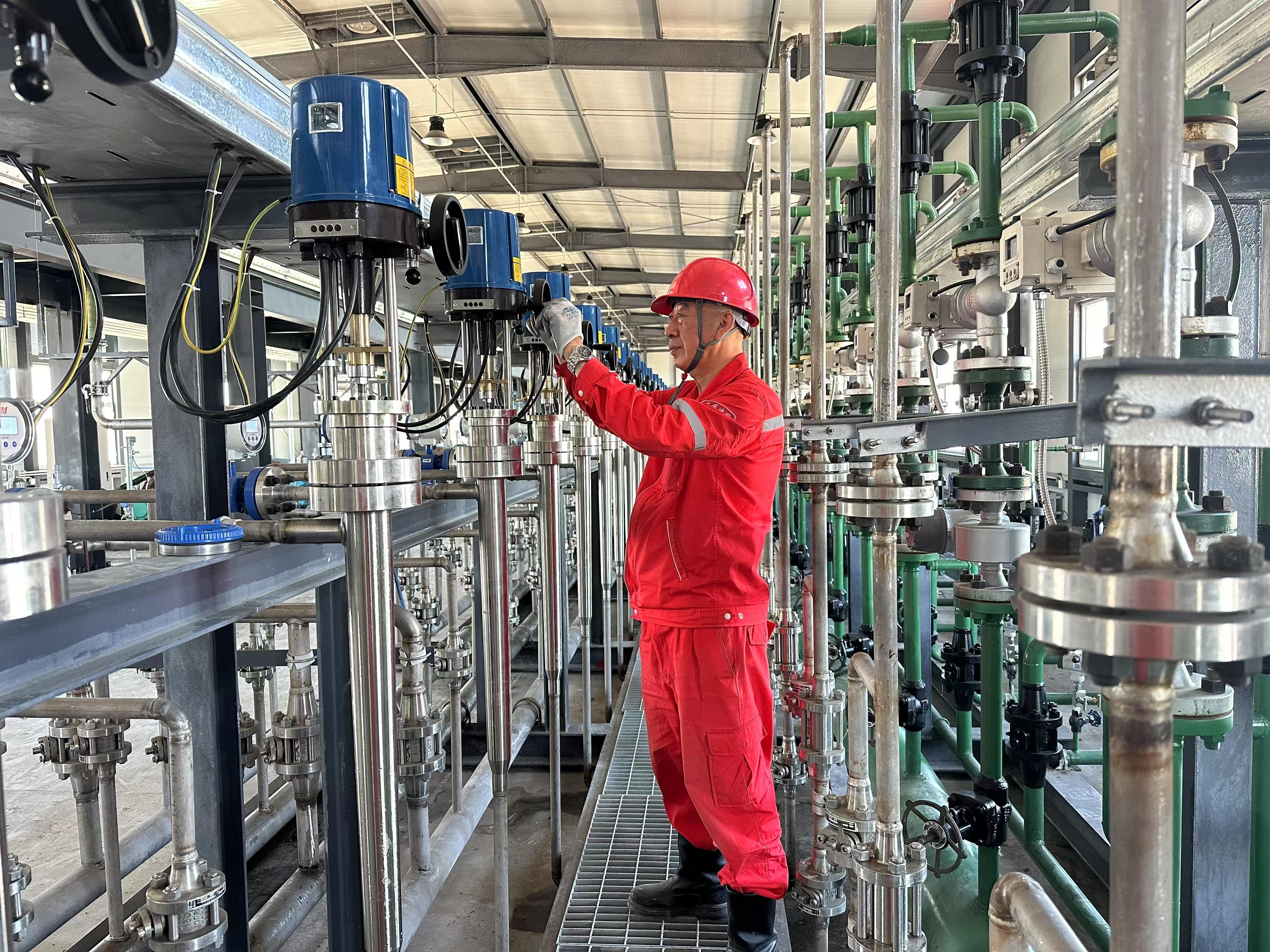
Core Insights - Daqing Oilfield has achieved a significant milestone by surpassing an annual production of 1 million tons from chemical flooding and tertiary oil layers, marking a critical step in enhancing oil recovery in the field [1][2]. Group 1: Production Achievements - The annual production from chemical flooding and tertiary oil layers reached over 1 million tons for the first time on October 10, indicating a breakthrough in oil recovery efforts [1]. - Daqing Oilfield has established the world's largest research and production base for tertiary oil recovery after nearly 30 years of development [1][2]. Group 2: Technological Advancements - The company has focused on the "three cleans and three determinations" for chemical flooding and "four cleans and four determinations" for tertiary oil layers, leading to a systematic approach in oil recovery [2]. - The implementation of eight full lifecycle well network evolution models has allowed for precise development sequencing and scale across different blocks [2]. Group 3: Future Plans - The team plans to concentrate on developing new systems and technologies that optimize economic benefits, aiming to further enhance oil recovery from more complex geological conditions [3].