
Securities

Search documents
“启航·2025金融年会”在京举办,招商证券称2026年有望“猪油共振”
Zhong Guo Jin Rong Xin Xi Wang· 2025-12-31 07:37
Core Viewpoint - The "Qihang·2025 Financial Annual Conference" highlighted the transition from the "14th Five-Year Plan" to the "15th Five-Year Plan," emphasizing the importance of 2026 for China's economy and capital markets, which are expected to enter a recovery phase and experience significant growth opportunities [1][2]. Economic Outlook - 2026 is anticipated to be a turning point as China moves away from inflation lows and establishes a new economic equilibrium, with expectations of a recovery cycle in the economy and capital markets [2]. - The "Fifteen Five" period is projected to be a golden era for both the Chinese economy and capital markets, with significant improvements in overall productivity and advancements in technology sectors such as AI and semiconductors [3]. Inflation and Commodity Prices - The CPI is expected to stabilize around 0.5, with the possibility of higher figures, while the PPI may turn positive in the second half of 2026 [3]. - The "pig oil resonance" phenomenon is predicted, where pork prices will significantly influence the CPI, and oil prices are expected to remain supported due to geopolitical risks and limited production increases from OPEC+ [2][3]. Capital Market Insights - The capital market is expected to enter a golden age during the "Fifteen Five" period, with foreign investment becoming a crucial source of incremental capital [4]. - The future of the Chinese stock market looks promising, with continuous inflow of new capital being a key factor for a sustained bull market [4]. - To surpass the 2015 market peak, the daily trading volume in the A-share market needs to reach between 2.5 trillion to 3 trillion yuan, supported by regulatory policies aimed at attracting long-term capital [4].

破局与重构:2025年中国金融业十大事件
2 1 Shi Ji Jing Ji Bao Dao· 2025-12-31 06:09
"却顾所来径,苍苍横翠微。" 2025年这一年,全球经济复苏乏力与地缘博弈交织的外部环境,同国内高质量发展与金融强国建设的内在要求相互碰撞,共同推动中国金融体 系加速告别规模扩张的旧范式,迈入以质量提升、结构优化、风险可控为核心的新周期。 2025年10月28日,《中共中央关于制定国民经济和社会发展第十五个五年规划的建议》(以下简称"十五五"规划建议)正式公布,为未来五年 中国经济社会发展擘画了宏伟蓝图。这份纲领性文件将金融提升到前所未有的战略高度,"金融"一词被提及17次,并首次将"加快建设金融强 国"确立为核心目标,标志着金融发展从"大"到"强"的历史性跨越。 "十五五"规划建议为金融强国建设明确了清晰的实施路径与核心任务。在对内改革层面,明确提出完善中央银行制度、货币政策与宏观审慎管 理体系"双支柱"框架;将科技金融、绿色金融、普惠金融、养老金融、数字金融这"五篇大文章"确立为金融服务实体经济的核心抓手;并致力 于提高资本市场制度的包容性与适应性。 在对外开放与监管层面,规划强调"稳"与"进"的平衡:一方面要求全面加强金融监管,强化央地协同,丰富风险处置工具,构建坚实的风险防 范化解体系;另一方面则明确 ...

午评:沪指跌0.07% AI应用方向领涨 化纤板块跌幅靠前
Xin Hua Cai Jing· 2025-12-31 05:19
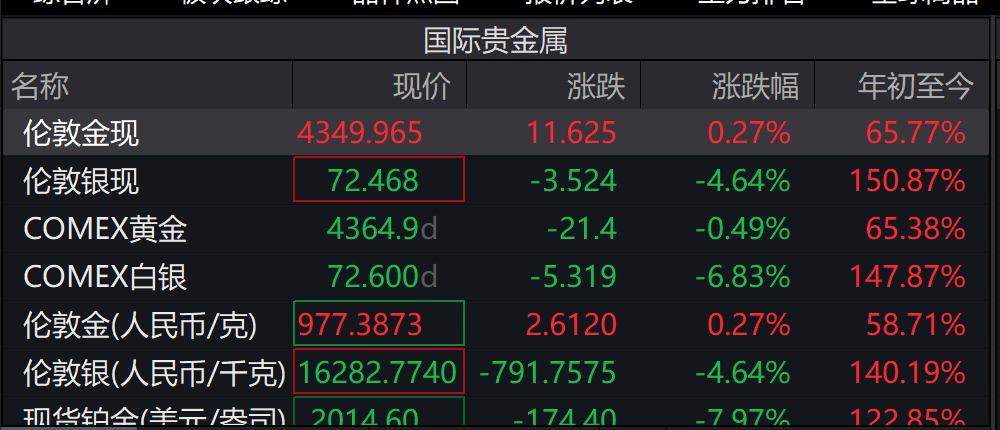
Market Overview - The Shanghai and Shenzhen stock indices opened slightly higher on December 31, with the Shanghai Composite Index reaching a maximum increase of 0.31% and the Shenzhen Component Index up by 0.28% at one point, but later showed a downward trend leading to a slight decline at midday [1] - By midday, the Shanghai Composite Index reported 3962.24 points, down 0.07%, with a trading volume of approximately 528.4 billion yuan; the Shenzhen Component Index was at 13513.21 points, down 0.67%, with a trading volume of about 783.7 billion yuan; the ChiNext Index was at 3207.24 points, down 1.10%, with a trading volume of around 350.3 billion yuan [2] Sector Performance - At the opening, sectors such as rental and purchase rights, AI glasses, and Hainan Free Trade Zone saw significant gains, while sectors like chemical fiber, digital currency, and cross-border payments experienced notable declines [1] - By midday, the AI application sector led the gains, influenced by a 20% surge in BlueFocus, while sectors such as chemical fiber, communication equipment, and agriculture faced the largest declines [1] Institutional Insights - CITIC Securities anticipates that the "Two New" policy will officially launch in 2026, optimizing support scope, subsidy standards, and implementation methods, aligning with market expectations. The National Development and Reform Commission and the Ministry of Finance have announced the early issuance of 62.5 billion yuan in special bonds to support the consumption of old vehicles [3] - Huatai Securities highlights the volatility in the communication sector in 2025, driven by AI computing power narratives and geopolitical impacts, but expects a return to industry trend pricing logic in 2026, focusing on AI computing power as a primary investment theme [3] - Dongwu Securities notes the rapid evolution of the space computing industry, emphasizing its strategic value in addressing global computing resource bottlenecks, with significant investments from tech giants and innovative companies [4] Policy Developments - The Ministry of Commerce announced the implementation details for the 2026 vehicle replacement subsidy, expanding the support scope compared to 2025, with subsidies up to 20,000 yuan for scrapping and 15,000 yuan for replacement [5] Economic Indicators - The Purchasing Managers' Index (PMI) for December indicates an overall economic recovery, with manufacturing PMI at 50.1%, non-manufacturing PMI at 50.2%, and a composite PMI output index at 50.7%, all showing increases from the previous month [6] - The construction sector's business activity index rose to 52.8%, reflecting a significant improvement in the construction industry's outlook, driven by favorable weather conditions and pre-holiday construction acceleration [6]
览富年终数据盘点:2025年A股IPO发审会通过率97.35%
Sou Hu Cai Jing· 2025-12-31 04:32
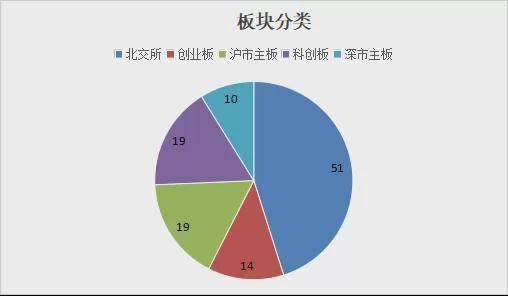
Core Insights - The A-share IPO review process for 2025 concluded with a high-quality performance, featuring a total of 113 companies reviewed and an overall approval rate of 97.35%, marking a record high in recent years [1] Group 1: Market Performance - The main board and the ChiNext board showed the most stable performance, with the Shanghai main board (19 companies), Shenzhen main board (10 companies), and ChiNext (14 companies) achieving a 100% approval rate, indicating precise support for mature and innovative growth enterprises [1] - The Beijing Stock Exchange emerged as the primary venue for reviewing innovative small and medium-sized enterprises, with 51 companies reviewed and 49 approved, resulting in a 96% approval rate, reflecting sustained market vitality [1] - The Sci-Tech Innovation Board maintained stringent selection criteria for "hard technology," with 19 companies reviewed and 18 approved, yielding a 94.7% approval rate [1] Group 2: Underwriting Institutions - The leading underwriting institutions demonstrated a significant "winner-takes-all" effect, with Guotai Junan Securities leading with 16 approved projects, followed by CITIC Securities (12) and CITIC Jianan Securities (11), solidifying their positions in the top tier [3] - Other institutions such as Dongwu, Guojin, Guotou, Huatai United, and China Merchants Securities each contributed 5 approved projects, forming the backbone of annual IPO underwriting [3] Group 3: Industry Distribution - The capital market's effectiveness in serving the real economy has significantly improved, with resources accelerating towards high-tech manufacturing. The computer, communication, and other electronic equipment manufacturing sectors led with 20 companies reviewed, followed by specialized equipment manufacturing (17 companies), and automotive and electrical machinery manufacturing (10 companies each), highlighting the financing dominance of "hard technology" and high-end manufacturing sectors [5]
慢牛行情未变,机构看好人民币资产,A500ETF南方(159352)持续受青睐
Xin Lang Cai Jing· 2025-12-31 04:12
Group 1 - The A500ETF Southern (159352) experienced a slight decline of 0.32% with a trading volume of 6.157 billion yuan as of the midday on December 31 [1] - The fund saw a net subscription of 134 million yuan yesterday, with a net inflow of 4.4 billion yuan over the past five days, and a total net subscription of 15.2 billion yuan over the past ten days [1] - The fund's scale increased from 22.642 billion yuan to 46.773 billion yuan over the year, marking a growth of 24.1 billion yuan or 106.58% [1] Group 2 - According to Zheshang Securities, the market focus may shift towards policy expectations and industry trends for the coming year, with a potential active performance in small and mid-cap growth style thematic investments [1] - Western Securities anticipates that the appreciation of the yuan will accelerate the repatriation of cross-border capital, reinforcing the trend of yuan appreciation, driven by China's strong industrial strength and export competitiveness [1] - Debon Securities maintains a positive outlook on the slow bull market, emphasizing the importance of industry catalysts and noting that the market liquidity environment remains loose [1] Group 3 - The A500ETF Southern closely tracks the CSI A500 Index, which covers a broader range of industries compared to traditional indices like the CSI 300, including more leaders in emerging sectors such as power equipment, pharmaceuticals, and electronics [1] - Investors can utilize the A500ETF Southern and its linked funds (Class A 022434; Class C 022435) for a streamlined investment approach [1]
国泰海通|非银:数币体系升级,规模有望加速增长——央行副行长陆磊《守正创新 稳步发展数字人民币》文章点评
国泰海通证券研究· 2025-12-30 14:28
Core Viewpoint - The article emphasizes the need for innovation and steady development of the digital renminbi, addressing four major challenges faced by digital payment tools in relation to central bank monetary control, financial disintermediation, responsibilities of commercial banks, and the centralized management of bank accounts versus the decentralized nature of blockchain technology [1][2]. Summary by Sections Digital Renminbi Development - The digital renminbi has achieved significant progress in its pilot phase, with a total of 3.48 billion transactions amounting to 16.7 trillion yuan by the end of November 2025 [1]. - The People's Bank of China (PBOC) plans to launch a 2.0 version of the digital renminbi on January 1, 2026, to address emerging challenges and enhance the management service system [2]. Challenges and Policy Recommendations - Four main challenges identified include: 1. The impact of new "currency" payment tools on traditional frameworks. 2. Financial disintermediation risks due to digital cash circulation outside the banking system. 3. Ambiguities in the responsibilities of commercial banks regarding digital currency. 4. Compatibility issues between centralized account management and decentralized systems [2]. - Proposed policy measures include: 1. A dual-layer operational structure to strengthen the development direction of the digital renminbi. 2. Classifying the digital renminbi as a liability of commercial banks, integrating it into the reserve and deposit insurance systems to mitigate disintermediation risks [2]. 3. Clarifying the responsibilities of banks, allowing them to pay interest on digital currency balances [2]. 4. Implementing a hybrid architecture combining account systems, currency strings, and smart contracts to leverage blockchain technology [2]. Transition to Deposit Currency - The digital renminbi is transitioning from a "legal currency" to a "deposit currency," enhancing its compatibility with the existing financial system and expanding the operational space for financial institutions [3]. - This transition aims to improve monetary circulation efficiency, stabilize the financial system, and enhance service capabilities for the real economy, potentially increasing transaction volumes in broader scenarios [3].


【立方债市通】4家豫企42亿债务融资工具获批/周口城开投遭纪律处分/机构研判2026年债市行情
Sou Hu Cai Jing· 2025-12-30 13:35
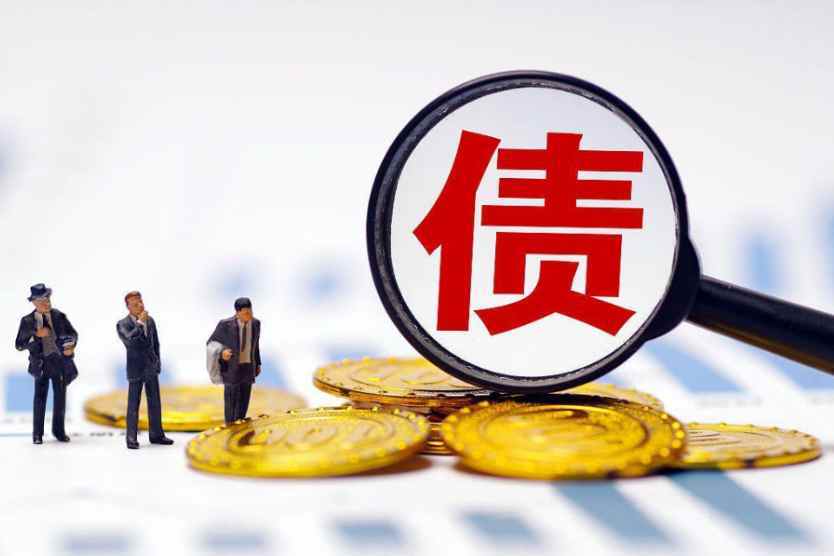
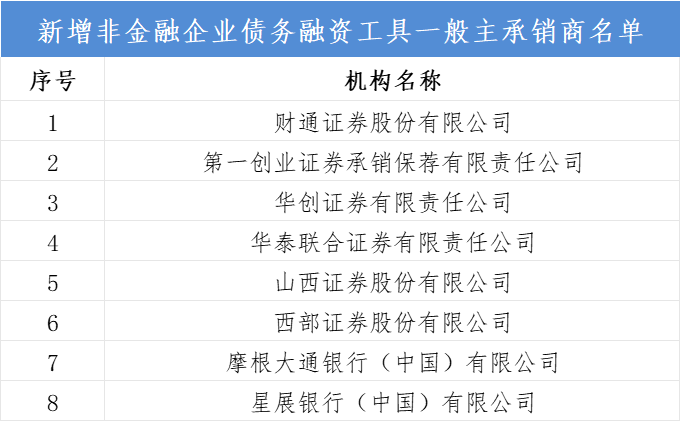
Key Points - The China Interbank Market Dealers Association announced the addition of 24 institutions qualified for underwriting non-financial corporate debt financing instruments, including 8 general lead underwriters and 15 underwriters [1] - The National Development and Reform Commission and the Ministry of Finance have allocated 62.5 billion yuan in special bonds to support the consumption of old goods, aiming to meet the demand for the upcoming New Year and Spring Festival [3] - The People's Bank of China conducted a 3.125 billion yuan reverse repurchase operation, resulting in a net injection of 253.2 billion yuan into the market [3] - The Henan Provincial Finance Department announced adjustments to the use of funds for 16 special bonds, with a total investment of 11.968 billion yuan [4] - The Tianjin Municipal Committee emphasized the need to accelerate the transformation and exit of financing platforms to effectively mitigate economic risks [5] - The Shandong Provincial Government has introduced measures to support state-owned enterprises in establishing industrial investment funds, encouraging investment in strategic emerging industries [5] - The Shandong Provincial Government Investment Management Measures prohibit local governments from illegally borrowing debt to fund government investment projects [6] - Four companies in Henan have been approved to register a total of 4.241 billion yuan in debt financing instruments [7] - Zhengzhou Urban Construction Group issued 500 million yuan in medium-term notes with a 5-year term and interest rates of 2.49% and 2.39% [9] - The Xinyang Shentou Operation Management Company plans to issue 1 billion yuan in corporate bonds, with Guosen Securities as the underwriter [11] - The Henan Cultural Tourism Investment Group signed a controlling acquisition agreement with Yimei International Travel Agency to strengthen their position in the inbound tourism market [12] - The Jiyuan Investment Group announced a non-compensatory transfer of 54.51 million shares of Henan Yuguang Gold Lead Co., Ltd., valued at 626 million yuan [14] - The China Securities Association released the results of the bond business quality evaluation, with 14 companies receiving an A rating [14] - The market outlook for 2026 indicates new characteristics in the bond market, including potential downward pressure on interest rates and a possible "dual bull" market scenario for stocks and bonds [20][21]
银行间市场新增24家机构获得债务融资工具承销商资格
Xin Hua Cai Jing· 2025-12-30 13:07
Core Viewpoint - The China Interbank Market Dealers Association announced the results of market evaluations for member applications to engage in underwriting non-financial corporate debt financing instruments, adding 8 general underwriters, 1 technology innovation underwriter, and 15 underwriters in total [1]. Group 1: New General Underwriters - Eight new members have been added as general underwriters for non-financial corporate debt financing instruments, including Caitong Securities Co., Ltd., First Capital Securities Co., Ltd., and Huachuang Securities Co., Ltd. [2] - The complete list of new general underwriters includes: 1. Caitong Securities Co., Ltd. 2. First Capital Securities Co., Ltd. 3. Huachuang Securities Co., Ltd. 4. Huatai United Securities Co., Ltd. 5. Shanxi Securities Co., Ltd. 6. Western Securities Co., Ltd. 7. JPMorgan Chase Bank (China) Co., Ltd. 8. DBS Bank (China) Ltd. [2] Group 2: New Technology Innovation Underwriter - Zhongyin International Securities Co., Ltd. has been added as the main underwriter for technology innovation non-financial corporate debt financing instruments, which includes the underwriting of bonds supporting technological innovation [3]. Group 3: New Underwriters - Fifteen new members have been added as underwriters for non-financial corporate debt financing instruments, including Jiangsu Zhangjiagang Rural Commercial Bank Co., Ltd., Bohai Securities Co., Ltd., and Founder Securities Co., Ltd. [4] - The complete list of new underwriters includes: 1. Jiangsu Zhangjiagang Rural Commercial Bank Co., Ltd. 2. Luzhou Bank Co., Ltd. 3. Rizhao Bank Co., Ltd. 4. Weifang Bank Co., Ltd. 5. Bohai Securities Co., Ltd. 6. Debon Securities Co., Ltd. 7. Founder Securities Co., Ltd. 8. Guohai Securities Co., Ltd. 9. Guolian Minsheng Securities Co., Ltd. 10. Guoxin Securities Co., Ltd. 11. Huaxin Securities Co., Ltd. 12. Huayuan Securities Co., Ltd. 13. Shanghai Securities Co., Ltd. 14. Century Securities Co., Ltd. 15. Southwest Securities Co., Ltd. [4] Group 4: Regulatory Requirements - The qualifications for engaging in non-financial corporate debt financing instrument underwriting are limited to legal entities participating in the market evaluation. Underwriters must establish relevant departments and personnel for underwriting business and develop operational procedures, risk management, and internal control systems [5]. - After obtaining underwriting qualifications, underwriters must collaborate with those possessing independent underwriting capabilities and may independently conduct underwriting after gaining certain experience [5].


华龙证券:以文化引领 书写金融赋能新篇章
Zhong Zheng Wang· 2025-12-30 13:02
Core Viewpoint - The article emphasizes the importance of financial culture in driving the healthy development of the economy, highlighting HuLong Securities' commitment to social welfare, customer wealth creation, shareholder returns, and employee value realization [1] Group 1: Financial Services and Innovation - HuLong Securities focuses on serving the real economy, particularly in the technology innovation sector, by participating in initiatives like the "Yuruyi Plan" in Gansu Province, investing over 1.3 billion yuan in advanced manufacturing and biomedicine through various financial instruments [1] - The company has successfully assisted in the listing of cloud-based technology companies on the Beijing Stock Exchange and has issued innovation bonds and established industry funds to support local tech enterprises [1] Group 2: Green Finance - HuLong Securities integrates the concept of "green mountains and clear waters are invaluable assets" with a prudent financial culture, supporting regional green transformation [2] - The company acted as a financial advisor in the major asset restructuring of Gansu Energy, completing a 7.6 billion yuan asset transfer and 1.9 billion yuan financing, facilitating its transition to a comprehensive energy company [2] Group 3: Inclusive Finance - The company emphasizes its commitment to inclusive finance as a means to enhance social welfare, empowering small and micro enterprises through diverse channels and innovative educational models [2] - HuLong Securities has invested over 7.5 million yuan in support initiatives for regions like Gannan and Tianshui, and its team won second place in a national investor rights knowledge competition [2] Group 4: Pension Finance - In response to societal aging demands, HuLong Securities has initiated a fund for the development of the pension service industry, investing 450 million yuan to support the construction of the pension system [3] - The company has introduced financial products tailored for elderly needs and developed a comprehensive pension finance service system, including educational initiatives for seniors [3] Group 5: Digital Finance - HuLong Securities embraces digital transformation while maintaining compliance, enhancing service efficiency through initiatives like "one machine handles all" and local deployment of financial AI models [3] - The company applies cutting-edge technology in risk management and investment decision-making, ensuring high-quality development while adhering to risk management principles [3] Group 6: Future Outlook - Looking ahead, HuLong Securities aims to uphold the banner of Chinese financial culture, focusing on compliance, integrity, professionalism, and win-win cooperation, while enhancing service capabilities to support the real economy [4] - The company is committed to preventing systemic risks and contributing to the modernization of Gansu Province through its financial initiatives [4]

国泰海通(02611)获准公开发行一年期以上公司债券面值总额不超过 800 亿元
智通财经网· 2025-12-30 11:21
智通财经APP讯,国泰海通(02611)公布,日前,公司收到中国证券监督管理委员会(以下简称中国证监 会)《关于同意国泰海通证券股份有限公司向专业投资者公开发行公司债券注册的批复》(证监许可 〔2025〕2824 号),批复主要内容如下:同意公司向专业投资者公开发行公司债券的注册申请。其中, 本次公开发行一年期以上公司债券面值总额不超过 800 亿元,本次公开发行短期公司债券面值余额不超 过 300 亿元。 ...
