文化旅游

Search documents
基础设施REITs扩围 资产图谱不断丰富完善
Jin Rong Shi Bao· 2025-12-03 01:08
Core Viewpoint - The National Development and Reform Commission (NDRC) has issued the "Industry Scope List for Infrastructure Real Estate Investment Trusts (REITs) Projects (2025 Edition)," significantly expanding the asset categories included in infrastructure REITs, reflecting the internal demand for economic transformation and the public's desire for a better life [1][2]. Group 1: Expansion of Asset Categories - The new list includes high-quality asset categories such as sports venues, commercial travel and cultural sports complexes, four-star and above hotels, commercial office facilities, and urban renewal facilities, marking a major breakthrough in the scope of infrastructure REITs [1][2]. - Since the launch of infrastructure REITs in 2020, the market has continuously expanded, now covering 12 major industries and 52 asset types, with 18 asset types from 10 industries already achieving their first issuance [2][3]. Group 2: Consumer Infrastructure and Sports Consumption - The expansion of the scope to include consumer infrastructure signifies a shift in understanding, moving from merely providing shopping spaces to offering high-quality living and service experiences [2][3]. - The inclusion of sports venues supports the national strategy for public fitness and expands new spaces for sports consumption, aligning with government efforts to enhance financial support for the sports industry [3][4]. Group 3: Commercial Office Facilities - The list allows independent commercial office facilities to issue REITs for the first time, which aligns with international REIT market practices and is a cautious decision based on China's national conditions [4][5]. - This move is expected to significantly expand asset scale and attract a broader range of investors, while also providing stable operating spaces and quality business environments for the real economy [4][5]. Group 4: Urban Renewal Facilities - Urban renewal facilities have been included as an independent category, providing strong financial support for national urban renewal strategies [5]. - The introduction of infrastructure REITs is seen as a solution to challenges such as large investment scales and long recovery periods in urban renewal projects, promoting a sustainable operational model and enhancing the long-term vitality of updated areas [5].
镇江赴深引资“文创未来”
Shen Zhen Shang Bao· 2025-12-02 16:43
Group 1 - The core event was the signing of 22 cooperation agreements and projects between Zhenjiang and enterprises in the Guangdong-Hong Kong-Macao Greater Bay Area, aimed at enhancing cultural industry collaboration and resource integration [1][2] - The signed agreements include 5 strategic cooperation agreements and 17 cultural industry projects, focusing on areas such as cultural tourism, cultural technology, and cultural intelligent manufacturing [1][2] - The projects highlight the integration of culture with technology, tourism, and intelligent manufacturing, showcasing the dynamic development of these sectors [1] Group 2 - Zhenjiang's cultural industry is characterized by a rich heritage and a strategic development layout, which includes over 22,000 cultural industry activity units and 17 provincial-level cultural industry demonstration bases [2] - The city aims to leverage its cultural strengths in collaboration with the Greater Bay Area, focusing on areas like digital culture, cultural tourism integration, and intelligent manufacturing [2] - Prior to the event, the Zhenjiang delegation conducted visits to over 20 well-known companies and institutions, including Huawei and Baidu, to showcase Zhenjiang's investment environment and development potential in the cultural industry [3]
“咱们都姓泰”——泰安泰州签署文旅合作协议
Qi Lu Wan Bao· 2025-12-02 15:04
Core Viewpoint - The meeting between Tai'an and Taizhou aims to enhance cultural and tourism cooperation, leveraging the unique geographical and cultural attributes of both cities to promote high-quality development in the tourism sector [1][2]. Group 1: Meeting Highlights - The meeting was attended by key officials from both cities, emphasizing the historical and cultural connections that facilitate collaboration [1]. - Tai'an is characterized by its mountainous terrain, while Taizhou is known for its water resources, representing a complementary partnership [1]. - Cooperation will focus on four main areas: strengthening collaboration, expanding market reach, mutual benefits, and deepening exchanges [1]. Group 2: Collaborative Initiatives - A promotional initiative was launched, allowing Taizhou residents to obtain a special annual pass for Mount Tai, which includes benefits such as smart guides and climbing packages [2]. - Taizhou becomes the first city outside Shandong Province to enjoy the annual pass policy for Mount Tai, indicating a significant step in regional tourism collaboration [2]. - Details regarding the annual pass and associated benefits can be accessed through official channels of Mount Tai [2].
动物主题动漫带游客解锁“有一种叫云南的生活”
Zhong Guo Xin Wen Wang· 2025-12-02 13:35
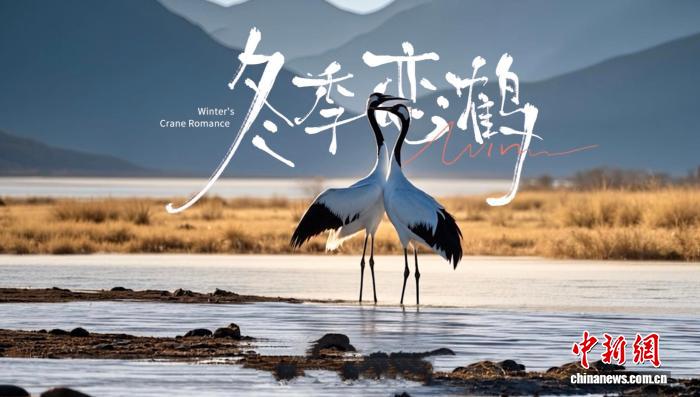
Core Viewpoint - The launch of the animated series "Traveling in Yunnan: Where the Heart Goes" aims to integrate Yunnan's ecological wonders with the cultural brand "A Life Called Yunnan," promoting tourism and residency in the region through creative cultural initiatives [1][3]. Group 1: Series Overview - The series includes a preview and five short films, each approximately 2 minutes long, showcasing the seasonal beauty and wildlife of Yunnan [5]. - The short films feature key protected species such as the green peacock, Asian elephant, Yunnan golden monkey, and black-necked crane, highlighting the natural scenery and cultural aspects of Yunnan throughout the four seasons [3][5]. Group 2: Seasonal Themes - The spring episode "Dance of the Sparrows" is set in the Dai villages of Chuxiong Yi Autonomous Prefecture, attracting urban dwellers seeking a retreat [5]. - The summer episode "Summer of the Elephants" explores the tropical rainforests of Xishuangbanna, capturing the daily life of Asian elephant families [5]. - The autumn episode "Golden Monkeys in Autumn" focuses on the interactions between Yunnan golden monkeys and outdoor enthusiasts in the Diqing Tibetan Autonomous Prefecture [5]. - The winter episode "Winter Love of Cranes" depicts the black-necked cranes in the Shangri-La wetlands, showcasing the harmony between nature and culture [5]. Group 3: Creative Intent - The creative team aims to use engaging narratives and stunning visuals to create an immersive experience for viewers, allowing them to feel the essence of Yunnan's landscapes and the tranquility of a life intertwined with nature [7]. - The series serves as a deep interpretation and visual representation of the "A Life Called Yunnan" concept, celebrating the region's breathtaking scenery and biodiversity [8].

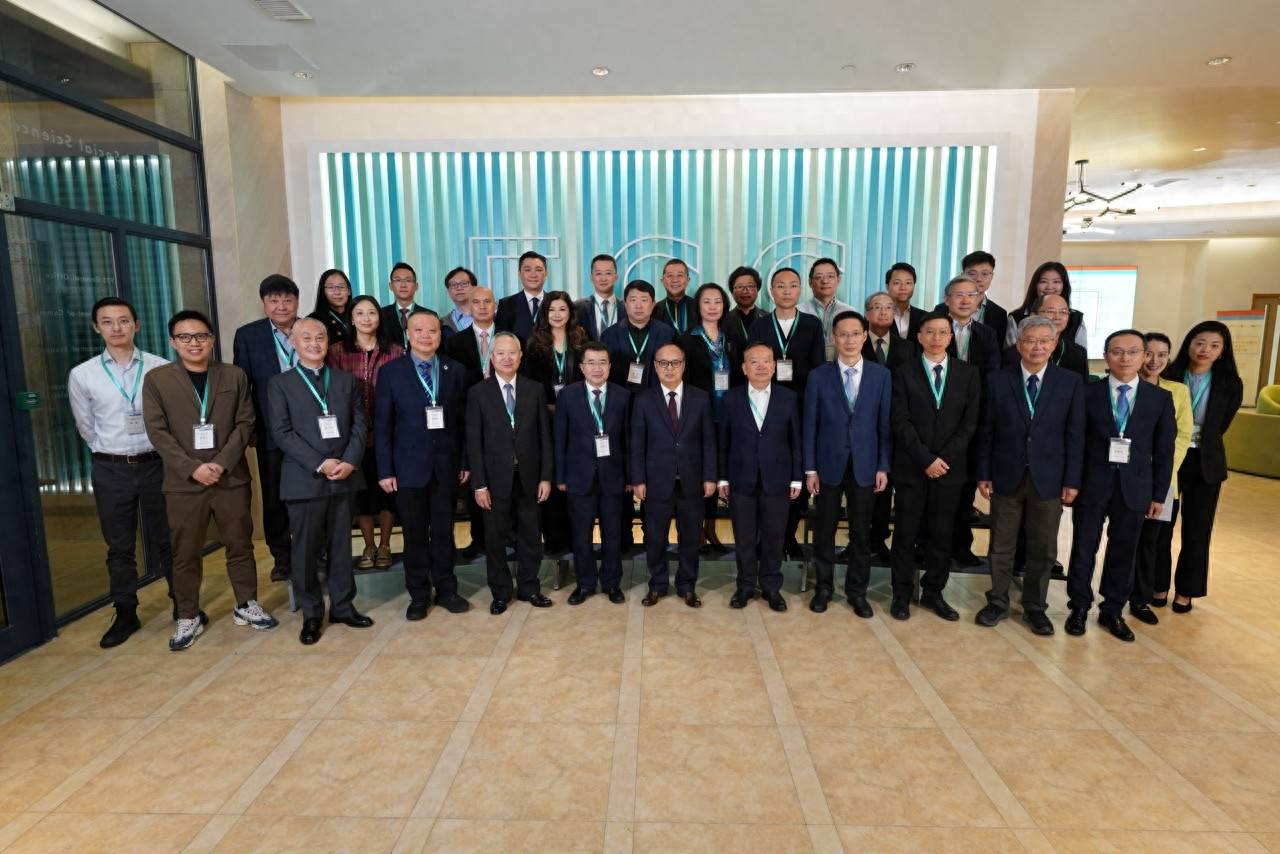
正佳集团在“读懂中国”国际会议阐述文旅产业新使命:以文旅为桥,促文明互鉴
Zhong Guo Fa Zhan Wang· 2025-12-02 12:25
Core Viewpoint - The development of the cultural tourism industry is essential for building a "tourism powerhouse" and should serve as a bridge for connecting history with the present and promoting dialogue among civilizations [1][2] Group 1: Transformation in Cultural Tourism - The high-quality development of the cultural tourism industry requires a key transformation from static displays reliant on resource endowments to deep interactive experiences that resonate culturally and innovatively [1] - The industry should shift from single operational models to a "culture-commerce-tourism+" integrated ecosystem to create new productive forces [1] Group 2: Practical Examples and Future Projects - The transformation of Zhengjia Plaza from a commercial space to a multi-cultural urban space has been highlighted, with the project receiving millions of visitors annually and recognized as a national 4A-level tourist attraction [1] - The upcoming Hatfeng Bay International Cultural Tourism Resort project aims to present the historical context of Chinese civilization through immersive experiences, providing a direct window for both domestic and international visitors to understand Chinese culture [1] Group 3: Significance of Cultural Tourism Integration - The deeper significance of cultural tourism integration lies in promoting understanding and dialogue among civilizations, with innovative expressions of Chinese culture serving as tangible examples for "Understanding China" [2] - The discussions at the forum included exchanges on China's development path, industrial innovation, and cultural dissemination, providing reference ideas for the cultural tourism industry's role in cultural heritage and modern development [2]
地方政府与城投企业债务风险研究报告:黑龙江篇
Lian He Zi Xin· 2025-12-02 11:10
1. Report Industry Investment Rating No relevant content provided. 2. Core Viewpoints of the Report - Heilongjiang Province has abundant agricultural and forestry resources and excellent conditions for animal husbandry development. Its economic aggregate is at the lower level in the country, with a slowdown in economic growth in 2024 and a low - ranking per capita GDP. The tertiary industry is the main driving force for economic growth, and the cultural tourism industry maintains high - speed development [4][5]. - In 2024, Heilongjiang Province's general public budget revenue and government - funded revenue increased, but the scale ranks low in the country. The fiscal self - sufficiency ability is weak, and the provincial government's comprehensive financial resources are strongly supported by superior subsidy income. The government debt ratio is relatively high [4]. - The economic strength of prefecture - level cities in Heilongjiang Province varies significantly. Harbin leads in economic development. Except for Daqing, the per capita GDP of other prefecture - level cities is lower than the national average. Harbin has much higher comprehensive financial resources, but most prefecture - level cities have a high dependence on superior subsidies, and the debt ratio of most prefecture - level cities has risen rapidly [4]. - With some prefecture - level cities in Heilongjiang Province completing the early redemption of urban investment bonds, the net financing amount of bonds has been negative. Currently, only Harbin and Mudanjiang have urban investment enterprises with outstanding bonds, and the overall scale of outstanding urban investment bonds is small. In 2024, the cash flow from financing activities of urban investment enterprises in each prefecture - level city showed a net outflow, and the short - term solvency indicators of urban investment enterprises in Mudanjiang are weak [4]. 3. Summary According to Relevant Catalogs 3.1 Heilongjiang Province's Economic and Fiscal Strength 3.1.1 Regional Characteristics and Economic Development Status - Heilongjiang Province is rich in agricultural, forestry, and mineral resources, and is an important national energy and raw material base, as well as the country's most important commodity grain base and grain reserve base. The province has strong tourism development momentum, with 135.083 million domestic and foreign tourists received during the 2024 - 2025 ice and snow season, a year - on - year increase of 18.5%, and tourist spending of 211.72 billion yuan, a year - on - year increase of 30.7% [6]. - The population has a net outflow, and the urbanization rate is slightly higher than the national average. As of the end of 2024, the permanent population was 30.29 million, a decrease of 1.08% from the end of the previous year, and the urbanization rate was 68.04%, an increase of 0.94 percentage points from the end of the previous year [8]. - The economic aggregate is at the lower level in the country, with a low - ranking per capita GDP. In 2024, the GDP was 1.64769 trillion yuan, ranking 25th in the country, with a growth rate of 3.20%, lower than the national average. The per capita GDP was 54,100 yuan, ranking 30th in the country. From January to August 2025, the GDP was 708.77 billion yuan, a year - on - year increase of 5.1% [9]. - The proportion of the secondary industry has decreased, while that of the tertiary industry has increased significantly. In 2024, the three - industry structure was adjusted to 19.4:25.2:55.4. The added value of the first industry was 320.33 billion yuan, a 2.9% increase; the second industry was 414.73 billion yuan, a 0.2% year - on - year decrease; and the third industry was 912.62 billion yuan, a 4.7% year - on - year increase [12]. - Heilongjiang Province plans to build a core area of the national food security industrial belt, create a "433" new industrial system, and promote the development of four new economic industries: digital economy, biological economy, ice and snow economy, and creative design [13]. - The provincial government has introduced a series of policies to promote economic development, covering digital economy, tourism, private economy, service consumption, and other aspects [17]. 3.1.2 Fiscal Strength and Debt Situation - From 2022 to 2024, the general public budget revenue of Heilongjiang Province increased year by year, but its scale ranked low in the country, and the fiscal self - sufficiency ability was weak. The government - funded revenue fluctuated and increased, with a relatively small overall scale. Superior subsidy income accounted for 74.47%, 75.74%, and 75.55% of the comprehensive financial resources respectively, providing strong support [18][19]. - The government debt ratio is relatively high. At the end of 2024, the local government debt ratio and the local government debt - to - GDP ratio were 145.32% and 58.43% respectively, ranking 8th and 25th among 31 provinces (sorted from low to high) [20]. 3.2 Economic and Fiscal Conditions of Prefecture - Level Cities in Heilongjiang Province 3.2.1 Economic Strength of Prefecture - Level Cities - The economic strength of prefecture - level cities in Heilongjiang Province varies significantly. Harbin leads, followed by Daqing, Qiqihar, and Suihua. Except for Daqing, the per capita GDP of other prefecture - level cities is lower than the national average. Harbin, Mudanjiang, and the Daxing'anling region have a high proportion of the tertiary industry, while Daqing has a high proportion of the second industry [23]. - Each region has different industrial layouts. The Harbin modern urban circle focuses on biomedicine, equipment manufacturing, and green food processing; the eastern city group focuses on green food processing and energy chemical industry; the ecological region focuses on ecological tourism, forestry, and ecological agriculture. As of the end of March 2025, there are 40 domestic listed companies in prefecture - level cities, with a total market value of 366.95 billion yuan, a year - on - year increase of 7.0% [24]. - In 2024, except for Jixi, Hegang, and Qitaihe, the economy of other prefecture - level cities in Heilongjiang Province grew. Harbin and Daqing had the leading GDP scales. Daqing had the highest per capita GDP in the province. The urbanization levels of most prefecture - level cities were acceptable, but Qiqihar, Suihua, and Jiamusi had relatively low levels. Harbin, Mudanjiang, and the Daxing'anling region had a tertiary - industry - dominated industrial structure, while Daqing had a secondary - industry - dominated structure [26]. 3.2.2 Fiscal Strength and Debt Situation of Prefecture - Level Cities - **Fiscal Revenue**: The general public budget revenue of prefecture - level cities in Heilongjiang Province varies greatly. Harbin's general budget revenue is much higher. In 2024, the general public budget revenue of Qitaihe, Daqing, and Qiqihar decreased year - on - year, while that of the rest increased. Except for Harbin, Daqing, Mudanjiang, and the Daxing'anling region, the tax revenue of other prefecture - level cities decreased to varying degrees. The tax revenue ratio was not high, and only Harbin and Daqing had a tax revenue ratio of over 60%. Except for Daqing, the fiscal self - sufficiency ratio of other prefecture - level cities was below 30% [29]. - The government - funded revenue of some prefecture - level cities increased, while that of others decreased. The superior subsidy income of each prefecture - level city contributed significantly to the comprehensive financial resources. In 2024, Harbin, Qiqihar, Suihua, and Jiamusi received over 30 billion yuan in superior subsidy income [31][32]. - **Debt Situation**: At the end of 2024, the government debt balance of each prefecture - level city increased, with Harbin having the largest balance of 348.631 billion yuan. The debt balance of Jixi, Jiamusi, and Mudanjiang increased rapidly. The debt - to - GDP ratio of each prefecture - level city increased significantly. The debt ratio of Heihe changed little, while that of the rest increased significantly. The debt ratios of Yichun, Qiqihar, Heihe, and the Daxing'anling region were below 100%, and Harbin's was the highest, exceeding 250% [32]. - **Debt Management Policies and Measures**: Heilongjiang Province manages debt by budget repayment, asset revitalization, and write - off. Some prefecture - level cities have established risk emergency response plans. From 2023 to 2024 and from January to October 2025, the province issued 31.3 billion yuan, 50.7 billion yuan, and 48.4 billion yuan of special refinancing bonds respectively. The provincial government has strengthened the management of "three guarantees" expenditures and local debt monitoring [35]. 3.3 Solvency of Urban Investment Enterprises in Heilongjiang Province 3.3.1 Overview of Urban Investment Enterprises As of October 14, 2025, there are 4 urban investment enterprises with outstanding bonds in Heilongjiang Province, all at the prefecture - level. Among them, 3 are in Harbin and 1 is in Mudanjiang. Since 2024, the urban investment bonds of Qiqihar and Daqing have been redeemed in advance. There are 2 AA + - rated urban investment enterprises, both in Harbin, and the rest are AA - rated [39]. 3.3.2 Bond Issuance of Urban Investment Enterprises - In 2024, the issuance scale of urban investment bonds in Heilongjiang decreased year - on - year. The net financing amount of bonds has been negative. As of October 14, 2025, the outstanding bond scale of urban investment enterprises in the province was 11.488 billion yuan, a 45.26% decrease from the end of 2024. In 2024, the issuance scale was 2 billion yuan, with 910 million yuan in Harbin and 1.09 billion yuan in Mudanjiang. From the beginning of 2025 to October 14, 2025, the issuance scale was 5.286 billion yuan, concentrated in Harbin [40]. - In 2024, the issuance scales of AA + and AA - rated urban investment enterprises accounted for 37.50% and 62.50% of the total provincial scale respectively. In 2024, the net financing of urban investment bonds was - 3.021 billion yuan, and the net financing of urban investment bonds in Harbin was 160 million yuan. Due to early bond redemption and other factors, the net financing amounts of urban investment bonds in Daqing, Qiqihar, and Mudanjiang were - 1.316 billion yuan, - 1.16 billion yuan, and - 705 million yuan respectively [41]. 3.3.3 Solvency Analysis of Urban Investment Enterprises - The total debt capitalization ratio of urban investment enterprises with bond issuance in Heilongjiang Province decreased and was below 30%. In 2024, the cash flow from financing activities of urban investment enterprises in each prefecture - level city showed a net outflow. The short - term solvency indicators of urban investment enterprises in Mudanjiang are weak [42]. - As of the end of 2024, the total debt scale of urban investment enterprises with bond issuance in Heilongjiang Province exceeded 60 billion yuan, with 46.814 billion yuan in Harbin, 11.784 billion yuan in Mudanjiang, and 6.943 billion yuan in Daqing. The short - term debt ratios of Harbin, Mudanjiang, and Daqing were 38.52%, 21.70%, and 46.46% respectively [42]. - The overall concentrated repayment pressure of urban investment enterprises with bond issuance in Heilongjiang Province from 2025 to 2026 is acceptable. As of the end of 2024, the coverage of cash - like assets to short - term debt of urban investment enterprises in Mudanjiang was only 0.24 times, with relatively large short - term solvency pressure [43][46]. 3.3.4 Support and Guarantee Ability of Fiscal Revenue of Prefecture - Level Cities for the Debt of Urban Investment Enterprises The prefecture - level cities with outstanding bond - issuing urban investment enterprises in Heilongjiang Province are only Harbin and Mudanjiang. In Harbin, the scale of "total debt of bond - issuing urban investment enterprises + local government debt" is large, and the ratio of "total debt of bond - issuing urban investment enterprises + local government debt" to comprehensive financial resources exceeds 300% [48].
澳门大学举办 “打造中西文明互鉴的文化金名片”学术研讨会
Sou Hu Cai Jing· 2025-12-02 09:41
Core Points - The academic seminar titled "Creating a Cultural Golden Brand for Mutual Learning between Chinese and Western Civilizations" will be held at the University of Macau on December 1, 2025, aiming to explore how to establish Macau as an important window for cultural exchange between China and the West [1]. Group 1 - The seminar will feature prominent guests, including officials from the Central People's Government Liaison Office in Macau and various cultural and policy experts [4]. - The opening ceremony will be addressed by the President of the University of Macau and the Dean of the Faculty of Social Sciences, highlighting the university's role in cultural and governance research [4]. Group 2 - Discussions will focus on five main themes: contemporary expression and value realization of cultural heritage, development of distinctive cultural tourism routes, establishing Macau as a hub for performing arts, creating an open city for global exchange, and the development positioning of Hengqin Island in relation to Macau's cultural tourism brand [7]. - Experts believe that Macau's historical and cultural characteristics provide a solid foundation for innovative cultural development, potentially creating a sustainable model for cross-civilization dialogue [7]. Group 3 - As Macau promotes moderate economic diversification, its cultural and creative industries are expected to complement the gaming industry, shaping a "cultural golden brand" with both local roots and international perspectives [9]. - The initiative to create a cultural golden brand aligns with the development blueprint of the Guangdong-Hong Kong-Macau Greater Bay Area and the national strategy of cultural confidence and regional integration [9].
解析上市公司定增是否属于公开发行证券
Sou Hu Cai Jing· 2025-12-02 06:23
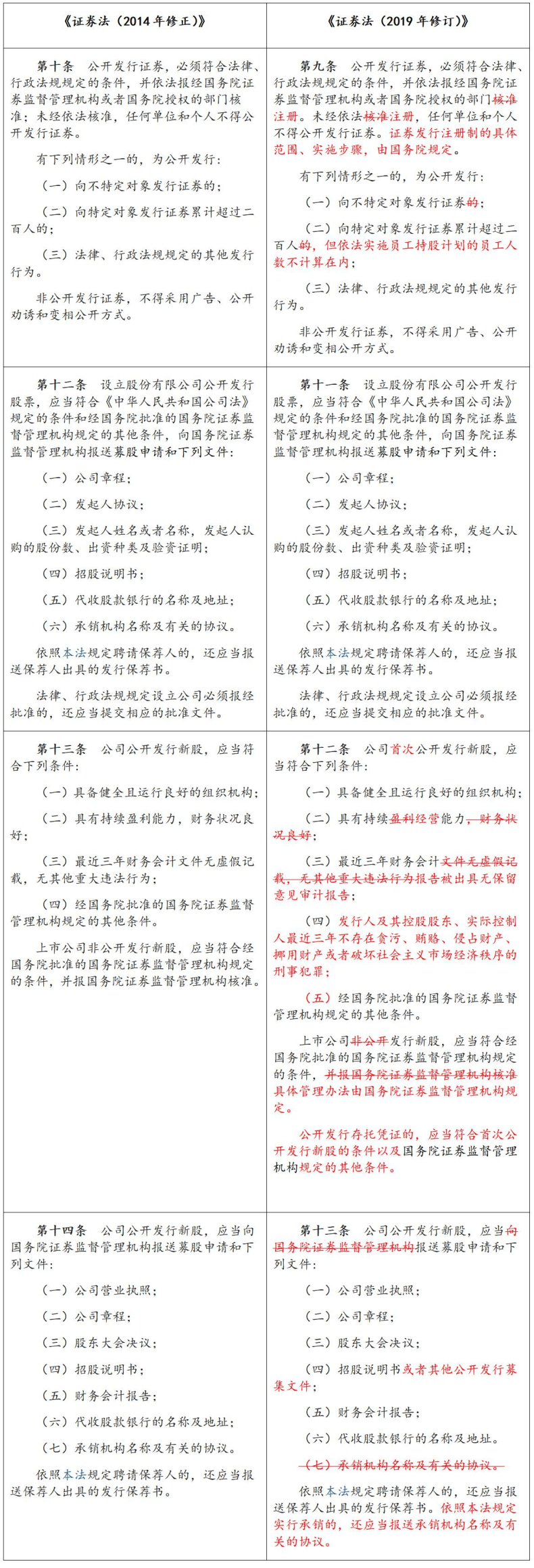
Core Viewpoint - The article discusses the evolution of regulations regarding the issuance of shares by listed companies in China, particularly focusing on the classification of private placements as public offerings under the new registration system. Group 1: Background of the Issue - In 2015, the Chinese stock market experienced a significant crash, leading to regulatory measures that restricted major shareholders from selling shares in the secondary market for six months [2]. - The China Securities Regulatory Commission (CSRC) introduced stricter regulations on share reductions by major shareholders and executives in 2016 and 2017, aiming to stabilize the market and protect investors [3][4]. Group 2: Regulatory Evolution - The CSRC revised the regulations in 2020 to enhance the convenience of refinancing for listed companies, stating that shares obtained through private placements would not be subject to the same reduction rules as publicly issued shares [4][5]. - The introduction of the registration system in 2019 marked a significant shift, as it eliminated the distinction between public and private placements, treating all share issuances uniformly under the new framework [11][16]. Group 3: Understanding Public vs. Private Offerings - Prior to the registration system, shares issued to specific entities were widely accepted as private placements, but this perception changed post-2019 [10][11]. - The revised Securities Law no longer differentiates between public and private offerings, indicating that all share issuances, including those to specific entities, are now considered public offerings [15][16]. Group 4: Practical Implications - The CSRC's recent guidelines confirm that shares issued to specific entities are classified as public offerings, thus subjecting them to the same reduction rules applicable to publicly issued shares [23][24]. - Case studies demonstrate that shareholders reducing their stakes from shares acquired through private placements are treated under the public offering rules, reinforcing the new regulatory stance [25]. Group 5: Conclusion - The article concludes that under the current registration system, shares issued by listed companies to specific entities are classified as public offerings, aligning with the broader regulatory framework [26].
“跟着国宝游济南”文旅IP品牌传播计划正式启动
Qi Lu Wan Bao· 2025-12-02 02:50
文物是凝固的历史,是承载文明记忆的瑰宝。济南市文化和旅游局党组书记、局长马利在致辞中指出, 济南作为国家历史文化名城,拥有超过四千年绵延不绝的文明积淀。城子崖、齐长城、孝堂山、四门塔 等众多文化遗产,不仅是城市肌理中的珍贵记忆,更是"泉城故事"的生动载体与实证。目前,济南市共 有不可移动文物2274处,各级文物保护单位942处;馆藏珍贵文物3804件(套),其中一级文物116件 (套)。这些数字背后,是济南深厚而璀璨的文化家底。 济南市文化和旅游局正式推出"跟着国宝游济南"文旅IP品牌传播计划,旨在让丰富的文物资源突破展柜 与原野的静态局限,真正"活起来",成为可亲、可感、可共情的城市名片。 该计划涵盖"国宝讲述人、国宝影像、国宝文创、国宝线路"四大板块,以文物为载体,以传播为驱动, 将静态遗产转化为动态的、可体验的文化旅游资源。此举旨在让每一件国宝都成为济南故事的讲述者, 让每一次游览都成为与历史文明的深度对话,最终实现"在保护中发展、在发展中传承"的良性循环。 12月1日,"跟着国宝游济南"文旅IP品牌传播计划在韩美林艺术馆正式启动,同期举行了大型历史文化 纪录片《孝堂山》的上线首映活动。此次活动是济南市 ...
安徽、河南两地联合印发《皖豫省际毗邻地区合作发展实施方案》:LP跨区域合作,完善共同招商机制
FOFWEEKLY· 2025-12-01 10:01
Core Viewpoint - The article discusses the implementation plan for cooperative development between Anhui and Henan provinces, focusing on enhancing collaborative investment mechanisms and promoting industrial transfer from eastern regions through market-oriented approaches [1]. Group 1: Industrial Development - The plan aims to create specialized industrial clusters, particularly in the new energy vehicle sector and advanced materials, including new energy industries such as wind, solar, and hydrogen energy [5]. - It emphasizes the development of a green food industry cluster through collaboration in agricultural product processing, focusing on high-quality grains, fruits, and vegetables [5]. Group 2: Infrastructure Connectivity - The initiative includes the construction of key highways and railways to improve transportation networks between the two provinces, such as the Nanjing to Xinyang highway and high-speed rail projects [5]. - It also plans to enhance waterway transport by upgrading existing channels and establishing cross-province navigation mechanisms [5]. Group 3: Urban-Rural Integration - The plan promotes urbanization efforts in potential areas, encouraging the development of small and medium-sized cities and enhancing rural public services [5]. - It aims to strengthen agricultural supply chains and support the production of specialty agricultural products, including traditional Chinese medicinal herbs [5]. Group 4: Ecological and Environmental Protection - The article outlines strategies for ecological restoration in the Huai River basin, focusing on joint pollution control and the establishment of ecological corridors [6]. - It also addresses air quality improvement through collaborative management of emissions from industries and vehicles [6]. Group 5: Regional Cooperation Mechanisms - The plan proposes the establishment of a free flow mechanism for resources and data sharing to facilitate market integration and enhance investment opportunities [7]. - It encourages the creation of cross-border e-commerce zones and the development of international trade bases for agricultural products [7].