智能硬件

Search documents
那些昙花一现的AI硬件做错了什么?Nest创始人指出根本原因
Huan Qiu Wang· 2025-10-24 03:42
Core Insights - Recent high-profile AI hardware products have failed, prompting deep reflection within the industry, with the fundamental issue being that they are built on hype rather than functionality [1][3] Group 1: Critique of Current AI Hardware - The current AI hardware has three major failures: Humane's AI Pin lacks integration of core smartphone functions and has user-unfriendly operation; Rabbit's R1 was launched without a clear use case; and the new Friend necklace device fails to answer the question of its utility [3] - The focus on packaging, industrial design, and marketing has led to a significant disconnect from actual user needs [3] Group 2: Comparison with Successful Products - The success of the original iPhone was attributed to addressing daily user pain points, such as cumbersome keyboards and poor mobile browsing experiences, aligning with Larry Page's "toothbrush test" which emphasizes solving high-frequency user needs [3] - None of the current AI hardware products have passed this "toothbrush test" [3] Group 3: Future of AI Technology - Despite a cooling market, there is a belief that the future of AI technology is still tied to hardware, with a notable investment of $6.4 billion by OpenAI into Jony Ive's startup seen as a potential turning point for AI integration into daily life [3] - The key to success lies in shifting focus to the smartphone sector, where hardware must meet daily needs more effectively [3] Group 4: Challenges Ahead - Two major challenges are highlighted: the urgent need for high-end software talent in Ive's team and the necessity to navigate the realities of using Google's Android system [3] - While Ive's Apple background may pose competitive challenges with OpenAI and Google, leveraging the open-source nature of Android could provide the fastest path to return on investment [3] Group 5: Conclusion on AI Integration - Manufacturing AI smartphones is deemed the most challenging task in the tech industry since 2007, with the assertion that for AI to truly integrate into billions of lives, it must be compatible with the existing world [4] - OpenAI is urged to develop the next generation of smartphone iterations rather than spending months on products that do not complement or compete with existing smartphones [4]


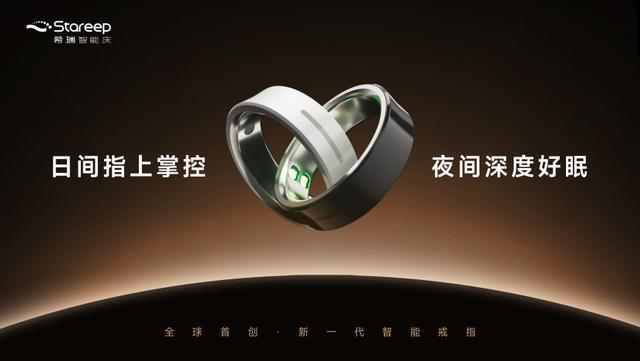
希瑞发布智能戒指 “全天候”健康生态野心初显
Huan Qiu Wang Zi Xun· 2025-10-24 03:09
Core Insights - The global smart ring giant ŌURA has completed a new financing round with a valuation of $11 billion, indicating the potential of this market is just beginning to be realized [1] - The emerging sleep health technology brand Stareep aims to redefine the competitive landscape of the smart ring market by combining "smart bed + smart ring" into an ecosystem [1] - Stareep recognizes that the key to success lies not in cold metrics but in the deep interpretation of health data, ecological synergy, and the human touch in technology [1] Group 1: Product Features and Innovations - Stareep's smart ring offers deeper health insights and personalized emotional connections, focusing on metabolic health and emotional well-being [3] - The smart ring provides non-invasive blood glucose trend monitoring, which is a significant advancement for those managing metabolic health and diabetes risk [3] - It quantifies emotions and stress levels by integrating multiple data points, helping users understand the impact of stress on sleep and promoting a holistic approach to health management [3] Group 2: Emotional and Personalization Aspects - Stareep's smart ring includes personalized engraving services, transforming a technological device into a unique emotional artifact that enhances user engagement [5] - This dual nature of "technology + emotion" elevates the product from a functional item to a personal companion, increasing its emotional value [5] Group 3: Ecosystem and Integration - The smart ring is part of a comprehensive "sleep-wake" ecosystem, functioning as a "mobile sentinel" that communicates with the smart bed to create a unique health management experience [6][10] - Stareep's new generation smart bed features an "AI mattress + smart bed base" architecture, enabling full-cycle sleep management and proactive intervention for better sleep quality [8] - The integration of the smart ring and smart bed allows for seamless data exchange, enhancing day-to-night health management and creating a "digital health twin" for users [12][14] Group 4: Market Positioning and Strategy - Stareep aims to establish a long-term competitive advantage through a data-driven ecosystem rather than relying solely on hardware [14] - The company is shifting from competing in the sleep hardware market to a higher-level platform competition, focusing on user health needs and technological innovation [14] - Stareep's strategy of combining smart bed and smart ring illustrates a complete vision for future health technology, emphasizing ecological strategy, deep health insights, and human-centered design [14]
阿里夸克AI眼镜24日零点开启预售,叠加平台补贴后最低3699元
Xin Lang Ke Ji· 2025-10-23 10:23
Core Insights - Alibaba is set to launch its first self-developed AI glasses, Quark AI glasses, for pre-sale on October 24, with a price of 3,699 yuan for 88VIP members and 3,999 yuan for regular consumers [1] Product Features - The glasses are equipped with dual flagship chips, Qualcomm AR1 and Hengxuan BES2800, featuring dual optical dual-eye display with adjustable viewing distance [1] - They offer an integrated fitting solution for myopic users and support rapid capture, super night scene, ultra-clear video, and dual stabilization capabilities [1] - The glasses provide infinite battery life through easily replaceable lens batteries and include mainstream functions such as calls, music, translation, reminders, and photo Q&A [1] Additional Services - During the pre-sale period, all users will receive additional benefits including a 3-year Quark cloud storage SVIP membership valued at 900 yuan, a 99 yuan lens battery, and a 10% discount on lens fitting [1] - The product also features customized services such as Gaode near-eye navigation, Alipay "Look and Pay" secure payment, Taobao price comparison, and Fliggy travel reminders [1]

35岁东北女生,干出1200亿
投资界· 2025-10-23 09:10
Core Viewpoint - Deel, a global HR tech giant, has raised $300 million in Series E funding, bringing its valuation to $17.3 billion, showcasing the rapid growth and potential of the remote work industry [3][11]. Company Overview - Deel was founded in early 2019 by Wang Shuo, who identified the pain points in global employment processes, particularly in remote work and cross-border payroll [5][6]. - The company started with a simple model focusing on cross-currency payroll payments and has since evolved to automate complex HR processes for businesses [6][7]. Growth and Financial Performance - The COVID-19 pandemic significantly accelerated Deel's business, with annual revenue skyrocketing from $4 million in 2020 to over $500 million in 2023, marking a 13-fold increase [7][12]. - Deel now processes $22 billion in payroll for 37,000 corporate clients across 150 countries, with annual recurring revenue exceeding $1 billion [7][12]. Investment and Valuation - Since its inception, Deel has attracted a diverse group of investors, including Y Combinator and A16Z, with multiple funding rounds leading to its current valuation of $17.3 billion [9][11]. - The company has maintained a consistent fundraising strategy, completing at least one financing round each year since its founding [9][10]. Industry Context - The rise of Deel reflects a broader trend among young entrepreneurs leveraging technology to address global challenges, particularly in the HR and remote work sectors [12][14]. - The success of Deel and similar companies indicates a shift in the entrepreneurial landscape, where technology-driven solutions are becoming essential for navigating complex global employment regulations [14].

大疆为何降价?
Cai Jing Wang· 2025-10-23 08:14
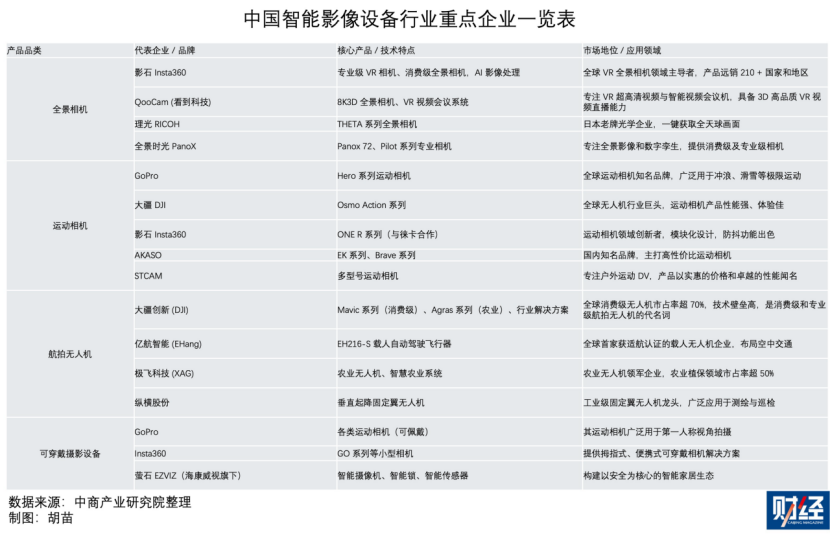
Core Insights - The competition in the smart hardware industry is becoming increasingly complex, and price reductions alone are insufficient to satisfy consumers [1][3][19] - DJI's recent price cuts on multiple products did not lead to the expected surge in sales, instead causing dissatisfaction among consumers due to inconsistent price protection policies across different sales channels [1][5] - DJI's core business, particularly in consumer drones and handheld imaging devices, is facing new challenges from various competitors [1][14][19] Group 1: DJI's Market Position and Challenges - DJI has maintained a dominant position in the global drone market with over 70% market share, although this has decreased from a peak of 85% [2][15] - The consumer drone market is approximately $10 billion, with increasing competition from brands like XAG and Xiaomi, which are targeting entry-level segments [2][15] - The handheld imaging device market is smaller, with DJI's market share declining from 19.1% to 13.2% as competitors like Insta360 gain ground [2][16] Group 2: Price Reduction Strategy and Market Reactions - DJI's recent price cuts included significant reductions, such as a drop of 1,478 yuan for the Mini 4 PRO drone and 1,129 yuan for the Osmo Action 4 camera, indicating a more aggressive promotional strategy [4][5] - The price reduction led to a backlash from consumers, particularly regarding inconsistent price protection policies between online and offline channels, prompting some retailers to offer special subsidies to affected customers [5][6] Group 3: Competitive Landscape and Industry Dynamics - The smart hardware industry is witnessing blurred boundaries as companies like Insta360 and GoPro respond to DJI's price cuts with their own promotions, indicating a price war [6][20] - New entrants, including smartphone manufacturers like Vivo and OPPO, are entering the handheld imaging market, intensifying competition [17][20] - The industry is shifting from single-product competition to ecosystem battles, where companies leverage their technological strengths across different product categories [22]
大疆,进攻还是防守?
3 6 Ke· 2025-10-23 03:34
Core Insights - DJI's recent price cuts on multiple products ahead of the 2025 "Double Eleven" event did not generate the expected surge in consumer demand, leading to market controversies and consumer dissatisfaction [1][5][6] - The price reduction is part of DJI's regular promotional strategy, but inconsistencies in price protection policies between online and offline channels have caused frustration among consumers [1][5] - DJI's core business, particularly in consumer drones and handheld imaging devices, is facing increasing competition from various players, prompting the need for inventory clearance and new product introductions [3][10] Market Overview - The global drone market is projected to reach approximately $54.6 billion in 2024, with DJI maintaining over 70% market share, although it has declined from a peak of 85% [2][15] - The consumer drone segment is valued at around $10 billion, with competitors like XAG and brands from Xiaomi and Huawei entering the market with lower-priced alternatives [2][15] - The handheld imaging device market is smaller, with a projected global market size of approximately 42.4 billion yuan in 2024, where DJI's market share has decreased from 19.1% to 13.2% [2][16] Competitive Landscape - DJI's price cuts have triggered reactions from competitors, with companies like Insta360 and GoPro launching their own promotions to counter DJI's pricing strategy [6][20] - The competitive environment in the smart hardware sector is becoming increasingly chaotic, with companies crossing traditional boundaries to capture market share [3][19] - New entrants, including smartphone manufacturers like Vivo and OPPO, are also entering the handheld imaging market, intensifying competition [17][20] Product Strategy - DJI's recent price cuts included significant reductions on popular products, such as the Mini 4 PRO drone and Osmo Action 4 camera, with discounts exceeding 1,000 yuan [4][5] - The company is also diversifying its product offerings, including the launch of a new sweeping robot, leveraging its existing technology in visual perception and motion control [21][22] - DJI's historical pricing strategies have often involved adjustments for older models and entry-level products, with recent promotions being more aggressive than usual [8][10] Consumer Response - Following the price cuts, many consumers expressed dissatisfaction on social media, particularly regarding inconsistent price protection policies across different sales channels [5][6] - Retailers like Sam's Club have had to implement special subsidies to address the backlash from customers who felt misled by the price changes [5][6] Future Outlook - The ongoing competition and market dynamics suggest that DJI's position as a market leader is being challenged, necessitating strategic adaptations to maintain its competitive edge [19][23] - The blurring of boundaries between different product categories indicates a shift towards an ecosystem-based competition, where companies must innovate continuously to stay relevant [22][23]
侵害用户权益,工信部通报
中国能源报· 2025-10-22 09:12
Core Viewpoint - The Ministry of Industry and Information Technology (MIIT) has reported on user rights violations by 20 smart terminal products, highlighting issues related to the illegal collection and use of personal information [1]. Summary by Sections Announcement Details - The MIIT's announcement is part of a broader initiative involving multiple government departments aimed at protecting personal information by 2025 [1]. - A third-party inspection revealed that 20 smart terminal products were found to infringe on user rights, prompting the MIIT to issue a public notice [1]. List of Violating Products - The report includes a detailed list of products, manufacturers, and specific issues identified, such as: - **家庭网络摄像机 (Home Network Camera)**: Issues include failure to provide personal information processing rules and unauthorized transmission of personal data to the cloud [2]. - **智能音箱 (Smart Speaker)**: Lacks permission control mechanisms and has automatic renewal features without user consent [3]. - **3D人脸智能锁 (3D Face Recognition Smart Lock)**: Violates personal information transmission rules and does not provide adequate permission management [4]. - **Various other devices**: Similar issues of unauthorized data collection and lack of transparency in personal information handling were noted across multiple products [5][6][7]. Regulatory Actions - The MIIT has mandated that the identified smart terminals must rectify their issues in accordance with relevant regulations, with potential legal actions for non-compliance [1].

蓝思科技:公司开发的头部模组、关节模组、灵巧手等模组已批量出货
Zheng Quan Ri Bao Wang· 2025-10-22 08:42
Core Viewpoint - The company, Lens Technology, has established a deep partnership with a major North American client, serving as a primary core supplier for over 10 years, particularly in the smart cockpit module sector [1] Group 1: Business Relationships - The company has a long-term collaboration with a North American major client, emphasizing its role as a primary core supplier [1] - The partnership spans over a decade, indicating a strong and stable business relationship [1] Group 2: Product Development - The company has developed various modules for humanoid robots, including head modules, joint modules, and dexterous hands, which have been shipped in bulk [1] - The company ranks among the industry leaders in the assembly scale of humanoid robots [1] - The company is working closely with its North American client to develop head modules and body structural components, preparing for product finalization and mass production bidding [1]

信达国际港股晨报快-20251022
Xin Da Guo Ji Kong Gu· 2025-10-22 03:15
Market Overview - The Hang Seng Index is expected to hold at 25,000 points, with a forecasted P/E ratio of 12 times over the next 12 months, amid concerns over U.S.-China relations and weak consumer spending in mainland China [2] - The U.S. Federal Reserve's recent hawkish stance on interest rate cuts has led to increased market volatility, with expectations of reduced space for rate cuts in 2026 [2][4] Macro Focus - The average price of second-hand homes in 100 cities fell by 0.74% month-on-month in September, marking the 41st consecutive month of decline, with a cumulative drop of 5.79% in the first three quarters of the year [3][8] - The Shanghai government aims to stabilize real estate investment and promote high-quality development in the construction industry [8] Corporate News - Haier Smart Home plans to spin off its IoT business, COSMOPlat, for an expected fundraising of approximately $500 million [4][9] - Luk Fook Holdings reported a 10% increase in same-store sales for the second quarter, indicating a recovery in retail performance [4][9] - Pop Mart's overall revenue increased by 2.5 times year-on-year, with overseas revenue growing by 3.7 times [4][9] - China Telecom reported a 5.03% increase in net profit for the first three quarters, with service revenue rising by 0.9% [9] - Xinda Biopharmaceuticals and Takeda Pharmaceutical have entered a global strategic collaboration, with a total transaction value potentially reaching $11.4 billion [4][9] Industry Insights - The insurance sector is expected to benefit from strong A-share performance, leading to improved investment returns in the third quarter [7] - AI concept stocks are gaining traction as mainland China accelerates the application of "Artificial Intelligence+" [7] - The real estate market continues to face downward pressure despite some recovery in transaction activity in key cities [8]
一场“道歉式”营销,炸出无人机赛道的残酷真相
3 6 Ke· 2025-10-22 00:56
Core Insights - DJI unexpectedly launched a significant price reduction campaign, leading to public backlash from customers who recently purchased products at full price [1][3] - Insta360's founder, Liu Jingkang, humorously acknowledged the situation and offered compensation to DJI customers, effectively leveraging the moment for marketing [3][4] - The price war reflects underlying growth anxieties for both companies, as they face market saturation and seek new growth avenues [5][6] Company Strategies - DJI, characterized as a "steady giant," relies on its strong technological foundation, extensive patent portfolio, and supply chain advantages to maintain market leadership [10] - Insta360, representing a "bold newcomer," focuses on innovative user experiences and clever marketing strategies to differentiate itself in the competitive landscape [10] - Both companies are engaged in direct competition, with DJI entering the action and panoramic camera markets to challenge Insta360's core offerings [7][10] Market Dynamics - The global market for panoramic cameras is projected to reach 7.85 billion yuan by 2027, which poses a challenge for Insta360 as it seeks to justify its high valuation [6] - DJI's recent price cuts and product innovations are responses to geopolitical challenges and customer dissatisfaction with perceived product stagnation [7][10] - The competition between DJI and Insta360 highlights a broader issue within the smart hardware industry, where innovation is stalling and companies are increasingly competing on price [11] Industry Implications - The ongoing conflict between DJI and Insta360 may lead to a reshaping of the industry, with smaller companies lacking core technologies and brand identity potentially being pushed out [11] - The price war serves as a precursor to deeper competition in areas such as ecosystem development, AI integration, and user experience enhancement [11]