
养老服务

Search documents
一场温暖的“双向奔赴”
Hang Zhou Ri Bao· 2025-12-17 02:07
Core Viewpoint - The article highlights the innovative and compassionate approach of the Yile Elderly Care Group in Hangzhou, showcasing how young caregivers are enhancing the quality of life for elderly residents through personalized care and engaging activities [2][3]. Group 1: Caregiver Initiatives - Young caregivers, such as Qian Yueping, are actively involved in the daily lives of elderly residents, providing not only physical assistance but also emotional support and companionship [2][3]. - The establishment of a mentorship program for young caregivers, led by Wang Li, emphasizes the importance of empathy and understanding in elderly care [2]. Group 2: Activity and Engagement - The care facility has implemented a comprehensive activity system that includes morning exercises, arts and crafts, and regular birthday celebrations to foster community and engagement among residents [2]. - A points reward system introduced in 2018 encourages elderly residents to participate in activities, effectively increasing their engagement and overall well-being [2]. Group 3: Community and Cultural Integration - The Yile Elderly Care Group integrates party-building work into its services, promoting a culture of care and community among both staff and residents [2]. - The establishment of a temporary party branch for retired party members within the facility allows for regular learning activities, enhancing the social and cultural life of the elderly [2].


科技赋能民生 “AI+养老”解锁银发经济新机遇
Yang Shi Xin Wen· 2025-12-17 00:00
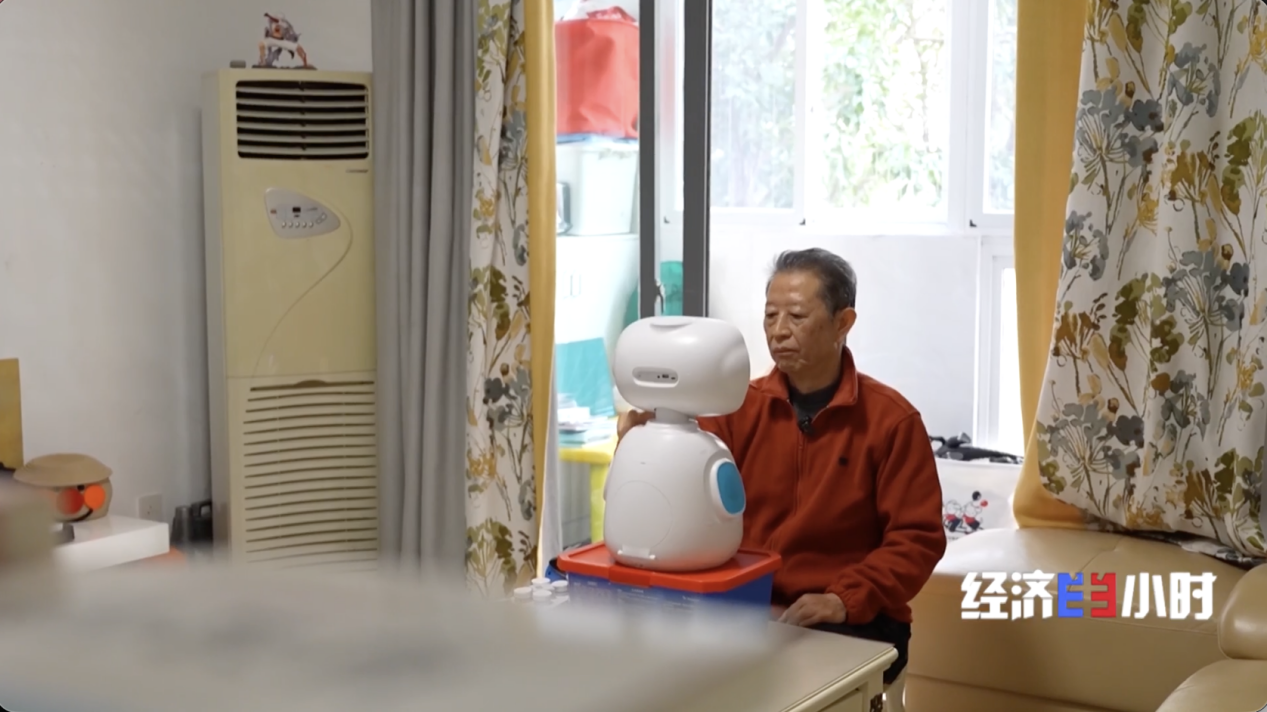
中央经济工作会议的召开,为新一年经济工作启航标定了方向。"拓展'人工智能+'""办好民生实事"等关键部署,被列为2026年经济工作的重点任务。当 前,我国60岁及以上老年人口已超过3.1亿,当以人工智能为代表的新兴产业与银发浪潮相遇,最先进的科技与最普惠的民生"双向奔赴",会在接下来经济 发展的新航程中,解锁哪些全新应用场景,孕育出怎样的产业新机遇? 在湖南长沙的一个社区养老服务站,有一个会看诊的小机器人。老人们每天去服务站监测血压、简单问诊。这个小机器人还是老人们的"文娱小伙伴"。 这款机器人是湖南一家科技公司研发出来的。这家公司推出的健康陪护类人形机器人,主要围绕助医、助行、助餐等方面,为老人提供陪护功能。他们让机 器人学习弹钢琴,是为了锻炼它的手指灵活度,好让机器人尽早实现更细致的家庭照护服务。 为了让机器人将来能胜任健康陪护的工作,研发团队还在训练机器人学习艾灸、按摩。 设计这位"实习生"的科技公司,开发了一些针对老人的特定场景,他们做了很多姿态算法,当发生紧急情况的时候,机器人会第一时间识别并发出通知,可 以及时处理突发状况。 在广东深圳一家养老院里,机器人承担了很多工作,包括24小时监护老人的生命 ...
“候鸟式养老”成为城市发展最暖增长点 旅居激活“银发经济”新蓝海
Yang Shi Wang· 2025-12-16 04:17
Core Viewpoint - The demand for "winter migration" among the elderly is increasing, with significant growth in flight bookings to warm destinations like Hainan, Yunnan, and Guangxi, indicating a robust "silver economy" driven by tailored services for senior travelers [1][8]. Group 1: Travel Trends - Since October, flight bookings to winter retreat destinations have doubled year-on-year, reflecting a growing trend among the elderly to migrate south for the winter [1]. - The Z384 train from Changchun to Haikou has become popular, with nearly half of the passengers being seniors aged 60 and above, showcasing the appeal of long-distance travel for this demographic [1][5]. Group 2: Services for Elderly Travelers - The Z384 train has undergone senior-friendly modifications, including the addition of medical kits stocked with essential medications and emergency supplies to ensure the health and safety of elderly passengers [3][7]. - Various regions are enhancing their services to cater to elderly travelers, such as larger signage and rest areas in markets, making the travel experience more comfortable and accessible [8][10]. Group 3: Community and Cultural Integration - In places like Yunnan and Guangxi, local communities are implementing services that alleviate the feelings of homesickness among elderly migrants, transforming temporary stays into comfortable long-term residences [8][10]. - Cultural centers and libraries in cities like Zhuhai are adapting their programs to engage elderly residents, fostering a sense of community and belonging through tailored activities and volunteer opportunities [12][14][16].


上观智库:2025年上海银发人群消费进化洞察报告
Sou Hu Cai Jing· 2025-12-16 02:16
Core Insights - The report highlights the increasing aging population in Shanghai, with 37.4% of the registered population aged 60 and above by the end of 2023, projected to reach 40% by 2030, making the silver economy a significant growth driver across various sectors including healthcare, finance, and technology [1][2][11]. Demographic Analysis - By the end of 2023, Shanghai's elderly population includes 5.68 million aged 60 and above, accounting for 37.4% of the total population, and 4.38 million aged 65 and above, representing 28.8% [11][17]. - The aging trend is expected to accelerate, with projections indicating that by 2040-2050, 44.5% of the population will be aged 60 and above, surpassing Japan's 42.7% [16]. Consumption Capacity and Willingness - 72.86% of the elderly receive pensions exceeding 5,000 yuan, with over half spending more than 55% of their income [42][44]. - 64.29% of the elderly express occasional willingness to spend, while 27.14% show strong consumption intent [48]. Consumption Preferences - The primary consumption areas for the elderly include chronic disease medication (71.43%), dining out (61.43%), and travel (55.71%) [50]. - When purchasing, elderly consumers prioritize product functionality, practicality, price, and opinions from their children [52]. Market Trends and Innovations - The silver economy is witnessing innovative practices such as senior-friendly shopping mall renovations, the introduction of exoskeleton robots, customized travel services, and community-based health services [2][9]. - Smart elderly care products are in high demand, particularly life assistance and health monitoring AI products, with most preferring prices below 5,000 yuan [61]. Policy Support - National and local policies are being implemented to support the development of the silver economy, focusing on key industry growth and nurturing business entities [2][28]. - Shanghai's government has introduced measures to accelerate the development of diverse elderly care services, smart elderly products, and financial services tailored for seniors [33][34].

从“养老”到“身后” 杭州绘就全周期民生画卷
Hang Zhou Ri Bao· 2025-12-16 02:15
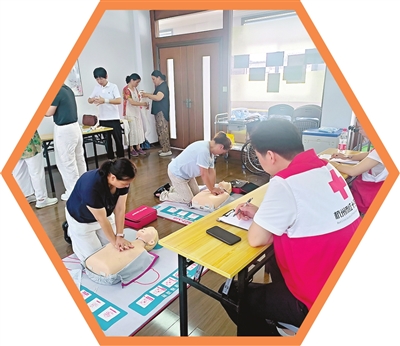
Core Insights - The article highlights the efforts of Hangzhou's civil affairs system in enhancing elderly care services, focusing on training dual-certified caregivers and improving meal services for the elderly [12][14][22] Group 1: Training and Development - Hangzhou aims to address the shortage of dual-certified caregivers by training 1,500 new professionals, with 1,730 already trained by October 2023, exceeding the annual target [14][16] - The training program emphasizes both elderly care and emergency rescue skills, ensuring caregivers are well-equipped to handle emergencies [14][16] Group 2: Meal Services Improvement - The city has renovated 110 elderly meal service points, achieving a completion rate of 110%, and has introduced a new policy for categorized elderly meal services [17][18] - The focus is on providing nutritious meals at affordable prices, with community meal services covering over 95% of villages [17][18] Group 3: Digital Empowerment - The "Smart Funeral" initiative has streamlined the process of handling post-death affairs, processing 286,000 cases with a 100% digital collaboration rate [19][22] - This initiative integrates data from various departments to simplify the process for families, showcasing a significant advancement in digital governance [19][22] Group 4: Integrated Services - Hangzhou has enhanced 76 community service complexes, achieving a completion rate of 152%, creating a network that connects services across different levels [21][22] - The integrated service model includes basic and specialized services, ensuring comprehensive coverage for the elderly and other community members [21][22]
国家发改委:拓展汽车改装、房车露营等汽车后市场消费
Zheng Quan Shi Bao Wang· 2025-12-16 01:55
Core Viewpoint - The article emphasizes the importance of effectively expanding high-quality consumer supply and adapting to consumer needs through innovative manufacturing and service models [1] Group 1: Consumer Supply and Demand - The article advocates for enhancing the adaptability of consumer goods supply and demand [1] - It suggests promoting flexible and customized manufacturing models to efficiently respond to individual consumer demands [1] - The application of artificial intelligence across the entire consumer goods industry is encouraged to improve efficiency [1] Group 2: Green Consumption and Product Development - There is a focus on adapting to the trends of green and low-carbon consumption, promoting the expansion and iteration of green products [1] - The article highlights the potential for growth in automotive aftermarket consumption, including modifications and RV camping [1] - Development of interest-based consumer products such as pet-related items, anime, and trendy clothing is also emphasized [1] Group 3: Service Consumption Enhancement - The article calls for improving and expanding service consumption by relaxing entry restrictions and promoting business model integration [1] - It highlights the importance of developing the silver economy and promoting the smart health and elderly care industry [1] - The establishment of a coordinated elderly care service system that integrates community institutions and health services is recommended [1] Group 4: Diverse Consumption Integration - The article encourages the development of community-based childcare services and integrated care for children [1] - It promotes the fusion of online and offline consumption across various sectors, including travel, culture, and sports [1] - Support for increasing the supply of quality sports projects and unique sporting events is also mentioned [1]
青海老年助餐服务年均惠及10万老年人
Zhong Guo Xin Wen Wang· 2025-12-15 10:58
摄 青海老年助餐服务年均惠及10万老年人 摄 12月15日,在青海省西宁市城西区新西社区的爱老幸福食堂内,老人们正在有序排队打饭。张忠苹 本文为转载内容,授权事宜请联系原著作权人 12月15日,在青海省西宁市城西区新西社区的爱老幸福食堂内,老人们正在有序排队打饭。张忠苹 中新经纬版权所有,未经书面授权,任何单位及个人不得转载、摘编或以其它方式使用。 关注中新经纬微信公众号(微信搜索"中新经纬"或"jwview"),看更多精彩财经资讯。 12月15日,在青海省西宁市城西区新西社区的爱老幸福食堂内老人正在享用午餐。张忠苹 摄 来源:中国新闻网 编辑:徐世明 广告等商务合作,请点击这里 12月15日,在青海省西宁市城西区新西社区的爱老幸福食堂内老人正在排队兑换饭票。张忠苹 摄 12月15日,在青海省西宁市城西区新西社区的爱老幸福食堂内老人正在打包餐食。张忠苹 摄 ...

2025年上海银发人群消费进化洞察报告-上观智库
Sou Hu Cai Jing· 2025-12-15 10:07
Core Insights - The report from the Shanghai Academy of Social Sciences highlights that the aging population in Shanghai is significant, with 5.68 million residents aged 60 and above, accounting for 37.4% of the total population. The silver economy is evolving from basic support to quality consumption, becoming a new engine for economic growth [1][14][19]. Aging Population Overview - Shanghai's aging population is characterized by a large scale and high degree of aging, with projections indicating that by 2030, the aging rate will reach 40% [1][18]. - As of the end of 2023, the number of elderly individuals receiving urban employee basic pensions is 4.67 million, representing 82.3% of the elderly population, with an average monthly pension of 5,470 yuan [19][20]. Consumption Capacity and Willingness - A significant portion of the elderly population, 72.86%, has a pension exceeding 5,000 yuan, with over half of their monthly expenditures exceeding 55% of their income [1][48]. - The main consumption categories include chronic disease medication (71.43%), dining out (61.43%), and travel (55.71%), with product functionality, practicality, and price being key decision factors [1][52]. Consumption Preferences and Trends - 64.29% of the elderly express some willingness to spend, with 27.14% showing strong willingness. Online consumption accounts for 38.57% of their spending [1][48]. - The report indicates a growing interest in quality consumption and experiential spending among the elderly, with 92% having travel experiences in the past year [1][62]. Industry Development and Challenges - The report identifies significant innovations in consumption scenarios, such as the transformation of shopping malls to cater to the elderly and the introduction of smart elderly care devices [2][11]. - Challenges include long approval cycles for smart elderly care devices, low utilization rates, and a mismatch between supply and demand in elderly care services [2][11]. Policy Guidance and Recommendations - The report suggests four key development recommendations: designing a layered product system to meet diverse needs, leveraging technology for smart elderly care, activating market demand through fiscal subsidies, and enhancing consumer protection in elderly financial products [2][11]. - The silver economy is expected to evolve towards precision, intelligence, and quality, unlocking greater consumption potential [2][11].

从这些重点项目透视济南产业的“关键一跃”
Feng Huang Wang Cai Jing· 2025-12-15 08:55
Core Insights - The projects in Jinan are seen as a cornerstone for economic development and a launchpad for the city's future growth, with significant investments transforming the industrial landscape and competitive dynamics [1] Industrial Strengthening - The completeness and synergy of the industrial chain are crucial for a city's industrial competitiveness, with projects focusing on achieving "self-control" in key industrial chain segments and creating "fusion effects" within core industrial clusters [2] - The Lurun project serves as a model for digital and intelligent transformation in traditional manufacturing, showcasing how to enhance production efficiency and product quality [2] - The Jinlei Technology project represents a deep breakthrough in the industrial chain, transitioning from a single wind power product manufacturer to a leading solution provider in the global transmission field [3] - The Huichuan Technology project fills a gap in high-voltage inverter production in Jinan, attracting upstream and downstream enterprises and enhancing the local high-end equipment manufacturing industry [3][4] Technological Innovation - Jinan is focusing on technological innovation as a key variable for high-quality development, with projects targeting cutting-edge technologies and addressing critical bottlenecks [5] - The Shandong Harbin Modern Intelligent Welding Robot project exemplifies advanced technology application in industrial processes, enhancing precision and efficiency [6] - The Shandong Linuo Pharmaceutical project aims to establish a smart manufacturing "lighthouse factory" that meets international standards, setting a benchmark in the pharmaceutical industry [6] Urban Development and Quality of Life - Urban development projects are enhancing the quality of life, with initiatives like the New Singapore Elderly Care Home providing integrated services and addressing aging population challenges [7] - The GLC production project focuses on producing green building materials, promoting sustainable construction practices and improving urban living conditions [7] - The China National Heavy Duty Truck New Energy Product Testing Center is crucial for the transition to new energy vehicles, serving as a foundational infrastructure for the automotive industry [8] Conclusion - Jinan's projects collectively contribute to a modern development system that supports high-quality growth, with a focus on industrial strength, technological innovation, and urban livability, positioning the city for future success [9]
泰康之家 通园体验馆开放,“一省四园”打造长三角高品质享老新标杆
Jiang Nan Shi Bao· 2025-12-15 08:53
Core Insights - The opening of the Taikang Home Tongyuan Experience Center in Nantong marks a significant step in providing high-quality elderly care services in the region, aligning with the city's reputation for longevity and quality of life [1][2] Group 1: Project Overview - The Taikang Home Tongyuan project covers approximately 120,000 square meters and plans to build around 1,500 elderly care units, with a rehabilitation and nursing medical institution included [1] - The community is expected to officially operate by the fourth quarter of 2027, aiming to set a new standard for elderly care in Nantong and the Yangtze River Delta region [1] Group 2: Community Features - The Taikang Home Tongyuan Experience Center spans about 600 square meters and integrates Taikang's elderly care service philosophy with local cultural elements, providing an immersive experience for seniors [1] - The community will implement a "1+N" multidisciplinary care model, offering a range of services from independent living to professional nursing care [4] Group 3: Strategic Importance - Nantong is recognized as a "Happy City" with high satisfaction in elderly services, providing a solid foundation for high-quality elderly care [2] - The project is part of Taikang's broader strategy to establish a comprehensive elderly care service network in Jiangsu, with multiple facilities already operational or under development [6][8] Group 4: Local Context - Jiangsu province has entered a "longevity era," with over 3.25 million residents aged 80 and above, highlighting the increasing demand for elderly care services [6] - Nantong, as a certified "World Longevity City," has a significant number of centenarians, emphasizing the need for innovative elderly care solutions [6] Group 5: Community Engagement - Residents of Taikang communities have shared positive experiences, highlighting the benefits of the integrated care model, which includes proactive health monitoring and community activities [5]
