
信托

Search documents
北方信托冯超:行业亟待新突破口,不动产信托登记盘活存量资产
2 1 Shi Ji Jing Ji Bao Dao· 2025-11-24 09:49
Core Insights - The trust industry is in urgent need of new breakthroughs, particularly in real estate trust registration to revitalize existing assets [1][2] Group 1: Survival, Development, and Sentiment - The core significance of trust companies is defined by three keywords: "survival," "development," and "sentiment" [1] - "Survival" emphasizes the unique characteristics of trust companies, such as asset independence, risk isolation, and long-term sustainability, which are crucial for wealth inheritance markets [1] - "Development" highlights the decline of traditional business models in the trust industry, necessitating the search for new business opportunities and profit growth points [2] - "Sentiment" reflects the value of wealth inheritance business as a manifestation of the independence of the trust system, fulfilling multiple missions of the trust industry [2] Group 2: Innovation in Real Estate Trust - North Trust has made significant breakthroughs in real estate trust property registration, with six regions in the country implementing relevant policies [3] - In September, Tianjin became the fifth region to introduce such policies, and North Trust successfully executed four related business transactions in the same month [3] - The company has tailored its business focus to "revitalizing idle corporate real estate" in Tianjin, aligning with local characteristics and policy directions [3] - The rapid establishment of three business collaborations post-policy implementation demonstrates the market value and feasibility of this innovative direction [3]
张巍,被公诉!
中国基金报· 2025-11-24 09:33
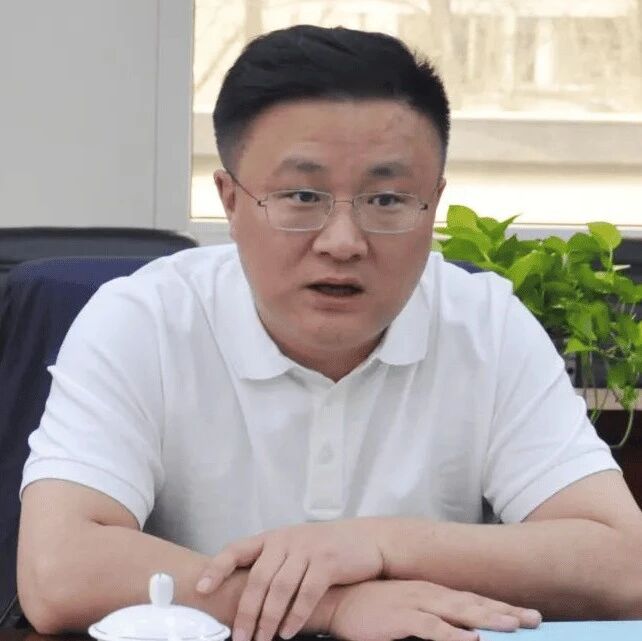
【 导读 】吉林省委金融委员会办公室原副主任张巍被提起公诉 中国基金报记者 晨曦 11月24日,最高检官网显示,吉林检察机关依法对张巍涉嫌贪污、国有公司人员滥用职权、受贿案提起公诉。 被告人张巍利用担任吉林省信托有限责任公司长春信托部总经理职务上的便利,以非法占有为目的,侵吞公共财物,数额特别巨大; 张巍在担任吉林省信托有限责任公司长春信托部总经理期间,滥用职权,致使国家利益遭受特别重大损失; 张巍利用担任吉林省信托有限责任公司长春信托部总经理职务上的便利,为他人谋取利益,非法收受他人财物,数额巨大,依法应当以贪 污罪、国有公司人员滥用职权罪、受贿罪追究其刑事责任。 公开信息显示,张巍出生于1978年7月,吉林靖宇人。张巍曾在吉林信托工作多年,曾任长春信托部总经理、公司董事会秘书、办公室主 任等职务,后从事地方政府部门相关工作。2023年10月,张巍出任吉林省地方金融监督管理局(省金融工作办公室)副局长(副主任)。 日前,吉林省委金融委员会办公室( 省地方金融管理局 )原副主任(副局长)张巍涉嫌贪污罪、国有公司人员滥用职权罪、受贿罪一案, 由吉林省监察委员会调查终结,移送检察机关审查起诉。经吉林省人民检察院指 ...

走进受托人 | 中诚信托为蓉城家庭解码财富传承之道
Mei Ri Jing Ji Xin Wen· 2025-11-24 08:11
Core Insights - The event organized by Zhong Cheng Trust in Beijing aimed to educate high-net-worth clients from Chengdu about the unique functions of insurance trust in family wealth management and inheritance [1][4] - The current economic environment is complex, but Chengdu is positioned as a core economic engine in the West, with a focus on family wealth accumulation and intergenerational transfer [1][2] Group 1: Event Overview - Zhong Cheng Trust hosted a specialized sharing event on "Insurance Trust" for high-net-worth clients from Chengdu, highlighting the importance of understanding trust mechanisms in wealth management [1][4] - The event featured a detailed analysis of macroeconomic trends and local wealth characteristics, addressing the specific concerns of Chengdu's affluent families [1][2] Group 2: Product Features - The integration of insurance and trust services provides a robust risk protection framework while ensuring precise wealth distribution for key life events such as education and retirement [2][3] - Insurance trust serves as a critical tool for high-net-worth families in Chengdu, allowing for effective asset isolation and equitable wealth distribution among heirs [3] Group 3: Client Engagement - The event included practical case studies relevant to local entrepreneurs and high-net-worth families, demonstrating the application of insurance trust in real-life scenarios [3] - One-on-one consultations were provided, allowing clients to receive tailored advice on debt isolation, retirement planning, and wealth preservation strategies [3][4] Group 4: Future Commitment - Zhong Cheng Trust aims to continue its commitment to serving Chengdu clients by integrating local needs into its financial services, ensuring a high level of professionalism and local understanding [2][4] - The company emphasizes its mission of protecting local wealth and supporting families in achieving their aspirations for wealth preservation and happiness [4]
多地试点不动产信托
Di Yi Cai Jing Zi Xun· 2025-11-24 04:15
Core Viewpoint - The article discusses the challenges faced by families with mentally disabled members in China, particularly regarding future care and financial planning as parents age. It highlights the emergence of special needs trusts as a potential solution, while also addressing the existing barriers to their implementation and effectiveness [2][3]. Group 1: Current Situation of Families with Mentally Disabled Members - In China, there are approximately 12 to 20 million individuals with mental disabilities, with around 14 million diagnosed with autism spectrum disorders. The support from public services and government finances primarily focuses on early childhood and compulsory education, leading to a "support gap" as these individuals reach adulthood and their parents age [2]. - A survey by the Beijing Xiaogeng Foundation indicates that parents budget an average of 1.23 million yuan for the future care of their mentally disabled children, which is expected to last for about 15 years. Awareness of special needs trusts among these families has reached 61% [3]. Group 2: Development of Special Needs Trusts - Special needs trusts have emerged as a financial tool to address the care needs of aging families with mentally disabled members. However, the development of these trusts faces multiple challenges, including low profitability for service providers and complex operational processes [3][5]. - The establishment of special needs trusts is often hindered by difficulties in finding reliable guardians, high financial thresholds, and a lack of coordination among legal and financial entities [3][6]. Group 3: Barriers to Implementation - Many families report difficulties in finding suitable guardians, with 39% indicating they have no trustworthy relatives to take on this role. The trust in social guardianship organizations is low, and these organizations are still in their infancy [8][9]. - The average starting capital for special needs trusts is over 300,000 yuan, which limits access for many families, especially those with lower incomes. Over 60% of families with mentally disabled members fall into the low to middle-income category [10][11]. Group 4: Innovations and Future Directions - Recent pilot programs in cities like Beijing and Shanghai have begun to allow real estate to be included in special needs trusts, which could significantly expand the financial resources available for the care of mentally disabled individuals [12][13]. - There are calls for tax reforms related to trusts to alleviate the financial burden on families, suggesting that property transfers to trusts should be treated similarly to family inheritances to encourage more families to establish these trusts [14].

多地试点不动产信托
第一财经· 2025-11-24 04:06
Core Viewpoint - The article discusses the challenges faced by families with mentally disabled members in China, particularly regarding the establishment of special needs trusts as a financial tool for future care and support [4][5]. Group 1: Current Situation of Families with Mentally Disabled Members - There are approximately 12 to 20 million individuals with mental disabilities in China, with around 14 million diagnosed with autism spectrum disorders [4]. - Many families, like that of 78-year-old Li, struggle to balance their own aging and health issues while caring for mentally disabled children and grandchildren [3][4]. - The average budget for the future care of mentally disabled individuals is estimated at 1.23 million yuan, which is expected to last for about 15 years [4]. Group 2: Development of Special Needs Trusts - Special needs trusts have gained traction as a financial solution for families with mentally disabled members, with awareness reaching 61% among relevant families [4]. - In less than three years, 133 parents have established special needs trusts, indicating a growing interest in this financial tool [4]. - The introduction of real estate trust property registration in cities like Beijing and Shanghai marks a significant step in allowing non-cash assets to be included in trusts [4][15]. Group 3: Challenges in Establishing Special Needs Trusts - The supply side faces challenges such as low profitability for trust service providers and complex processes for asset registration and liquidation [5]. - On the demand side, families encounter difficulties in finding reliable guardians, high financial thresholds, and a lack of suitable service systems [5][12]. - Many families report that they cannot find suitable relatives to act as guardians, with 39% indicating a lack of trustworthy individuals to manage their child's care and finances [10]. Group 4: Financial Barriers and Recommendations - The starting capital for special needs trusts is often above 300,000 yuan, which is a barrier for many families, especially those with lower incomes [12]. - The average monthly expenditure for families with mentally disabled members is around 5,871 yuan, with 43% of that spent on the care of the disabled individual [12]. - Recommendations include considering non-cash assets like real estate for inclusion in special needs trusts to broaden access for families [14][15]. Group 5: Legal and Taxation Issues - The lack of standardized regulations for special needs trusts creates uncertainty for families regarding the management and protection of their assets [7][11]. - Tax burdens associated with transferring real estate into trusts can be prohibitively high, potentially discouraging families from utilizing this option [16]. - Suggestions have been made to exempt certain taxes on trust property transfers to make special needs trusts more accessible for families with significant real estate assets [16].

“到鱼多的地方去” 险资与信托推进权益资产布局
Jing Ji Guan Cha Wang· 2025-11-24 03:44
Core Insights - Institutional funds are increasingly entering the market, with Sunshine Insurance announcing a significant investment of 20 billion yuan in a pilot fund project, marking a substantial step forward for the initiative [2][3] - The trend of insurance capital accelerating its allocation to equity assets is supported by the ongoing long-term investment pilot and the decline in risk-free interest rates, prompting a reallocation of institutional assets [3][5] Group 1: Institutional Investment Trends - Sunshine Insurance's subsidiary, Sunshine Hengyi Private Fund Management Co., has completed its registration and signed a fund contract with Sunshine Life and China Merchants Bank, indicating progress in establishing a private fund [3] - Multiple insurance companies have established private fund management firms this year, including those under Taikang Insurance, China Pacific Insurance, Ping An Insurance, and China Life Insurance [3] - Data from Yuny Trust shows that the issuance of equity trust products increased by over 50% month-on-month in October, while fixed-income products saw a decline [4] Group 2: Market Dynamics and Asset Allocation - The attractiveness of equity assets has increased due to the ongoing structural market conditions in A-shares, leading trust companies to focus more on equity products [5] - Trust companies are prioritizing "fixed income plus" products, diversifying into REITs, convertible bonds, and gold ETFs as risk-free yields decline [5] - Fund managers are optimistic about the medium to long-term outlook for equity markets, driven by institutional and retail asset reallocation, alongside favorable policy signals and the rapid development of key industries in China [6]

信托温度呵护养老与公益之路
Jin Rong Shi Bao· 2025-11-24 00:56
Core Insights - The article discusses the launch of real estate trust registration trials in various cities, including Beijing, Shanghai, Guangzhou, and Xiamen, highlighting the emergence of significant cases in areas such as elderly care, wealth inheritance, special needs support, risk isolation, and asset revitalization [1][4] - Jiangsu Province has also announced its real estate trust registration trials, with the first business quickly established in Nanjing and Suzhou [1][3] Group 1: Real Estate Trust Development - The first real estate service trust in Jiangsu was successfully established by Suzhou Trust Co., Ltd. on November 10, with the first property registration completed on November 17 [1][2] - The trust model combines "housing for the elderly," special needs, and public welfare, addressing diverse and personalized elderly care needs while incorporating animal protection into the trust structure [2][5] Group 2: Legal and Regulatory Framework - The real estate trust in Jiangsu benefits from a clear definition of property rights and comprehensive management throughout the trust's lifecycle, facilitated by local trust property registration trials [3][4] - The trust structure ensures asset independence and security, effectively preventing asset commingling and improper disposal risks, with legal oversight provided by Guohao Law Firm [3][4] Group 3: Broader Implications and Future Outlook - Real estate trusts are seen as a crucial practice in promoting elderly finance and inclusive finance, breaking the stereotype that trusts only serve high-net-worth individuals [4][5] - The ongoing improvement of the trust property registration system and the expansion of trial areas are expected to benefit a wider population, meeting diverse public needs and enhancing financial accessibility [5]
“到鱼多的地方去”险资与信托推进权益资产布局
Shang Hai Zheng Quan Bao· 2025-11-23 13:51
Core Insights - Institutional funds are increasingly entering the market, with significant movements from insurance and trust sectors towards equity assets [2][3][4] Group 1: Insurance Sector Developments - Sunshine Insurance announced a substantial investment of 20 billion yuan in a pilot fund project, marking a significant step in their equity asset allocation strategy [2][3] - Multiple insurance companies have established private fund management firms this year, indicating a broader trend of insurance capital accelerating its layout in equity assets [3][4] - The establishment of Sunshine Hengyi Private Fund Management Company and its subsequent fund contract signing with Sunshine Life and China Merchants Bank highlights the growing involvement of insurance capital in equity investments [3][4] Group 2: Trust Sector Trends - Trust funds are also increasingly investing in equity markets, with a notable 55.56% increase in the issuance of equity trust products in October compared to the previous month [4][5] - The shift towards equity products is driven by a decline in risk-free interest rates and a growing focus on "fixed income plus" products among trust companies [4][5] - Trust companies are diversifying their investment portfolios to include REITs, convertible bonds, and gold ETFs, reflecting a strategic pivot towards equity assets [4][5] Group 3: Market Outlook - Fund managers express a positive outlook for the medium to long-term performance of equity markets, driven by institutional and retail asset reallocation [6] - The ongoing structural market dynamics in A-shares and Hong Kong stocks are expected to continue, supported by favorable policies and the rapid development of key industries in China [6] - Increased market activity and optimism among long-term investors are seen as strong indicators for sustained growth in equity assets [6]

多地试点不动产信托,心智障碍家庭更能“够着”特需信托了吗
Di Yi Cai Jing· 2025-11-23 12:46
Core Insights - The article discusses the challenges faced by families with mentally disabled members in China, particularly regarding future care and financial planning, highlighting the role of special needs trusts as a potential solution [1][2][3] Group 1: Special Needs Trusts - Special needs trusts (SNTs) are emerging as a financial tool to address the care needs of aging families with mentally disabled members, with an average setup cost of over 300,000 yuan [1][8] - Awareness of SNTs among families has reached 61%, with 133 parents having established such trusts in the past three years [2] - The development of SNTs faces challenges, including low profitability for service providers and complex operational processes [2][3] Group 2: Caregiver Challenges - Families often struggle to find reliable guardians for their mentally disabled members, with 39% of surveyed families reporting a lack of suitable relatives to take on this role [6] - The transition from traditional family guardianship to social guardianship is hindered by low trust in social care organizations and a lack of standardized responsibilities [6][7] - The average willingness to pay for social guardianship services is low, further complicating the situation for families [6] Group 3: Financial Barriers - The average budget for the future care of mentally disabled individuals is approximately 1.23 million yuan, expected to last for 15 years, but many families face financial constraints [2][8] - Over 60% of families with mentally disabled members are classified as low to middle income, with average monthly expenses of 5,871 yuan [8] - The potential inclusion of non-cash assets like real estate in SNTs could broaden the financial options available to families [9][10] Group 4: Regulatory and Taxation Issues - Recent pilot programs in cities like Beijing and Shanghai have begun to facilitate the registration of real estate in trusts, but further clarity on the processes for asset liquidation is needed [10][11] - Tax burdens associated with transferring real estate into trusts can be prohibitively high, discouraging families from utilizing SNTs [12] - Recommendations have been made to exempt certain taxes on trust property transfers to make SNTs more accessible for families with real estate assets [12]
江苏,首单业务落地了!
Jin Rong Shi Bao· 2025-11-22 06:19
Core Viewpoint - The establishment of real estate trust registration trials in various cities, including Jiangsu, marks a significant step in addressing elder care, wealth transfer, and risk isolation, providing replicable practices in the financial sector [1][4]. Group 1: Real Estate Trust Registration Trials - Cities such as Beijing, Shanghai, Guangzhou, Xiamen, and Tianjin have initiated real estate trust registration trials, with notable cases emerging in elder care and asset management [1]. - Jiangsu Province has announced trials in Nanjing and Suzhou, with the first business successfully launched [1]. - Suzhou Trust Company established Jiangsu's first real estate service trust on November 10, with property registration completed on November 17 [1]. Group 2: Elder Care and Wealth Transfer - The case of a female entrepreneur highlights the need for comprehensive elder care solutions that extend beyond financial management to quality of life and posthumous arrangements [2]. - The trust structure provides a "relay guarantee" and asset independence, aligning with the entrepreneur's desire for long-term arrangements and risk isolation [2]. Group 3: Trust Structure and Asset Management - Suzhou Trust employs a comprehensive service model combining "housing for elderly care, special needs, and public welfare," addressing diverse elder care needs while incorporating animal protection into the trust framework [3]. - The trust registration trial ensures clear property rights and comprehensive management, with assets like real estate and cash being transferred into the trust [3]. - Legal oversight is provided by Guohao Law Firm, enhancing the protection of the client's rights [3]. Group 4: Policy and Industry Development - Real estate trusts are seen as a vital practice in promoting elder finance and inclusive finance, supported by the ongoing improvement of trust property registration systems [4]. - The State Council's recent approval emphasizes the establishment of trust property registration mechanisms, facilitating the development of real estate trusts [4]. - The expansion of real estate trust trials aims to break the stereotype that trusts only serve high-net-worth individuals, making financial tools accessible to a broader audience [4]. Group 5: Future Prospects - The value of real estate trusts lies in their ability to isolate and activate assets, transforming dormant real estate into liquid financial assets [5]. - In the context of an aging population, real estate trusts provide innovative solutions for elder care, ensuring housing and financial security for families [5]. - The continuous improvement of trust property registration systems is expected to benefit more groups, addressing diverse social needs and enhancing the warmth of financial services [5].