酒店业

Search documents
米其林酒店榜单,为何没人买账?
虎嗅APP· 2025-10-15 13:40
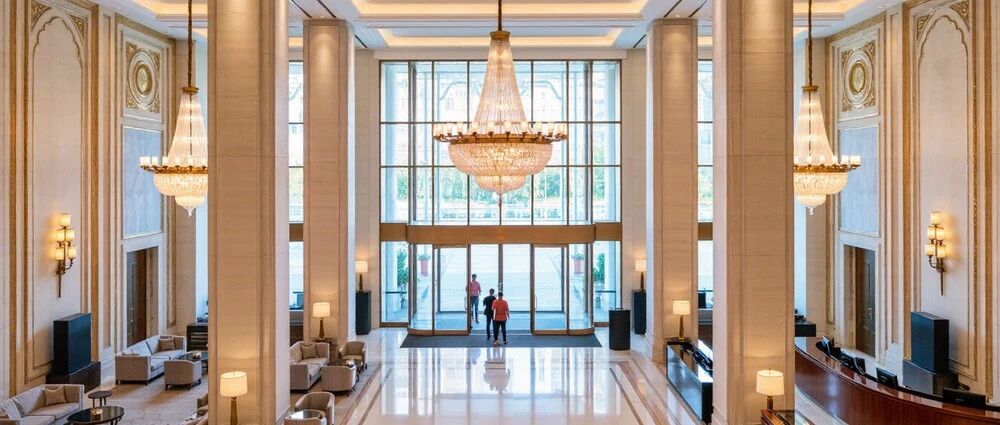
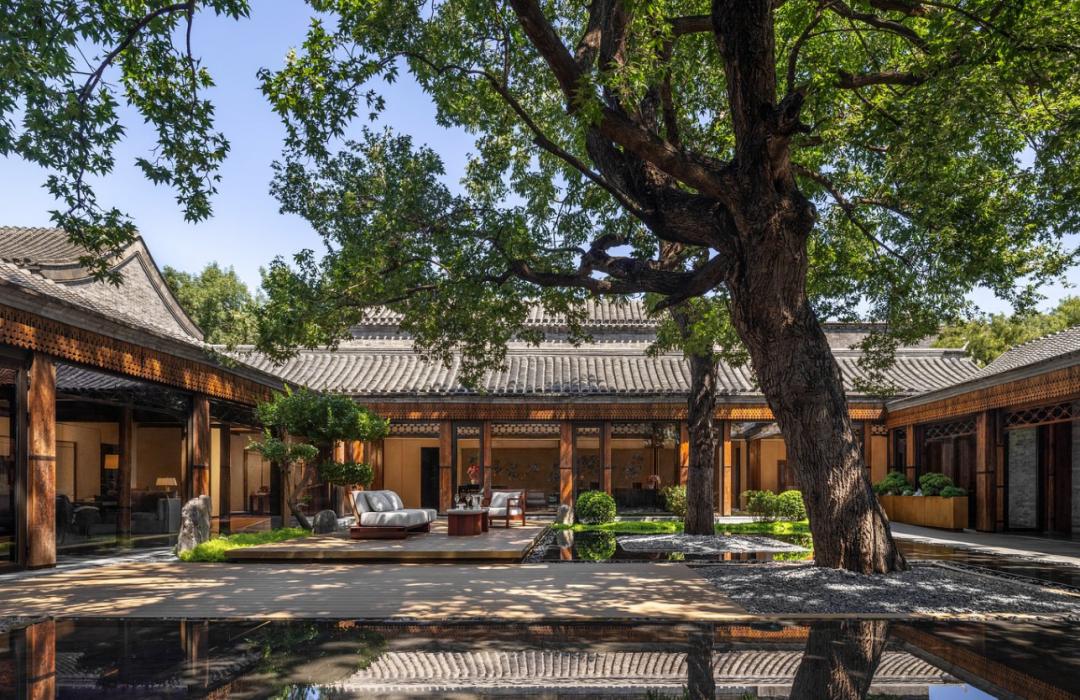
以下文章来源于旅界 ,作者theodore熙少 旅界 . 跟踪时代浪潮,讲述文旅商业好故事。 本文来自微信公众号: 旅界 (ID:tourismzonenews) ,作者:theodore熙少,题图来自:AI生成 01 上周末,几个国内高奢酒店圈的朋友都在和我聊同一件事: 怎么看待米其林首版全球酒店榜单? 说起来,米其林这份酒店榜单的确来得挺突然。 10月9日,米其林官网正式公布的酒店版"米其林指南"中,全球近100个目的地的2457家酒店获得星 钥,其中1742家酒店为一星钥、572家酒店为二星钥、143家酒店为三星钥。 部分米其林上榜中国酒店 值得一提的是,中国酒店也被纳入评选,共有64家酒店上榜。 其中,四川九寨沟的日赛谷丽思卡尔顿隐世酒店和香港瑰丽酒店拿下了三星钥,北京前门文华东方、 杭州西子湖四季、上海嘉佩乐建业里等则摘得二星钥,更多一星钥分布在上海、深圳、三亚、南京等 城市。 从名单来看,该有的酒店品牌基本都在,价格也都不便宜。 上榜的几家头部酒店,价格基本在每晚4000元到11000元之间,属于标准的"有能力住的早就住过, 住不起的也不会因为评了星钥就来一晚"的档位。 但越往下聊,我越觉得哪里不 ...

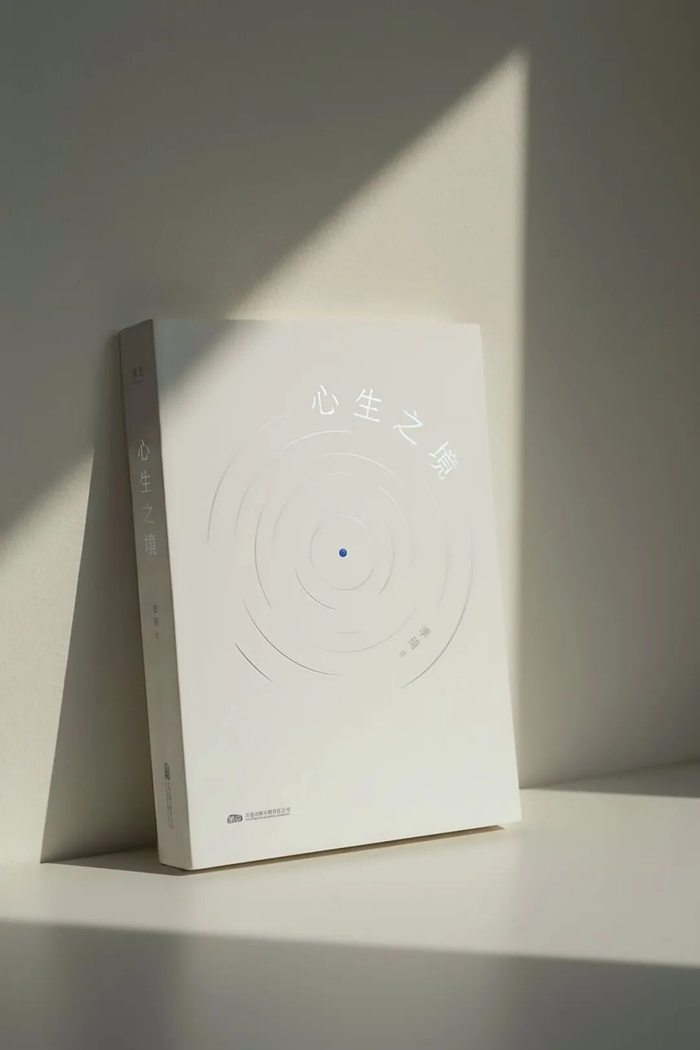
心生之境:与季琦深聊“观念如何改变实体”
Xin Lang Cai Jing· 2025-10-15 07:45
Core Insights - The article discusses the 20th anniversary of Huazhu Group and highlights the release of its founder Ji Qi's new book "Heart and Realm" [2][6] Group 1: Book Overview - "Heart and Realm" connects the concepts of "heart" (the world of ideas) and "realm" (the physical world) [6] - The book consists of 12 essays under the title "Cosmology," reflecting Ji Qi's deep philosophical thoughts on life and existence [7][10] - Ji Qi emphasizes that life has no inherent meaning, only the process matters, and that the world is primarily a realm of ideas [10][11] Group 2: Entrepreneurial Journey - Ji Qi's entrepreneurial journey spans 20 years, during which he built Huazhu Group into the fourth-largest hotel group globally [16] - The article contrasts the challenges faced by entrepreneurs in difficult environments with the difficulties of maintaining innovation in comfortable circumstances [18][19] - Ji Qi's approach to entrepreneurship involved leveraging internet thinking to transform traditional industries and focusing on differentiation and operational excellence [18][20] Group 3: Philosophical Insights - The book offers insights for both struggling entrepreneurs and successful leaders, emphasizing the importance of long-term thinking and self-reflection [22] - Ji Qi's writings reflect a blend of practical experience and philosophical inquiry, making the book a unique record of his intellectual and business evolution over 20 years [23][24]

万豪旗下酒店床上现活虫,集团客服:正在调查,酒店将作出说明
Xin Jing Bao· 2025-10-15 07:33
Group 1 - The core issue involves reports of bed bugs at the Shanghai Xujiahui Marriott Fairfield Hotel, which recently opened and has faced complaints from multiple guests about insect sightings in several rooms [1] - The hotel management attributed the problem to newly renovated rooms with insufficient ventilation and high summer temperatures, and they have ceased renting out affected rooms while implementing pest control measures [1] - Marriott International's customer service stated that an investigation is underway and further explanations will be provided by the hotel [1] Group 2 - The Marriott Fairfield brand, part of Marriott International, targets the mid-to-high-end market and has rapidly expanded in China, with over 150 projects currently open or under development [2] - The hotel industry is facing challenges from high operational costs and intense competition, leading to frequent reports of hygiene issues, as seen in a recent incident involving the reuse of disposable slippers at another Marriott property [2] - As of August 2025, Marriott International operates 622 hotels in China, but its financial performance has not improved, with a decline in revenue per available room (RevPAR) and average daily rate (ADR) in the first half of 2025 [3]
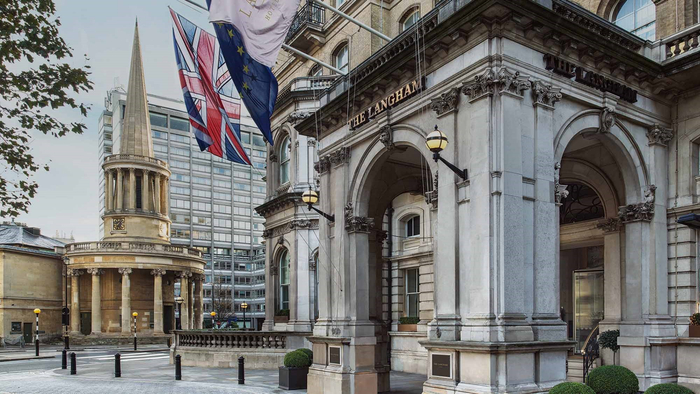
伦敦朗廷酒店,体验地道英伦生活
Xin Lang Cai Jing· 2025-10-15 03:18
Core Insights - The Langham Hotel in London is a historic luxury hotel, recognized as Europe's first luxury hotel, and has been a favorite among many notable figures over the past 160 years [2] - The hotel underwent significant renovations in 2015, adding new facilities while maintaining its classic charm, which includes the new Regent Wing, Club Lounge, and a spa [2] Location and Accessibility - The Langham Hotel is conveniently located on Regent Street, close to major shopping destinations like Selfridges and cultural sites such as Regent's Park and the BBC headquarters, making it an ideal spot for travelers [4] Unique Features - The hotel is known for its signature "Langham Pink," a color inspired by a hidden feather pattern discovered during renovations, which has become a distinctive symbol of the hotel [4] - The Langham is credited with originating the English afternoon tea tradition, which remains a popular experience at the hotel today [6] Design and Atmosphere - The hotel's corridors are notably wider than typical hotels, designed to facilitate social interactions and art appreciation, reflecting Victorian-era social customs [6] - The decor of the executive suite features a blend of modern comfort and Victorian elegance, enhancing the historical ambiance of the hotel [6] Service Excellence - The hotel employs "service ambassadors" to ensure a warm and personalized guest experience, exemplified by thoughtful gestures such as delivering milk and a goodnight card to guests [8] Club Lounge Experience - The Club Lounge offers a luxurious space for guests to relax, featuring a complimentary breakfast with high-end options like caviar and champagne, and a Happy Hour with a selection of fine wines and cocktails [10][12] - The attention to detail in service, such as staff remembering guests' preferences, contributes to a memorable stay [10] Balancing Tradition and Modernity - The Langham Hotel successfully balances its rich history with contemporary needs, ensuring that classic elements remain while providing modern conveniences and comfort [12]
顶奢酒店越来越多,谁还能撑起价格天花板?
3 6 Ke· 2025-10-15 00:42
高端酒店密集登场、房价屡创新高 近年以来,中国大陆奢华酒店市场呈现出量价齐升的景象。近五年内,大中华区新开业的奢华酒店多达181家,且从北上广深到二三线城市都在涌现高端 酒店。 更引人关注的是这些酒店不断刷新价格上限。以往顶级五星酒店客房定价约每晚3,000-5,000元,如今一夜飙升至1.5万元起步。 例如,2024年秋天开业的北京前门文华东方酒店标榜全国最贵酒店,基础房价每晚1.5万元,最顶级套房高达近20万元/晚,一举将国内顶奢酒店价格天花 板推到了新高度。 上海宝格丽酒店这样的顶奢品牌,普通客房每晚超过6,000元,跨年夜400㎡的宝格丽套房标价竟达22.3万元。 上海宝格丽酒店 在度假胜地海南三亚,老牌奢华酒店文华东方多年来客房均价约2,000元/晚,超过当地酒店平均价格三倍以上。 就连传统并非高端游客集聚地的珠海,也因新晋顶奢度假村蜂拥而入出现价格破万的房型。今年4月开业的珠海东澳岛阿丽拉酒店泳池套房保持在1.7万 元/晚左右,成为珠海史上首家房价过万的酒店。 近两年开业的四川九寨沟丽思卡尔顿.隐世酒店价格也以上万元的单价继续刷新国内酒店天花板。 可以说,顶奢酒店狂飙已成为市场显著现象,一方面顶级 ...
旅游刺激措施将于10月29日启动
Shang Wu Bu Wang Zhan· 2025-10-14 15:49
Core Points - The Thai government is set to launch a series of measures on October 29 to stimulate domestic tourism, aiming for 1.15 trillion THB in domestic tourism revenue to accelerate economic recovery [1][2] - The measures are part of the government's "quick wins" policy framework, designed to achieve long-term sustainable development through short-term initiatives [1] - The plan includes three main measures to boost the local tourism industry [1] Measure Summaries - The first measure involves a support policy for seminar tourism in secondary cities, allowing government agencies and state-owned enterprises to enjoy corporate tax reductions for expenses incurred while organizing seminars in designated secondary tourism provinces [1] - The second measure, under the "Domestic Tourism" policy, allows taxpayers visiting secondary cities in Thailand from October 29 to December 31 to deduct certain actual travel and accommodation expenses from their personal income tax, although specific deductible amounts are yet to be defined [1] - The final measure provides tax incentives for hotel renovations, particularly for properties investing in energy efficiency or comprehensive renovations, aimed at boosting the hotel industry and promoting sustainable building practices [2]
上海万豪万枫酒店被投诉“连换五次房均有虫”!店方称正处理
Nan Fang Du Shi Bao· 2025-10-14 14:50
Group 1 - A guest reported finding live bugs in multiple rooms at the Shanghai Xujiahui Marriott Hotel during the National Day holiday, expressing dissatisfaction with the hotel's hygiene and handling of the situation [1][2] - The hotel confirmed the issue and stated that a dedicated team is addressing the matter, while Marriott International's customer service indicated that hotel staff are currently managing the situation [1][2] - The hotel, which opened in 2025, is a high-end establishment with room rates typically ranging from 700 to 900 yuan [3] Group 2 - The guest experienced allergic reactions and was not offered an apology upon checkout, only receiving a full refund for the night [2] - The guest has filed a complaint with the local health authority, which has promised to investigate the hotel's hygiene conditions [2] - The hotel suggested that guests inspect the room before confirming their booking to ensure it meets their expectations [2]

苏州金鸡湖凯宾斯基酒店:绿色实践与社会责任并行,引领可持续发展新风尚
Zhong Guo Jing Ji Wang· 2025-10-14 07:45
Core Viewpoint - Suzhou Jinji Lake Kempinski Hotel actively practices sustainable development through various green management initiatives, energy conservation, environmental advocacy, and social welfare actions, becoming a local model for sustainable development [1] Group 1: Green Room Management - The hotel has replaced traditional small bottles of toiletries with eco-friendly family-sized containers, significantly reducing single-use plastic [2] - It promotes a "selective change of bed linens and towels" service, allowing guests to choose based on their actual needs, enhancing the stay experience while saving resources [2] - Strict control over single-use plastic products is implemented, advocating for an environmentally friendly lifestyle [2] Group 2: Green Dining and Resource Conservation - The hotel encourages green and resource-saving practices in dining, such as promoting the recycling of coffee grounds for home gardening [3] - Dining tables feature slogans to remind guests to order appropriately, promoting a culture of moderation [3] - Initiatives like "strictly saving and opposing waste" and "green dining" rewards are introduced to guide healthy dining habits [3] - Each dining table is equipped with serving spoons and communal chopsticks to ensure health and safety [3] Group 3: Public Welfare and Social Responsibility - The hotel regularly visits special education schools in Suzhou, donating gifts and purchasing student handicrafts for charity sales to support talent development [4] - Students from the Suzhou Blind and Deaf School are invited to participate in hotel anniversary events, showcasing their talents and providing job opportunities [4] - The "布布行动" initiative repurposes old linens into bedding for stray animals, providing warmth and care [4] Group 4: Commitment to Green Hotel Development - The hotel views the construction of green hotels as a long-term strategy and an integral part of its corporate culture [5] - Future plans include optimizing energy management, enhancing resource efficiency, and innovating environmental initiatives [5] - The hotel aims to integrate environmental concepts into guest experiences and employee training, making everyone a participant in green actions [5] - Continuous promotion of green rooms, dining, procurement, and public welfare projects demonstrates the hotel's determination and execution capability in leading sustainable development in the high-end hotel industry [5]
体验经济崛起“十一”酒店市场价稳、人旺、“更会玩”
Zhong Guo Jing Ying Bao· 2025-10-13 12:19
Core Insights - The "Super Golden Week" during the Mid-Autumn Festival and National Day in 2025 saw a significant boost in the tourism and hotel industry, with hotels becoming a key indicator of consumer recovery [1][3][8] Hotel Industry Performance - The hotel industry experienced stability during the "Golden Week," with controlled price increases in high-demand areas, indicating a rational pricing strategy and high occupancy rates [1][6] - Huazhu Group reported over 10.55 million guests at its hotels during the holiday, a 36% increase year-on-year, with foreign guests increasing by 75% [1][6] - The overall occupancy rate exceeded 80%, peaking on October 3 with over 8,100 hotels fully booked, particularly in popular cities like Beijing and Chengdu [1][3] New Hotel Openings and Strategies - Huazhu Group's high-end brand, Huajian Tang, opened a new hotel in Beijing, marking a strategic expansion into the high-end hotel market [2][6] - The brand aims to provide an immersive urban vacation experience, reflecting a trend towards structural upgrades in the hotel industry [2][6] Emerging Trends in Travel and Accommodation - The "Super Golden Week" led to a surge in bookings for hotels in second and third-tier cities, driven by unique local experiences and events [3][4] - Music festivals and sports events significantly boosted hotel bookings, with some locations seeing increases of over 200% [3][4] Shift in Consumer Behavior - More than 30% of office workers opted for staggered travel, extending the holiday experience and alleviating peak demand pressures [4][5] - The night tourism economy gained traction, with a 200% increase in searches for night activities, indicating a shift in consumer preferences towards experiential travel [5][6] Experience Economy and Market Dynamics - The hotel industry is witnessing a shift towards high-end, personalized, and culturally immersive experiences, as consumers seek more than just accommodation [6][7] - Huajian Tang's expansion and the success of other high-end hotels reflect the growing demand for unique cultural experiences among new middle-class consumers [6][7] Conclusion - The "Super Golden Week" highlighted a more mature and layered tourism market, with consumers becoming more discerning and seeking emotional and cultural connections through their travel experiences [8]
黄金周酒店乱象:1千多一晚亚朵全季,他们选择在景区扎帐篷
3 6 Ke· 2025-10-13 03:17
Core Insights - The hotel industry is experiencing a significant disparity, with some hotels facing closures while new entrants continue to emerge, reflecting a duality in market performance [2][3][47] Price Surge During Holidays - During the recent National Day and Mid-Autumn Festival holidays, hotel prices surged dramatically, with budget hotels increasing from around 100 yuan to over 1000 yuan per night [1][8][20] - Many travelers had to cancel or adjust their plans due to exorbitant hotel prices, with some hotel rates increasing by over 200% compared to regular prices [13][15][19] Consumer Behavior Changes - Consumers are becoming more discerning, opting for higher-quality accommodations like five-star hotels instead of overpriced budget options, leading to a shift in market dynamics [22][31][47] - Younger travelers are exploring alternative accommodations such as camping, with a reported 230% increase in camping gear sales during the holiday period [34][47] Industry Performance Metrics - The hotel industry is facing overall declines, with average daily rates (ADR) dropping by 5.8% to 200 yuan and occupancy rates decreasing by 2.5 percentage points to 58.8% [36][37] - The number of hotel rooms in China has increased significantly, from 13.47 million in 2021 to an expected 18 million by the end of 2025, yet profitability remains a challenge for many operators [37][38] Market Dynamics - The five-star hotel segment is contracting, with a decrease from 850 hotels in 2020 to 736 by the third quarter of 2024, indicating a shift in consumer preferences and economic pressures [38][39] - The high-end hotel market is under pressure due to reduced corporate travel budgets, with a reported average decline of 15% to 20% in business travel spending over the past three years [39][40] Operational Challenges - Many hotel operators are struggling to balance seasonal pricing pressures with operational costs, leading to a reliance on peak season pricing to maintain profitability [44][46] - The recent price hikes during peak seasons are a reflection of market dynamics and structural challenges within the industry, as operators navigate between consumer expectations and financial viability [47]