
乡村旅游

Search documents
金融支持“农文旅”融合发展的创新模式及问题分析 以吉林省白山市为例
Jin Rong Shi Bao· 2025-08-04 02:30
Core Viewpoint - The integration of agriculture, culture, and tourism ("Agriculture + Culture + Tourism") is a key path for promoting industrial transformation and upgrading, contributing to economic growth and cultural heritage [1][2] Summary by Sections Basic Situation - The "Agriculture + Culture + Tourism" integration serves as a modern rural industry development model, facilitating interaction between urban and rural elements, and is crucial for consumption promotion and rural revitalization [2] - BaiShan City, located in the Changbai Mountain area, has rich agricultural resources and natural beauty, making it well-suited for this integration [2] - By the end of 2024, BaiShan had 1 national 5A tourist attraction, 8 4A attractions, and 18 3A attractions, with a total of 673 leisure tourism operating entities generating revenue of 392 million yuan [2] Financial Support and Policies - The People's Bank of China BaiShan Branch has implemented policies to support the integration of "Agriculture + Culture + Tourism," focusing on financial resource allocation and innovation [3] - Since 2024, 57 "Agriculture + Culture + Tourism" enterprises have received preferential loans totaling 46.0985 million yuan, saving over 500,000 yuan in financing costs [3] Loan Models and Trends - BaiShan's "Agriculture + Culture + Tourism" loans include four models: leisure vacation loans, agricultural tourism loans, historical site tourism loans, and ecological restoration loans, with a total loan balance of 4.914 billion yuan as of June 2025, up 18.51% year-on-year [4] - The increase in loan balance is attributed to supportive government policies and rising consumer demand for tourism [4] Innovative Practices - BaiShan has developed various innovative financial models, including "whole village credit + online micro-loans + credit" to promote rural tourism [5] - The "smart scenic area + scenic area fee pledge + A-share stock pledge" model has been introduced to enhance the "One Mountain, Two Rivers" brand strategy [6] - The "PPP project loan + third-party guarantee" model is being used to promote "red tourism + research" integration [7] Constraints - There is an imbalance in resource allocation, with a significant concentration of loans in popular tourist areas, leaving smaller agricultural tourism projects underfunded [9] - The lack of systematic planning and deep integration in "Agriculture + Culture + Tourism" projects hinders sustainable development [10] - Financing channels are limited, with a heavy reliance on bank loans, which do not meet the diverse funding needs of the industry [11] Development Strategies - Recommendations include optimizing resource allocation, promoting systematic planning, expanding financing options, and improving the financial ecosystem to support the integration of "Agriculture + Culture + Tourism" [12][13][14][15]
安徽南陵:“清凉游”助力乡村振兴
Ren Min Wang· 2025-08-04 02:02
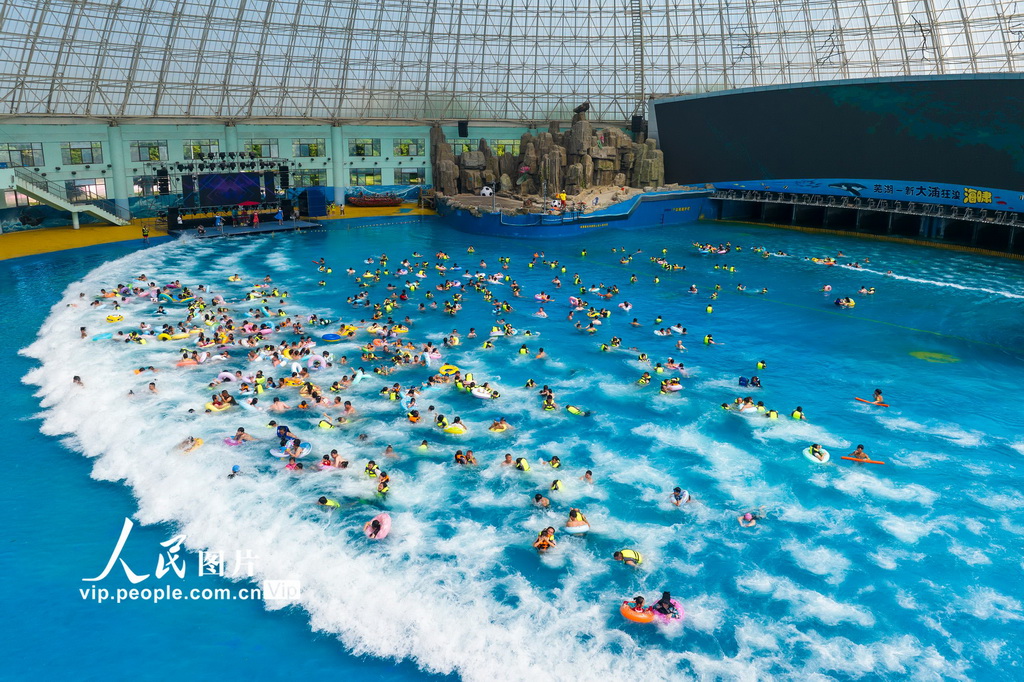
Core Insights - The "Cool Tourism" initiative in Anhui Nanling is aimed at promoting rural revitalization through tourism development [1][2] Group 1 - The "Cool Tourism" program is designed to attract visitors to rural areas, enhancing local economies and supporting community development [1] - The initiative focuses on leveraging natural resources and cultural heritage to create unique travel experiences [2] - Local authorities are actively promoting this initiative to increase tourist footfall and stimulate economic growth in the region [1][2]

河南郑州“惩治防”贯通激活内生动力得意之笔丨不断擦亮乡村振兴清廉底色
Zhong Yang Ji Wei Guo Jia Jian Wei Wang Zhan· 2025-08-03 23:49
Core Points - The focus of the Zhengzhou Municipal Commission for Discipline Inspection and Supervision is on supervising and ensuring the comprehensive revitalization of rural areas, particularly in the areas of industrial development and policy implementation [2][3][4] - The integration of digital tools for supervision has enhanced the transparency and efficiency of monitoring rural collective assets, allowing for real-time feedback and issue reporting by the community [5][6] - The establishment of a joint supervision mechanism involving various departments aims to strengthen the oversight of rural revitalization funds and projects, addressing issues of mismanagement and corruption [10][12] Group 1: Supervision and Governance - The Zhengzhou Municipal Commission has prioritized the supervision of rural revitalization, focusing on key areas such as project management and fund allocation [3][4] - A digital platform has been implemented to enhance the transparency of rural financial management, allowing residents to access information and report issues easily [5][6] - The commission has adopted a collaborative approach, integrating supervision with party-led governance to address bureaucratic inefficiencies and improve service delivery [6][10] Group 2: Financial Oversight and Accountability - The commission has established a "discipline-inspection, audit, and inspection" linkage mechanism to oversee the allocation and use of rural revitalization funds, ensuring accountability [6][10] - In 2024, the commission reported handling 911 cases related to rural revitalization, resulting in 467 disciplinary actions and the exposure of 54 typical cases of misconduct [10][12] - The commission has identified and rectified issues related to the management of collective assets, recovering significant amounts of misallocated funds [10][12] Group 3: Industrial Development and Community Engagement - The commission emphasizes the importance of industrial revitalization as a key component of rural development, focusing on creating sustainable economic opportunities for local communities [12][14] - Initiatives have been launched to enhance agricultural productivity and support local enterprises, leading to increased income for farmers and community members [12][14] - The integration of technology and community involvement in agricultural practices has resulted in improved efficiency and profitability for local agricultural projects [12][14]
2025上半年国内出游人次破32亿 农村旅游市场潜力释放成增长亮点
Chang Jiang Shang Bao· 2025-08-03 23:31
Group 1 - The tourism market is experiencing a rapid recovery driven by policy incentives, consumer enthusiasm, and product innovation, with domestic travel reaching 3.15 trillion yuan in the first half of 2025, a year-on-year increase of 15.2% [1] - The number of domestic trips taken by residents is projected to reach 3.285 billion in the first half of 2025, reflecting a year-on-year growth of 20.6%, with rural tourism showing explosive growth [1][2] - Rural residents' travel participation has surged, with 833 million trips recorded in the first half of 2025, marking a 30.6% increase compared to urban residents' 17.5% growth [2] Group 2 - The continuous implementation of the rural revitalization strategy and infrastructure improvements have significantly contributed to the growth of rural tourism, attracting urban residents to explore rural areas [3] - New tourism experiences such as flower viewing, agricultural activities, and cultural experiences are evolving rural tourism from mere sightseeing to immersive experiences, with 32 rural tourism routes recommended by the Ministry of Culture and Tourism [3] - Various policies have been introduced to stimulate tourism consumption, including measures to enhance market supply quality and service levels, as well as initiatives to support diverse tourism activities [4] Group 3 - The government has implemented a series of measures to boost cultural and tourism consumption, including a streamlined approval process for events, reducing the approval time to within five working days [4] - Major holidays have amplified the effects of these policies, with significant growth in the tourism market during key holiday periods, further enhancing consumer engagement [4]
从“靠山吃山”到“绿富同兴” 句容青山村绘就生态宜居新图景
Zhen Jiang Ri Bao· 2025-08-03 23:29
Group 1 - The transformation of Qingshan Village from a mining area to an ecological paradise is highlighted, showcasing the successful environmental restoration efforts [1][3] - The village has received multiple accolades such as "National Ecological Cultural Village" and "National Civilized Village and Town," reflecting its improved living conditions and community engagement [1][2] - The implementation of a "Cultural Co-construction Points System" has encouraged community participation in environmental and social initiatives, leading to a significant increase in the number of civilized families [2][3] Group 2 - The village has developed a "Research + Homestay + Agricultural Tourism" industry chain, with six farmhouses and three boutique homestays, attracting 30,000 visitors annually and generating over 3.5 million yuan in collective economic income [4] - The average annual income of villagers has risen to 32,000 yuan, indicating a positive economic impact from the tourism and agricultural initiatives [4] - Cultural heritage is being preserved and promoted through investments in historical sites and regular exhibitions of traditional crafts, enhancing the village's cultural identity [4]
焦点访谈|世界屋脊上的民生答卷
Yang Shi Wang· 2025-08-03 13:20
Group 1 - The core viewpoint of the articles highlights the significant socio-economic changes in Tibet over the past 60 years, particularly since the 18th National Congress of the Communist Party, leading to the historic eradication of absolute poverty and substantial improvements in living standards and life expectancy [1] - The village of Gala has transformed from a poor and isolated community to a thriving area, primarily due to the annual Peach Blossom Festival, which has become the main source of income for villagers [3][5] - The government has invested over 10 million yuan in Gala village for poverty alleviation and rural revitalization, resulting in a complete transformation of the village's infrastructure and economy [5][12] Group 2 - The average annual income for villagers in Gala has reached over 300,000 yuan, with a projected per capita disposable income of 41,200 yuan in 2024, reflecting the success of local economic initiatives [9] - The establishment of a transportation team in Gala has improved job opportunities for villagers, allowing them to work more efficiently and access broader markets [7] - The introduction of a "Happiness Station" in Quxi County provides essential services for the elderly, addressing previous challenges faced by families in caring for older members [14][20] Group 3 - The employment services in Tibet have been enhanced, with a focus on free public employment services and vocational training, leading to a significant increase in urban employment and a reduction in unemployment rates [20] - The success stories of individuals like Zashi Rob demonstrate the positive impact of government support and job creation initiatives, allowing families to improve their living conditions and achieve financial stability [16][18] - Overall, the articles depict a vibrant and hopeful future for Tibet, with ongoing improvements in public services, economic opportunities, and the overall quality of life for its residents [20]
行进中国丨乡村振兴看“湘”村
Ren Min Wang· 2025-08-02 11:09
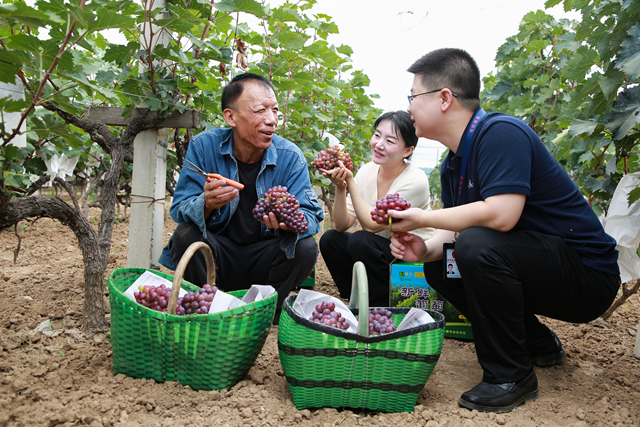
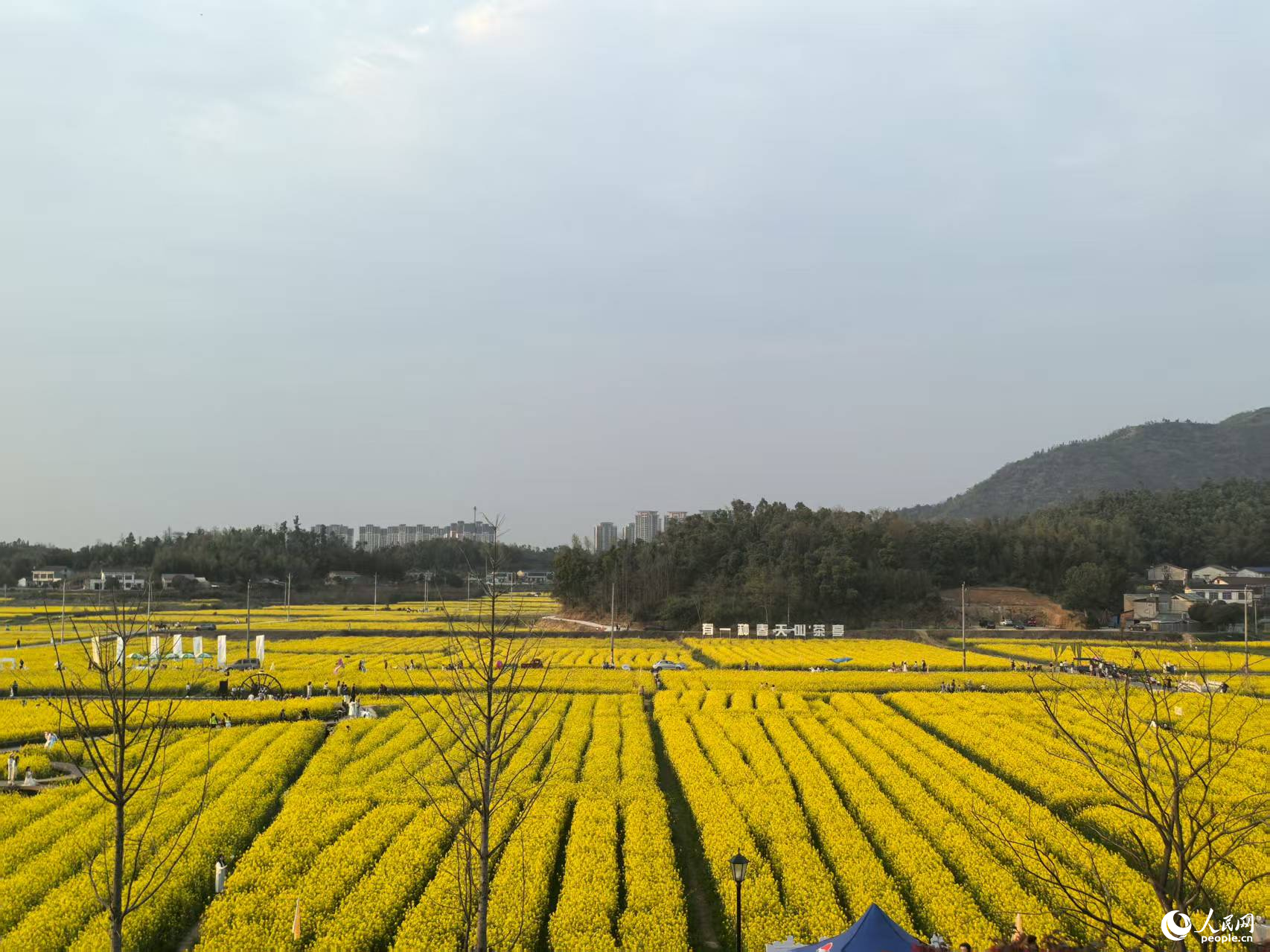
Group 1: Agricultural Development - The Saint Peak Fruit Industry Base is thriving with various fruits like yellow peaches and pears, showcasing a successful agricultural model that integrates tourism [1][3] - The introduction of the "orchard + tourism" model has led to over 200,000 annual visitors and a revenue exceeding 20 million yuan, highlighting the economic potential of agritourism [4] - The development of specialty brands such as Lianhua Sweet Peach and Lianwang Grape has resulted in a total output value of over 30 million yuan from three major planting bases, creating more than 200 jobs [4] Group 2: Cultural and Tourism Integration - The Tea Pavilion area has seen a significant increase in tourism, with 680,000 visitors during the rapeseed flower season, generating over 40 million yuan in comprehensive income [5] - Innovative activities like flower music festivals and traditional crafts have enhanced the visitor experience, transforming the area into a preferred micro-vacation destination [5] - The integration of art, agriculture, and tourism has led to a tenfold increase in local income over three years, demonstrating the effectiveness of the "flower sea + art + agricultural innovation" model [5] Group 3: Community Engagement and Governance - The Summer Dopu community has implemented a "people's sentiment analysis meeting" to address local issues, showcasing a responsive governance model that effectively resolves community concerns [7] - A multi-departmental approach to conflict resolution has improved the efficiency of handling local disputes, with a reported success rate increase of over 70% [7][9] - The establishment of comprehensive service centers in Changsha County has facilitated a one-stop service model, enhancing community governance and engagement [8][9] Group 4: Youth Involvement in Agriculture - Young entrepreneurs like Li Shiwang are modernizing traditional agriculture by introducing advanced techniques and marketing strategies, significantly increasing vegetable supply to the market [11] - The involvement of young professionals in rural development is fostering innovation and creating new economic opportunities, as seen in the initiatives led by Yang Hailiang in the tourism sector [11][12] - The return of educated youth to rural areas is contributing to the revitalization of local economies and the establishment of new brands and experiences [11][12]
行进中国|乡村振兴看“湘”村
Ren Min Wang· 2025-08-02 04:27
Core Insights - The article highlights the vibrant transformation of rural areas in Changsha, showcasing agricultural development, tourism integration, and community engagement as key components of rural revitalization [1][4][18] Agricultural Development - The Shengfeng Fruit Industry Base has successfully integrated tourism with agriculture, attracting over 200,000 visitors annually and generating more than 20 million yuan in revenue [4] - Lianhua Town has developed specialty brands like Lianhua Sweet Peach and Lianwang Grape, with three major planting bases achieving a total output value exceeding 30 million yuan and creating over 200 jobs [5] Tourism Integration - The Tea Pavilion in Wangcheng welcomed 680,000 visitors during the rapeseed flower season, generating over 40 million yuan in comprehensive income through immersive experiences and cultural activities [6] - The "Flower Sea + Art + Agricultural Creation" model has transformed the area into a preferred micro-vacation destination, with visitor numbers tripling and comprehensive income increasing tenfold over three years [6] Community Engagement - The Ningxiang community has implemented a "one-stop" service model to address residents' concerns, significantly improving the efficiency of conflict resolution and community governance [9][11] - Young entrepreneurs like Li Shiwang are introducing innovative agricultural practices and marketing strategies, leading to substantial increases in vegetable supply and local employment [15][16] Cultural and Creative Initiatives - The introduction of cultural events and creative projects, such as the "Rural Life Season" and the transformation of idle farmhouses, aims to enhance the local tourism experience and community engagement [17] - The integration of traditional agriculture with modern marketing strategies has made local products highly sought after in urban markets [16]
“雪域桃源”走出生态致富路
Zhong Guo Qing Nian Bao· 2025-08-02 02:55
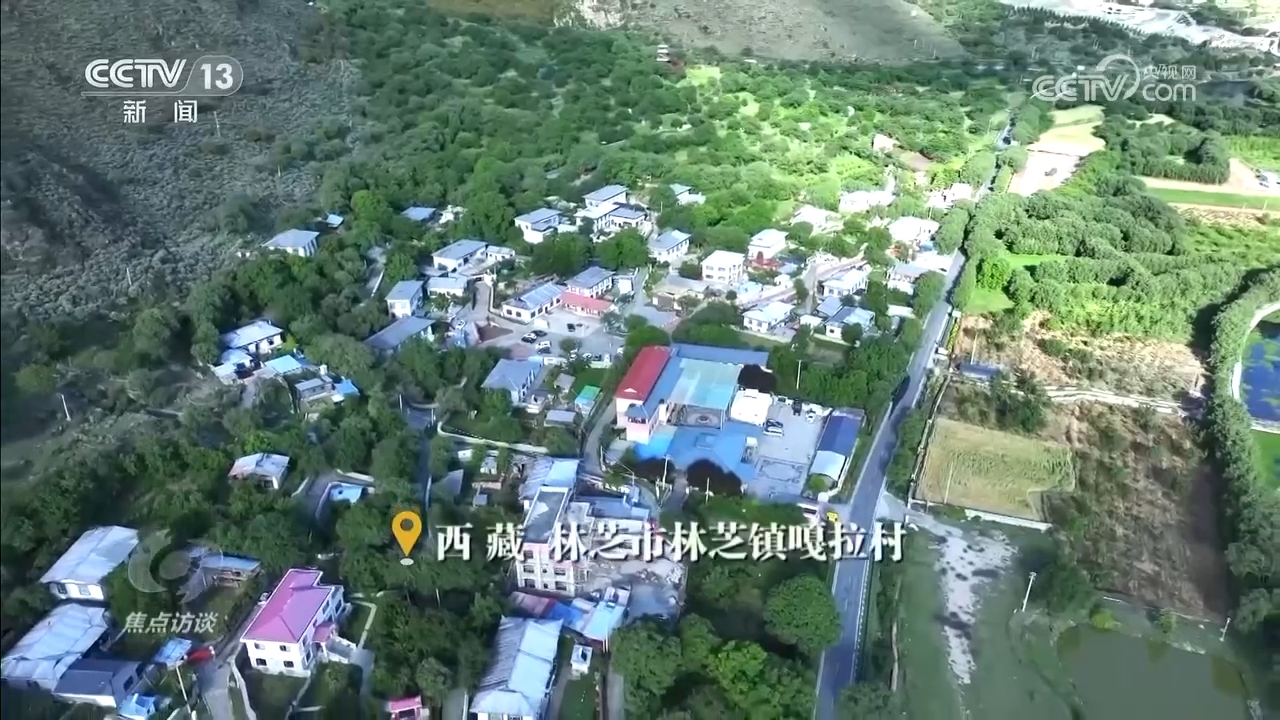
雪山脚下,藏式民居星罗棋布,这里便是西藏林芝市巴宜区林芝镇嘎拉村,因春季上千株野桃花盛开而 成为"桃花村"——林芝市最佳赏花地及重要旅游景点。近日,记者跟随"辉煌60载 魅力新西藏"采访团 来到这里。 2021年7月,习近平总书记在嘎拉村考察。4年来,嘎拉村在发展乡村旅游、壮大集体经济、促进民 族团结上取得实效。该村立足生态资源走致富路,成为雪域高原乡村振兴典型。 "总书记的回信极大鼓舞坚定了我们走绿色发展之路的信心和决心。"边巴告诉记者,目前嘎拉村坚 持产业发展与生态保护同步推进。 为引导村民保护环境、分类回收垃圾,嘎拉村设立了"绿色银行"积分兑换超市。村民主动参与人居 环境整治,将回收的垃圾核算成积分,不但可以兑换生活用品,排名靠前的村民还可享受增量授信、放 款提速等金融服务。这激发了村民的环保热情。 "看着北斗星走不迷路,跟着共产党走会幸福。"这是村民的心声。边巴表示,嘎拉村计划推动"桃 花经济"向"四季经济"延伸,擦亮品牌,不忘嘱托,让"雪域桃源"更加美好。 2002年首届林芝桃花节在此举办,但初期收益有限。2014年,广东省援藏工作队引入"景区带村"模 式,投资4800万元打造"嘎拉桃花源"3A级景 ...
我省发布特色田园乡村建设可推广经验清单
Xin Hua Ri Bao· 2025-08-01 21:57
Core Viewpoint - The provincial housing and urban-rural development department has released a list of 26 best practices for promoting characteristic rural construction, focusing on industry development, long-term management, cultural preservation, and rural governance [1] Group 1: Industry Development - Characteristic rural construction aims to create unique industries, ecology, and culture, enhancing rural landscapes, architecture, and lifestyles to promote comprehensive rural revitalization [1] - Various regions have successfully revitalized local economies through modern agriculture and the integration of primary, secondary, and tertiary industries, leading to increased income for residents [1] Group 2: Case Studies - In Yancheng's Salt City, Sanwan Village has cultivated 218 acres of yellow peaches and honey peaches, achieving a production value exceeding 2 million yuan through the "Peach Drunk Bay" brand and organic certification [1] - In Peixian's Datun Street, Songzhuang Village has developed a new urban-rural complex by leveraging red cultural resources, increasing tourism revenue from 68,000 yuan in 2019 to 385,000 yuan by 2024 [1] Group 3: Revitalization of Idle Properties - Many idle farmhouses have been revitalized, such as in Nanjing's Pukou District, where 17 "Lais Shared Courtyards" were created to develop characteristic homestays and rural dining [2] - In Kunshan's Dushan Lake Town, the village transformed idle properties into a yellow peach exhibition hall and creative workshop, enhancing the rural slow-life experience [2] Group 4: Cultural Preservation - Regions are focusing on preserving local traditions, as seen in Changzhou's Xinbei District, where traditional crafts and festivals have been promoted, leading to an increase in tourism revenue from zero to 450,000 yuan from 2020 to 2024 [2] - In Liyang's Daitou Town, the village has developed a gourd culture with 300 acres dedicated to gourd planting, creating jobs for over 50 villagers and increasing per capita disposable income to 42,000 yuan by 2024 [2]