酒店业

Search documents
星级酒店扎堆推月饼礼盒:联名玩出新花样,平价化打开市场新局
Cai Jing Wang· 2025-09-30 05:52
Core Insights - The hotel industry is actively launching mooncake gift boxes ahead of the Mid-Autumn Festival, utilizing cross-industry collaborations, cultural elements, and affordable pricing strategies to capture market share and boost non-room revenue [1][2]. Group 1: Product Innovation - Several luxury hotels are integrating cultural elements into their mooncake offerings, such as Marriott's "Yuxiang Qingyun" gift box featuring designs inspired by traditional Chinese art and unique flavors like Oolong milk tea and pomelo osmanthus [1]. - The Beijing Wangfujing Mandarin Oriental Hotel has partnered with the luxury jewelry brand Qeelin to create a mooncake gift box that reflects traditional cultural themes and craftsmanship [1]. - Other hotels, like the Shanghai Pudong Ritz-Carlton, are collaborating with heritage brands to incorporate local cultural motifs into their packaging, enhancing the overall product appeal [2]. Group 2: Pricing Strategies - In response to changing consumer preferences, luxury hotels are lowering their price points for mooncake gift boxes, with many offerings priced between 198 and 398 yuan, aligning with the trend towards affordability [2]. - The adjustment in pricing strategies is aimed at meeting consumer expectations for value while enhancing product quality through ingredient sourcing and cross-industry collaborations [2]. Group 3: Membership and Sales Strategies - Membership programs are becoming central to sales strategies, with Marriott offering exclusive rewards for members purchasing mooncake gift boxes through their online platform [2]. - Other hotel chains, such as Wanda and Hilton, are leveraging their loyalty programs to provide special pricing and benefits, fostering customer loyalty and encouraging repeat purchases [2].
“酒店即目的地”“一站式遛娃”正在南京兴起
Nan Jing Ri Bao· 2025-09-30 02:33
Group 1 - The tourism market in Nanjing is experiencing a surge in popularity during the National Day and Mid-Autumn Festival holidays, with hotels offering unique services to attract visitors [1][2] - Nanjing has become the most popular destination for the upcoming holidays, with hotel bookings increasing by 68.6% year-on-year, and overall tourism orders rising by 60% [2] - The success of the film "Nanjing Photo Studio" and the upcoming "Su Super" football matches are contributing factors to the increased tourist interest in Nanjing [2] Group 2 - Hotels in Nanjing are creating immersive cultural experiences, such as Kunqu opera performances in historical settings, enhancing the appeal of their accommodations [3] - A new travel trend is emerging where hotels are becoming destinations themselves, offering integrated experiences that combine cultural exploration and nature [3] - The demand for family-oriented travel is driving hotels to offer "one-stop" experiences for parents and children, with activities and packages tailored to family needs [5] Group 3 - The trend of "one-stop child-friendly" services is gaining traction, with hotels providing themed rooms and seamless connections to local attractions [5] - Activities designed for children, such as DIY projects and interactive experiences, are being implemented to enhance family stays and provide convenience for parents [5] - Unique cultural experiences, such as traditional craft activities, are being integrated into hotel offerings to enrich family interactions and cultural understanding [5]
奢华之忧,丽思卡尔顿的"焦虑"
3 6 Ke· 2025-09-30 01:15
Core Insights - The Ritz-Carlton brand, known for its luxury and high standards, faces unprecedented pressure in the evolving high-end hotel market, requiring adaptation to new consumer preferences and emerging competitors [1][3][30]. Group 1: Brand Positioning Challenges - The Ritz-Carlton's long-standing luxury brand positioning is being challenged by overlapping luxury brands within the Marriott Group and changing definitions of luxury among new generations of consumers [3][5]. - Recent design changes, such as the minimalist approach of the Suzhou Ritz-Carlton, reflect a shift towards contemporary aesthetics and local cultural integration, which has sparked debate among loyal customers [5][22]. - Balancing classic luxury with modern trends is increasingly difficult, as rapid expansion may compromise brand essence and consumer perception [5][19]. Group 2: Preferences of Younger Generations - The millennial and Gen Z demographics are redefining luxury travel, prioritizing experiences over material possessions and showing a strong affinity for sustainability and local culture [7][10]. - In China, younger guests now represent over 50% of the clientele in certain Ritz-Carlton locations, indicating a significant market opportunity if the brand can adapt its offerings [8][10]. - Digital and personalized services are becoming essential, with the introduction of a digital concierge app allowing guests to customize their stay [10][12]. Group 3: Expansion and Quality Dilemmas - The Ritz-Carlton has historically expanded cautiously, but recent pressures have led to a reassessment of its growth strategy, especially in the competitive Chinese market [14][15]. - The post-pandemic recovery has prompted a surge in luxury hotel openings, with a projected 181 new luxury hotels in Greater China from 2019 to 2024, intensifying competition [14][15]. - Concerns about maintaining quality amid rapid expansion are prevalent, as evidenced by negative reviews of newly opened hotels due to rushed preparations [17][19]. Group 4: Evolving Luxury Standards - The Ritz-Carlton's traditional luxury aesthetic is perceived as outdated by some younger consumers, prompting the brand to incorporate contemporary design elements and local inspirations [22][24]. - Collaborations with fashion brands, such as the partnership with Late Checkout, aim to rejuvenate the brand's image and appeal to a younger audience [25][30]. - The challenge lies in innovating without losing the brand's core identity, as maintaining a balance between tradition and modernity is crucial for long-term success [27][34]. Group 5: Competitive Landscape - The luxury hotel market is becoming increasingly competitive, with traditional rivals like Four Seasons and Hyatt expanding aggressively, alongside the rise of local high-end brands in China [30][31]. - The shift in consumer spending towards luxury experiences over products is creating opportunities for various players in the high-end travel sector, including boutique hotels and luxury cruises [31][33]. - The Ritz-Carlton's ability to navigate this competitive landscape while preserving its brand integrity will be vital for its future success [36][38].


首钢园周边酒店火起来
Bei Jing Wan Bao· 2025-09-29 08:06
Core Viewpoint - The WTT China Grand Slam 2025 is generating significant interest, leading to high hotel occupancy rates in the Shijingshan District, particularly around Shougang Park [1] Group 1: Hotel Occupancy - Many hotels in the vicinity, such as Jinjiang Inn, Quanjing, and Home Inn, are experiencing tight room availability, with some dates already fully booked [1] - For instance, the Jinjiang Inn Apple Park location is completely booked from October 2 to 3, indicating strong demand due to the table tennis events [1] - Several hotel staff reported that some rooms were reserved as early as last year, highlighting the advance planning by guests [1] Group 2: Guest Behavior - Visitors, like Ms. Chen from Shanghai, are proactively planning their stays, opting for hotels approximately 5 kilometers away from Shougang Park, accessible via the S1 line [1] - Many fans are sharing their hotel booking experiences online, showcasing the convenience of transportation options such as S1, Line 6, Line 1, and nearby hotels [1] Group 3: Hotel Preparations - Hotels are enhancing their offerings with themed rooms and dedicated exhibition areas, such as the WTT China Grand Slam theme exhibition hall set up in the lobby of the Beijing Wanshang Garden Mercure Hotel [1]

县城酒店,也开始卷起来了
Sou Hu Cai Jing· 2025-09-29 07:39
Core Insights - The county-level markets in China are emerging as new engines of consumption, covering approximately 1 billion people and contributing 46.3% to the total retail sales of consumer goods [1][3] - The hotel industry is increasingly focusing on these "value-laden" markets, which are seen as the next growth frontier [2][6] Economic Growth and Consumer Behavior - The steady increase in rural residents' disposable income, which reached 11,272 yuan in the first half of 2023, growing by 6.6% year-on-year, is driving consumption capability and quality demand [3][5] - McKinsey predicts that by 2030, 66% of China's personal consumption growth will come from county-level markets, particularly in travel and tourism [3][5] Hotel Market Trends - There has been a significant shift from "budget travel" to "quality travel," with consumers now prioritizing amenities such as breakfast, airport transfers, and fitness facilities [5] - The rise of "reverse tourism" is noted, where young travelers seek unique experiences in small towns rather than crowded tourist spots, facilitated by improved transportation infrastructure [5] Competitive Landscape - Major hotel groups are implementing strategies to penetrate county-level markets, with Huazhu Group aiming for "a Huazhu in every county" and planning to open approximately 1,800 new hotels in 2024, primarily in lower-tier markets [7] - Jinjiang Hotel Group focuses on the three- and four-tier markets, with its economy and mid-range hotels contributing 97% of its revenue [7] - The introduction of a "light management" franchise model by Home Inn aims to attract local hotels for renovation, with 71.6% of its total hotels being economy and light management types [7] Differentiation Strategies - Shangmei Smart Hotel Group has carved out a niche by focusing on smaller, boutique hotels in lower-tier cities, with a unique "small but beautiful" model [8] - Local hotels are enhancing their facilities and services to compete with chain hotels, adapting to local market needs while maintaining cost-effectiveness [8] Success Factors in County-Level Markets - Successful hotel brands are adopting location strategies tailored to the characteristics of county markets, with tourism-oriented hotels near attractions and business-oriented hotels near commercial hubs [10] - Pricing strategies are crucial, with most hotels in these markets positioned in the 200-400 yuan range, and flexible requirements for franchisees to lower entry barriers [11] Future Outlook - The explosive growth of the county hotel market is just beginning, with further potential expected as urban-rural integration and transportation infrastructure improve [12] - The competition among national brands, regional chains, and local hotels will intensify, offering consumers more choices and better experiences [12]
拼车拼好饭之后,国内酒店开始流行“拼楼”
3 6 Ke· 2025-09-29 02:44
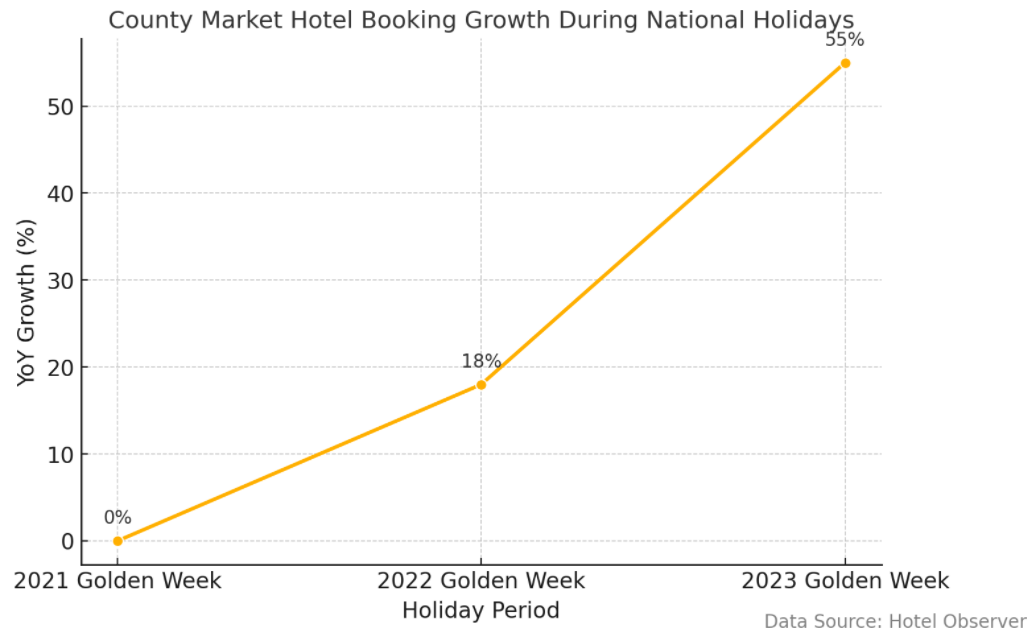
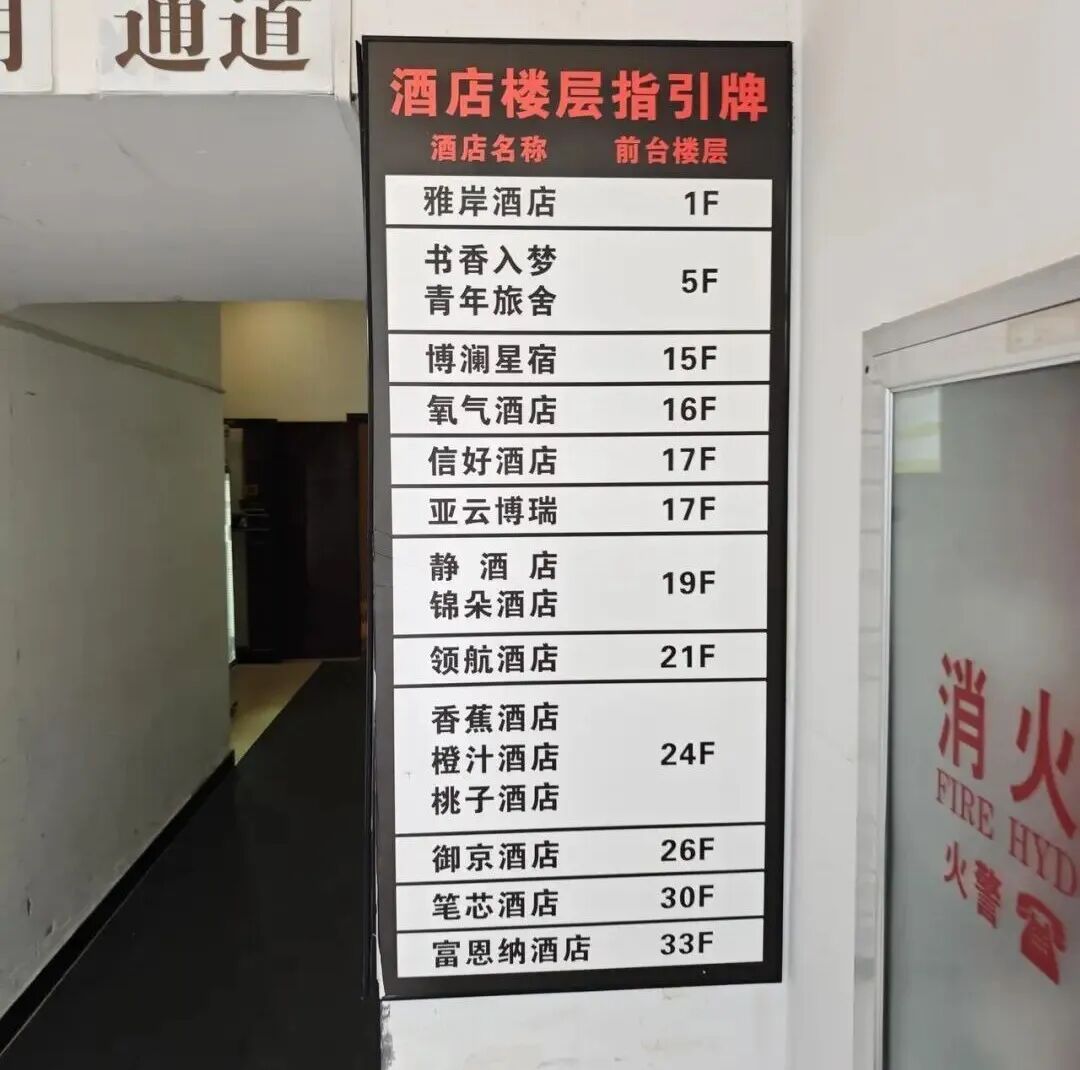
Core Viewpoint - The trend of "stacked hotels" in China is emerging as a cost-effective solution in a highly competitive hotel market, where multiple hotels operate within the same building, leading to a unique "vertical hotel complex" model that benefits from shared resources and customer flow [1][30]. Group 1: Industry Trends - The phenomenon of multiple hotels coexisting in a single building, often referred to as "stacked hotels," is becoming increasingly common in urban areas like Hangzhou, where a single high-rise can host over ten hotels [2][5]. - This model allows hotels to maintain their unique characteristics while benefiting from shared customer traffic, especially during peak seasons when occupancy rates can reach nearly full capacity [20][30]. - The "vertical hotel complex" approach is seen as a response to the shift from an incremental market to a stock market in the Chinese hotel industry, where suitable locations for new hotels are scarce [1][5]. Group 2: Economic Implications - Hotels within the same building can collectively manage seasonal fluctuations, sharing the burden during off-peak times and enjoying full occupancy during busy periods, thus enhancing overall profitability [20][30]. - The shared space and resources can lead to reduced customer acquisition costs for individual hotels, as the presence of multiple options attracts more visitors to the building [20][30]. - The trend reflects a broader shift in the hospitality industry, where smaller hotels are becoming more appealing due to lower investment costs and reduced operational pressures compared to larger establishments [30][34]. Group 3: Challenges and Considerations - While the stacked hotel model offers economic benefits, it also raises concerns regarding safety and regulatory compliance, as seen in past incidents where overcrowded buildings faced fire hazards [16][17]. - The model can lead to potential conflicts with residential communities, as seen in cases where residential buildings have been converted into hotels, causing disturbances and safety issues for residents [7][10]. - The long-term sustainability of this model may be challenged by market saturation and the need for continuous differentiation among hotels to avoid a decline in service quality and brand identity [30][37].
WTT赛事叠加“十一”假期,首钢园周边酒店预订火热
Bei Jing Ri Bao Ke Hu Duan· 2025-09-29 01:32
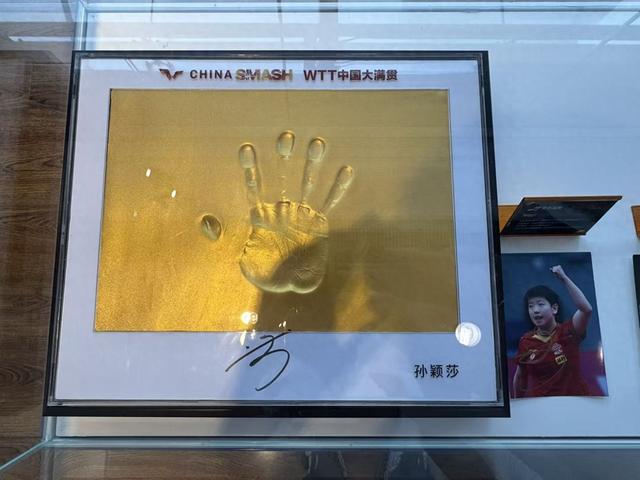
Core Insights - The WTT China Grand Slam 2025 is generating significant interest, leading to high hotel occupancy rates in the Shijingshan District, particularly around Shougang Park [1][3] - Many hotels are offering themed rooms and displays to attract guests, showcasing memorabilia from world champion players [5] Group 1: Hotel Occupancy and Pricing - Several hotels near Shougang Park, such as Jinjiang Inn and Home Inn, are experiencing tight room availability, with some dates already fully booked [3] - The price difference for hotel rooms around the event dates is substantial, with rates for October 1-5 being double those for October 6 [3] - Guests are planning ahead, with some having made reservations as early as the previous year due to the expected high demand during the holiday period [3] Group 2: Themed Hotel Offerings - The Beijing Wanshang Huayuan Mercure Hotel has established a themed exhibition hall featuring hand molds and signed memorabilia from top players like Sun Yingsha and Wang Chuqin [5] - The hotel has also created 120 themed rooms with decorations related to the WTT Grand Slam, including items made from discarded table tennis balls [5] - Most of the themed rooms for October 1-3 are already nearly fully booked, indicating strong demand for these unique offerings [5]
假期酒店挑选指南:避开雷区的方法
Xin Lang Cai Jing· 2025-09-28 06:58
Core Viewpoint - The article emphasizes the importance of selecting hotels based on various critical dimensions such as geographical location, reputation, facilities, and services, rather than merely focusing on price. It outlines four key channels to help consumers make informed decisions and avoid common pitfalls in hotel selection [1][7]. Group 1: Geographical Location and Mapping Tools - Geographical location is the primary consideration when selecting a hotel, and mapping tools can help avoid location traps by identifying convenient and experiential accommodations [2]. - Users are advised to utilize mapping platforms like Amap and Baidu Maps to mark key demand points, ensuring proximity to attractions or business locations while considering transportation options [2]. - The street view feature on mapping platforms allows users to visually assess the surrounding environment of hotels, helping to avoid noisy or unsafe areas [2]. Group 2: Reputation and Review Channels - Reputation and customer reviews are crucial for assessing the true quality of hotels, with platforms like Black Cat Complaints and social media providing comprehensive insights [3][4]. - Black Cat Complaints serves as a first line of defense by highlighting frequent complaints related to hygiene, service, and hidden charges, allowing consumers to make informed choices [3]. - Social media platforms focus on detailed experiences, enabling users to compare promotional images with real-life photos and assess whether hotels meet personalized needs [4]. Group 3: Facilities and Services Checklist - The facilities and services offered by hotels directly impact the comfort of the stay, and consumers should verify these details against their personal needs [5]. - It is recommended to create a checklist of essential requirements and cross-check them with booking platforms and hotel websites to ensure all needs are met [5]. - Consumers should be cautious of vague promotions and confirm specific amenities, such as the type of smart room features or the view from a room labeled as a "view room" [5]. Group 4: Price and Guarantee Comparison - Reasonable price comparison and rights verification are essential for identifying the best value for money while minimizing consumer risks [6][7]. - When comparing prices, it is important to consider hidden costs, such as transportation time and additional fees for amenities like breakfast, which can affect overall value [7]. - Consumers should pay attention to cancellation policies and platform guarantees, as these can significantly reduce potential losses from booking mistakes [7].
当职业“选书人”走进酒店大堂
Hu Xiu· 2025-09-28 04:56
Core Viewpoint - The article discusses the emerging role of "book curators" in hotels, emphasizing the importance of carefully selected books in enhancing the guest experience and reflecting the hotel's identity [2][15][39]. Group 1: The Role of Book Curators - Book curators are professionals who select and display books in various spaces, including hotels, to create a unique reading experience for guests [16][20]. - The concept of book curators originated in Japan and has gained attention in China, with professionals like Chu Haifei providing curation services for hotels and other commercial spaces [18][19]. - The selection process involves understanding the space's atmosphere, the target audience, and cultural goals, making it a comprehensive art form [21][23]. Group 2: Importance of Authenticity - Many hotels still use decorative fake books, which do not provide a genuine reading experience, highlighting a disconnect between the intended ambiance and actual guest engagement [10][12][14]. - The discussion around whether hotels should use real books has gained traction, with arguments for authenticity emphasizing the emotional connection books can foster between guests and the space [14][39]. - Real books can serve as a medium that connects people and spaces, enhancing the overall atmosphere and guest experience [23][24]. Group 3: Case Studies of Successful Implementation - The Muji Hotel in Beijing collaborated with a professional book curator to select books that resonate with the hotel's brand ethos, focusing on Japanese aesthetics and urban culture [33]. - The Cotton Flower Hotel invited a book curator to redefine its public space, ensuring that the selected books align with the hotel's architectural language and design [34]. - The Atour Hotel's "Bamboo Residence" initiative involves a curated book list tailored to the needs of new middle-class and business travelers, integrating reading with community engagement [36]. Group 4: Evolving Hotel Spaces - Hotels are transitioning from being mere transitional spaces to content-rich environments that offer diverse experiences through books, art, and music [39][40]. - The integration of books into hotel design reflects a broader trend of hotels seeking to express local culture and history, enhancing their role as cultural windows [40][41]. - The shift towards content-driven hotel experiences indicates a growing demand for professionalism and depth in the services offered, moving beyond superficial engagement [48][49].
暑期吃瘪的酒店,把国庆不加价延长到了春节
3 6 Ke· 2025-09-28 03:29
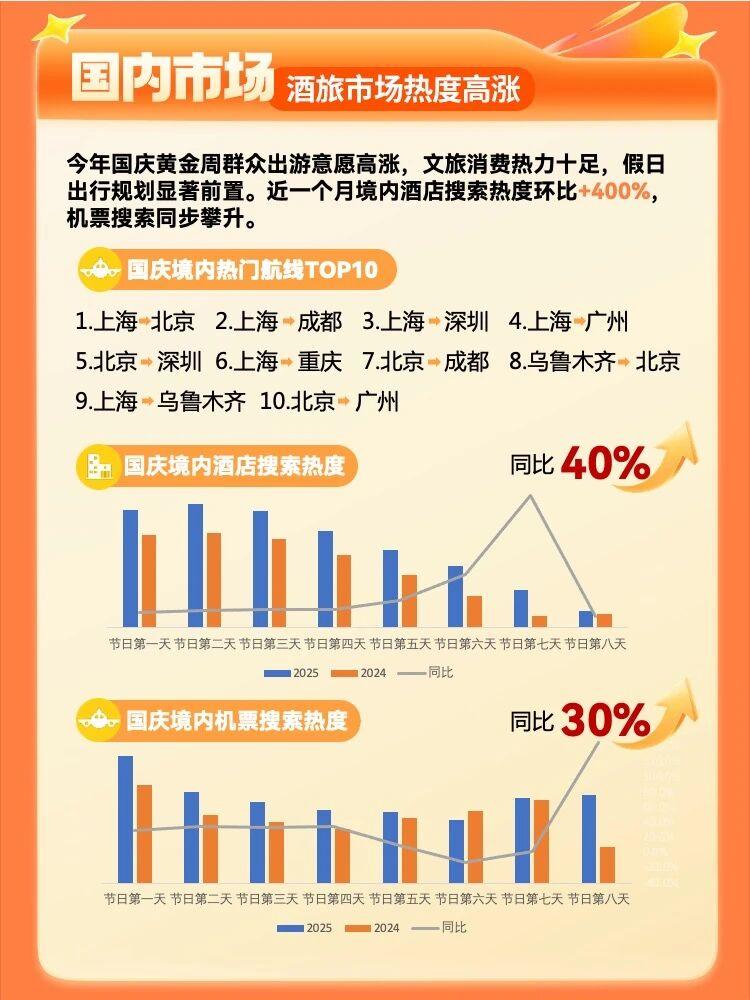
Group 1 - The article discusses the upcoming "Super Golden Week" during the National Day holiday, highlighting the potential for increased travel demand due to an extended holiday period of up to 12 days [1][2] - There is a notable disparity in hotel performance, with popular tourist destinations experiencing high occupancy rates and room prices, while less popular areas struggle to attract guests [1][5] - Many hotels are adopting a strategy of not raising prices during peak holiday periods, indicating a shift towards price competition to attract customers [1][6][21] Group 2 - Data from Ctrip indicates a significant increase in hotel search interest, with a 400% month-on-month rise in searches for domestic hotels during the upcoming National Day holiday [2] - Young travelers aged 18-29 are identified as the primary demographic driving travel bookings, with major cities like Shanghai, Chengdu, and Beijing leading in flight reservations [5][10] - The hotel market is expected to see explosive growth during the National Day holiday, despite concerns from investors about the previous summer's poor performance [5][9] Group 3 - The average hotel prices have decreased by approximately 4.5% year-on-year, with many hotels offering non-inflated pricing as a standard practice [8][21] - There is a growing trend towards smaller, less crowded destinations, with three to four-tier cities becoming key growth areas for hotel bookings [10][12] - The increase in hotel supply, with over 93,300 hotels and nearly 7.07 million rooms projected by 2024, may lead to intensified price competition and pressure on revenue per available room (RevPAR) [15][18][20] Group 4 - The article emphasizes the need for hotels to balance occupancy rates (OCC) and average daily rates (ADR) amidst a competitive market, suggesting that dynamic pricing strategies will be crucial for profitability [21][22] - The hotel industry is experiencing a significant influx of new entrants, leading to a saturated market where differentiation and unique offerings are becoming increasingly important [20][21] - The upcoming holiday seasons, including the Spring Festival, will require hotels to make strategic decisions regarding pricing and occupancy management earlier than in previous years [22]