
住宅地产

Search documents
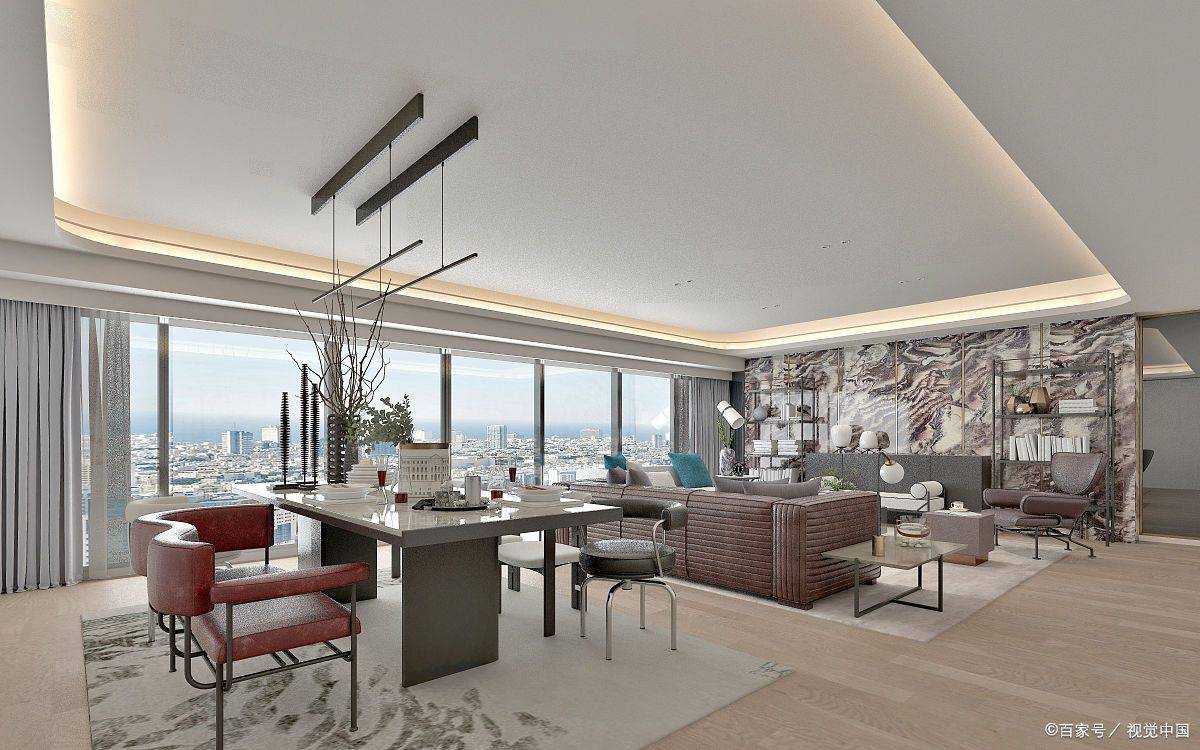
越来越多有钱人,逃离大平层?老业主吐槽:4个缺点难以忍受
Sou Hu Cai Jing· 2025-10-20 01:50
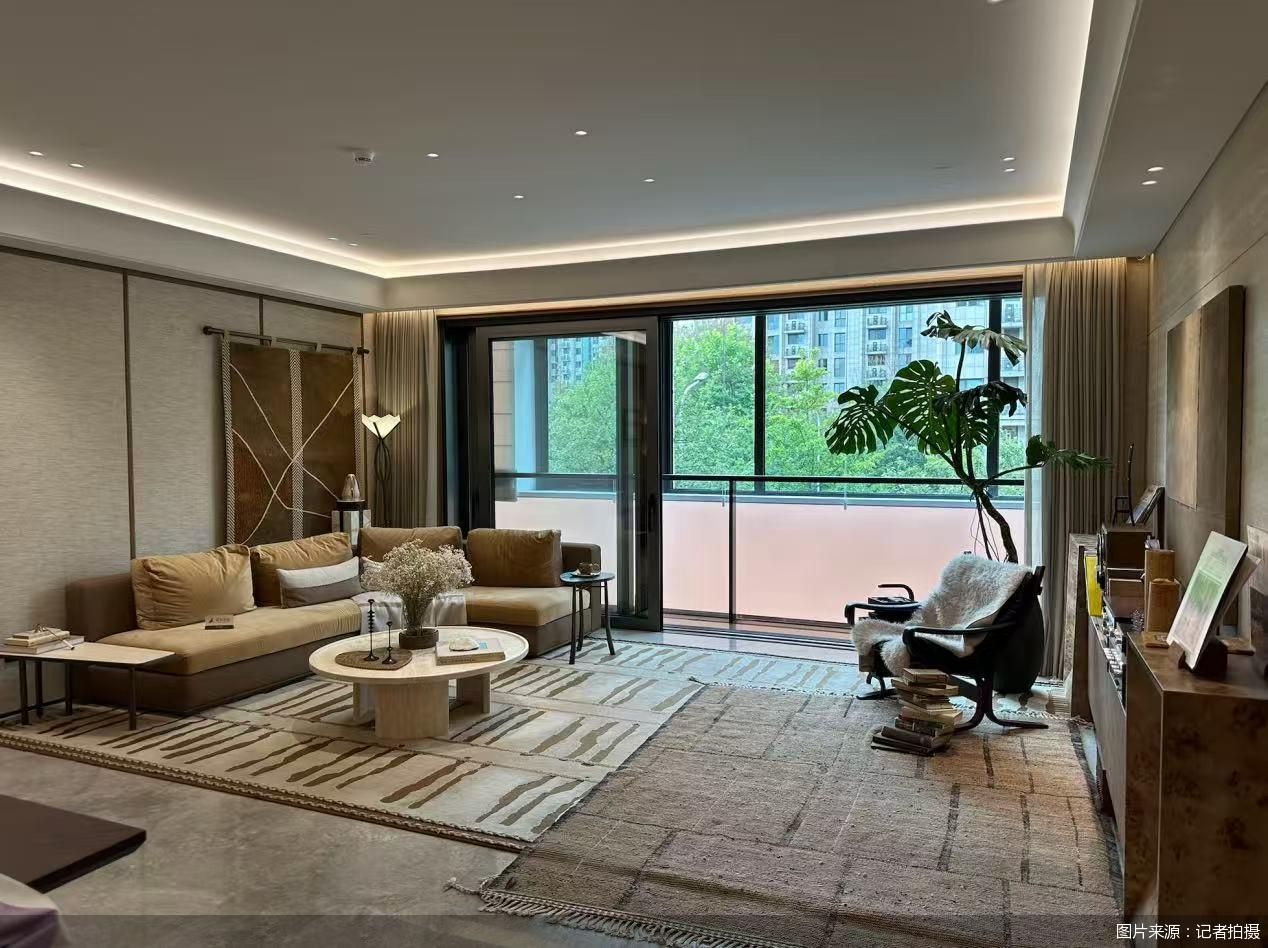
Core Insights - The preference for spacious flat residences, once favored by urban elites and business owners, is declining as wealthy individuals are increasingly moving away from these properties [1] Group 1: Market Dynamics - The resale challenges of large flats create a dilemma; ordinary families find the high prices of second-hand large flats unaffordable, while affluent families prefer new, customized options, leading to a lack of demand for second-hand large flats [3] - The high maintenance costs associated with large flats, including cleaning, property management, and heating fees, add significant financial pressure over time [5] Group 2: Financial Considerations - The renovation costs for large flats can be exorbitant, often reaching hundreds of thousands, making them less accessible for many working-class families compared to smaller residences [6] - The overall financial burden of owning a large flat, including initial investment and ongoing expenses, is prompting a reevaluation among wealthy buyers [8] Group 3: Lifestyle Factors - Large flats may not suit all family types; smaller households may feel isolated in such expansive spaces, and the layout can hinder community interaction compared to multi-unit buildings [7]

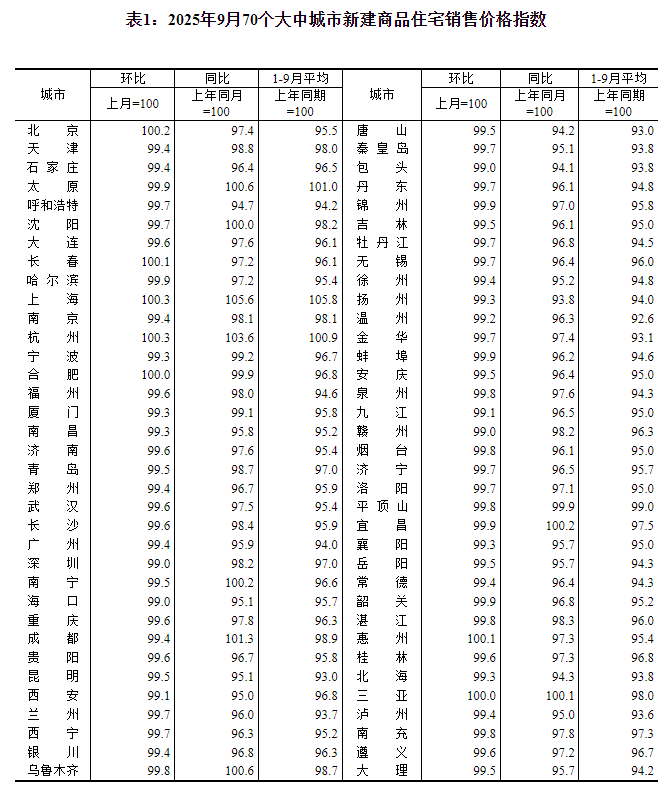
国家统计局:9月70个大中城市中各线城市商品住宅销售价格环比下降
Guo Jia Tong Ji Ju· 2025-10-20 01:40
Summary of Key Points Core Viewpoint - In September 2025, the sales prices of new residential properties in 70 major cities in China showed a month-on-month decline, while the year-on-year decline continued to narrow. Group 1: Month-on-Month Price Changes - In September, the sales prices of new residential properties in first-tier cities decreased by 0.3%, with Beijing and Shanghai experiencing slight increases of 0.2% and 0.3% respectively, while Guangzhou and Shenzhen saw declines of 0.6% and 1.0% [2] - Second-tier cities saw a month-on-month decline of 0.4%, which is an increase in the rate of decline by 0.1 percentage points compared to the previous month [2] - Third-tier cities also experienced a month-on-month decline of 0.4%, remaining consistent with the previous month [2] - The sales prices of second-hand residential properties in first-tier cities decreased by 1.0%, consistent with the previous month, with declines in Beijing, Shanghai, Guangzhou, and Shenzhen of 0.9%, 1.0%, 0.8%, and 1.0% respectively [2] Group 2: Year-on-Year Price Changes - In September, the year-on-year sales prices of new residential properties in first-tier cities decreased by 0.7%, with a narrowing of the decline by 0.2 percentage points compared to the previous month. Shanghai saw an increase of 5.6%, while Beijing, Guangzhou, and Shenzhen experienced declines of 2.6%, 4.1%, and 1.8% respectively [3] - Second-tier cities experienced a year-on-year decline of 2.1%, and third-tier cities saw a decline of 3.4%, both narrowing by 0.3 percentage points [3] - The year-on-year sales prices of second-hand residential properties in first-tier cities decreased by 3.2%, with a narrowing of the decline by 0.3 percentage points compared to the previous month. The declines in Beijing, Shanghai, Guangzhou, and Shenzhen were 2.7%, 2.4%, 6.0%, and 1.7% respectively [3] Group 3: Price Index Data - The price index for new residential properties in September 2025 shows that Beijing's index was 100.2, while Shanghai's was 99.4, indicating slight variations in price trends across cities [4] - The price index for second-hand residential properties in September 2025 indicates that Beijing's index was 99.1, reflecting a decrease compared to previous months [5] - The classification index for new residential properties shows that properties under 90m² had a month-on-month index of 100.0 in Beijing, while properties over 144m² had an index of 100.5, indicating different trends based on property size [6][7]
国家统计局:9月各线城市商品住宅销售价格环比下降
Hua Er Jie Jian Wen· 2025-10-20 01:34
Core Viewpoint - The sales prices of commercial residential properties in various cities continue to show a narrowing decline year-on-year [1] Group 1 - The decline in sales prices of commercial residential properties is observed across multiple city tiers [1] - The trend indicates a potential stabilization in the real estate market as the rate of decline decreases [1]
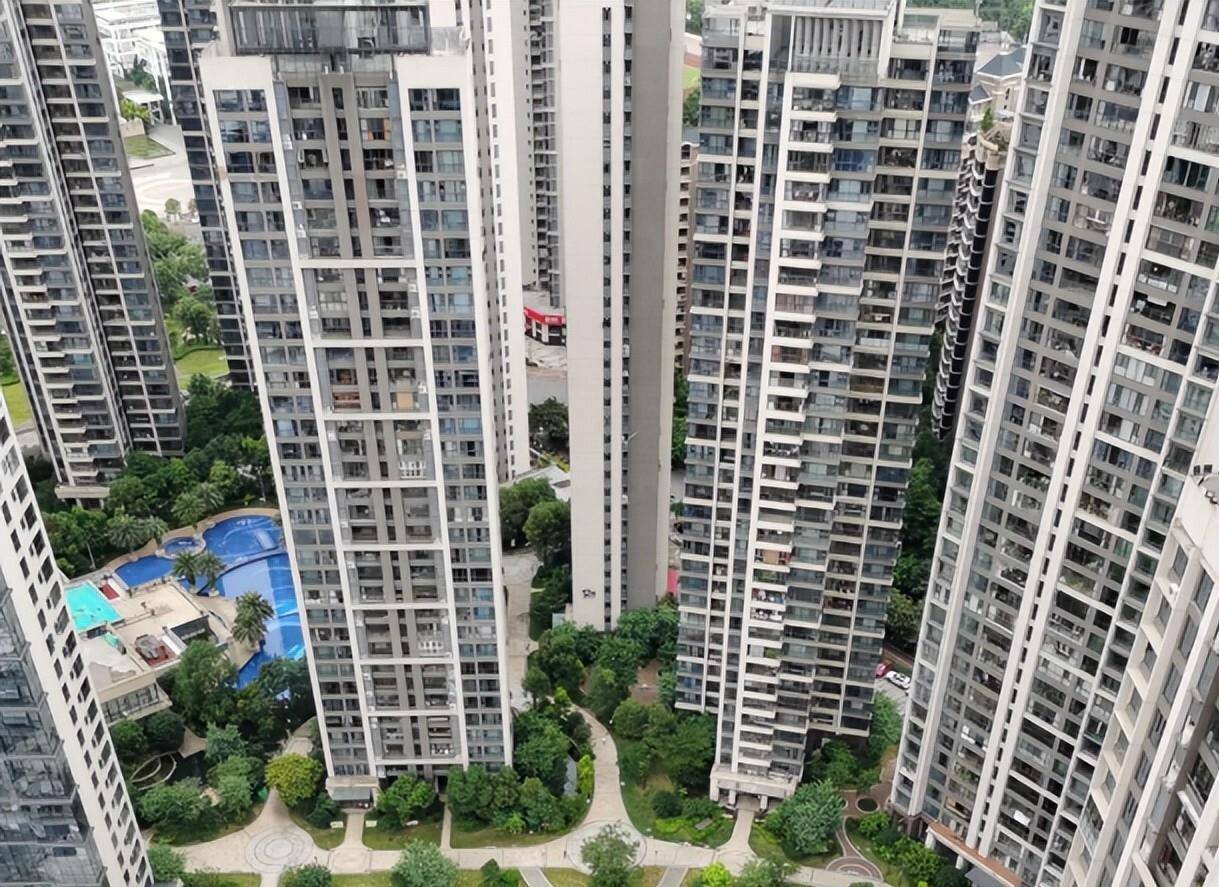
为什么越来越多的人逃离高层住宅?过来人说出实情
Sou Hu Cai Jing· 2025-10-16 23:04
Core Viewpoint - The allure of high-rise living is diminishing as residents face increasing challenges and dissatisfaction with their living conditions, leading to a notable trend of moving away from high-rise apartments [1][14]. Group 1: Resident Sentiment - Many residents who once cherished their high-rise apartments are now expressing regret over their choices, citing issues such as elevator failures and the physical toll of living in tall buildings [3][4]. - A significant decline in the popularity of apartments above 18 floors is evident, dropping from 33.6% in 2017 to 22.7% in 2020, with nearly 70% of homebuyers preferring lower floors [6]. Group 2: Elevator Dependency - High-rise residents are heavily reliant on elevators, and any malfunction can lead to significant inconvenience, with reports of long wait times during peak hours [7][8]. - The increasing usage of elevators correlates with a rise in malfunction rates, particularly in buildings designed with insufficient elevator capacity for the number of residents [8]. Group 3: Safety Concerns - Fire safety in high-rise buildings poses serious risks, as evacuation and rescue operations become increasingly difficult with height, especially when existing firefighting resources are inadequate [10]. - The rapid spread of fire in high-rise buildings is alarming, with examples of fires escalating quickly due to flammable materials used in construction [10]. Group 4: Shared Space and Costs - The increase in shared public areas in high-rise buildings has led to a rise in common area costs, with some buildings seeing shared space ratios increase from 20% to as high as 46%, significantly raising the effective cost per square meter for residents [11]. - High-density living often results in overcrowded public spaces, leading to complaints about noise and lack of community cohesion among residents [11]. Group 5: Maintenance and Infrastructure - The rapid aging of facilities in high-rise buildings, coupled with poor property management, often results in delayed repairs and maintenance, leaving many amenities in disrepair [12]. - The complexity of decision-making among a diverse group of residents can hinder necessary upgrades and repairs, leading to prolonged issues with essential services like elevators and water supply [12][13]. Group 6: Changing Perspectives - The perception of high-rise living as a modern ideal is shifting, with increasing regulatory measures like "height limits" indicating a potential reevaluation of urban living standards [14]. - The economic implications of high-rise living are becoming a pressing concern, as the high costs associated with these properties may lead to a decline in living quality, raising questions about their long-term viability as desirable residences [14].
“沪六条”效应显现,上海楼市趋向活跃
Zhong Guo Jing Ji Wang· 2025-10-16 08:54
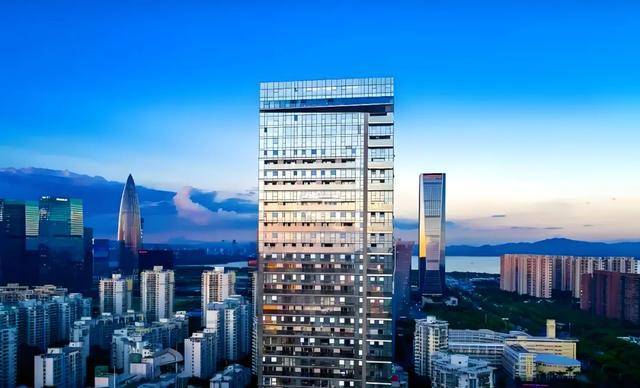
Group 1: Housing Market Dynamics - The implementation of the "Six Policies" in Shanghai has led to an increase in housing market activity, with September seeing a total transaction volume of 2.07 million square meters, an 8% month-on-month increase and a 24% year-on-year increase [1] - The new policies have resulted in improved subscription levels for new housing projects, with 43 projects listed in September and an average subscription ratio of 0.75, higher than the year-to-date average of 0.71 [1] - The sales of new homes in September reached 550,000 square meters, representing a 28% month-on-month increase and a 14% year-on-year increase [1] Group 2: Market Sentiment and Trends - Despite the recent policy relaxations, market sentiment remains cautious, with limited immediate impact on overall first-hand transaction volumes [2] - High-end residential projects with unique locations and product offerings are expected to continue attracting high-net-worth clients, while the average price of high-end second-hand homes is anticipated to face downward pressure due to buyer hesitance [2] - The logistics real estate sector is focused on cost reduction, with new projects near consumer hubs attracting tenants [2] Group 3: Investment Market Outlook - The investment market in Shanghai showed signs of recovery in Q3 2025, with 17 asset transactions totaling 14.97 billion yuan, a 78.1% increase quarter-on-quarter [3] - Future expectations for the commercial real estate investment market in Shanghai are positive, driven by ongoing macroeconomic policy support, increased foreign investment interest, and the release of scarce core assets [3]
傻买“一楼”穷买“顶楼”?旧观念害人不浅,这3层更应避开
Sou Hu Cai Jing· 2025-10-15 16:27
Core Insights - The article highlights the common misconceptions regarding floor selection in real estate, emphasizing that many buyers prioritize superstitions over practical living conditions [4][7] - Data from 2025 indicates that certain traditionally "unlucky" floors, such as the 4th, 13th, and 14th, have lower average transaction prices, making them attractive options for savvy buyers [3][4] - The article suggests that the ideal floor choice should be based on practical factors affecting living quality rather than outdated beliefs [7][8] Group 1: Old Beliefs vs. Reality - A significant 57% of buyers regret their floor choice after moving in, indicating a disconnect between traditional beliefs and actual living experiences [4] - The most popular floor range in new residential sales is between the 6th and 11th floors, accounting for 45% of total sales [4] Group 2: Floors to Avoid - Equipment floors and adjacent levels should be avoided due to high noise and vibration complaints, with residents near these areas reporting noise complaints 5.7 times more than those in regular floors [5] - The second floor is prone to plumbing issues, particularly in buildings with outdated drainage systems, leading to potential flooding problems [5] - Waistline floors and their adjacent levels can cause water accumulation and affect indoor lighting, leading to maintenance challenges [5] Group 3: Misunderstood First and Top Floors - Modern construction techniques have improved the conditions of first and top floors, with first floors often featuring elevated designs to mitigate moisture issues [6] - First-floor units with private gardens can command a market premium of 8%-12%, especially in upscale communities [6] - Top floors benefit from enhanced waterproofing and insulation technologies, reducing leakage risks by 75% and maintaining higher market values due to privacy and views [6] Group 4: Rational Floor Selection - The article advocates for a rational approach to floor selection, suggesting that middle floors (8th to 18th in a 30-story building) typically offer the best balance of comfort and practicality [7] - Factors such as orientation and surrounding environment significantly impact property values, with south-facing units priced 10%-15% higher than north-facing ones [7] Group 5: Recommendations for Buyers - Buyers should assess their core needs, considering factors like family composition and climate conditions when selecting a floor [8] - Awareness of building specifics and noise levels is crucial, as studies show that floors above the 10th level experience 8-12 decibels less noise than lower floors [8] - The article emphasizes the importance of moving beyond outdated beliefs to make informed decisions that enhance living comfort and property value [8]
仲量联行:第三季度北京办公楼和零售地产租金持续下降
Zheng Quan Ri Bao· 2025-10-15 04:36
Group 1 - The report by JLL indicates that the demand for office space in Beijing remains weak, with retail property rents experiencing a further decline, although there are new highlights from IP consumption and emotional spending [1][2] - The Beijing office market is entering a new normal, with the breaking down of rental barriers enhancing cross-regional mobility, despite overall pressure on the commercial real estate market due to insufficient effective demand [1] - The leasing activity for Grade A office buildings in Beijing continues to decline, with a focus on existing tenants, and the overall vacancy rate for Grade A office space decreased by 0.3 percentage points to 15.5% [1] Group 2 - Tenant rental capacity continues to decline, with expectations for overall rents to decrease at least until 2027 [2] - The retail market in Beijing is under significant pressure, with a rapid turnover of dining brands and an increase in new dining brand openings, despite many closures [2] - The high-end residential market in Beijing saw a significant drop in supply, with over 60% of transaction volume in Q3 coming from new properties launched in the first half of the year, driven by improving financial conditions [2]

看盘记丨紫京宸园准购房者的难题:稀缺地段与高压线的抉择
Bei Jing Shang Bao· 2025-10-14 05:34
Core Insights - The newly launched residential project, Zijin Chenyuan, in Beijing's Chaoyang district offers a new option for homebuyers looking to upgrade, with a focus on high-quality housing standards and a high usable area ratio [1][3] Pricing and Market Position - Zijin Chenyuan opened on October 12, with prices ranging from 96,000 to 105,000 yuan per square meter, slightly higher than the lower end of comparable high-end properties in the area [1][3] - The project is positioned within the high-end residential price range, with its pricing strategy aimed at attracting buyers from older properties in the vicinity [3][4] Target Demographics - The project caters to a significant number of upgrade buyers in the area, as surrounding properties are generally older, with many being around 20 years old [3][4] - The high usable area ratio of over 90% for its units is a key selling point, appealing to potential buyers looking for better living conditions [4] Amenities and Design - Zijin Chenyuan features a large clubhouse of 5,700 square meters and a landscape design that integrates traditional and modern aesthetics, enhancing its appeal [6] - The project includes various unit types ranging from 133 to 278 square meters, although the wide range may affect the perceived exclusivity of the community [6] Location and Environmental Factors - The project is well-located near major roads and parks, but some units face noise issues from nearby traffic and proximity to high-voltage power lines, which may deter some buyers [8][9] - To mitigate noise concerns, the project has upgraded windows for smaller units to five-layer glass, while larger units have three-layer glass [8] Market Reception - The project has seen strong interest, with over 400 prospective buyers registered before the opening, indicating a positive market reception [4] - The pricing strategy and high-quality design are expected to drive further interest, although concerns about noise and environmental factors remain [8][9]
用不了10年,高层和多层住宅的差距就出来了,很真实
Sou Hu Cai Jing· 2025-10-13 21:11
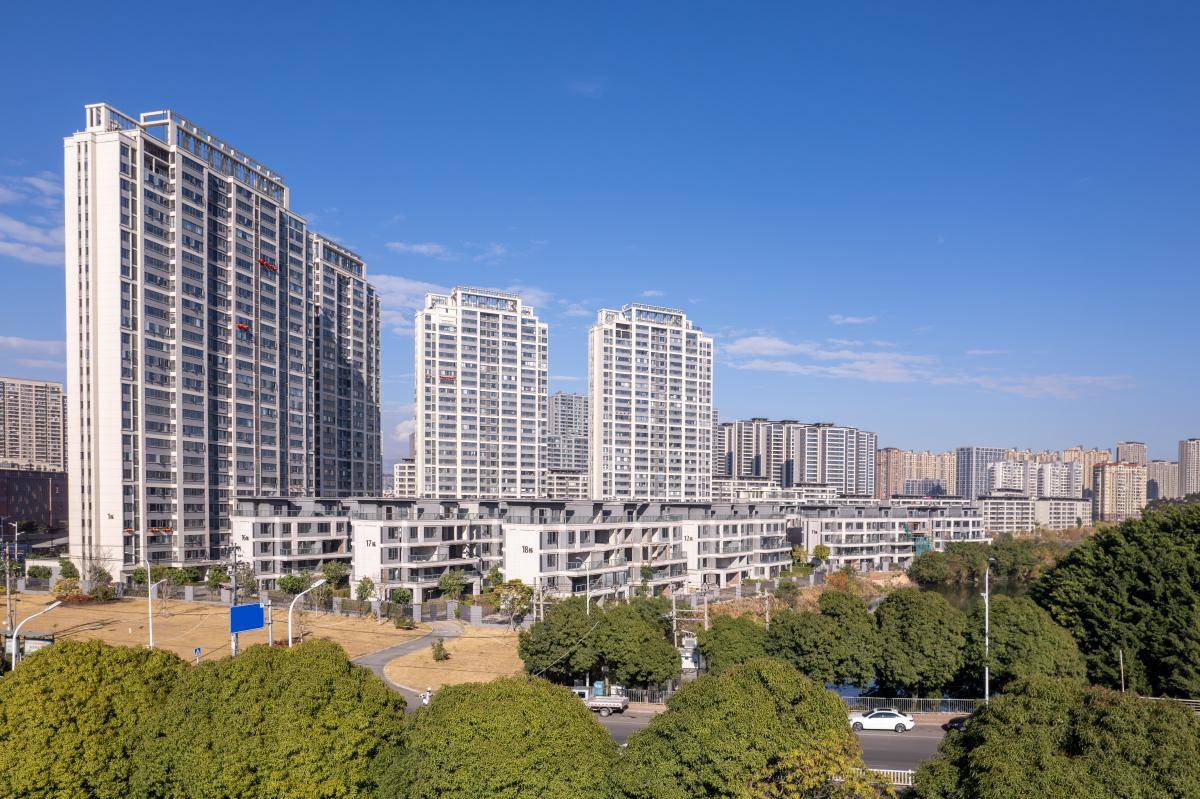
Core Viewpoint - The popularity of high-rise residential buildings in China is declining as more residents are opting to move back to lower-rise buildings due to various disadvantages that have become apparent over time [4][12]. Group 1: Disadvantages of High-Rise Residential Buildings - High-rise buildings often face significant challenges related to daily commuting, particularly due to limited elevator access, leading to long wait times during peak hours [8][9]. - The maintenance costs associated with elevators in high-rise buildings are substantial, with repairs and replacements becoming a financial burden for residents, prompting some to consider moving [9][13]. - In emergency situations such as earthquakes or fires, evacuation from high-rise buildings is complicated, as elevators may fail, making escape routes less accessible compared to lower-rise buildings [11][12]. Group 2: Market Dynamics and Economic Considerations - The resale market for high-rise apartments is struggling, with owners often needing to sell at prices below market value due to the perceived disadvantages, making it harder to find buyers [12][13]. - High-rise buildings typically have higher shared area ratios (25%-30%) compared to lower-rise buildings (10%-15%), resulting in higher overall living costs for residents [13]. - The shift in consumer preferences towards lower-rise buildings reflects a broader trend of rationalizing housing choices based on practicality and cost-effectiveness [4][12].
从宗馥莉到王思聪,为何企二代陷“接班困局”?
Sou Hu Cai Jing· 2025-10-12 23:13
Core Insights - The resignation of Zong Fuli, the chairwoman of Wahaha Group, marks a significant shift in leadership after only one year, highlighting challenges in family business succession and generational conflicts in management philosophy [1][11][12] Group 1: Leadership Changes - Zong Fuli officially resigned from all positions at Wahaha Group on September 12, 2023, following confirmation from the shareholders' meeting and board of directors [1] - Her departure reflects deeper issues within the company regarding family business succession and the difficulties faced by the second generation in taking over [1][10] Group 2: Background and Experience - Zong Fuli studied at Occidental College in the United States, gaining international perspectives and modern management concepts before returning to China [2] - She began her career at a subsidiary of Wahaha, gradually accumulating practical experience before being named the successor by her father, Zong Qinghou, in 2018 [2] Group 3: Challenges Faced - Zong Fuli's attempts to modernize the brand and appeal to younger consumers faced resistance from traditional distributors and consumers, leading to a lack of success in new product launches [3][10] - The existing sales system, based on a vast network of distributors, created a culture resistant to change, complicating her efforts to implement data-driven decision-making and digital management [3][10] Group 4: Control and Trust Issues - A significant incident involved Zong Fuli's attempt to transfer 387 Wahaha trademarks to a company she controlled, which was halted by local authorities, revealing trust issues with the largest shareholder [6] - The resignation was reportedly triggered by compliance issues related to trademark usage, indicating a struggle for control within the mixed-ownership structure of the company [6][10] Group 5: Broader Implications for Second-Generation Leaders - Zong Fuli's experience is part of a larger trend where many second-generation leaders in Chinese family businesses face difficulties in succession, often due to a disconnect between modern management practices and traditional business models [10][11] - The cases of other second-generation leaders, such as Wang Sicong and Yang Huiyan, illustrate the challenges of stepping into established businesses and the potential pitfalls of pursuing independent ventures [9][10] Group 6: Future Considerations - The resignation signifies a transition into an uncertain era for Wahaha, emphasizing the need for family businesses to adapt and prepare for change to facilitate successful succession [11][13] - The narrative suggests that the success of second-generation leaders is less about their educational background and more about the organization's readiness for transformation [11][12]
