果蔬种植

Search documents
山东鄄城:蔬菜大棚变身“绿色车间”
Zhong Guo Jing Ji Wang· 2025-12-23 06:57
Core Insights - The greenhouse vegetable industry in Jiaocheng County is experiencing significant growth, focusing on scale, specialization, and resource optimization [1][2] Group 1: Greenhouse Vegetable Production - The production of greenhouse tomatoes has entered its peak season, with daily fresh produce being harvested [1] - The Guquan Street has established over 200 winter-warm greenhouses, cultivating more than ten types of fruits and vegetables, creating a year-round production model [1] - In Lijinshitang Town, a strawberry base has been developed covering 650 acres with 320 greenhouses, generating an annual income of over 4.5 million yuan and providing employment for over 500 local residents [1] Group 2: Resource Optimization and Expansion - Jiaocheng County is actively promoting the utilization of idle greenhouses, with 44 greenhouses recently refurbished and some already in use [2] - Zhang Ligui, an agricultural leader, has expanded his sweet potato planting area from a few acres to over 3,000 acres, establishing a seedling supply for over 40,000 acres of land [2] - The county's greenhouse industry is evolving into a model of specialization and chain development, enhancing local food supply and driving collective income and employment [2]
密云智慧技术赋能 长治番茄增产丰收
Xin Lang Cai Jing· 2025-12-20 23:09
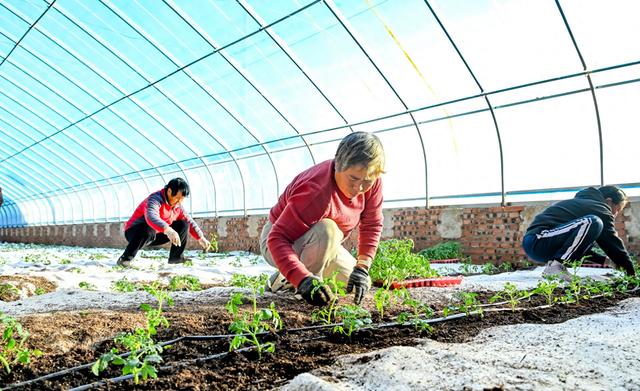
Core Insights - The article highlights the successful implementation of a soilless cultivation base for fruit tomatoes in Xihan Village, Huguan County, leveraging technology from Beijing's Jixing Agriculture to enhance production and sales efficiency [1][2] Group 1: Technology and Innovation - The soilless cultivation base covers 100 acres and includes 31 smart greenhouses, utilizing coconut coir for cultivation, integrated water and fertilizer systems, and comprehensive pest control techniques to improve yield and quality [1][2] - The water-fertilizer integration system allows for precise control of nutrient delivery, ensuring optimal growth conditions for each tomato plant [2] Group 2: Economic Impact - The project has created job opportunities for over 30 local villagers, addressing employment challenges and increasing household incomes [4] - The expected annual production per greenhouse is 7,000 kilograms, with a total projected yield of over 217 tons from all greenhouses, translating to an estimated annual sales revenue of 2.17 million yuan at a minimum purchase price of 10 yuan per kilogram [4] Group 3: Market Strategy - The cultivation model combines village collective efforts with dual enterprise collaboration, directly supplying high-end markets in Beijing, which stabilizes product sales and supports local economic growth [2][4] - Future plans include expanding the cultivation area and introducing more high-quality fruit and vegetable varieties to further enhance income opportunities for villagers [4]


元谋县元马镇:“七彩小番茄”“甜”透乡村振兴路
Xin Lang Cai Jing· 2025-12-19 10:13
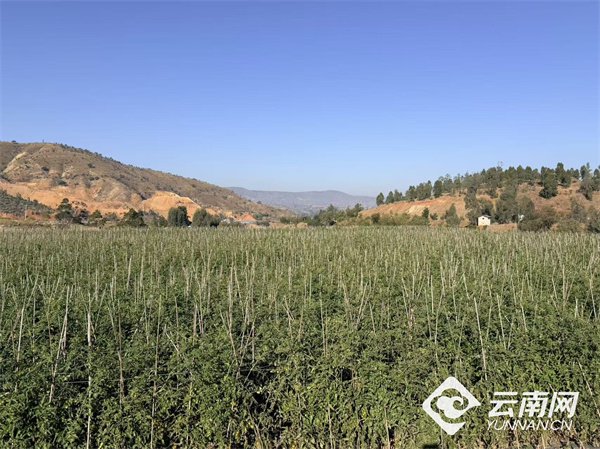
近日,走进云南省元谋县元马镇凤凰山七彩小番茄种植基地,空气中弥漫着清甜的果香,一串串五颜六 色的小番茄垂挂枝头,红的宛如玛瑙,黄的胜似蜜蜡,绿的则如翡翠般晶莹,在阳光下熠熠生辉。农户 们穿梭其间,采摘、分拣、装箱,脸上满是丰收的喜悦。这片20亩的种植基地,正孕育着乡村振兴的新 希望。 特色种植,种出"多彩"好滋味 实行"基地直供+订单销售+体验采摘"的模式,元马镇的七彩小番茄不仅在本地市场畅销,还销售到北 京、上海、广州等一线城市。在元谋县,七彩小番茄销售全面覆盖了全县各大超市和果蔬市场,使市民 在家门口便能品尝到新鲜美味。而在上海、广州、北京等地,其独特的风味和高颜值更是获得了旅居人 士和消费者的喜爱。自媒体平台上,网红达人们纷纷争先打卡测评,让这款小番茄火速出圈。一时间订 单纷至沓来,产销供不应求,实现了从田间到市场的高效流转。 分级定价,实现品质效益双提升 七彩小番茄根据品种和口感的差异,采用分级定价形式,价格区间为每公斤12—15元不等。其中,风味 独特且富含花青素的黑色品种售价高达20元/公斤,合理的分级定价模式,让消费者有了更多的选择, 从而实现了产品品质与经济效益的同步提升。 小小一串七彩小番茄 ...
“智慧”赋能,长治西红柿直销北京市场
Bei Jing Ri Bao Ke Hu Duan· 2025-12-12 11:14
Core Insights - The article highlights the successful implementation of a soilless cultivation base for fruit tomatoes in Xihan Village, Huoguan County, which is supported by advanced agricultural technology from Beijing's Jixing Agriculture [1][2][4] Group 1: Technology and Innovation - The soilless cultivation base covers an area of 100 acres and includes 31 smart agricultural greenhouses, utilizing coconut coir and integrated water and fertilizer systems to enhance growth and reduce disease [2][4] - The "custom soil" used in the cultivation process consists of various components such as peat soil, coconut coir, perlite, and decomposed rice husks, providing both a loose texture and nutritional value for the tomatoes [2][4] Group 2: Economic Impact - The project is expected to yield approximately 7,000 kilograms per greenhouse annually, with a total projected output of over 217 tons from all greenhouses, leading to an estimated annual sales revenue of 2.17 million yuan [5] - The initiative has created job opportunities for over 30 local villagers, addressing employment challenges and increasing their income [5] Group 3: Market and Collaboration - The tomatoes are set to be harvested and supplied directly to major supermarkets in Beijing during the Spring Festival, indicating a strong market demand [2] - The project adopts a collaborative model involving village collectives and enterprises, ensuring stable sales channels and contributing to the economic uplift of local residents [4][5]
践行金融为民,担当主力先锋|工行四川省分行“十四五”高质量发展纪实
Xin Lang Cai Jing· 2025-12-12 03:50
Core Viewpoint - During the "14th Five-Year Plan" period, the Industrial and Commercial Bank of China Sichuan Branch has aligned its strategies with national and local development, focusing on serving the real economy, rural revitalization, technological innovation, and improving people's livelihoods, thereby injecting financial support into Sichuan's economic and social development [1] Group 1: Empowering the Real Economy - The bank has actively supported local enterprises, such as the Honglong Meat Products Company, by providing timely financial assistance through specialized loans, enabling the company to upgrade its production capacity and expand its market reach [3] - In Mianyang, the bank facilitated the construction of a new soy sauce production line by providing a loan of 160 million yuan and assisting with government subsidies, thus reducing financing costs for the company [4] - Over the past five years, the bank has focused on six key industries in Sichuan, with manufacturing loans exceeding 120 billion yuan and loans to technology enterprises surpassing 80 billion yuan, achieving a financing coverage rate of nearly 60% for national-level specialized and innovative "little giant" enterprises [4] Group 2: Deepening Rural Revitalization - The bank has introduced innovative loan products like "Cherry Loan" to support local cherry farmers in Ya'an, enabling them to upgrade irrigation systems and increase productivity, benefiting over 200 local households [6] - In Liangshan Prefecture, the bank provided a quick loan of 3 million yuan to an agricultural company, facilitating its entry into the Southeast Asian market and addressing seasonal funding shortages [7] - The bank's agricultural loan balance exceeded 240 billion yuan by September 2025, demonstrating its commitment to rural revitalization and financial support for farmers [8] Group 3: Technological Empowerment for Livelihood Improvement - The bank has implemented a smart dining solution in community canteens, allowing elderly citizens to use facial recognition for meal subsidies, enhancing convenience and respect for their payment preferences [9] - The bank has supported the integration of high-frequency social security services across provinces, improving efficiency in payment processes for over 11 million elderly customers [11] - The bank's initiatives have contributed to the high-quality development of Sichuan, with a focus on technology finance, green finance, inclusive finance, elderly finance, and digital finance [11]
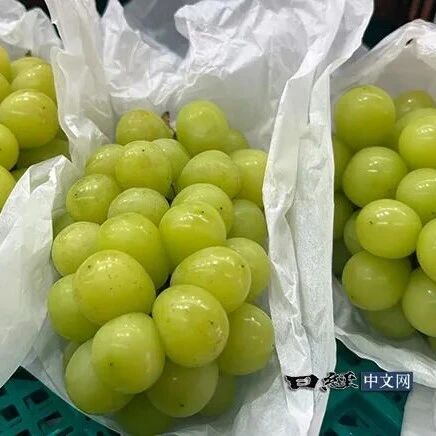
日本生鲜果蔬出口受到海外“复制品”冲击
日经中文网· 2025-12-06 00:33
Core Viewpoint - Japanese fresh fruit and vegetable exports, particularly grapes, are experiencing significant declines, with a potential record drop in export value for the year, attributed to increased competition from South Korean and Chinese products and a lack of effective branding strategy to counteract this competition [2][6][8]. Group 1: Export Performance - Japan's fresh fruit and vegetable export value grew only 1% year-on-year from January to October 2025, a sharp decline from a 9% growth in 2024 [2][4]. - The export value of grapes specifically fell by 20% year-on-year, with a 22% decrease in export volume by the end of October [6]. - The overall export value of agricultural and food products reached a record high of 1.4092 trillion yen in 2024, with a 15% year-on-year increase from January to October [2]. Group 2: Competitive Landscape - The market for high-end grapes, such as the Sunshine Rose variety, is facing stiff competition from lower-priced and higher-quality grapes from South Korea and China [4][6]. - The production area for grapes in South Korea and China has been expanding, allowing these countries to compete effectively in markets like Hong Kong and Taiwan, where Japanese grapes previously dominated [8]. - Japanese grapes are struggling to meet the quality and size demands of export markets, exacerbated by domestic climate challenges and inconsistent quality across production regions [8]. Group 3: Historical Context and Challenges - The decline in Japan's grape exports can be traced back to a seedling outflow incident nearly a decade ago, which allowed popular varieties like Sunshine Rose to be cultivated in other countries [6][9]. - The Japanese government has implemented measures to restrict seedling outflow, but protecting intellectual property for already outflowed varieties remains challenging [8][9]. - Experts suggest that Japan needs to improve its agricultural productivity and establish a strong reputation for quality to compete effectively against lower-priced imports [9].
【杨凌】农业科技赋能金米村产业升级
Shan Xi Ri Bao· 2025-12-04 22:42
Core Insights - The article highlights the transformation of Jinmi Village from a single-industry reliance on wood ear mushrooms to a diversified agricultural model, incorporating modern agricultural practices and technology [1][2][5]. Group 1: Industry Transformation - Jinmi Village, known for its wood ear mushroom production, faced challenges due to market volatility and increased competition, prompting a need for diversification [2]. - The introduction of the "Yangling Jinmi Mushroom Fruit and Vegetable Circular Economy Demonstration Park" project, with an investment exceeding 10 million yuan, marks a significant step towards industrial transformation [2][3]. Group 2: Circular Economy and Sustainable Practices - The project emphasizes a circular economy, integrating high-end cherry tomatoes, quality grape cultivation, and ecological mushroom farming, creating a complete ecological cycle [3][4]. - Waste mushroom substrates will be repurposed into organic fertilizers, addressing environmental concerns while reducing production costs, thus forming a resource-product-recycled resource model [4]. Group 3: Employment and Community Development - The project has revitalized local land use and created job opportunities for over 50 villagers, enhancing local employment [5]. - Educational initiatives are being established in collaboration with local universities to develop a skilled workforce, ensuring sustainable growth and knowledge retention within the community [6]. Group 4: Future Vision and Goals - The leadership envisions a shift from "blood transfusion" assistance to "blood-making" strategies, aiming for a prosperous, ecologically sound, and culturally rich community [7]. - Jinmi Village is positioned to become a model for rural revitalization in the Qinba Mountain area, showcasing a successful blend of agricultural innovation and community engagement [7].
【神木】冬日大棚暖洋洋
Shan Xi Ri Bao· 2025-12-04 22:42
Core Insights - The article highlights the transformation of agriculture in Shenmu City, focusing on the shift from traditional farming to high-efficiency specialty farming supported by technology [1][2] Group 1: Agricultural Development - Shenmu City is leveraging facility agriculture and technology to upgrade its agricultural industry, injecting strong momentum into the city's high-quality economic development [1] - The city has developed over 90 standardized greenhouse structures in the villages of Haxi and Majiata, enabling year-round supply of fresh fruits and vegetables to the market [1] - The introduction of greenhouse fruit and vegetable industries has not only increased villagers' income but also addressed employment issues and strengthened collective village economies [1] Group 2: Technological Advancements - The modern agricultural demonstration park in Shenmu City showcases innovative agricultural practices, such as soilless cultivation for tomatoes, which saves land resources and effectively controls water and fertilizer, enhancing quality and yield [1] - Blueberries in the park are cultivated using soilless substrate and integrated water and fertilizer automatic irrigation systems, reflecting the technological advancements in the region's agricultural practices [2] - The transition from relying on natural conditions to technology-driven agriculture is evident in the diverse specialty crops being cultivated, including strawberries, tomatoes, and blueberries [2]
河南商城“菜篮子”升级记
Zhong Guo Jing Ji Wang· 2025-11-28 07:57
Core Viewpoint - The article highlights the successful development of the vegetable industry in Shangcheng County, Henan Province, emphasizing the integration of agricultural production with rural revitalization efforts and the establishment of a diversified agricultural model [1][2][3] Group 1: Agricultural Development - The Jinshengyuan Ecological Park in Jinzhai Village focuses on growing vegetables such as cherry tomatoes and peppers, contributing to local economic growth by generating an annual income of 120,000 yuan for the village collective and providing additional income for local families [1] - The county has a total vegetable planting area of 108,000 acres, with an annual output of approximately 377 million pounds and a total output value exceeding 360 million yuan, showcasing the dual benefits of economic development and ecological protection [2][3] Group 2: Future Plans and Diversification - Future plans for the Jinshengyuan Ecological Park include introducing ornamental animals and developing fishing bases and accommodations, aiming to create a comprehensive rural tourism experience that combines planting, picking, breeding, and lodging [2] - The county has established 13 vegetable industry projects with a total investment of 250 million yuan, with plans to expand vegetable planting areas in designated rural revitalization demonstration zones to 50,000 acres, increasing average annual income for farmers by 4,000 yuan [3] Group 3: Brand and Market Integration - The "Shangcheng Stew" brand enhances the market for vegetable ingredients, facilitating direct access from farms to tables, while the vegetable industry is increasingly integrated with rural tourism and cultural industries [3] - The county's strategic focus on the vegetable industry serves as a link between ecological advantages, increased income for residents, and rural revitalization, painting a vibrant picture of industrial development in the Dabie Mountain region [3]
果蔬争“鲜”上市供销两旺 百姓冬季“菜篮子”“果盘子”消费需求有保障
Yang Shi Wang· 2025-11-28 01:47
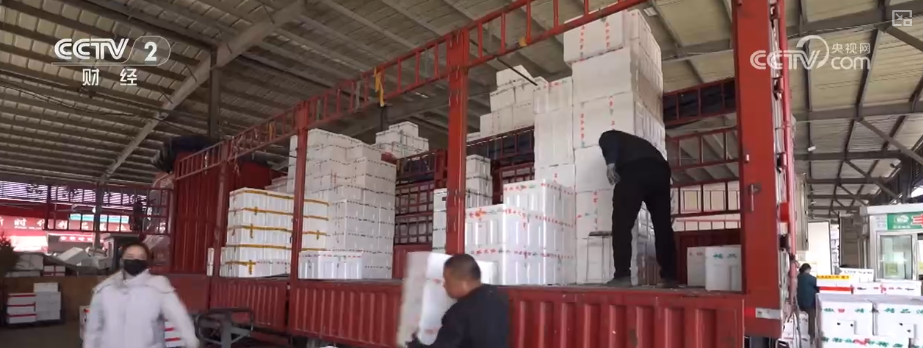
Group 1 - The core viewpoint is that vegetable prices have significantly decreased compared to last month due to the seasonal influx of winter greenhouse vegetables from various regions, particularly in Henan [1][3] - In Henan's Wanbang International Agricultural Products Logistics City, there is an increase in the supply and sales of vegetables as new batches of greenhouse vegetables are harvested and brought to market [6][3] - Overall vegetable prices are stabilizing, although some outdoor-grown vegetables like baby cabbage and carrots have seen price increases due to reduced yields from prior rainfall [8] Group 2 - In Xinjiang's Shache County, the Gobi strawberry harvesting season is in full swing, with over 3,900 greenhouses producing strawberries that attract visitors for picking [9] - The local agricultural park has improved strawberry quality through the introduction of superior varieties and standardized planting techniques, transforming the Gobi desert into a modern agricultural demonstration base [9][11] - Besides strawberries, Shache County has diversified its crop production by introducing high-value crops like ginseng fruit and blueberries, ensuring year-round fruit availability and continuous income [11]