
航天工程

Search documents
神二十飞船舷窗裂纹维修,细节披露
财联社· 2026-01-20 02:14
Core Viewpoint - The Shenzhou 20 spacecraft experienced a delay in its return due to a crack in the window caused by suspected impact from small space debris, leading to a series of tests in orbit before its eventual return in an unmanned state [1][2]. Group 1: Unmanned Return vs. Manned Return - The Shenzhou 20 spacecraft's return was conducted in an unmanned mode, relying entirely on ground commands, unlike previous manned returns which involved astronaut manual operations [3]. - The Beijing Aerospace Flight Control Center re-evaluated all flight control plans for the unmanned return, ensuring the spacecraft's stability and conducting thorough inspections before the return [3]. Group 2: Window Repair Process - The window of the Shenzhou spacecraft consists of a three-layer composite glass structure, with the outer layer designed to withstand temperatures exceeding 1000 degrees Celsius during re-entry [5]. - After discovering a penetrating crack in the outer layer, the crew switched to Shenzhou 21 for return, and an internal reinforcement plan was implemented to enhance safety [5]. - The Shenzhou 22 spacecraft delivered a specialized device to the space station to improve the thermal and sealing capabilities of the Shenzhou 20 return capsule, which successfully landed with its exterior intact and cargo undamaged [5]. Group 3: Importance of Windows - The windows on the spacecraft serve critical functions beyond observation, including ensuring astronaut safety during emergencies and acting as a backup for attitude determination in case of system failures [6][10]. Group 4: Returned Cargo - The Shenzhou 20 spacecraft returned with a record amount of cargo due to the absence of three astronauts, including an over-aged extravehicular spacesuit and several large items from the space application system [9]. - The extravehicular suit, which has been used by 11 astronauts across 8 missions, is expected to contribute to lunar suit research and may be publicly displayed after fulfilling its scientific mission [9].

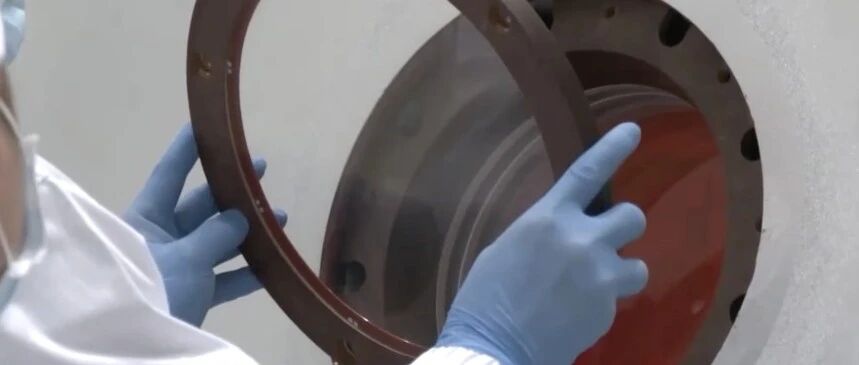
【神舟二十号飞船安全顺利返回东风着陆场】舱外航天服是首个延寿使用的飞行产品
Yang Shi Wang· 2026-01-19 17:22
Core Viewpoint - The return of the Shenzhou-20 spacecraft includes a set of over-aged extravehicular spacesuits and several large products from space application systems, which will significantly contribute to the research of extravehicular suits after exposure to extreme conditions in space [1] Group 1 - The extravehicular suit B, after being exposed to the space environment, will be affected by various extreme conditions, providing valuable data for future research [1]
从发现险情到“换乘”返回 神二十乘组讲述太空应急处置过程
Huan Qiu Wang Zi Xun· 2026-01-16 07:44
Core Viewpoint - The Shenzhou 20 crew successfully addressed an emergency situation involving a window crack caused by space debris, demonstrating effective teamwork and preparedness in China's manned space program [3][4]. Group 1: Emergency Response - The crew discovered a triangular crack in the return capsule window during the final inspection before returning, which was initially assessed to be caused by space debris [3]. - Commander Chen Dong emphasized the importance of trusting the ground team and their training to handle emergencies effectively [3]. - The crew executed emergency protocols and coordinated with the ground team to ensure a safe return, completing the process in just over 20 days [3]. Group 2: Crew Experience and Achievements - Chen Dong has completed six extravehicular activities (EVAs) and has become the first Chinese astronaut to spend over 400 days in space [4]. - Chen Zhongrui, who faced challenges during his first EVA, highlighted the importance of mental and physical stability, developing a "three steadiness and one slowness" approach to operations [5]. - Wang Jie, a flight engineer, underscored the significance of applying ground knowledge to space operations, particularly in maintaining life support systems [6]. Group 3: Post-Mission Recovery - After returning, the Shenzhou 20 crew underwent isolation and recovery phases, with all medical checks returning to normal levels [6]. - The crew's physical condition, including muscle strength and cardiovascular function, has largely returned to pre-flight levels, allowing them to transition back to regular training [6].
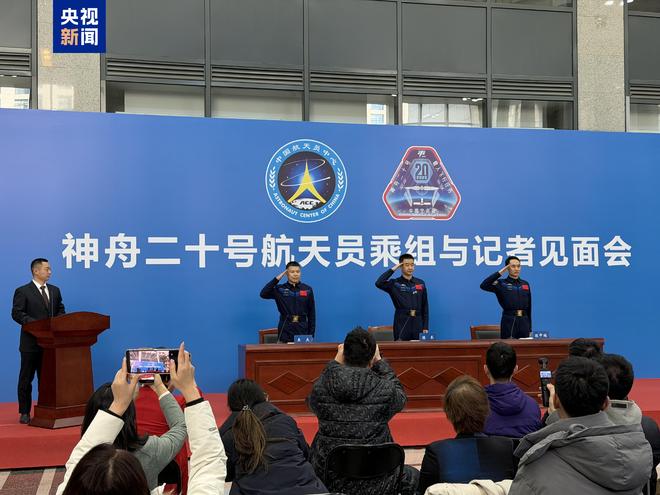
航天科技集团 “十五五”规划老领导、老专家座谈会召开
Xin Lang Cai Jing· 2026-01-16 02:35
Core Viewpoint - The meeting held by China Aerospace Science and Technology Corporation (CASC) focused on the formulation of the "14th Five-Year Plan," with significant input from veteran leaders and experts in the aerospace field [1] Group 1: Meeting Highlights - The meeting was attended by senior leaders and experts, including Wang Liheng, Bai Baier, Xu Qiang, and academicians from various institutes, who provided valuable suggestions on the "14th Five-Year Plan" [1] - Key areas of discussion included the construction of a strong aerospace nation, major aerospace projects, commercial aerospace, digital transformation, talent development, and deepening reform and innovation [1] Group 2: Leadership Insights - Vice Secretary of the Party Committee, Pang Jin, emphasized the importance of the insights from veteran leaders and experts, highlighting their high-level perspective, deep insights, and practical suggestions [1] - Pang Jin committed to thoroughly studying and incorporating the feedback into the planning process, while also ensuring that veteran leaders and experts play a crucial role in contributing to the construction of a strong aerospace nation [1]

大力发展商业航天!这家央企明确2026年任务
Zhong Guo Zheng Quan Bao· 2026-01-15 23:05
Core Viewpoint - In 2026, China Aerospace Science and Technology Corporation (CASC) aims to advance major projects such as manned lunar landings and deep space exploration, while focusing on the development of commercial aerospace and low-altitude economy industries, and strategically positioning for future industries like space intelligence [1][2]. Group 1: 2026 Key Tasks - The company will integrate the mission of building a strong aerospace nation, technological transformation trends, opportunities for industry and research integration, and major deployment for transformation and upgrading throughout its work in 2026 [2]. - Eight key tasks for 2026 include promoting strict governance within the party, enhancing combat readiness of equipment, advancing manned lunar landings and deep space exploration, optimizing industrial layout, reshaping the innovation ecosystem, improving quality risk management, and strengthening strategic management and reform [2][3]. Group 2: Commercial Aerospace Development - CASC emphasizes the importance of enhancing national strategic capabilities and aims to support the military's centennial goals by advancing commercial aerospace development while ensuring compliance and regulatory oversight [4]. - The company is recognized as a major state-owned enterprise with strong innovation capabilities and core competitiveness in China's strategic high-tech sectors, serving as a cornerstone for national security and a leader in aerospace industry development [4][5]. Group 3: Organizational Structure - CASC consists of one system institute, eight research institutes, twelve specialized companies, and six directly affiliated units, focusing on various aerospace products including launch vehicles, satellites, manned spacecraft, cargo spacecraft, deep space probes, and space stations [5]. - The company is actively cultivating new productive forces in commercial aerospace and low-altitude economy, while also developing applications and services in hydrogen energy, high-end equipment, energy conservation, advanced materials, and next-generation information technologies [5].
中国航天科技集团:全力突破!
中国基金报· 2026-01-15 16:01
Group 1 - The core message of the article emphasizes that China Aerospace Science and Technology Corporation (CASC) aims to fully break through reusable rocket technology by 2026, marking a significant year for the organization and the country [2] - The 2026 work conference highlighted multiple key tasks, including the integration of major aerospace projects with industrial transformation, advancing manned lunar missions, deep space exploration, and accelerating the construction of a strong aerospace nation [2] - CASC plans to optimize its industrial layout and structure, focusing on the development of commercial aerospace and low-altitude economy, while also preparing for future industries such as space intelligence [2] Group 2 - The chairman of CASC, Chen Mingbo, emphasized the importance of seizing opportunities in the space economy era and promoting the development of commercial aerospace, alongside strengthening regulatory measures [2] - CASC was established in July 1999 and is primarily engaged in the research, design, production, testing, and launch services of various aerospace products, including launch vehicles, satellites, and space stations [3] - The company is also actively cultivating new productive forces in commercial aerospace and low-altitude economy, while developing applications and services in hydrogen energy, high-end equipment, energy conservation, advanced materials, and next-generation information technologies [3]
中国航天科技集团:全力突破!
Zhong Guo Ji Jin Bao· 2026-01-15 15:19
Group 1 - The core message emphasizes that 2026 is a pivotal year for the China Aerospace Science and Technology Corporation (CASC), marking the 105th anniversary of the Communist Party of China, the start of the 14th Five-Year Plan, and the 70th anniversary of China's space industry [1] - CASC aims to fully break through reusable rocket technology and accelerate the construction of a space power, while also promoting manned lunar missions and deep space exploration [1] - The company plans to optimize its industrial layout, adjust its industrial structure, and vigorously develop commercial aerospace and low-altitude economy, while also focusing on future industries like space digital intelligence [1] Group 2 - CASC was established in July 1999 and primarily engages in the research, design, production, testing, and launch services of various aerospace products, including launch vehicles, satellites, manned spacecraft, cargo spacecraft, deep space probes, and space stations [2] - The company also develops strategic and tactical missiles, unmanned systems, and is actively cultivating new productive forces in commercial aerospace and low-altitude economy, while advancing applications in hydrogen energy, high-end equipment, energy conservation, environmental protection, advanced materials, and next-generation information technology [2]
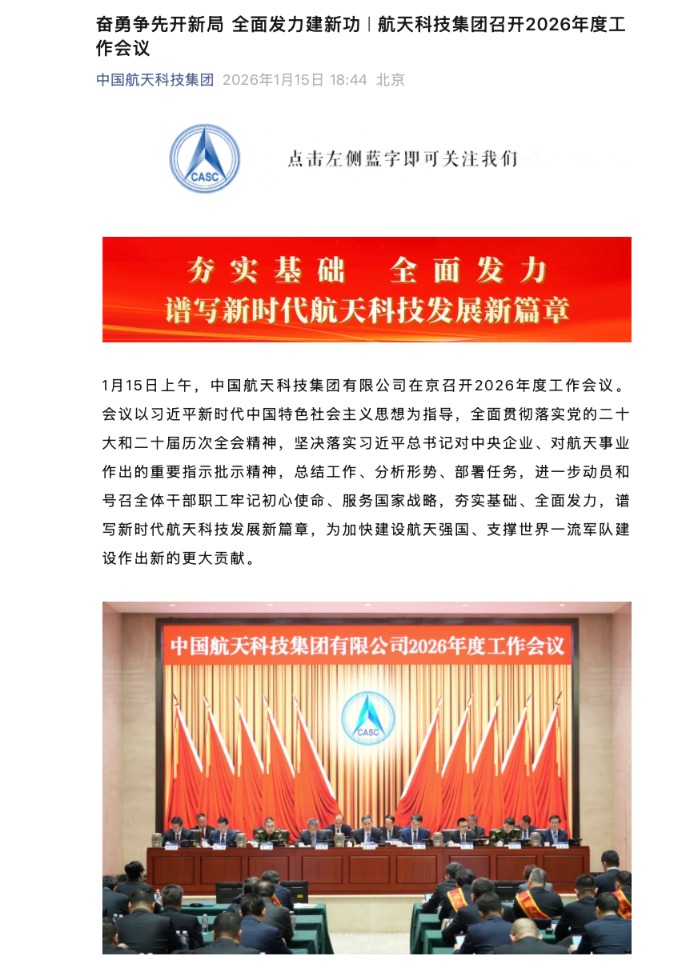
航天科技集团:2026年要全力突破重复使用火箭技术
Bei Jing Ri Bao Ke Hu Duan· 2026-01-15 12:01
Core Viewpoint - The China Aerospace Science and Technology Corporation (CASC) held its 2026 annual work meeting, emphasizing the importance of adhering to Xi Jinping's thoughts on socialism with Chinese characteristics and the directives from the 20th National Congress of the Communist Party of China. The meeting aimed to summarize past work, analyze the current situation, and deploy tasks to contribute to building a strong aerospace nation and supporting the construction of a world-class military [1][4][7]. Group 1: Meeting Highlights - The meeting was attended by leaders from the State-owned Assets Supervision and Administration Commission and the National Defense Science and Technology Industry Bureau, with CASC Chairman Chen Mingbo delivering the annual work report [3]. - The meeting underscored the need to enhance national strategic capacity and solidify the foundation for high-quality development, aiming to complete the "14th Five-Year Plan" goals and lay a strong foundation for a good start to the "15th Five-Year Plan" [4][8]. Group 2: Achievements and Progress - Over the past year, CASC has made significant progress in major equipment construction, achieving notable advancements in various types of equipment and enhancing quality and performance [5]. - The company successfully completed 73 space launch missions, setting a new historical record, and made strides in commercial aerospace development [6]. Group 3: Strategic Focus for 2026 - The year 2026 marks the 105th anniversary of the Communist Party of China and the 70th anniversary of China's aerospace industry, making it a pivotal year for CASC to focus on major missions, technological transformations, and opportunities for integration [8]. - CASC plans to enhance its combat readiness capabilities, advance major projects like manned lunar missions and deep space exploration, and optimize its industrial layout to foster new industries such as commercial aerospace and low-altitude economy [8][10]. Group 4: Implementation and Accountability - The meeting emphasized the importance of political commitment, systematic reforms, and practical execution to ensure high-quality completion of annual objectives [10][12]. - CASC leadership announced performance evaluations and awards for outstanding contributions, reinforcing the importance of accountability and recognition within the organization [10][12].
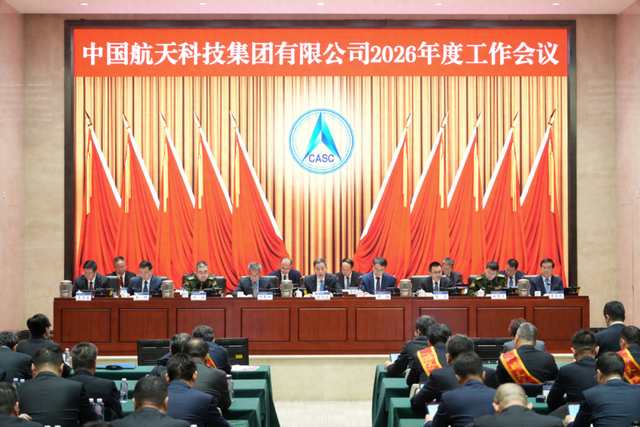
航天科技集团:2026年要全力突破重复使用火箭技术 前瞻布局太空数智等未来产业
Zheng Quan Shi Bao Wang· 2026-01-15 11:28
人民财讯1月15日电,1月15日,中国航天科技(000901)集团有限公司在京召开2026年度工作会议。会 议强调,2026年,要强化体系牵引和新域新质突破,加速推进装备实战化能力提升;要统筹宇航重大工 程实施与产业化转型,深入推进载人登月、深空探测等重大工程,全力突破重复使用火箭技术,加速推 动航天强国建设;要多措并举优化产业布局,调整产业结构,大力发展商业航天、低空经济等战新产业 (300832),前瞻布局太空数智等未来产业,强化国际市场拓展和优质履约。 ...
2026科技风向标:八大趋势重塑产业与生活
2 1 Shi Ji Jing Ji Bao Dao· 2026-01-15 06:05
Core Insights - The rapid iteration of technology is expected to lead to significant breakthroughs in key areas such as artificial intelligence, quantum computing, fusion energy, and aerospace engineering by 2025, reshaping the global technology landscape and intensifying competition between China and the United States [1] Group 1: Major Technological Events in 2025 - DeepSeek emerged as a leading open-source AI model, significantly improving GPU utilization and reducing model costs, thus enabling a new wave of AI efficiency and innovation in China [2] - The commercial space industry accelerated, with SpaceX's Starship achieving a complete flight cycle and China's satellite internet constellations addressing the "arrow without a star" issue, leading to explosive growth in launch capacity [3][4] - Humanoid robots made a significant appearance at the Spring Festival Gala, showcasing advancements in AI-driven robotics and marking a transition from research to practical applications [5] - The storage chip industry entered a "super cycle" as major companies shifted production towards AI-related storage solutions, leading to price increases across various hardware sectors [6] - China's "artificial sun" achieved a record of 1 billion degrees Celsius for over 1,000 seconds, marking a milestone in controlled nuclear fusion research [7] - The competition in quantum computing intensified, with significant advancements from both China and Google, indicating a shift towards practical applications in various fields [8] Group 2: Trends for 2026 - AI agents are predicted to mature, enabling collaborative intelligence that could revolutionize user interfaces and operational efficiency for small businesses [12] - AI technology is expected to transition from cloud-based systems to physical devices, with AI PCs and glasses becoming standard, enhancing user experience even in low-connectivity scenarios [13] - The commercial viability of Level 3 autonomous driving is anticipated to grow, with more cities implementing pilot programs and new business models emerging [14][15] - Quantum computing is nearing a practical breakthrough, with advancements in hardware and software expected to demonstrate "quantum advantage" in real-world applications [16] - The demand for computational power is driving upgrades in the energy sector, with tech companies investing in stable energy sources to support AI data centers [17] - Brain-computer interface technology is transitioning from experimental phases to commercial applications, with significant investments and developments expected in the coming years [18] - The commercial space sector is expected to mature, with established revenue streams and reduced launch costs through reusable rocket technologies [19][20] - The low-altitude economy is gaining traction, with multiple companies expanding into international markets and significant growth projected in the eVTOL sector [21]