体育赛事

Search documents
乒乓为媒,以赛事流量激发经济增量
Bei Jing Ri Bao Ke Hu Duan· 2025-10-07 20:47
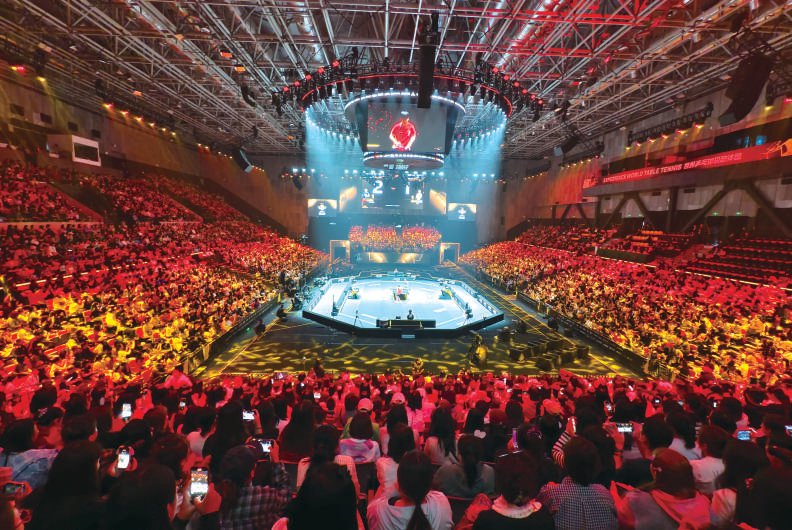
Core Insights - The WTT China Grand Slam 2025 event concluded successfully in Shijingshan District, generating direct revenue of approximately 154 million yuan and significantly increasing foot traffic and overall revenue in the area [4][5][6] - The event exemplifies Beijing's transition from a "dual Olympic city" to a "sports event capital," showcasing the robust development of sports economy [4][5][6] Economic Impact - The total consumption in Shijingshan District during the first five days of the National Day and Mid-Autumn Festival holiday reached nearly 320 million yuan, indicating a strong economic boost from the event [4] - The successful hosting of the WTT event has elevated public enthusiasm for sports and explored new models for integrating sports events with economic development [5][6] Urban Development - Shijingshan District has transformed from an industrial area into a hub for sports and technology, leveraging its historical significance and Olympic legacy to attract major events like the WTT China Grand Slam [6][7] - The district's industrial structure has shifted from a 7:3 ratio of primary to secondary industries to a 1:9 ratio, with GDP surpassing 100 billion yuan, reflecting a successful economic transformation [6][7] Future Prospects - With China's GDP per capita exceeding 10,000 USD, the sports industry is poised for significant growth, particularly in Beijing where it has surpassed 20,000 USD [7] - Shijingshan District is implementing a three-year action plan (2025-2027) to promote high-quality development of the sports economy, aiming to establish a sustainable event economy [7][8]

票根变身“宠粉券” 一次观赛玩转多场景消费
Yang Shi Xin Wen Ke Hu Duan· 2025-10-07 13:54
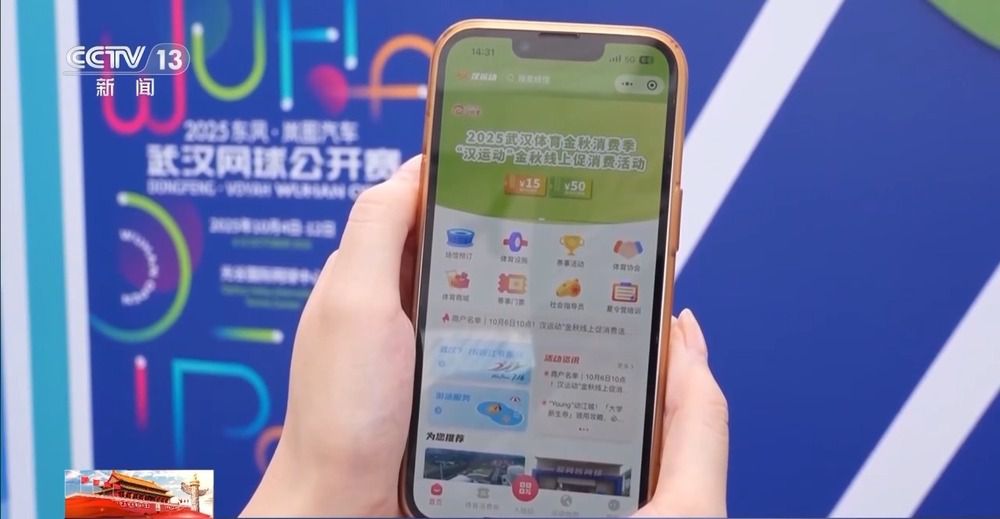
Group 1 - The core idea of the news is that Wuhan is leveraging sports events to stimulate consumption during the National Day and Mid-Autumn Festival holidays, creating a sports consumption carnival that integrates various sectors such as culture, tourism, and commerce [1] - The 2025 Wuhan Tennis Open is currently taking place at the Optics Valley International Tennis Center, attracting top players and enthusiastic spectators, while simultaneously launching the "Golden Autumn Sports Consumption Season" with various activities [1][4] - A sports consumption theme park, covering an area of 6,000 square meters, has been established as part of the event, featuring sports merchandise sales, sports experiences, and specialty food, drawing many citizens and tourists [1] Group 2 - The local government has initiated an online promotional campaign to boost sports consumption, distributing "Wuhan Fan Coupons" and "University Freshman Coupons" worth a total of 10 million yuan, catering to diverse consumer needs [4] - A tourism package called "Enjoy Wuhan with Ticket Stubs" has been introduced, allowing attendees to exchange their ticket stubs for discounts on dining and accommodation, enhancing the overall consumer experience [6] - Since September, Wuhan has hosted over ten events, including the Han Super League and the Drift Racing Championship, with plans to organize more than 1,300 public sports events this year to expand the "Sports+" consumption model [6]
2025武汉体育金秋消费季火爆开幕,五大系列活动促消费
Chang Jiang Ri Bao· 2025-10-07 01:02
Core Insights - The 2025 Wuhan Sports Autumn Consumption Season has commenced, featuring various sports events and activities aimed at boosting local consumption and engaging the community [1][2] - The event includes a total of 10 million yuan in sports consumption vouchers to stimulate spending across diverse sports and consumer scenarios [1] - The sports industry in Wuhan has shown consistent growth, with the total scale reaching 95.8 billion yuan in 2024 and sports consumption totaling 53.2 billion yuan, indicating a significant economic driver for the city [1] Group 1 - The event is centered around high-profile sports events such as the Wuhan Open, Han Super League, and Women's Asian Champions League, promoting a vibrant sports consumption atmosphere [1] - Approximately 100,000 attendees have participated in the event so far, generating nearly 1 million yuan in on-site revenue [1] - The event features interactive sessions with sports stars, including American tennis player Pegula, enhancing community engagement [2] Group 2 - The sports consumption season is designed to connect various sectors, including culture, tourism, and fashion, creating a comprehensive sports consumption carnival for the public [1] - The initiative aims to increase the proportion of sports enterprises involved and make the activities more accessible to citizens [2] - Sports consumption vouchers can be used at multiple locations, including the main event site and various commercial areas, promoting widespread participation [2]
体验再上新!各地“文旅大礼包”释放假日消费活力
Xin Hua She· 2025-10-07 01:00
Core Insights - The "Double Festival" period of National Day and Mid-Autumn Festival has seen a surge in tourism and cultural activities across China, with various regions launching special events and promotions to meet diverse visitor needs and stimulate holiday consumption [1]. Group 1: Regional Highlights - In Beijing, the "ticket root economy" has driven diverse consumption, with sports events attracting visitors who can enjoy discounts in various commercial areas and attractions by presenting their event tickets [2]. - In Qinhuangdao, Hebei, the introduction of nighttime boat tours and coastal sightseeing buses has enhanced the tourist experience, connecting cultural markets and bars, leading to a significant influx of visitors [4]. - In Fuyang, Anhui, a nearly 800-year-old Mid-Autumn torch blessing tradition has been revitalized, drawing around 5,000 locals to participate in the festivities [5]. - In Hangzhou, Zhejiang, the "micro-vacation" brand activities have been launched in rural areas, offering a series of projects that combine intangible cultural heritage with tourism, art, and educational experiences, reflecting a growing trend in holiday economy [6].
“川超”燃动双节 攀西文旅消费迎“黄金潮”
Sou Hu Cai Jing· 2025-10-06 23:26
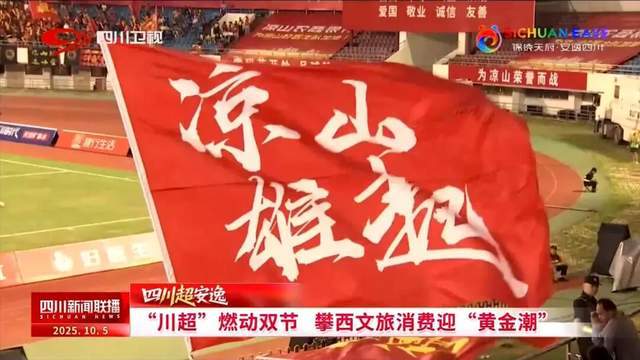
体育搭台,文旅唱戏,正在进行的"川超"明显提升了攀西游热度,文旅消费迎"黄金潮"。 据统计,10月1日至5日,攀枝花市A级景区接待人数43.93万人次,同比增长75.98%;门票收入661.83万 元,同比增长643.14%。 10月2日,凉山赛区迎来了自己的首个主场比赛,由凉山好医生队主场对阵眉山射天狼队。这场"双 山"大战也让众多球迷因一场赛,赴一座城。 成都球迷 廖慧:我是从成都专门过来看比赛的,凉山的人很热情,西昌是一个很好的地方,美食很 多。 赛事期间,凉山州150余家餐饮、住宿、零售、文创商户,积极打造"赛事+商圈+文旅"融合消费新场 景,并创新推出"票根清单"服务。 凉山州文化广播电视和旅游局宣推科工作人员 李媛:联动包括螺髻山、泸沽湖在内的州内8个A级收费 景区,教练员、运动员凭参赛证件可免景区门票,球迷持观赛票根或文旅优惠票根可享受景区门票5折 优惠。 数据显示,截至10月5日下午三点,国庆中秋假日期间,凉山州A级景区共接待游客191.41万人次,同比 增长20.03%。 在攀枝花,10月6日,攀枝花攀钢钢铁勇士队将主场迎战雅安貊貊队,很多游客提前来到这座"阳光花果 城"品美食、晒暖阳、感受 ...
中秋遇国庆,多元体验激活消费活力,四川A级景区门票收入超6491万元!
Sou Hu Cai Jing· 2025-10-06 21:41
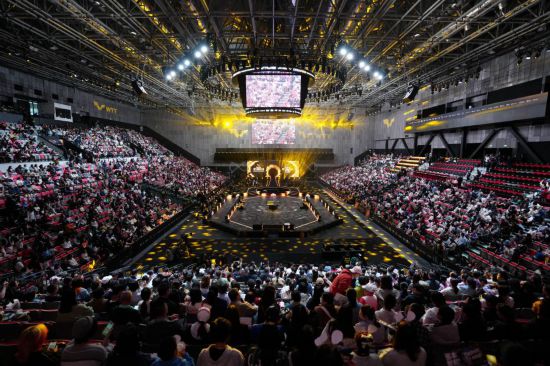
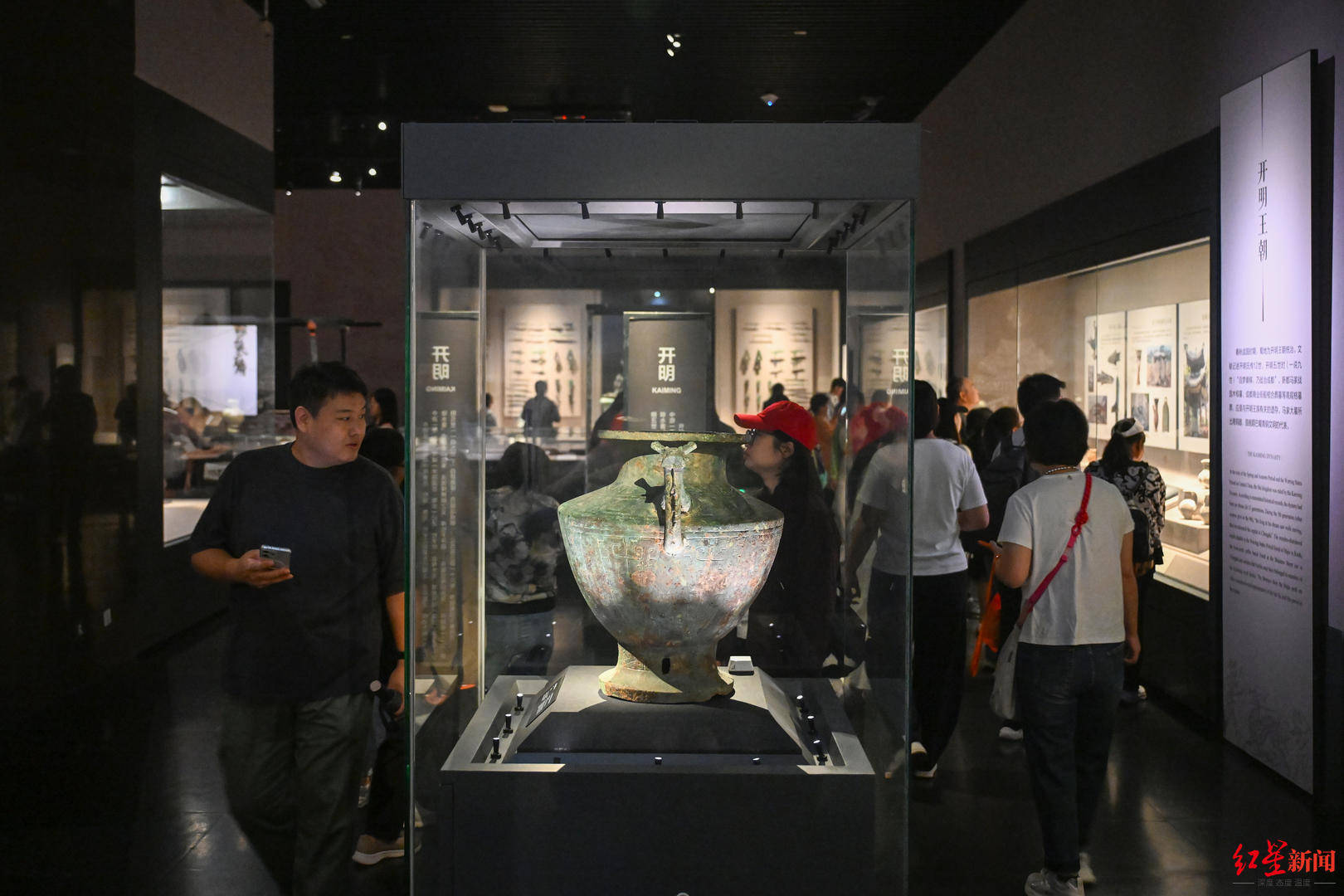
Core Insights - The tourism and cultural activities in Sichuan province have seen significant growth during the Mid-Autumn Festival and National Day holiday, with a total of 6.2572 million visitors and ticket revenue of 64.9173 million yuan, marking year-on-year increases of 14.68% and 16.95% respectively [1][4] Group 1: Tourism and Cultural Activities - A series of Mid-Autumn themed activities were organized across the province, including performances and exhibitions, enhancing the festive atmosphere [3] - Major cities like Chengdu and Mianyang hosted unique events such as "Moonlight Celebration" and themed light shows, attracting large crowds [3] - The integration of online and offline experiences, along with cultural and creative markets, showcased the charm of traditional and modern activities [3] Group 2: Performing Arts and Economic Impact - The performing arts sector experienced a surge in ticket sales, with events like the "Galaxy Left Bank" music festival selling nearly 100,000 tickets, and 48.6% of attendees coming from outside the province [4] - The success of these events has transformed the local economy from a ticket-based model to a comprehensive consumption model, boosting related sectors such as dining, accommodation, and transportation [4] - The integration of performances with social experiences has created a complete consumption cycle, enhancing the overall economic impact of cultural events [4] Group 3: Diverse Tourism Products - There is a growing demand for various tourism products, including red tourism, rural tourism, ecological tourism, and cultural tourism, with short-distance self-driving trips becoming mainstream [6] - Popular destinations include the Deng Xiaoping hometown and various agricultural experiences, attracting a significant number of visitors [6] - The ongoing city football league has also contributed to tourism, with cities promoting related activities to enhance visitor engagement and spending [6]
提振消费 河北在行动丨体育+文旅 释放消费新动能
Sou Hu Cai Jing· 2025-10-06 10:10
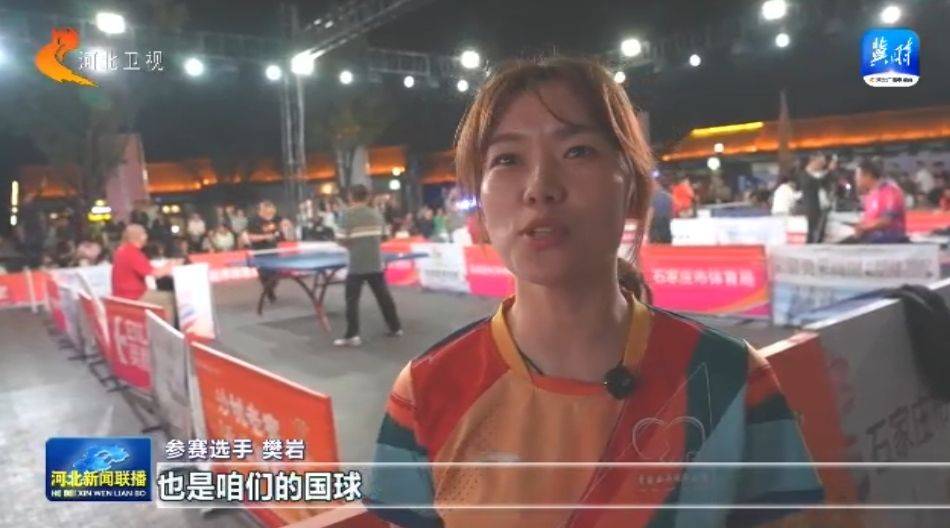
Core Insights - Hebei province is leveraging sports events to boost tourism and consumer spending, creating new holiday experiences and enhancing local economic activity [1][13] Group 1: Sports Events and Economic Impact - The province has hosted 8,696 sports events from January to September 2025, attracting over 20.51 million participants and spectators, leading to direct consumption exceeding 41.1 billion yuan, a growth of 134.39% [13] - Events like the Hebei 3x3 Basketball League Finals and the "Zhengding Ping Pong" community league are engaging diverse age groups, enhancing community involvement [1][3] - The 2025 ITF International Tennis Masters and the "Odin Cup" boxing competition have drawn significant participation, showcasing both local and international talent [7][9] Group 2: Consumer Engagement and Promotions - The 2025 Beijing-Tianjin-Hebei New Energy Vehicle Challenge featured over 30 models from 12 brands, providing a platform for consumers to view, test, and purchase vehicles, with discounts reaching up to 48,000 yuan per vehicle [3][7] - The events are designed to attract families and encourage participation, with one child potentially bringing two to three parents to the events, thus amplifying economic benefits [11] Group 3: Diverse Sports Offerings - Various sports events, including pet competitions and martial arts exchanges, are catering to families and promoting local culture, further diversifying the sports landscape in Hebei [11][13] - The cycling competition in Langfang attracted nearly 1,000 riders, emphasizing the region's strategic advantages and appeal for sports tourism [11]
从“观赛”到“游城”,富阳打造假日消费新场景
Xin Hua Wang· 2025-10-06 01:42
Group 1 - The "Zhe BA" city championship has become a significant driver for the integration of sports and tourism in Fuyang, with local attractions offering various discounts and promotions to attract visitors [1][2] - Fuyang has prepared special packages for visiting fans, including 50% off tickets to local attractions and discounts at over 70 participating businesses, enhancing the overall visitor experience [1][2] - The number of viewing spaces has increased from 65 to over 100, with many businesses voluntarily participating, creating a vibrant atmosphere for both sports and local commerce [2] Group 2 - From October 1 to 5, Fuyang received approximately 930,000 visitors, marking a significant year-on-year increase of over two digits, indicating the successful conversion of event traffic into overnight stays [2]
国乒不畏强敌 捍卫国球荣光
Bei Jing Ri Bao Ke Hu Duan· 2025-10-05 23:10
Core Insights - The WTT China Grand Slam 2025 concluded with the Chinese national table tennis team securing all five titles for the second consecutive year, showcasing their dominance despite strong competition from other teams [1][3]. Men's Team Performance - Wang Chuqin successfully defended the men's singles title by defeating French player Lebrun in the final, marking a significant turnaround from his previous year's performance where he exited in the second round [3]. - Wang Chuqin's victory was part of a remarkable season where he claimed his sixth singles title, earning the title of "Triple Crown King" [3]. - Other key players like Lin Shidong and Liang Jingkun faced disappointments, with Lin losing in the semifinals and Liang being eliminated in the third round by a young Japanese player [3][4]. - Emerging talents such as Chen Junson and Xiang Peng showed promising performances, indicating a potential shift in the team's dynamics as they strive to support the main players [4]. Women's Team Performance - The Chinese women's team once again dominated by clinching the top two spots, with Wang Manyu defeating Sun Yingsha in the final [5]. - Wang Manyu's strong performance included defeating several formidable opponents, while Sun Yingsha maintained an impressive record with six singles titles this season [5][6]. - Other players like Chen Xingtong and Wang Yidi also reached the semifinals, but overall, the team showed signs of needing improvement beyond their top players [5][6]. Doubles Performance - The Chinese team excelled in doubles, with strong partnerships among main players leading to victories in both mixed and women's doubles events [7]. - Notable combinations included Wang Chuqin/Sun Yingsha in mixed doubles and Guo Man/Wang Manyu in women's doubles, both showcasing their ability to perform under pressure [7]. - New pairings and non-main players also made significant strides, indicating a deep talent pool within the national team [7].
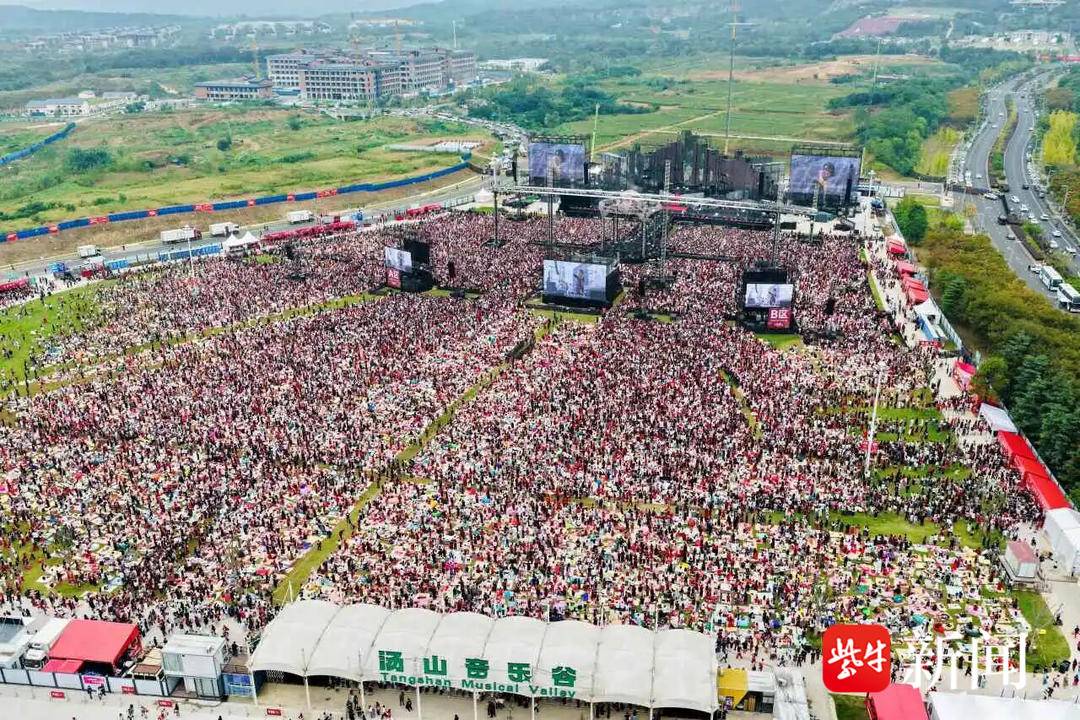
国庆长假前五天,南京接待游客超1400万人次,同比增长13.4%
Yang Zi Wan Bao Wang· 2025-10-05 14:12
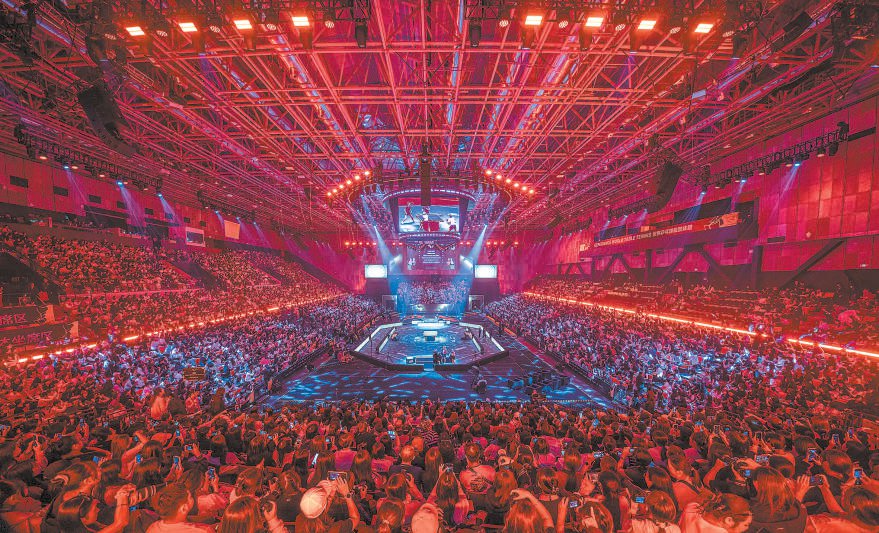
Core Insights - During the National Day and Mid-Autumn Festival holiday, Nanjing's cultural and tourism market showed strong vitality, attracting a large number of visitors, with a total of 14.064 million visitors in the first five days, a year-on-year increase of 13.4% [1] - On October 5, Nanjing's monitored tourist attractions received 2.867 million visitors, marking a 14.7% increase compared to the same day last year, with 70.8% of visitors coming from outside the province [1][3] Visitor Statistics - The top five tourist attractions on October 5 were: Confucius Temple-Qinhuai Scenic Area, Zhongshan Scenic Area, Xuanwu Lake Scenic Area, Hongshan Forest Zoo, and Niushou Mountain Cultural Tourism Area, indicating a preference for both traditional cultural and natural ecological sites [3] - The breakdown of visitor numbers on October 5 included 1.403 million at scenic spots, 132,000 at cultural venues, and 220,000 at rural tourism sites [3] Economic Impact - The concert economy contributed significantly to Nanjing's tourism during the holiday, with two concerts attracting a total of 26,000 attendees and driving additional visitors to nearby tourist areas [3] - The hotel market also performed well, with an average occupancy rate of 85.8% for star-rated hotels on October 5, and over 30 homestays achieving full occupancy [5] - Accommodation transaction volume on platforms like Meituan increased by 14.7% year-on-year during the holiday, with a 6.0% rise in order volume, indicating a sustained release of tourism consumption potential [5]