
脑机接口

Search documents
脑机接口商业化进程提速将从“医疗试验工具”蜕变为“可普及产品”
Sou Hu Cai Jing· 2026-01-06 01:30
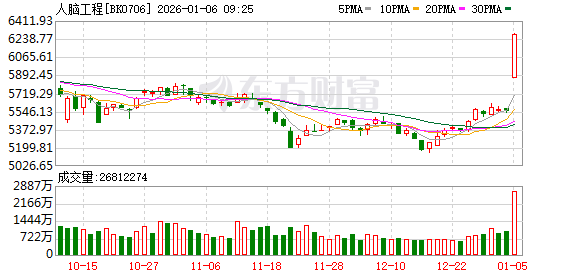
Group 1 - The brain-computer interface (BCI) sector is gaining significant attention, with a notable increase in stock prices for over 10 companies, including Sanbo Brain Hospital Management Group and Meihai Medical, with the sector rising by 13.24% as of January 5 [1] - Elon Musk's Neuralink plans to begin large-scale production in 2026, transitioning to a more streamlined and fully automated surgical process, indicating a shift towards commercialization in the BCI field [1] - The establishment of Gestalt Technology in China marks a new direction in BCI using ultrasound technology, highlighting the country's advancements in this area [1] Group 2 - The year 2025 is anticipated to be a pivotal year for BCI development in China, with multiple technological breakthroughs expected across invasive, semi-invasive, and non-invasive methods [2] - The first clinical trial of an invasive BCI in China is set to take place in June 2025, positioning the country as the second globally to enter this phase [2] - The domestic production of core BCI technologies is accelerating, with a clinical implantation of a domestically developed BCI chip scheduled for September 2025 [2] Group 3 - The primary application of BCI technology is in healthcare, but its potential is expanding into areas such as motor function rehabilitation and chronic pain management [3] - Recent policies from various regions in China are providing strong support for BCI development, focusing on innovation, project support, and application demonstration [3] - By 2027, significant breakthroughs in key BCI technologies are expected, along with the establishment of advanced technical, industrial, and standard systems [3] Group 4 - The BCI market in China is projected to reach 3.2 billion yuan in 2024, with a growth rate of 18.8%, and is expected to grow to 6.14 billion yuan by 2028, reflecting a compound annual growth rate of 17.7% from 2024 to 2028 [4] Group 5 - Companies in the BCI industry are focusing on key components and product applications to accelerate the transition from clinical validation to large-scale commercialization [6] - Meihai Medical is actively collaborating with BCI clients to facilitate efficient commercialization from laboratory development to mass production [6] - Nanjing Mailland Medical Technology expects to obtain its first BCI medical device registration certificate in Q1 2026, which will enable rapid application of this technology [6] Group 6 - BCI companies are encouraged to focus on essential medical needs and collaborate with research institutions to enhance the localization of core components [7] - Establishing collaborative platforms within the industry can help share testing resources and data, reducing R&D costs [7] - Companies should leverage insurance and local policy incentives to improve product cost-effectiveness while balancing R&D investments with commercialization efforts [7]
北京商报侃股:警惕伪脑机接口概念股
Bei Jing Shang Bao· 2026-01-06 01:24
1月5日,脑机接口概念成为新的市场热点,相关股票集体涨停,但脑机接口概念股的"纯度"却各不相 同,甚至不排除个别上市公司有蹭热点之嫌。投资者在追逐新热点的同时要注意甄别,缺乏实质性核心 技术的公司最好避而远之。 因此,投资者需要认真甄别脑机接口概念股的真伪。首先,投资者要深入研究公司的基本面。了解公司 的主营业务、研发实力、技术团队等情况,判断其是否真正具备在脑机接口领域发展的潜力。真正有实 力的公司,会在技术研发上持续投入,拥有专业的研发团队和丰富的技术储备,能够清晰阐述自身在脑 机接口领域的技术路线和商业应用场景。 其次,投资者需要关注公司的实际业务进展。查看公司是否有相关的产品或服务已经落地,或者在研发 过程中取得了实质性突破。而不是仅仅听信公司的宣传口号和概念炒作。只有将技术转化为实际的产品 和服务,才能为公司带来真正的收益,支撑股价的长期上涨。 最后,投资者还要保持理性和冷静的投资心态。市场的热点总是不断变化,投资者不能被短期的股价波 动所左右,盲目跟风炒作。投资是一项长期的行为,需要基于对公司价值的深入分析和判断。在面对脑 机接口这样的新兴热点时,更要谨慎对待,避免因一时的冲动而陷入投资困境。 ( ...

脑机接口商业化进程提速
Zheng Quan Ri Bao· 2026-01-06 00:59
Core Insights - The brain-computer interface (BCI) sector is gaining significant attention, with a notable increase in stock prices for over 10 companies, including Sanbo Brain Hospital Management Group and Shenzhen Meihua Medical Technology, with the sector rising by 13.24% as of January 5 [1] - Elon Musk's Neuralink plans to begin large-scale production in 2026, indicating a shift towards automated surgical processes, while a new company, Gestalt Technology, has been established in China to explore ultrasound technology in BCIs [1] - The BCI technology is expected to transition from clinical validation to commercialization by 2026, marking a significant evolution in the industry [1] Industry Developments - 2025 is anticipated to be a pivotal year for BCI development in China, with multiple technological breakthroughs across invasive, semi-invasive, and non-invasive methods [2] - The first invasive BCI clinical trial in China is set to take place in June 2025, positioning the country as the second globally to enter this phase [2] - The domestic production of core technologies is accelerating, with a clinical implantation of a domestically developed BCI chip expected in September 2025 [2] Application and Policy Support - The primary application of BCI technology is in healthcare, but it is expanding into areas such as motor function rehabilitation and chronic pain management [3] - Recent policies from various regions, including Shanghai and Beijing, are providing robust support for BCI innovation and commercialization, creating a comprehensive support system for funding, standards, and industry clustering [3] - The Ministry of Industry and Information Technology has set a goal for breakthroughs in key BCI technologies by 2027, aiming to establish an advanced technical and industrial system [3] Market Projections - The BCI market in China is projected to reach 3.2 billion yuan in 2024, with a growth rate of 18.8%, and is expected to grow to 6.14 billion yuan by 2028, reflecting a compound annual growth rate of 17.7% from 2024 to 2028 [4] Commercialization Efforts - Companies are focusing on key components and product applications to accelerate the transition from clinical validation to large-scale commercialization [6] - Meihua Medical is actively collaborating with BCI clients to facilitate efficient commercialization from laboratory development to mass production [6] - Nanjing Mailland Medical Technology anticipates obtaining its first BCI medical device registration certificate in Q1 2026, which will enable rapid application of the technology [6] Strategic Recommendations - BCI companies should focus on essential medical needs and collaborate with research institutions to enhance the localization of core components [7] - Establishing collaborative platforms within the industry can help share testing resources and reduce R&D costs [7] - Companies are encouraged to align with healthcare policies and improve product cost-effectiveness to balance R&D investments with commercialization timelines [7]
道指深夜狂飙涨近600点创新高,中概股飘红
Xin Lang Cai Jing· 2026-01-06 00:45
Group 1 - The U.S. stock market saw all three major indices rise, with the Dow Jones surging nearly 600 points, closing up over 1% at 48,977.18, marking a new historical high [1] - Chinese concept stocks mostly increased, with the Nasdaq Golden Dragon China Index rising by 0.49% and the Wind Chinese Technology Leaders Index up by 0.3% [2] - Notable performance in Chinese stocks included Brain Rejuvenation Technology, which surged over 31% following news that Elon Musk's Neuralink plans to significantly increase brain device production by 2026 and innovate in implantation methods [2] Group 2 - International oil prices strengthened, with both U.S. and Brent crude oil rising nearly 2% [3] - The cryptocurrency market experienced a collective surge, with Bitcoin surpassing the $94,000 mark, leading to over 120,000 liquidations in the past 24 hours [4]
A股罕见12连阳,原因找到了
21世纪经济报道· 2026-01-06 00:41
记者丨易妍君 编辑丨张星 2026年,A股旗开得胜,三大股指在首个交易日(即1月5日)悉数上涨。 这一天,上证指数重返4000点之上,日线更是迎来罕见的12连阳,为"春季躁动"预期下的A股市场再添"一把火"。 市场热点轮番活跃,脑机接口、保险、存储器等题材相对强势;CRO、模拟芯片、基因检测、虚拟人等概念也有不错的表现。 展望后市,前海开源基金首席经济学家、基金经理杨德龙判断,2026年科技牛行情有望延续。 多因素助推A股"开门红" 1月5日,A股市场高开高走,喜迎2026年"开门红"。 截至当日收盘,上证指数涨1.38%,报4023.42点;深证成指涨2.24%,报13828.63点;创业板指的涨幅接近2.9%,报3294.55点。科 创50指数则大涨4.41%,北证50指数上涨1.8%。 当天,全部A股成交额达2.57万亿元,较前一个交易日增加了5000多亿元。全市场近4200只个股上涨。 在业内人士看来,A股"开门红"得益于多重积极因素的共振。 "节后市场情绪在假期港股走强的带动下显著回暖; 资金层面,市场对年内保险资金等长期增量资金入市抱有期待,同时全球流动 性宽松预期也提振了风险偏好;更深层次的驱动 ...

50亿元资金涌入,脑机接口正加速驶来丨每日研选
Shang Hai Zheng Quan Bao· 2026-01-06 00:30
Core Viewpoint - The brain-computer interface (BCI) sector is experiencing a resurgence with over 5 billion yuan in funding, driven by Elon Musk's announcement of mass production in 2026, alongside policy support, technological advancements, and promising market prospects [1][2]. Group 1: Policy Support - The National Healthcare Security Administration issued guidelines in March 2025 for pricing new BCI technologies, indicating a clear policy direction for long-term development [1]. - In July 2025, multiple government departments released implementation opinions to promote innovation in the BCI industry, aligning with the "14th Five-Year Plan" which identifies BCI as a new economic growth point [1]. Group 2: Technological Breakthroughs - 2025 is viewed as a pivotal year for clinical validation of invasive BCIs, with significant milestones such as the first domestic fully implanted, wireless, and functional BCI product completing its first clinical trial [2]. - Leading companies like Neuralink are advancing technology iterations and automated surgical solutions, aiming to overcome traditional invasive device limitations and reduce costs [2]. Group 3: Market Potential - The immediate application of invasive technology will focus on critical medical needs such as paralysis and speech loss, but the long-term potential extends to becoming a core interface for human-computer interaction, integrating with AI and robotics [2]. - The evolution from a "therapeutic tool" to an "interactive platform" is a key factor attracting investment and increasing sector valuations [2]. Group 4: Investment Opportunities - Focus on core segments of the supply chain, particularly high-performance, flexible implanted electrodes and low-power, high-throughput specialized chips [4]. - Non-invasive technology companies that have achieved commercialization in specific areas like rehabilitation and sleep monitoring are also worth attention due to their validated business models [4]. - Companies with integrated capabilities in device development, algorithm optimization, and clinical resource integration should be prioritized [5]. - Attention should be given to companies that can create synergies between traditional businesses and BCI, as well as those located in key BCI industry clusters [5].
中原证券晨会聚焦-20260106
Zhongyuan Securities· 2026-01-06 00:08
Key Insights - The report highlights significant developments in various industries, including advancements in brain-computer interfaces by Neuralink, acquisitions by Meta, and initiatives for promoting green consumption in China [5][8]. - The macroeconomic analysis indicates a positive outlook for the A-share market, driven by strong performance in financial and technology sectors, with expectations of continued monetary easing and a favorable global liquidity environment [9][10][16]. - The gaming industry is experiencing steady growth, with animation films leading box office revenues, indicating a shift in consumer preferences and market dynamics [18][38]. Domestic Market Performance - The Shanghai Composite Index closed at 4,023.42, with a daily increase of 1.38%, while the Shenzhen Component Index rose by 2.24% to 13,828.63 [3]. - The average P/E ratios for the Shanghai Composite and ChiNext are 16.30 and 49.98, respectively, suggesting a favorable environment for medium to long-term investments [9][10]. International Market Performance - Major international indices, including the Dow Jones and S&P 500, experienced slight declines, while the Hang Seng Index saw a notable increase of 2.76% [4]. Industry Analysis - The animation film sector has seen a remarkable increase in box office contributions, with animated films accounting for nearly 50% of total box office revenue in 2025, driven by successful titles like "Nezha 2" and "Zootopia 2" [18][38]. - The semiconductor industry continues to thrive, with global sales reaching $72.71 billion in October 2025, marking a 27.2% year-over-year increase, indicating robust demand and growth potential [22]. - The new materials sector is showing strong performance, with a 7.20% increase in the new materials index, outperforming the broader market [21]. Investment Recommendations - The report suggests focusing on sectors with strong fundamentals and stable earnings, such as traditional engineering machinery and high-dividend yielding companies, while also highlighting opportunities in emerging technologies like humanoid robots and AI applications [25][26]. - In the gaming sector, companies like Gigabit and Perfect World are recommended due to their high growth potential driven by AI integration and market demand [19][20].
A股“开门红”,三大利好因素将持续发力
Xin Lang Cai Jing· 2026-01-05 23:52
Core Viewpoint - The A-share market experienced a strong start to 2026, with the Shanghai Composite Index rising by 1.38% and achieving a rare 12 consecutive days of gains, surpassing the 4000-point mark, driven by fundamental improvements, policy benefits, and liquidity recovery [1] Market Performance - The Shanghai Composite Index and Shenzhen Component Index both saw significant increases, reaching new highs [1] - Total trading volume for the day was 2.57 trillion yuan, an increase of over 500 billion yuan compared to the previous trading day [1] Sector Performance - Key sectors that performed well included brain-computer interfaces, insurance, healthcare, and technology [1] Future Outlook - The foundation for a "slow bull" market remains solid, according to Huang Fusheng, Vice President and Chief Economist of Zhongyou Securities [1] - The ongoing implementation of "two重" and "two新" policies, along with a shift in corporate earnings from "valuation repair" to "performance realization," is expected to support a positive market trend [1] - Three favorable factors are anticipated to continue driving the market: the appreciation of the yuan, the expected benefits from the "15th Five-Year Plan," and the maturation of China's technological development [1] - There is optimism for the continuation of a technology bull market and a dual boost in profitability and valuation for the consumer sector [1]
脑机接口商业化拐点来了吗 商业起航
2 1 Shi Ji Jing Ji Bao Dao· 2026-01-05 23:39
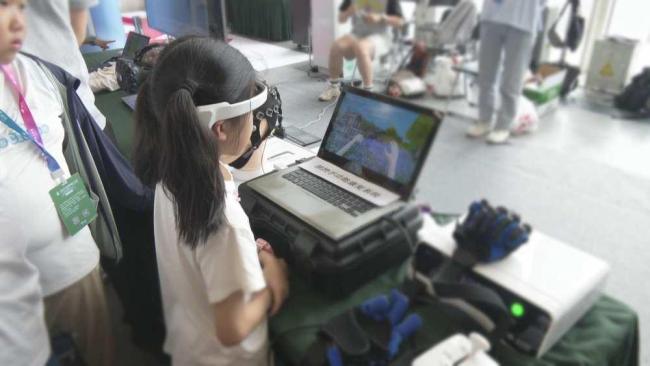
马斯克明确表示"2026年开始大规模生产"脑机接口设备后,相关概念股热度快速攀升,反映出市场对行 业商业化的强烈预期。2026年A股市场开盘首日,脑机接口概念活跃,指数盘中大涨超12%,多只概念 股涨停。截至当日收盘,脑机接口概念全天领涨,三十余只成分股涨停。 用意念玩游戏、签名字,让渐冻症患者靠机械臂自主进食——这些听起来像科幻大片的情节,正被脑机 接口技术逐渐变为现实。美国企业家埃隆·马斯克在社交媒体上宣布,其脑机接口公司"神经连 接"(Neuralink)计划于2026年开始大规模生产脑机接口设备,并转向更精简和几乎完全自动化的外科 手术流程。该设备的电极丝将直接穿过硬脑膜,无需切除,此举意义重大。 Neuralink公司在2024年1月28日完成了首例脑机接口设备人体移植。截至2025年9月,全球已有12人植 入"神经连接"设备,累计使用时间达2000天,总使用时长超过1.5万小时。近期,该公司表示临床试验 参与者已将控制能力扩展到实体设备,如辅助型机器人手臂。随着时间推移,公司计划进一步拓展可通 过"神经连接"控制的设备范围。 脑机接口产业正迎来空前发展机遇,其技术应用逐步跨越实验室研发与市场化落地 ...
脑机接口行业跟踪:马斯克宣布脑机接口公司Neuralink2026年将实现大规模生产
Changjiang Securities· 2026-01-05 23:30
Investment Rating - The report maintains a "Positive" investment rating for the healthcare sector [10]. Core Insights - Elon Musk announced on December 31, 2025, that his brain-computer interface company Neuralink will begin "mass production" of brain-computer interface devices in 2026, transitioning to a "more streamlined and almost fully automated surgical process" [2][6]. - The brain-computer interface market has significant growth potential, with invasive products expected to become a key focus area. Internationally, companies like Neuralink are leading in technology, while several domestic companies in China have made breakthroughs in R&D, supported by favorable policies [2]. - The global brain-computer interface market is projected to reach USD 2.62 billion by 2024, with a compound annual growth rate (CAGR) of 17.4% from 2025 to 2034. In China, the market is expected to exceed RMB 6 billion by 2028, with a CAGR of approximately 17.7% from 2024 to 2028 [14]. - Neuralink employs a minimally invasive implantation approach, with 12 individuals having implanted devices as of September 2025, totaling over 20,000 hours of usage [14]. - Several domestic companies have achieved breakthroughs in brain-computer interface technology, with notable advancements in clinical trials and regulatory approvals [14]. - The industry is encouraged by supportive policies, with the National Healthcare Security Administration in China having established pricing for brain-computer interface services [14]. - Experimental animals, such as mice and monkeys, play a crucial role in brain-computer interface research, with mice being used for initial testing and monkeys for more advanced validation due to their closer anatomical and functional similarities to humans [14]. - Recommended companies to watch include Meihao Medical for brain-computer interfaces and Zhaoyan New Drug for experimental animals [14].