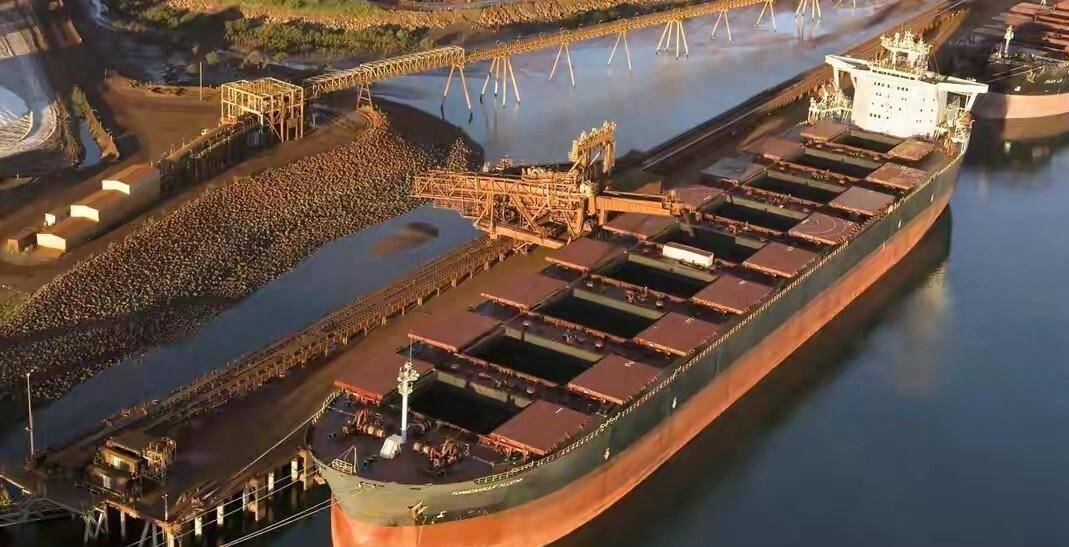
铁矿石

Search documents
中国叫停美元铁矿订单,澳洲慌了,规则变了谁还认旧账?
Sou Hu Cai Jing· 2025-10-07 20:26
Core Viewpoint - The strategic move by China Mineral Resources Group to halt the purchase of iron ore priced in USD from BHP has sent shockwaves through the global iron ore market, significantly impacting Australia's economy and the iron ore trade dynamics [1][3]. Group 1: Market Impact - Following the announcement, BHP's stock price plummeted by 3.4%, resulting in a market capitalization loss exceeding 12 billion AUD (approximately 60 billion RMB) [3]. - Australia's Treasury estimates that if the supply halt continues until 2026, iron ore export revenues could decline by 11 billion AUD, potentially dragging down the national GDP growth by 0.3 to 0.8 percentage points [7]. Group 2: Pricing Dynamics - China, holding a 75% market share in global seaborne iron ore, has historically lacked pricing power despite being the largest buyer [5]. - In 2024, BHP generated a staggering profit of 224 billion RMB from the Chinese market, averaging 620 million RMB in daily revenue, highlighting the significant profit margin disparity [5]. Group 3: Strategic Developments - China's ability to assertively halt USD-denominated transactions is supported by its diversified supply network, including the Simandou project in Guinea, which is expected to produce 60 million tons annually starting in late 2025 [9]. - China has also signed a long-term procurement agreement with Vale for 50 million tons annually, with imports from Brazil rising to 27.8% in 2024 [9]. Group 4: Currency and Trade Relations - The directive to pause USD transactions, while allowing RMB-denominated trades, reflects a strategic intent to promote the internationalization of the RMB, aiming to establish a closed-loop settlement system in the iron ore market [11]. - The proportion of RMB settlements in Australia's iron ore exports reached 60% in 2024, indicating a shift towards local currency transactions [11]. Group 5: Industry Challenges - The steel industry in China has been under pressure from high iron ore prices, with iron ore accounting for 54% of the cost of iron production in the first half of 2024, leading to an average profit margin of only 1.1% for major steel companies [13]. - The establishment of the "China Mineral National Chain" platform aims to eliminate intermediaries and curb speculation, while the construction of a national iron ore spot trading center will enhance price transparency [13].


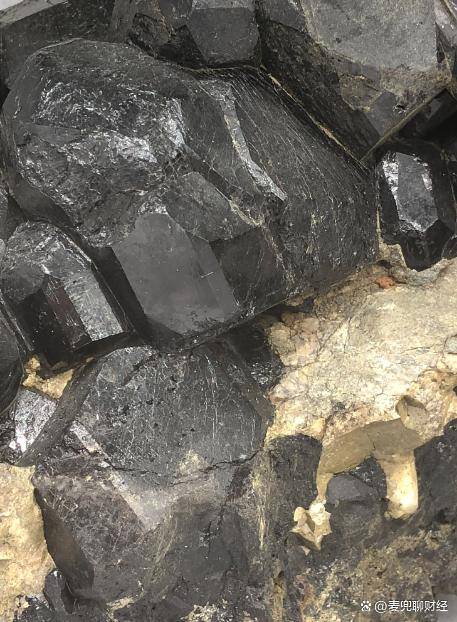
澳大利亚猛然惊醒:铁矿石改规矩了,美元订单停了,最大买家要走
Sou Hu Cai Jing· 2025-10-07 18:16
Core Viewpoint - BHP, the Australian iron ore giant, has been officially "cut off" by China, with all state-owned steel mills instructed to suspend purchases of BHP's iron ore priced in USD, leading to a significant drop in BHP's stock price and market value [1][3]. Group 1: BHP's Pricing Strategy - Despite a global decline in iron ore prices, BHP insisted on a long-term contract price of $109.5 per ton, which is nearly 15% higher than the market price of around $80 per ton [3]. - If this pricing strategy were to be accepted, it would result in an additional cost of over $20 billion for Chinese steel companies, given that China imported 740 million tons of iron ore from Australia last year [3]. Group 2: China's Response and Strategy - China has established the China Mineral Resources Group to unify procurement from hundreds of steel companies, allowing for a stronger negotiating position against BHP [7][9]. - China's diversification of iron ore sources has reduced Australia's share of imports from a peak of 62% to 51%, with significant contributions from Brazil and Guinea [11]. - The Chinese government has made it clear that future business with BHP will require pricing at market rates and settlement in RMB, not USD [11][16]. Group 3: Economic Implications for Australia - Approximately 85% of Australia's iron ore exports go to China, and a 10% reduction in Chinese purchases could lead to a 1.2% decline in Australia's GDP [13][14]. - Australian Prime Minister Albanese's initial disappointment reflects the critical importance of the iron ore trade to both nations, as no other country can absorb Australia's iron ore exports at the same scale [14]. Group 4: Shift in Market Dynamics - The iron ore pricing and trading dynamics are shifting, with Chinese futures markets gaining prominence, indicating a transfer of pricing power from Australia to China [16]. - The potential for RMB to become a settlement currency in commodity trading poses a significant challenge to the dominance of the USD, which could have severe implications for the US economy [16][19].
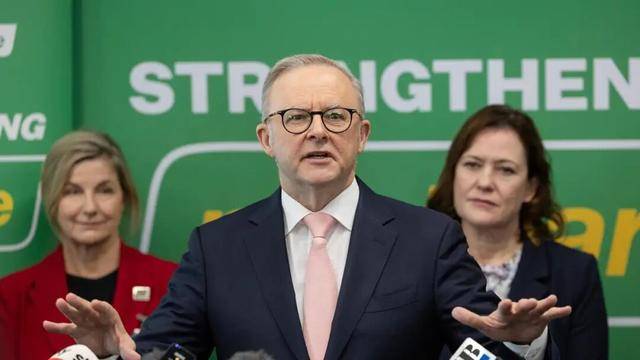
外媒发出感慨,中方的最新声明直接挑明,丝毫不考虑美国利益了
Sou Hu Cai Jing· 2025-10-07 18:16
Core Insights - The global commodity trade landscape is undergoing a profound structural transformation, particularly influenced by China's strategic decisions regarding currency diversification and procurement channels [1][3][12] Group 1: Iron Ore Market - BHP's stock experienced a significant drop of 6% on October 1, coinciding with a 4% decline in Singapore iron ore futures, triggered by China's directive to halt all dollar-denominated iron ore purchases from BHP [1][3] - China has signed a long-term supply agreement with Brazil's Vale, adding 50 million tons of new orders with a notable increase in RMB settlement to 28%, indicating a shift away from the dollar-dominated settlement system [3][10] - BHP's reliance on the U.S. market is substantial, with over 60% of its revenue coming from exports to China, making the recent changes particularly challenging for the company [3][10] Group 2: Soybean Trade - In the first seven months of 2025, China imported 16.57 million tons of soybeans from the U.S. compared to 42.26 million tons from Brazil, widening the gap to 2.6 times, which poses a significant threat to U.S. agriculture [5][8] - China's shift towards South American suppliers is driven by Brazil's stable supply, cost control, and secure settlement options, with a currency swap agreement worth 190 billion yuan enhancing RMB settlement in soybean trade [7][11] - The U.S. soybean market is facing severe challenges, with nearly 100 farms declaring bankruptcy and a loss exceeding $1 billion for U.S. soybean farmers due to declining exports [8][11] Group 3: Broader Implications - The adjustments in commodity procurement and settlement by China reflect a strategic shift towards prioritizing supply chain security and cost control over traditional diplomatic balancing [7][12] - The changes in iron ore and soybean trade are indicative of a broader trend where the dominance of the dollar in global commodity transactions is being challenged, leading to a potential reconfiguration of global trade rules [12][15] - The U.S. Treasury's concerns regarding the implications of these changes highlight the potential for a significant shift in the balance of power in global commodity markets, as other resource-exporting countries may consider similar moves towards RMB settlement [3][10][15]
中国停购澳大利亚铁矿石,理由很“硬气”
Sou Hu Cai Jing· 2025-10-07 16:39
Core Viewpoint - The article discusses how China, as the largest consumer of iron ore, is seeking to gain more bargaining power against Australian suppliers, particularly BHP and Rio Tinto, who dominate the market and have significant pricing power [1][4][5]. Group 1: China's Iron Ore Consumption and Import Dependency - China consumes approximately 75% of the global seaborne iron ore imports, with an import volume of 1.237 billion tons in 2024, accounting for 60.2% of the global total [2]. - The import dependency on Australia is high, with 720 million tons imported from BHP and Rio Tinto, representing 85% of Australia's iron ore exports [2]. Group 2: Bargaining Power Dynamics - Australia's significant control over pricing is evident, as China's reliance on Australian iron ore limits its negotiating power [4]. - In the 2019-2020 fiscal year, Australia's iron ore export revenue was $102 billion, with $84.9 billion (approximately 548.5 billion RMB) coming from China, highlighting China's limited influence on pricing [5]. Group 3: China's Strategic Response - China has initiated a halt in purchasing iron ore from BHP, demanding a shift from annual pricing to a quarterly pricing mechanism linked to the spot market, aiming to save approximately $20 billion annually [8][9]. - The move is also intended to challenge the dominance of the US dollar in trade settlements, as BHP insists on dollar transactions while other suppliers have begun accepting RMB [9]. Group 4: Alternative Supply Sources - Brazil has increased its iron ore exports to China, with a 20.7% year-on-year increase in the first two months of 2024, providing a reliable alternative supply [10]. - China has also secured mining rights in Guinea and has access to high-grade iron ore from Russia, which further strengthens its position [11][15]. Group 5: Implications for Australia - The Australian Prime Minister expressed concern over the potential impact of China's purchasing halt, emphasizing the importance of iron ore exports to both economies [16].
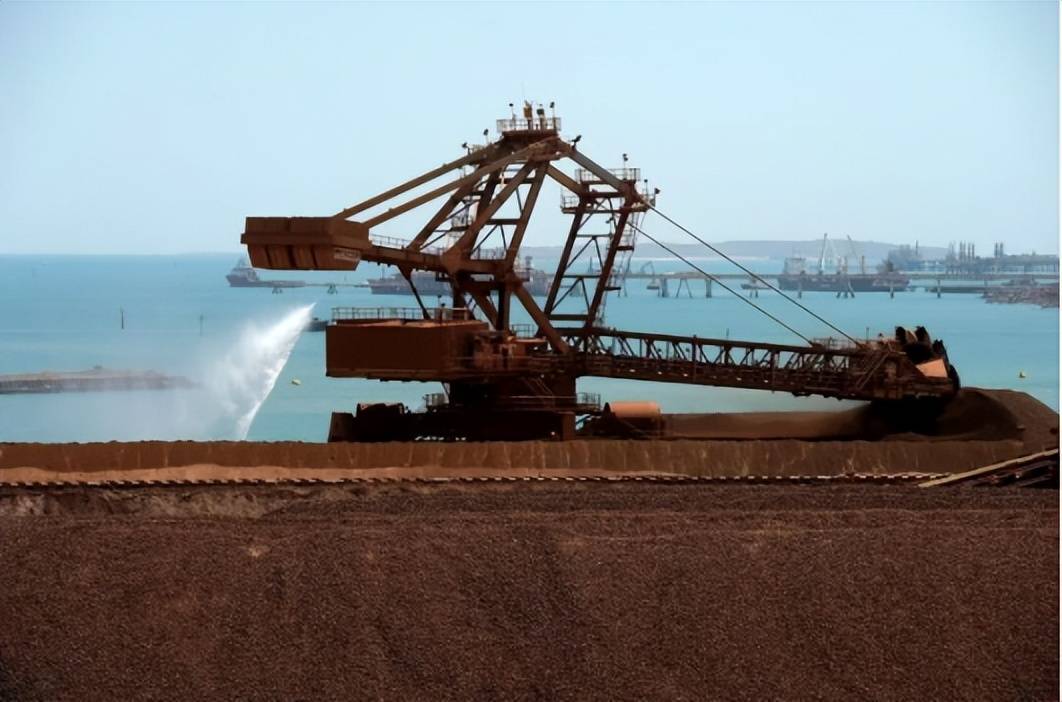
乌克兰大断电,普京甩出290亿吨王牌,澳洲铁王座不保
Sou Hu Cai Jing· 2025-10-07 14:35
Group 1: Ukraine's Energy Crisis - The largest attack on Ukraine's gas network since the conflict began has caused significant disruptions, leading to power outages in multiple regions, with 32% of the national power capacity incapacitated [1][3] - Emergency power outages have been declared in 12 regions, including Kyiv, Kharkiv, and Odesa, with hospitals relying on diesel generators to maintain operations [3] - The price of 5 kW diesel generators has surged to $2,200, five times the pre-conflict price, indicating a severe energy crisis [3] Group 2: Impact on Military Production - Ukrainian President Zelensky confirmed that some military enterprises have halted production due to power outages, echoing a previous report stating that the conflict has reduced Ukraine's military production capacity by 60% [5] - The Russian military's attack targeted the energy supply to key military production facilities, indicating a strategic focus on crippling Ukraine's defense capabilities [5] Group 3: Russia's Coal Resources and Export Strategy - Russia has significant coal reserves, with proven high-quality coking coal reserves of 29 billion tons, primarily located in the Kuzbass coalfield [7] - The completion of the "Beyaganskaya" railway expansion has increased coal transport capacity from 120 million tons to 180 million tons annually, facilitating large-scale exports [7] - Russia aims to increase its share of the Chinese coking coal market from 25% to 33%, with long-term supply agreements signed at prices 12% lower than international markets [9] Group 4: Global Resource Trade Dynamics - The expansion of Russian coal exports is challenging Australia's traditional dominance in the global resource trade, with Australia's share of China's coking coal imports dropping from 40% to 28% [9][12] - China's steel industry is diversifying its resource imports, increasing purchases of Russian iron ore, which has a price advantage over Australian iron ore [14] - Australia's resource sector is under pressure, with potential revenue losses of 8 billion AUD if Russian coal and iron ore continue to capture market share [16] Group 5: Broader Economic Implications - The energy conflict between Russia and Ukraine has created a cycle of energy shortages, industrial stagnation, and social unrest in Ukraine, affecting global food prices due to disrupted grain transport [18] - Russia's reliance on coal exports is providing financial support for its military efforts, with coal export revenues increasing by 37% year-on-year [10] - The global energy security landscape is shifting, with countries accelerating diversification of energy imports, impacting traditional resource-exporting nations like Australia [20]
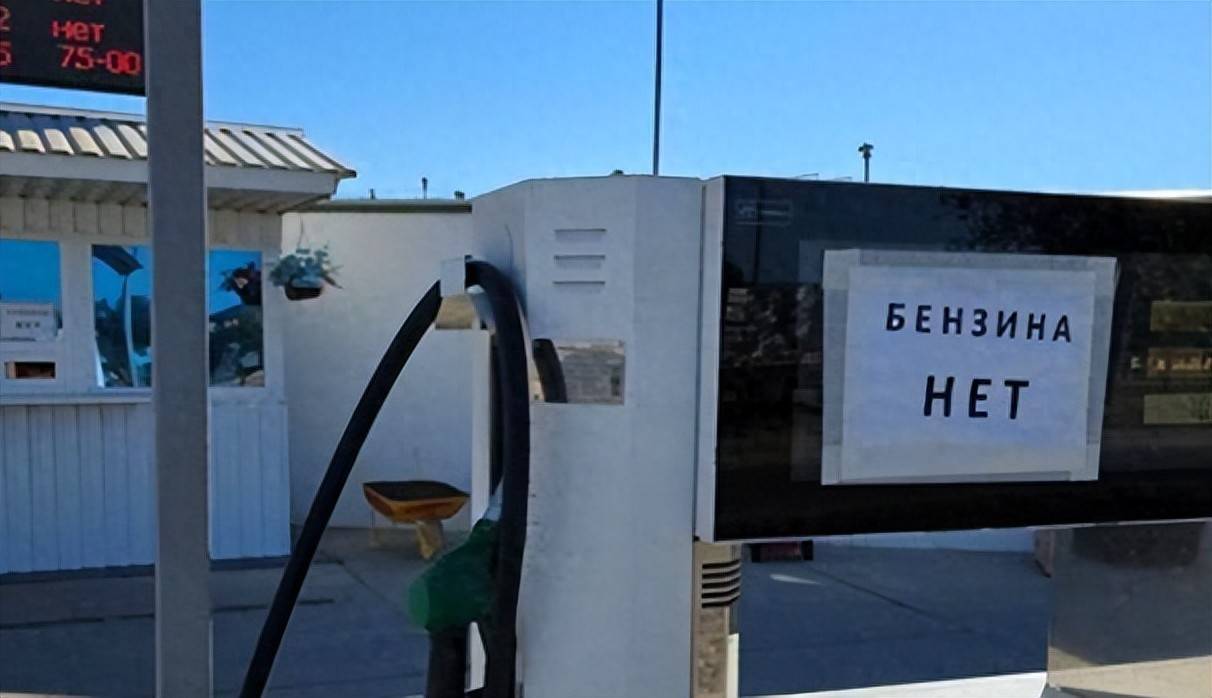
铁矿石风波让澳洲人慌了!澳媒喊话,情况变了,美元地位有待观察
Sou Hu Cai Jing· 2025-10-07 13:56
Group 1 - China's iron ore production is not optimistic, leading to heavy reliance on imports, particularly from Australia, which accounts for approximately 60% of China's iron ore imports [1][4] - BHP, a major player in the Australian iron ore sector, exports about 80% of its iron ore to China, making it vulnerable to changes in China's purchasing decisions [4][6] - Following China's decision to halt purchases of BHP's iron ore priced in USD, BHP's stock price plummeted, resulting in a market value loss of nearly 12 billion AUD, approximately 57 billion RMB [6] Group 2 - The decision to suspend purchases was influenced by the failure of the seventh round of economic and trade consultations between China and Australia, where Australia did not meet China's demands [6][10] - China requested that long-term procurement agreements be priced in RMB instead of USD, while BHP insisted on maintaining USD pricing and even proposed a 15% price increase, which China viewed as unreasonable [8][10] - The ongoing negotiations highlighted the power dynamics in the iron ore market, with Australia holding significant leverage due to its dominance in iron ore exports [11] Group 3 - China's iron ore resources are abundant but often of lower quality, making it reliant on higher-quality Australian iron ore, which is easier to extract and has a higher iron content [13] - The situation reflects broader geopolitical tensions, including the struggle for resource control and the dominance of the USD in international trade [14][20] - China is actively seeking to diversify its import sources and reduce reliance on Australia, as evidenced by its establishment of trade relationships with multiple countries and the construction of port storage facilities [16][24] Group 4 - The push for RMB pricing in trade is part of China's strategy to reduce dependence on the USD and enhance the international standing of the RMB [22][25] - BHP's insistence on USD transactions is driven by the advantages of the USD and the potential for profit from currency fluctuations, highlighting the competitive nature of international trade [22] - China's efforts to promote RMB settlements aim to strengthen its economic position and mitigate the impact of potential US sanctions [24][27]
澳大利亚传来好消息,中国出手,人民币深入美元腹地,美十分难受
Sou Hu Cai Jing· 2025-10-07 08:40
Group 1 - Australia's recent decision to accept RMB for iron ore transactions with China signifies a shift in its economic strategy, reflecting its reliance on the Chinese market for iron ore exports [1][3][9] - China is the world's largest iron ore buyer, importing 1.237 billion tons annually, which constitutes 75% of global sea trade, making it a critical market for Australia [3][5] - The Australian government, under Prime Minister Albanese, aims to stabilize relations with China, moving away from previous hawkish policies and recognizing the unreliability of the U.S. [9][11] Group 2 - The conflict arose when BHP insisted on a 15% price increase for long-term contracts and insisted on USD settlements, prompting China to halt all dollar-denominated purchases from BHP [5][19] - China's diversification of iron ore sources has led to over 50% of its imports coming from non-Australian countries, reducing its dependency on Australia [7][21] - The introduction of RMB-denominated financial instruments, such as the "RMB sea-floating iron ore swap" by Hainan International Clearing House, enhances China's position in global iron ore trade [15][17] Group 3 - The shift towards RMB settlements in iron ore trade poses a significant challenge to the U.S. dollar's dominance, as it disrupts the traditional dollar-based commodity pricing system [13][22] - China's growing influence in the iron ore market is evidenced by the increasing percentage of trade with Russia being settled in RMB, which has risen to 45% [17][19] - The potential for RMB to become a dominant currency in commodity trading could lead to a dilution of the dollar's status as the world's reserve currency [19][22]
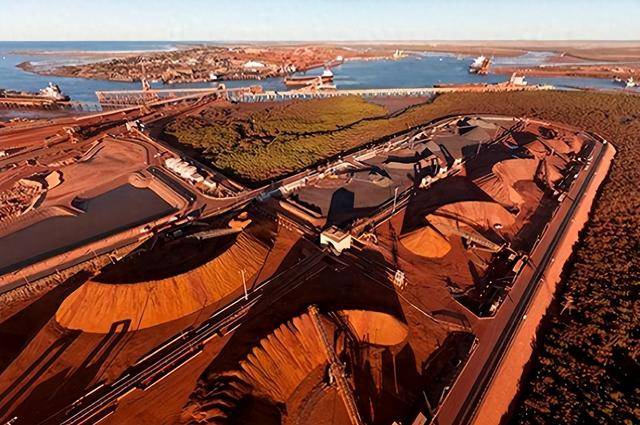
在人民币结算令下,澳大利亚矿业巨头必和必拓与力拓的态度差异引发了广泛关注。
Sou Hu Cai Jing· 2025-10-07 07:45
Core Viewpoint - The sudden shift by Chinese buyers to demand payment in RMB instead of USD for iron ore from BHP has created significant turmoil in the iron ore trade, highlighting the ongoing capital market dynamics and the contrasting responses of major mining companies [1][3]. Group 1: Company Responses - Rio Tinto quickly agreed to the RMB settlement, reflecting its deep financial ties to the Chinese market, which accounts for over half of its revenue and has seen record procurement levels [1]. - BHP, on the other hand, has resisted the shift to RMB, influenced by its American shareholders who are concerned about the potential erosion of the USD's dominance in mineral trade [3]. Group 2: Market Dynamics - The global iron ore market is transitioning from a seller's market to a buyer's market, with increasing supply from countries like Guinea and Brazil, which could threaten BHP's market position if it remains inflexible [5]. - The pricing power in the iron ore market is shifting, with China's Dalian Commodity Exchange now having a trading volume eight times that of Singapore, indicating the emergence of a new pricing center in China [5].


中国出手了!暂停澳洲铁矿石采购,直击美元霸权核心,澳洲慌了
Sou Hu Cai Jing· 2025-10-07 05:20
最近,中国宣布暂停采购澳大利亚的铁矿石,这一消息一出,澳大利亚瞬间陷入了巨大的震动中。表面上看,只是暂停了一项贸易协议,但背后却隐藏着深 刻的全球经济博弈。这个决定不仅关系到澳洲的经济命脉,也可能会引发全球大宗商品市场的深刻变化。 澳大利亚媒体迅速作出反应,纷纷报道这一事件 的严重性。ABC News认为,这标志着中国在争夺全球定价权方面的一次升级。而《澳大利亚人报》则直接称其为"商务对峙",并警告如果问题不尽快解 决,后果可能不堪设想。财经媒体《AFR》也批评澳洲政府反应迟缓,强调铁矿石对中国出口的畅通无阻至关重要。 那么,为什么澳大利亚媒体如此紧 张?原因就在于铁矿石对澳大利亚经济的重要性。2023年,澳大利亚的铁矿石出口总量达到了9亿吨,其中85%销往中国。铁矿石不仅贡献了澳大利亚GDP 的5%,还占据了西澳财政收入的四分之一。对于澳大利亚而言,铁矿石就像石油对中东一样,至关重要。 而中国这次暂停的正是与美元结算的部分交易,尤其是必和必拓的海运铁矿石。即使货船已经启程,中国也拒绝收货和付款,这无疑给澳大利亚经济带来了 巨大的冲击。 许多人会问,为什么中国现在突然敢采取这么强硬的立场?其实,这一切并非突如 ...
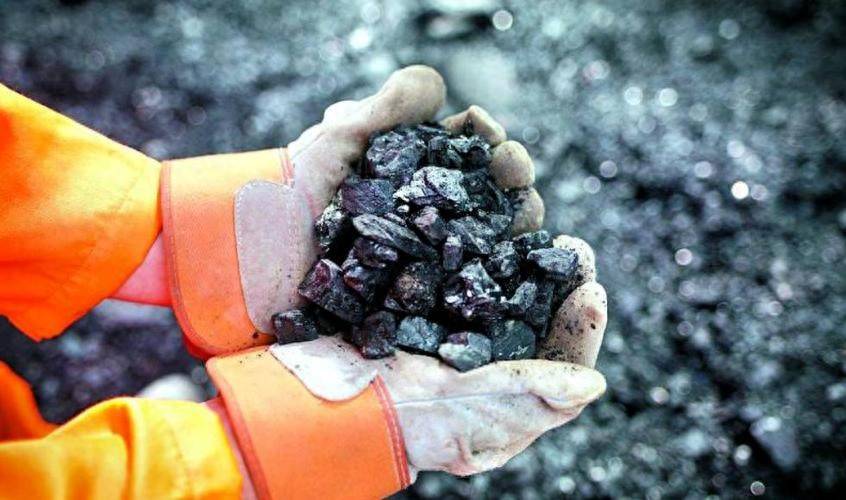
铁矿石人民币计价一石二鸟,正在做萨达姆与卡扎菲想做未做成的事
Sou Hu Cai Jing· 2025-10-06 23:20
Core Viewpoint - China's recent decision to halt the purchase of iron ore from BHP in USD and promote RMB settlement marks a significant shift in the global iron ore trade landscape, reflecting a long-term strategy to reduce reliance on the US dollar and enhance pricing power in the market [1][10]. Group 1: Historical Context - The move parallels historical attempts by leaders like Saddam Hussein and Muammar Gaddafi to challenge the dominance of the US dollar, albeit through different strategies; China opts for a pragmatic approach rather than radical political upheaval [3][10]. - China has been the world's largest iron ore importer, with imports reaching 1.237 billion tons in 2024, accounting for 72% of global imports, and imports from Australia alone totaling 743 million tons valued at 564.9 billion yuan [3][5]. Group 2: Market Developments - The Dalian Commodity Exchange introduced iron ore futures for foreign traders in May 2018, which has since become the largest iron ore derivatives market globally, with trading volume 23 times that of Singapore's market [5]. - The push for RMB settlement is supported by a robust market foundation, with cross-border RMB payments reaching 64.1 trillion yuan in 2024, a year-on-year increase of over 20%, making RMB the fourth largest payment currency globally [5][9]. Group 3: Strategic Moves - China's strategy includes a gradual approach, exemplified by the first RMB-denominated spot trading contract signed in October 2019, and the introduction of the "Beijing Iron Ore Index" in 2025, which is based on real transaction data [7][10]. - The breakdown of negotiations for RMB settlement with Australia has led to the current procurement halt, as Australia insists on USD settlement and higher prices, while China seeks a more reasonable pricing mechanism [7][10]. Group 4: Global Implications - The shift towards RMB settlement in iron ore trade is part of a broader trend of restructuring global financial power, with countries like Russia and India also exploring similar currency settlement agreements [9][10]. - The ongoing changes in the global iron ore supply-demand dynamics, with a 5.5% year-on-year decline in China's iron ore imports in early 2025, enhance China's bargaining power in negotiations [10].