航空运输

Search documents
中国国航(00753) - 海外市场公告
2026-03-26 14:49
海外市場公告 本公告乃根據香港聯合交易所有限公司證券上市規則第13.10B條的規定而發表。 附件為中國國際航空股份有限公司於上海證券交易所刊發之 中國國際航空股份有限公司 2025年度A股財務報表及審計報告 承董事會命 中國國際航空股份有限公司 公司秘書 肖烽 香港交易及結算所有限公司及香港聯合交易所有限公司對本公告之內容概不負責,對其準確性 或完整性亦不發表任何聲明,並明確表示概不就因本公告全部或任何部分內容而產生或因倚賴 該等內容而引致的任何損失承擔任何責任。 (於中華人民共和國註冊成立的股份有限公司) (股份代號:00753) 中國北京,二零二六年三月二十六日 於本公告日期,本公司的董事為劉鐵祥先生、曲光吉先生、崔曉峰先生、Patrick Healy(賀以禮) 先生、肖鵬先生、徐念沙先生*、禾雲先生*、譚允芝女士*及高春雷先生*。 * 本公司獨立非執行董事 中国国际航空股份有限公司 自 2025 年 1 月 1 日 至 2025 年 12 月 31 日止年度财务报表 中国国际航空股份有限公司 目录 | | 页次 | | | --- | --- | --- | | 一、审计报告 | 1 - | 5 | | ...
中国国航(00753) - 海外市场公告
2026-03-26 14:46
香港交易及結算所有限公司及香港聯合交易所有限公司對本公告之內容概不負責,對其 準確性或完整性亦不發表任何聲明,並明確表示概不就因本公告全部或任何部分內容而 產生或因倚賴該等內容而引致的任何損失承擔任何責任。 (於中華人民共和國註冊成立的股份有限公司) (股份代號:00753) 海外市場公告 本公告乃根據香港聯合交易所有限公司證券上市規則第13.10B條的規定而發表。 附件為中國國際航空股份有限公司於上海證券交易所刊發之 中國國際航空股份有限公司 2025年度報告 承董事會命 中國國際航空股份有限公司 公司秘書 肖烽 中國北京,二零二六年三月二十六日 於本公告日期,本公司的董事為劉鐵祥先生、曲光吉先生、崔曉峰先生、Patrick Healy (賀以禮)先生、肖鵬先生、徐念沙先生*、禾雲先生*、譚允芝女士*及高春雷先生*。 * 本公司獨立非執行董事 1 中国国际航空股份有限公司简称中国国航,英文名称为 Air China Limited,简称 Air China, 是中国唯一载国旗飞行的航空公司。 "凤凰者,仁鸟也""见则天下宁"。中国国航的企业标识由一只艺术化的凤凰和中国改 革开放的总设计师邓小平同志书写的"中 ...
中国国航:2025年归母净利润亏损17.7亿元,亏损扩大
Xin Lang Cai Jing· 2026-03-26 14:34
中国国航3月26日公告,2025年实现营业收入1714.85亿元,同比增长2.87%;归属于上市公司股东的净 利润亏损17.7亿元,上年同期亏损2.37亿元;基本每股收益-0.11元。2025年度公司拟不进行利润分配或 公积金转增股本。 ...

中国国航:子公司山东航空将以29亿元人民币租赁10架波音737系列飞机。
Xin Lang Cai Jing· 2026-03-26 14:34
Group 1 - The core point of the article is that China National Airlines' subsidiary, Shandong Airlines, will lease 10 Boeing 737 series aircraft for a total of 2.9 billion RMB [1] Group 2 - The leasing of the aircraft indicates a strategic move to expand Shandong Airlines' fleet and enhance its operational capacity [1] - The decision to lease Boeing 737 series aircraft aligns with the growing demand for air travel in China [1]

国内航线燃油费4月5日上涨
21世纪经济报道· 2026-03-26 10:48
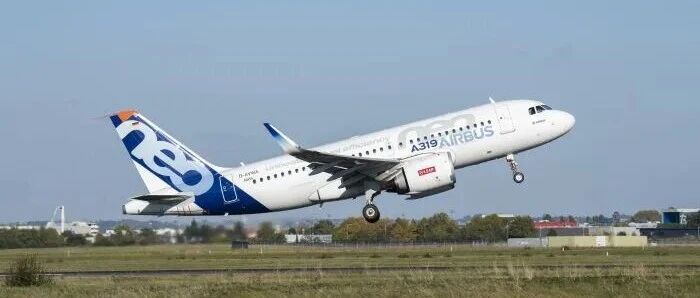
Core Viewpoint - Spring Airlines announced an increase in domestic fuel surcharges starting from April 5, marking it as the first Chinese airline to officially raise these fees, with expectations that more airlines will follow suit [1][4]. Group 1: Fuel Surcharge Increase - The increase in fuel surcharges was anticipated due to the recent escalation of the Israel-Palestine conflict, which has significantly raised international oil prices, leading to a chain reaction in domestic fuel costs [4][6]. - Domestic airlines are facing increased operational costs, with fuel accounting for approximately 40% of their expenses. International airlines have already raised their fuel surcharges by over 50%, with some routes seeing prices double [8]. - Spring Airlines previously announced a fuel surcharge increase for certain international routes, with notable hikes such as the Shanghai to Kuala Lumpur route rising from 180 yuan to 360 yuan, and the Osaka route increasing from 200 yuan to 312 yuan [8]. Group 2: Impact on Travel Costs - The surge in oil prices is affecting various travel modes, including air, land, and sea transport, leading to increased costs for outbound tourism [5][10]. - Tourists are experiencing significant price hikes in airfares, with reports of ticket prices for European destinations rising from around 1600 yuan to over 2800 yuan, prompting travelers to book earlier to avoid further increases [9]. - The rising fuel costs are also impacting self-driving and ferry travel, with reports of fuel shortages and increased prices in popular tourist destinations [9][10]. Group 3: Travel Demand Trends - Despite rising costs, there is a notable increase in travel demand, particularly during the upcoming spring break and Qingming Festival, with families eager to travel before further price hikes [12][13]. - Data indicates a 30% year-on-year increase in passenger numbers for domestic flights during the travel period from April 1 to 6, with significant growth in bookings from families and younger travelers [13]. - Popular domestic routes are seeing a surge in demand, with cities like Chengdu and Nanjing leading in ticket sales growth, reflecting a shift in travel patterns as families take advantage of lower prices before the surcharge increase [12][13].


广州新机场开工,物流巨头果断落子佛山高明
21世纪经济报道· 2026-03-26 06:45
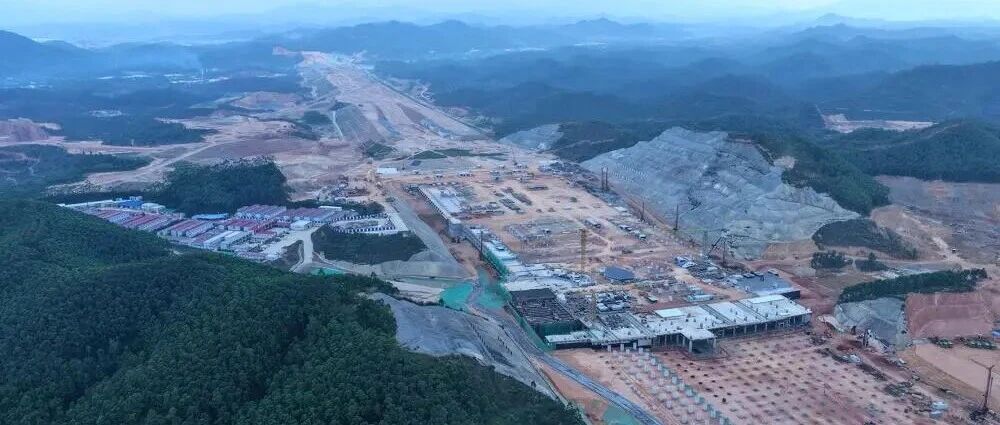
Core Viewpoint - The construction of the new Guangzhou airport is a pivotal factor for investment decisions in the region, transforming cities like Gaoming from "node cities" to "gateway cities" and enabling the development of a high-end manufacturing and global supply chain ecosystem [1]. Group 1: Economic Impact - Guangdong's economy has ranked first in the nation for 37 consecutive years, with foreign trade contributing nearly a quarter of the national trade increment [3]. - The airport cluster in the Greater Bay Area is projected to handle 168 million passengers and 454.1 million tons of cargo by 2025, with Guangzhou Baiyun Airport expected to exceed 83.58 million passengers [5]. Group 2: Infrastructure Development - The new airport is expected to alleviate pressure on Baiyun Airport and optimize the aviation network in the Greater Bay Area, serving as a strategic hub for the southwest and ASEAN [6]. - The airport's location is strategically chosen to connect the manufacturing stronghold of the Pearl River West Bank with the less developed regions, providing ample land for large-scale industrial development [6]. Group 3: Industry Transformation - The new airport will enable local enterprises to access international logistics services that were previously only available in Guangzhou and Shenzhen, enhancing their global competitiveness [7]. - The airport's development is anticipated to create a "one-stop international supply chain" service for clients, marking a significant shift in the regional industrial landscape [6]. Group 4: Regional Collaboration - The integration of the airport with the surrounding cities is crucial for establishing a strong industrial presence and avoiding becoming merely a transit point [9]. - A collaborative approach among cities like Foshan, Zhaoqing, Jiangmen, and Yunfu is essential for leveraging their unique advantages and fostering regional economic growth [10]. Group 5: Future Prospects - The construction of the airport and the simultaneous development of related industries are critical for maximizing the economic potential of the region [12]. - The magnetic effect of the airport is already evident, with significant interest from logistics and manufacturing companies looking to establish operations in proximity to the new airport [12].
世贸组织预测26年全球贸易增速放缓至1.9%
日经中文网· 2026-03-26 03:37
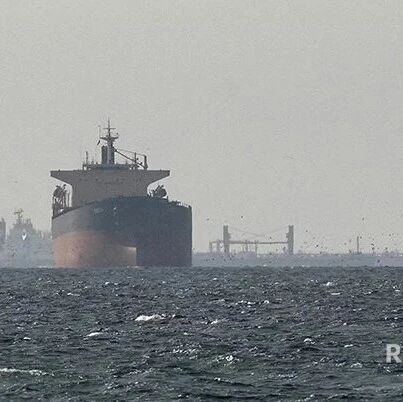
Core Viewpoint - The ongoing conflict in the Middle East, particularly the blockade of the Strait of Hormuz, is severely impacting global trade and economic growth, with potential long-term consequences for energy prices and food security [2][5][7]. Group 1: Trade and Economic Growth Projections - The World Trade Organization (WTO) predicts a 4.6% year-on-year growth in global goods trade by 2025, driven by semiconductor and electronic device transactions related to generative AI, but growth is expected to slow to 1.9% in 2026 [4]. - In a high energy price scenario, where oil and LNG prices remain elevated, the growth rate could further decline to 1.4% [5]. - The blockade of the Strait of Hormuz has led to a near-zero level of shipping traffic, which could force a slowdown in global trade by 2026 [2][8]. Group 2: Impact on Energy and Agriculture - Approximately 20% of global oil and LNG transportation passes through the Strait of Hormuz, with Japan relying on the Middle East for about 90% of its oil imports, raising concerns about energy supply disruptions [5]. - The blockade also affects agricultural production, as about one-third of global fertilizers are transported through the Strait, with countries like India, Thailand, and Brazil heavily dependent on imports from Gulf nations [7]. - The potential for rising food prices due to supply chain disruptions is significant, as Gulf countries rely on imports for a large portion of their staple foods [7]. Group 3: Service Trade and Economic Sentiment - The growth rate for global service trade is projected to be 4.8% in 2026, but could drop to 4.1% due to disruptions in maritime and air transport [7]. - The Middle East accounts for approximately 7.4% of global transport service exports, with over 40,000 flights canceled and a surge in transportation and insurance costs [7]. - Soft data indicating deteriorating economic sentiment is emerging, with Germany's economic sentiment index dropping to -0.5, the lowest since April 2025 [8].
国内航线燃油附加费确定4月5日上涨
财联社· 2026-03-26 03:20
Core Viewpoint - Spring Airlines announced an increase in domestic fuel surcharges for tickets sold starting from April 5, 2026, with further details to be provided in subsequent notifications [1] Group 1 - The adjustment in fuel surcharges is a response to rising operational costs in the airline industry [1] - The specific details regarding the new surcharge rates will be communicated later [1] - This change reflects broader trends in the aviation sector, where fuel prices significantly impact profitability [1]
目录价格合计超千亿元人民币 中国东航签下101架空客大单
Mei Ri Jing Ji Xin Wen· 2026-03-25 14:40
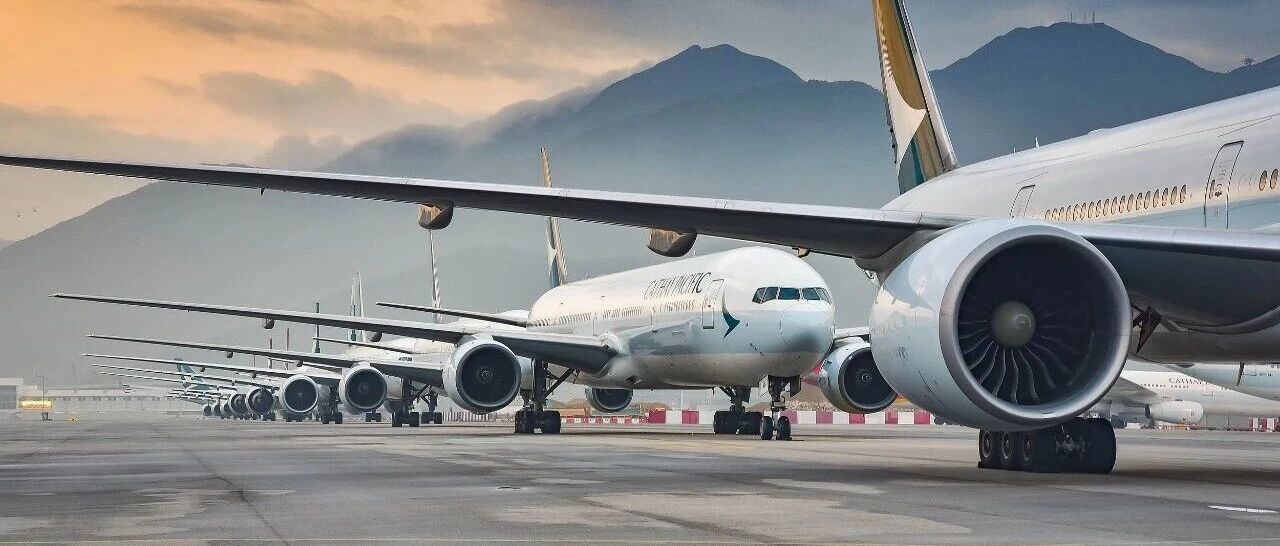
Core Viewpoint - China Eastern Airlines has signed a purchase agreement with Airbus for 101 A320NEO series aircraft, with a total catalog price of approximately $15.802 billion, aimed at replacing older aircraft models and expanding operational capacity [1][2]. Group 1: Purchase Agreement Details - The purchase agreement was officially signed on March 25 in Shanghai, with the total catalog price calculated at approximately 108.893 billion yuan based on the exchange rate on the signing date [1]. - The aircraft types included in the purchase are A320NEO, A321NEO, and A321XLR [1]. - The delivery of the aircraft is scheduled to occur in batches from 2028 to 2032, with specific annual delivery targets outlined [3]. Group 2: Financial and Operational Context - China Eastern Airlines is experiencing a recovery in operational performance, with a projected profit of 200 million to 300 million yuan for 2025, supported by a stable growth in the civil aviation market [2]. - The company reported a 12.79% year-on-year increase in passenger capacity and a 14.68% increase in passenger turnover for February 2026, indicating a robust market expansion [2]. - The introduction of the A320NEO series is expected to enhance operational efficiency by reducing fuel consumption and operational costs, while also modernizing the fleet [3]. Group 3: Financial Arrangements and Risks - The agreement includes provisions for flexible delivery schedules based on market conditions and operational planning, allowing adjustments to the introduction of aircraft types and delivery times [4]. - The actual purchase price is significantly lower than the catalog price due to substantial discounts from Airbus, and the payment structure is designed to mitigate cash flow impacts on the company [5]. - Funding for the purchase will come from a combination of internal funds, bank loans, bond issuance, and other financing tools, ensuring that the large-scale procurement does not adversely affect the company's cash flow [5].

国泰海通·策略前瞻丨危中有机:油价冲击下的行业配置
国泰海通证券研究· 2026-03-25 14:27
Core Viewpoint - The current oil price shock will not lead China into a "stagflation" scenario; improved inflation expectations will help catalyze the upward cycle of inventory, and the global energy transition and production security will accelerate capital goods exports from China, presenting opportunities in manufacturing and cyclical industries [6] Group 1: Impact of High Oil Prices on the Industry Chain - High oil prices affect the economic inflation center and rhythm significantly, primarily through industrial production and consumer prices [8] - The cost impact of high oil prices is most pronounced in transportation, chemicals, electricity, and construction, with the ability to transmit costs ranked as upstream > downstream > midstream [10] - High oil prices promote manufacturing price increases and inventory replenishment, with the petrochemical chain being the most benefited [17][19] Group 2: Review of Oil Price Shock Impact on A-shares - The oil price shocks from 2010-2012 and 2021-2022 had diverse impacts on A-shares, with four main mechanisms identified: 1) Rising oil prices boost resource prices and inventory replenishment, benefiting the oil chain and its substitutes [24] 2) Sustained high oil prices increase costs for oil-dependent industries, eroding profits [24] 3) Rising oil prices suppress export demand due to increased global manufacturing costs [24] 4) High oil prices trigger monetary tightening, negatively impacting stock market risk appetite [24] Group 3: Review of the 2010-2012 Oil Price Shock - During the 2010-2012 oil shock, the profitability of cyclical industries was negatively impacted by rising costs, particularly during high oil price plateau periods [27] - The manufacturing sector's profitability was less affected, with stable net profit margins in the machinery and electrical equipment sectors [29] - The consumer and technology sectors were generally less impacted by oil price shocks, although some downstream sectors like agriculture and textiles experienced declines [32][44] Group 4: Review of the 2021-2022 Oil Price Shock - The oil price shock during the 2021-2022 period had limited impact on the supply side, with oil prices rising initially but then declining significantly [40] - The cyclical industries showed resilience, with net profit margins remaining stable despite initial pressures from rising costs [41] - The consumer and technology sectors maintained low sensitivity to oil prices, although some sectors like agriculture and textiles faced challenges [44][49] Group 5: Industry Recommendations - Industries recommended for investment include petrochemicals, coal, and agricultural chemicals, which benefit from price differentials due to rising oil prices [4] - Capital goods sectors such as power equipment, new energy vehicles, and engineering machinery are expected to benefit from global energy transition and production security demands [4] - Industries likely to see inventory replenishment driven by price expectations include construction materials, steel, and chemicals [4]