油气

Search documents
国家发展改革委:支持更多民间投资项目 发行基础设施REITs
Zheng Quan Ri Bao· 2025-11-12 00:15
Core Viewpoint - The State Council issued measures to promote private investment, addressing current challenges and proposing 13 policy initiatives aimed at enhancing private sector participation in key projects [1] Group 1: Policy Initiatives - The measures encourage private capital participation in specific sectors such as railways, nuclear power, hydropower, and oil and gas pipelines, with a potential share of over 10% for qualified projects [1] - Emphasis is placed on conducting feasibility studies to assess the viability of private investment in these projects, ensuring alignment with actual project conditions and private sector interest [1] Group 2: Infrastructure REITs - The National Development and Reform Commission (NDRC) has supported 18 private investment projects for infrastructure REITs, with 14 projects successfully listed, raising nearly 30 billion yuan [2] - Future efforts will focus on enhancing collaboration with the China Securities Regulatory Commission to facilitate more private investment projects in REITs, thereby broadening financing channels for private enterprises [2] Group 3: Service Industry Development - The measures highlight support for private capital in sectors like industrial design, common technology services, and digital transformation, aiming to elevate the quality and capacity of the service industry [3] - The NDRC plans to implement actions to encourage private enterprises to engage in high-value-added technology services and participate in key projects within the productive service industry [3]
锚定能源强国目标聚力发力
Jing Ji Ri Bao· 2025-11-11 22:21
Core Viewpoint - The construction of a strong energy nation is essential for high-quality economic development and is a response to the changing international energy landscape, as well as a requirement for the green transformation of the economy and society [2][3][4]. Group 1: Importance of Energy - Energy is the lifeblood of the national economy, and a robust modern energy industry is a crucial foundation for building a strong socialist modern nation [2]. - The energy industry plays a significant role in fixed asset investment, GDP contribution, and employment absorption, making it a vital part of the national economy [3]. - The new energy industries, represented by solar, wind, storage, hydrogen, and smart grids, have become strategic emerging industries and important growth drivers for the economy [3]. Group 2: Energy Transition and Carbon Goals - Achieving carbon peak and carbon neutrality is a major strategic decision by the central government, with energy activities being the primary source of carbon emissions [4]. - Transitioning from a traditional high-carbon energy system to a clean and low-carbon new energy system is the most effective path for carbon reduction [4]. - The energy sector's reduction process directly impacts the overall progress towards carbon peak and carbon neutrality [4]. Group 3: Current Energy Landscape - By 2024, China's energy production is expected to reach approximately 5 billion tons of standard coal, with non-fossil energy consumption accounting for 19.8% [5]. - China has become the world's largest energy producer and consumer, with a more complete energy supply system and an optimized energy consumption structure [5]. Group 4: Challenges and Systematic Approach - Building a strong energy nation is a systematic project that encompasses supply security, technological strength, energy structure, and governance capabilities [6][7]. - There are still significant shortcomings in various aspects of energy development, indicating that the journey to becoming a strong energy nation is long and challenging [7]. Group 5: New Energy System Construction - The current energy development is at a critical juncture of transformation, requiring a focus on building a new energy system to achieve quality and efficiency improvements [8]. - Strengthening energy supply security is essential, especially given the high dependence on foreign oil and gas resources and rising uncertainties in the international landscape [9]. Group 6: Technological Innovation and Green Transition - The new energy system's construction relies on advancements in energy technology, necessitating a complete innovation ecosystem from basic research to industrial application [10]. - Promoting green and low-carbon transitions is crucial for breaking environmental resource constraints and achieving high-quality energy development [11]. Group 7: Governance and Regulatory Framework - Establishing a robust governance framework is vital for the new energy system, requiring the legal and institutionalization of national energy strategies and major decisions [12]. - Enhancing the energy market's regulatory effectiveness and promoting green finance tools are necessary to guide social capital into energy technology innovation [12].
国家发展改革委:抓紧推动新资产类型REITs项目实现首单上市
Shang Hai Zheng Quan Bao· 2025-11-11 16:57
Group 1 - The article emphasizes the active promotion of market expansion and capacity enhancement, focusing on increasing the submission and recommendation of mature asset types and facilitating the listing of new asset types to gradually include various assets suitable for issuance, thereby promoting steady market growth [1] - It highlights the importance of strengthening specialized coordination services, guiding localities to establish a sound REITs coordination service mechanism for private investment projects, and accelerating the resolution of difficulties and issues in the cultivation of private investment projects [1] - The article discusses the continuous improvement of work efficiency, promoting the institutionalization, standardization, and normalization of project recommendation and issuance, while ensuring the quality of underlying assets [1] Group 2 - The document outlines measures to encourage private capital participation in specific projects requiring national approval, such as railways, nuclear power, and water supply, emphasizing the need for specialized feasibility studies to assess the viability of private investment [2] - It encourages and supports private capital involvement, suggesting that the specific shareholding ratio for private enterprises can exceed 10% for eligible projects, thereby signaling a strong commitment to promoting private investment [2] - The article stresses the importance of early-stage research and demonstration regarding the introduction of private capital, providing more opportunities for private investment participation [2]
扩大准入 民资入股能源有多少想象空间?
Zhong Guo Dian Li Bao· 2025-11-11 16:56
Core Viewpoint - The State Council of China has issued measures to stimulate private investment, emphasizing the importance of private investment as a key indicator of economic vitality and aiming to create an environment where private capital can thrive [1][2]. Group 1: Policy Measures - The newly released measures include 13 targeted policies to enhance private investment, focusing on ensuring that private investors feel confident and capable of investing [1]. - The measures aim to expand market access for private investment in key sectors such as nuclear power, hydropower, and oil and gas pipelines, which have traditionally been dominated by state-owned enterprises [2][3]. Group 2: Investment Growth and Trends - In the first three quarters of the year, private investment in non-real estate projects grew by 2.1% year-on-year, with infrastructure investment increasing by 7% and manufacturing investment by 3.2% [2]. - The measures allow for private capital to hold more than 10% in qualifying projects, which is expected to significantly enhance the growth potential for private investment [3]. Group 3: Energy Sector Developments - The private economy in the energy sector has been expanding, with significant participation from private enterprises in new nuclear power projects and hydropower stations [4]. - The number of private electricity sales companies has reached over 2,400, accounting for nearly 60% of the total, indicating a robust growth in the private sector's role in energy distribution [5]. Group 4: Regulatory Environment - The government is working to lower entry barriers for private companies in the energy sector, with over 85% of electricity facility construction now involving private enterprises [6]. - New regulations are being implemented to ensure fair access to energy infrastructure for all market participants, promoting competition and transparency in the energy market [7][8].


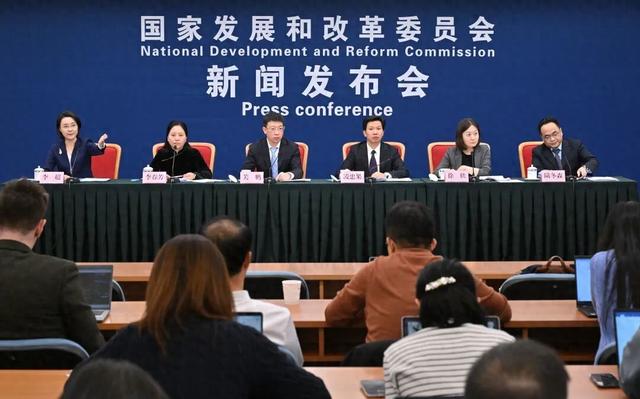
国家发展改革委举行专题新闻发布会 介绍进一步促进民间投资发展有关情况
国家能源局· 2025-11-11 14:04
Core Viewpoint - The article discusses the recent measures introduced by the National Development and Reform Commission (NDRC) to promote private investment in key sectors, emphasizing the importance of private capital in driving economic growth and stability in China [2][12]. Group 1: Measures to Promote Private Investment - The NDRC has introduced several measures to support private investment, including encouraging private capital participation in key projects with a minimum shareholding of 10% [12][13]. - The NDRC aims to enhance the investment environment by improving market order and reducing investment costs, which includes expanding the "zero investment" service for low-voltage electricity connections to cover more private enterprises [6][21]. - The NDRC is also focusing on the energy sector, where private capital is encouraged to invest in nuclear power, hydropower, and oil and gas infrastructure projects [4][15]. Group 2: Support for Specific Sectors - In the energy sector, private enterprises have been invited to participate in nuclear power projects, with 20 private companies already involved in recent approvals [4][15]. - The renewable energy sector has seen significant growth, with private companies now accounting for nearly 60% of the electricity sales market [5][15]. - The NDRC is promoting private investment in the production service industry, which is seen as a key area for growth, particularly in high-value service sectors like industrial design and quality certification [20][21]. Group 3: Financial and Policy Support - The NDRC is enhancing financial support for private investment through new policy financial tools, with 500 billion yuan allocated to support eligible projects [22][21]. - The introduction of infrastructure Real Estate Investment Trusts (REITs) is aimed at mobilizing private capital for infrastructure projects, with 83 projects already listed, raising a total of 207 billion yuan [31][22]. - The NDRC emphasizes the importance of a supportive legal framework, having enacted the Private Economy Promotion Law to facilitate private investment [24][21]. Group 4: Digital Transformation and Innovation - The integration of digital technology into traditional industries is a focus area, with private enterprises playing a crucial role in driving digital transformation and innovation [16][37]. - The NDRC is encouraging private investment in digital infrastructure and services, which are essential for enhancing operational efficiency and competitiveness [37][16]. - The government is also promoting the establishment of major pilot platforms for innovation, which will support private enterprises in developing new technologies and products [33][20].
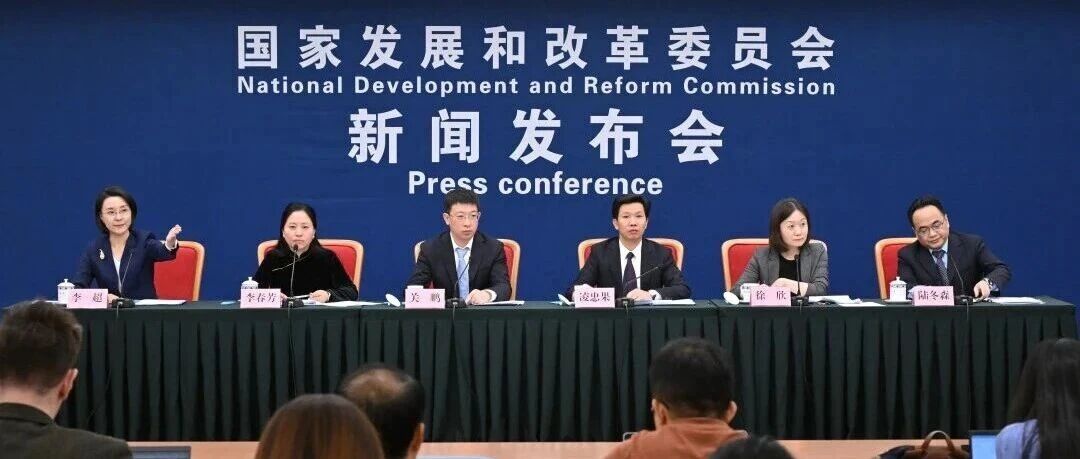
13条举措激活民间投资活力 多部门协同疏堵点、强保障
Zheng Quan Shi Bao Wang· 2025-11-11 13:55
Core Points - The State Council issued measures to promote private investment, focusing on expanding access, removing barriers, and strengthening support [1][2] - The National Development and Reform Commission (NDRC) emphasized the importance of private investment for economic stability and growth [2] Group 1: Expanding Access - The measures prioritize expanding private investment access, particularly in sectors like railways, nuclear power, low-altitude economy, and commercial space, allowing private capital to hold over 10% in eligible projects [2] - In the energy sector, private capital participation has been increasing, with 20 private companies involved in new nuclear projects and private investment in oil and gas infrastructure exceeding 10% [2] Group 2: Removing Barriers - The measures aim to protect the legal rights of private enterprises in areas such as electricity grid access and oil and gas pipeline usage, while encouraging the establishment of significant pilot platforms by private companies [4] - The integration of innovation and industry is highlighted as crucial, with a focus on creating a collaborative ecosystem for pilot testing [4][5] Group 3: Strengthening Support - The measures address both investment and financing concerns, proposing increased central budget support for qualifying private investment projects and the use of new policy financial tools [6] - A multi-dimensional support system is being established to ensure effective policy implementation, including a cross-departmental mechanism for coordination and guidance [7]
促进民间投资组合拳落地:加大投融资支持 重点领域项目持股可超10%
Di Yi Cai Jing· 2025-11-11 13:46
Core Viewpoint - The Chinese government aims to stimulate private investment to enhance economic growth, employment stability, and market expectations through targeted measures outlined in the "Several Measures to Further Promote the Development of Private Investment" [1][2]. Group 1: Policy Measures - The government has introduced 13 specific policy measures to encourage private capital participation in key sectors such as railways and nuclear power, including clarifying shareholding ratios [1][2]. - The National Development and Reform Commission (NDRC) has recommended 105 projects to the China Securities Regulatory Commission, with 83 projects already listed, covering various sectors and expected to drive over 1 trillion yuan in new investments [1][2]. Group 2: Investment Trends - In the first three quarters of the year, national fixed asset investment (excluding rural households) reached 371.535 billion yuan, a 0.5% year-on-year decline, with private fixed asset investment down 3.1% [2]. - However, private investment in infrastructure grew by 7% and in manufacturing by 3.2%, indicating stable growth in these areas [2]. Group 3: Challenges and Solutions - The NDRC acknowledges existing challenges in private investment and emphasizes a problem-oriented approach to enhance investment effectiveness [2][4]. - The "Several Measures" aim to lower barriers for private capital in traditional sectors like energy and railways, addressing regulatory bottlenecks [4][5]. Group 4: Financial Support - The government plans to enhance financial support for private investment through coordinated investment, fiscal, and financial policies, including the use of new policy financial tools [8][9]. - Specific measures include promoting direct financing for technology-driven enterprises and expanding the issuance of infrastructure REITs to broaden financing channels for private companies [8][9]. Group 5: Service Industry Focus - The measures also aim to eliminate unreasonable entry barriers in the service industry, encouraging private capital to invest in high-value service sectors such as industrial design and digital transformation [6][7]. - The NDRC highlights the importance of the service industry in economic development and aims to support private enterprises in enhancing their service capabilities [7].
这场发布会,回应了民间投资痛点堵点
Sou Hu Cai Jing· 2025-11-11 13:18
Core Insights - The article discusses the slowdown in private investment in China due to changes in the international environment and adjustments in the real estate market, while highlighting a 2.1% year-on-year growth in private project investment excluding real estate in the first three quarters of the year [1] - The State Council has issued measures to further promote private investment, focusing on enhancing the vitality of private investment and addressing issues related to rights protection and innovation support for private enterprises [1][3] Investment Trends - Private investment is a key indicator of economic stability, with significant contributions from private enterprises in the renewable energy sector [3] - In the energy sector, measures have been introduced to support the development of private capital, including a series of policies aimed at improving market order and reducing investment costs [3][6] Nuclear Power Sector - The introduction of private capital into nuclear power projects has been emphasized, with private capital participation expected to reach 10% in 2024 and increase to 10%-20% by 2025 [4][5] - Some nuclear power projects have already seen private capital participation as high as 20% [5] Policy Measures - The new measures allow for private capital to hold more than 10% in projects, with no upper limit specified, aiming to expand the scope of private investment [5] - The measures also include enhanced regulatory oversight to protect the rights of private enterprises in energy infrastructure [5][6] Government Support - The government is increasing procurement support for small and medium-sized enterprises (SMEs), mandating that at least 40% of project budgets for engineering procurement over 4 million yuan be reserved for SMEs [7][8] - Financial policies are being coordinated to improve access to credit for private enterprises, including the promotion of innovative financing mechanisms [8][9] Communication and Service Improvement - The establishment of a comprehensive service platform for private economic development aims to facilitate communication between the government and private enterprises [10] - A closed-loop process for addressing issues faced by private enterprises has been implemented, ensuring timely feedback and resolution of problems [11] Innovation and Testing Support - The measures encourage the construction of major pilot testing platforms by private enterprises, linking innovation with industry needs [12] - Collaboration between state-owned enterprises, universities, and research institutions with private enterprises is being promoted to enhance market-oriented pilot testing services [12]
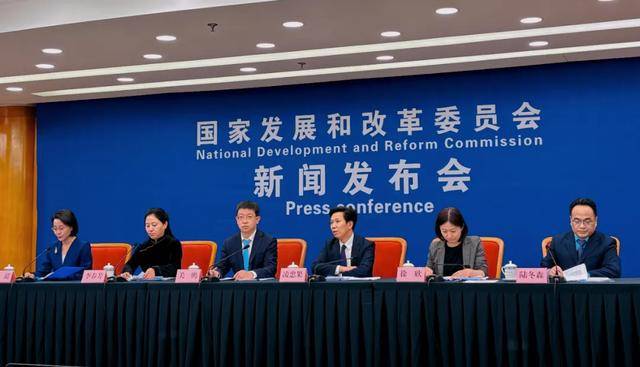
促进民间投资组合拳落地:加大投融资支持,重点领域项目持股可超10%
Di Yi Cai Jing· 2025-11-11 12:59
Core Viewpoint - The State Council's recent measures aim to stimulate private investment, particularly in infrastructure REITs, to enhance economic growth, employment stability, and investment expectations [1][6]. Group 1: Policy Measures - The document outlines 13 targeted policy measures to promote private investment, including encouraging private capital participation in key sectors like railways and nuclear power, and clarifying shareholding ratios [1][6]. - The National Development and Reform Commission (NDRC) has recommended 105 projects to the China Securities Regulatory Commission, with 83 projects already listed, raising a total of 207 billion yuan, expected to drive over 1 trillion yuan in new investments [5][6]. Group 2: Investment Trends - In the first three quarters of the year, national fixed asset investment (excluding rural households) reached 37,153.5 billion yuan, a year-on-year decrease of 0.5%, with private fixed asset investment down 3.1% [6]. - However, excluding real estate, private project investment grew by 2.1%, with infrastructure investment up by 7% and manufacturing investment up by 3.2%, indicating stable growth [6]. Group 3: Encouragement of Private Capital - The measures specify that for certain projects requiring national approval, feasibility studies must include assessments of private capital participation, with potential shareholding ratios exceeding 10% [7][8]. - The NDRC emphasizes the importance of private capital in long-term, public-interest projects, with recent initiatives successfully attracting private investment in nuclear and hydropower projects [7][8]. Group 4: Financial Support and Mechanisms - The NDRC plans to enhance financial support for eligible private investment projects, utilizing various funding channels and financial services to improve policy effectiveness [13][14]. - A total of 500 billion yuan in new policy financial tools has been allocated, with a portion supporting qualified private investment projects [13][14]. Group 5: Service Industry Development - The measures aim to eliminate unreasonable entry barriers in the service industry, encouraging private capital to flow into high-value sectors such as industrial design and digital transformation [10][11]. - The NDRC highlights the significant growth potential in the service industry during the 14th Five-Year Plan period, advocating for private enterprises to engage in high-value service sectors [10][12].
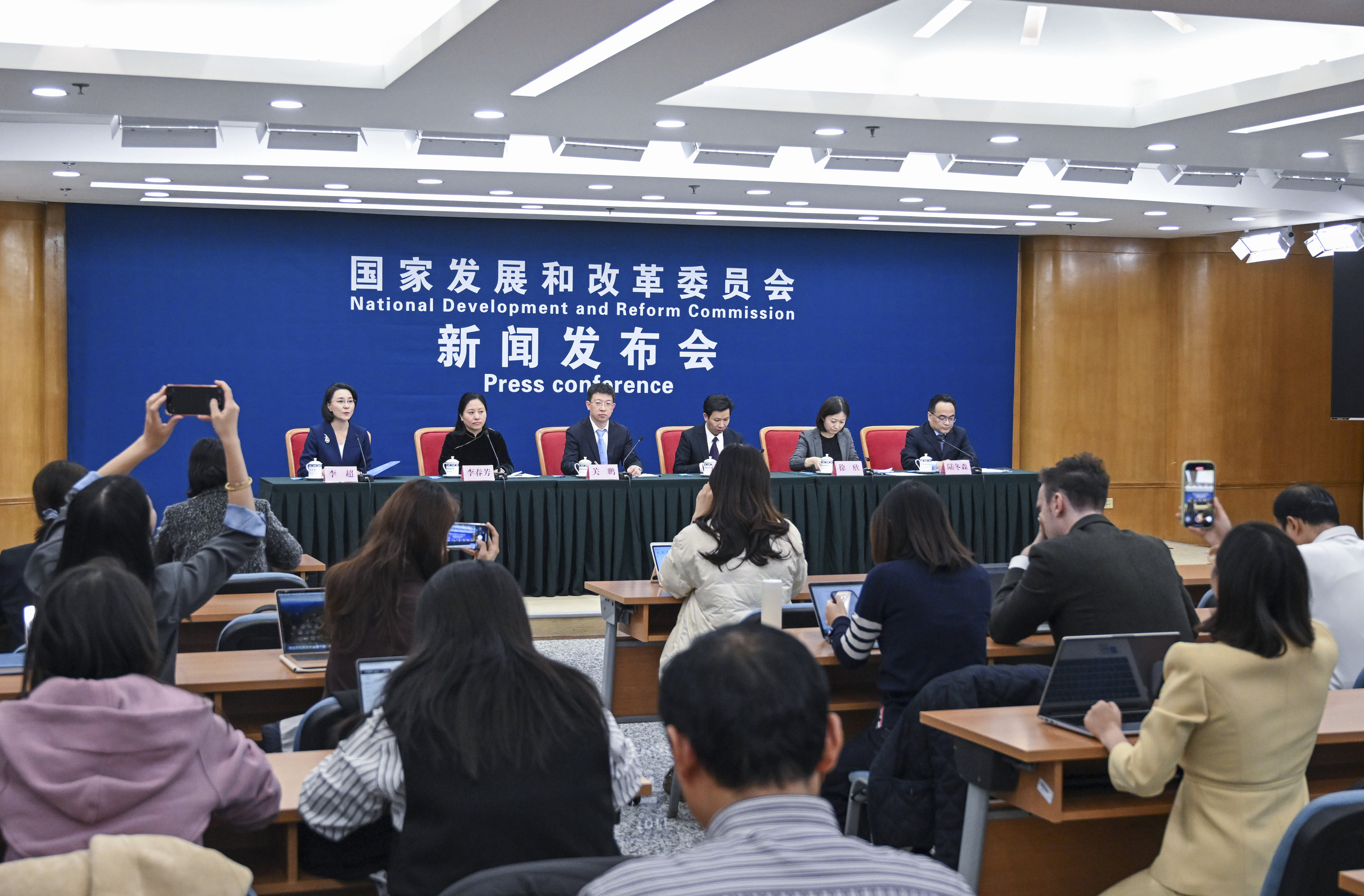
国家发改委新闻发布会,介绍进一步促进民间投资发展有关情况
Bei Jing Ri Bao Ke Hu Duan· 2025-11-11 12:34
Core Viewpoint - The National Development and Reform Commission (NDRC) has introduced measures to promote private investment, addressing challenges and enhancing the investment environment for private enterprises in key sectors [5][6][8]. Group 1: Background and Current Situation - Private investment is a crucial indicator of economic activity, significantly impacting growth, employment, and expectations [5]. - In 2023, private investment has slowed due to international environmental changes and real estate market adjustments, but private project investment excluding real estate has grown by 2.1% year-on-year in the first three quarters [5]. - Infrastructure private investment increased by 7%, and manufacturing private investment rose by 3.2%, indicating stable growth [5]. Group 2: Key Measures Introduced - The measures consist of 13 policies categorized into three areas: expanding access, removing obstacles, and strengthening support [6][7]. - In expanding access, the measures encourage private capital participation in key sectors like railways and nuclear power, with specific shareholding ratios [6][11]. - To remove obstacles, the measures focus on protecting the rights of private enterprises and supporting the establishment of major pilot platforms [7]. - Strengthening support includes increasing central budget investments for eligible private projects and enhancing financing policies [7][26]. Group 3: Focus on Specific Sectors - In the energy sector, private capital is encouraged to participate in nuclear power projects, with a target of 10% shareholding in 2024 and 10%-20% by 2025 [15][16]. - The digital economy is emphasized, with initiatives to support the digital transformation of industries, enhancing efficiency and reducing costs [19][20]. - The production service industry is identified as a key area for private investment, with plans to support capital flow into high-value service sectors [23][24]. Group 4: Investment and Financing Policies - The NDRC aims to enhance the coordination of investment, fiscal, and financial policies to better support private investment [26]. - Specific measures include increasing government procurement for small and medium enterprises and promoting the issuance of infrastructure REITs for private projects [26][38]. - The NDRC has recommended 105 projects for REITs, with 83 already issued, raising a total of 207 billion yuan, expected to drive over 1 trillion yuan in new investments [38][39]. Group 5: Implementation and Future Steps - The NDRC plans to establish a cross-departmental mechanism to ensure the effective implementation of these measures [8]. - Continuous communication with private enterprises will be maintained to address challenges and enhance investment services [30][31]. - The focus will be on creating a favorable environment for private investment in energy and digital sectors, ensuring compliance with regulations in bidding processes [34][47].