
中试平台建设

Search documents
全国人大代表喻连香:以科技匠心推动传统产业提质升级
Xin Lang Cai Jing· 2026-02-27 23:36
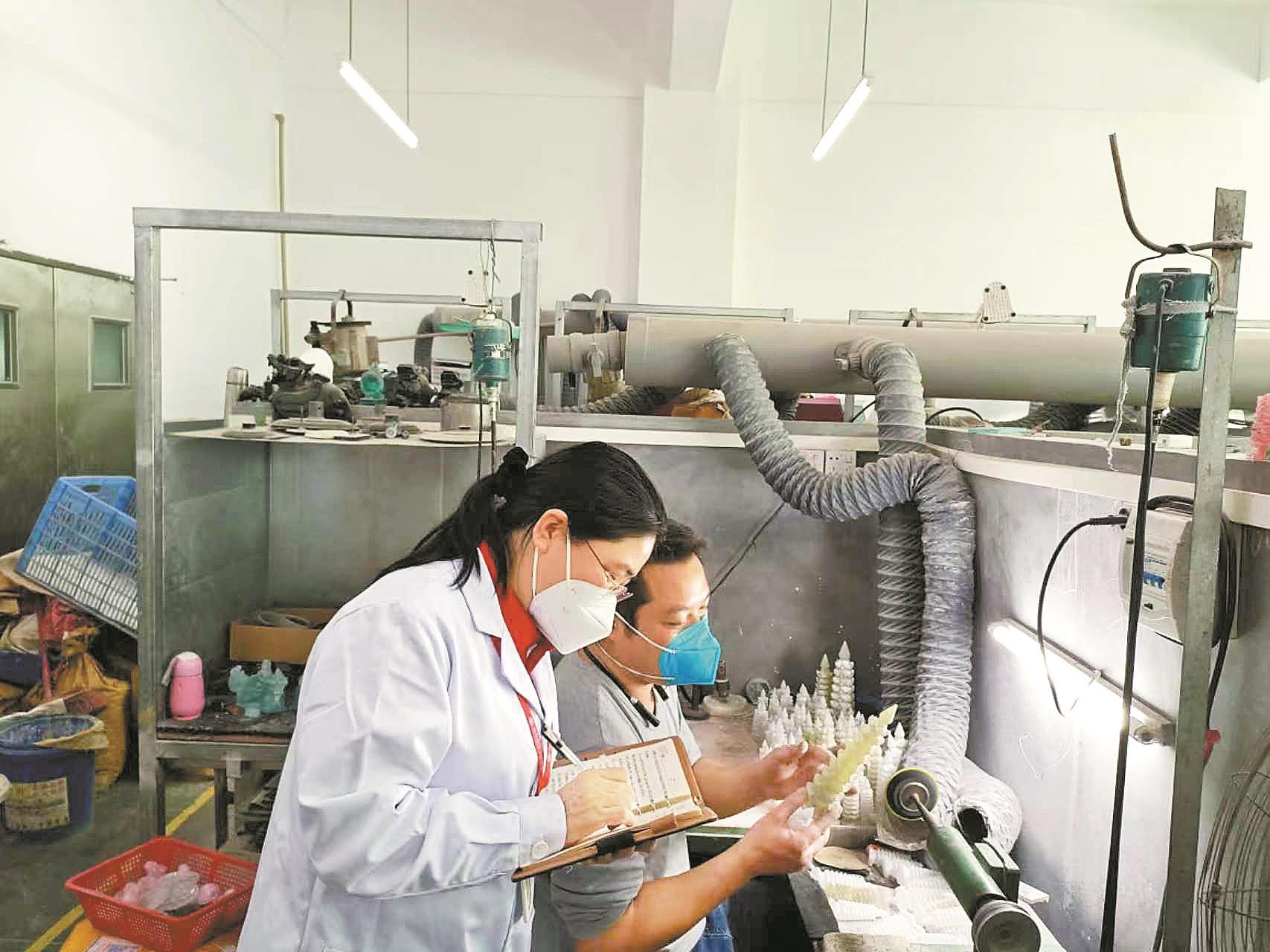
Core Insights - The article highlights the efforts of Yu Lianxiang, a senior engineer at the Guangdong Academy of Sciences, in integrating technology with traditional industries to enhance resource utilization and environmental protection [2][3][5] Group 1: Industry Innovation and Challenges - Yu Lianxiang aims to establish a provincial and national strategic resource pilot platform by 2026 to address the pain points identified during her fieldwork [3] - As a "technology commissioner," Yu emphasizes the importance of combining research with production, stating that innovation should directly respond to production challenges [3] - A significant achievement was made in 2025 when Yu's team improved the mineral recovery rate from 30%-40% to 85%-90%, potentially increasing the enterprise's output value by three to four times [3] Group 2: Technological Upgrades and Economic Impact - In a technical upgrade at a Maoming processing plant, Yu's team introduced an automated dehydration line, resulting in an increase in output from 300 million to 1.1 billion yuan, while also reducing energy consumption and labor costs [4] - The lack of a pilot platform for technology innovation is identified as a critical bottleneck, with Yu advocating for the establishment of a comprehensive utilization pilot platform for titanium and zirconium resources [4] Group 3: Environmental Protection Initiatives - Yu has focused on environmental protection by proposing the construction of an eco-industrial park to centralize and treat wastewater from over 4,000 small gemstone processing workshops [5] - The team developed a self-luminous material from solid waste, which can be used in the construction of green functional building materials, contributing to sustainable development [5] - Yu is preparing new proposals for the upcoming National People's Congress, aiming to integrate technology into the "Two Mountains" area to enhance tourism and environmental education [5]

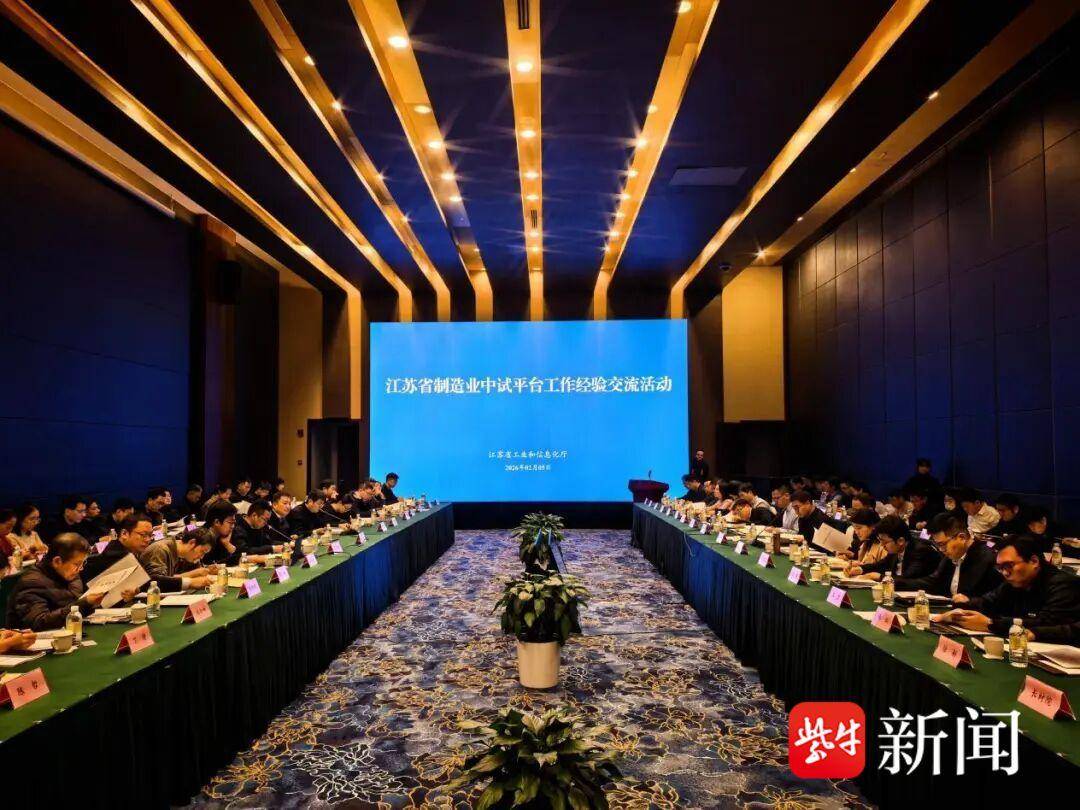
江苏省制造业中试平台工作经验交流活动在苏州举办 规划培育一批标杆性平台
Yang Zi Wan Bao Wang· 2026-02-06 10:33
Core Viewpoint - Jiangsu Province is enhancing its manufacturing pilot platform initiatives, with 21 platforms selected for key cultivation by the Ministry of Industry and Information Technology (MIIT), aiming to develop influential benchmark pilot platforms with strong radiating capabilities [1][4]. Group 1: Event Overview - The experience exchange event for Jiangsu's manufacturing pilot platforms was held in Suzhou on February 5, showcasing the importance of these platforms in connecting technological innovation with industrial development [1]. - The MIIT's Technology Department provided comprehensive interpretations of policy documents related to pilot platforms and offered targeted suggestions for high-quality development in Jiangsu [3]. Group 2: Platform Development Strategy - Jiangsu has established a systematic layout for manufacturing pilot platforms, focusing on strengthening, activating, and supplementing platforms based on strategic positioning and technological advantages [4]. - The province aims to enhance pilot service levels by regularly assessing resources and capabilities, promoting internal resource sharing among enterprises, and developing new service models such as equipment leasing and remote operation [4]. Group 3: Future Directions - Jiangsu plans to support key technological breakthroughs and collaborative innovation between industry and academia, promoting digital, green, and high-end development of pilot platforms [4]. - The initiative seeks to cultivate a number of benchmark platforms with strong industry influence and replicable experiences, thereby enhancing the overall quality of manufacturing pilot platforms in the province [4].
北京发布新年首个产业政策:新建中试平台最高可获1亿元支持
中关村储能产业技术联盟· 2026-01-06 08:17
Core Viewpoint - Beijing aims to enhance its pilot testing service capabilities to promote the integration of technological innovation and industrial development, with a goal of establishing a comprehensive pilot testing system by 2030 [2][8]. Group 1: Policy Measures - The document outlines 14 policy measures to support the construction and efficient operation of pilot testing platforms, with a focus on key industries such as artificial intelligence, healthcare, and green technology [3][9]. - New pilot testing platforms can receive subsidies of up to 100 million yuan, covering 35% of total investment for leading industries and 25% for emerging technology sectors, with specific caps for different categories [3][9]. Group 2: Development Goals - By 2030, Beijing aims to establish 10 national-level and 50 municipal-level pilot testing platforms to meet the needs of a modern industrial system [2][8]. - The initiative emphasizes the importance of pilot testing as a transitional phase for new products, facilitating the commercialization of technological achievements [8]. Group 3: Support for Enterprises - The policies encourage collaboration among leading enterprises and research institutions to build pilot production lines, enhancing the overall testing capabilities within the industry [9][10]. - Financial support mechanisms, including tax deductions and streamlined project approvals, are introduced to facilitate the rapid establishment and operation of pilot testing projects [10][12]. Group 4: Service Ecosystem Enhancement - The document emphasizes the need for a collaborative approach in building pilot testing bases across the Beijing-Tianjin-Hebei region, focusing on key sectors like hydrogen energy and biomedicine [11]. - A platform for matching supply and demand for pilot testing services will be developed to enhance resource allocation and support industrial innovation [11][12]. Group 5: Talent and Standards Development - The initiative includes plans to strengthen the talent pool for pilot testing by fostering partnerships between universities and industry, aiming to cultivate skilled professionals [12]. - Support for the establishment of standards related to pilot testing services is also highlighted, encouraging participation from various stakeholders in the development of national and international standards [12].
北京:对符合条件的新建中试平台最高给予1亿元补助支持
Xin Lang Cai Jing· 2026-01-04 12:29
Core Viewpoint - Beijing aims to establish 10 national-level manufacturing pilot platforms and support the construction of 50 municipal-level pilot platforms by 2030, with financial incentives for qualifying projects [1] Group 1: Financial Support - New pilot platforms for industries such as artificial intelligence, healthcare, green low-carbon technologies, robotics and intelligent manufacturing, and integrated circuits will receive subsidies of 35% of total project investment, capped at 100 million yuan [1] - New pilot platforms for next-generation information technology and intelligent connected vehicles will receive subsidies of 25% of total project investment, capped at 50 million yuan [1] - The document emphasizes the support for pilot platforms to implement independent legal entity reforms to enhance their market service capabilities [1] Group 2: Investment Incentives - For newly established independent legal entity pilot platforms, the investment subsidy ratio increases to 45% and 35% respectively [1]
中试平台建设迈向体系化
Xin Lang Cai Jing· 2025-12-21 22:46
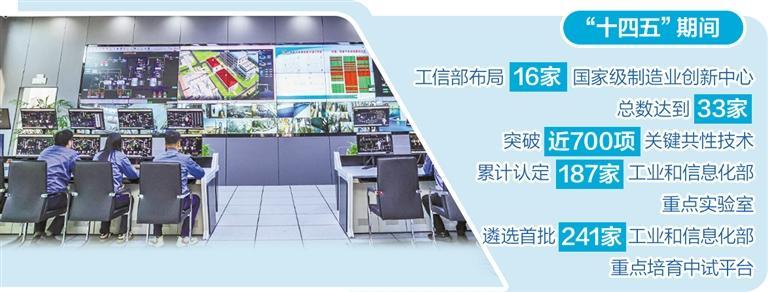
Core Viewpoint - The article emphasizes the importance of establishing a systematic layout and high-level construction of manufacturing pilot testing platforms in China to facilitate the efficient transformation of major scientific and technological achievements into productive forces, thereby promoting deep integration of technological and industrial innovation [2][4]. Group 1: Policy and Framework - The Ministry of Industry and Information Technology (MIIT) has issued a notice to accelerate the systematic layout and high-level construction of manufacturing pilot testing platforms, focusing on key tasks of new industrialization [2][4]. - The notice aims to address bottlenecks in the current pilot testing platform construction and provides a systematic and actionable implementation path for enhancing the service capabilities of these platforms [6][9]. - Over 2,400 pilot testing platforms have been established across various regions, with 241 selected as key cultivation platforms by MIIT, significantly enhancing service effectiveness for nearly 10,000 enterprises [3][4]. Group 2: Development Strategies - The notice outlines a three-pronged approach: strengthening, activating, and supplementing pilot testing platforms to enhance their capabilities and service functions [6][7]. - The strategy includes a gradient path for development, guiding platforms from basic to national-level status based on their strategic positioning, technical advantages, and service outcomes [6][7]. - Specific focus areas for development include artificial intelligence, quantum technology, and biomedicine, among others, to ensure that pilot testing platforms meet future industrial needs [7][8]. Group 3: Collaborative Support - The development of pilot testing platforms requires a multi-dimensional collaborative support system involving funding, technology, and talent [9]. - There is a need for increased financial support and the establishment of a stable investment mechanism to address the high costs associated with pilot testing platform construction [9]. - The MIIT emphasizes the importance of scientific layout and regional adaptability in promoting the high-quality development of pilot testing platforms, ensuring effective collaboration between central and local resources [9].
人形机器人、量子科技、清洁低碳氢……山东将补齐一批省级制造业中试平台
Feng Huang Wang Cai Jing· 2025-11-18 07:02
Core Viewpoint - Shandong Province is advancing the systematic development of manufacturing pilot platforms through a strategy of "strengthening a batch, activating a batch, and supplementing a batch" to enhance innovation and industrial development [1][2]. Group 1: Development Strategy - Shandong will promote the integration of pilot platform construction with existing technological innovation platforms, national high-tech development zones, industrial parks, and advanced manufacturing clusters to create synergistic effects [1]. - The province aims to strengthen pilot platforms by focusing on strategic positioning, foundational capabilities, technological advantages, operational mechanisms, service effectiveness, and future potential [1]. Group 2: Implementation Measures - Local industrial and information authorities will conduct activities such as intelligent diagnostics, targeted enhancements, training exchanges, and experience empowerment for pilot platforms that have public service attributes but require improvement [1]. - The province encourages strategic restructuring and professional integration to activate underperforming pilot platforms, guiding them to explore new fields and enhance core functions in testing and verification [1]. Group 3: Focus Areas - Shandong will focus on key industries such as artificial intelligence, humanoid robots, quantum technology, clean low-carbon hydrogen, biomedicine, industrial mother machines, instruments, major technical equipment, new materials, and information technology to address future development and industrial safety [2].

中经评论:推动科技成果从书架走上货架
Jing Ji Ri Bao· 2025-11-14 00:04
Core Viewpoint - The construction quality and systematic level of pilot test platforms directly determine whether technological achievements can successfully cross the "valley of death" in China’s manufacturing sector [1][4] Group 1: Importance of Pilot Test Platforms - Pilot test platforms serve as a crucial "intermediate station" for transforming scientific innovations from laboratories to production lines [1][2] - The Ministry of Industry and Information Technology has issued a notice to systematically promote the construction and development of pilot test platforms, addressing the pain points in the last mile of technology transfer [1][4] Group 2: Construction Strategy - It is essential to clarify the functions and objectives of pilot test platforms to avoid redundant construction and internal competition [2] - Key industries identified for focused development of pilot test platforms include raw materials, equipment manufacturing, consumer goods, information technology, emerging industries, and common needs [2] Group 3: Stakeholder Roles - Various stakeholders such as government, universities, and enterprises should collaborate in building pilot test platforms, leveraging their respective advantages [2] - Government should lead investments in areas requiring strategic planning and policy resources, while universities focus on common technology breakthroughs, and enterprises align with market demands [2] Group 4: Operational Mechanisms - The construction of pilot test platforms requires support in terms of funding, land, and talent, necessitating the establishment of a multi-faceted support mechanism [3] - The approach should be tailored to local conditions, ensuring that platforms complement each other and avoid unnecessary competition [3] Group 5: Future Development - The strategy of "strengthening, activating, and filling gaps" in pilot test platforms aims to cultivate high-level platforms based on their strategic positioning and capabilities [3] - There is a need to address gaps in pilot test platforms in critical fields such as artificial intelligence and quantum technology to enhance industrial safety and future development [3]
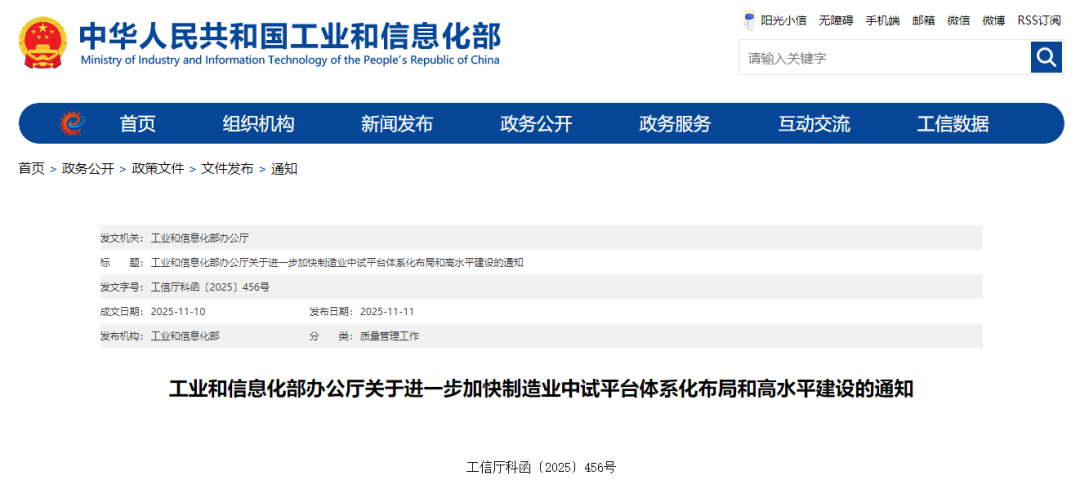
利好!工信部 最新发文!
Zheng Quan Shi Bao· 2025-11-11 15:35
Core Viewpoint - The Ministry of Industry and Information Technology (MIIT) has issued a notification aimed at accelerating the systematic layout and high-level construction of pilot testing platforms in the manufacturing sector, with a goal to establish a modern pilot testing platform system by the end of 2027 [4]. Group 1: Key Objectives of the Notification - The notification focuses on enhancing the role of pilot testing platforms as a bridge between laboratory innovation and industrial production, aiming for an 80% success rate in commercialization for tested technologies compared to 30% for untested ones [4]. - It outlines three main tasks: strengthening existing platforms, activating underperforming platforms, and filling gaps in key industries such as AI, robotics, quantum technology, and biomedicine [5]. Group 2: Implementation Strategies - The strategy for strengthening platforms includes a tiered approach to cultivate and elevate pilot testing platforms from local to national levels, creating a robust national service network [5]. - The activation strategy emphasizes tailored support for platforms with public service attributes that require enhancement, aiming to boost their internal development and competitiveness [5]. - The notification also provides guidelines for constructing pilot testing platforms across six key areas and 37 industry focus directions, addressing the need for clarity in construction direction and stakeholder roles [6].
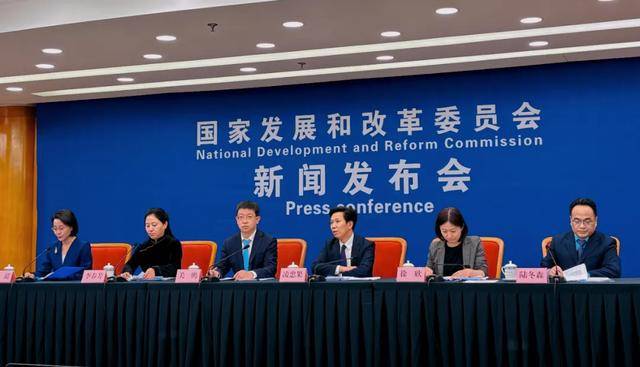
这场发布会,回应了民间投资痛点堵点
Sou Hu Cai Jing· 2025-11-11 13:18
Core Insights - The article discusses the slowdown in private investment in China due to changes in the international environment and adjustments in the real estate market, while highlighting a 2.1% year-on-year growth in private project investment excluding real estate in the first three quarters of the year [1] - The State Council has issued measures to further promote private investment, focusing on enhancing the vitality of private investment and addressing issues related to rights protection and innovation support for private enterprises [1][3] Investment Trends - Private investment is a key indicator of economic stability, with significant contributions from private enterprises in the renewable energy sector [3] - In the energy sector, measures have been introduced to support the development of private capital, including a series of policies aimed at improving market order and reducing investment costs [3][6] Nuclear Power Sector - The introduction of private capital into nuclear power projects has been emphasized, with private capital participation expected to reach 10% in 2024 and increase to 10%-20% by 2025 [4][5] - Some nuclear power projects have already seen private capital participation as high as 20% [5] Policy Measures - The new measures allow for private capital to hold more than 10% in projects, with no upper limit specified, aiming to expand the scope of private investment [5] - The measures also include enhanced regulatory oversight to protect the rights of private enterprises in energy infrastructure [5][6] Government Support - The government is increasing procurement support for small and medium-sized enterprises (SMEs), mandating that at least 40% of project budgets for engineering procurement over 4 million yuan be reserved for SMEs [7][8] - Financial policies are being coordinated to improve access to credit for private enterprises, including the promotion of innovative financing mechanisms [8][9] Communication and Service Improvement - The establishment of a comprehensive service platform for private economic development aims to facilitate communication between the government and private enterprises [10] - A closed-loop process for addressing issues faced by private enterprises has been implemented, ensuring timely feedback and resolution of problems [11] Innovation and Testing Support - The measures encourage the construction of major pilot testing platforms by private enterprises, linking innovation with industry needs [12] - Collaboration between state-owned enterprises, universities, and research institutions with private enterprises is being promoted to enhance market-oriented pilot testing services [12]
建好创新生态“公共基础设施”
Jing Ji Ri Bao· 2025-10-30 22:17
Core Insights - The development of pilot testing platforms is crucial for transforming scientific achievements into industrial applications, but China faces significant challenges in this area [1][2] - Current issues include high investment costs, regulatory conflicts, regional imbalances, and insufficient integration into a unified national market [1][2] Group 1: Challenges in Pilot Testing Platforms - The construction of pilot testing platforms requires substantial investment and carries high risks, making reliance on government funding unsustainable [1] - Traditional regulatory policies conflict with the unique nature of pilot testing activities, leading to cumbersome approval processes [1] - There is a regional development imbalance, with some pilot testing platforms disconnected from industrial foundations, resulting in redundant construction and resource idleness [1] - Pilot testing services have not fully integrated into a national unified market, leading to inadequate cross-regional collaboration [1] Group 2: Recommendations for Improvement - To enhance the role of pilot testing platforms, it is essential to expand application scenarios and build a sustainable development ecosystem [1] - Strengthening top-level design and promoting policy innovation through a cross-departmental coordination mechanism can simplify project approval processes [1] - Implementing a model of "industry self-discipline + government regulation" can provide more flexibility for pilot testing innovation while ensuring safety and environmental standards [1] Group 3: Strategic Development of Pilot Testing Platforms - Establishing specialized pilot testing clusters based on regional industrial strengths can prevent low-level redundant construction [2] - Innovative business models are necessary for sustainable development, including diversifying revenue channels beyond traditional rental models [2] - Creating a national pilot testing service network that facilitates resource sharing and supports small and medium enterprises can enhance the overall innovation ecosystem [2]