酒店业

Search documents
生意好的酒店都在偷偷给自己刷单?
3 6 Ke· 2025-08-19 03:49
Core Viewpoint - The practice of "brushing orders" has evolved from being considered unethical to a survival strategy for many small and medium-sized hotels and homestays, driven by platform dominance and survival pressures [1][14][21] Group 1: Brushing Orders as a Strategy - Brushing orders, referred to as "supplementing orders" by some hotel owners, aims to increase visibility and ratings on booking platforms [1][3] - The effectiveness of brushing orders depends on timing and market conditions, with specific strategies suggested for when to execute these orders [3][4] - For a hotel with around 40 rooms, brushing a few orders can significantly impact occupancy rates, potentially accounting for 25% of total bookings [6][4] Group 2: Financial Implications - The cost of brushing orders can be substantial, with commissions from platforms potentially reaching 150 yuan per day for small hotels, which is a significant expense given the current market conditions [6][4] - Hotel owners often adopt a "small loss for a bigger gain" mentality, accepting these costs to maintain occupancy rates [6][10] Group 3: Risks and Limitations - Brushing orders is not feasible for all hotels, particularly those under brand management or state-owned enterprises, due to operational constraints and financial accountability [10][12] - The practice is technically illegal under current regulations, which classify it as a form of false orders, posing risks for hotels that engage in it [9][12] Group 4: Platform Dynamics - Platforms maintain a complex relationship with hotels regarding brushing orders, publicly discouraging the practice while benefiting from the increased transaction volume [12][13] - Recent changes in platform rating systems, such as lowering the threshold for visibility from 4.8 to 4.7, provide slight relief for small hotels but do not fundamentally alter the competitive landscape [18][19] Group 5: Market Conditions - The current market environment is challenging, with many hotels experiencing declining occupancy and pricing pressures, leading to increased reliance on platforms [14][21] - Many hotel owners are adopting a conservative approach, focusing on cost-cutting and preparing for a prolonged downturn in the industry [21]

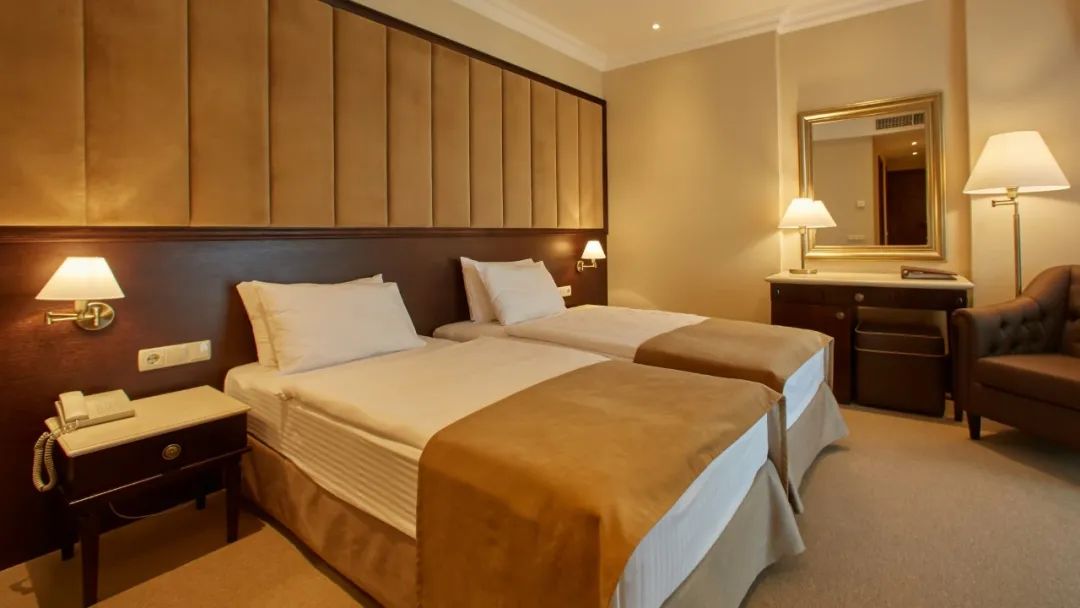
希尔顿、万豪们悄悄清算行政酒廊
3 6 Ke· 2025-08-19 01:22
Core Insights - The cancellation of executive lounges in foreign hotel brands like Hilton and Marriott reflects a broader trend of cost-cutting in the hospitality industry, particularly in China [2][6][20] - The shift away from executive lounges is not an isolated incident but part of a strategic repositioning of hotel brands in response to changing market conditions [20][24] Group 1: Changes in Hotel Operations - Hilton Garden Inn has been quietly phasing out executive lounges in newly opened hotels, with many locations not offering this service despite initial plans [2][4] - Marriott's Courtyard brand has also permanently closed executive lounges in several locations, indicating a trend of reducing amenities that were once considered standard [4][6] - The experience of executive lounges has diminished, with reports of reduced quality in offerings, leading to a perception that these spaces are no longer exclusive or valuable [4][5] Group 2: Market Dynamics - The perception that mid-to-high-end international hotels must include executive lounges has been shaped by years of competitive differentiation and over-provisioning during economic growth [7][10] - As economic conditions have worsened, the demand for such amenities has decreased, making executive lounges one of the first areas to be cut [9][10] - The shift reflects a broader trend of value return in the hotel industry, where brands are reassessing their offerings based on market realities [10][20] Group 3: Brand Positioning and Strategy - Brands like Hilton and Marriott are reconsidering their market positioning, with some properties upgrading to full Hilton branding to align with consumer expectations [21][23] - The approach of IHG (InterContinental Hotels Group) to limit access to executive lounges based on membership criteria serves as a potential model for maintaining exclusivity and quality [23] - The decision to retain or eliminate executive lounges ultimately hinges on whether they are core to a brand's identity or merely a superficial addition [24]


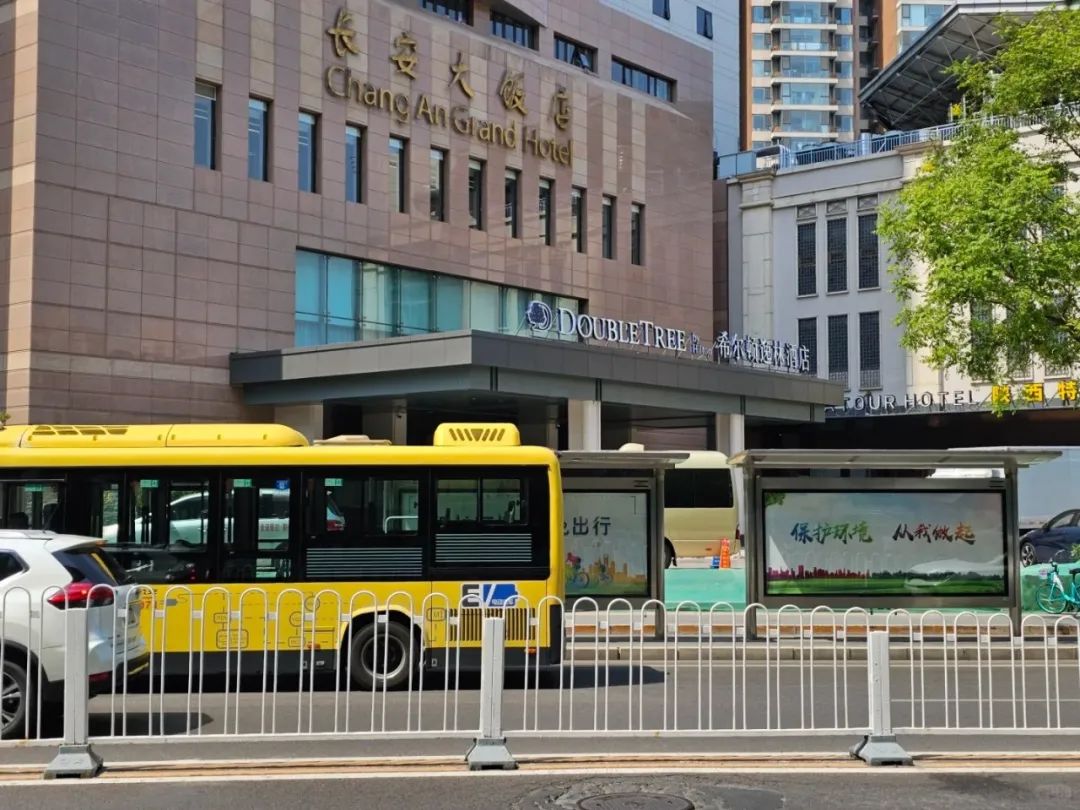
恒大退市留下的3500亿窟窿,恒大酒店能填多少?
3 6 Ke· 2025-08-19 00:36
历经四年风波,恒大放弃挣扎了。 8月12日晚,停牌18个月的中国恒大集团发布公告,港交所上市委员会因其一再未能满足复牌要求、股份长期停牌,决定取消其上市地位。 这也意味着,这家市值曾超4000亿港元的地产巨头近16年的上市之路将正式终结。 可退市的钟声敲得再响,也敲不走那些填不完的窟窿。 公开信息显示,截至7月31日,恒大还有约3500亿港元的债务尚未偿还。 业内关心的是,恒大旗下众多的酒店资产如两家安缦酒店、成都瑞吉酒店以及自营的22家恒大酒店未来将何去何从? 是被清盘偿债?还是另寻出路? 01 昔日辉煌的恒大酒店帝国 喜欢站在舞台中央的许老板,曾许下宏愿——恒大要造车、要进军酒旅、要多元化。 足球、酒店、保险、粮油…恒大的触角伸向几乎所有领域。 那是一个房企只要有足够现金流,就能去做任何梦的年代。 而恒大的酒店梦,从2007年开始。 恒大酒店集团2007年成立,第一家酒店广州恒大酒店2009年开业,以后逐步布局于广州、天津、上海、重庆、成都、武汉、南京、海口、林芝等50多个地 区。 和国内大多数地产系酒店一样,初期的恒大酒店就定位奢华度假综合体,自建了很多豪华五星级酒店。 此后,恒大并购了2010年开业的 ...
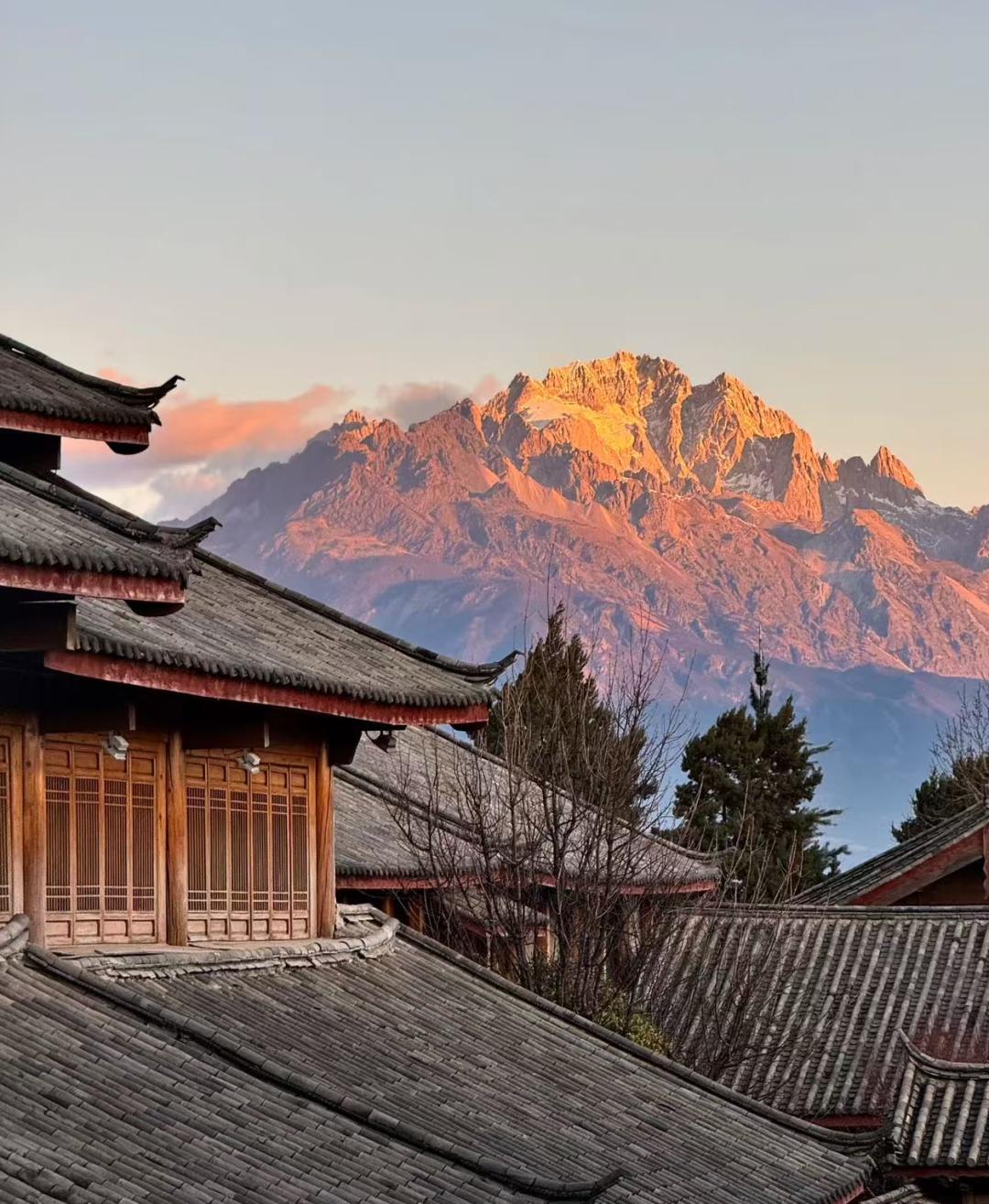
“三无酒店”时代来临:希尔顿、万豪们取消行政酒廊
Hu Xiu· 2025-08-19 00:28
Core Viewpoint - The recent discussions about the potential cancellation of executive lounges in Hilton Garden Inn hotels reflect a broader trend in the hotel industry, where many mid-range international hotel brands are reevaluating their service offerings in response to changing market conditions and cost pressures [1][10][17]. Group 1: Changes in Executive Lounge Offerings - There are reports that some Hilton Garden Inn hotels have received notifications allowing for the cancellation of executive lounges, with alternative services provided in public areas like the lobby bar [1][2][5]. - New Hilton Garden Inn hotels have been opening without executive lounge services, indicating a shift in operational standards [3][4]. - The trend of removing executive lounges is not unique to Hilton, as Marriott has also permanently closed executive lounges in several of its hotels [11][13][14]. Group 2: Market Dynamics and Brand Positioning - The perception that mid-to-high-end international hotels must include executive lounges has been prevalent, but this is changing as economic conditions shift [18][22]. - The previous strategy of "over-provisioning" amenities to attract customers is becoming unsustainable in a down market, leading to the removal of executive lounges as a cost-saving measure [20][21][23]. - Brands like Hilton Garden Inn and Marriott are reassessing their positioning, with some properties upgrading to full Hilton branding to better align with market expectations [39][40]. Group 3: Customer Experience and Brand Strategy - The experience of executive lounges has diminished, with complaints about the quality of offerings, leading to a perception that they are no longer valuable [15][16][30]. - The shift away from executive lounges may also reflect a broader strategy to streamline operations and reduce costs, particularly as hotel owners face financial pressures [34][36]. - The future of executive lounges in mid-range hotels appears uncertain, with a likelihood of their continued existence in high-end hotels but a decline in mid-range offerings [51].
喜来登在中国是怎么没落的?
虎嗅APP· 2025-08-18 13:39
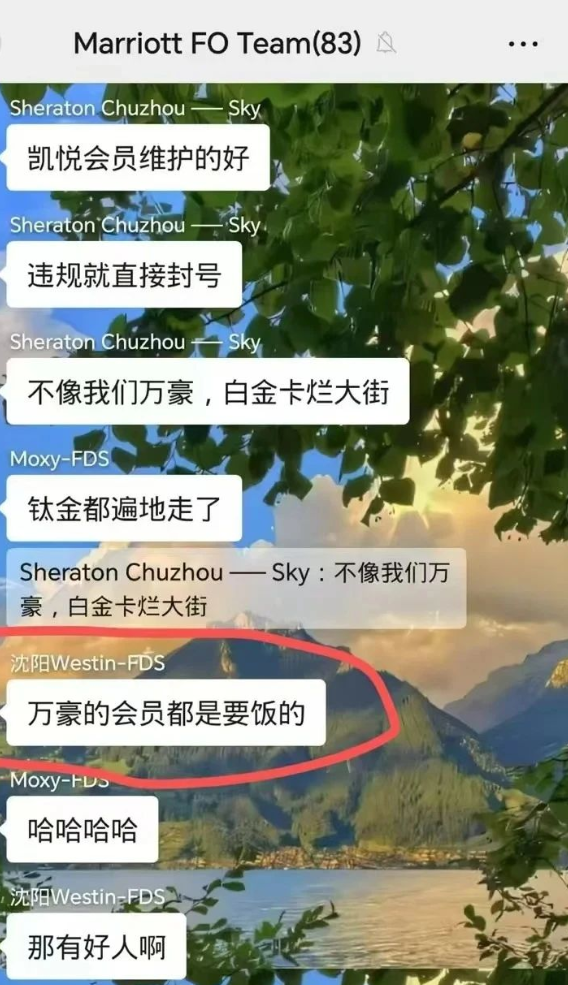
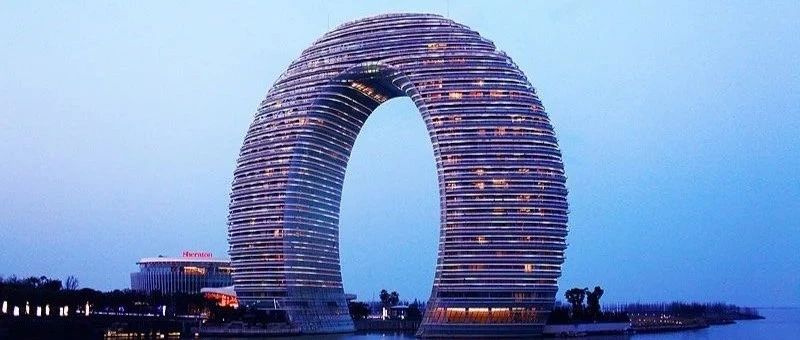
Core Viewpoint - The article discusses the decline of the Sheraton brand in China, highlighting its struggle to maintain its premium status amidst increasing competition from mid-range hotel brands and changing consumer preferences [10][11][22]. Group 1: Current Market Situation - Sheraton hotels in China are now priced similarly to mid-range brands like Atour and Qianxi, indicating a significant shift in market positioning [8][12]. - The financial struggles of Sheraton's properties are evident, with the Wenzhou Sheraton's owner reporting a net asset deficit of 150 million yuan and a loss of 24.73 million yuan on a revenue of 60.68 million yuan in 2024 [12]. - The disappearance of Sheraton hotels from development plans, such as the one in Yichang, reflects a broader trend of "de-Sheratonization" in various cities [14][15]. Group 2: Historical Context and Brand Evolution - Sheraton entered China in 1985 and became a symbol of high-end hospitality during the real estate boom from 1990 to 2010 [25][26]. - The brand's decline is attributed to changing market dynamics, where developers are less willing to invest in foreign brands and prefer local alternatives [30][32]. - The acquisition of Starwood by Marriott in 2016 raised concerns about Sheraton's brand positioning within a larger portfolio, leading to questions about its future relevance [33][34]. Group 3: Consumer Perception and Experience - Consumer reviews indicate a decline in the quality of Sheraton hotels, with guests noting poor maintenance and service, leading to a perception of the brand as outdated [18][21]. - The article emphasizes that while Sheraton hotels abroad may still attract guests due to location, in China, the brand is increasingly viewed as a budget option rather than a luxury experience [43][46]. - The lack of a clear brand narrative and failure to upgrade facilities contribute to Sheraton's diminishing appeal in the competitive hotel market [35][44].
喜来登在中国是怎么没落的?
Hu Xiu· 2025-08-17 01:56
Group 1 - The article highlights the declining status of Sheraton hotels in China, indicating that they are now competing in the same price range as mid-range hotel brands like Atour and Hanting [6][8][20] - Recent data shows that Sheraton hotels are experiencing significant financial difficulties, with one hotel reporting a total asset of 2.5 billion yuan but a negative net asset of 150 million yuan as of June 2023 [11][12] - The brand's reputation has deteriorated, with customer reviews reflecting dissatisfaction with the quality and service of Sheraton hotels, leading to a perception of them as outdated and lacking luxury [20][23] Group 2 - The decline of Sheraton in China is attributed to changing market dynamics, where foreign luxury hotel brands are no longer scarce, and local brands are offering better experiences at lower prices [46][47] - The merger of Marriott and Starwood in 2016 raised concerns about Sheraton's positioning within the Marriott portfolio, leading to questions about its brand identity and market relevance [39][40] - Sheraton's inability to effectively communicate a clear brand story has contributed to its struggles in maintaining a competitive edge in the market [44][46] Group 3 - The article discusses the historical context of Sheraton's rise in China, noting that it was once a symbol of luxury and prestige during the real estate boom from 1990 to 2010 [32][33] - As the real estate market has cooled, hotel owners are increasingly reluctant to invest in renovations for Sheraton properties, opting instead to switch to more appealing local brands [48][49] - The future of Sheraton in China appears uncertain, with the brand potentially reduced to relying solely on location as its main selling point if it fails to innovate and improve customer experience [62][66]
迪拜上半年接待国际游客988万人次,同比增长6%
Nan Fang Du Shi Bao· 2025-08-16 11:38
Core Insights - Dubai welcomed 9.88 million international overnight visitors in the first half of 2025, marking a 6% year-on-year increase [1] - The average length of stay for guests in Dubai's hotels was 3.71 nights [2] Hotel Industry Performance - The total number of available hotel rooms in Dubai reached 152,483, with a total of 822 hotels by the end of June 2025 [3] - The average hotel occupancy rate in Dubai for the first half of 2025 was 80.6%, up from 78.7% in the same period of 2024 [3] - The number of occupied room nights increased by 4%, from 21.35 million in the first half of 2024 to 22.24 million in the first half of 2025 [3] - The average daily rate (ADR) rose to 584 AED, a 5% increase year-on-year [3] - Revenue per available room (RevPAR) grew by 7%, from 439 AED to 471 AED [3] - Strategic partnerships were signed with major hotel groups to enhance visitor experience and expand hotel resources [3] Tourism Development - Dubai is continuously enhancing its tourism landscape with new attractions, including the world's first Real Madrid theme park and the Dubai Candy Museum [5] - The reopening of the Dubai Eye, a landmark Ferris wheel, allows visitors to enjoy panoramic views [5] Focus on Chinese Market - The Chinese market's significance in Dubai's tourism has been increasing, with 824,000 Chinese visitors in 2024, a 31% year-on-year growth [7] - Dubai's tourism department is actively promoting tourism in China through roadshows in major cities [7] - Direct flights from 15 Chinese cities to Dubai have been established, and visa-free stay for Chinese tourists has been extended to 90 days [7] - The "Welcome China" strategy includes widespread acceptance of Chinese payment methods and specialized training for Mandarin-speaking tour guides [7]
为什么靠谱的酒店店长越来越少了?
Hu Xiu· 2025-08-16 03:18
Core Insights - The hotel industry faces challenges with management practices that prioritize superficial metrics over actual performance, leading to a cycle of dissatisfaction and inefficiency [12][14]. Group 1: Hotel Management Practices - A recent incident highlighted the issue of inflated online ratings through questionable practices, such as incentivizing customers for positive reviews, which ultimately did not translate into increased occupancy rates [2][4]. - The reliance on artificial methods to boost ratings, such as offering rewards for reviews, raises concerns about the sustainability of these practices and their impact on long-term business performance [4][12]. - The disconnect between hotel managers and owners is evident, as managers focus on meeting corporate objectives while owners prioritize cash flow and profitability [12][14]. Group 2: Recruitment and Leadership Challenges - The difficulty in finding competent hotel managers is exacerbated by the tendency of some candidates to rely on past experiences without demonstrating tangible results in their current roles [14][15]. - There is a growing recognition that effective leadership in the hotel industry requires alignment between the goals of management and ownership, emphasizing the need for a collaborative approach [14][15]. - The narrative suggests that many hotel managers, especially younger ones, are overwhelmed by the demands placed on them, leading to a misalignment of priorities between operational execution and strategic objectives [13][14].
“直播+”数字化驱动酒店营销管理革新
Xiao Fei Ri Bao Wang· 2025-08-15 03:13
Core Insights - The hotel booking market is undergoing a digital transformation driven by live streaming, enhancing user experience and providing new growth opportunities for the hotel industry [1][2] Group 1: Live Streaming as a Booking Tool - Consumers are increasingly using e-commerce platforms' short videos and live streams to view hotel types, prices, and availability, allowing for flexible booking [2] - Major hotel chains like Huazhu and Shoulv Rujia are establishing live streaming accounts to offer diverse products such as membership packages and customized discounts, creating a seamless online and offline sales loop [2] - By the end of 2024, the number of hotel stores and total room capacity in China is expected to reach historical highs, although the average occupancy rate is declining, indicating intensified competition [2] Group 2: Reducing Information Anxiety - "Professional live streaming" featuring front desk staff provides real-time, detailed explanations of room types and services, significantly reducing consumer booking concerns [4][5] - The use of live streaming has led to a 30% reduction in order cancellation rates, as consumers build trust through visual confirmation of services [5] Group 3: Digital Ecosystem Construction - Live streaming is reshaping the communication between hotels and consumers, moving the industry from price competition to a service experience-focused competition [7] - The integration of live streaming into hotel operations allows for better demand forecasting and inventory management, enhancing supply chain coordination [8] Group 4: Future Trends - Experts predict that hotel live streaming will evolve into "content groupization," utilizing AR and VR technologies to enhance brand storytelling and experiential value [8] - The competition in the hotel market will shift from traditional location and star ratings to a focus on content production and data operational capabilities [8]

服务消费释放新动能 头部企业发力新增量
Zheng Quan Shi Bao· 2025-08-14 22:11
Core Insights - Service consumption is becoming an important direction for consumer upgrades as people's quality of life improves, shifting focus from "having" to "quality" [1] Group 1: Restaurant Industry Innovations - Haidilao has increased its nighttime dining services, transforming its Sanlitun location into a night snack-themed restaurant, resulting in a noticeable increase in nighttime customer flow, particularly among young people [2] - Major restaurant companies are actively innovating through product, scene, and model innovations to cultivate new service consumption growth, contributing to the industry's sustainable development [2] - McDonald's China aims to leverage its brand value to boost business growth while supporting consumption recovery, aligning with national policies to stimulate domestic demand [2][3] - Haidilao has opened over 50 night snack-themed restaurants in major cities, catering to diverse consumer needs [3] - The brand "CuoCuo" under the Xiaobai Group has collaborated with international IPs to enhance its market presence, leading to positive feedback and improved operational data [3] Group 2: Tourism Industry Upgrades - Travel and hospitality companies are innovating to meet diverse consumer demands, focusing on multi-faceted and refined services [4] - Hainan Airlines emphasizes service upgrades centered around passengers, utilizing digital empowerment to create new revenue streams and enhance domestic demand [4] - Huazhu Group is exploring new growth points in service consumption by offering tailored services for different consumer segments, including the elderly and marathon participants [4] Group 3: New Consumption Trends - The shift from product consumption to service consumption is accelerating as China's GDP per capita exceeds $13,000, indicating a rapid growth phase for service consumption [7] - National policies are increasingly supporting service consumption, with initiatives aimed at enhancing service quality in key areas such as dining, accommodation, and home services [7] - In the first half of the year, final consumption expenditure contributed 52.0% to economic growth, with a notable increase in service consumption driving economic vitality [7]