生物医药

Search documents
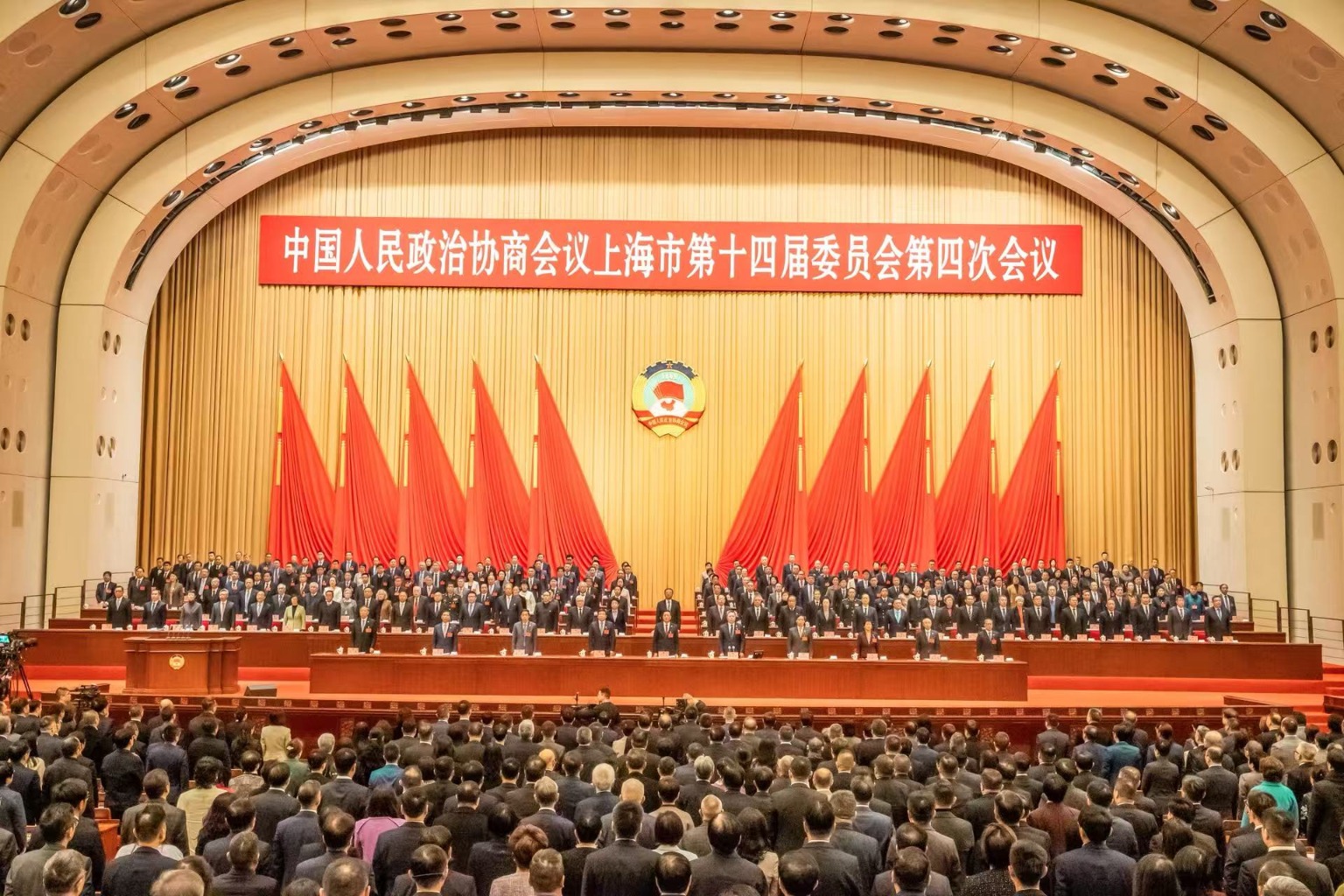
近半提案聚焦经济建设,多位委员建言上海“十五五”开局发力点
第一财经· 2026-02-02 14:49
Core Viewpoint - The article emphasizes the importance of optimizing and upgrading the industrial system in Shanghai, particularly focusing on the three leading industries: integrated circuits, biomedicine, and artificial intelligence, and their role in driving the transformation of traditional industries [2][3]. Group 1: Leading Industries - The three leading industries in Shanghai are expected to perform well by 2025, with a projected manufacturing output growth of 9.6%, including a 15.1% increase in integrated circuits and a 13.6% increase in artificial intelligence [4]. - The biomedicine sector is highlighted as a key area for innovation, with a historical high in the licensing-out of innovative drugs, indicating strong market potential [3][4]. - Talent acquisition is crucial for the success of these industries, as they are capital and talent-intensive, necessitating Shanghai to attract top global tech talent, especially in AI [3]. Group 2: Modern Industrial System - The "2+3+6+6" modern industrial system framework aims to enhance Shanghai's international economic status by promoting the digital and green transformation of traditional industries and developing six emerging pillar industry clusters [4]. - The construction of this modern industrial system requires a multi-layered approach, focusing on mature, growth, and frontier sectors, alongside strengthening financial support through diverse funding services [6]. Group 3: AI and Emerging Technologies - AI, big data, and blockchain are identified as key focus areas, with AI's rapid development being driven by advancements in data quality and GPU companies gaining market recognition [7]. - The article discusses the need for standardized systems in GPU technology to facilitate software development and programming, which is essential for the growth of the AI sector [8]. - Blockchain technology is proposed as a solution for ensuring data security and compliance in AI applications, with potential opportunities in data processing services and compliance auditing tools [8].

17家公司同日递表港股IPO
2 1 Shi Ji Jing Ji Bao Dao· 2026-02-02 14:42
Core Insights - The Hong Kong capital market has started 2026 with a vibrant listing wave, continuing the momentum from Q4 2025, with 17 companies submitting applications on January 30 alone [1] - A total of 139 companies submitted listing applications in January 2026, with 2 companies passing the listing hearing and 13 companies successfully listing on the exchange [1][2] Group 1: Market Trends - The listing activities reflect a strategic choice by companies towards the Hong Kong Stock Exchange, indicating global capital's confidence in China's new economic sectors [2] - The sectors represented in the applications include renewable energy, semiconductors, AI, robotics, consumer goods, and biomedicine, showcasing a diverse range of industries [4] Group 2: Notable Companies - XINWANGDA, a leading global consumer lithium battery manufacturer, submitted its application to the Hong Kong Stock Exchange, aiming to raise funds for its overseas production capacity expansion [4][5] - EVE Energy also submitted its application, with plans to use the raised funds for the construction of its production base in Hungary [5] - ATOOM, known as the "king of parallel robots" in China, has also applied for listing, demonstrating significant revenue growth and market leadership in various sectors [5][6] Group 3: Financial Performance - XINWANGDA reported a revenue of 13.89 billion yuan for its consumer battery business in the first half of 2025, with a 5.2% year-on-year growth and a gross margin of 19.63% [4] - ATOOM's revenue grew from 93.5 million yuan in 2023 to 135 million yuan in 2024, with a further increase to 157 million yuan in the first nine months of 2025 [6] Group 4: Future Projections - Predictions indicate that around 160 new stocks will be listed on the Hong Kong Stock Exchange in 2026, with a total fundraising target of at least 300 billion HKD (approximately 38 billion USD) [9][10] - The recent regulatory reforms at the Hong Kong Stock Exchange have facilitated the listing of companies in emerging sectors, enhancing the attractiveness of the market for international investors [9][10]



代表委员聚焦“2+3+6+6” 为打响“上海制造”品牌献策
Di Yi Cai Jing· 2026-02-02 14:32
Group 1 - The core focus of the Shanghai Municipal Political Consultative Conference is on the construction of a modern industrial system termed "2+3+6+6," which aims to enhance Shanghai's international economic status and promote high-end industrial clusters [1][2] - The three leading industries identified are integrated circuits, biomedicine, and artificial intelligence, with projected manufacturing output growth of 9.6% by 2025, including 15.1% for integrated circuits and 13.6% for artificial intelligence [2][3] - The importance of leveraging the advantages of leading industries to drive the transformation and upgrading of traditional industries is emphasized, highlighting the need for financial and capital support [3][4] Group 2 - The biomedicine sector is undergoing a transition from chemical generics to innovative drugs, with a focus on international market expansion for innovative products [4][5] - Recommendations include establishing a specialized working group for the development of the robotics industry in Shanghai, which is seen as a potential global hub [5][6] - The low-altitude economy is projected to reach a scale of approximately 80 billion yuan by 2028, with a focus on technological innovation and equipment manufacturing [6][7] Group 3 - The AI industry is rapidly advancing, with significant developments in high-quality data sets and GPU companies gaining market recognition [8][9] - The need for standardized systems in GPU and software development is highlighted, with calls for industry associations to lead the establishment of such standards [9][10] - Blockchain technology is proposed as a means to ensure data security and compliance in AI applications, with potential opportunities in data processing services and compliance auditing tools [9][10]
价值深耕,全球突破:中国生物医药创新观察(2026.1.26-2026.1.30):医疗与消费周报-20260202
Huafu Securities· 2026-02-02 14:12
Investment Insights - The report highlights that the pharmaceutical index observed negative returns across six sub-industries during the week [1] - China's biopharmaceutical industry is transitioning from a "rapid expansion" phase (1.0 era) to a "value and global competitiveness" phase (2.0 era), marking its emergence as the second-largest new drug launch market globally [1][6] - By 2025, the external licensing transaction value is expected to exceed $50 billion, with China establishing a leadership position in disruptive technologies such as targeted protein degradation [1][6] Industry Overview - China accounted for 18% of the global share of new molecular entities (NME) launched in 2024, ranking second worldwide [6] - The number of new drug pipelines in China represents approximately 30% of the global total, maintaining its position as the second-largest globally [6] - In the targeted protein degradation (TPD) field, China contributes 38% of global research papers and 37% of patents, with around 30% of the 484 TPD candidates in development originating from China [6] Market Performance - The report notes that the biopharmaceutical sector's performance was mixed, with traditional Chinese medicine and biological products experiencing declines of -1.94% and -2.50%, respectively [8] - The highest valuation levels were recorded for biological products (91.41 times) and chemical pharmaceuticals (79.85 times), while traditional Chinese medicine and pharmaceutical commerce had lower valuations of 31.70 times and 22.42 times, respectively [8] Future Outlook - The industry is expected to face both opportunities and challenges as it enters the new "14th Five-Year Plan" cycle, with a trend towards "the rich getting richer" and a focus on source innovation and global expansion [7] - Key challenges include resource misallocation due to concentrated research on popular targets, high R&D costs, and the need for improved international capabilities among many companies [7]
代表委员聚焦“2+3+6+6”,为打响“上海制造”品牌献策
Di Yi Cai Jing· 2026-02-02 14:09
Core Viewpoint - Shanghai is focusing on building a "2+3+6+6" modern industrial system to enhance its international economic status and promote the "Shanghai Manufacturing" brand, with significant attention from representatives and committee members [1][2]. Group 1: Modern Industrial System - The "2+3+6+6" modern industrial system includes promoting the digital and green transformation of traditional industries, accelerating the development of three leading industries, and focusing on six emerging pillar industry clusters [2]. - By 2025, the manufacturing output of Shanghai's three leading industries is expected to grow by 9.6% year-on-year, with integrated circuit manufacturing output increasing by 15.1% and artificial intelligence manufacturing output by 13.6% [2]. Group 2: Robotics Industry - Shanghai is positioned to become a global hub for the robotics industry, with a recommendation to establish a "Shanghai Robotics Industry Development Task Force" to coordinate planning and implement a four-phase cultivation plan [7]. - The robotics industry is transitioning from "technology validation" to "scale application," necessitating a focus on core technology breakthroughs and the establishment of a competitive industrial system [8]. Group 3: Biopharmaceutical Industry - The biopharmaceutical sector is experiencing a shift from chemical generics to innovative drugs, with a call for Shanghai to support companies aiming to become global biopharmaceutical enterprises [4]. - The focus should be on innovative drug development and international market expansion, leveraging Shanghai's strengths in research and manufacturing [4]. Group 4: AI and Data Security - The AI industry is rapidly advancing, with a focus on high-quality data sets and the need for unified standards in GPU and software development [11][12]. - Blockchain technology is proposed as a solution for ensuring data security and compliance in AI applications, with potential opportunities in data processing services and compliance auditing tools [12]. Group 5: Low-altitude Economy - Shanghai aims to develop a low-altitude economy, targeting a core industry scale of approximately 80 billion yuan by 2028, with a focus on technological innovation and commercial demonstration [9]. - The city is positioned to leverage its existing industrial foundation to become a leader in low-altitude economic sectors, including eVTOL and related applications [9]. Group 6: Future Industries - The emphasis on future industries includes space computing and the need for strategic research and industrial layout to enhance Shanghai's global influence in technology innovation [10]. - The development of AI applications and the integration of various technologies are seen as critical for driving growth across multiple sectors [11].
华熙生物(688363):改革初见成效 2025净利润预增55%-84%
Xin Lang Cai Jing· 2026-02-02 12:37
Performance Overview - The company forecasts a net profit of between 270 million and 320 million for 2025, representing a year-on-year increase of 55% to 84%, with Q4 2025 net profit expected to be between 20 million and 70 million, indicating a turnaround from losses [1] - The annual non-GAAP net profit is projected to be between 170 million and 220 million, reflecting a year-on-year growth of 56% to 102%, with Q4 2025 non-GAAP net profit expected to range from -20 million to 30 million, indicating a reduction in losses or a turnaround [1] Commentary and Recommendations - In 2025, the chairman and general manager will lead the team back to the front lines, making adjustments to organizational structure, strategic planning, and product structure [2] - The company has improved operational efficiency and optimized operating costs, with a significant reduction in sales expense ratio by over 30% year-on-year, and a 6.8 percentage points decrease in the sales expense ratio for the first three quarters [2] - The company continues to deepen research in sugar biology and cell biology, laying a solid foundation for long-term development [2] - For 2026, the company is expected to continue improving operations, with stable growth in raw material business and strengthened competitive barriers due to ongoing optimization of production and research integration [2] - The medical terminal business saw a positive growth rate in Q3 2025, with a year-on-year revenue increase of 14.5%, and this positive trend is expected to continue into 2026 with improved channel structure and increased direct sales ratio [2] - The skin science innovation transformation business is entering a deep reform phase, focusing on fee structure, organizational structure, and strategic adjustments [2] - Profit forecasts remain unchanged, with expected net profits of 310 million, 530 million, and 600 million for 2025-2027, representing year-on-year increases of 76.4%, 72%, and 13.3% respectively, with EPS of 0.64 yuan, 1.10 yuan, and 1.24 yuan, corresponding to PE ratios of 70x, 41x, and 36x, maintaining a "range operation" investment recommendation [2]

港股主题基金,密集申报!“科技牛”将向港股辐射?
证券时报· 2026-02-02 09:46
Core Viewpoint - The Hong Kong stock market, represented by the Hang Seng Index, has recently shown a significant upward trend, breaking through last year's peak and reaching a nearly four-year high, indicating a positive market sentiment and potential investment opportunities [1]. Group 1: Fund Activity and Market Sentiment - Multiple public funds are actively launching Hong Kong-themed products, reflecting a strong bullish sentiment towards Hong Kong stocks. The consistent early closure of fund subscriptions indicates high demand [2][3]. - In 2026 alone, 39 Hong Kong-themed funds have been filed, including various types such as ETFs and actively managed equity products, focusing on sectors like technology, healthcare, and consumer goods [3]. - The recent surge in fund applications and early closures suggests that fund managers are keen to capitalize on the current valuation advantages in the Hong Kong market, viewing it as a prime opportunity for investment [4]. Group 2: Market Performance and Valuation - The Hang Seng Index experienced a 27% increase in 2025, although this growth was marked by volatility, with significant fluctuations throughout the year [5]. - Despite the overall positive performance, the Hong Kong market has faced challenges, particularly in the fourth quarter, where sectors like innovative pharmaceuticals and technology saw notable pullbacks [6]. - The current valuation levels in the Hong Kong market are considered attractive, with a strong emphasis on the cost-performance ratio, making it appealing for investors [6]. Group 3: Comparison with A-shares - There exists a "temperature difference" between the Hong Kong and A-share markets, primarily due to differing market dynamics and capital flows. A-shares have seen strong support from domestic liquidity, while Hong Kong relies more on global capital, particularly from the U.S. [5][7]. - The recent performance of A-shares has been driven by sectors such as artificial intelligence and semiconductors, which are not as prominent in the Hong Kong market, leading to a divergence in investor interest [6][7]. Group 4: Future Outlook - The outlook for the Hong Kong market is improving, with expectations that the "technology bull" trend may start to resonate within Hong Kong, especially as the market approaches new highs [8]. - Factors such as the recent strengthening of the offshore RMB and a favorable interest rate environment are expected to attract more capital into the Hong Kong market, enhancing its appeal to both domestic and international investors [8]. - The structural shift in the Hong Kong market towards sectors like hard technology, biomedicine, and new consumption is anticipated to create significant investment opportunities, aligning with national policy directions [8][9].

凯普生物:公司严格遵守相关法律法规的规定履行信息披露义务
Zheng Quan Ri Bao Wang· 2026-02-02 09:41
证券日报网讯2月2日,凯普生物(300639)在互动平台回答投资者提问时表示,公司股价波动受宏观政 策、行业发展、投资者偏好等多种因素的影响,请投资者注意投资风险,公司严格遵守相关法律法规的 规定履行信息披露义务,请留意公司相关公告。 ...

广东的“县域短板”,博罗之后如何再造“千亿县”?
Jing Ji Guan Cha Wang· 2026-02-02 09:38
Core Insights - Huizhou's Boro County is set to become Guangdong's first "trillion county" by 2025, marking a significant milestone for the province and ending its absence from the "trillion county club" [1][2] - The emergence of "trillion counties" reflects a shift in economic focus towards county-level development, which is increasingly recognized as vital for regional economic dynamics [2] Economic Landscape - As of 2024, there are 62 "trillion counties" in China, with Jiangsu's Kunshan and Jiangyin exceeding 500 billion in GDP, showcasing their role as economic engines [1] - Guangdong has historically concentrated economic growth in cities like Shenzhen and Guangzhou, lacking strong county-level economies [1][3] Administrative and Geographical Factors - Guangdong's unique administrative evolution, particularly in the Pearl River Delta, has led to a scarcity of "trillion counties" as many economically strong counties have been restructured into districts [3][4] - The economic disparity between the Pearl River Delta and other regions in Guangdong is evident, with the former accounting for over 80% of the province's economic output [4] Development Initiatives - The "Hundred Counties, Thousand Towns, and Ten Thousand Villages High-Quality Development Project" was launched to address urban-rural imbalances and promote county-level economic growth [4] - From 2023 to 2025, 57 counties in Guangdong are expected to see GDP growth rates surpassing the provincial average, indicating a positive trend in county-level economic development [4] Boro County's Economic Growth - Boro County's GDP has seen significant growth, surpassing 700 million in 2021, 800 million in 2022, and projected to exceed 1 billion by 2025 [6] - The county has shifted from a fragmented industrial approach to a more systematic layout, focusing on developing a trillion-level smart equipment industry park [6][7] Industrial Strategy - Boro County has implemented an "eight ones" industrial chain mechanism to enhance the precision of its investment strategies and has established a "four ones" park development model to improve efficiency [7] - The county has successfully developed eight hundred billion-level industrial clusters, focusing on modern industries such as electronic information and new energy [7][8] Lessons for Other Counties - Boro's experience serves as a model for other counties in Guangdong, emphasizing the importance of concentrated industrial development and collaboration within the regional economic framework [8][9] - The county's integration into the Guangdong-Hong Kong-Macao Greater Bay Area has facilitated industrial transfer and collaboration, enhancing its economic capabilities [8] Comparative Insights - The development paths of Jiangsu and Zhejiang provinces, which have the highest number of "trillion counties," offer valuable lessons for Guangdong, particularly in terms of administrative efficiency and fostering local industries [10] - The emphasis on private and small enterprises in Jiangsu and Zhejiang highlights the potential for Guangdong to enhance its economic vitality through similar support mechanisms [10]
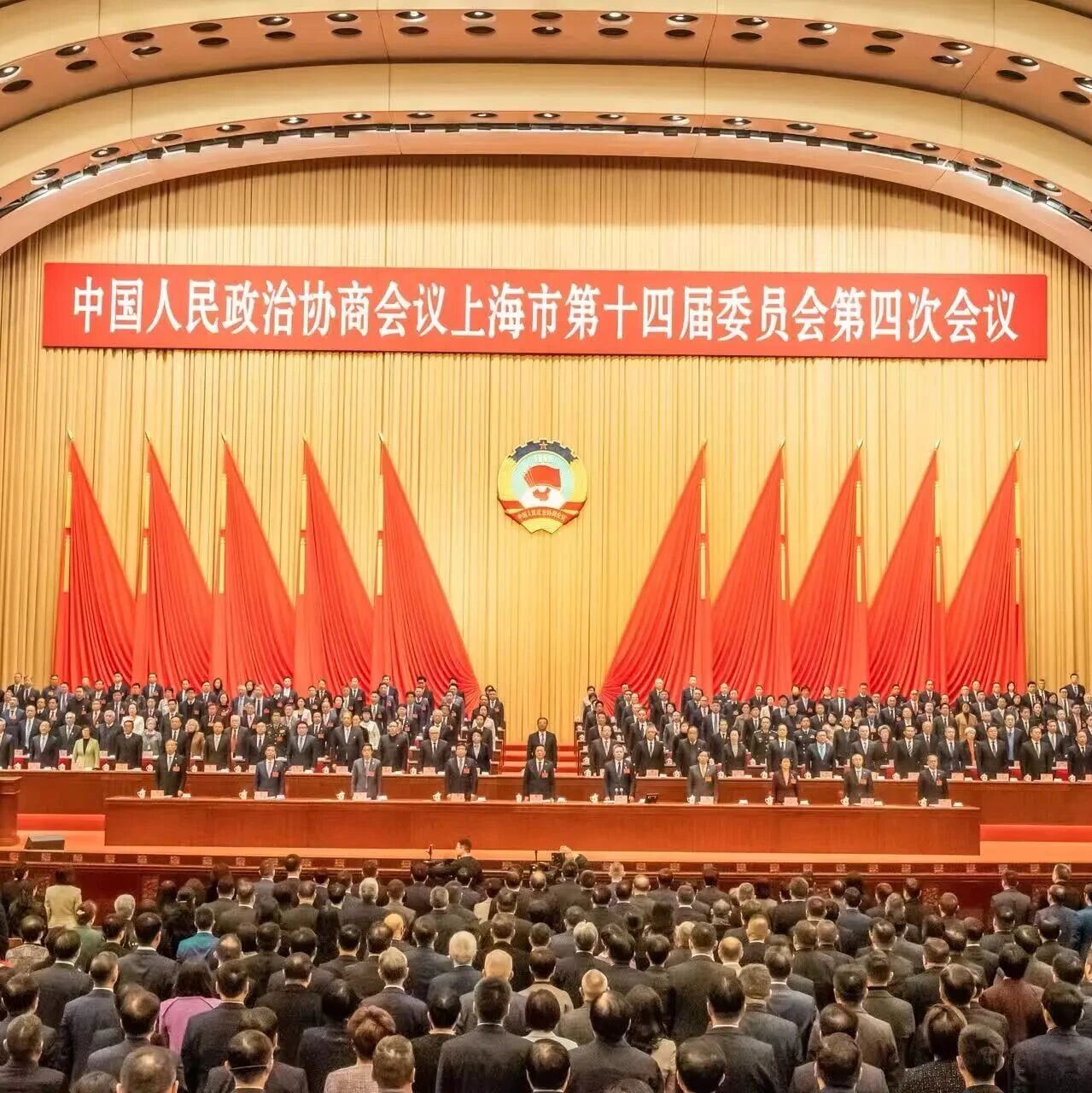
近半提案聚焦经济建设 多位委员建言上海“十五五”开局发力点
Di Yi Cai Jing· 2026-02-02 09:08
Core Viewpoint - The Shanghai Municipal Political Consultative Conference emphasizes the continuous optimization and upgrading of the industrial system, focusing on the three leading industries: integrated circuits, biomedicine, and artificial intelligence, to drive traditional industries' transformation and upgrade [1][3]. Group 1: Industry Development - The three leading industries in Shanghai are expected to show significant performance by 2025, with manufacturing output projected to grow by 9.6%, including a 15.1% increase in integrated circuits and a 13.6% increase in artificial intelligence [4]. - The biomedicine sector is shifting focus towards innovative drugs and medical devices, with a historical high in the licensing-out of innovative drugs, indicating a strong potential for international market expansion [4][5]. Group 2: Talent and Financial Support - Attracting high-quality talent is crucial for the three leading industries, which are capital and talent-intensive. Shanghai aims to leverage its advantages to attract top global tech talent, particularly in AI [3]. - Financial support is essential for the development of emerging industries, with suggestions for establishing future industry funds to provide diverse financing services [6]. Group 3: AI and New Technologies - AI, big data, and blockchain are highlighted as key areas of focus, with AI's rapid development creating opportunities for traditional industries to transform and upgrade [7]. - The need for standardized systems in GPU and software development is emphasized, along with the importance of ensuring data security and compliance in AI applications through blockchain technology [8]. Group 4: Strategic Recommendations - A multi-layered approach is recommended for building a modern industrial system, focusing on accelerating mature sectors, nurturing growth sectors, and precisely identifying and rapidly deploying in frontier sectors [6]. - The integration of blockchain with AI is suggested to enhance data security and create new market opportunities, particularly in data processing services and compliance auditing tools [8].