核能

Search documents
俄罗斯总统普京:俄罗斯与伊朗将能够继续在核能领域的合作。
news flash· 2025-06-18 21:05
Core Viewpoint - Russia and Iran are set to continue their cooperation in the nuclear energy sector, indicating a strengthening of ties between the two nations in this critical area [1] Group 1 - The collaboration in nuclear energy signifies a strategic partnership that may enhance both countries' energy capabilities [1] - This cooperation could lead to advancements in nuclear technology and infrastructure development in both Russia and Iran [1] - The ongoing partnership may also have implications for regional energy security and geopolitical dynamics [1]
可控核聚变展望:材料与设备攻关(附37页PPT)
材料汇· 2025-06-18 15:25
Group 1 - The article discusses the two main technical routes for nuclear fusion: magnetic confinement and inertial confinement [5][8] - Magnetic confinement fusion primarily utilizes devices such as Tokamaks, stellarators, and magnetic mirrors, while inertial confinement relies on lasers and Z-pinch methods [8][9] - The D-T fusion reaction is highlighted for its high energy yield and relatively low ignition temperature of approximately 150 million °C, making it a favorable choice for fusion energy [5][8] Group 2 - The article emphasizes the collaborative development of the nuclear fusion industry chain, focusing on materials and equipment breakthroughs [7][35] - Key components of fusion reactors include superconducting magnet systems, vacuum chambers, and heating systems, with significant cost allocations for each [35][37] - The article outlines the investment plans of various countries and companies in nuclear fusion research, indicating a trend towards increased funding and technological advancements [25][27] Group 3 - The article notes that policy support and capital investment are crucial for the future expansion of the nuclear fusion sector [7][25] - China plans to invest over 50 billion yuan in key fusion technology research and experimental reactor construction over the next five years, with a focus on magnetic confinement fusion [25][29] - The expected return on investment (IRR) for commercial fusion projects is projected to exceed 15% in the long term, driven by technological innovations [31][32] Group 4 - The article identifies key companies benefiting from the nuclear fusion industry, emphasizing those with long-term growth potential [7][28] - Companies like CFS, Helion Energy, and TAE Technologies are highlighted for their advancements in fusion technology and significant investment plans [28][29] - The article also discusses the financing status of domestic fusion projects in China, indicating a robust pipeline of funding and development [29][30]

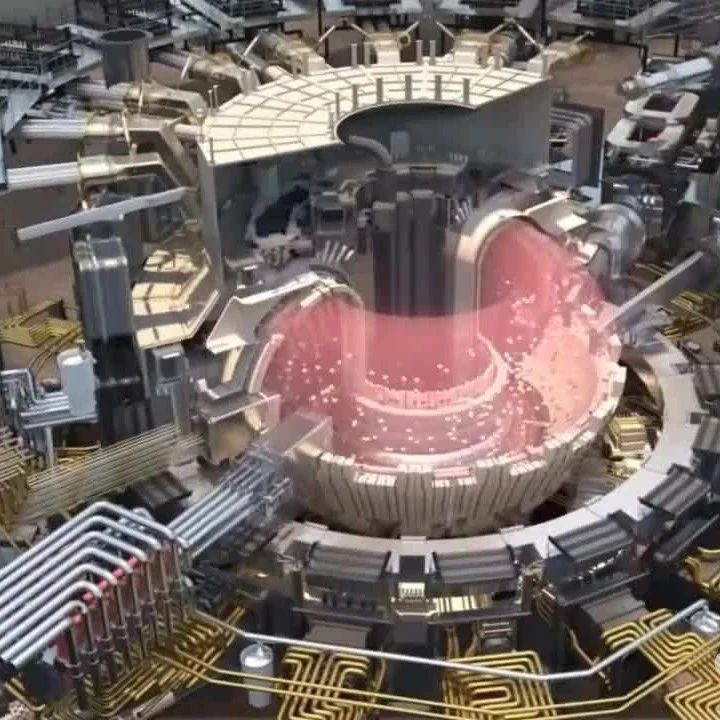
中信证券:中美核聚变投资加速 从实验堆向商业化前进
智通财经网· 2025-06-18 01:59
Core Insights - Nuclear fusion technology is considered a significant technological revolution in the energy sector, with major investments accelerating in the US and China [1][4] - The Tokamak design is currently the most mainstream approach due to its high operational stability and relatively lower manufacturing difficulty [2][4] - The global investment in fusion technology is expected to reach approximately $1.74 billion by 2024, with a notable increase in funding from the US and China [4][5] Investment Dynamics - The core components of fusion reactors, specifically magnets and in-vessel components, account for 28% and 17% of the reactor costs, respectively, making them critical areas for capital expenditure [1] - The investment scale for fusion experimental reactors is in the hundreds of millions, with reactor investments constituting about 40% of the total [1] Technological Challenges - Current Tokamak devices face significant challenges in achieving commercial fusion power, including issues related to operational duration, neutron radiation, and tritium breeding [3] - High-temperature superconductors and tungsten materials are emerging trends to address these challenges, while AI technology is expected to enhance plasma control [3] Global Comparison - The ITER project, which aims to demonstrate fusion power generation, is experiencing delays, with plasma generation now expected in 2033 and full power operation by 2039 [4] - Despite ITER's slow progress, the pace of fusion research and development in the US and China is accelerating, with significant funding initiatives announced [4][5]

可控核聚变行业深度
2025-06-18 00:54
Summary of Key Points from the Conference Call Industry Overview - The controlled nuclear fusion industry is experiencing rapid development globally, with increased capital and policy support from various countries, particularly China and the United States [1][3][7] - Significant advancements have been made in Tokamak, stellarator, and Field-Reversed Configuration (FRC) technologies, with superconducting materials and AI playing a crucial role in accelerating fusion development [1][4] Core Insights and Arguments - China has made notable progress in controlled nuclear fusion, with the EAST device and the Chinese Circulator No. 3 achieving record-breaking results [1][5] - As of July 2024, global investment in controlled nuclear fusion has increased by 57.2% year-on-year, reaching $7.1 billion, with private companies like Helion Energy receiving significant funding [1][7] - The core challenges in controlled nuclear fusion include achieving sufficient temperature, density, and time accumulation, necessitating the use of magnetic confinement to avoid wall corrosion [1][6] Technological Developments - AI is significantly enhancing nuclear fusion research through simulation, data analysis, and optimization of reactor parameters, potentially accelerating development timelines from 2045-2050 to 2030-2035 [4][10] - The FRC technology is gaining traction, with companies like Tae Technologies and Nova Fusion adopting this route due to its simplicity and cost-effectiveness [9] Important Developments in China - In 2025, the Chinese Academy of Sciences and other institutions have made breakthroughs, such as the EAST device achieving 100 million degrees Celsius for 1,066 seconds [5][12] - The Chinese government is expediting project tenders, with significant investments in core equipment and materials [5][13] Challenges Facing the Industry - The primary challenge remains the ability to maintain high temperatures and pressures for extended periods, which requires advanced materials that can withstand extreme conditions [6] - Turbulence phenomena in magnetic confinement systems pose additional risks to maintaining stable plasma conditions [6] Policy Support and Investment Landscape - Major countries, including China, the U.S., Germany, and Japan, are committing substantial investments to advance controlled nuclear fusion, with a clear timeline for development [7][14] - Helion Energy's recent funding round of $425 million highlights the growing interest and investment in private fusion companies [7] Future Outlook - The overall investment outlook for both nuclear fission and fusion is strong, with significant growth expected in the coming years, particularly in the third and fourth generation reactors [22][23] - The fusion sector is anticipated to have higher valuation and performance elasticity due to technological breakthroughs and application prospects [23] Additional Noteworthy Points - The ITER project, while slower in development compared to private initiatives, remains a critical international collaboration in fusion technology [14] - The nuclear fusion supply chain is complex, with superconducting materials accounting for over 40% of total project costs, highlighting the importance of companies like Western Superconducting and Jingda Co. [16] This summary encapsulates the key points discussed in the conference call, providing a comprehensive overview of the current state and future prospects of the controlled nuclear fusion industry.
总增资超30亿元!中油资本拟6.55亿元投向可控核聚变 项目或涉装置“赤霄”|速读公告
Xin Lang Cai Jing· 2025-06-17 15:59
Group 1 - A significant investment of over 3 billion yuan is being made in the controllable nuclear fusion sector, with Zhongyou Capital planning to increase its stake in Kunlun Capital by 655 million yuan for this purpose [1] - The total capital increase amounts to 3.275 billion yuan, with contributions from China National Petroleum Corporation (16.705 billion yuan), China Petroleum (9.495 billion yuan), and Zhongyou Capital [1] - Kunlun Capital already has ongoing nuclear fusion projects, including a planned investment of 2.9 billion yuan to acquire a 20% stake in Fusion New Energy (Anhui) Co., Ltd. by June 2024 [1] Group 2 - Fusion New Energy is following a three-step strategy for development, focusing on experimental research, engineering demonstration, and commercialization [2] - The company has significant backing from state-owned enterprises, with four major Anhui state-owned companies holding a combined 75% stake [2] - The successful development of the "Chixiao" strong current linear plasma device by the Hefei Institute of Physical Science positions China as the second country to possess such technology [2] Group 3 - A strategic cooperation framework agreement has been signed between the Jiangxi provincial government and China National Nuclear Corporation, leading to a partnership for a controllable nuclear fusion project with an estimated total investment exceeding 20 billion yuan [3] - The project aims to achieve a Q value greater than 30 and continuous power generation of 100 MW [3]


卡塔尔外交部发言人:我们谴责以色列对核设施和石油设施的鲁莽袭击。
news flash· 2025-06-17 10:33
Group 1 - Qatar's Ministry of Foreign Affairs condemns Israel's reckless attacks on nuclear and oil facilities [1]
直接摧毁冷却塔,致6座核反应堆“冷停机”:全欧洲都捏一把冷汗
Sou Hu Cai Jing· 2025-06-17 09:27
Core Viewpoint - The recent attack on the Zaporizhzhia Nuclear Power Plant has raised significant concerns about nuclear safety in Europe, reminiscent of the Chernobyl disaster, and has intensified the ongoing conflict between Ukraine and Russia [3][5][11]. Group 1: Incident Overview - On the night of August 11, the Zaporizhzhia Nuclear Power Plant, Europe's largest nuclear facility, was severely damaged by a series of explosions, particularly affecting its cooling towers [3][6]. - The attack occurred amidst heightened tensions, with Ukraine shifting its military strategy from defense to offense, targeting Russian territories [6][13]. - International Atomic Energy Agency (IAEA) experts were present at the site during the attack, witnessing the explosions and smoke, complicating safety assessments [7][9]. Group 2: Implications and Reactions - A report from Russia indicated that the nuclear reactors at the plant are at risk of "cold shutdown," although radiation levels remain normal for now [9][11]. - The potential for a nuclear leak poses severe risks not only to Ukraine but also to the entire European continent, raising alarms about possible radiation contamination [11][14]. - Reactions to the incident vary, with Russia labeling the attack as "nuclear terrorism," while Ukraine denies involvement and accuses Russia of staging the incident [11][15]. Group 3: Broader Context and Future Considerations - The incident highlights the critical importance of nuclear safety in international relations and the potential consequences of military actions in proximity to nuclear facilities [16]. - The ongoing conflict and the use of advanced Western weaponry by Ukraine raise ethical questions regarding the support provided by Western nations [14][16]. - The situation has prompted calls for peaceful resolutions, with China advocating for negotiations to address the crisis [14][16].
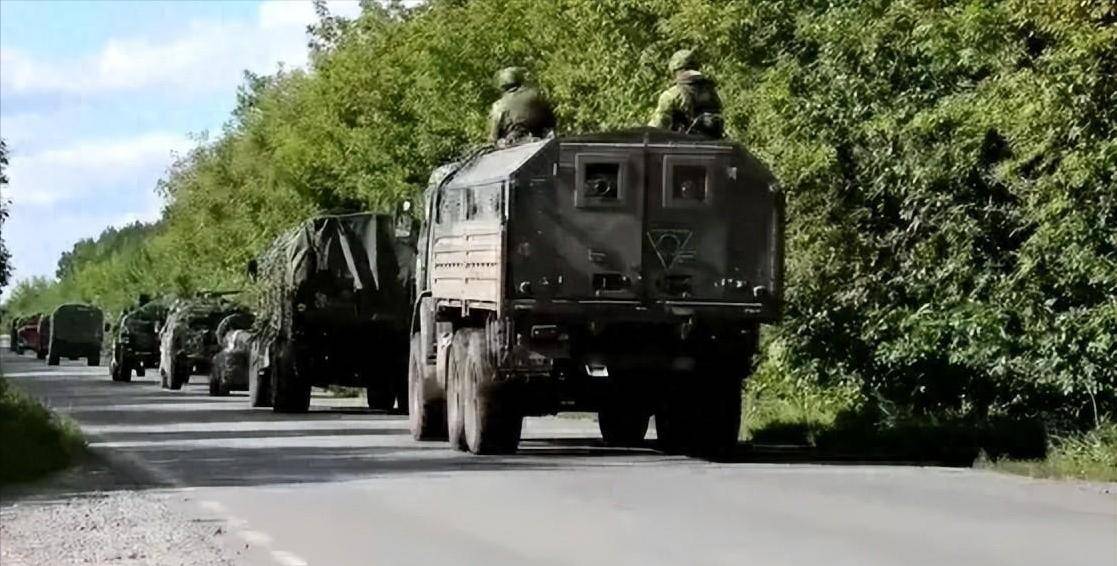
中国民企“造太阳”:一场关乎终极能源的豪赌,开始了!
Sou Hu Cai Jing· 2025-06-17 06:23
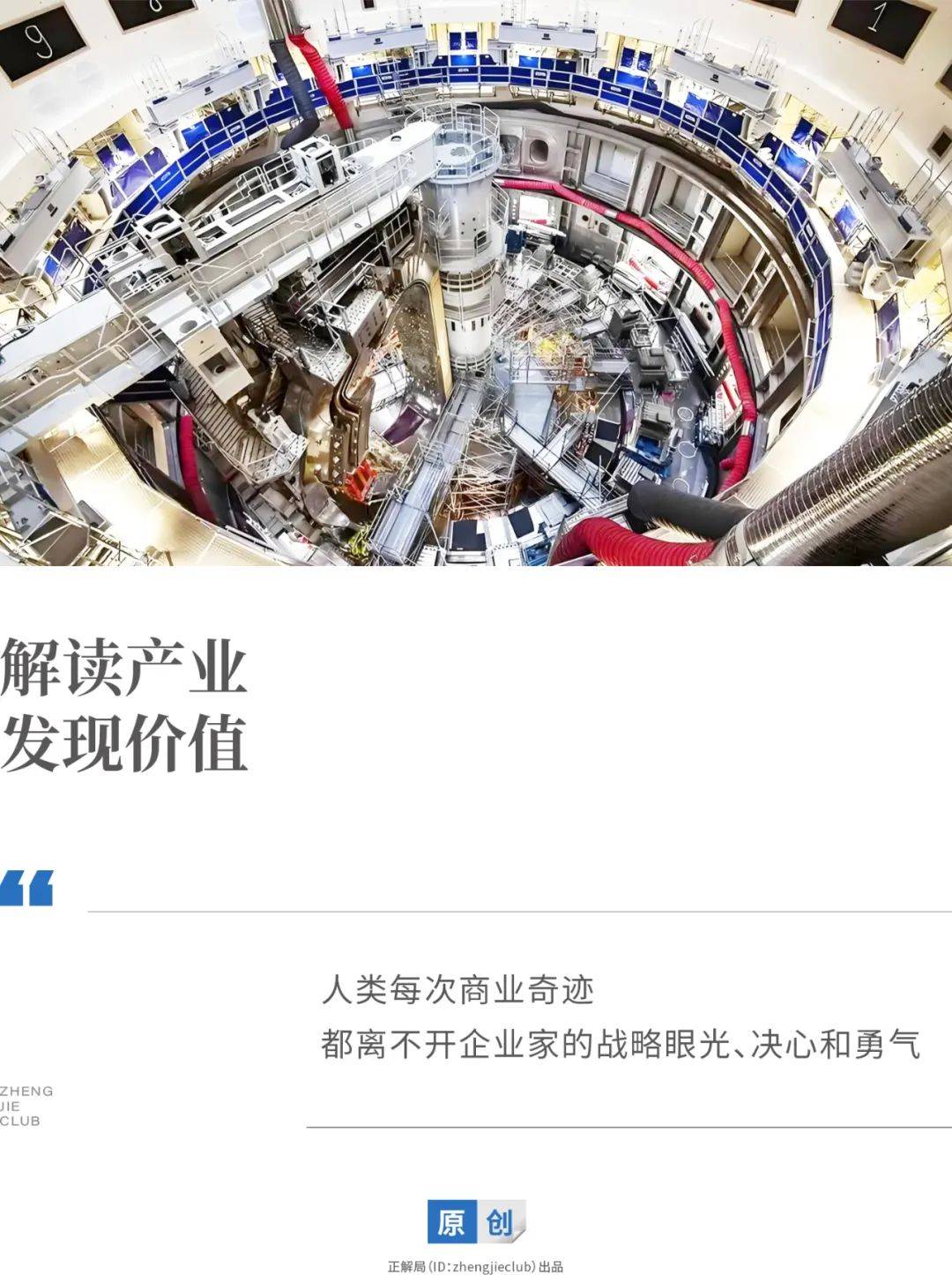
Core Insights - The article draws a parallel between the historical achievement of laying the transatlantic cable and the current pursuit of controlled nuclear fusion, highlighting the strategic vision and determination required in both endeavors [9][10]. Historical Context - In 1854, an American businessman named Field aimed to lay a transatlantic cable, which was deemed impossible due to the technological limitations of the time [3][4]. - After multiple failed attempts, including a significant setback in 1865, Field finally succeeded in 1866, enabling communication between the UK and the US, which was celebrated as a monumental achievement [5][6][7]. Current Industry Focus - Controlled nuclear fusion is emerging as a critical area of competition among nations, with significant investments and research efforts directed towards making it a viable energy source [10][11]. - The raw materials for nuclear fusion, such as deuterium and tritium, are abundant, with deuterium found in seawater, making it a potentially limitless energy source [12]. Investment and Development - The International Thermonuclear Experimental Reactor (ITER) project in France represents a significant global effort in nuclear fusion research, with various countries, including China, actively participating [14]. - Chinese private enterprises, such as New Hope Group, are increasingly involved in nuclear fusion projects, marking a shift from state-dominated initiatives to private sector participation [19][21]. Technological Milestones - New Hope Group's "Xuanlong-50U" device achieved its first plasma discharge in January 2024, marking a significant step in the development of controlled nuclear fusion technology [21]. - The project is notable for being the first privately initiated controlled nuclear fusion project in China, focusing on the hydrogen-boron fusion route, which is less common than the deuterium-tritium approach [21][22]. Challenges Ahead - The path to achieving practical nuclear fusion is fraught with challenges, including the need for extremely high temperatures and effective plasma confinement [31]. - The hydrogen-boron fusion route presents additional difficulties, requiring temperatures around 3 billion degrees Celsius, which have never been achieved [31]. Market Dynamics - The global investment landscape for nuclear fusion has seen a surge, with approximately $6.5 billion invested in commercial fusion startups over the past five years, indicating a growing interest from private capital [41]. - The flexibility and rapid decision-making capabilities of private enterprises may lead to faster advancements in nuclear fusion technology compared to government-led initiatives [42]. Future Outlook - The article concludes that while significant progress has been made, the journey towards commercial nuclear fusion is still in its early stages, with many hurdles to overcome before it can become a practical energy source [46].

科威特说国内核辐射状况正常且稳定
news flash· 2025-06-17 03:49
Core Viewpoint - Kuwait's official agencies have stated that the current nuclear radiation status in the country is "normal and stable," amid public concerns regarding potential attacks on the Iranian nuclear power plant by Israel, which could lead to leaks [1] Group 1: Nuclear Safety Concerns - The proximity of Kuwait to Iran's Bushehr nuclear power plant, located approximately 300 kilometers away, raises safety concerns for the Kuwaiti population [1] - Kuwait is monitoring the situation closely, particularly regarding the potential for seawater contamination if the Iranian nuclear facility is attacked [1]
Prediction: 2 Stocks That Will Be Worth More Than NuScale Power 10 Years From Now
The Motley Fool· 2025-06-17 00:50
Core Viewpoint - Nuclear power is gaining attention, with NuScale Power's market cap at $11 billion and a stock increase of 360% over the past year, but it is a pre-revenue company with significant risks [1][11][12] Group 1: NuScale Power - NuScale Power has a market cap exceeding $10 billion but generates zero revenue currently, relying on contracts for future projects [11][12] - The company is not expected to generate revenue until 2030, and even then, it may be negligible due to unproven technology and previous project cancellations [12][13] - The stock is considered risky, with expectations of declining value over the next decade [13] Group 2: Rocket Lab - Rocket Lab has a similar market cap to NuScale Power but generates revenue, distinguishing it as a more viable investment [2][5] - The company has successfully completed 59 launches and has 31 planned missions, positioning itself as a competitor to SpaceX [3][5] - Rocket Lab's revenue stands at $466 million, with potential for significant growth through the introduction of the Neutron rocket and a product backlog exceeding $1 billion [5] Group 3: Rivian Automotive - Rivian Automotive, currently down 92% from its all-time highs, aims to recover with new product launches, including the R2 mid-size SUV priced at $45,000 [6][8] - The company has struggled with stagnating deliveries, currently below 50,000, and negative free cash flow of $1.86 billion over the past year [8][9] - With a scaled-up operation, Rivian could increase annual revenue from $5 billion to between $15 billion and $20 billion, potentially achieving a market cap larger than NuScale Power in 10 years [9]