房地产投资

Search documents
捷克房地产投资创四年新高
Shang Wu Bu Wang Zhan· 2025-10-10 18:02
Core Insights - The total real estate investment in the Czech Republic reached €2.12 billion in the first half of 2025, marking a 152% year-on-year increase and surpassing the total transaction volume of the previous four years [1] - Significant transactions included the acquisition of the Contera industrial park portfolio by Blackstone and the purchase of Hilton and Four Seasons hotels in Prague by PPF Group [1] - Industrial and logistics properties accounted for 33% of total transaction volume, hotels for 23%, office and retail properties each for 12%, and residential rental properties for 10% [1] - Nearly 80% of the investment capital originated from domestic investors, indicating strong local interest in the market [1] - Colliers projects that the total real estate investment for the year could reach €3.5 billion, potentially setting a ten-year investment peak [1]
高山企业(00616.HK)拟收购卓益全部股本
Ge Long Hui· 2025-10-10 13:19
Core Viewpoint - The company has entered into a conditional sale agreement to acquire all issued shares of 卓益, which will enhance its real estate asset portfolio at a reasonable price given the current market conditions [1][2] Group 1: Transaction Details - The sale agreement was made on October 10, 2025, between Easyknit Properties (as the seller) and the company (as the buyer) [1][2] - The acquisition price is approximately HKD 295 million, which is the net amount of outstanding payments expected to be paid to 卓益's ultimate holding company and its subsidiaries on the completion date [1] - 卓益's significant asset includes a property located at 19 Garden Street, Mong Kok, Kowloon, with a total saleable area of 13,544 square feet [1] Group 2: Asset Composition - 卓益's other assets primarily consist of listed equity securities in Hong Kong, including 42,308,000 shares of 百福控股有限公司 valued at approximately HKD 46.3 million as of March 31, 2025 [1] - The 42,308,000 shares of 百福控股有限公司 will be transferred to another wholly-owned subsidiary of Easyknit Properties before completion [1] Group 3: Strategic Implications - The acquisition aligns with the company's core business of property investment and is seen as a strategic move to strengthen its real estate asset portfolio [2] - The company maintains a cautiously optimistic outlook on the Hong Kong real estate and securities market, indicating a commitment to seek suitable investment and divestment opportunities [2] - The terms of the sale agreement were negotiated fairly, and the board believes it is in the overall interest of the company and its shareholders [2]
美国房地产首富儿子涉巨额诈骗,被父亲断绝关系!他号称打造豪华俱乐部,每月1万多美元就能享受各项服务
Mei Ri Jing Ji Xin Wen· 2025-10-07 13:35
Core Insights - Donald Bren, the wealthiest real estate mogul in the U.S., has severed ties with his 33-year-old illegitimate son, David Bren, due to fraudulent activities involving a fictitious luxury club project that deceived investors out of over $2 million [1][3]. Group 1: Fraudulent Activities - David Bren created a fake business project called "The Bunker," marketed as an exclusive men's club offering luxury services, including access to a fleet of supercars and high-end dining, with a membership fee of $14,500 per month [1][3]. - The project was a fabrication aimed at funding David Bren's lavish lifestyle, described as a meticulously crafted "slide show" rather than a legitimate business [1][3]. - Several investors were lured by extravagant events and claims of direct access to Donald Bren, leading to significant financial losses, including a tragic case of an investor who committed suicide after losing a substantial amount [3]. Group 2: Donald Bren's Background - Donald Bren is the chairman of Irvine Company, a prominent real estate investment firm that owns over 115 million square feet of property, including 500 office buildings, more than 40 shopping centers, and nearly 60,000 apartments [4]. - As of March 27, 2025, Donald Bren was ranked 118th on the Hurun Global Rich List, with a net worth equivalent to 130 billion RMB, or approximately $19.2 billion [4]. - Known for his meticulous and reclusive lifestyle, Donald Bren avoids media interactions and maintains strict control over his business dealings, including using the same font in all documents and refusing to share elevators with others [6].


为啥有钱人开始收购步梯房?内内行人说出实情,我恍然大悟
Sou Hu Cai Jing· 2025-10-06 07:47
Core Insights - The article discusses a shift in real estate investment focus towards older, low-rise buildings in city centers, which are perceived as valuable urban "equity" rather than mere physical properties [1][3][10] Group 1: Investment Perspective - Investors are purchasing not just buildings, but the core, scarce "equity" of the city, as these older low-rise buildings occupy prime locations that cannot be replicated [3][5] - The value of properties in top school districts with comprehensive amenities is significantly higher than that of luxury villas in suburban areas, emphasizing the importance of location [5][8] - These properties are seen as resilient assets with minimal speculative risk, having undergone rigorous valuation over time [5][8] Group 2: Lifestyle and Experience - The modern emphasis on efficiency has led to a loss of personal connection with time, and owning a low-rise building allows for a more mindful and connected lifestyle [5][6] - The experience of walking up stairs rather than using elevators fosters a deeper appreciation for life and community interactions [5][6] Group 3: Risk Management - Low-rise buildings present a simpler living experience with lower maintenance risks compared to high-rise apartments, which rely on complex systems that can fail [6][8] - These properties serve as a stabilizing asset in investment portfolios, providing a "safe harbor" during market fluctuations due to their enduring value [8][10]
星凯控股发盈警 预期年度取得股东应占亏损同比扩大至1.4亿至1.48亿港元
Zhi Tong Cai Jing· 2025-09-26 12:46
Core Viewpoint - Xingkai Holdings (01166) expects a significant increase in losses for the fiscal year ending June 30, 2025, with estimated losses ranging from HKD 140 million to HKD 148 million, compared to approximately HKD 88.516 million for the fiscal year ending June 30, 2024 [1] Financial Performance - The company anticipates a rise in losses despite a reduction in the fair value losses of investment properties compared to the previous period [1] - The expected increase in losses is attributed to a decline in revenue and gross profit, impairment losses on mining rights, and a decrease in deferred tax credits [1]
星凯控股(01166)发盈警 预期年度取得股东应占亏损同比扩大至1.4亿至1.48亿港元
智通财经网· 2025-09-26 11:06
Core Viewpoint - Xingkai Holdings (01166) expects a significant increase in losses for the fiscal year ending June 30, 2025, with projected losses between HKD 140 million and HKD 148 million, compared to approximately HKD 88.516 million for the fiscal year ending June 30, 2024 [1] Financial Performance - The company anticipates an increase in losses despite a reduction in fair value losses of investment properties compared to the previous period [1] - The expected increase in losses is attributed to a decline in revenue and gross profit [1] - The company has recognized impairment losses on mining rights during the period, contrasting with the previous period where impairment losses were reversed [1] - There is a decrease in deferred tax credits recognized during the period compared to the previous period [1]
时计宝发盈警,预期年度公司拥有人应占亏损1700万港元 同比盈转亏
Zhi Tong Cai Jing· 2025-09-18 10:53
Core Viewpoint - The company expects a loss of approximately HKD 17 million for the fiscal year 2025, contrasting with a profit of HKD 33.6 million for the fiscal year 2024 [1] Financial Performance - The anticipated loss for fiscal year 2025 is primarily attributed to a projected revenue decrease of about 22% compared to fiscal year 2024 [1] - For the fiscal year 2024, the company reported a profit attributable to shareholders of approximately HKD 33.6 million [1] Market Conditions - The decline in revenue is linked to global trade tensions that have weakened consumer sentiment in the Chinese retail market, negatively impacting local economic and employment growth [1] - The property markets in Hong Kong and mainland China are described as weak, leading to fair value losses on the company's investment properties [1]
越来越多人在偷偷收购“步梯房”?内行人说出大实话,太真实了...
Sou Hu Cai Jing· 2025-09-18 00:18
Core Viewpoint - The resurgence of interest in older walk-up apartments, particularly top-floor units, is driven by their affordability and potential for future value appreciation through urban redevelopment and renovation projects [1][3]. Group 1: Market Dynamics - Older walk-up apartments are being purchased due to their significantly lower prices compared to newer developments, with examples showing prices as low as 200 million yuan for 60 square meters in Shenzhen and 10 million yuan for 80 square meters in Tonghua [3]. - The price difference for top-floor units can be substantial, with savings of 40-50 million yuan for a 100 square meter apartment in Shanghai compared to lower floors, creating a profit margin for investors [3]. Group 2: Investment Opportunities - Investors are betting on potential demolition and compensation, as compensation is calculated based on area rather than floor level, leading to high return rates if redevelopment occurs [5]. - Renovation of older apartments can significantly increase their value, with post-renovation price premiums of 15% and rental yields rising by 15-20%, making them attractive for rental income [6][7]. Group 3: Government Policies - Local governments are actively purchasing older properties for redevelopment, which boosts market confidence and provides a safety net for investors [9][11]. - Policies supporting the acquisition of older properties are making previously unsellable units more appealing, as they may be eligible for government buyouts [9]. Group 4: Location and Demand - The location of older walk-up apartments is crucial; those near public transport and essential services are more desirable, ensuring a steady demand for rentals and easier resale [12]. - Low total price points for small units are attracting budget-conscious investors, with quick turnover potential in markets like Weihai [14]. Group 5: Risks and Considerations - While top-floor units offer high potential returns, they also come with risks such as uncertain demolition plans and high maintenance costs due to aging infrastructure [16].
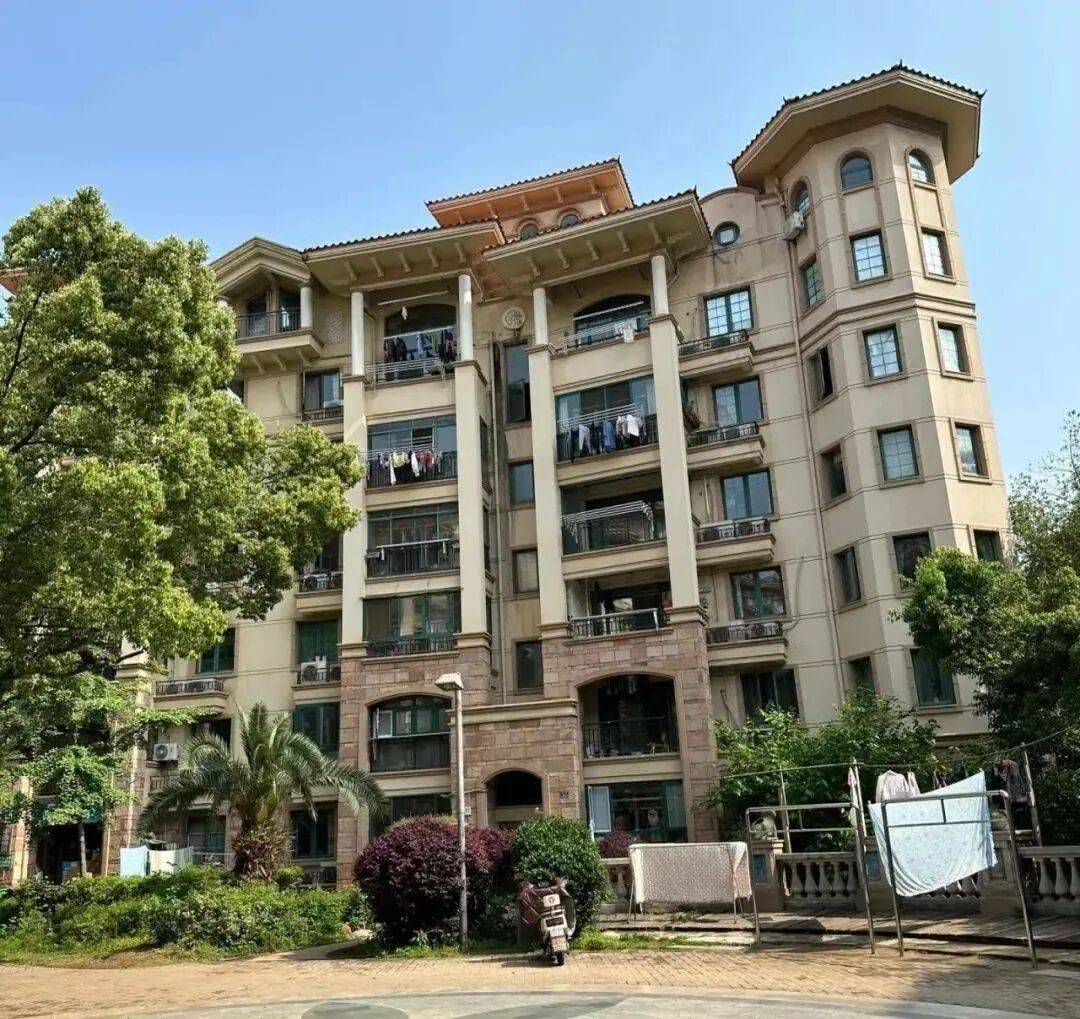
1.3万亿“囤房”,最大炒房团,终于要清仓走人了?
Sou Hu Cai Jing· 2025-09-17 01:48
Core Viewpoint - The article discusses the significant amount of capital, approximately 1.3 trillion, that is tied up in real estate by listed companies in China, highlighting the phenomenon of these companies acting as major players in the real estate market rather than focusing solely on their core businesses [1][3]. Group 1: Real Estate Investment by Companies - Nearly half of the listed companies in the A-share market, totaling 1,826 firms, hold substantial investment properties, collectively valued at 1.3 trillion [3]. - Companies from various sectors, including clothing, technology, and even agriculture, are involved in real estate speculation, indicating a widespread trend of "part-time" real estate investment among diverse industries [3]. Group 2: Reasons for Real Estate Investment - Companies engage in real estate investment primarily for quick financial returns, with some firms relying on property sales to improve their financial statements and avoid losses [5][10]. - Selling just a few properties can lead to significant profits, allowing companies to turn losses into profits, exemplifying a reliance on real estate for financial survival [5][10]. Group 3: Impact of Real Estate on Financial Health - A case study illustrates a company that, facing substantial losses, sold eight properties to potentially avoid delisting, highlighting the reliance on real estate to maintain operational status [8]. - Many companies consistently report losses but remain unconcerned due to their valuable real estate holdings, which they can liquidate to cover operational costs [10][12]. Group 4: Market Dynamics and Challenges - The article notes a surge in property listings as companies attempt to sell off real estate, but the current market conditions make it difficult to find buyers, leading to a potential oversupply situation [17][18]. - Only about 16% of investors are willing or able to purchase properties, indicating a significant mismatch between supply and demand in the real estate market [18]. Group 5: Broader Implications for Society - The speculative nature of real estate investment by companies has led to inflated property prices, adversely affecting ordinary citizens who struggle to afford homes [21]. - If companies proceed with large-scale property sales, it could trigger a chain reaction in the market, resulting in declining property values and increased financial risks for the broader economy [22][24].
日本房地产投资创2007年以来新高,海外投资者成主要推动力量
Huan Qiu Wang· 2025-09-16 00:35
Core Insights - Japan's real estate investment reached 3.19 trillion yen in the first half of 2025, marking a 22% year-on-year increase and the highest level recorded since 2007 [1] - Tokyo led global cities with an investment of 16 billion USD, surpassing New York and London, indicating strong global capital confidence in Japan's real estate market [1] - The investment surge is driven by a low interest rate environment and rising rental expectations, particularly for office spaces in central Tokyo [1] Investment Trends - The investment share in the Osaka region dropped from 21% in the previous year to 10%, attributed to the conclusion of the hotel investment boom driven by the Osaka Kansai Expo [1] - This regional disparity highlights the structural characteristics of Japan's real estate market, with Tokyo solidifying its status as an international financial center while other areas depend on specific events for investment [1] Foreign Investment Impact - Foreign investors have become a significant force in Japan's real estate growth, with overseas capital investment surging to 1.09 trillion yen, a 3.7-fold increase, accounting for 34% of total investments [1] - If interest rates rise further, a slight increase in returns is expected, providing additional upside potential for investors [1]