旅游服务

Search documents
义乌旅游预订增长131%
Di Yi Cai Jing· 2026-02-17 12:05
Core Insights - The Spring Festival Gala this year has set up four sub-venues in addition to the main venue in Beijing, located in Harbin, Yiwu, Hefei, and Yibin [1] Tourism Trends - As of February 17, hotel booking volumes in popular shopping districts in Hefei have increased by over 100% year-on-year, while Yibin has seen a growth of over 50% [1] - Harbin has entered the top 10 most popular inbound tourism cities during the Spring Festival, attracting more foreign visitors [1] - Yiwu has achieved a booking growth rate of 131%, placing it on the rising popularity list for inbound tourism [1]
多地实现两位数增长,今年或是旅游“最热春节”?
Zhong Guo Jing Ying Bao· 2026-02-17 11:51
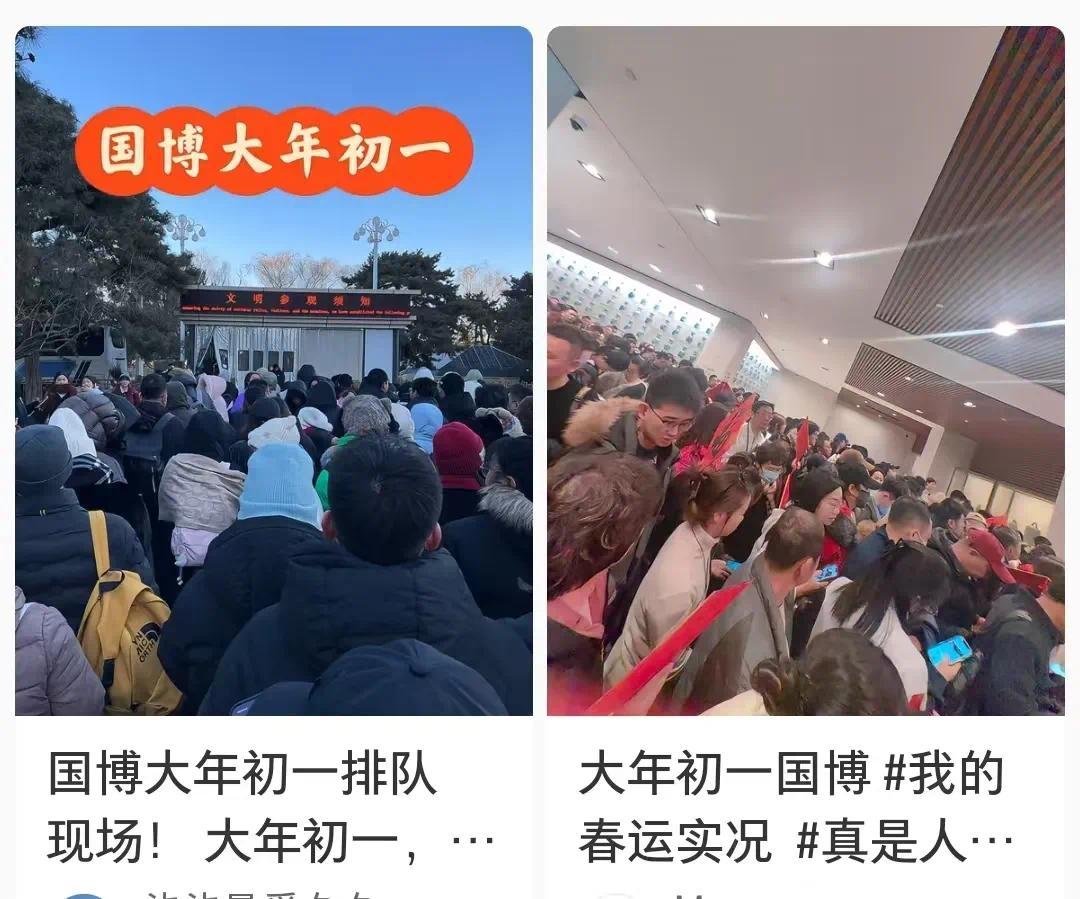
Core Insights - This year's Spring Festival has seen a significant increase in travel, with more people choosing to travel during the holiday compared to previous years [1][18] - Data from various platforms indicate a substantial rise in tourism-related bookings and visitor numbers during the holiday period [1][11][14] Travel Trends - The number of hotel bookings has increased by over 80% year-on-year, and ticket sales for attractions have risen by 54% during the first three days of the holiday [1] - Major tourist destinations, including the National Museum of China and various scenic spots across cities like Shanghai and Nanjing, reported double-digit growth in visitor numbers [2][11][14] Flight and Accommodation Insights - Airfare has dropped significantly, with some flights being cheaper than train tickets, leading to an earlier peak in travel compared to traditional patterns [15] - Flight bookings for the first three days of the holiday have surged, with a 54% increase in hotel occupancy on February 17 compared to the previous day [17] Market Predictions - The 2026 Spring Festival is projected to be the hottest in history, driven by extended holiday periods, family travel demand, and an influx of foreign tourists experiencing the Chinese New Year [18] - The unique timing of the holiday this year has encouraged earlier travel, with the peak travel day shifting to the first day of the New Year [18]

春晚四大分会场火了,义乌旅游预订增长131%
Xin Lang Cai Jing· 2026-02-17 09:09
Core Viewpoint - The Spring Festival Gala this year has expanded its reach by setting up four sub-venues in different cities, leading to a significant increase in tourism activity in these locations [1] Group 1: Venue and Tourism Impact - The four sub-venues are located in Harbin, Yiwu, Hefei, and Yibin, which have seen a rise in tourism interest [1] - As of February 17, hotel booking volume in Hefei's popular commercial areas has increased by over 100% year-on-year, while Yibin has experienced a growth of over 50% [1] - Harbin has entered the top 10 most popular inbound travel cities during the Spring Festival, while Yiwu has achieved a booking growth rate of 131%, making it one of the fastest-growing cities for inbound tourism [1]
春晚四大分会场火了 义乌旅游预订增长131%
Di Yi Cai Jing· 2026-02-17 08:14
Group 1 - The Spring Festival Gala this year featured four sub-venues in addition to the main venue in Beijing, located in Harbin, Yiwu, Hefei, and Yibin [1] - The tourism popularity of these four cities has significantly increased, with hotel bookings in Hefei rising over 100% year-on-year as of February 17 [1] - Yibin experienced a growth of over 50% in hotel bookings, while Harbin and Yiwu attracted more foreign visitors, with Harbin ranking in the top 10 most popular inbound travel cities during the Spring Festival [1] Group 2 - Yiwu saw a remarkable booking growth rate of 131%, placing it on the list of cities with rising inbound travel popularity [1]
新春走基层 | 龙门大桥通 渔家跃龙门
Guang Xi Ri Bao· 2026-02-17 02:08
Core Insights - The article highlights the transformation of Longmen Port Town in Qinzhou City, which has become a popular coastal tourism destination due to the completion of Longmen Bridge and the ongoing construction of the Pinglu Canal [1][12] Economic Impact - The completion of Longmen Bridge has significantly increased tourist traffic, with local fishermen like Feng Huaifu now selling oysters directly to visitors instead of waiting for buyers [3][6] - The local economy has seen a threefold increase in orders for seafood restaurants and homestays since last year, with seafood sales exceeding 5 million yuan and restaurant revenues adding 3 million yuan [11] Community Transformation - Fishermen are adapting to the influx of tourists, with many converting their homes into guesthouses and restaurants, leading to a shift from traditional fishing practices to hospitality services [10][11] - The local community is experiencing a cultural shift, with fishermen now engaging with tourists and showcasing their catch, which has become a source of pride and economic opportunity [5][10] Future Prospects - The anticipated completion of the Pinglu Canal is expected to further enhance connectivity and market access, promising even greater economic benefits for the local fishing community [9][11]
小城灯会年味浓
Xin Lang Cai Jing· 2026-02-16 23:39
Core Viewpoint - The 2026 Xinji Aosen Night Spring Lantern Festival has gained popularity among local residents and tourists, showcasing local culture and attracting significant attendance [1][2]. Group 1: Event Highlights - The festival features the "Golden Deer Goddess" lantern group, which stands 12 meters tall and symbolizes the city's cultural heritage as "Deer City" [1][2]. - The "Galloping Horses" lantern group spans 40 meters across the lake, embodying the city's spirit of progress and incorporating traditional auspicious patterns [2]. - A 1500-meter corridor of lanterns connects the stories of 15 townships, highlighting local products and tourism resources [2]. Group 2: Visitor Experience - The festival includes a "Childhood Dream Wonderland" area with space-themed lanterns, engaging children and connecting them to traditional customs [2]. - Interactive NPCs such as "Red String Immortal" and "God of Wealth" enhance visitor engagement, particularly among younger audiences [2][3]. - The festival promotes local culinary experiences, encouraging visitors to try local specialties like clay pot lamb skewers and cold drinks [2][3]. Group 3: Economic Impact - The event integrates local commerce, including fur, retail, dining, and accommodation, creating a vibrant atmosphere for visitors [3]. - A special "Xinji Leather Culture One-Day Tour" has been launched, combining cultural experiences, shopping, and dining with the lantern festival [3].
英国游客抵京喜提新春大礼包
Xin Lang Cai Jing· 2026-02-16 21:33
Group 1 - The core idea of the news is the launch of a "New Year Gift Package" by Beijing's cultural and tourism bureau to welcome British tourists arriving in Beijing, enhancing cultural exchange and tourism ties between China and the UK [1][2] - The "send-off and welcome" event included a warm send-off in London and a reception in Beijing, showcasing the importance of bilateral cultural exchanges [2] - The gift package contained tickets to the Beijing Dadu New Year Temple Fair, Peking Opera performances, brochures for premium inbound tourism routes, and various small gifts, aiming to create a festive atmosphere for the arriving tourists [1] Group 2 - The event aligns with the consensus reached by leaders of China and the UK, emphasizing the importance of deepening bilateral cultural exchanges and promoting mutual understanding [2] - Data indicates that by 2025, the number of British tourists visiting Beijing is expected to reach 117,500, marking a significant growth point for inbound tourism in Beijing [2] - Starting from February 17, 2026, China will implement a visa exemption policy for ordinary passport holders from Canada and the UK, facilitating easier travel for business, tourism, family visits, and transit for up to 30 days [2]

听,团圆之声
Xin Hua She· 2026-02-16 13:22
Group 1 - The core theme of the article revolves around the concept of reunion during the Spring Festival, emphasizing the importance of family gatherings for millions of Chinese people [1] - A notable trend this year is the "reverse reunion," where individuals working in major cities invite their parents from rural areas to celebrate the New Year together, showcasing a shift in traditional reunion practices [3][5] - Data from Tongcheng Travel indicates a significant increase in flight bookings from smaller airports to major cities, with a 35% year-on-year rise in ticket reservations for travelers aged 60 and above during the Spring Festival [5] Group 2 - The article highlights the dedication of individuals who remain on duty during the holiday season, ensuring the safety and well-being of others while expressing their own longing for family reunions [8] - The sentiment of reunion is further illustrated through various personal reflections, where individuals express their hopes for happiness, health, and prosperity during the New Year [11]

(新春走基层)广西侗寨绿叶成“金叶” 村民喜提“新春红包”
Xin Lang Cai Jing· 2026-02-16 10:54
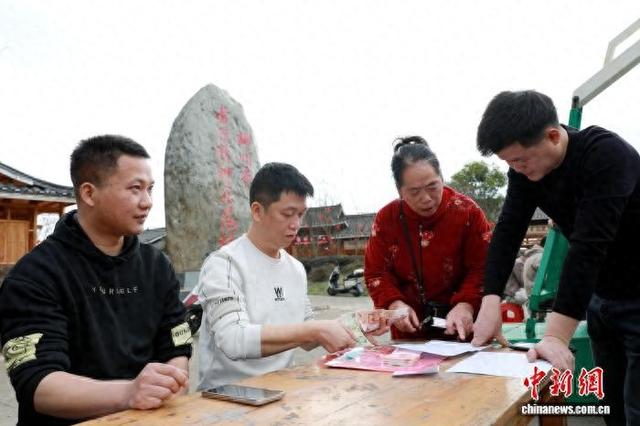
Core Viewpoint - The article highlights the successful implementation of a collective economic model in Buan Village, Guangxi, which has transformed the local economy and improved the livelihoods of its residents through profit-sharing from tea and tourism ventures [1][3][4]. Group 1: Economic Impact - A total of 322 households benefited from the profit-sharing event, with a total distribution amounting to 157,000 yuan [3]. - The profit-sharing model includes "land shares, natural shares, and cash shares," allowing resources to be converted into assets and farmers to become shareholders [3][4]. Group 2: Development of the Village - Buan Village, once known for its poverty, has developed over 30 years into a thriving area with over 3,900 acres of tea gardens [3][4]. - The establishment of a tourism company in 2014 and the recognition of the Buan Xianren Mountain Scenic Area as a national 4A-level tourist site in 2018 have significantly contributed to the village's economic transformation [4]. Group 3: Community Engagement and Entrepreneurship - The village has developed over 70 tea shops and 18 homestays, enabling residents to work as guides, performers, and sellers of local products [4]. - Local entrepreneur Wu Yuanshi has successfully marketed Buan tea online, showcasing the potential for e-commerce in rural areas [4].
一座边境小城,如何接住千万级流量?|故乡里的中国
经济观察报· 2026-02-16 08:20
Core Viewpoint - Yanji, a small border city in Northeast China, is experiencing a unique transformation by embracing the flow economy while maintaining its traditional lifestyle and cultural essence [7][35]. Group 1: Economic Transformation - The water market in Yanji has evolved from a local morning market to a bustling hub attracting tourists, with significant changes observed over the past three years [4][5]. - The number of travelers at Yanji West Station has tripled, and the city is projected to receive 11.6 million tourists by 2025, generating a tourism revenue of 16.98 billion yuan [6][8]. - Local businesses have adapted to the influx of visitors, with traditional food stalls and shops transforming to cater to new demands, such as the rise of Korean traditional clothing experience stores [15][19]. Group 2: Cultural and Commercial Dynamics - Yanji's commercial landscape features a blend of modern and traditional elements, with over 500 registered coffee shops catering to a population of approximately 680,000, showcasing a high density of cafes compared to first-tier cities [23]. - The city maintains a vibrant atmosphere with a mix of traditional markets and modern establishments, creating a unique commercial charm that balances contemporary trends with local culture [24][25]. - The local community has embraced the changes brought by the flow economy, with residents adapting their businesses to meet the preferences of both locals and tourists [33]. Group 3: Community and Identity - Yanji's identity as a border city is reflected in its local slogan emphasizing shared experiences and community ties, highlighting its role as a gateway to Northeast China [30][32]. - The city has not rushed to expand but has instead focused on growing around the needs of its people, fostering a lifestyle that is both relaxed and engaged with ongoing changes [34]. - The story of Yanji illustrates how smaller cities can thrive amidst urbanization by leveraging their unique cultural heritage and adapting to new economic opportunities [35].