小商品零售

Search documents
有预感,过年这5个行业,将大赚特赚
Sou Hu Cai Jing· 2026-02-08 08:05
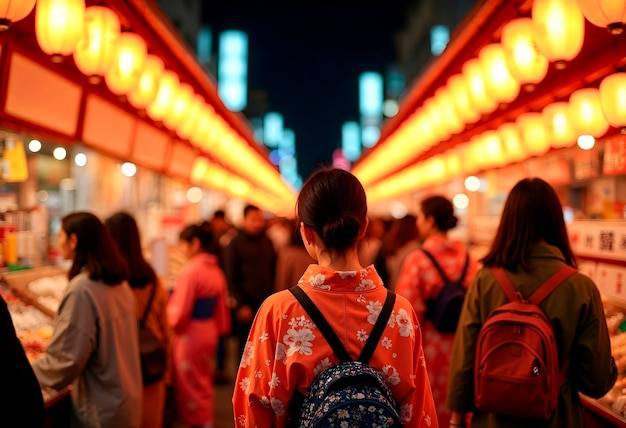
Group 1 - The article highlights five lucrative sectors during the Chinese New Year, indicating that while some people feel financially constrained, there are opportunities for profit in various industries [1] - Traditional cultural activities, once considered outdated, have become popular during the Spring Festival, with performances like lion dances and folk dances being heavily booked by businesses and malls [3] - The demand for handmade items and experiences is rising, with consumers preferring to create their own decorations rather than purchasing ready-made products, reflecting a trend towards experiential consumption [4] Group 2 - Young consumers, particularly those born in the 1990s and 2000s, are increasingly willing to spend on cute and trendy decorations, which are affordable and visually appealing [6] - Simple interactive games for children, such as duck fishing, are generating significant revenue for vendors during the holiday season, with some earning thousands of yuan daily [6] - Street food sales have surged during the festival, with local delicacies and visually appealing snacks being particularly popular, indicating a shift towards experiential and visually engaging food options [8] Group 3 - The Chinese New Year is not only a peak consumption period but also a time for many to explore new income opportunities, suggesting a vibrant market for innovative business ideas [10]

叶国富的IP豪赌:6000家门店换一个宇宙
3 6 Ke· 2026-01-09 12:39
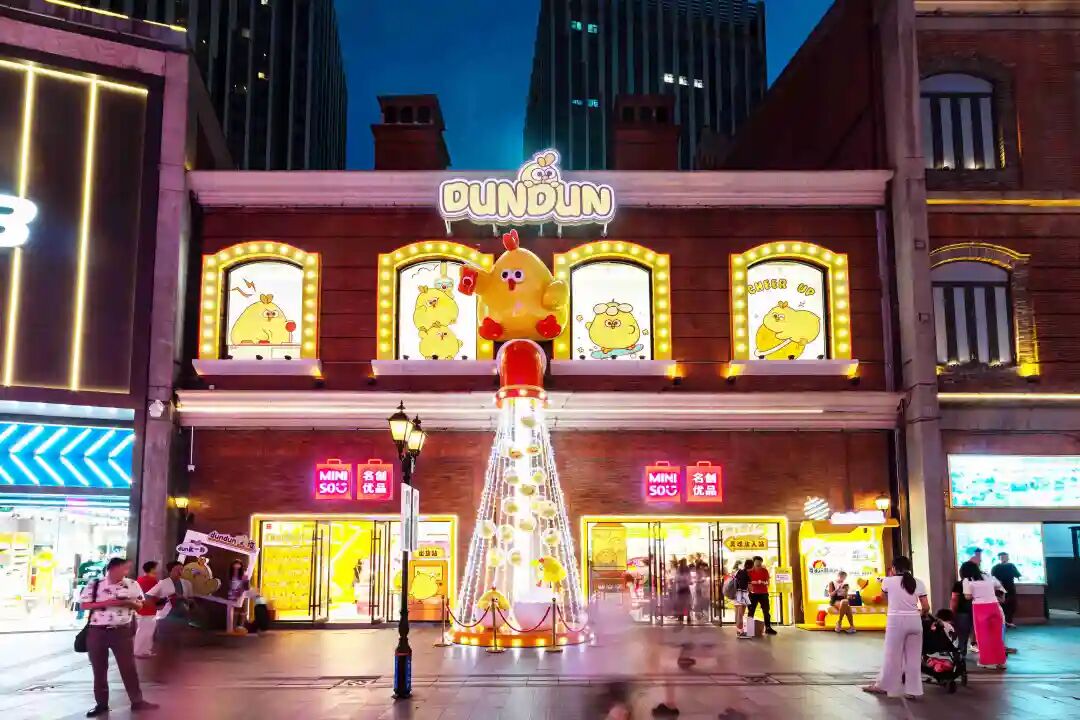
Core Insights - The article discusses the transformation of MINISO from a retail company to a cultural and creative group, aiming to become a global leader in IP operations, akin to Disney [1][11] - The company plans to upgrade its store model and product structure, increasing the proportion of IP products from 50% to over 80% [1][11] Group 1: Company Transformation - MINISO is undergoing a significant transformation, referred to as "腾笼换鸟," which involves closing and reopening 80% of its stores, impacting nearly 6,000 locations [1][3] - The new store model will feature larger thematic immersive spaces, moving from stores under 200 square meters to those between 400-600 square meters [1][3] - The company aims to shift its focus from merely selling products to selling culture, thereby creating a more engaging consumer experience [11][12] Group 2: Market Position and Strategy - Since its inception in 2013, MINISO has rapidly expanded to over 8,000 global stores by leveraging its channel advantages [2] - The founder, Ye Guofu, recognizes the limitations of relying solely on scale and is pivoting towards an IP ecosystem to enhance competitiveness [3][11] - The competition with Pop Mart, a leading player in the collectible toy market, highlights the strategic battle for "dream-making rights" in the IP retail space [4][17] Group 3: IP Development and Future Plans - MINISO's strategy includes a dual approach to IP development, focusing on both top-tier licensed IPs and original IPs to drive growth [15][11] - The launch of MINISO LAND, a themed store concept, has shown promising results, with one store achieving over 100 million yuan in sales within nine months, with IP products contributing 80% [14][15] - The company plans to recruit top IP design talent globally to enhance its IP incubation capabilities, indicating a commitment to building a robust IP ecosystem [15][11] Group 4: Competitive Landscape - The competition between MINISO and Pop Mart represents a clash between two different business models: MINISO's channel-driven approach versus Pop Mart's content-driven strategy [21][22] - Both companies are striving to create an emotional consumption utopia, emphasizing the importance of storytelling and emotional connection in IP retail [22][24] - The future of IP retail is expected to transcend mere product sales, focusing on creating a comprehensive "IP universe" that integrates various forms of media and consumer experiences [23][24]


浙江义乌新一代市场综合体全球数贸中心启用 从三家小商品经营商看义乌市场跃迁(经济聚焦)
Ren Min Ri Bao· 2025-12-04 22:53
Core Insights - The new global trade center in Yiwu, Zhejiang, known as the sixth-generation market, officially opened in October 2023, marking a significant evolution from the original street market established in the early 1980s [1] Group 1: Market Evolution - The Yiwu market has undergone several transformations since the first small commodity market opened in 1982, evolving from a street market to a modern commercial hub [1] - The first small commodity market had 705 stalls and offered over 2,200 types of goods, while the latest market features a much larger and more spacious environment [2] - The transition from the second-generation market to the third-generation market in 1986 saw the introduction of fixed stalls, enhancing the shopping experience [2][3] Group 2: Business Adaptation - Business owners have adapted to the changing market landscape, with new generations taking over and innovating their product offerings, such as the shift from large plush toys to smaller, trendy items [3] - The new market allows for larger store spaces, enabling businesses to engage in online marketing and social media, appealing to younger consumers [3] Group 3: Brand Development - Entrepreneurs like Chen Jiajia have recognized the importance of building their own brands rather than relying solely on OEM production, leading to a significant increase in brand recognition and sales [4][5] - Chen's brand, "Aiboru," has expanded its product range significantly, increasing from a single product to over 1,000 varieties, and has successfully penetrated international markets [5] Group 4: Technological Integration - The sixth-generation market has implemented advanced digital solutions, including AI applications that assist merchants in design, marketing, and international sales [6][7] - Merchants are utilizing AI technology to enhance operational efficiency, reduce costs, and improve customer engagement through personalized experiences [7][8]
空包而来满载而归 “进货式旅游”吸引国内外游客
Yang Shi Xin Wen Ke Hu Duan· 2025-05-04 09:45
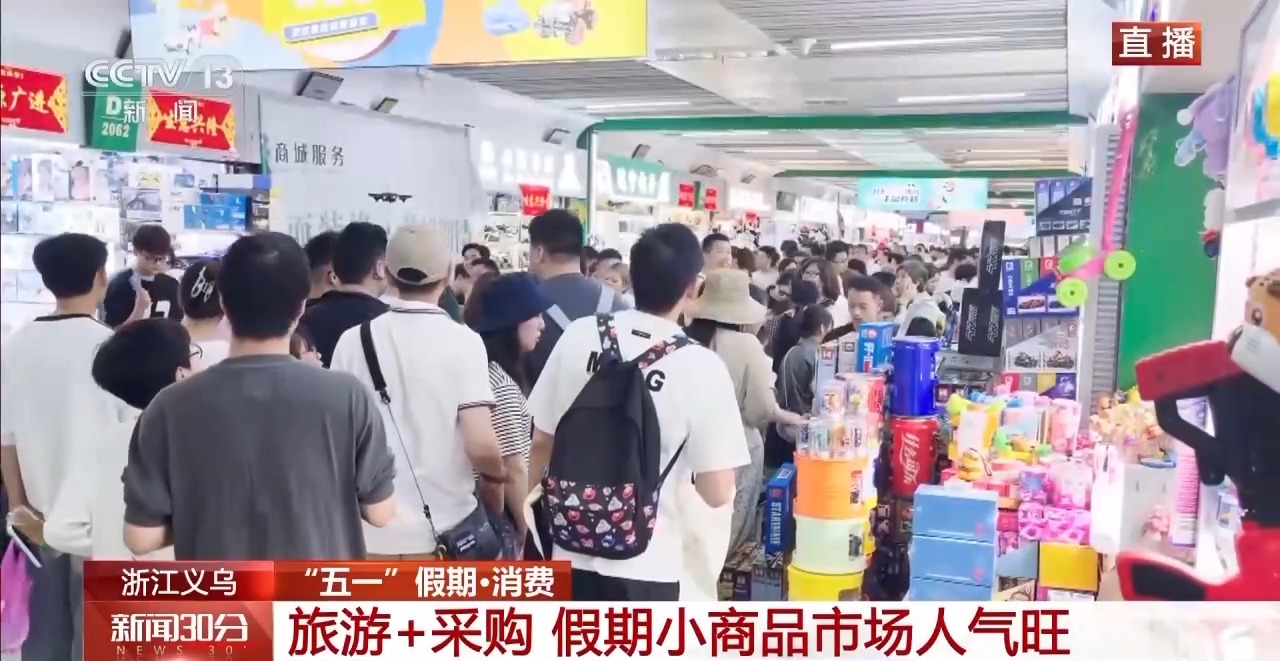
Group 1 - The core viewpoint is that Yiwu, as a new tourism city, is attracting both domestic and international tourists through a "tourism + shopping" consumption model, particularly during the May Day holiday [1] - Yiwu International Trade City, the world's largest small commodity distribution center, is experiencing high foot traffic, with approximately 200,000 visitors expected to enter for purchasing on a single day [1] - The "wholesale retail dual operation" model adopted by merchants in the toy section allows tourists to purchase items at wholesale prices, enhancing the shopping experience [3] Group 2 - The unique "cargo-style tourism" model in Yiwu, where visitors arrive empty and leave with goods, is drawing a significant number of foreign tourists who include Yiwu in their shopping itinerary while visiting China [5] - Yiwu has been selected as a provincial pilot for innovative inbound tourism development, introducing eight major service initiatives to enhance the tourist experience [7] - New tourism routes have been launched, such as "Yiwu Departure: Explore Zhejiang," which connects Yiwu's trade city with cultural sites, providing comprehensive services for transportation and accommodation [7]