消费金融

Search documents
中国消费金融公司展望2026年3月
Zhong Cheng Xin Guo Ji· 2026-03-31 12:28
Investment Rating - The report maintains a stable outlook for the consumer finance industry, indicating that the overall credit quality will not undergo significant changes in the next 12-18 months [3][5][50]. Core Insights - The consumer finance industry is expected to transition from rapid growth to steady development, with policies encouraging consumption and maintaining strict regulations [3][5][50]. - The average loan interest rates for consumer finance companies are under pressure due to declining market rates, and asset quality may experience short-term fluctuations [3][5][50]. - The financing channels for consumer finance companies are continuously expanding, and the value of licenses is becoming more prominent, contributing to stable financial performance [3][5][50]. Summary by Sections Macroeconomic Environment and Industry Policy - The expansion of domestic demand will be a key focus of economic policy in 2026, with further encouragement for the consumer finance industry to support consumption [6][11]. - The regulatory environment remains stringent, guiding consumer finance companies to better fulfill their inclusive finance roles and achieve high-quality development [6][11]. Overall Development of Consumer Finance Companies - As of the end of 2024, the total assets and loan balances of consumer finance companies exceeded 1.3 trillion yuan, but growth rates have significantly slowed compared to 2023 [21][23]. - The average non-performing loan ratio slightly decreased to 1.97%, with a high provision coverage ratio of 292.32%, indicating strong risk mitigation capabilities [28][30]. Financial Performance Analysis - The average loan interest rate for sample consumer finance companies decreased from 15.05% in 2023 to 14.29% in 2024, influenced by market rate declines and tightening credit standards [36][49]. - Financing costs for consumer finance companies have also decreased, with the average financing cost dropping to 2.60% in 2024 [40][49]. Conclusion and Outlook - The consumer finance industry is expected to maintain a stable credit level, with financial performance remaining robust despite potential short-term asset quality fluctuations [3][5][50].
交通银行支持中免腕表节 以金融之力为海南消费添彩
Zhong Guo Jin Rong Xin Xi Wang· 2026-03-25 08:25
Group 1 - The sixth China Duty-Free Watch Festival will be held from March 14 to April 26, 2026, across six stores of China Duty-Free Group in Hainan, with Bank of Communications as a strategic partner to enhance high-end duty-free consumption [1] - The event will feature over 70 global jewelry and watch brands, showcasing rare and limited edition pieces, along with exclusive new products [1] - Bank of Communications credit cards will offer exclusive payment benefits, including time-limited discounts for customers who bind their WeChat Pay accounts, enhancing the shopping experience during the festival [1] Group 2 - For new customers, Bank of Communications credit cards provide special privileges, ensuring a convenient payment experience and discounts during the watch festival [2] - The bank aims to build a comprehensive consumer financial service system that supports high-end duty-free consumption and daily quality living through diverse financial service offerings [2] - The bank will continue to leverage consumption incentives, regular promotional activities, and exclusive rights for new customers to support consumption upgrades and enhance the quality of life for the public [2]

财政贴息“添柴”,交通银行信用卡多措并举“点燃”节日消费活力
凤凰网财经· 2026-03-16 13:05
Core Viewpoint - The article highlights the positive impact of the optimized personal consumption loan subsidy policy by the Ministry of Finance and other departments, which has invigorated the domestic consumption market, particularly through the initiatives of the Bank of Communications' credit card services [1]. Group 1: Consumption Data and Performance - During the 2026 Spring Festival, the Bank of Communications' credit card transactions reached 82.37 million, with a total transaction amount of 31.09 billion yuan, indicating a robust performance in the consumption market [1]. - The average daily transaction volume was 9.15 million transactions, with an average daily transaction amount of 3.46 billion yuan, reflecting an 11.62% increase in transaction volume and a 0.76% increase in transaction amount compared to the same period in 2025 [1]. Group 2: Consumer Incentives and Services - The Bank of Communications has launched various initiatives, including a partnership with the 12306 railway platform to offer discounts for ticket purchases, enhancing the consumer experience and stimulating spending [2]. - The "New Year Celebration" series of activities includes a prize pool for cardholders, encouraging spending through a combination of scratch-off rewards and prize sharing, significantly boosting consumer willingness to spend [2]. - The "Want to Split" installment service integrates the subsidy policy, allowing eligible cardholders to enjoy a 1% annualized interest rate subsidy on installment payments, with a maximum subsidy of 3,000 yuan per person [2]. Group 3: Targeting Specific Consumer Segments - The Bank of Communications is focusing on the "she economy" by extending its consumption incentives and credit support to female consumers, thereby tapping into this demographic's spending potential [3]. - Initiatives such as "Red Friday" and mobile payment discounts are designed to provide tangible support for daily quality consumption across various sectors, showcasing the bank's ability to cater to diverse consumer needs [3]. Group 4: Future Directions - The Bank of Communications aims to continue optimizing its products and service models, focusing on different festive occasions and consumer needs to stimulate domestic demand and enhance consumption vitality [4].


冬天中的信用卡:在周期中长出韧性
21世纪经济报道· 2026-03-11 01:17
Core Viewpoint - The article discusses the recovery of consumer spending in China, highlighting the role of credit cards as a crucial financial tool in facilitating this recovery and addressing the challenges faced by the credit card industry amid economic transitions [1][4]. Group 1: Consumer Spending Recovery - In January 2026, the Consumer Price Index (CPI) showed a mild increase of 0.2% month-on-month and year-on-year, with core CPI for discretionary goods rising by 0.3%, marking a six-month high [1]. - During the longest Spring Festival holiday, domestic travel reached 596 million trips, with total spending hitting 803.48 billion yuan, both setting historical records [1]. - The popularity of trendy blind boxes and cultural products surged, with sales increasing over 100% and 90% respectively, indicating a shift in consumer preferences [1]. Group 2: Policy and Economic Transition - The central economic work conference for 2026 emphasized the importance of domestic demand and the need for policies that directly benefit consumers, fostering new consumption models and releasing service consumption potential [4]. - A shift in policy focus from "price subsidies" to "consumer empowerment" is underway, with measures aimed at supporting consumers' purchasing power [4][10]. - The People's Bank of China has initiated measures to support individuals with damaged credit records, indicating a shift towards enhancing consumer confidence and spending [4]. Group 3: Credit Card Industry Dynamics - The credit card industry has faced significant challenges, with a decline in issuance for 12 consecutive quarters, resulting in a total of 707 million cards by the end of 2025, a decrease of 20 million from the beginning of the year [6][8]. - The total credit balance has contracted by over one trillion yuan from its peak of 8.7 trillion yuan in 2024, reflecting the industry's struggle to adapt to changing economic conditions [6][8]. - Despite these challenges, credit cards have evolved from basic payment tools to essential instruments for stimulating domestic demand and consumer spending [9][15]. Group 4: Credit Card as a Financial Tool - Credit cards have played a pivotal role in transforming consumer behavior, enabling individuals to manage their finances across different periods and fostering a culture of credit awareness [17][19]. - The credit card industry has established a robust infrastructure that supports seamless payment experiences, which is critical for the efficiency of modern financial transactions [19]. - The article argues that credit cards are uniquely positioned to balance consumer needs with financial safety, making them indispensable in the current economic landscape [15][20].

专访全国人大代表葛海蛟:解码中国银行服务扩内需战略的四重角色
21世纪经济报道· 2026-03-11 00:28
Core Viewpoint - The article emphasizes the importance of expanding domestic demand as a strategic focus in China's 14th Five-Year Plan, highlighting the role of financial institutions like the Bank of China in supporting this initiative through enhanced consumer finance services and investment in key sectors [3][4][6]. Group 1: Strategic Focus on Domestic Demand - The 14th Five-Year Plan outlines the need to enhance domestic circulation and increase consumer spending, with a target contribution rate of 67.3% to economic growth by 2025, where final consumption expenditure accounts for 52.0% [6]. - The Bank of China positions itself as a key player in this strategy, aiming to boost consumer spending and support the national goal of building a strong domestic market [6][20]. Group 2: Financial Services and Consumer Support - The Bank of China plans to invest over 2 trillion yuan in key consumption sectors by 2025, creating substantial financial benefits for consumers and enhancing their purchasing power [7]. - The bank is committed to improving wealth management and pension finance services, aiming to increase residents' consumption capabilities and confidence [9][10]. Group 3: Enhancing Consumer Experience - The Bank of China is focusing on cross-border financial services to improve the consumption experience for foreign visitors, including cash and currency exchange services and a dedicated app for tourists [12][13]. - The bank has implemented innovative tax refund services for international travelers, significantly increasing the number of transactions by over 150% year-on-year [13]. Group 4: Support for New Consumption Trends - The Bank of China is adapting to shifts in consumer behavior by supporting both traditional and new consumption patterns, including service consumption and green consumption initiatives [15][16]. - The bank's promotional activities have reached over 400 million people, demonstrating its commitment to enhancing consumer engagement and supporting local economies [17]. Group 5: Balancing National Strategy and Business Sustainability - The Bank of China aims to balance its role in supporting national strategies with social responsibility and sustainable business practices, integrating these elements into its operational framework [20][21]. - The bank recognizes the potential for growth in the consumer finance sector, leveraging policy incentives to enhance its market position while maintaining asset quality and profitability [21][22].
专访全国人大代表葛海蛟:解码中国银行服务扩内需战略的四重角色
2 1 Shi Ji Jing Ji Bao Dao· 2026-03-10 13:05
Core Viewpoint - The Chinese government has emphasized the importance of strengthening domestic circulation as a key strategic task in the 14th Five-Year Plan, focusing on expanding domestic demand and enhancing consumer spending [1] Group 1: Strategic Focus - China Bank has positioned "boosting consumption and expanding domestic demand" as a primary task, aiming to enhance the quality and efficiency of consumer financial services through systematic layout [2] - The bank aims to support the national strategy of "domestic demand-led growth" as both a political mission and a pathway to high-quality development [4] Group 2: Financial Services and Consumer Support - China Bank plans to invest over 2 trillion yuan in key consumption areas by 2025, creating substantial financial benefits for consumers and enhancing their purchasing power [5] - The bank is committed to improving residents' consumption capacity and confidence through wealth management and diverse product offerings [7] Group 3: Cross-Border Financial Services - China Bank is enhancing services for inbound tourists, including cash and currency exchange, and has expanded its network to support international card transactions [10][11] - The bank has introduced a dedicated app for inbound visitors, providing comprehensive services to facilitate their spending in China [10] Group 4: Support for Various Consumption Sectors - The bank is focusing on three main areas: goods consumption, service consumption, and new consumption, to optimize consumption structure and promote upgrades [13] - By 2025, the bank's loans in key service consumption sectors are expected to exceed 200 billion yuan, with a growth rate of approximately 20% [14] Group 5: Future Outlook - China Bank plans to further invest in consumer finance and innovate service models, aiming to contribute significantly to the national goal of expanding domestic demand [19]

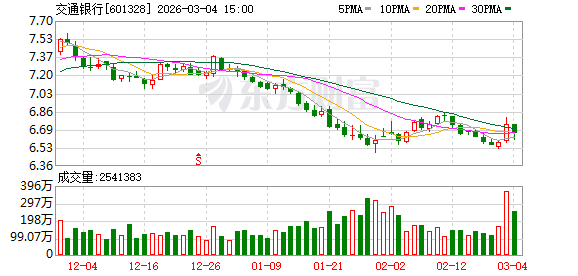
交通银行 金融活水润民生 多维加力促消费
Jing Ji Ri Bao· 2026-03-04 22:07
Core Viewpoint - The Bank of Communications is actively promoting consumption and enhancing people's livelihoods through targeted financial actions, embodying the responsibility of state-owned banks to serve the public [2] Group 1: Consumption Growth and Financial Support - During the 2026 Spring Festival, a nine-day holiday sparked a nationwide consumption boom, with key retail and catering enterprises reporting a daily sales increase of 5.7% [2] - The bank has launched a personal consumption loan with a fiscal subsidy feature, signing agreements with nearly 1.7 million customers and facilitating approximately 19 billion yuan in subsidized consumption [3] Group 2: Policy Implementation and Market Impact - The new round of government subsidies for replacing old consumer goods has benefited over 31.13 million people, generating sales exceeding 207 billion yuan, showcasing the multiplier effect of the "national subsidy" policy [4] - The bank has introduced various financial products and promotional activities to amplify the effects of the "old-for-new" policy, particularly in the Hainan Free Trade Port [4] Group 3: Innovative Financial Products - The bank has developed an online pure credit product called "National Subsidy Loan" to support merchants participating in the subsidy program, enhancing the flow of policy benefits to the market [5] - The bank's financial support extends to small and micro enterprises in the tourism sector, providing tailored products like "Homestay Loan" and "Fireworks Loan" [7] Group 4: Integration of Financial Services and Tourism - The bank is focusing on integrating financial resources into the tourism sector, launching various themed financial products in collaboration with local governments to enhance consumer experiences [6] - The bank has established partnerships with numerous tourist attractions and traditional brands, with a public loan balance in the tourism sector exceeding 110 billion yuan [7] Group 5: Cross-Border Payment Solutions - The bank has upgraded its cross-border financial services to enhance the payment experience for inbound tourists, including the launch of the "Qingdao Pass" digital RMB product [9] - The bank's comprehensive cross-border payment service system aims to improve the reception of inbound tourists and stimulate consumption across various sectors [9] Group 6: Commitment to Consumer Welfare - The bank's initiatives are aligned with the "14th Five-Year Plan" to enhance public welfare and stimulate consumption, aiming to inject robust financial momentum into the economy [10]
【消费金融】春节车市流行“全家看车”,多重金融政策激活家庭选车热情
Xin Lang Cai Jing· 2026-02-24 11:05
Core Insights - The increasing integration of electric vehicles (EVs) into daily life is evident as families are now incorporating car shopping into their holiday routines, reflecting a cultural shift towards EV adoption [1][6] Group 1: Consumer Behavior - Families are prioritizing safety, battery range, and charging convenience over flashy features when selecting vehicles, indicating a more rational approach to purchasing EVs [4][10] - The decision-making process for families has become more comprehensive, with longer decision chains and a focus on practical needs for family travel [9][10] Group 2: Market Dynamics - Tesla has implemented a "春节不打烊" (Spring Festival not closed) sales strategy, ensuring high staff availability and service support during the holiday, which has resulted in a steady flow of orders despite the season not being traditionally busy [2][7] - The introduction of attractive financing options, such as "7-year low interest" and "5-year zero interest" plans, has been pivotal in driving consumer interest and sales, particularly among high-end vehicle owners looking to switch to EVs [2][8] Group 3: Industry Trends - Multiple automakers, including NIO, Li Auto, and Xpeng, are adopting similar low-interest financing strategies to enhance competitiveness in the EV market during the New Year period [3][8] - The shift towards online sales and immersive shopping experiences, such as live-streaming events, is being leveraged by car manufacturers to engage consumers during the holiday season [9]
金融活水润南粤 消费赋能启新程
Sou Hu Cai Jing· 2026-02-24 02:52
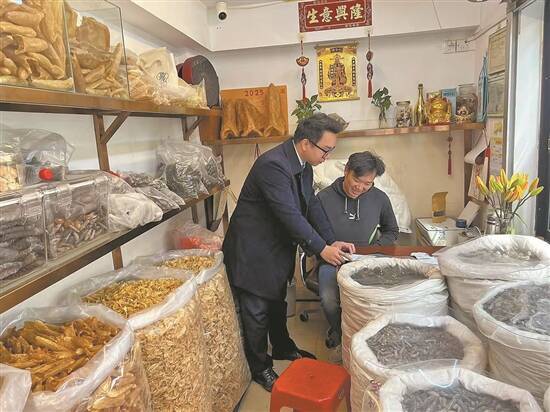
Core Viewpoint - The Construction Bank of Guangdong Province is actively enhancing consumer finance services to stimulate consumption and support high-quality economic development in Guangdong, aligning with the goals of the 14th Five-Year Plan [2][11]. Group 1: Consumer Finance Initiatives - The bank has implemented a "CCB Yue Huan Xin" brand to promote consumer finance, focusing on precise policy implementation and innovative financial services [2][11]. - Over 100,000 customers have signed subsidy agreements, with a total subsidized consumption amount exceeding 680 million yuan, directly driving consumption by over 5.6 billion yuan [3][12]. - The bank has launched various promotional activities during the Spring Festival, including digital currency red envelopes and discounts, to enhance consumer spending [3][12]. Group 2: Integration of Financial Services and Local Economy - The bank is integrating financial services into local consumer scenarios, enhancing accessibility and convenience for consumers [4][13]. - In Foshan, the bank upgraded POS systems for nearly 220 merchants, facilitating international card payments and offering discounts for consumers [5][13]. - In Zhanjiang, the bank collaborated with local government to distribute consumption vouchers, revitalizing traditional markets and boosting consumer activity [5][13]. Group 3: Support for Small and Micro Enterprises - The bank focuses on the financing needs of small and micro enterprises, providing tailored loan products to address their urgent financial requirements [6][14]. - Quick loans have been issued to businesses facing cash flow challenges, such as a seafood merchant in Guangzhou who received 500,000 yuan within three days to meet increased demand [6][14]. - A food processing company received 5 million yuan to support its production line upgrade, significantly increasing its capacity [6][14]. Group 4: Building a Comprehensive Consumption Ecosystem - The bank has developed a consumption subsidy platform that integrates government subsidies, corporate discounts, and financial services, enhancing the consumer ecosystem [7][15]. - The platform has facilitated financing for over 32.49 billion yuan in consumer transactions, significantly boosting overall consumption [7][15]. - The bank is expanding its merchant network, aiming to onboard over 110,000 new merchants by 2025, allowing small businesses to benefit from the growing consumer market [7][15]. Group 5: Future Outlook - The bank plans to continue its efforts in consumer finance, focusing on precise policy implementation and enriching service offerings to stimulate market vitality [8][16]. - The bank aims to embed financial services into various aspects of daily life, including housing and healthcare, to create a more comprehensive consumer ecosystem [8][16]. - The bank's commitment to enhancing consumer finance is expected to contribute significantly to Guangdong's economic development and modernization efforts [8][16].
新华鲜报丨平稳开局!开年首月社会融资规模增量达7.22万亿元
Xin Hua Wang· 2026-02-13 13:55
Core Insights - In January, China's social financing scale increased by 7.22 trillion yuan, marking a historical high for the same period, which supports a stable economic start to the year [1] - The financial data reflects a robust monetary environment, with a 6.1% year-on-year growth in RMB loans and an 8.2% increase in the stock of social financing [3] - The People's Bank of China has implemented various monetary policies to support the real economy, including structural interest rate cuts and enhanced lending tools [3] Group 1 - The broad money supply (M2) reached 347.19 trillion yuan at the end of January, with a year-on-year growth rate of 9%, indicating a relatively ample financial supply [3] - In January, RMB loans increased by 4.71 trillion yuan, with corporate loans accounting for 4.45 trillion yuan, demonstrating strong demand for financing [3][4] - The balance of inclusive small and micro loans was 37.16 trillion yuan, growing by 11.6% year-on-year, while service sector medium and long-term loans (excluding real estate) reached 60.03 trillion yuan, up 9.2% [4] Group 2 - Consumer demand remains strong, with personal consumption loans supported by government policies and increased spending on goods and services [4] - The average interest rate for newly issued corporate loans was approximately 3.2%, down about 20 basis points from the previous year, reflecting a favorable lending environment [5] - The People's Bank of China is focusing on developing various financial sectors, including technology finance, green finance, and digital finance, to enhance support for consumption and stimulate economic growth [5]