
石墨

Search documents
黑龙江鸡西市石墨产品质检中心推动中国石墨标准与国际市场精准对接
Zhong Guo Zhi Liang Xin Wen Wang· 2026-02-25 06:27
Core Viewpoint - The release of the foreign versions of the national standards for "Flake Graphite" and "Graphite Fineness Testing Methods" marks a significant step towards the internationalization of China's graphite industry standards, facilitating global industry integration and enhancing international competitiveness [1][2]. Group 1: Industry Standards - The foreign versions of the two standards are crucial for international scientific cooperation, trade exchanges, and capacity alignment, serving as a bridge for conveying Chinese quality concepts and technical specifications [1]. - The standards were managed by the National Non-Metallic Mineral Products and Products Standardization Technical Committee (SAC/TC 406), with the Jixi Graphite Product Quality Inspection Center participating in the standard approval process [1]. Group 2: Market Impact - The implementation of these standards will empower the global graphite industry, particularly benefiting countries involved in the Belt and Road Initiative by clarifying quality requirements, technical parameters, and testing methods for Chinese graphite products [2]. - The standards provide a clear and unified technical basis for overseas buyers and inspection institutions, enhancing transaction transparency and reducing trade disputes arising from differing standard interpretations [2]. Group 3: Future Directions - The Jixi Graphite Product Quality Inspection Center aims to leverage its industry advantages to continue engaging in standardization efforts, actively participating in the formulation and revision of international standards [2]. - The center's efforts are expected to promote more advanced Chinese graphite standards globally, contributing to the high-quality export of Chinese manufacturing and deepening international capacity cooperation [2].
鸡西 以实举措优服务擦亮营商环境“金名片”
Xin Lang Cai Jing· 2026-02-21 22:20
Core Viewpoint - The article emphasizes the importance of improving the business environment in Jixi City as a key support for the transformation of resource-based cities and the implementation of the "14th Five-Year Plan" [1] Group 1: Business Environment Improvement - Jixi City prioritizes the construction of a favorable business environment to address development bottlenecks through reform and innovation, enhancing market vitality with precise services [2] - The city has launched 40 unique service scenarios, including "One Thing for the Acanthopanax Industry Chain" and "One Thing for Work Injury Insurance," forming a service matrix that has been recognized as national exemplary cases [2] - Digital government initiatives have been implemented to break down data barriers and streamline service channels, significantly reducing time costs for businesses by over 70% through comprehensive service integration [2] Group 2: Credit System and Financial Support - Jixi continuously improves its social credit system, regularly collecting credit information, and the "Credit Easy Loan" platform has provided over 23 billion yuan in credit to thousands of enterprises [3] - An efficient mechanism for handling enterprise demands has been established, with a hotline and business salons facilitating communication and rapid resolution of issues faced by businesses [3] - Regulatory practices have been standardized to reduce administrative inspections, allowing enterprises to focus on their operations and development [3] Group 3: Industry Development and Investment Attraction - Jixi aims to support industrial development with a strong business environment, focusing on the graphite industry, biomedicine, and clean energy sectors, while promoting the full industrial chain [3] - The city is actively attracting quality projects through targeted investment actions, leading to the establishment of significant projects that contribute to high-quality development [3] Group 4: Integration with Public Welfare - The construction of a favorable business environment is closely linked to improving public welfare, with increased investments in urban renewal, social security, and education [4] - Jixi has created a national ecological civilization demonstration zone, enhancing the living environment for residents and ensuring equitable distribution of development benefits [4] - The city is committed to continuously enhancing its business environment to ensure that various market entities can invest, operate, and develop with confidence [4]
美宣布对华加税160%!话音刚落,特朗普通告全球:中美关系非常好!笑着称4月访华
Sou Hu Cai Jing· 2026-02-21 06:53
Core Viewpoint - The U.S. Department of Commerce announced a comprehensive tariff of up to 160% on battery-grade graphite imported from China, significantly impacting the electric vehicle (EV) industry due to China's dominance in graphite supply [1][3]. Group 1: Tariff Details - The 160% tariff consists of a 93.5% anti-dumping duty on specific Chinese companies and a uniform rate of 102.72% for others, plus an anti-subsidy tax of 66.82% to 66.86% [3]. - The U.S. government claims that Chinese companies are benefiting from government subsidies, leading to unfair pricing that harms domestic industries [3]. Group 2: Impact on U.S. EV Industry - The U.S. produced only about 20 million kilograms of battery-grade graphite in 2023, meeting less than 30% of its domestic needs, indicating a heavy reliance on Chinese imports [5]. - The increase in graphite costs due to tariffs could raise the cost of each battery by $200 to $300, potentially increasing EV prices by $1,000 to $1,500, which could severely impact competition among U.S. automakers [7][16]. Group 3: Strategic Implications - The timing of the tariff announcement appears to be a strategic move by the U.S. to leverage negotiations with China, reminiscent of tactics used during the 2018 trade war [9][11]. - The U.S. aims to use the tariff as leverage to negotiate broader concessions from China, such as increased purchases of American goods or more access to financial markets [11][13]. Group 4: Chinese Response and Adaptation - Chinese graphite companies have proactively established production bases in countries like Mexico and Hungary, allowing them to circumvent U.S. tariffs by rebranding products as locally made [15]. - China's strategy includes enhancing domestic capabilities in key materials and expanding its market networks, reducing reliance on the U.S. market [20][25]. Group 5: Broader Economic Context - The high tariffs could hinder the U.S. green transition by increasing costs for electric vehicles and related technologies, contradicting U.S. goals for energy independence and electrification [16]. - The U.S. has a history of protectionist measures that have ultimately burdened American consumers, as seen in past tariffs on steel and solar components [16]. Group 6: Political Considerations - Trump's planned visit to China in April 2026 may be influenced by domestic political needs, as he seeks to bolster his image ahead of the midterm elections [18]. - The mixed signals from the U.S. regarding its relationship with China could undermine strategic trust, complicating future negotiations [22][23].

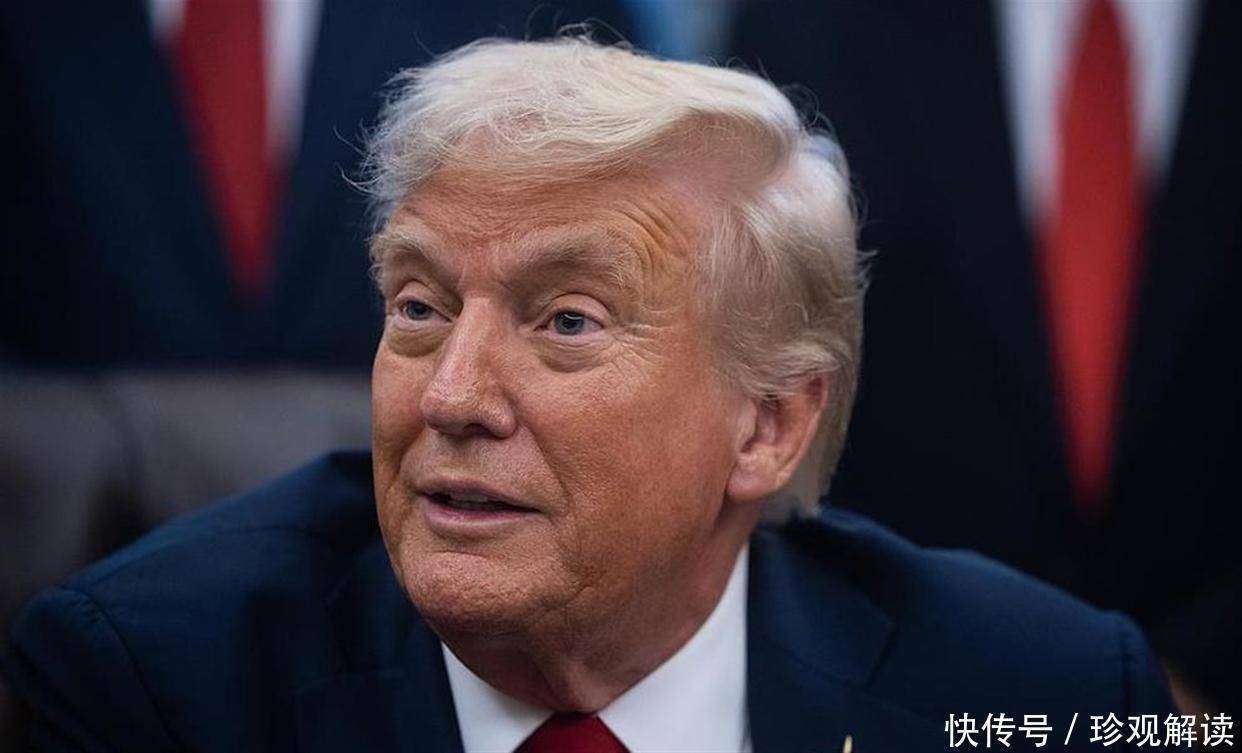
美国宣布对中国石墨加征160%关税!特朗普却称中美关系非常好,态度反差引关注
Sou Hu Cai Jing· 2026-02-16 21:15
Group 1 - The U.S. has imposed anti-dumping tariffs exceeding 160% on Chinese graphite products, signaling a complex and contradictory stance in U.S.-China relations [1][2] - Graphite is a critical material for electric vehicles and energy storage batteries, with China dominating the global supply chain, providing 60% of natural graphite and nearly 70% of synthetic graphite [3][5] - The U.S. lacks both mining and processing capabilities for graphite, making it heavily reliant on Chinese imports, yet it has set high tariffs that effectively act as a blockade [6][9] Group 2 - The rationale behind the tariffs includes claims of unfair subsidies and dumping, but there is a lack of solid evidence to support these allegations [6][7][8] - The U.S. domestic battery manufacturers and automakers are aware that the low prices of Chinese graphite result from high efficiency, not malicious dumping [10][11] - The imposition of tariffs is seen as a political maneuver to create negotiation leverage ahead of Trump's visit to China, rather than a genuine attempt to enforce trade fairness [18][19] Group 3 - The tariffs could lead to increased costs for U.S. electric vehicle manufacturers, such as Tesla, which rely on Chinese graphite, potentially raising consumer prices and squeezing profit margins [18][19] - The U.S. government's conflicting signals regarding cooperation and pressure on China reflect internal policy struggles and a lack of coherent strategy [19][22] - The situation illustrates the broader strategic anxiety in the U.S., where there is a desire to decouple from China while simultaneously relying on Chinese manufacturing capabilities [26][29] Group 4 - The upcoming March 2026 ruling by the U.S. International Trade Commission will determine whether the tariffs will be officially implemented, depending on whether they find that Chinese imports harm U.S. industries [21][26] - The ongoing trade tensions highlight the risks of unilateral sanctions and the potential for retaliatory measures from China, which could impact various sectors beyond graphite [26][29] - The current geopolitical landscape suggests that the U.S. may struggle to maintain a stable relationship with China while attempting to impose tariffs, leading to increased uncertainty for businesses [24][27]
美国刚确认,要对中国加税160%,特朗普就通告:中美关系非常好
Sou Hu Cai Jing· 2026-02-15 10:49
Group 1 - The U.S. Department of Commerce has imposed anti-dumping tariffs exceeding 160% on Chinese graphite, with specific companies facing a 93.5% tariff, while others face rates of 102.72% plus additional countervailing duties [1][3] - The tariffs are justified by claims of "unfair subsidies" and "low-price dumping," which are viewed skeptically even within the U.S. [3] - The initial push for these tariffs came from a temporary alliance of U.S. active anode material producers, who had originally sought a 920% tariff [5] Group 2 - The U.S. is heavily reliant on Chinese imports for graphite, with 59% of natural graphite and 68% of synthetic graphite sourced from China, indicating a significant dependency [9] - The imposition of tariffs is expected to increase the cost of electric vehicle batteries, with estimates suggesting an additional $7 per kilowatt-hour due to the tariffs [11] - The conflicting actions of the U.S. government, with tariffs being imposed while President Trump expresses a desire for cooperation with China, highlight internal divisions within U.S. policy [13][15] Group 3 - The tariffs are seen as a strategic move to test China's response and potentially use them as leverage in upcoming negotiations [17] - The internal conflict between hawkish and pragmatic factions in the U.S. government is evident, with hawks pushing for tariffs while pragmatists recognize the risks of dependency on Chinese graphite [19] - China's response to U.S. tariffs may include accelerating its global expansion in graphite production, with companies like Sanyuan and BTR establishing operations in countries like Finland and Indonesia [20] Group 4 - The global demand for graphite is projected to quadruple by 2040, emphasizing China's dominant position in the market, which cannot be easily undermined by tariffs [22] - The U.S. risks losing out on opportunities for green transition by pursuing protectionist measures, which could lead to higher costs for its own industries [22] - The Chinese government has indicated that it will respond to U.S. tariffs with countermeasures, emphasizing the importance of mutual respect in trade relations [24][26]


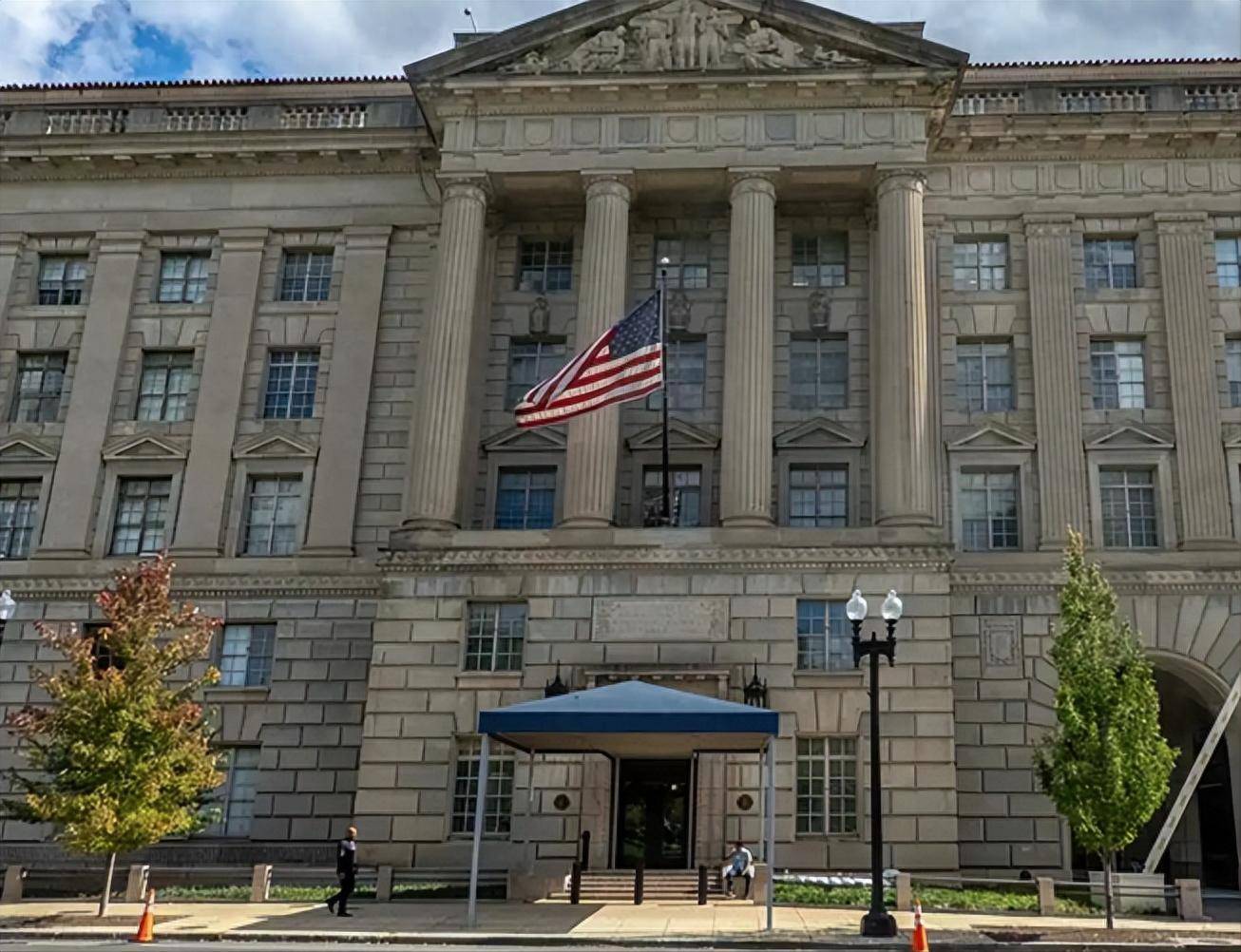
这个重要产业,美国确定对华下手
Sou Hu Cai Jing· 2026-02-13 15:35
Core Viewpoint - The U.S. Department of Commerce confirmed the imposition of anti-dumping and countervailing duties exceeding 160% on graphite imports from China, citing "unfair subsidies" and sales below fair market prices [1] Group 1: Tariff Details - The U.S. will impose a 93.5% anti-dumping tax on specific Chinese companies and a 102.72% tax on all other Chinese exporters [1] - Additionally, a countervailing duty of 66.82% to 66.86% will be applied to all graphite imports from China [1] - The final tariffs have significantly increased from an initial 3% to over 160%, although they are lower than the over 700% tariffs imposed on two Chinese companies since May of the previous year [1] Group 2: Industry Impact - The tariffs are expected to affect imports valued at $347 million in 2023 [1] - The petition for these tariffs was filed by a temporary alliance of U.S. active anode material producers [1] - The U.S. graphite industry is currently unable to meet domestic demand, leading to continued reliance on Chinese imports [7] Group 3: Market Dynamics - The global demand for graphite is projected to reach 16.02 million tons by 2040, quadrupling from 2021 levels, driven by the transition to low-carbon and electrified economies [5] - China is the largest producer and exporter of graphite, supplying 59% of the U.S.'s natural graphite and 68% of its synthetic graphite [6] - In 2024, the U.S. imported nearly 180,000 tons of graphite products, with approximately two-thirds sourced from China [6]
又下黑手!美国最终确定:对华石墨关税飙至160%以上
Guan Cha Zhe Wang· 2026-02-13 11:16
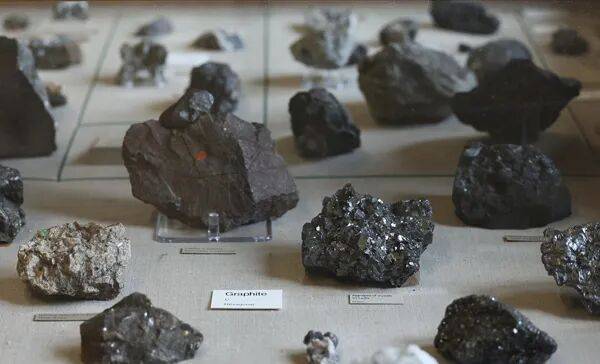
Core Viewpoint - The U.S. Department of Commerce confirmed the imposition of over 160% anti-dumping tariffs on graphite imported from China, citing "unfair subsidies" and sales below fair market prices [1] Group 1: Tariff Details - The U.S. will impose a 93.5% anti-dumping tax on specific Chinese companies and a 102.72% tax on all other Chinese exporters [1] - Additionally, a countervailing duty of 66.82% to 66.86% will be applied to all graphite imports from China [1] - The final tariffs have significantly increased from an initial 3% to over 160%, although they are lower than the over 700% tariffs imposed on two Chinese companies since May of the previous year [1] Group 2: Industry Impact - The tariffs are expected to affect imports valued at $347 million in 2023 [1] - The petition for these tariffs was filed by a temporary alliance of U.S. active anode material producers [1] - The global demand for graphite is projected to reach 16.02 million tons by 2040, quadrupling the demand level of 2021 [5] Group 3: U.S.-China Trade Relations - The U.S. relies heavily on China for graphite, with 59% of its natural graphite and 68% of its synthetic graphite imports coming from China [6] - In 2024, the U.S. imported nearly 180,000 tons of graphite products, with about two-thirds sourced from China [6] - The U.S. government has previously delayed the imposition of tariffs on Chinese graphite multiple times, indicating a need for adjustment and lobbying from related industries [6] Group 4: Company Reactions - Novonix's CEO welcomed the decision, stating it is a crucial step towards restoring fair competition in the U.S. market and could accelerate domestic manufacturing investment and create high-quality jobs [2] - Tesla and its main battery supplier, Panasonic, attempted to block the ruling, arguing that the domestic graphite industry cannot meet quality and capacity demands, thus necessitating continued reliance on Chinese imports [7]
ST新华锦2026年1月26日涨停分析:石墨矿资源+养老产业布局+资金占用整改
Xin Lang Cai Jing· 2026-01-26 05:37
Core Viewpoint - ST Xinhua Jin's stock reached the daily limit with a price of 6.84 yuan, reflecting a 5.07% increase, driven by factors such as graphite mining resources, elder care industry layout, and rectification of fund occupation issues [1][2]. Group 1: Company Performance and Market Activity - The stock's market capitalization is 2.933 billion yuan, with a circulating market value of 2.910 billion yuan, and a total transaction amount of 301 million yuan as of the report [1]. - The stock was included in the "Dragon and Tiger List" on January 23, 2026, with a transaction amount of 58.418 million yuan, indicating increased market attention with a total buy of 23.6372 million yuan and total sell of -11.2059 million yuan [2]. Group 2: Business Developments - The company operates in "new trade and new materials," owning two high-quality graphite mines that are part of a city-level green mine project, providing a competitive advantage in the new materials sector [2]. - The company has established a regional layout in the elder care industry across four locations: Qingdao, Weihai, Qionghai, and Luoyang, showing potential for transformation [2]. Group 3: Financial Situation and Future Outlook - The company has signed a share transfer agreement and implemented measures to address a fund occupation issue of 406 million yuan, which could improve its short-term risks and enhance market confidence in its long-term development [2]. - Despite previous poor performance, with a net profit decline of 354.59% in 2024 and a further 39.45% drop in the first half of 2025, there are signs of improvement as the 2025 annual report indicates a reduced loss, with net profit expected between -1.42 billion and -950 million yuan [2].

丽江精准治污“气质”再提升
Zhong Guo Huan Jing Bao· 2026-01-21 01:25
Core Viewpoint - Lijiang City has maintained a 100% air quality good rate in its central urban area for ten consecutive years, demonstrating significant achievements in air pollution control and environmental protection efforts from 2016 to 2025 [1][20]. Group 1: Air Quality Improvement - From 2016 to 2025, Lijiang's air quality has consistently remained excellent, with the central urban area's air quality good rate at 100% for ten years [1][20]. - By 2025, the number of days meeting the first-level air quality standard is expected to reach 290 days, with a year-on-year increase of 5% in the good rate [1][20]. - The average concentration of PM2.5 is projected to be 13.2 micrograms per cubic meter, a decrease of 3.3% year-on-year, ranking first in the province [1][20]. Group 2: Policy and Responsibility - Lijiang has implemented the "Air Quality Continuous Improvement Action Plan" and the "Three-Year Implementation Plan for Air Pollution Prevention and Control (2023-2025)" to clarify responsibilities and objectives in air pollution control [2][16]. - The city has established a clear responsibility framework for environmental management, addressing issues of unclear responsibilities and inadequate enforcement [2][16]. - Air quality assessment indicators have been assigned to county governments and included in annual comprehensive evaluations [3][16]. Group 3: Industrial and Energy Transition - Lijiang has introduced the "Carbon Peak Implementation Plan" to promote carbon neutrality and control energy consumption in high-energy industries by 2025 [4][17]. - The total installed capacity of renewable energy is expected to reach 1,719.97 million kilowatts by 2025, with 100% from renewable sources [4][17]. - The city has initiated various projects, including the first hydrogen station and zero-carbon hydrogen production facility, to enhance green energy development [4][17]. Group 4: Pollution Reduction Measures - Lijiang focuses on reducing pollution from key sectors such as industry, transportation, and dust, employing engineering and regulatory measures [6][18]. - The city has implemented ultra-low emission transformations for five cement enterprises and is working on deep pollution control in industrial sectors [6][18]. - A total of 2,419 new energy vehicles have been promoted in public transport, with a 99.87% compliance rate in vehicle emissions testing [6][18]. Group 5: Ongoing Initiatives - Lijiang has developed a three-year action plan for dust pollution control in construction and urban roads, emphasizing meticulous management [19]. - The city is committed to continuous improvement in air quality through targeted measures in construction, agricultural burning, and industrial emissions [19]. - Future efforts will focus on maintaining air quality improvements and solidifying Lijiang's reputation for clean air [19].
龙江交通:目前处于矿产资源开发初始阶段,高纯石墨是未来努力方向
Zheng Quan Shi Bao Wang· 2025-12-10 06:18
Core Viewpoint - Longjiang Transportation is focusing on the development of the graphite industry as a key area for growth, with significant investments and strategic initiatives aimed at enhancing its operational capabilities and expanding its market presence [1][2][3] Financial Performance - In Q3 2025, Longjiang Transportation achieved an operating income of 225 million yuan and a net profit attributable to shareholders of 62 million yuan [1] - As of the end of Q3 2025, the company's net assets amounted to 4.653 billion yuan, with total assets of 5.479 billion yuan [1] Business Development - The company has improved its highway management and operational capabilities while accelerating the development of new materials and renewable energy sectors [1] - Longjiang Transportation's board approved a project for its subsidiary to invest in a graphite mining project in Heilongjiang Province, with a total investment not exceeding 2.679 billion yuan [2] Industry Focus - The graphite industry is recognized as a strategic emerging industry, with applications expanding in various sectors such as machinery, metallurgy, chemicals, aerospace, new energy, and automotive [2] - Graphite is increasingly used in advanced energy devices like fuel cells and lithium-ion batteries, indicating a broad market potential [2] Research and Development - Longjiang Transportation's subsidiary, Graphite Technology, is the main entity for innovation and R&D in the graphite sector, collaborating with universities and research institutions to enhance production capabilities [3] - The company is focusing on the development of high-purity graphite as a future direction, currently in the initial stages of mineral resource development [3]
