
资源型城市转型

Search documents
枣庄“新春第一会”:护航企业发展 强工兴产谋转型
Zhong Guo Jing Ying Bao· 2026-02-27 08:30
Group 1 - The core theme of the meeting is "Service Year for Enterprises," focusing on "Strengthening Industry and Promoting Transformation" to enhance the business environment for resource-based cities [1][2] - Zaozhuang has set 2026 as the "Service Year for Enterprises," indicating a clear direction for its transformation from a resource-dependent economy to a modern industrial system [2][3] - The city has a total of 531,200 private enterprises and individual businesses, accounting for 97.64% of all market entities, significantly higher than the national average [2] Group 2 - Zaozhuang has introduced a "three batches" precise support system to ensure effective service delivery, including support for leading enterprises, specialized and innovative companies, and small and micro enterprises [2][3] - The city has launched nine service actions and allocated 247 million yuan to address issues like financing difficulties and high costs for enterprises, aiming to stabilize market expectations and boost business confidence [3] - The focus on "Service Year for Enterprises" is expected to enhance the business environment, aligning with national strategies to support the development of the private economy and the inherent rules of transformation for resource-based cities [4]
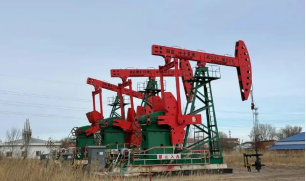
【申万宏源研究春节见闻】黑龙江大庆:从新中国石油工业的长子到北方高端智造高地
Xin Lang Zheng Quan· 2026-02-23 05:44
Core Viewpoint - The article explores the transformation of Daqing from a traditional oil city to a modern chemical and manufacturing hub, highlighting its historical significance in China's oil industry and its ongoing industrial evolution. Group 1: Historical Significance of Daqing Oilfield - Daqing Oilfield, discovered in 1959, marked a significant milestone in China's oil industry, contributing to the country's self-sufficiency in oil production by the early 1960s [5][9]. - From 1960 to 1963, Daqing produced 11.66 million tons of oil, accounting for 51.3% of the national total, and by 1963, its production capacity reached 4.393 million tons, representing 67.8% of the national output [9]. - Daqing maintained high production levels, achieving over 5 million tons annually from 1976 to 2002, and stabilized production above 4 million tons from 2003 to 2014 [10]. Group 2: Transition to a Chemical Industry - Daqing has transitioned from a single oil extraction base to a comprehensive chemical manufacturing city, focusing on refining and chemical production [10]. - The city has implemented strategies to enhance oil recovery and develop shale oil, while also upgrading its refining capabilities, leading to a significant increase in the production of chemical raw materials [10]. - Daqing now features a modern petrochemical base with a capacity for 10 million tons of refining and 1 million tons of ethylene, promoting a collaborative development of oil extraction and green chemistry [10]. Group 3: Development of the Automotive Industry - Daqing has actively engaged with the global high-end automotive industry, notably through the establishment of a Volvo manufacturing plant, which has become a key pillar of the local economy [11]. - Since the opening of the Volvo factory in 2013, Daqing has produced over 560,000 vehicles, generating nearly 120 billion yuan in output value and over 11 billion yuan in tax revenue by 2025 [11]. Group 4: Broader Economic Context - The Northeast region of China, historically known for its industrial contributions, faces challenges such as population outflow and limited high-end job opportunities, necessitating a shift towards innovation-driven growth [15]. - Daqing's evolution serves as a model for resource-based cities aiming for high-quality revitalization and sustainable economic development [10][15].


鸡西 以实举措优服务擦亮营商环境“金名片”
Xin Lang Cai Jing· 2026-02-21 22:20
Core Viewpoint - The article emphasizes the importance of improving the business environment in Jixi City as a key support for the transformation of resource-based cities and the implementation of the "14th Five-Year Plan" [1] Group 1: Business Environment Improvement - Jixi City prioritizes the construction of a favorable business environment to address development bottlenecks through reform and innovation, enhancing market vitality with precise services [2] - The city has launched 40 unique service scenarios, including "One Thing for the Acanthopanax Industry Chain" and "One Thing for Work Injury Insurance," forming a service matrix that has been recognized as national exemplary cases [2] - Digital government initiatives have been implemented to break down data barriers and streamline service channels, significantly reducing time costs for businesses by over 70% through comprehensive service integration [2] Group 2: Credit System and Financial Support - Jixi continuously improves its social credit system, regularly collecting credit information, and the "Credit Easy Loan" platform has provided over 23 billion yuan in credit to thousands of enterprises [3] - An efficient mechanism for handling enterprise demands has been established, with a hotline and business salons facilitating communication and rapid resolution of issues faced by businesses [3] - Regulatory practices have been standardized to reduce administrative inspections, allowing enterprises to focus on their operations and development [3] Group 3: Industry Development and Investment Attraction - Jixi aims to support industrial development with a strong business environment, focusing on the graphite industry, biomedicine, and clean energy sectors, while promoting the full industrial chain [3] - The city is actively attracting quality projects through targeted investment actions, leading to the establishment of significant projects that contribute to high-quality development [3] Group 4: Integration with Public Welfare - The construction of a favorable business environment is closely linked to improving public welfare, with increased investments in urban renewal, social security, and education [4] - Jixi has created a national ecological civilization demonstration zone, enhancing the living environment for residents and ensuring equitable distribution of development benefits [4] - The city is committed to continuously enhancing its business environment to ensure that various market entities can invest, operate, and develop with confidence [4]
以承办陕西省首届冬运会为契机,榆林“体育+”布局提速 文体旅融合 发展新赛道
Ren Min Ri Bao· 2026-02-10 22:42
Green Development and Energy Transition - Yulin is undergoing significant changes towards green development, with the delivery of 50 hydrogen-powered heavy trucks marking a step towards decarbonization in the transportation sector [1] - The city is focusing on transforming its energy industry towards high-end, intelligent, and green development, leveraging its natural resources and innovative approaches [1][2] - The total installed capacity of renewable energy in Yulin has surpassed 6.5 million kilowatts, generating nearly 10 billion kilowatt-hours of green electricity annually [1][2] Renewable Energy Infrastructure - Yulin is establishing two major renewable energy bases, with a focus on integrating new energy systems and enhancing grid infrastructure to support renewable energy consumption [2] - The total installed capacity of renewable energy in Yulin's grid has reached 24.588 million kilowatts, accounting for 43% of the total capacity [2] - The "Thousand Villages Photovoltaic" project is bridging green development with rural revitalization, converting green electricity into ecological benefits and social dividends [2] Cultural and Sports Development - The cultural IP "Over the New Year in Northern Shaanxi" has gained national attention, showcasing local heritage through performances and events [4][5] - Yulin is set to host the first Winter Sports Games in Shaanxi Province, which is expected to enhance the local economy and promote ice and snow sports [6][7] - The integration of local culture with the ice and snow industry is creating new opportunities, with plans for a sports and wellness tourism resort that combines various sectors [7]
挖煤70年!中国最猛五线小城,开始疯狂造火箭
Qian Zhan Wang· 2026-01-28 10:38
Core Viewpoint - The article highlights the remarkable transformation of Hebi, a resource-dependent city, into a burgeoning hub for commercial aerospace within just four years, showcasing its strategic shift from coal mining to space exploration as a response to economic challenges and resource depletion [1][2]. Group 1: Transition from Coal to Aerospace - Hebi's historical reliance on coal, which constituted 90% of its industrial output, faced challenges due to resource depletion and rising extraction costs, necessitating a shift to a more sustainable economic model [2][4]. - The city identified commercial aerospace as a strategic emerging industry, aligning with national goals to transition from a "space power" to a "space strong nation," with projections indicating the market could reach 8 trillion RMB by 2030 [2][4]. Group 2: Industrial Foundation for Aerospace Development - Hebi leveraged its existing industrial base, particularly in high-end manufacturing and digital economy sectors, to support the development of commercial aerospace [5][6]. - The city has established a strong electronic and electrical industry, with companies like Tianhai Group leading in precision electronic components, providing a solid foundation for aerospace supply chains [6]. - Investments in semiconductor and industrial software sectors have created a self-sufficient ecosystem crucial for aerospace applications, including satellite payloads and control systems [7][10]. Group 3: Establishing a Complete Aerospace Ecosystem - The collaboration with Aerospace Hongtu, a leading remote sensing company, led to the establishment of a satellite operation center in Hebi, initiating the "Nüwa Constellation" project to launch 114 satellites [11][13]. - The construction of a satellite manufacturing base, capable of producing 100 satellites annually, supports the operational needs of the Nüwa Constellation and enhances local capabilities in satellite data collection [13][14]. - The establishment of a rocket assembly base in Hebi marks a significant milestone, enabling the production of 20 medium-sized launch vehicles annually, with the first flight expected in 2026 [14][15]. Group 4: Comprehensive Development Strategy - Hebi's strategy emphasizes the integration of satellite manufacturing, launch capabilities, and ground control systems, creating a complete aerospace service ecosystem [15][16]. - The city has attracted over 40 aerospace-related enterprises, forming a comprehensive industrial cluster recognized by the Ministry of Industry and Information Technology [16][21]. - The transformation from a resource-dependent economy to an innovation-driven model illustrates the potential for similar cities to break free from resource constraints through strategic industry positioning and technological advancement [19][21].
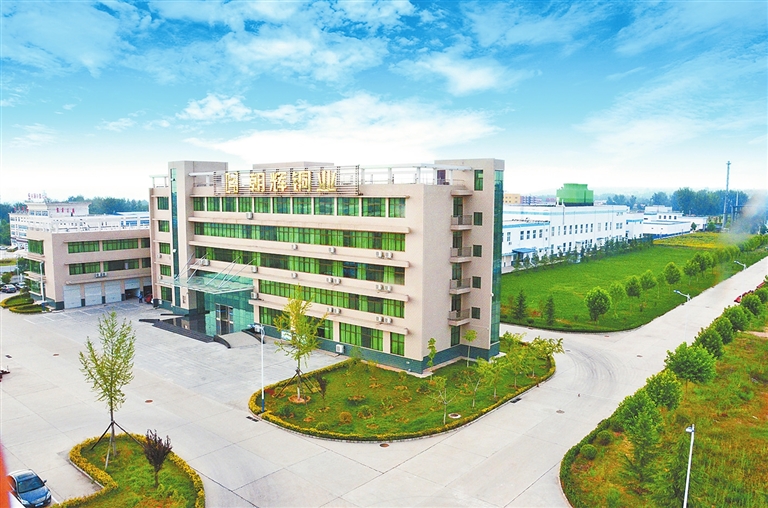
十九城产业新坐标·河南经济新方位丨三门峡 铜基领航 崤函蝶变 材料新城打造高质量发展新增长极
He Nan Ri Bao· 2026-01-21 23:37
Group 1 - The core material driving the transformation of Sanmenxia City is a high-end 6-micron rolled copper foil, which is essential for various national projects such as 5G base stations and aerospace components [1] - Lingbao Jinyuan Chaohui Copper Industry Co., Ltd. has become one of the major global manufacturers of rolled copper foil, breaking international monopolies with its core technology [1] - Sanmenxia's copper processing industry has developed a complete industrial chain from electrolytic copper to copper foil manufacturing, supported by key enterprises like Chaohui Copper Industry and Huaxin Copper Foil [1] Group 2 - Sanmenxia City has an electrolytic copper annual production capacity of 500,000 tons, accounting for 75% of the province's total capacity, and high-end copper foil production capacity holds a 40% share of the national market [2] - The city aims to transform from a resource-based to an innovation-driven economy, establishing itself as a significant materials and high-end manufacturing hub in China [2] - The local government has implemented a dual leadership system to systematically plan the development of the copper industry chain, focusing on deep processing and new materials [2] Group 3 - Sanmenxia has established 835 innovation platforms, a 71% increase since the end of the 13th Five-Year Plan, and has partnered with Zhengzhou University to create a key metal laboratory for technological advancements [3] - The city has launched a 100 million yuan innovation fund and a risk compensation fund to support enterprises, with a total of 856 million yuan in "technology loans" issued [3] - Sanmenxia promotes green development, having created six national-level green factories and 20 provincial-level ones, with renewable energy capacity exceeding 3.4 million kilowatts [3]

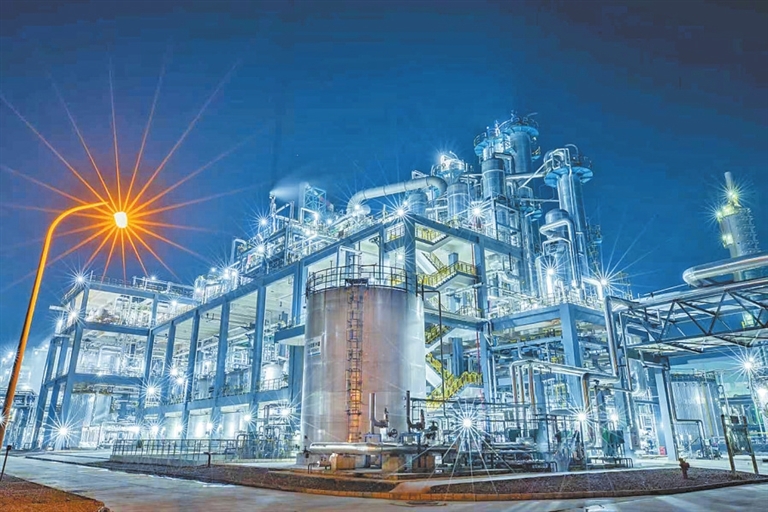
因煤而兴 以丝为擎(十九城产业新坐标·河南经济新方位)
He Nan Ri Bao· 2026-01-19 22:47
Core Viewpoint - The nylon new materials industry is becoming a significant engine for high-quality development in Pingdingshan, with a focus on transforming from a coal-dominated economy to a diversified industrial base [2][3]. Group 1: Industry Development - Pingdingshan is leveraging its rich coal and salt resources to extend its industrial focus from coal chemical to nylon chemical, aiming to establish a world-class trillion-level nylon new materials industry base [2]. - The city has over 200 enterprises and projects in the nylon new materials sector, with production capacity exceeding 4 million tons [3]. - The carbon-based nylon chemical industry chain in Pingdingshan is now the most complete globally, covering upstream coal mining to downstream textile and dyeing industries [3]. Group 2: Company Highlights - Henan Shennong Nylon Technology Co., Ltd. is a key player in the civil nylon silk industry, filling a production gap in Pingdingshan and addressing a shortfall in Henan Province [3]. - The company has developed over 10 types of nylon yarn, with capabilities ranging from 6D to 100D, showcasing lightweight and breathable characteristics [4]. - The company’s high-performance nylon silk was used in sportswear for the 2022 Beijing Winter Olympics, demonstrating the quality of local nylon products [4]. Group 3: Technological Advancements - Pingdingshan's nylon industry is advancing through technology innovation, with the successful launch of a domestic 100,000 tons/year production facility for nylon 66, reducing reliance on imports [4]. - The integration of industry, innovation, and talent is being emphasized to enhance the competitiveness of the nylon sector [4]. - Future plans include investments exceeding 80 billion yuan in key nylon new materials projects over the next five years to further scale the industry [4].
枣庄以实干注入“强心剂”,凝聚转型发展磅礴力量
Qi Lu Wan Bao· 2026-01-14 14:22
Group 1 - The core message emphasizes the importance of encouraging local officials to take initiative and responsibility in driving the transformation of Zaozhuang into a green and low-carbon resource-based city [2][3] - The meeting highlighted the need for a proactive and capable cadre team to tackle the challenges of transitioning and achieving high-quality development [2][3] - A comprehensive mechanism combining incentives and protections was proposed to address the issues of reluctance and ineffectiveness among officials, showcasing the city's determination to foster a culture of accountability and action [2][3] Group 2 - The meeting established a clear incentive direction, stating that there is a difference between taking action and not, and that timely rewards for achievements can create a positive feedback loop [3] - The introduction of a reform and innovation registration system aims to provide a "safe zone" for officials to explore and experiment without fear of repercussions [3] - The emphasis on clarifying and defending the reputation of responsible officials is crucial for encouraging a culture of accountability and reducing fears of unjust accusations [3]
迁安多措并举培育多元消费场景
Xin Lang Cai Jing· 2025-12-24 22:53
Core Viewpoint - The article highlights the efforts of Qian'an City to cultivate diverse consumer scenarios and enhance its tourism and cultural offerings, aiming for a transformation from a resource-based economy to a vibrant, multi-faceted urban environment [1][4]. Group 1: Cultural and Tourism Development - Qian'an City has successfully integrated its cultural resources with tourism, exemplified by the large-scale original modern opera "The New Great Wall," which sold nearly 8,000 tickets [3][5]. - The first Great Wall Cultural and Tourism Integration Development Conference was held in April, resulting in 16 signed projects with an investment of 10.365 billion yuan, and 17 unique cultural tourism activities [5]. - The city is focusing on exhibition economy by hosting various events to enhance its influence and expand consumer space [5][6]. Group 2: Sports and Events Integration - Qian'an has enriched its sports offerings, hosting the 9th National College Students' Wushu Sanda Championship, attracting 1,195 athletes from 167 universities [6]. - The city promotes a "watching events + tourism + shopping" consumption model, combining sports events with local culture and cuisine [6][9]. - The establishment of the Luanhe No. 1 Highway aims to connect various scenic spots and promote rural development, enhancing the overall tourism experience [7][9]. Group 3: Night Economy and Elderly Care - The city is developing a night economy with projects like the "Luanhe Night Tour Collection," which has attracted over 40,000 visitors and generated nearly 10 million yuan in night-time consumption since its launch [10][11]. - Qian'an has invested over 600 million yuan in a high-end elderly care center, providing 1,000 beds and a comprehensive care model, addressing the needs of the aging population [11][12]. - The city is enhancing its elderly care services, with 52 care institutions, including 9 that combine medical and nursing services, to promote the silver economy [11][12]. Group 4: Innovative Consumer Experiences - The Tianyuan Valley Tourism Resort has become a new cultural landmark, attracting nearly 10,000 visitors daily with its immersive experiences and performances [10]. - Qian'an is leveraging its rich cultural heritage to create innovative consumer experiences, such as the "Ticket Root +" initiative, which integrates various service elements to enhance consumer engagement [12]. - The city is actively promoting high-quality cultural products, including films and modern operas, to stimulate consumption [12].
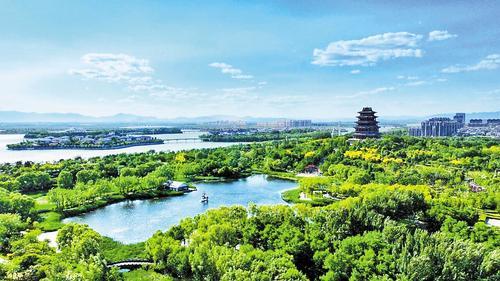
从“煤都”到“绿电”基地,大同晋北新能源基地赋能京津冀
Zhong Guo Xin Wen Wang· 2025-12-23 00:44
Group 1 - The core viewpoint of the articles highlights the significant progress in energy construction in Datong, Shanxi, particularly with the successful completion of the turbine casing work at the Guodian Datong Lake East Power Plant, which is expected to deliver approximately 9 billion kilowatt-hours of clean electricity annually [1] - Datong is recognized as a crucial energy base in China, driving transformation in its energy system through policy guidance, resource assurance, and technological breakthroughs, focusing on upgrading traditional energy, developing new energy, and tackling major projects [1] - The city maintains a stable coal production of 162 million tons, with 14 intelligent coal mines built, and 85% of advanced capacity, while nine coal-fired power plants have completed ultra-low emission transformations [1] Group 2 - The renewable energy sector in Datong is thriving, with installed capacity exceeding 10 million kilowatts, accounting for over 56% of the total installed capacity, leading in Shanxi province [2] - The construction of the Jinbei coal mining subsidence area renewable energy base is progressing, with an expected annual clean electricity supply of about 27 billion kilowatt-hours to the Beijing-Tianjin-Hebei region [2] - Datong has established a provincial quarterly scheduling and city monthly coordination mechanism to ensure the efficient advancement of key projects, facilitating a "green channel" for approvals [2]
