
科技TMT

Search documents
牛市下半场-实物再通胀-2026年度投资策略
2026-01-20 01:50
Summary of Key Points from Conference Call Records Industry Overview - The A-share market is transitioning from a traditional model reliant on real estate and credit impulses to a new paradigm focused on prudent spending, efficient turnover, and equity enhancement, termed "weight loss and muscle gain" [1][2] - The structure of Return on Equity (ROE) in A-shares has undergone a revolutionary change, with the drag from real estate nearing its end, while technology, manufacturing, and dividend sectors are seeing stable increases in ROE [1][2] Core Insights and Arguments - Since 2018, the contribution of ROE from financial and real estate sectors has declined, while ROE in technology (TMT) and high-end manufacturing has significantly increased, from 3% to 7% and from 5% to 6%, respectively [1][7] - Free cash flow is highlighted as a crucial indicator of corporate profitability quality, with A-share non-financial companies generating a stable 20-25 yuan of free cash flow per 100 yuan of EBITDA, a phenomenon not seen in the past 20-30 years [1][13] - The A-share market is shifting from a scenario of "only growing bones, not meat" to one where dividend capabilities are significantly enhanced, leading to a market characterized by more gains and fewer losses [1][15] Important but Overlooked Content - The traditional economic model has shown that real estate and credit impulses significantly impact the stock market, especially during economic downturns, where relaxed real estate policies convert future growth prospects into credit, leading to increased mortgage loans [3][4] - The new paradigm emphasizes direct financing over bank cash financing, which supports long-term asset allocation in stocks, similar to how U.S. residents invest a portion of their income into the stock market through pensions or annuities [5] - The transition from old to new economic drivers has resulted in a notable increase in ROE contributions from technology and high-end manufacturing sectors, while the real estate sector's contribution has diminished to nearly zero [6][9] - The financial and real estate sectors have performed poorly in recent years, with the ROE for the financial sector dropping from 13% in 2018 to 8.8% currently, and the real estate sector experiencing continuous losses [8][11] - Future trends in the A-share market will increasingly rely on emerging industries and high-quality profitability, with sectors like communication, media, electronics, and machinery showing significant ROE increases [12][14] Future Investment Outlook - If dividend repurchase behaviors can be sustained, the overall ROE of A-shares is expected to increase by an additional 3 percentage points over the next decade [14] - The A-share market is projected to become a crucial component of residents' asset allocation, enhancing the market's attractiveness to capital and boosting investor confidence [14][17] - The influx of resident capital into the stock market is expected to stabilize market dynamics, moving away from short-term speculative behaviors to a focus on long-term returns [18][19]
倒计时!本周四美联储会议!市场会涨吗?普通人如何把握?
Sou Hu Cai Jing· 2025-09-16 02:54
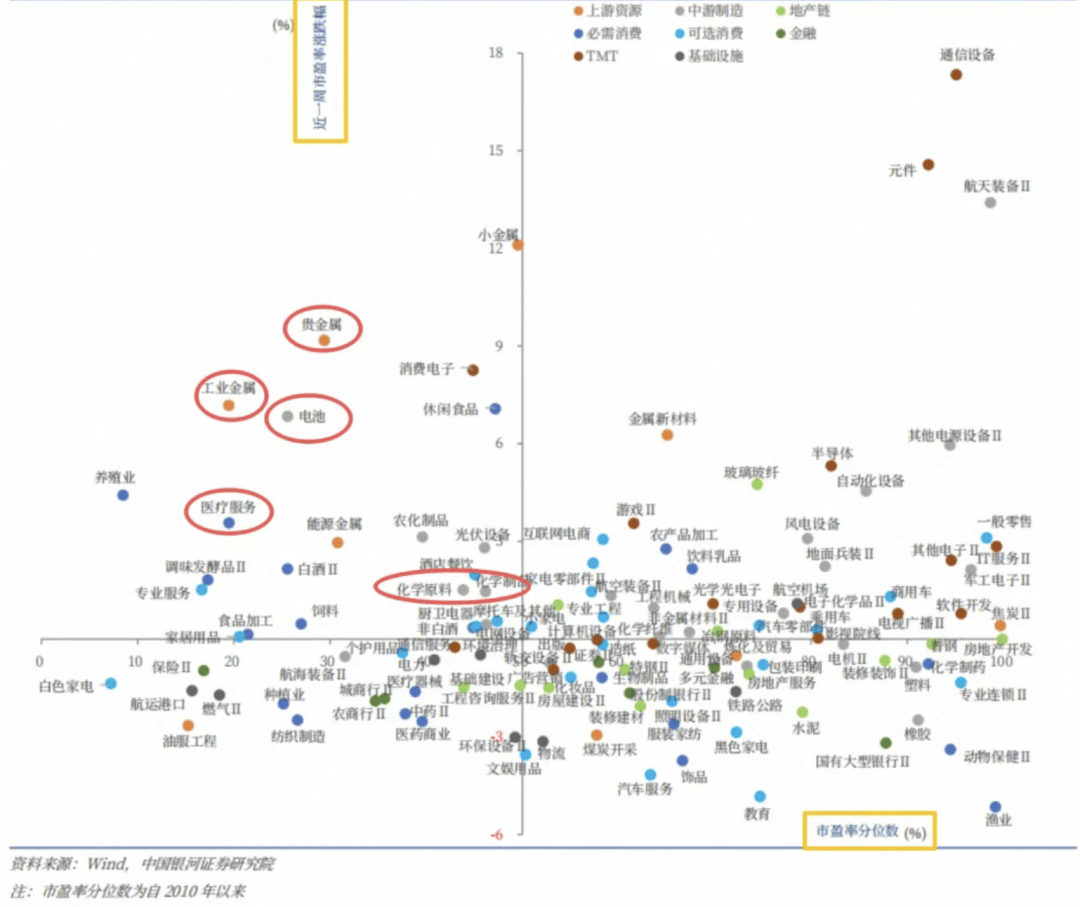
Group 1 - The Federal Reserve is expected to lower interest rates by 25 basis points in September, with a 96.4% probability for this outcome, while a 50 basis point cut has only a 3.6% chance [2][3] - Several institutions have adjusted their forecasts for future rate cuts, with Deutsche Bank predicting three cuts by the end of 2025, and Morgan Stanley also expecting three cuts, each by 25 basis points [3] Group 2 - The impact of the Federal Reserve's rate cut on A-shares and Hong Kong stocks is anticipated through three main channels: capital flow, valuation improvement, and monetary policy adjustments [4] - A rate cut is likely to weaken the US dollar, leading to a reallocation of international funds, which may favor A-shares and Hong Kong stocks due to improving domestic fundamentals [4] - The reduction in interest rates is expected to enhance market risk appetite, potentially boosting stock market valuations and providing more room for domestic monetary policy adjustments [4] Group 3 - The sectors that may benefit from the Fed's rate cut include technology, TMT (Technology, Media, and Telecommunications), and healthcare, which have shown strong performance in previous rate cut cycles [4] - Additionally, six sectors identified as potentially experiencing a rebound include metals, consumer goods, batteries, chemicals, aquaculture, and healthcare, which have been underperforming but may see improvement with the reopening of policy space in China [8]

量化策略|基于基本面量化选股的战胜宽基指数多策略框架
中信证券研究· 2025-04-29 00:09
文 | 上官鹏 王兆宇 赵文荣 2)单策略之间相关性不高,说明不同策略在不同市场环境中的适应性差异大,有利于形成收益互补。以预期改善组合来看, 其与均衡弹性、高质量经营、科技TMT和新能源组合相关性分别为0 . 2 9、0 . 1 3、0 . 3 7和0 . 5 3; 3)综合三大类全市场选股策略和两大类产业选股策略构建多策略组合,回测发现,相比单策略组合,多策略组合具有更加稳 健的收益表现。2 0 1 4年以来截至2 0 2 5年3月3 1日,多策略组合相对中证全指的年化超额收益分别为1 3 . 8%,信息比率为1 . 5。 ▍ 战胜宽基指数多策略框架历史收益稳健,相对基准偏离度低。 1)基于多策略组合历史持仓战胜沪深 3 0 0、中证 5 0 0 和中证 1 0 0 0 指数框架在指数权重方面的分配比例, 8 0%配置在指数成 分内, 2 0%配置在其他公司,并且超配多策略股票组合权重。 单一策略具有一定的风格倾向性,难以适应不同市场环境的变化,而多策略能够通过分散化利用不同策略在不同市场环境中的 适应性差异,提升整体投资组合收益的稳健性。因此,我们尝试从多策略角度战胜宽基指数,基于已经发布报告中的三大类 ...