
美容美发

Search documents
一些企业“随意”的PK制度引发争议
Xin Lang Cai Jing· 2026-02-25 18:56
Core Viewpoint - The article highlights the problematic implementation of internal PK (Player Killing) systems in various industries, where companies impose unreasonable performance targets and harsh penalties on employees, effectively reducing their wages through mandatory PK fees [1][4]. Group 1: PK System Implementation - Many companies in industries such as foreign trade and beauty services have adopted PK systems, which can be categorized into "competitive" and "self-challenge" models, often leading to high-pressure environments for employees [1][2]. - Employees are subjected to unrealistic performance targets, such as a minimum sales target of $500,000 for experienced staff and $200,000 for new hires, with only about one-third of employees able to meet these goals [2]. Group 2: Punishment Mechanisms - The PK system often includes punitive measures such as group penalties, where all team members suffer consequences if one fails to meet targets, leading to humiliating tasks as punishment [2][3]. - Legal experts indicate that such punitive measures may violate labor rights, including the right to rest and dignity, and could lead to criminal liability for company managers [3][6]. Group 3: Financial Exploitation - Companies have been reported to charge employees PK fees, which are often non-refundable, raising concerns about the legality of such practices as they effectively amount to wage deductions [4][5]. - Legal cases have emerged where courts ruled that the collection of PK fees constitutes a violation of labor laws, mandating the return of such fees to employees [5][6]. Group 4: Recommendations for Improvement - Experts suggest that companies should abandon unreasonable PK systems and instead foster a positive competitive environment through reasonable performance targets and adequate support for employees [8]. - It is recommended that companies establish fair and transparent rules regarding performance assessments and ensure that any penalties are proportionate to the severity of the infractions [7][8].
女子称被“半脸试效”后强制消费20万,美容院:正协商处理
Xin Lang Cai Jing· 2026-02-22 11:47
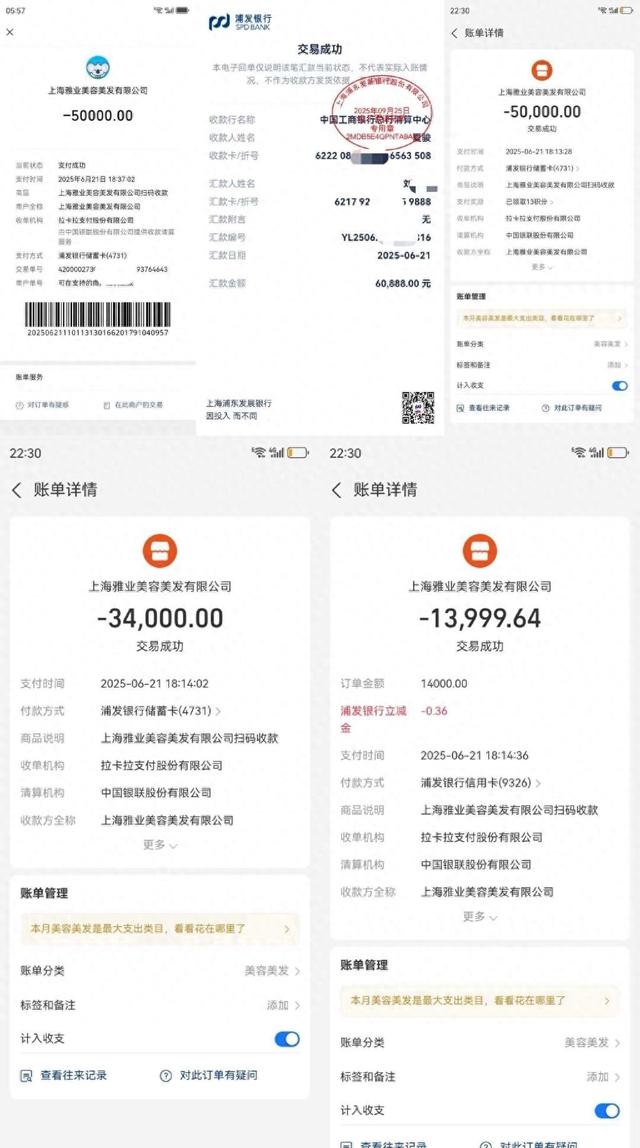
Core Viewpoint - A consumer, Ms. Liu, reported being coerced into purchasing a beauty treatment at Shanghai Shanglan Trading Co., Ltd. after being subjected to a "half-face trial" and was subsequently misled into taking out a loan for the treatment, totaling 209,600 yuan [1][2]. Group 1: Consumer Experience - Ms. Liu has been a regular customer at the company's branch for five years, primarily for basic beauty treatments [1]. - On June 21, 2025, during her visit for a scheduled treatment, she was pressured into trying a new treatment without her consent, which led to her being coerced into making a purchase [2]. - Despite her repeated refusals and concerns about her financial situation, the staff encouraged her to take out a loan to cover the costs, which she ultimately did [2]. Group 2: Company Response - The company denied any allegations of forced consumption, claiming that all transactions were voluntary and that they were in the process of addressing the refund request [1][7]. - After Ms. Liu's complaint to the market supervision bureau, the company offered a partial refund of 70,166.5 yuan, which Ms. Liu found unacceptable [6][7]. - As of February 20, 2026, due to the lack of agreement on the refund, Ms. Liu has initiated civil litigation against the company [7]. Group 3: Financial Transactions - Ms. Liu provided payment records indicating that she paid 208,888 yuan through various methods, including a loan platform and her own savings [5]. - The treatment purchased was initially referred to as "Youth Lock Technique," but the company later described it as "5D 3.0," raising concerns about the inconsistency and potential violation of her right to information [5].

从“体面过年”到“悦己过年”!博州人:今年就要美给自己看
Sou Hu Cai Jing· 2026-02-15 09:32
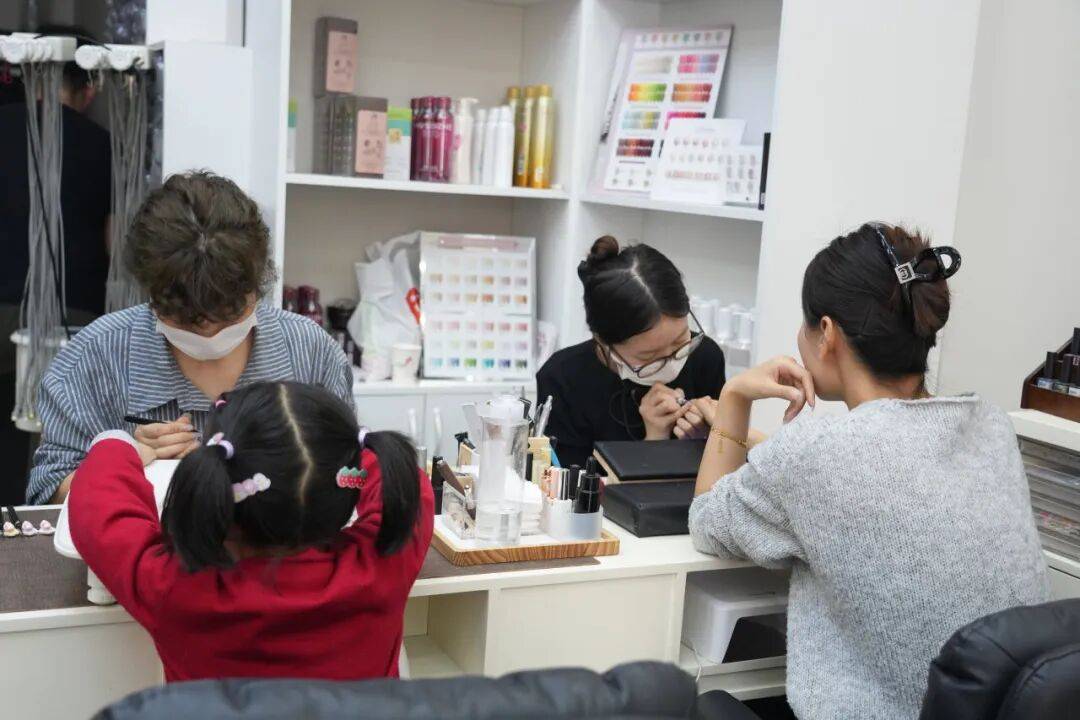
Core Insights - The consumption market in Bozhou is experiencing a significant increase, with traditional purchases like New Year goods alongside a rise in beauty-related services such as hairdressing and nail art, marking a new trend in pre-festival consumption [1][9] Group 1: Beauty Services - Hair salons are seeing high demand, with services like perming, dyeing, and styling being particularly popular, leading to extended hours and additional staff to meet consumer needs [3] - Nail salons are busy with popular styles featuring red and champagne colors, often adorned with decorative elements, reflecting a cultural trend where manicures are considered essential for the festive season [5] - The overall trend indicates a shift towards self-care and personal aesthetics, with consumers prioritizing their appearance and experience during the New Year celebrations [9] Group 2: Clothing Consumption - Clothing stores are offering a mix of festive attire and minimalist spring collections, focusing on comfort and quality, which are key factors for consumers [7] - Retailers are enhancing their product offerings with New Year themes and providing styling advice to cater to diverse consumer preferences [7] - The trend shows a growing consumer interest in holistic experiences, where individuals seek to enhance their overall appearance for the New Year celebrations [9]
山东日照:“美丽经济”升温年味浓
Qi Lu Wan Bao· 2026-02-14 05:10
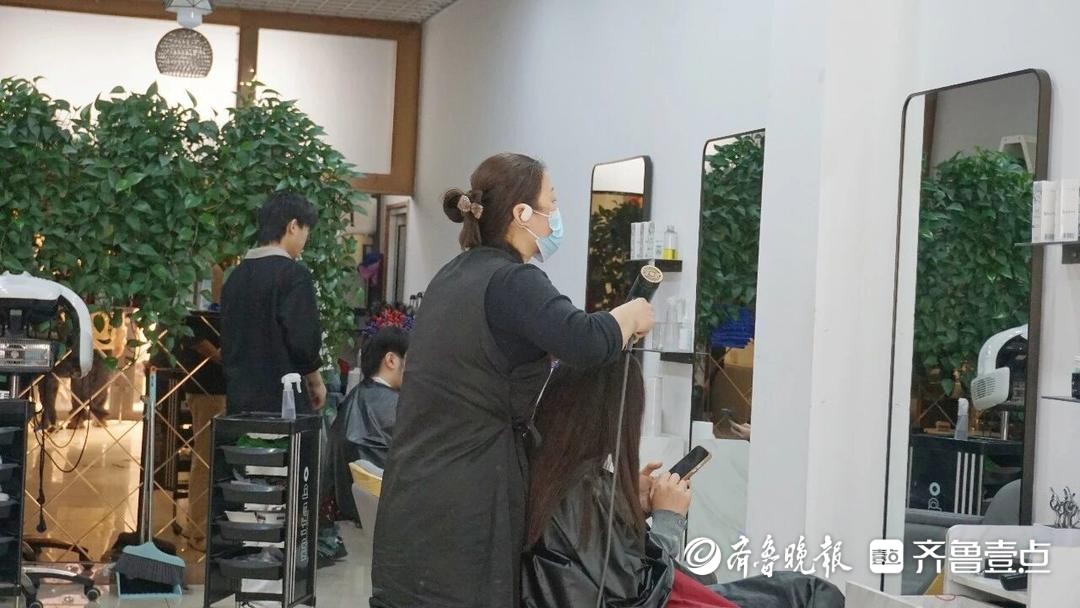
Group 1 - The core idea of the articles highlights the surge in beauty-related services in Rizhao as the Spring Festival approaches, with citizens engaging in various beauty treatments to welcome the new year [1][3][5] - Hair salons in Rizhao are experiencing a peak in customer flow, with services such as haircuts, dyeing, and styling in high demand, reflecting a vibrant "beauty economy" [1][5] - Nail salons are also seeing increased activity, with customers favoring festive red colors and designs that embody the spirit of the new year, indicating a trend towards personalized beauty experiences [3][5] Group 2 - The concept of "self-pleasure" is becoming more prevalent among citizens, as they invest in their appearance to enhance their mood and expectations for the new year [5] - Beauty service providers are responding to the demand by promoting advance booking for services, indicating a competitive market environment as the holiday approaches [3]
“小发票”里的大文章丨市场“净化器”——从“不开票”到“抢着开”的深层博弈
Sou Hu Cai Jing· 2026-02-14 02:09
Core Viewpoint - The implementation of the "prize invoice" pilot program in 50 cities aims to encourage consumers to request invoices, thereby promoting compliance among businesses and enhancing tax revenue collection [1][2][3] Group 1: Industry Practices - The practice of "not issuing invoices and offering drinks" has been a common unspoken rule in industries closely related to personal consumption, such as dining and retail, allowing businesses to hide income and evade taxes [1] - This behavior creates an unfair competitive advantage for non-compliant businesses, leading to a situation where law-abiding companies suffer from price pressures [1][2] Group 2: Impact of Prize Invoices - The "prize invoice" initiative allows consumers to participate in a lottery for invoices over 100 yuan, with potential rewards up to 800 yuan, thereby increasing the incentive to request invoices [2] - Early trials in some provinces showed significant increases in invoice issuance rates and amounts, particularly in the furniture and home improvement sectors, with invoice counts up over 70% and amounts up over 90% [3] Group 3: Tax Revenue and Compliance - The program is expected to enhance tax compliance and improve the overall tax environment by encouraging consumers to demand invoices, which in turn pressures businesses to operate legally [2][3] - The initiative leverages small fiscal expenditures to stimulate large-scale social oversight, improving tax administration efficiency and fostering a sense of fairness in tax burdens across industries [3]
“过年三件套”消费持续升温
Xin Lang Cai Jing· 2026-02-12 23:43
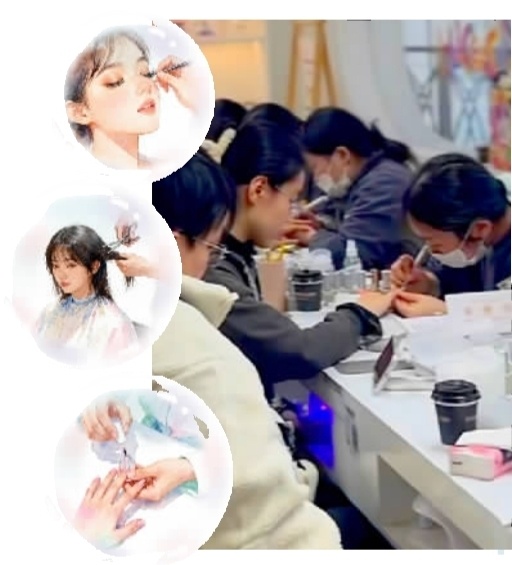
Group 1 - The beauty service industry in Huzhou is experiencing a surge in demand as residents prepare for the upcoming Spring Festival, with services like hairdressing, nail art, and eyelash extensions becoming increasingly popular [1][2] - Many beauty salons have adopted an appointment-based model, with customers preferring to book in advance rather than waiting in line, indicating a shift towards more organized consumer behavior [1][2] - The owner of a local hair salon reported that they have been fully booked since early January, with a mix of older and younger customers seeking hair treatments before the holiday [1] Group 2 - Home hairdressing services have gained popularity, especially among elderly customers who find it difficult to visit salons, highlighting a growing trend in convenience-oriented beauty services [2] - Nail art services are also in high demand, with specific styles like red colors and themed designs for the New Year being particularly favored, leading to increased customer traffic in nail salons [2] - Customers view these beauty treatments not only as a way to look good for family gatherings but also as a reward for their hard work over the past year, reflecting a broader trend of self-care and personal indulgence [2]
强依赖人工服务的门店,适合小程序吗?
Sou Hu Cai Jing· 2026-02-12 05:20
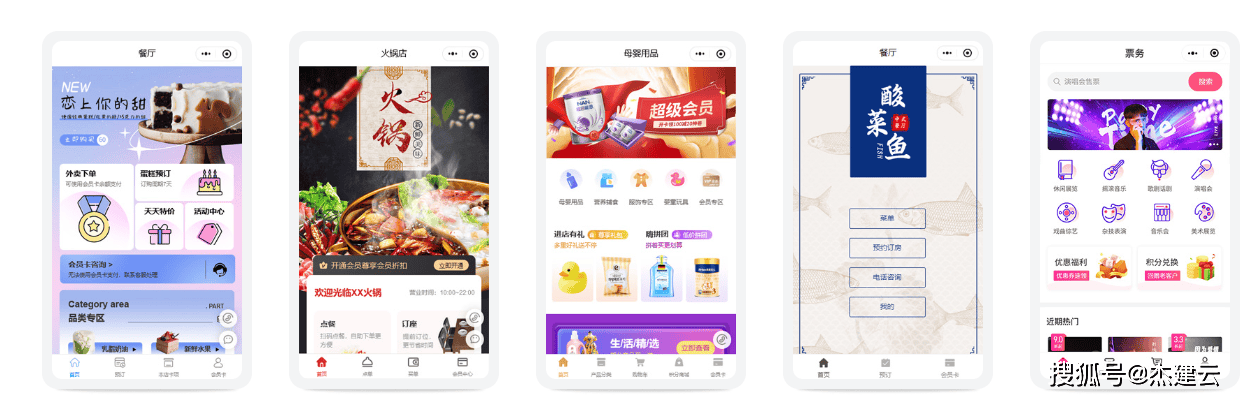
Core Insights - The necessity of mini-programs in service-oriented stores depends on whether human services have become a bottleneck in operations [1][5][14] Group 1: Digital Tools and Their Roles - Different platforms serve distinct roles based on the core issues faced by service-oriented businesses, such as showcasing professional capabilities or managing service processes [2] - Common concerns among service-oriented store owners regarding mini-programs include fears of damaging service experience, reluctance to change familiar processes, and misunderstanding the management benefits of digital tools [3][12] Group 2: Operational Phases and Digitalization - In the initial phase with limited customer flow, businesses can focus on service quality without immediate systemization [6] - As customer numbers grow, mini-programs can help standardize processes and reduce human errors [6] - During stable growth, digital tools can help accumulate data for future expansion or replication [6][7] Group 3: Management Challenges - Common pain points in service-oriented stores include appointment conflicts, chaotic employee commission statistics, and scattered customer information [10][11] - If these management issues frequently arise, it indicates a need for structural upgrades [12] Group 4: The Role of Mini-Programs - Mini-programs are not meant to replace human services but to allow personnel to focus more on service delivery by reducing management friction [14]
拧紧预付费“守法发条”
Xin Lang Cai Jing· 2026-02-10 16:59
Core Insights - The article discusses a training session organized by the Fengtai District Market Supervision Bureau and other local authorities to address issues related to prepaid consumption in the beauty and hairdressing industry, aiming to improve both business operations and consumer environments [1][2]. Group 1: Regulatory Focus - The Fengtai District Market Supervision Bureau has identified high-frequency complaint areas in the industry, establishing standards for recognizing illegal practices such as false advertising, forced sales, and refusal to refund [1]. - Legal frameworks such as the "Consumer Rights Protection Law" and the "Beijing Regulations on Single-Purpose Prepaid Cards" were explained to provide businesses with essential compliance knowledge [1]. Group 2: Compliance and Risk Management - The Fengtai District Commerce Bureau emphasized key aspects of prepaid card management, including contract signing norms and risk prevention, clarifying the definition of prepaid cards and critical contract terms [1]. - Guidelines were provided for businesses to ensure compliance, including obligations for information disclosure and refund rules, aimed at enhancing operational standards for light-asset enterprises [1]. Group 3: Industry Collaboration - The industry association facilitated a platform for businesses to share experiences and address common operational issues, promoting self-regulation within the industry [1]. - Key enterprises committed to enhancing their compliance by improving contract standards, information disclosure, and refund processes to reduce consumer disputes [2]. Group 4: Overall Objectives - The training aimed to foster a dual focus on "business development" and "consumer rights protection," establishing a collaborative governance model involving proactive compliance from businesses, precise regulation from authorities, and a bridging role from associations [2]. - This initiative is expected to enhance the business environment and regulatory effectiveness through positive interactions between consumer rights and business compliance [2].
过年“变美三件套”火了,为啥都涨价
Xin Lang Cai Jing· 2026-02-08 19:33
Core Insights - The beauty service industry, particularly nail, eyelash, and hair services, is experiencing a surge in demand as the Chinese New Year approaches, leading to increased customer traffic and long wait times [2][3] - Many beauty service providers are implementing a "holiday service fee," with price increases ranging from 30 to 50 yuan, which has sparked discussions and complaints among consumers regarding the fairness of these charges [4][5] Group 1: Industry Demand and Operations - Beauty service establishments in Changsha are reporting a significant increase in customer volume, with some shops seeing daily customer numbers rise to 2-3 times their usual levels, leading to long wait times of over two hours [2] - Independent beauty studios are also thriving, with individual nail technicians increasing their workload to accommodate more clients, often working over 12 hours a day [3] Group 2: Pricing Trends - A survey of 15 beauty service shops revealed that price hikes during the holiday season are common, with most nail and eyelash salons increasing prices by 30-50 yuan, and some complex services seeing increases of over 30% [4] - Specific examples include a nail salon that plans to raise prices by 30 yuan for basic services and 50 yuan for more complex ones starting from February 5 [4] Group 3: Consumer Reactions and Legal Considerations - Consumers have expressed dissatisfaction with the sudden price increases and lack of transparency, with many reporting that they were not informed of price changes until they arrived at the salon [4][5] - Legal experts indicate that while businesses can set their own prices, any price increases must be clearly communicated, and consumers should be informed of all costs upfront to avoid disputes [5]
洗车店关门,预付卡上的钱回来了
Xin Lang Cai Jing· 2026-02-07 23:55
Core Insights - The article highlights the issue of prepaid card fraud, where consumers face difficulties in obtaining refunds after businesses close unexpectedly, leading to significant consumer complaints [1][2] Group 1: Consumer Complaints - A consumer in Dezhou, Shandong Province, reported that after purchasing an 800 yuan car wash card, the business closed shortly after, resulting in a loss of funds [1] - Complaints regarding prepaid cards have become a significant public concern, with issues such as "businesses running away" and "difficulty in obtaining refunds" being prevalent across various industries including dining, beauty, and fitness [1] Group 2: Regulatory Actions - The Dezhou Procuratorate utilized a national big data legal supervision model to identify 34 high-risk merchants that had not registered or implemented fund supervision, including the car wash business in question [2] - Following the identification of these high-risk merchants, the Procuratorate initiated special supervision in the prepaid card sector, leading to 28 merchants completing their business registration and 6 remaining under rectification [2] Group 3: Consumer Protection Efforts - The Dezhou Procuratorate facilitated the refund process for consumers, resulting in 157 prepaid cards being refunded during the special supervision initiative [2] - The Procuratorate also conducted legal education sessions covering over 130 businesses to strengthen consumer protection and prevent future issues related to prepaid cards [2]