
零售服务

Search documents
Diebold Nixdorf(DBD) - 2025 Q4 - Earnings Call Transcript
2026-02-12 14:30
Financial Data and Key Metrics Changes - In 2025, Diebold Nixdorf achieved revenue growth, with Adjusted EBITDA expanding to $485 million and free cash flow more than doubling to a record $239 million, reflecting a sustainable free cash flow generation model [4][9] - Adjusted earnings per share (EPS) reached $5.59 for fiscal year 2025, more than doubling year-over-year, even when excluding certain non-cash, non-operational tax benefits [10][21] Business Line Data and Key Metrics Changes - In banking, revenue grew 11% year-over-year in Q4, with product revenue increasing by 20% driven by strong ATM recycler adoption [24][25] - Retail revenue increased 12% year-over-year in Q4, with product revenue growing 16% supported by strong point-of-sale and self-checkout performance [26] Market Data and Key Metrics Changes - North America showed strong momentum in both banking and retail, with significant wins in grocery and pharmacy sectors [49][70] - Europe experienced positive momentum, particularly in Germany and France, with strong wins in the savings and credit union space [70] Company Strategy and Development Direction - The company is focusing on expanding its role beyond ATMs to include broader branch and transaction ecosystems through software-enabled automation and cash management solutions [5][10] - The strategy emphasizes automation, software, and service recurring revenue, which are expected to support higher quality growth over time [10][11] Management's Comments on Operating Environment and Future Outlook - Management expressed confidence in the company's ability to generate strong and consistent cash flow, with a focus on delivering profitable growth and cash generation in 2026 [6][36] - The company anticipates continued improvements in working capital and operational efficiencies, which are expected to enhance financial flexibility [9][32] Other Important Information - The company received two credit rating upgrades in 2025, reflecting improvements in its operating and financial model [6][33] - The company ended 2025 with over $700 million in liquidity and a net debt leverage ratio of 1.1 times, indicating a strong financial position [32] Q&A Session Summary Question: Insights on Q1 expectations and investments in services - Management indicated strong visibility into Q1 revenues with a product backlog of $730 million and expected Adjusted EBITDA margins to be comparable to Q1 of 2025 [41][42] Question: Context on retail logo wins in the U.S. - Management highlighted nine new logos, including significant wins in grocery and pharmacy sectors, with AI playing a crucial role in these successes [46][49] Question: Improvement potential in days sales outstanding (DSO) and days inventory outstanding (DIO) - Management noted opportunities for further improvement in DSO and DIO, with expectations of reducing DSO by an additional 4-5 days and DIO benefiting from local manufacturing strategies [55][58] Question: Capital allocation priorities regarding share repurchases and tuck-in acquisitions - Management reaffirmed a focus on share repurchases as the best return on investment while maintaining flexibility for strategic acquisitions [60][61] Question: Demand for ATMs and growth opportunities - Management reported strong demand in North America and Europe, with a focus on expanding beyond ATMs into the branch ecosystem, and noted significant wins in Asia, particularly in India [67][70]

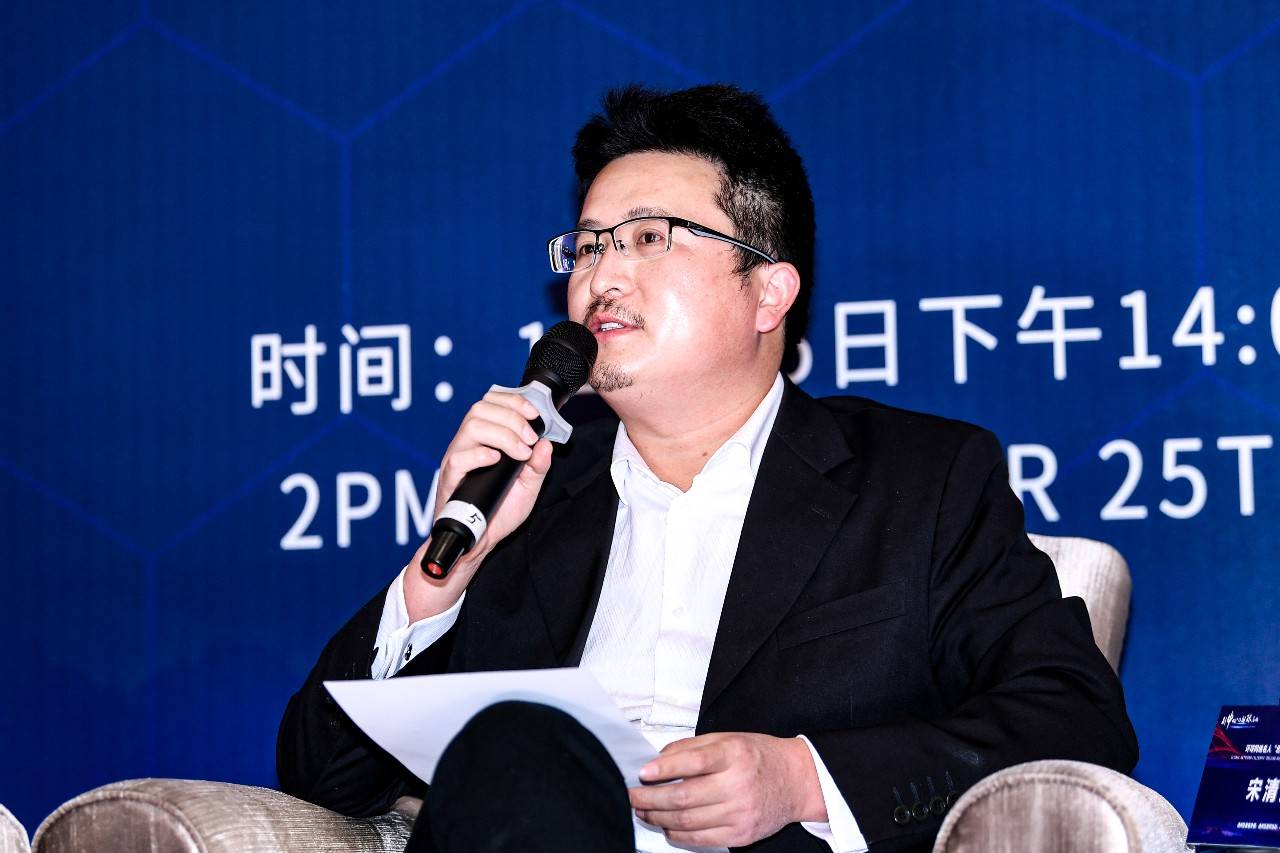
宋清辉:南街村曾经也是“良心企业”,会不会成为胖东来的明天?
Sou Hu Cai Jing· 2026-01-17 06:07
Core Viewpoint - The article discusses the potential risks associated with companies that overly rely on personal charisma and moral narratives, using the examples of South Street Village and Pang Donglai to illustrate the importance of modern governance structures in business operations [1][7]. Group 1: Comparison of South Street Village and Pang Donglai - Both South Street Village and Pang Donglai have been viewed as exemplary enterprises at different times in China's commercial history, not only for their business performance but also for the values they represent [2]. - South Street Village emerged during a unique transition from collective to market economy, while Pang Donglai has developed in a mature competitive market, highlighting different historical contexts [2]. Group 2: Governance and Personalization - Both enterprises exhibit a high degree of "corporate personification," where the success and direction of the company are closely tied to the personal will of their founders, leading to governance structures that may lack modern corporate systems [3]. - The reliance on personal authority can create initial cohesion and effectiveness, but as external conditions change, this model may become rigid and ineffective [3]. Group 3: Commercial Motivation and Narrative - Both companies have downplayed commercial motives, emphasizing values that transcend profit, which can be appealing emotionally but may undermine scrutiny of efficiency and sustainability [4]. - The historical decline of South Street Village illustrates that prioritizing sentiment over efficiency can lead to vulnerability in adverse conditions [4]. Group 4: Risks of Moral Narratives - The moral narratives surrounding both companies can act as an "invisible moat," making it difficult for external critiques to emerge, as questioning the business model may be seen as challenging the underlying values [5]. - Pang Donglai's current public perception mirrors this issue, where emotional responses may overshadow rational discussions about its business practices [5]. Group 5: Lessons for Future Enterprises - The article emphasizes that successful business models should not overly depend on personal charisma and moral narratives while neglecting institutional development and boundary control [7]. - A healthy business environment requires a balance between emotional engagement and adherence to rules and governance structures to withstand challenges [7].

2025年AI落地进行时:企业业务、组织与人才升级实战案例集-InfoQ
Sou Hu Cai Jing· 2025-12-23 18:45
Group 1 - The report focuses on the transformation and practical implementation of AI in enterprises, highlighting the experiences of benchmark companies like GAC, Alibaba Cloud, and China Resources Group [1] - Successful AI implementation requires overcoming three core pain points: insufficient cognitive alignment among employees, misalignment between technology and business, and ambiguous value measurement making ROI difficult to close [1][2] - Key success factors include the collaboration of strategy, organization, talent, and technology [1] Group 2 - Companies need to clearly define their AI positioning and path; for instance, GAC Group adopts a dual-core strategy of "All in AI" and "AI for All," focusing on high-frequency scenarios [1][2] - Organizational change is essential for implementation; GAC integrates IT resources to establish a "true matrix" organization, balancing control and agility [1][2] - Talent development should be tiered; China Resources Group builds a digital literacy system for all employees, while Alibaba Cloud emphasizes "technical taste" and general education [2][8] Group 3 - The report identifies four major trends in technology implementation: MCP protocol for unified system connection, GraphRAG for improved knowledge retrieval accuracy, AgentDevOps for controllable AI behavior, and RaaS model focusing on quantifiable results [2] - Companies must prioritize data governance and infrastructure construction to transform core business capabilities into controllable data assets, avoiding AI becoming a "negative asset" [2] - The core logic of AI implementation is "business-driven technology, technology reshaping business," requiring resolution of process integration and data standardization issues first [2] Group 4 - GAC Group's digital transformation is driven by a strategic decision from leadership, emphasizing the importance of high-level involvement in overcoming traditional enterprise path dependencies [18][20] - The transformation process involves a shift from a management-oriented headquarters to an operationally focused one, integrating IT resources and establishing a centralized digital department [24][28] - The report highlights the necessity of a systematic approach to digital transformation, including the establishment of a governance model that balances centralized control with business agility [49]


南昌广富箱包有限公司成立 注册资本10万人民币
Sou Hu Cai Jing· 2025-12-16 05:06
Core Viewpoint - Nanchang Guangfu Bag Co., Ltd. has been established with a registered capital of 100,000 RMB, focusing on various sales and service activities related to bags, leather products, clothing, and jewelry [1] Company Overview - The legal representative of Nanchang Guangfu Bag Co., Ltd. is Yu Xiaoguang [1] - The company is engaged in a wide range of business activities including bag sales, leather product sales, and clothing retail [1] Business Scope - The company’s operational scope includes general projects such as: - Bag manufacturing and repair services [1] - Sales of jewelry, watches, and second-hand daily necessities [1] - Technical services, consulting, and training (excluding licensed training) [1] - Cultural and artistic exchange activities [1] - Internet sales and sales agency services [1] - Appraisal services for artworks and collectibles [1] - The company is also involved in the sale of various products including textiles, glasses, and recycled resources [1]
Transcontinental (OTCPK:TCLA.F) Update / Briefing Transcript
2025-12-08 14:32
Summary of TC Transcontinental Conference Call - December 08, 2025 Company Overview - **Company**: TC Transcontinental (OTCPK:TCLA.F) - **Industry**: Packaging and Printing Services Key Points from the Conference Call Transaction Announcement - **Sale of Packaging Business**: TC Transcontinental announced the sale of its packaging activities to ProAmpac, which is expected to deliver immediate value to shareholders at a substantial premium [4][5][9] - **Valuation**: The transaction is valued at approximately nine times EBITDA, consistent with recent industry transactions, and represents a strong outcome given the company's previous trading multiple of about 5.5 times [5][12] Financial Implications - **Shareholder Value**: Shareholders are expected to receive a cash distribution of approximately CAD 20 per share, which aligns with the current trading price [5][12] - **Debt Management**: Post-transaction, the company anticipates a net debt of around CAD 360 million and an adjusted EBITDA of about CAD 215 million, resulting in a debt ratio of approximately 1.7 times [13][52] Strategic Direction - **Focus Shift**: The company is transitioning to focus on retail services, printing, and educational publishing, moving away from packaging due to modest organic growth prospects in that sector [6][10][20] - **Growth Strategy**: TC Transcontinental plans to grow its remaining sectors through both organic initiatives and strategic acquisitions, particularly in in-store marketing (ISM) and educational publishing [15][20][51] Market Position and Performance - **Retail Services Growth**: The retail services and printing sector has evolved into a diversified platform, generating nearly CAD 300 million in revenues, supported by recent acquisitions [7][10] - **Educational Publishing**: The media sector, particularly in French-language educational publishing, has more than doubled its revenue to CAD 110 million over the past decade [8][10] Future Outlook - **Dividend Policy**: The company expects to maintain a dividend of CAD 0.24 per share, with a low payout ratio relative to free cash flow, allowing room for growth and acquisitions [26][28] - **M&A Opportunities**: The company sees significant opportunities for acquisitions in Canada, particularly in the ISM and media sectors, which remain fragmented [51][62] Regulatory and Approval Process - **Transaction Closing**: The transaction is expected to close in the first quarter of calendar 2026, subject to regulatory approvals and shareholder votes [14][39] Additional Insights - **Employee Transition**: The leadership of ProAmpac is seen as complementary, with shared values in innovation and employee safety, which is expected to benefit employees transitioning from TC Transcontinental [9][20] - **No Plans for Privatization**: There are currently no intentions to privatize the remaining parts of the company post-transaction [20] This summary encapsulates the key discussions and strategic directions outlined during the TC Transcontinental conference call, highlighting the company's focus on maximizing shareholder value through strategic divestitures and growth in core business areas.
城记 | 探访古镇新经济:解析南翔数字“潮力”背后的生态密码
Xin Hua Cai Jing· 2025-10-11 07:47
Core Viewpoint - The article highlights the transformation of Nanxiang into a vibrant digital industry hub, showcasing its integration of traditional culture with modern technology, particularly in the animation and AI sectors [1]. Group 1: Development of Digital Industry - Nanxiang's digital industry has developed from scratch, with the gaming industry being a key example, starting from a chance encounter in 2009 that led to the establishment of Youzu Interactive [2]. - The local government actively supports businesses by addressing their specific challenges, which has resulted in significant tax contributions from companies like Youzu Interactive, achieving over 10 million yuan annually [2]. - The digital advertising sector in Nanxiang is experiencing rapid growth, with companies like Shanghai Xiakexing and Niuniu Group expected to exceed 30 billion yuan and 10 billion yuan in revenue, respectively [3]. Group 2: Financial Support and Challenges - The digital advertising industry faces cash flow issues due to mismatched payment schedules, necessitating short-term financing solutions [3]. - The local government has organized meetings with banks to facilitate financial support for businesses, addressing the common challenge of funding shortages [4]. Group 3: Business Ecosystem and Attraction - Nanxiang has attracted nearly 1,800 quality gaming companies, contributing to an expected output of 30 billion yuan in 2024, accounting for 10% of the national gaming industry and 25% of Shanghai's gaming output [5]. - The presence of established companies creates a "magnetic effect," encouraging new businesses to relocate to Nanxiang, enhancing the local ecosystem [4][5]. Group 4: Commercial Development - Nanxiang has developed a robust commercial landscape with major shopping centers, including Nanxiang Impression City MEGA, which is the largest pure commercial shopping center in northwest Shanghai [7]. - The local government maintains high service standards for all businesses, regardless of size, fostering a collaborative environment that encourages cross-industry partnerships [7]. Group 5: Future Prospects and Ecosystem Growth - Companies like Chengqi Technology have expanded their operations in Nanxiang, contributing to the local economy and enhancing the region's industrial ecosystem [6][8]. - The interconnectedness of various industries in Nanxiang promotes a collaborative environment, leading to a dynamic economic ecosystem characterized by mutual support and growth [8].
我为群众办实事|办卡容易维权难?预付式消费如何更安心
Xin Hua Wang· 2025-09-29 06:20
Core Viewpoint - The article highlights the challenges consumers face in protecting their rights regarding prepaid consumption, particularly in sectors like education, fitness, and retail services, where issues such as business closures and refund difficulties are prevalent [1]. Group 1: Prepaid Consumption Issues - Prepaid consumption involves consumers paying upfront for goods or services to be provided later, but often leads to disputes due to businesses failing to deliver or going out of business [2]. - Consumers frequently encounter difficulties in obtaining evidence for their claims, as businesses control the contract texts and records of transactions, making it hard for consumers to prove their cases [2][3]. Group 2: Legal Framework and Consumer Rights - The recent legal interpretation by the Supreme People's Court provides guidelines for handling disputes in prepaid consumption, allowing courts to recognize consumer claims when businesses fail to provide necessary evidence [3][4]. - Unfair terms, such as those that limit refunds or impose penalties on consumers, are deemed invalid under the new legal interpretation [4][5]. Group 3: Recommendations for Consumers - Consumers are advised to keep thorough records of contracts, payment receipts, promotional materials, and communication logs to support their claims in case of disputes [3][6]. - A five-step approach for consumers to resolve disputes is suggested, starting with direct negotiation, followed by mediation, administrative complaints, legal action, and potentially reporting fraud to law enforcement [7][8]. Group 4: Collective Action and Precautions - Collective action is encouraged to reduce individual costs and improve efficiency in legal proceedings, with options for joint lawsuits available for groups of consumers [8]. - Consumers should exercise caution when selecting service providers, verifying their credibility through official channels and being wary of making large upfront payments based on promotional offers [8].
新疆乌苏市市场监管局:远程协助暖人心 高效服务解民忧
Zhong Guo Shi Pin Wang· 2025-09-19 03:20
Core Points - The article highlights the proactive approach of the Urumqi City Market Supervision Bureau in providing efficient and convenient services to local businesses, exemplified by their assistance in the remote cancellation of a business license for a shop owner who was unable to be present in person [1][2][3] Group 1 - The Urumqi City Market Supervision Bureau implemented a "data more runs, people less run" service philosophy, successfully assisting a business owner in canceling her business license through remote online support [1][2] - The staff demonstrated patience and professionalism by guiding the business owner and her elderly parents through the online process, ensuring clear communication and effective assistance [2] - This case reflects the bureau's ongoing efforts to optimize the business environment and enhance government service efficiency, particularly for vulnerable groups such as the elderly and disabled [3] Group 2 - The bureau has adopted various innovative service methods, including online, mobile, and postal services, to improve accessibility and convenience for citizens [3] - The initiative aims to bridge the "digital divide" and enhance the overall satisfaction and sense of gain among businesses and the public [3]
上海锦芝缎地毯有限公司成立 注册资本50万人民币
Sou Hu Cai Jing· 2025-09-10 22:20
Company Overview - Shanghai Jinzhiduan Carpet Co., Ltd. has been established with a registered capital of 500,000 RMB [1] - The legal representative of the company is Gao Tongkui [1] Business Scope - The company engages in the sale of various products including textiles, arts and crafts, cleaning services, home goods, synthetic fibers, clothing accessories, and sports equipment [1] - It also offers services related to cultural and artistic exchanges, conference and exhibition services, and technical services [1] - The company is authorized to operate independently within the scope of its business license, except for projects that require approval [1]
昆明翔运商贸有限公司成立 注册资本30万人民币
Sou Hu Cai Jing· 2025-09-06 20:34
Core Viewpoint - A new company, Kunming Xiangyun Trading Co., Ltd., has been established with a registered capital of 300,000 RMB, focusing on various agricultural and retail services [1] Company Summary - The legal representative of the company is Zhang Jicui [1] - The registered capital of the company is 300,000 RMB [1] - The company operates in a wide range of sectors including wholesale and retail of fresh vegetables, fruits, and various agricultural products [1] - The company also provides delivery services, technical services, supply chain management, and other related services [1] Business Scope - The company’s business scope includes: - Wholesale and retail of fresh vegetables and fruits [1] - Retail and wholesale of edible agricultural products, including fresh eggs and meat [1] - Processing and sales of agricultural products [1] - Sales of daily necessities and non-food agricultural products [1] - Technical services, consulting, and project planning [1] - Food internet sales, limited to pre-packaged food [1] - Various licensed activities including food sales and catering services [1]