
非遗旅游

Search documents
首批非遗与旅游融合发展优秀实践案例公布
Xin Lang Cai Jing· 2026-01-27 22:09
Group 1 - The core event "Non-Heritage Celebrating the New Year: Harmonious Qinghai Year" was launched on January 26, 2026, focusing on the integration of non-heritage and tourism in Qinghai Province [1] - The Qinghai Provincial Department of Culture and Tourism announced the first batch of 10 excellent practice cases for the integration of non-heritage and tourism development [1] - The initiative aims to summarize and promote successful experiences in the integration of non-heritage and tourism, enhancing the demonstration effect of these cases [1] Group 2 - The selected first batch of excellent practice cases includes: 1. "Centennial Old Street Meets the Fireworks of South Nan Guan" (Xining City, Chengdong District, South Nan Guan Street) 2. "Flowing Millennia of Distilled Wine on the Hehuang Stove" (Qinghai Murong Ancient Village Cultural Development Co., Ltd.) 3. "Dan Gar Ancient City Resonates with Non-Heritage Empowering Cultural Tourism" (Huangyuan County, Dan Gar Ancient City) 4. "Hehuang Lantern Rhythm - Research Practice in the Non-Heritage Garden" (Xining City, Huangyuan County Non-Heritage Garden) 5. "Qinghai Rainbow Tribe Tu Nationality Park: Encountering New Experiences in Non-Heritage Tourism Integration" (Haidong City, Qinghai Rainbow Tribe Cultural Tourism Development Co., Ltd.) 6. "Weaving Travel on the Prairie: Nomadic Adventures" (Haixi Mongolian and Tibetan Autonomous Prefecture, Tianjun County, Zhige Er Sai Nomadic Luxury Camp) 7. "Saqu Omei Lake National Non-Heritage Costume Experience" (Hainan Tibetan Autonomous Prefecture, Gonghe County, Saqu Omei City) 8. "Tongbao Mountain Paints a New Picture of Integration" (Haidong City, Tongbao Mountain Scenic Area) 9. "Endless Heritage Journey, Sweet Tibetan Sugar Affection" (Yushu City, Muni Girl Industry and Trade Co., Ltd.) 10. "Shengjing Hot Gong Art Garden: New Practice of Hot Gong Thangka Cultural Tourism Integration" (Huangnan Tibetan Autonomous Prefecture, Tongren City, Shengjing Hot Gong Art Garden) [2]
匠心非遗传辽韵 古艺今潮焕新生
Xin Lang Cai Jing· 2026-01-07 23:22
Core Viewpoint - The integration of intangible cultural heritage (ICH) with tourism in Liaoning has become a new trend, enhancing cultural experiences for visitors while providing economic benefits to heritage practitioners [2][3][6]. Group 1: Promotion of ICH through Tourism - Liaoning has effectively combined ICH protection and tourism development, leading to a deeper and broader integration of these two sectors [2]. - The success of the Shenyang Li's Sugar Figurine technique, showcased at various events, exemplifies how ICH can thrive in tourism settings, achieving record sales [2][3]. - The introduction of 18 ICH-themed tourism routes by the Liaoning Provincial Department of Culture and Tourism aims to enhance visitor engagement with traditional crafts and local customs [2]. Group 2: Innovative Development and Training - Liaoning promotes creative transformation and innovative development in ICH, providing systematic training and workshops for heritage practitioners [4]. - Recent workshops have enabled ICH practitioners to learn modern design and marketing strategies, facilitating the transition from traditional crafts to marketable products [4][5]. - Innovations such as the "non-melting sugar figurine" technology have emerged from these training sessions, addressing industry challenges and expanding market reach [5]. Group 3: Enhanced Visibility and Global Reach - The branding and promotion of Liaoning's ICH have elevated its status from a regional cultural identifier to a prominent provincial and national cultural symbol [6]. - International interest in ICH products, such as sugar figurines, has been noted, with foreign buyers seeking collaboration opportunities [6][7]. - Visitors play a crucial role in promoting ICH through immersive experiences, leading to positive word-of-mouth and broader awareness of Liaoning's cultural heritage [6][7]. Group 4: Future Directions and Sustainability - Liaoning plans to continue enhancing the integration of ICH with tourism, education, and technology, aiming to create impactful ICH brands and develop IP products [7]. - The expansion of experiential spaces and thematic classes is anticipated to further engage the public and promote sustainable development of ICH [7]. - The role of heritage practitioners is evolving into that of cultural ambassadors, sharing the stories and memories of Liaoning with a global audience [7].
青海发布首批10个非遗旅游融合发展优秀案例
Xin Lang Cai Jing· 2025-12-20 19:01
Core Viewpoint - Qinghai has launched the first batch of 10 excellent practice cases for the integration of intangible cultural heritage (ICH) and rural tourism, aiming to promote deeper and broader collaboration between ICH and tourism, creating a favorable environment for their synergistic development [1] Group 1: Integration of ICH and Tourism - The selected 10 cases demonstrate the extensive practice and innovative vitality of the integration of ICH and tourism [1] - The deep integration of ICH and tourism revitalizes culture, allowing visitors to immerse themselves in the cultural atmosphere carried by ICH during their travels [1] Group 2: Economic and Cultural Impact - The first batch of excellent practice cases not only showcases the innovative vitality of ICH and rural tourism integration but also validates the significant value of ICH in promoting employment, preserving traditional culture, and energizing rural development [1] - These cases provide valuable, replicable, and promotable experiences for the deep integration of ICH and rural tourism across the province and the nation [1]
潍坊诸城打造非遗一条街,推动文旅融合与消费升级
Sou Hu Cai Jing· 2025-12-18 09:03
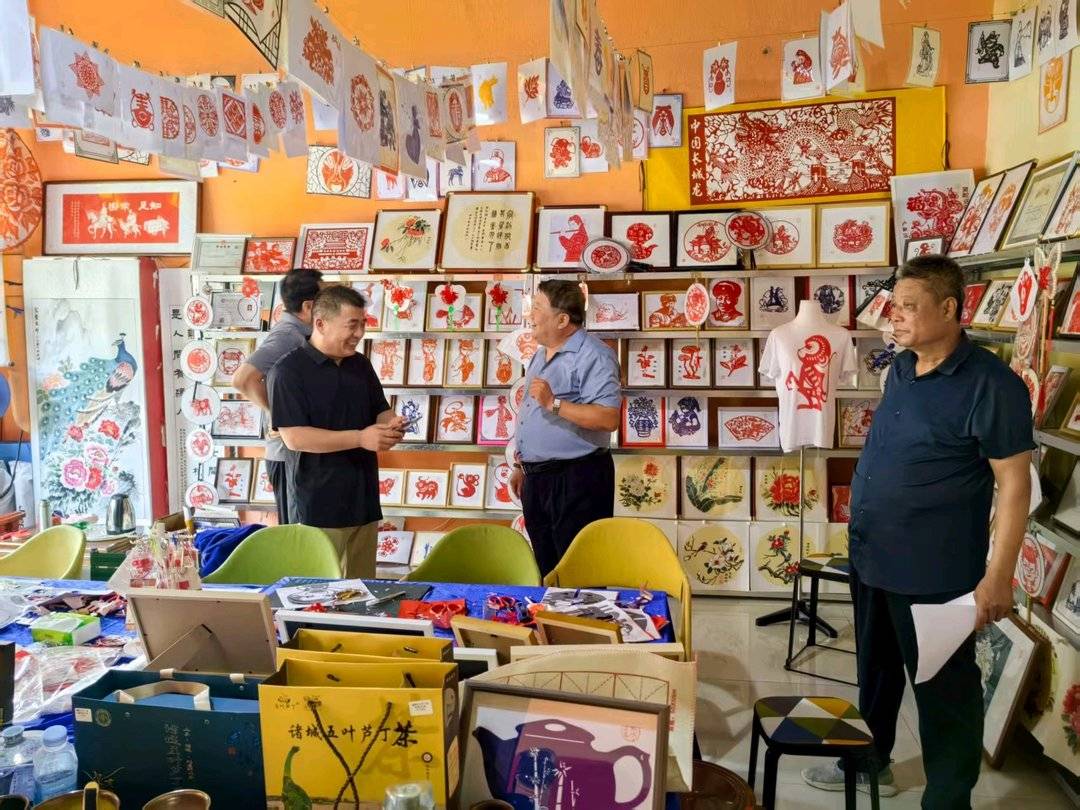
Core Viewpoint - The article highlights the development and significance of the Zhucheng Intangible Cultural Heritage Street, which aims to integrate traditional crafts into modern markets, particularly focusing on the wedding industry and educational tourism [1][3][5]. Group 1: Overview of Zhucheng Intangible Cultural Heritage Street - Zhucheng Intangible Cultural Heritage Street is located in a 3A-rated tourist area, covering an area of 2,600 square meters and showcasing 22 representative intangible cultural heritage projects [1]. - The street is set to open for exploratory public access on April 30, 2025, leveraging its unique geographical location and diverse heritage projects to serve as a demonstration window for Zhucheng's intangible cultural heritage [1]. Group 2: Innovative Development and Market Integration - The street focuses on creatively transforming and innovatively developing intangible cultural heritage products, aiming to integrate traditional crafts into the wedding market [3]. - By embedding personalized and culturally rich intangible heritage products into the wedding service chain, the initiative seeks to create a new path for the fusion of traditional heritage with modern wedding scenarios [3]. Group 3: Educational and Practical Engagement - The street serves as a comprehensive base for educational tourism, allowing students to engage with various intangible cultural heritage practices, thereby enhancing their learning experience [6]. - It has welcomed 95 educational teams from universities, totaling over 6,300 participants, indicating a strong interest in hands-on learning experiences related to intangible cultural heritage [8]. Group 4: Community and Event Engagement - The street actively organizes and participates in various intangible cultural heritage display events, enhancing the visibility and appeal of these projects [9]. - The integration of 12 representative projects into local events, such as the "V Super" football cup and the 2025 Zhucheng Half Marathon, demonstrates the street's commitment to community engagement and cultural promotion [9][10].

非遗+旅游:超越“打卡”的创新之道
Zhong Guo Qing Nian Bao· 2025-11-20 23:13
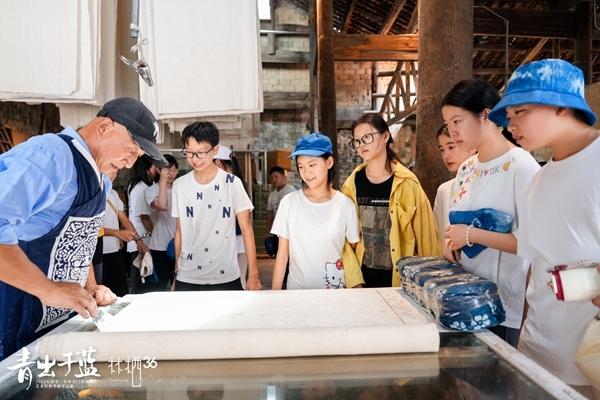
Core Insights - The integration of intangible cultural heritage (ICH) and tourism is gaining momentum, driven by government policies and local initiatives aimed at revitalizing traditional crafts and enhancing cultural tourism [2][10] Group 1: Cultural Heritage and Tourism Integration - The "14th Five-Year Plan" emphasizes the protection and active transmission of historical cultural cities, streets, and villages, promoting the deep integration of culture and tourism [2] - Innovative practices in various regions, such as the revival of blue printed cloth in Zhejiang and immersive experiences in Fujian, showcase the potential of ICH and tourism integration [3][4] - The success of these initiatives demonstrates the vibrant life force of ICH when combined with tourism, leading to economic growth and cultural preservation [3][4] Group 2: Case Studies of Successful Integration - In Zhejiang's Dongyang, the Linqi Thirty-Six Courtyard project revitalizes the blue printed cloth craft by creating a unique rural performance space, engaging local villagers in cultural activities [4][5] - The ancient city of Zhangzhou has transformed into a "living heritage garden," attracting millions of visitors and generating significant revenue through diverse cultural tourism offerings [6][7] - The Chinese Xuan Paper Town in Anhui exemplifies how ICH can be integrated into tourism through interactive experiences, leading to substantial economic benefits [8][9] Group 3: Economic Impact and Visitor Engagement - Zhangzhou ancient city is projected to receive 53.84 million visitors from January 2024 to September 2025, with ICH directly contributing over 7.45 million yuan in revenue [6] - The introduction of innovative business models, such as the "Minnan Small Theater," has successfully combined cultural performances with local cuisine, enhancing visitor experiences and generating revenue [7] - The Xuan Paper Town has achieved nearly 2 million yuan in direct economic benefits from over 400,000 visitors in 2024, showcasing the financial viability of ICH tourism [8] Group 4: Challenges and Future Directions - The integration of ICH and tourism faces challenges, including the need for skilled personnel who understand both heritage and tourism management [11] - There is a call for collaborative efforts among government, educational institutions, and heritage practitioners to create a platform for innovative integration of ICH and tourism [11]
“非遗+”打开文旅融合新空间
Ren Min Ri Bao Hai Wai Ban· 2025-11-06 22:11
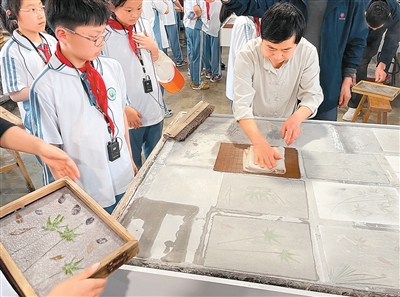
Core Insights - The integration of intangible cultural heritage (ICH) into tourism has emerged as an innovative trend, enhancing cultural transmission and economic development simultaneously [4][10]. Group 1: Non-Heritage Tourism Innovations - The China Tourism Association released the "2025 Annual Innovation Cases of ICH Tourism Integration," showcasing 20 innovative cases across various sectors, including scenic spots, cultural venues, and homestays [4]. - The Xuanzhi Town in Anhui Province has transformed traditional ICH displays into immersive experiences, allowing visitors to engage in the entire process of Xuanzhi paper making, thus enhancing visitor participation [5]. - Wu Qiao, known as the "Hometown of Chinese Acrobatics," has developed a "acrobatic + cultural tourism" model, significantly increasing tourist numbers by 94.3% during the recent holiday period [6]. Group 2: Economic Impact and Growth - The Xuanzhi Town received 47,400 visitors during the recent holiday, marking a 13% increase year-on-year, demonstrating the economic potential of ICH tourism [5]. - In Liuba County, the "non-heritage + homestay" model has led to the development of 193 homestays and generated over 1.5 million yuan in sales from ICH-related products [10]. - The integration of ICH into local economies has resulted in significant job creation, with over 5,000 entrepreneurs supported in Liuba County alone [10]. Group 3: Cultural and Experiential Engagement - The "Nanhai Longchao" brand in Guangdong integrates traditional dragon boat culture with sports and tourism, creating a series of events that enhance community engagement [8]. - The "Lin Qi Thirty-Six Courtyard" project in Dongyang combines ICH experiences with organic farming, showcasing the potential for ICH to drive multi-industry integration [9]. - The use of digital technology in ICH, such as creating digital museums and immersive experiences, is expected to attract younger audiences and enhance the appeal of traditional crafts [11].
文化味、烟火气、国风潮,假期文旅活动特色鲜明
Ren Min Ri Bao· 2025-10-05 09:01
Core Insights - The integration of intangible cultural heritage (ICH) and tourism is becoming a new trend, enhancing cultural experiences and stimulating market vitality during the National Day and Mid-Autumn Festival holidays [1][8] Group 1: Cultural Events and Experiences - Various cultural events featuring ICH were held during the holidays, such as the grand exhibition in Cangzhou, showcasing diverse ICH crafts and performances [2][3] - Visitors are increasingly seeking cultural immersion during their travels, as evidenced by the high attendance at ICH-related activities, such as over 50,000 visitors in Zhaoxing during the holidays [3] - Interactive cultural experiences, such as traditional dyeing and handicraft workshops, are gaining popularity, allowing participants to create their own ICH products [4][5] Group 2: Innovative Integration of ICH and Modern Trends - The blending of ICH with modern elements has led to the creation of diverse cultural and creative products, appealing to younger audiences [7][8] - New products, such as bags and home decor items featuring traditional patterns, are being developed to connect ancient techniques with contemporary lifestyles [7] - The focus on making ICH accessible and participatory is shifting from passive observation to active engagement, enhancing its visibility and relevance in modern society [4][8]