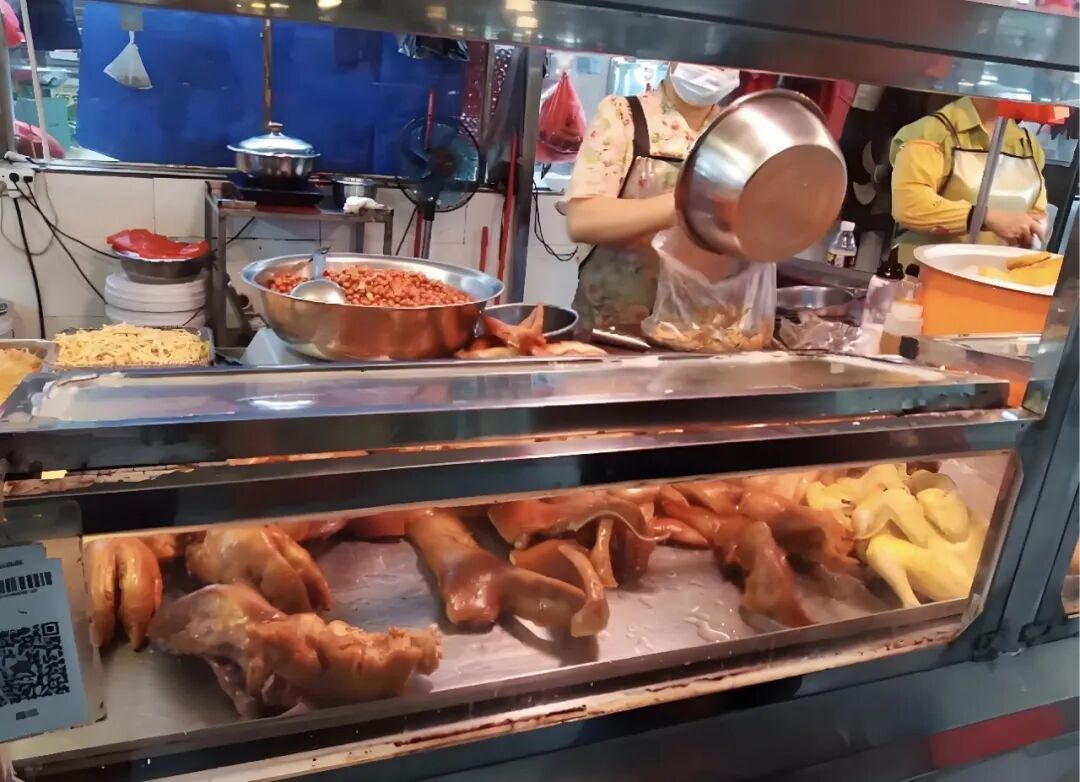
餐饮店

Search documents
去年日本企业破产数超1.2万
第一财经· 2026-01-15 07:58
Core Insights - The number of corporate bankruptcies in Japan reached a new high, with 12,610 cases reported in the previous year, marking a 27.36% increase from 9,901 cases in 2024 [3] - This marks the fourth consecutive year of rising bankruptcies, surpassing the 10,000 mark for the first time since 2013 [3] - The majority of bankruptcies involve small and medium-sized enterprises (SMEs), with a significant impact on the service sector [3][5] Bankruptcy Trends - The number of bankruptcies among companies with liabilities under 50 million yen increased to 6,383, accounting for 62.2% of total bankruptcies, the second-highest proportion since 2000 [5] - The service industry saw the highest number of bankruptcies, with 2,648 cases, a 4.0% increase from 2,547 in 2024 [5] - Retail and construction industries also faced significant bankruptcies, with retail bankruptcies rising to approximately 2,193, a 5.1% increase [5] Regional Analysis - Eight out of nine regions in Japan reported an increase in bankruptcies, with the Shikoku region experiencing the fastest growth at 9.2% [6] - "Economic downturn bankruptcies" accounted for 8,502 cases, representing 82.8% of total bankruptcies, with sales downturn being the most common reason [6] Factors Contributing to Bankruptcies - Labor shortages and high prices are identified as primary factors driving the increase in bankruptcies, with 427 cases attributed to labor shortages and 949 to high prices, both reaching historical highs [6][9] - The average minimum wage in Japan rose from 902 yen to 1,121 yen between 2020 and 2025, an increase of 24.3%, further straining SMEs [8] Industry-Specific Challenges - In the restaurant sector, large chains benefit from economies of scale, while small businesses struggle with rising operational costs [8] - The price transfer rate in the restaurant industry is 32.3%, below the industry average of 39.4%, indicating challenges in passing on costs to consumers [9] - Rising real estate prices have also increased rental burdens for SMEs, with average land prices rising by 1.5% for four consecutive years [9] Future Outlook - The trend of SME bankruptcies is expected to continue into 2026, with concerns shifting from high prices to labor shortages and other human factors [9] - Close monitoring of the impact of tariffs on exports, particularly in the automotive and semiconductor sectors, is advised [9]

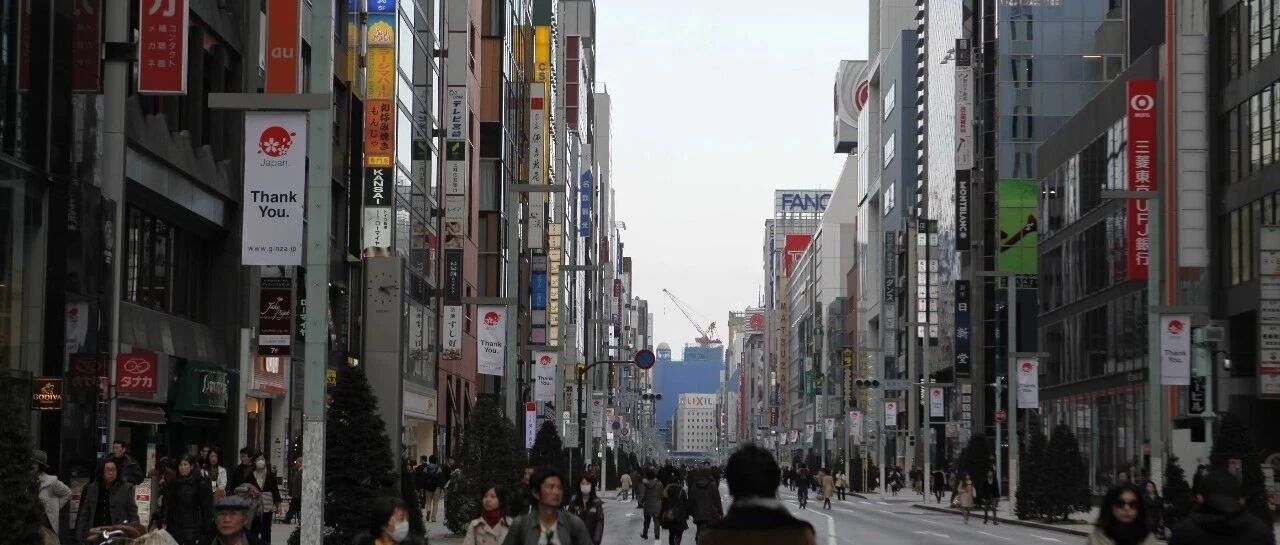
新高!去年日本企业破产数超1.2万,中小企业最受伤
Di Yi Cai Jing· 2026-01-15 07:05
Core Insights - The number of bankruptcies in Japan's service industry reached the highest level since 2000, with a total of 12,610 cases last year, marking a 27.36% increase from 9,901 cases in 2024 [1] - The bankruptcies have been primarily among small and medium-sized enterprises, with the trend of increasing bankruptcies continuing for the fourth consecutive year [1] - High operational costs, labor shortages, and central bank interest rate hikes are major factors contributing to the rising bankruptcy rates [1] Group 1: Bankruptcy Statistics - The number of bankruptcies for companies with liabilities under 500 million yen increased to 6,383, a 7.8% rise from 5,919 in 2024, accounting for 62.2% of total bankruptcies, the second-highest proportion since 2000 [2] - Six out of seven industries reported an increase in bankruptcies compared to 2024, with the service industry seeing a 4.0% increase from 2,547 to 2,648 bankruptcies [2] - The retail industry also faced challenges, with approximately 2,193 bankruptcies last year, reflecting a 5.1% increase [2] Group 2: Sector-Specific Insights - Within the service industry, the "advertising, research, and information services" sector, particularly security services, contributed significantly to the overall increase in bankruptcies [2] - The restaurant sector experienced a record high of 900 bankruptcies, driven by rising food and labor costs [2] - The construction industry also saw a surge in bankruptcies, with over 2,000 cases, influenced by increased material costs and labor shortages [2] Group 3: Regional and Economic Factors - Eight out of nine regions in Japan reported an increase in bankruptcies, with the Shikoku region experiencing the fastest growth at a 9.2% increase [3] - "Economic downturn bankruptcies" accounted for 8,502 cases, representing 82.8% of total bankruptcies, with sales downturn being the most common reason [3] - Labor shortages and high prices are identified as the primary causes of the surge in bankruptcies, with record highs of 427 bankruptcies attributed to labor shortages and 949 to high prices [3] Group 4: Challenges for SMEs - Small and medium-sized enterprises in the restaurant industry are struggling with rising operational costs, while larger chains benefit from economies of scale [4] - The average minimum wage in Japan increased by 24.3% from 902 yen to 1,121 yen between 2020 and 2025, posing challenges for SMEs in managing labor costs [4] - The rental burden from rising real estate prices adds to the financial strain on SMEs, with average land prices increasing by 1.5% for four consecutive years [5] Group 5: Future Outlook - The trend of bankruptcies among SMEs is expected to continue into 2026 due to persistent high prices and labor shortages [5] - There is a need to monitor the potential shift in bankruptcy causes from high prices to human factors such as labor shortages and operator health issues [5] - The impact of tariffs on exports, particularly in the automotive and semiconductor sectors, as well as currency fluctuations, will also be crucial for economic activity [5]
新疆乌苏市市场监管局开展冬季学校周边市场秩序专项检查
Zhong Guo Shi Pin Wang· 2026-01-05 08:30
Group 1 - The core viewpoint of the article emphasizes the proactive measures taken by the Urumqi Market Supervision Bureau in Xinjiang to enhance market regulation around schools, focusing on winter consumption characteristics [1] - The enforcement personnel conducted inspections targeting supermarkets, stationery stores, and restaurants near schools, ensuring compliance with food safety and product quality standards [1] - The inspections included verifying the validity of business licenses, adherence to procurement verification, and preventing the sale of expired, spoiled, or counterfeit products [1] Group 2 - Special attention was given to hot-selling winter food items, with checks on storage conditions and processing operations to mitigate food safety risks [1] - The bureau also monitored pricing practices to prevent price gouging and false advertising that could harm student consumers [1] - Future plans include strengthening market regulation around schools, establishing a regular inspection mechanism, and addressing various risk factors to ensure safety and consumer rights [1]
县城零售,冰火两重天
虎嗅APP· 2025-11-23 10:01
Core Viewpoint - The retail landscape in county-level cities is experiencing a stark contrast, with discount stores thriving while traditional supermarkets and convenience stores struggle to survive [2][11][30]. Group 1: Retail Performance Disparity - In a county commercial street, a well-established cooked food store is thriving, selling around 500 kg of cold dishes daily, while nearby stores face poor sales [3][6][8]. - Discount stores are attracting significant customer traffic, with one store reporting daily sales of 5,000 yuan in its first month and reaching over 10,000 yuan during peak periods [15][17]. - Traditional supermarkets are witnessing a drastic decline in sales, with one store's weekend sales dropping from 7,000-8,000 yuan to 3,000-4,000 yuan, reflecting a nearly 50% decrease in revenue over two years [19][21]. Group 2: Consumer Behavior Changes - Consumers in county areas are increasingly price-sensitive, with 71% prioritizing cost-effectiveness in their shopping decisions, significantly higher than the 58% in first- and second-tier cities [17][30]. - The shift towards online shopping is notable, with the proportion of online purchases in county areas rising from 32% in 2019 to 58% in 2024 [32]. Group 3: Industry Trends and Challenges - The number of discount stores is rapidly increasing, with a projected growth of 67% in 2024, particularly in county markets where over 55% of new stores are located [17][30]. - Convenience stores are facing high closure rates, with an 18% closure rate in county areas, compared to 12% in first- and second-tier cities [24]. - The restaurant industry is also struggling, with a closure rate of 16% in county markets, indicating a challenging environment for many dining establishments [28]. Group 4: Structural Changes in Retail - The retail industry is shifting from a "big and comprehensive" model to a "small and specialized" approach, with businesses focusing on niche markets to enhance competitiveness [34][36]. - Rising operational costs, particularly in rent and labor, are reshaping the industry landscape, making it difficult for traditional supermarkets to maintain profitability [36][37]. - Capital investment is increasingly favoring growth-oriented sectors like discount stores and specialty shops, leaving traditional retail formats with limited funding opportunities [37][38].
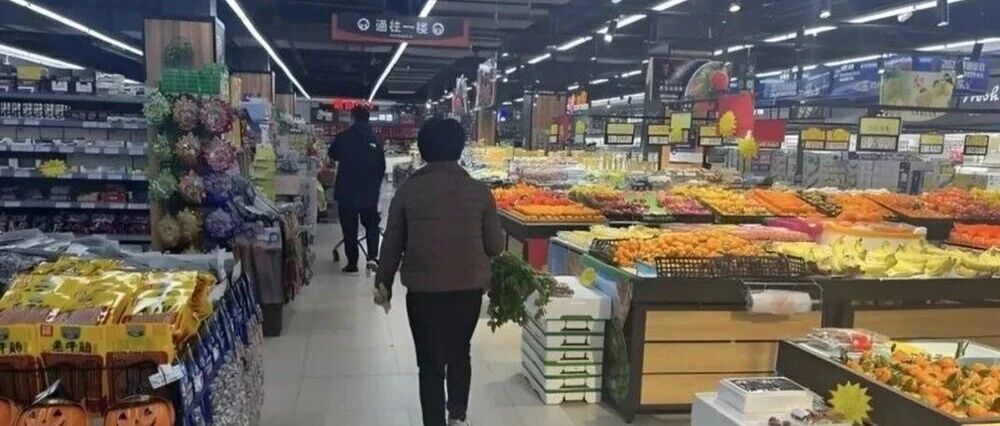
县域零售冰火两重天:一条街上,折扣店火爆,超市、便利店冷清
3 6 Ke· 2025-11-11 02:31
Core Insights - The retail landscape in county-level cities in China is experiencing significant divergence, with some businesses thriving while others struggle to survive [7][12][18] - Consumer preferences have shifted towards value and quality, leading to a decline in traditional retail formats [19][23] - The rise of discount stores and specialized food shops is reshaping the competitive dynamics in the retail sector [10][25] Summary by Sections Business Performance - Zhang Ning's熟食店 has been successful, selling around 500 kg of cold dishes daily, while other nearby stores are struggling [1][5] - The county has a low population density of approximately 400,000 residents, with a significant shift in consumer behavior towards new urban areas [3][5] - Discount stores are gaining traction, with one store achieving daily sales of 5,000 yuan shortly after opening, and sales peaking during holidays [8][10] Market Trends - The discount store model is expanding rapidly, with a projected 67% increase in the number of stores in 2024, particularly in county markets [10][11] - Consumers in county areas prioritize price, with 71% citing value for money as their primary consideration [10][11] - Traditional supermarkets are facing a decline, with average customer traffic down 23% and sales down 18% in 2024 [11][12] Consumer Behavior - There is a notable shift in consumer purchasing habits, with a significant increase in online shopping from 32% in 2019 to 58% in 2024 [21][19] - Consumers are increasingly favoring specialized stores over traditional supermarkets, which struggle to compete on price and convenience [14][23] Industry Dynamics - The retail industry is moving towards specialization, with discount stores focusing on specific product categories to enhance efficiency [23][25] - Rising operational costs, particularly in rent and labor, are challenging traditional retail formats, making it difficult for them to maintain profitability [25][26] - Capital investment is increasingly directed towards high-potential sectors like discount stores and specialty food shops, leaving traditional formats with less financial support [25][26] Regional Disparities - There are significant regional differences in consumer spending, with eastern coastal counties showing higher retail sales per capita compared to central and western counties [17][18] - The retail landscape is characterized by a mix of thriving and failing businesses, reflecting broader economic trends and consumer preferences [27]