乌干达咖啡

Search documents
探访四川年货节:世界风情汇入中国年味
Zhong Guo Xin Wen Wang· 2026-02-07 08:28
Group 1 - The 29th China (Sichuan) New Year Shopping Festival showcases a variety of imported goods from around the world, enhancing the Chinese New Year dining experience with products like Thai rice, Nepalese tea, and Ugandan coffee [1][3] - French wine producers are adapting their products for the Chinese market, creating blends that cater to local taste preferences, such as a new wine with 60% XO and 40% grape juice [1] - The festival highlights the "youth economy," with brands targeting younger consumers through innovative products and appealing packaging, such as a new low-alcohol wine designed for social gatherings [1] Group 2 - The import pavilion serves as a platform for cultural exchange and business collaboration, with international exhibitors eager to deepen their understanding of China and explore trade opportunities [3][4] - Events like the "Explore Uganda: Going to Africa" salon focus on trade and investment cooperation, inviting Sichuan enterprises to tap into African markets [4] - The festival reflects the growing interaction between China and the world, with imported goods symbolizing cultural connections and collaborative stories that enrich the Chinese New Year celebrations [4]


沙坪坝再增一个国家文化旅游商务中心,外贸综合服务平台再扩容——乌干达·重庆沙坪坝投资贸易洽谈会举行
Sou Hu Cai Jing· 2026-02-04 03:19
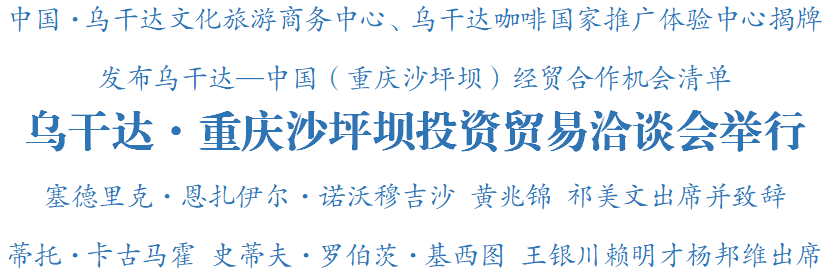
Core Insights - The Uganda-Chongqing Shapingba Investment and Trade Fair was held on February 2, featuring key figures from both Uganda and China, emphasizing the strengthening of bilateral economic ties and cooperation in various sectors [1][9][12]. Group 1: Event Overview - The event included the unveiling of the China-Uganda Cultural Tourism Business Center and the Uganda National Coffee Promotion Experience Center, aimed at enhancing trade services between Chongqing and Africa [3][6]. - A list of economic cooperation opportunities between Uganda and Chongqing was released, highlighting products such as environmental and energy equipment, drones, agricultural machinery, electronic products, building materials, motorcycles, and new energy vehicles from Chongqing, alongside Ugandan agricultural products, seafood, and minerals [5][6]. Group 2: Key Speeches and Statements - Cedric Nzaire Nowomugisha, Chairman of BABKKS Consulting, expressed gratitude for China's support in Uganda's infrastructure and economic development, highlighting the stable political environment and rich natural resources in Uganda [9][12]. - Huang Zhaojin, Director of the Overseas Joint Development Work Committee, emphasized the potential for cooperation between Uganda and China, particularly in trade and investment, and the establishment of the China-Uganda Cultural Tourism Business Center as a platform for business facilitation [12][13]. Group 3: Future Cooperation and Initiatives - The Shapingba District government aims to deepen bilateral economic relations by leveraging the newly established centers and promoting trade in various sectors, including infrastructure, agriculture, and digital economy [12][13]. - The event facilitated discussions among 62 key foreign trade enterprises and industry representatives, focusing on resource matching and expanding trade cooperation, utilizing Shapingba's logistics and trade service platforms [23].
非洲经济在转型中积蓄增长动能(国际视点)
Ren Min Ri Bao· 2026-01-28 23:23
Core Insights - The digital financial service M-Pesa is transforming lives in rural Kenya, providing access to banking services through mobile technology, with over 51 million users across Africa, highlighting the importance of digital financial inclusion in the continent's economic growth [2] - The IMF projects that Africa's economy will show resilience and steady growth, with a forecasted growth rate of over 4% in 2026, surpassing the global average [2][3] - The African Development Bank reports that Africa will remain a hub for high-growth economies, with some countries expected to achieve double-digit growth by 2026 [3][4] Economic Growth Projections - Africa's economic growth is projected at approximately 4.2% in 2025 and 4.3% in 2026, with 13 countries expected to exceed 6% growth [3][4] - Public debt as a percentage of GDP is expected to decrease from 66.3% in 2023 to 65.5% in 2024, maintaining below 65% through 2026, indicating a more stable macroeconomic environment [3] Regional Performance - East Africa is projected to maintain a growth rate of about 6.2% in 2026, driven by investments in agriculture and energy infrastructure [4] - West Africa is undergoing significant economic transformation, with countries like Senegal, Guinea, Côte d'Ivoire, and Ghana expected to see growth rates surpassing 6% [4] - Southern Africa faces slower growth due to challenges such as power shortages and high-interest rates, but a moderate recovery is anticipated in the latter half of 2026 [4] Digital and Green Energy Initiatives - The rapid adoption of digital technology and green energy projects is seen as a key driver of economic growth in Africa, with over 800 million active mobile payment accounts in sub-Saharan Africa [5][6] - The African e-commerce market is growing rapidly, with user numbers expected to reach approximately 518 million by 2025 and a market size of around $84 billion by 2030 [5] Infrastructure and Trade Developments - Significant progress is being made in infrastructure projects, such as the completion of the Guinea Bissau bridge and the activation of the Tanzania-Zambia railway project, enhancing regional connectivity [8] - China remains Africa's largest trading partner, with trade exceeding $300 billion for the first time, reflecting a diverse and dynamic trade relationship [7][8]
多家机构预测,非洲2026年经济增速将在4%以上,高于全球平均水平——非洲经济在转型中积蓄增长动能(国际视点)
Ren Min Ri Bao· 2026-01-28 22:11
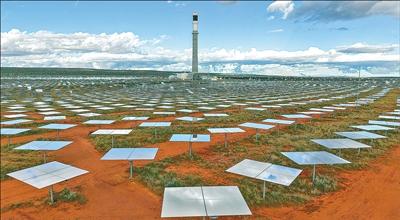
Core Insights - The article highlights the transformative impact of digital financial services like M-Pesa on rural farmers in Kenya, showcasing the broader trend of digital financial inclusion across Africa, which has over 51 million users [1] - The International Monetary Fund (IMF) projects that Africa's economy will show resilience and steady growth, with a forecasted growth rate of over 4% in 2026, surpassing the global average [1][2] Economic Growth Projections - Africa is expected to remain a hub for high-growth economies, with at least half of the world's fastest-growing economies located on the continent [2] - The African Development Bank forecasts a 4.2% economic growth rate for 2025, increasing to approximately 4.3% in 2026, with 13 African countries projected to exceed 6% growth [2] Debt and Inflation Trends - The median public debt-to-GDP ratio for African countries is projected to decrease from 66.3% in 2023 to 65.5% in 2024, remaining below 65% through 2026 [2] - The average inflation rate in the region is expected to decline from 13.7% in 2025 to 10.3% in 2026, creating a more favorable fiscal environment [2] Regional Economic Performance - East Africa is projected to maintain a growth rate of about 6.2% in 2026, driven by investments in agriculture and energy infrastructure [3] - West Africa is undergoing significant economic transformation, with countries like Senegal, Guinea, Côte d'Ivoire, and Ghana expected to achieve over 6% growth in 2026 [3] - Southern Africa faces slower growth due to challenges like power shortages and high domestic interest rates, but a moderate recovery is anticipated in the latter half of 2026 [3] Digital and E-commerce Growth - The rapid proliferation of digital technology and e-commerce is significantly contributing to Africa's economic growth, with active mobile payment accounts exceeding 800 million in sub-Saharan Africa [4] - The e-commerce market in Africa is experiencing rapid growth, with user numbers increasing at an annual rate of approximately 18% since 2014, projected to reach about 518 million users by 2025 [4] Renewable Energy Initiatives - African nations are accelerating the development of green energy projects to address energy bottlenecks, with South Africa aiming to attract over 130 billion rand in private investment for renewable energy by 2030 [5] - Ethiopia is exploring various renewable energy sources, while Morocco aims to capture 4% of the global green hydrogen market by 2030 [5] Trade and Investment Dynamics - China remains Africa's largest trading partner, with bilateral trade exceeding $300 billion for the first time in 2025, reflecting a diverse trade structure [6] - The African Continental Free Trade Area is progressing, with 48 countries having ratified the agreement, expected to boost intra-African trade significantly by 2045 [5][6] Infrastructure and Cooperation - Significant progress has been made in infrastructure projects, such as the completion of the Guinea-Bissau bridge and the activation of the Tanzania-Zambia Railway project [7] - Chinese enterprises are increasingly involved in infrastructure and renewable energy projects across Africa, contributing to the continent's industrialization and economic integration [7]
冬交会汇聚国内外农业精品
Hai Nan Ri Bao· 2025-12-07 01:24
Core Insights - The 28th China (Hainan) International Tropical Agricultural Products Winter Trade Fair (Winter Trade Fair) serves as a platform for showcasing agricultural products from various countries, highlighting the importance of international collaboration in the agricultural sector [3][4][5] Group 1: International Participation - The Winter Trade Fair features Thailand and Pakistan as the main guest countries, with exhibitors from 16 countries and regions presenting their unique agricultural products [3] - Exhibitors from countries like Uganda and Malaysia express their intent to establish partnerships and expand their market presence in China through the fair [3][4] Group 2: Domestic Exhibitors - Domestic exhibitors from regions such as Anhui and Guangxi showcase a variety of agricultural products, emphasizing the integration of local specialties with the benefits of the Hainan Free Trade Zone [4] - The fair facilitates interactions among domestic and international participants, fostering opportunities for collaboration and innovation in the agricultural sector [4][5] Group 3: Market Opportunities - The event highlights the evolving landscape of the agricultural industry, where the focus is shifting towards high-quality products and collaborative business models [4][5] - The fair acts as a critical hub for resource alignment and market exploration, leveraging Hainan's unique tropical advantages and policy benefits [5]
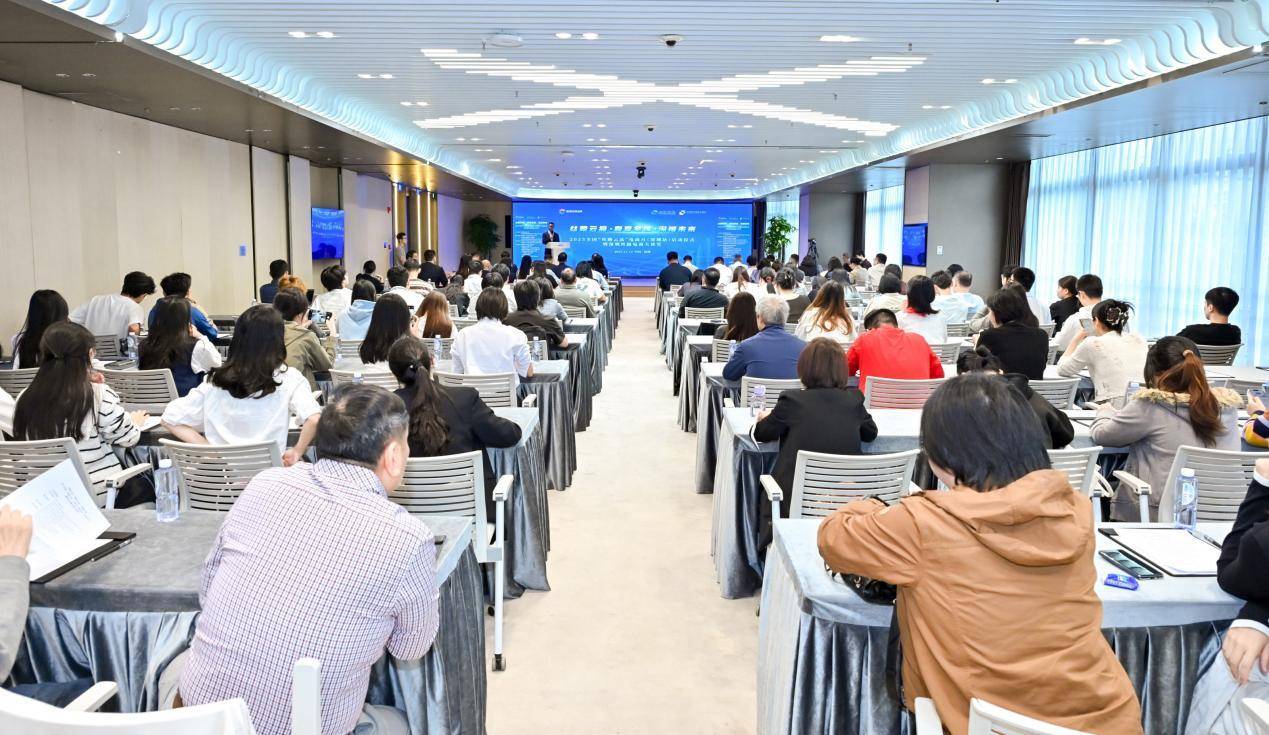
丝路云品・粤享全球・深链未来 | 2025全国“丝路云品”电商月(深圳站)正式启动
Sou Hu Cai Jing· 2025-11-12 18:07
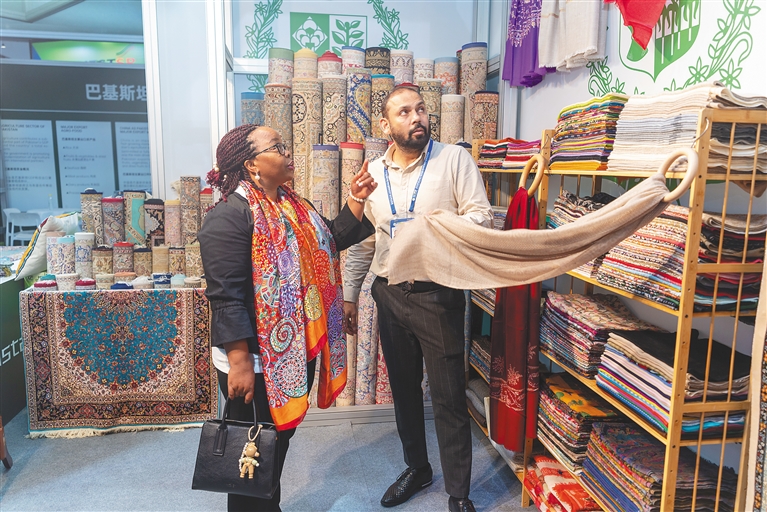
Core Insights - The event "Silk Road Cloud Products E-commerce Month (Shenzhen Station)" was launched to promote international cooperation in e-commerce and enhance the digital economy along the Belt and Road Initiative [1][3] - The initiative aims to connect high-quality products from partner countries with the Chinese e-commerce market, leveraging Shenzhen's role as a digital hub [1][8] Group 1: Event Overview - The event was organized by the Shenzhen Municipal Bureau of Commerce and supported by various government and educational institutions, highlighting a collaborative effort to boost e-commerce [3] - The launch ceremony featured government leaders and industry guests, marking the official start of the e-commerce month [3] Group 2: Industry Insights - Representatives from leading companies shared insights on the "Silk Road Cloud Products" ecosystem, focusing on differentiated services for overseas merchants and the integration of AI technology for efficient consumer connections [5] - The event showcased a variety of products from countries along the Belt and Road, creating a vibrant atmosphere for potential business collaborations [5][6] Group 3: Future Actions - Shenzhen plans to implement four key actions to enhance the "Silk Road Cloud Products" initiative, including establishing online zones for product exposure, promoting regional specialties through live streaming, organizing offline markets, and facilitating regular business matchmaking [8] - The city aims to strengthen its role as a core engine in the Greater Bay Area, enhancing the cross-border e-commerce ecosystem and contributing to the development of a "Digital Silk Road" [8]
“广阔的中国市场是我们的新机遇”(零关税·促共赢)
Ren Min Ri Bao· 2025-11-11 22:40
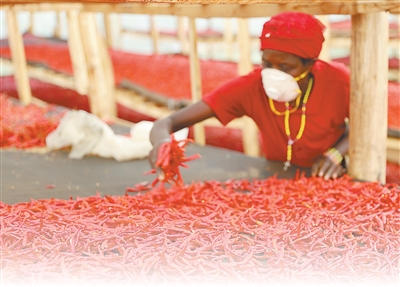
Core Insights - The article highlights the positive impact of China's zero-tariff policy on agricultural exports from Uganda and Rwanda, particularly focusing on coffee and chili peppers, which are gaining access to the Chinese market and benefiting local farmers [9][11][14]. Uganda - Coffee Industry - Coffee is a major export product for Uganda, with approximately 12 million people involved in the coffee sector, contributing about 20% to the country's foreign exchange earnings [11]. - The export of Ugandan coffee to China has significantly increased, with a reported 139.8 tons exported in the first half of the year, marking a nearly 160% year-on-year growth [11]. - The zero-tariff policy implemented by China for 98% of Ugandan products since December 2022 has facilitated easier access for Ugandan coffee in the Chinese market [11]. - The Robusta coffee bean, particularly the 18-screen size, is favored by Chinese consumers due to its large size, high density, and rich oil content [11]. - Ugandan coffee organizations are actively participating in trade exhibitions in China to enhance product quality and meet consumer preferences [11]. Rwanda - Chili Pepper Industry - Rwanda's dry chili peppers have gained zero-tariff treatment for exports to China, leading to increased confidence among local farmers and expansion of cultivation [14]. - The first batch of Rwandan dry chili peppers was exported to China in August 2021, making Rwanda the first African country to export this product to China [14]. - The collaboration between Rwandan farms and Chinese partners aims to modernize the chili pepper industry, with a project covering 100 hectares and utilizing an order-based agricultural model [14]. - The expected export volume of dry chili peppers from Rwanda to China is projected to reach 200 tons in the first planting season of the new project [14]. - The increase in chili pepper exports is improving the livelihoods of local farmers, with reports of enhanced income and living conditions [14].