五粮液普五第八代

Search documents
“上平台有些销量,但我还是主动撤下了!”一位烟酒店老板的自白:赚不到钱,还要和顾客扯皮售后
Mei Ri Jing Ji Xin Wen· 2025-11-24 10:29
Core Viewpoint - The annual "Double 11" shopping festival highlights the contrasting experiences of retailers in the liquor industry, with some embracing instant retail while others, like a store owner named Li Mu, have opted to withdraw due to low profitability despite high sales volumes [1][2][3]. Group 1: Instant Retail Growth - Instant retail in the liquor sector is recognized as a new consumption trend, with significant sales growth reported during promotional events, such as a 612% increase in transaction volume for Moutai during "Double 11" [1][2]. - Major platforms like Meituan and JD.com are experiencing explosive growth in liquor sales, with predictions indicating that the market size for liquor instant retail could exceed 100 billion yuan by 2027 [11][12]. Group 2: Challenges Faced by Retailers - Many liquor retailers are cautious about instant retail, with over 40% reporting cash flow pressures and difficulties due to high inventory and price discrepancies [3][4]. - Retailers like Li Mu have found that despite some sales, the costs associated with instant retail, including platform commissions and customer service issues, have led to minimal profits [4][7]. Group 3: Pricing and Competition - The pricing strategies of instant retail platforms often disrupt traditional pricing structures, leading to conflicts with distributors and retailers who struggle to maintain profitability [15][16]. - Price comparisons show that many premium liquors are sold at lower prices on instant retail platforms compared to official brand stores, creating a challenging environment for traditional retailers [5][6]. Group 4: Consumer Behavior and Market Dynamics - The convenience of instant retail is appealing to younger consumers, with many preferring the quick delivery of liquor for social occasions [9][10]. - The industry is witnessing a shift towards digitalization and the need for brands to adapt to changing consumer preferences, emphasizing the importance of maintaining brand integrity while exploring new sales channels [17][18].


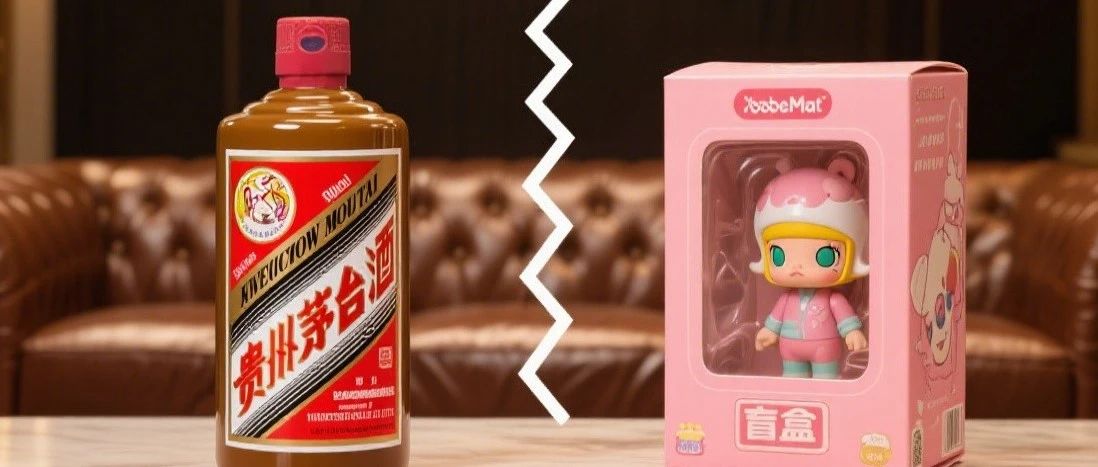
海报实验室丨同种白酒不同渠道价格悬殊?实测12种常见白酒:最多相差40%
Sou Hu Cai Jing· 2025-10-25 10:27
Core Viewpoint - The price of various brands of baijiu has been declining significantly this year, with some prices dropping by as much as 30% or nearly halved, leading to increased consumer attention and discussion about baijiu pricing [1][3] Price Discrepancies Across Channels - A recent survey conducted by the Haibao Laboratory revealed substantial price differences for the same type of baijiu across different purchasing channels, with official flagship stores generally having the highest prices and platforms like Pinduoduo offering the lowest prices, sometimes differing by over 40% [1][10][11] - For example, the price of 500ml Feitian Moutai varied from 1499 yuan (requiring reservation) to 1980 yuan (immediate purchase) on Tmall, while Pinduoduo offered it for 1640 yuan, showcasing a price difference of 32.1% [6][7][9] Specific Brand Price Comparisons - The survey included six well-known brands: Moutai, Wuliangye, Langjiu, Yanghe, Fenjiu, and Luzhou Laojiao, with findings indicating that the official flagship store prices were consistently higher than those on discount platforms [10][11] - For instance, the price of Wuliangye's 500ml product varied from 990 yuan on its official store to 769 yuan on Pinduoduo, reflecting a maximum difference of 28.7% [12] - Langjiu's 500ml Qinghua Lang had a price range from 900 yuan to 636 yuan across different platforms, resulting in a price difference of 41.5% [14] Reasons for Price Differences - Industry insiders suggest that the official prices set by liquor companies serve as a retail benchmark and are typically about 20% higher than prices found in other channels [18] - The rise of e-commerce has led to increased competition, with platforms often using baijiu as a loss leader to attract customers, resulting in lower prices compared to traditional retail [18][20] - Concerns about counterfeit products have also been raised, as some online sellers may mix genuine and fake products, particularly when prices are significantly lower than offline [20]





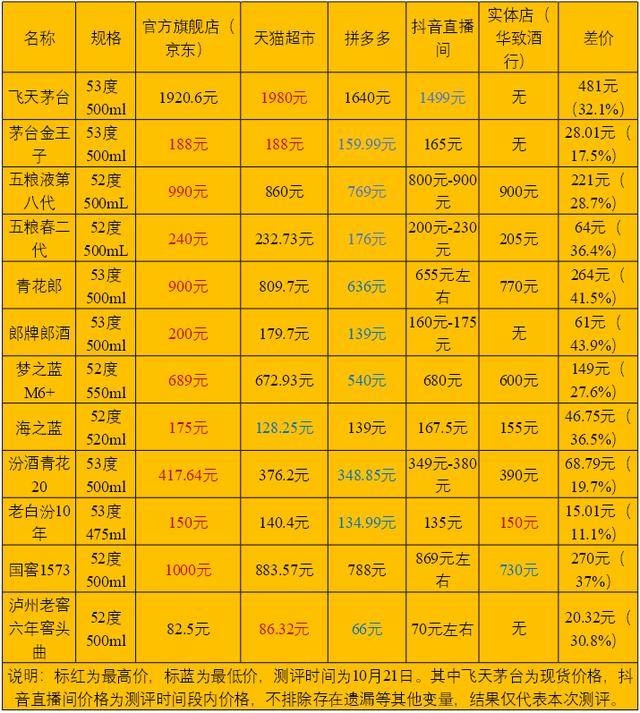
贵州茅台 VS 泡泡玛特,当下哪个更值得投资?股民吵翻了...
雪球· 2025-06-15 05:24
Core Viewpoint - The article discusses the contrasting investment outlooks for two leading companies in the consumer sector: Moutai and Pop Mart, highlighting the ongoing debate among investors regarding which company presents a better investment opportunity [1]. Group 1: Moutai Investment Outlook - Moutai's stock has been under pressure due to long-term impacts from government policies affecting the liquor industry, leading some investors to reconsider their positions [7]. - A significant portion of investors (56%) still favor Moutai, citing its historical resilience and potential for recovery if the price drops below a certain earnings multiple [4][5]. - Despite current challenges, Moutai is expected to maintain a dividend yield of approximately 3.6% in 2024, with projected net profit growth of 10% over the next 25 years, making it a potential long-term hold [10]. Group 2: Pop Mart Investment Outlook - Pop Mart has seen a surge in its stock price, reflecting a shift in consumer preferences towards cultural and collectible products, positioning itself as a leader in the new consumption trend [11][12]. - The company is recognized for its innovative approach, combining IP industrialization and data-driven strategies, which has redefined the perception of "Made in China" as a cultural output rather than just low-cost goods [14]. - Challenges remain for Pop Mart, including reliance on single IPs and balancing global and local market strategies, but its brand strength and market positioning suggest significant growth potential [15]. Group 3: Other Perspectives - Some investors express skepticism about heavily discussed stocks, suggesting that widely researched stocks may have limited speculative upside due to efficient pricing [17][18]. - The article also notes the potential for creative marketing strategies, such as collaborations with popular brands, to enhance product appeal and address inventory issues in the liquor sector [20].